



Library Stories

Library Stories
This past November, you may have noticed some curious posters inside lifts or beside notice boards, inviting you to “discover a library hidden gem.” These posters were part of a quiet, experimental campaign by the Library to explore two key questions: 1. Can we spark curiosity about lesser-known Library services through storytelling? 2. Which physical spaces are most effective for prompting interaction in a passive campaign?
News
Library Stories
Library Stories
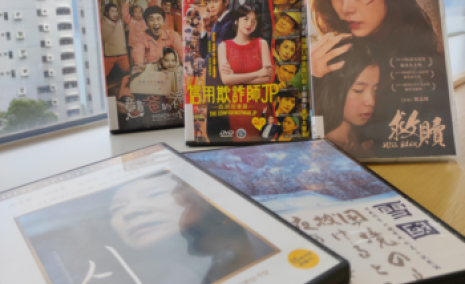
This winter, dive into some of the finest Korean and Japanese films our Library! Experience the gripping suspense of thrillers like Parasite alongside the influential classic Rashomon, a landmark film of the 20th century. If you prefer animation, enjoy the enchanting stories of Japanese favourites such as Doraemon: Nobita and the New Steel Troops Winged Angels. You might also like the fascinating Along with the Gods: The Two Worlds, one of the highest-grossing Korean film in recent years.
CollectionsNews
Library Stories
Library Stories
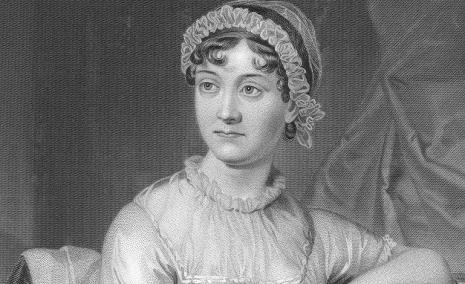
Today, December 16, 2025, marks the 250th anniversary of Jane Austen's birth (1775–1817). Despite her short life, Austen produced six novels that have become cornerstones of English literature: Sense and Sensibility (1811), Pride and Prejudice (1813), Mansfield Park (1814), Emma (1815), Northanger Abbey (1817), and Persuasion (1817). With sharp irony and keen psychological insight, her works explore themes of love, social class, and morality in early 19th-century England. Austen's influence reaches far beyond her original novels, inspiring countless sequels, parodies, and adaptations. Our library collection highlights this ongoing legacy: for instance, Emma Tennant's An Unequal Marriage: Pride and Prejudice Twenty Years Later imagines what happens to the Darcys after the happy ending of the original novel. If you're in the mood for something with horror and fantastic elements, try Seth Grahame-Smith's Pride and Prejudice and Zombies. Austen's stories have also been adapted numerous times for the screen, from Ang Lee's acclaimed Sense and Sensibility to the 2009 BBC adaptation of Emma—and many more available on Kanopy. These versions bring her timeless characters and themes to new audiences with fresh perspectives. As the fall semester winds down and exam season approaches, there's no better way to celebrate Austen's 250th birthday (and reward yourself during the winter break) than by diving into her brilliant novels. Visit our library to check out the works!
CollectionsNewsPeople
Library Stories
Library Stories
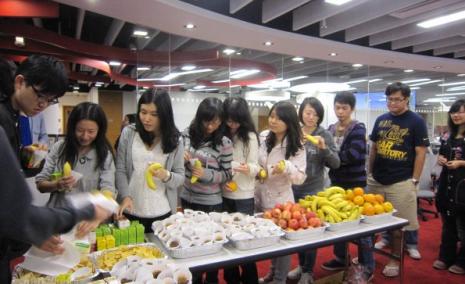
If this is your first exam season at HKUST, here’s a little heads-up: the next three weeks come with plenty of support and cheer across campus for you. If you’ve been here before, you already know the drill: your schools and many offices will be out in full force with encouragement, activities, food and drinks to help you recharge. At the Library, we have our own way of supporting you: Snack Breaks, a long-running tradition that is all about taking you away from your study seat and giving you a little treat. A Bite of History Snack Breaks started back in 2012, the same year the Learning Commons opened its doors. It was a fresh idea then, and it quickly got warm appreciation among students. Fast forward to today, and we’re in the 14th year of this program! As the library team gears up for another round of Snack Breaks, I couldn't help but wonder what those early breaks looked like. To my surprise, they could almost pass for last year’s! Same friendly vibe, same happy faces, same humble but always welcome snacks. Some traditions never age; and that is exactly what makes them special.
Learning CommonsNews
Library Stories
Library Stories
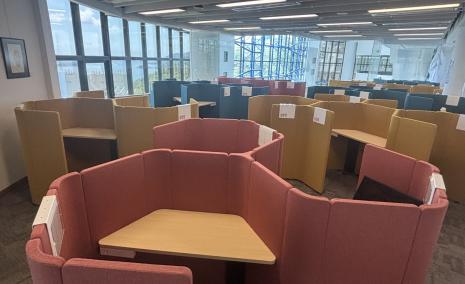
The 24/7 Learning Commons has been a great space since it opened in 2012. But in the recent Library survey you complained that it had no individual study options. We listened, and acted. Individual study carrels are now available 24/7 in the Learning Commons! These colorful carrels are built with sound-absorbent fabric panels, wooden study surfaces, and regular and USB power sockets. I hope you enjoy using them as much as I enjoyed buying them :-) And for those wondering where the previous tables went – we moved them up to the ground floor, replacing some book shelves which were no longer needed. Edward Spodick Associate University Librarian lbspodic@ust.hk
FurnitureNewsStudy Space
