


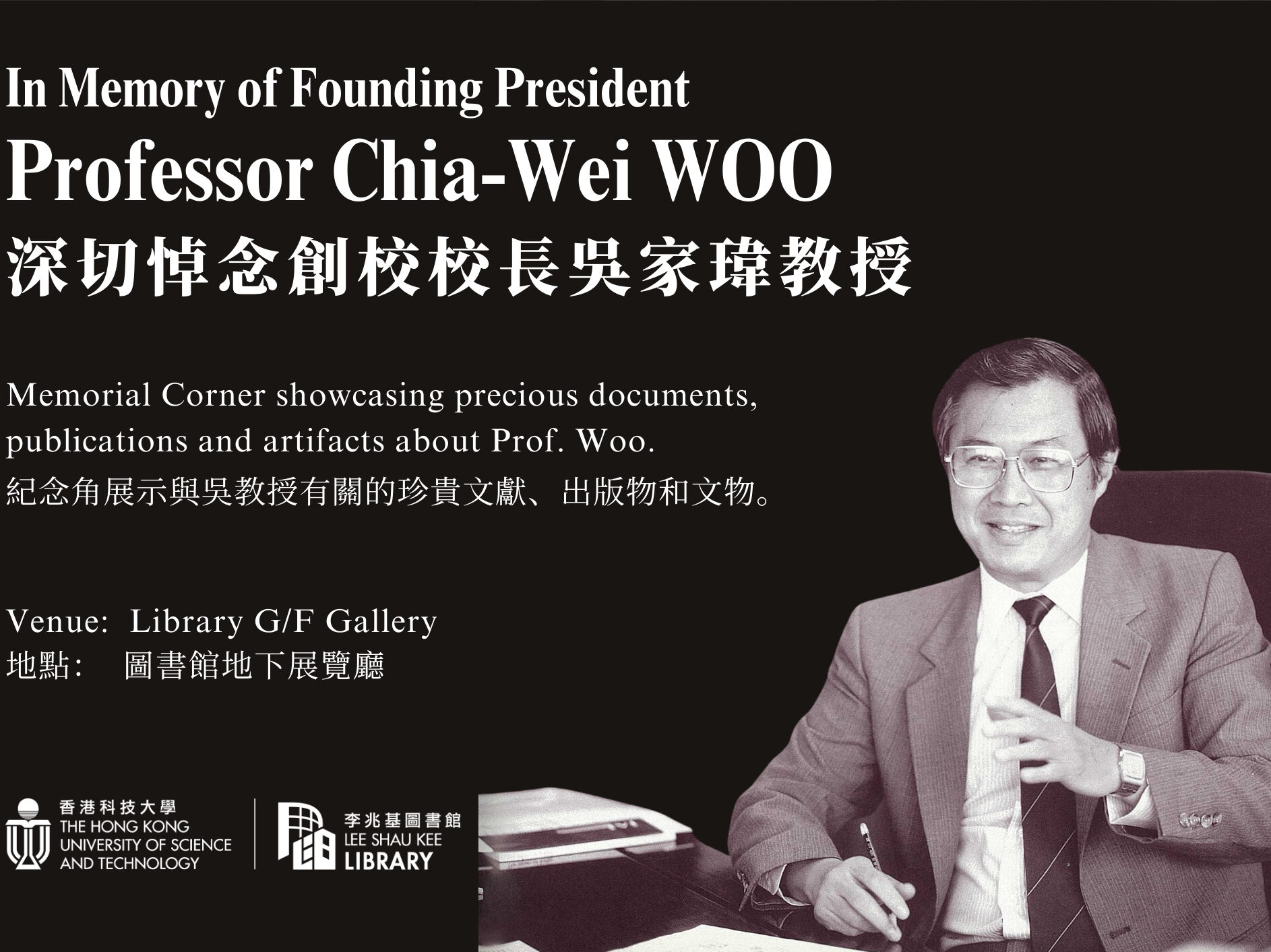
In a remarkable team effort, the University Archives recently completed installation of a memorial corner dedicated to our late founding president, Prof. Chia-Wei Woo. Did you know that it was Prof. Woo’s vision back in 1990 to establish a university archive for preserving historically significant materials relating to our university? This memorial corner could not showcase such valuable materials without his foresight and commitment to safeguarding our university's history. Within a week of announcing Prof. Woo's passing, our dedicated team collaborated to plan, design, prepare, and assemble a small display at the Library G/F Gallery to honor his memory. Our first step involved selecting items that best reflect Prof. Woo’s connection with the university and his visionary values. Among the treasures selected are three important letters from 1985 and 1987 that mark his appointment as founding president and the university’s founding years.
As the year closes, it is an opportune moment to reflect with humility on the year passed, and to look forward with hope to the year coming. I would like to attempt a brief review and preview about the Library's work. 2024 In 2024, the Library team worked very hard to update and upgrade services on all fronts. Here are a few examples. We opened the LG5 learning space in Spring; hosted the signature special collections exhibition of antique maps; organized a variety of talks by interesting speakers, including a Chinese Opera demonstration in collaboration with Xiqu Centre of westK; boosted streaming content in the collections such as Kanopy. On learning and research support, we created many new workshops that cover AI tools for academic use; and we enabled HKUST authors to publish their research papers Open Access via agreements with publishers. These are only some of the prominent outcomes of the Library team's collective efforts. Each of these posed unique challenges to us, and we overcame many with perseverance, agility, and creativity. 2025 What new things will you find in and from the Library in 2025? Many library services will naturally roll along the same tracks, but it doesn't mean they are not new!
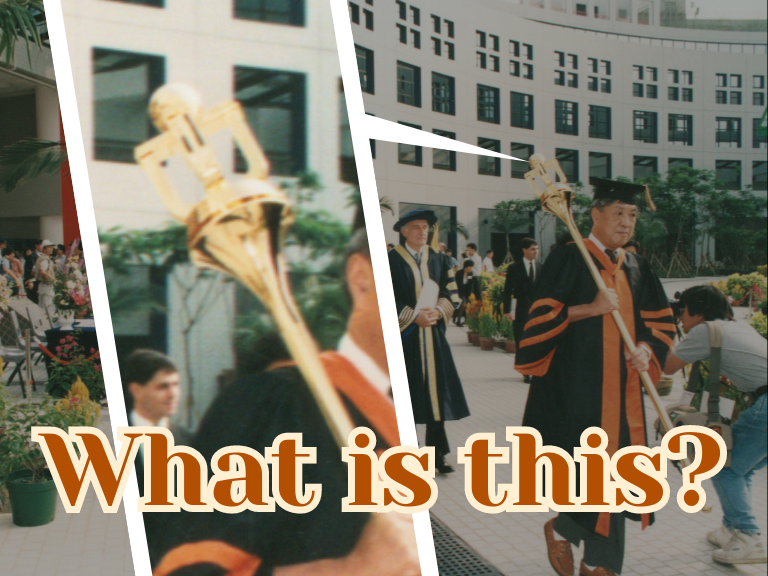
If you have ever been to one of the congregation ceremonies at HKUST, you might be wondering ─ what is that long stick the procession leader is carrying? A staff of some sort, perhaps, but what is it for? Despite its unconventional appearance, this is the University’s ceremonial mace. Most universities have a ceremonial mace displayed on formal occasions like congregations, and HKUST is no exception. Ours is unique in two ways. It is longer than traditional ceremonial maces, measuring over 1.5 meters and weighing in at over 15 kg (35 pounds) ─ as heavy as a small child! And it sports a sleek and modern design that features our university’s emblem, much unlike the ornate designs used by monarchies or other older universities. Left: A close highlight of the HKUST mace, HKUST Library Right: Chancellor’s mace, figure of Louis XIV, of Saint-Louis at the Palais du Tau, G. Garitan, CC BY-SA 3.0, via Wikimedia Commons Where did maces come from? Why do they appear in university ceremonies?
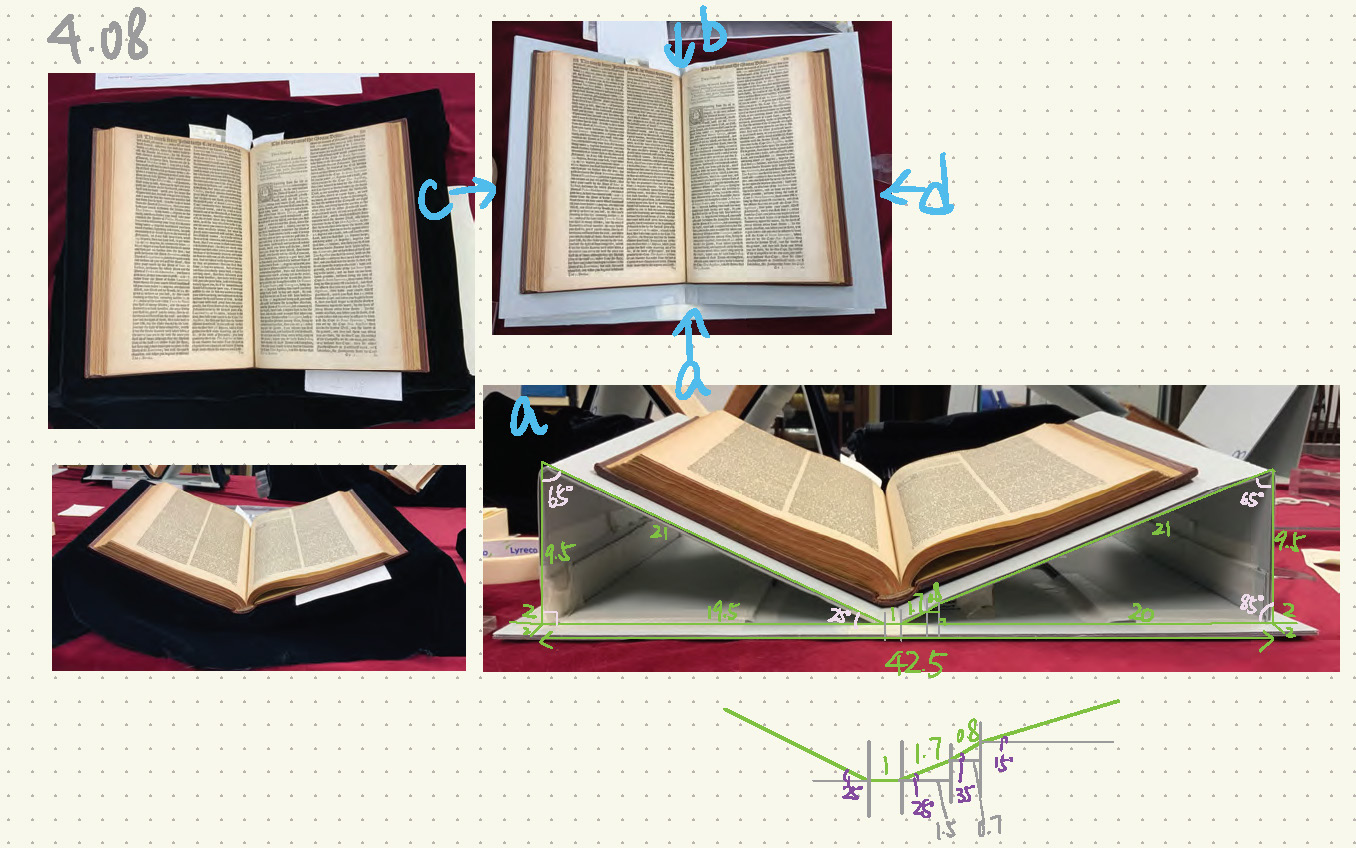
While visiting the map exhibition in the Library, you may not notice what is underneath the rare books on display. Guess what, it is more than just a stand! These rare books from our Special Collections have various ages; some older ones were published in the early 1600s, so they are almost 400 year old! To display them without hurting them is a huge challenge. Each book needs a custom-made support, called a cradle, that lets it stay open at the particular page and angle in the most comfortable way. In May 2023, library colleagues Fiona, Lu, and June worked together as the "cradle team" to tackle the challenge. For each book, they had to take these steps: 1. Determine the angle: they first had to figure out with the curators which page was to be shown; then they determined the best angle to let the book stay open. This was crucial to ensure that the book spine wouldn't be damaged while still allowing visitors to read the text and illustrations. 2.
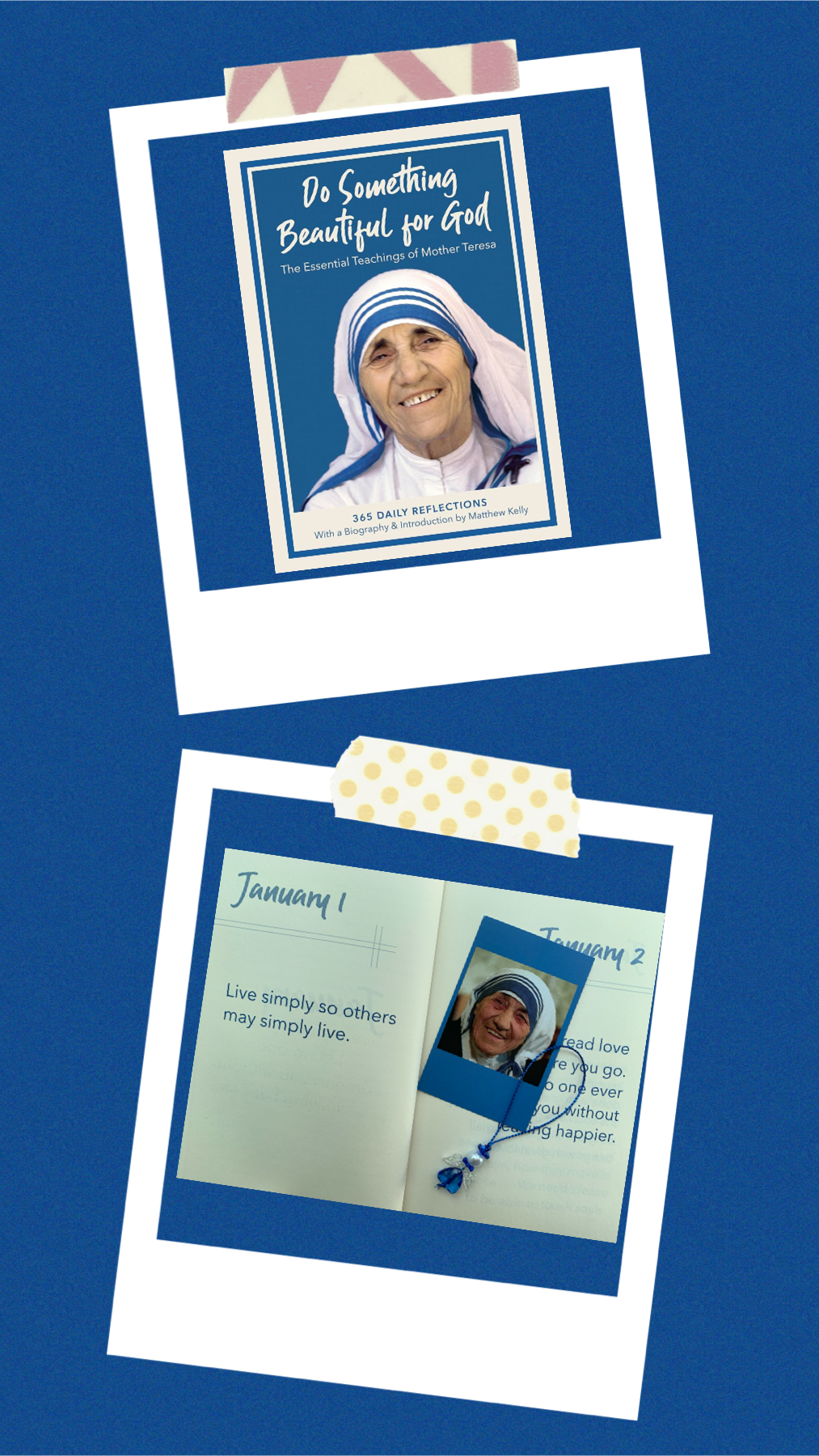
You don’t need to be a Catholic to love this little book^. It is now featured in the Library G/F Collection Highlights corner in celebration of International Women’s Day. Mother Teresa was small in physical stature, but a spiritual giant to many. She founded in 1950 the Missionaries of Charity, a congregation of Catholic sisters, to serve the poorest and the smallest in the Calcutta slums of India. If you have never heard of Mother Teresa, Google and ChatGPT can fill in all the details for you. This book works like a flippable calendar to me. While my IPhone calendar reminds me of countless errands and deadlines, a daily piece of wisdom from Mother Teresa puts my jampacked life into perspective and keeps reminding me to do good, no matter what, where, and how. It goes from January 1 through December 31, and works like 'an angel a day keeps the devil away'. It’s incredibly green. When December is gone, start afresh with January 1.
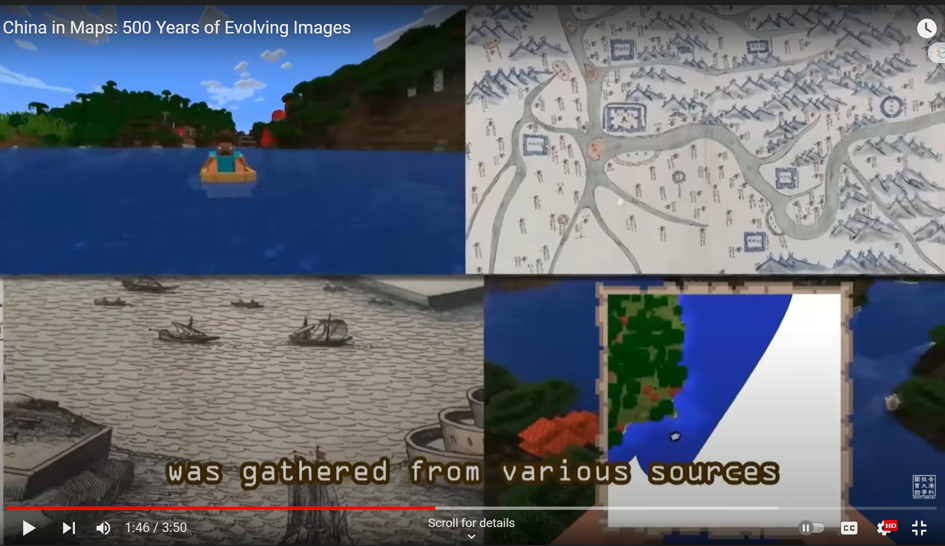
If you haven't checked out the Library Exhibition "China In Maps 500 Years of Evolving Images" yet, you're missing out! This introduction video is just the beginning of an exciting journey. You'll find an excellent example of how students can take their learning to the next level. [embed]https://www.youtube.com/watch?v=z79oXtpX5xg[/embed] Meet Delores Yip and Felicia Pang, two Year 3 students from the School of Engineering (SENG). They are fast learners with a passion for Minecraft, a game that has captured the hearts of many. With their engineering background and gaming skills, they were able to create an engaging and interactive experience for visitors to the exhibition. This is just one example of the extended learning opportunities available to students at the library. By collaborating with co-curators, students can create compelling storylines that bring history and technology together in exciting ways. So why not join us on this journey of discovery and exploration? Who knows what you might learn!
