




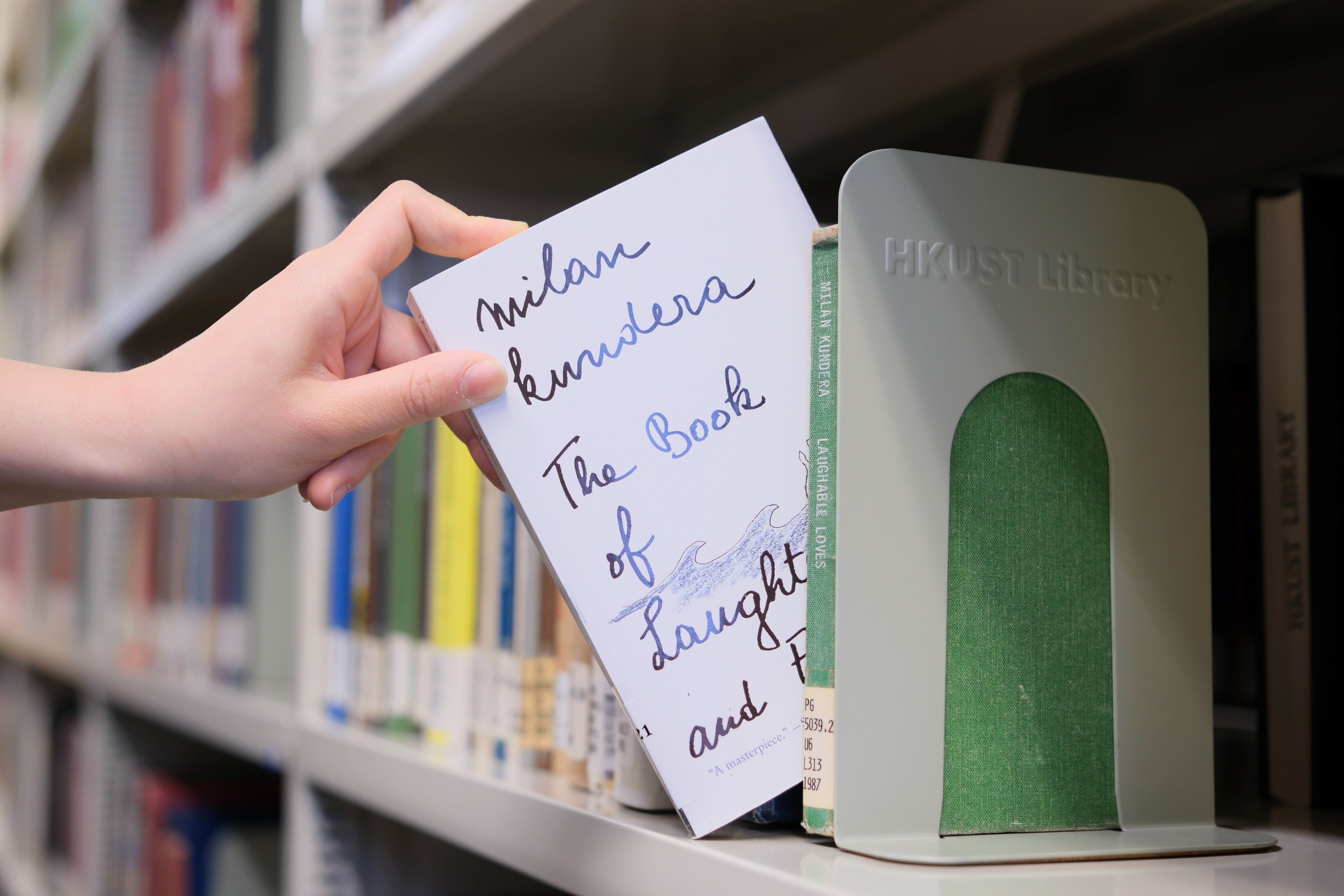
April 1st, a day synonymous with humor and mischief, also marks the birth of one of literature’s most profound voices - Milan Kundera (1929 - 2023). His debut novel, The Joke, perfectly aligns with the spirit of his birthday, demonstrating how a harmless prank transforms into life-altering consequences. The weaving of comedy and tragedy defines his literary legacy.
Another good read (author I'm fond of) is Marge Piercy. Like Ursula LeGuin, she also writes both poetry and prose. I came to her poetry, after enjoying her novels. Most of her novels are set in the contemporary world when they were published, such as, Small Changes, but some in the historic past, like Gone to Soldiers, and some are science fiction, like He, She, and It. Here's a poem she wrote that may help to inspire you: For the Young Who Want To, from her poetry collection, Circles on the Water (1982),. We have it in the book collection (PS3566.I4 A6 1982). It starts off: "Talent is what they say you have after the novel is published and favorably reviewed. Beforehand what you have is a tedious delusion, a hobby like knitting." This poem is encouraging young people (or beginners of any age) to keep at it, despite the discouraging atmosphere for the arts (or the life of the mind in general. So, I think it can apply to science or any creative endeavorl. She has another great poem in that collection, called To be of Use, in which she described people who wholeheartedly enter into work, good work. That poem ends with: "The work of the world is common as mud. Botched, it smears the hands, crumbles to dust.
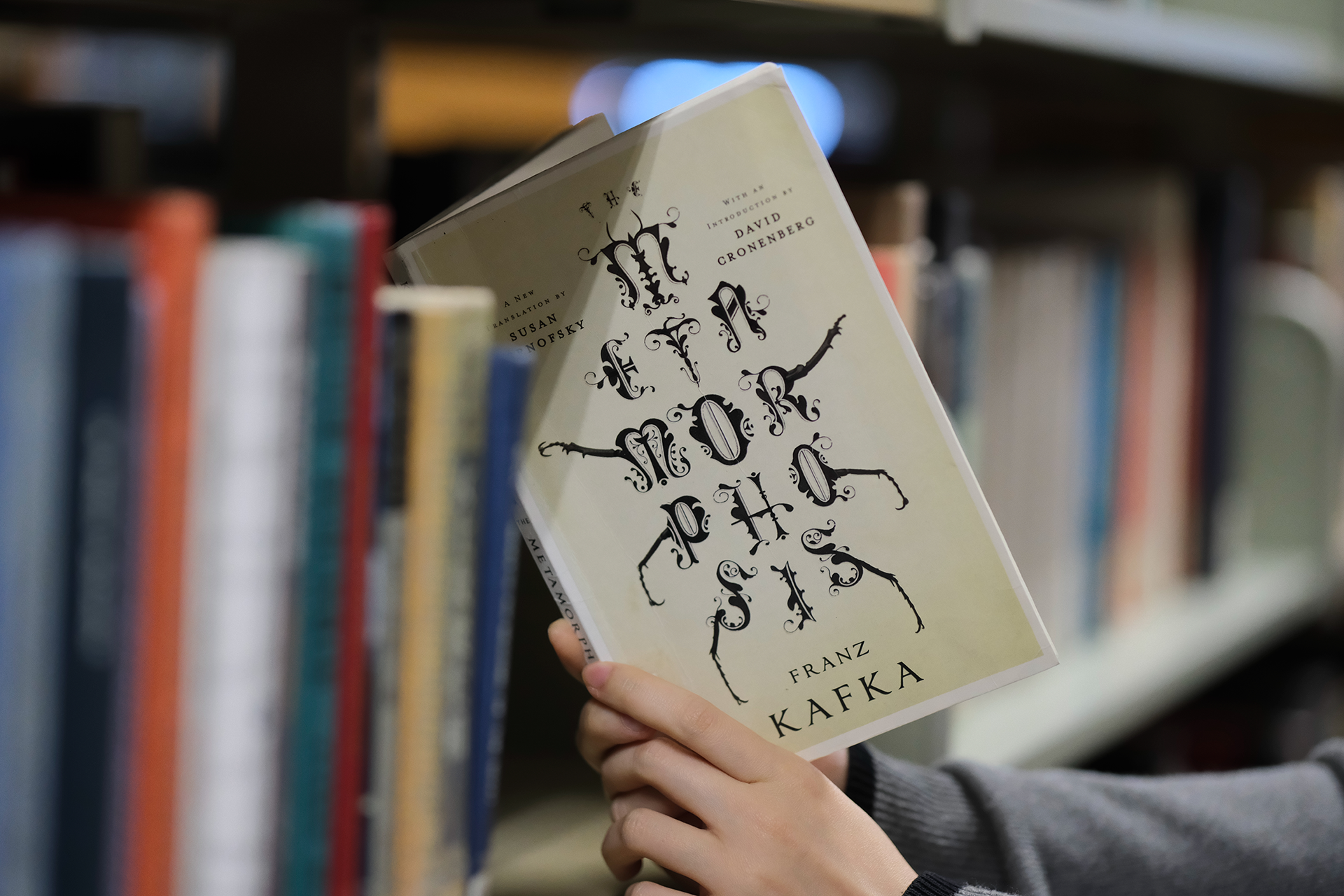
Summer induces the vibrancy of awareness. While we are gazing at the fiery blue sky, in the next breath, our faces are already dotted with raindrops from the gloom of dark clouds. There is nothing more absurd than that – uncontrollable, ever-changing, bizarre randomness. Absurdity is what you try to understand, yet far beyond your understanding. “The right understanding of any matter and a misunderstanding of the same matter do not wholly exclude each other.” In the summer of 1914, Franz Kafka began to write The Trial, yet left the ending of the story incomplete and unknown before his death. The trial of Josef K. never ends. Absurdity. Summer is associated with Kafka. On June 3, 1924, Kafka died in a sanatorium in Austria, just one month before his 41st birthday.
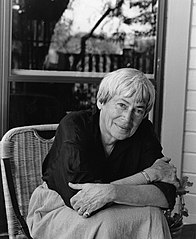
Lots of people assume that if you're a librarian, or work in a library you must love to read. It's a stereotype and in my case a true one. :) I like to read and recommend stories, books, poems, plays and all sorts of things to others.This post is the first in what I hope will be a series on good reads. Ursula K. Le Guin (1929-2018) was an American novelist, essayist, poet and short-story writer. She first became well-known for her Wizard of Earthsea fantasy series, aimed at the young, but enjoyed by people of all ages. Her main genre was science fiction, but she also wrote fantasy, poetry, essays, and fiction set in the "real world" . One of the things I like about her books is how they explore human relations and societies in what to the reader are very unusual situations. To get a start with her work, let me recommend two nice ones that are short and easy entries into her writing. The Lathe of Heaven ( PS3562.E42 L3 2003). This short novel, first published in 1971 is set in a future Portland Oregon, beset by the problems of global warming and over-population. The main character, George Orr, has a problem: his dreams change reality in the waking world. If I tell you more, I'll be guilty of "spoiling". But I can say that the situation is fascinating and the writing is simple, yet poetic.
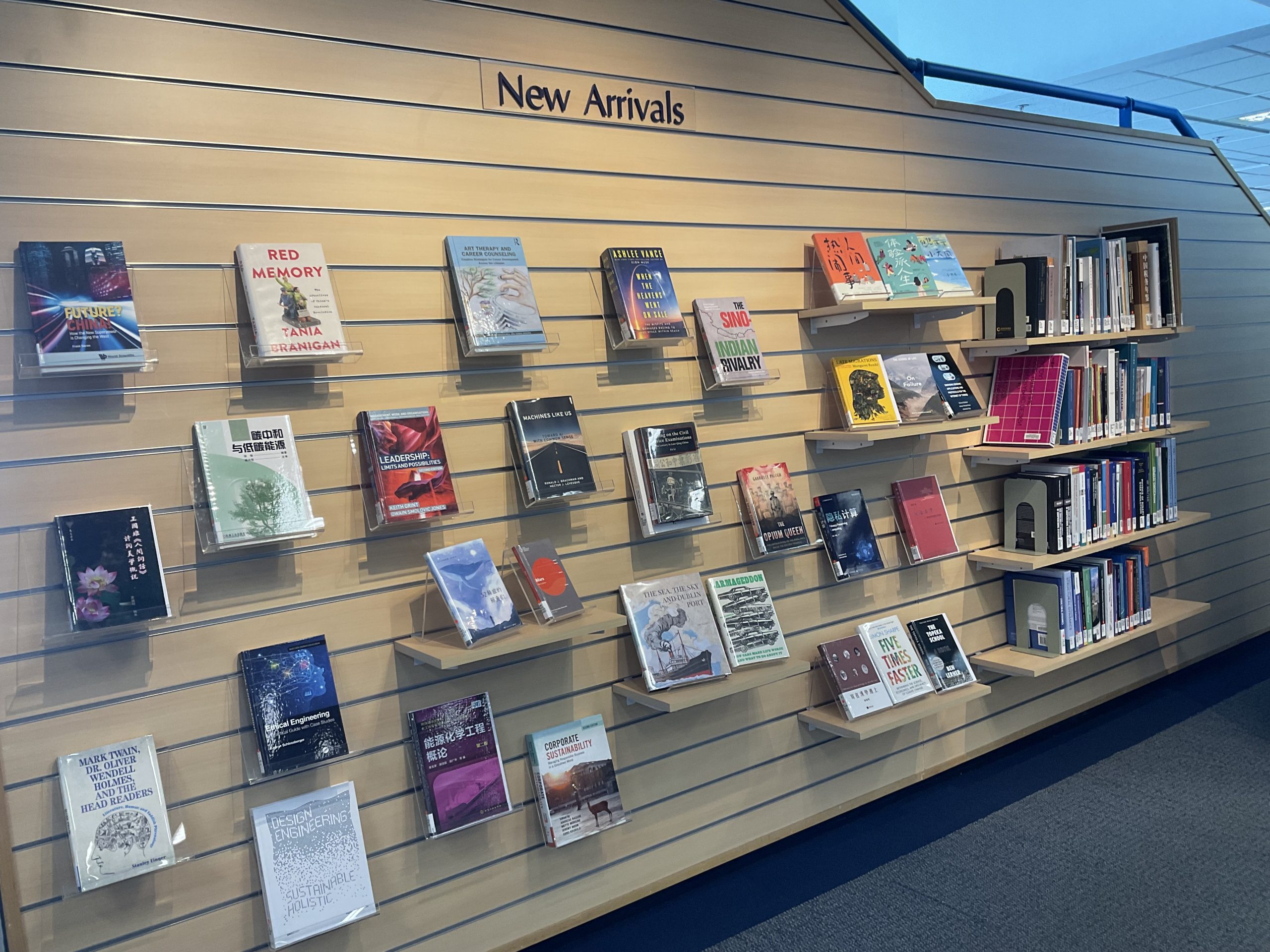
Do you have a favourite spot in the Library? For me, the corner I like the most is the New Arrivals wall on G/F. Here, you come face-to-face with the latest books in our Library. The display is always so colourful and visually attractive, and I often encounter books that pique my curiosity. For example, today I picked up a book called Less is More, which is about the “Degrowth” approach to reverse the ecological crisis that we are facing. It may change how I see the world, or it may not at all. I won't know until I read it. But what I do know is that if I hadn't stumbled upon it in the New Arrivals section, I probably wouldn't have learned about the idea of "Degrowth". In librarians’ jargon, we call this “serendipity” – the way of encountering books and ideas by chance in libraries. In Chinese, I like to call it “碰緣分“.
