



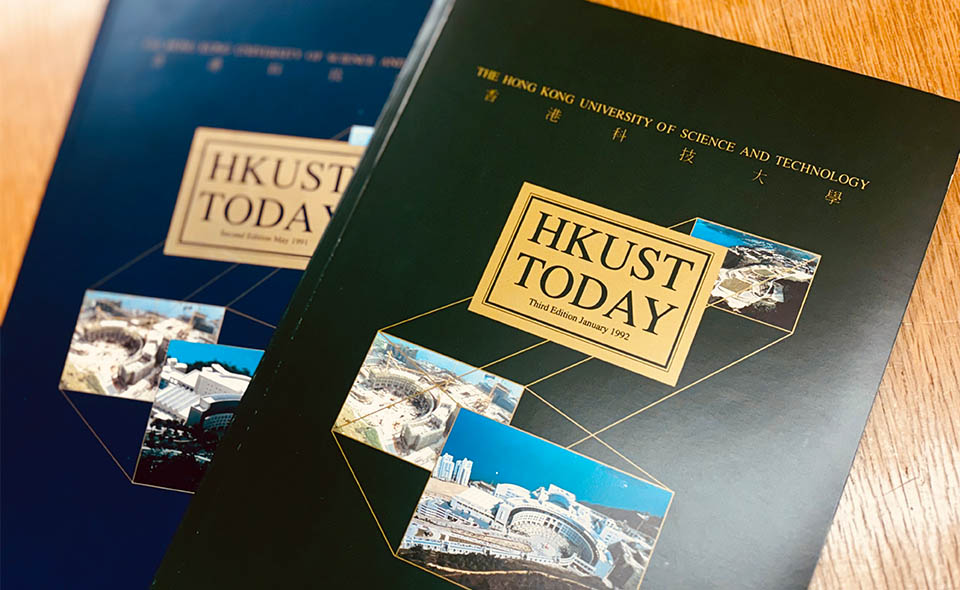
Curious about HKUST’s history but not sure where to begin? From university milestones to student voices, discover how HKUST’s story is preserved across University Archives, Library collections, and beyond. This guide brings all key resources together, offering a simple starting point to explore the people, moments, and memories of HKUST.
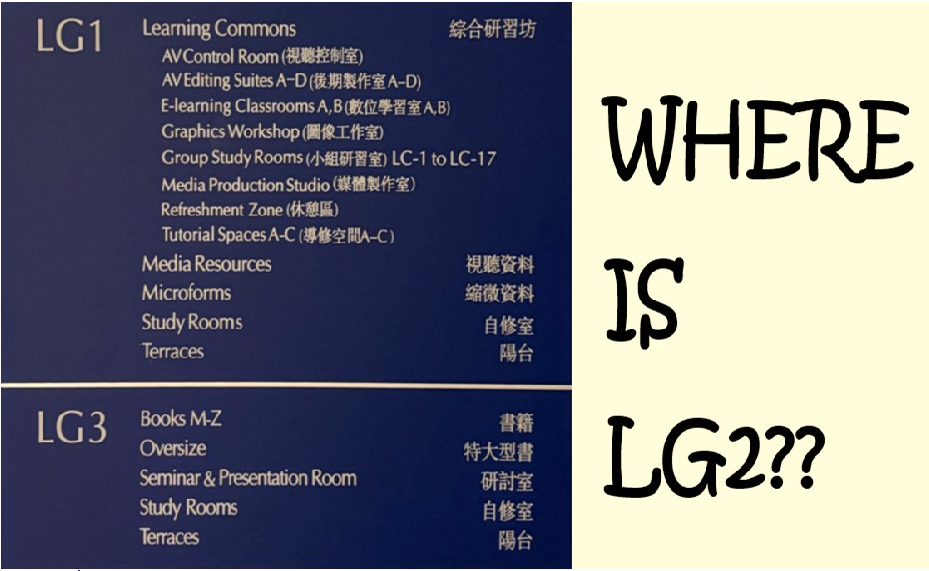
New students (and faculty!) often ask why there is no LG2 in the Library. The answer is really simple: the Library is part of the main academic building, and LG2 is in between LG1 and LG3 – when viewed from the side. :-) The initial campus planning guides from 1988 designated every floor in the building by its height above sea level. So the five planned Library floors were Levels 128, 123, 118, 113, and 108. These became 1/F, G/F, LG1, LG3, and LG4. But wait - why is LG2 missing?
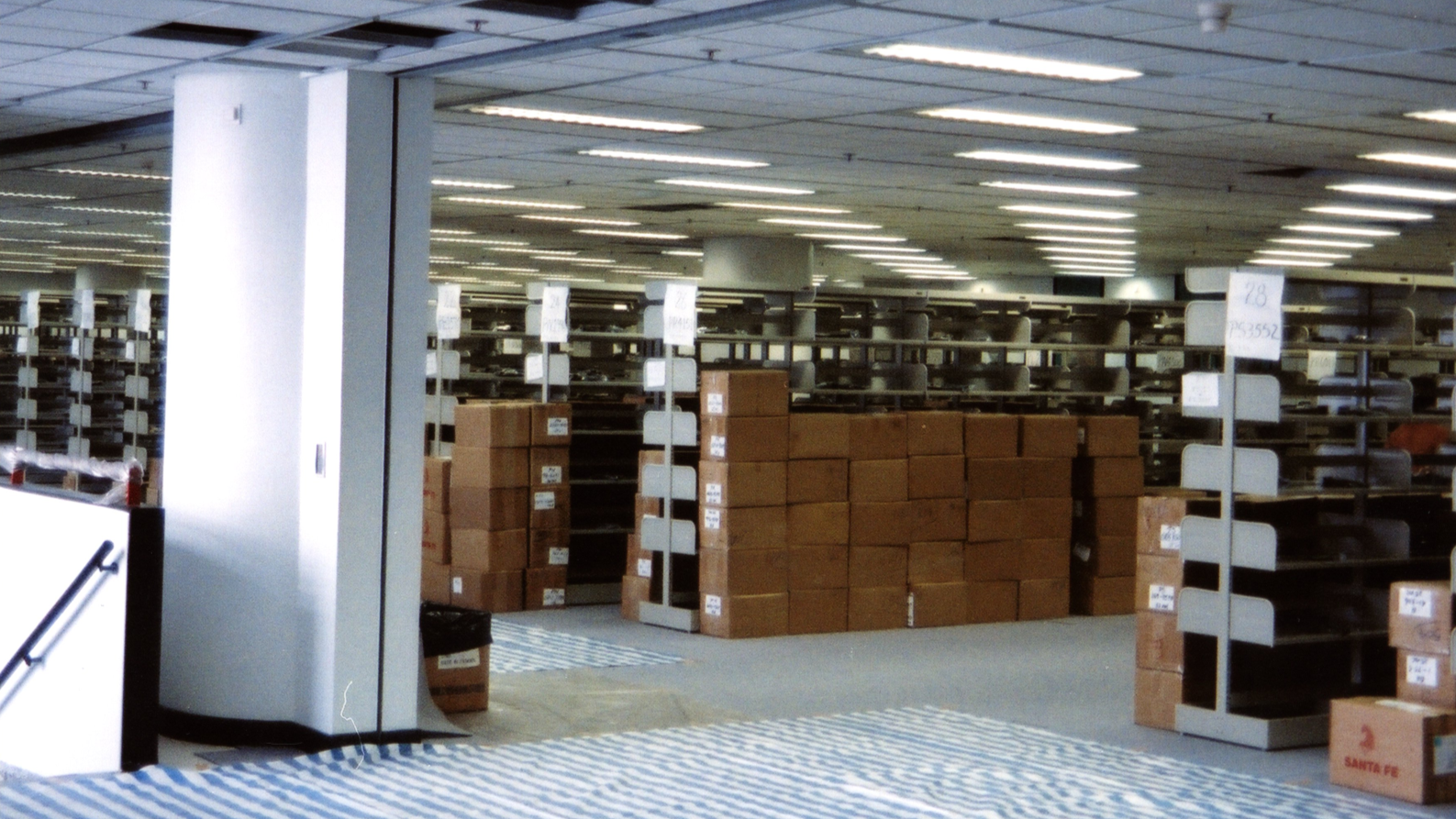
Most stories about the founding of the University skip over all of the immense effort needed not just to build the physical place, but to hire initial faculty and staff who would be responsible for getting all the pieces set up and ready to go for the first day of classes. I was hired in the summer of 1990 as part of a team to help the University Librarian ensure that the Library would be ready. I won't go into all the details, but highlighting a few will give you some sense of what was going on back then.
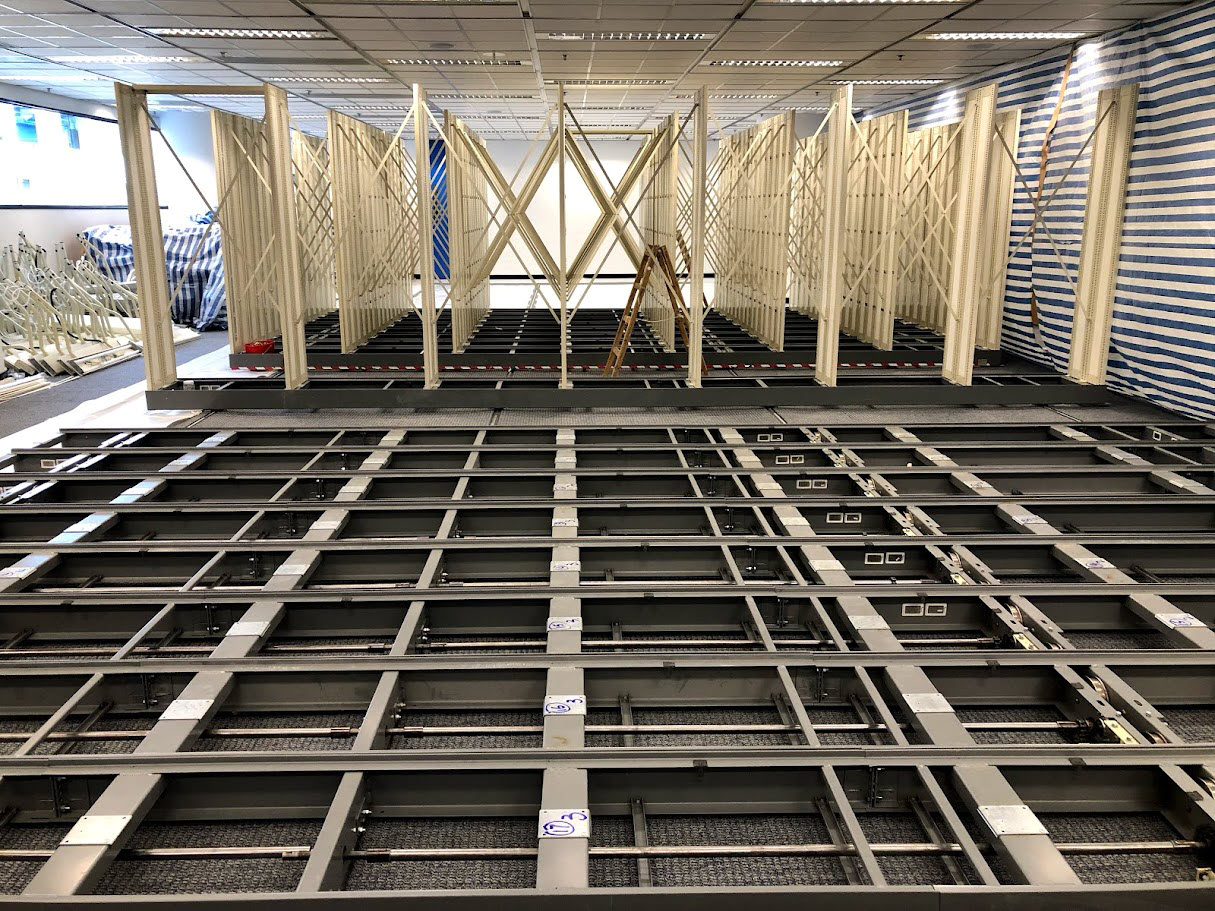
As HKUST celebrates its 35th anniversary, the Library reflects on a story that began alongside the founding of our University. It is a story of innovation, partnership, enduring care, and the quiet dedication that has supported our academic mission for over three decades.
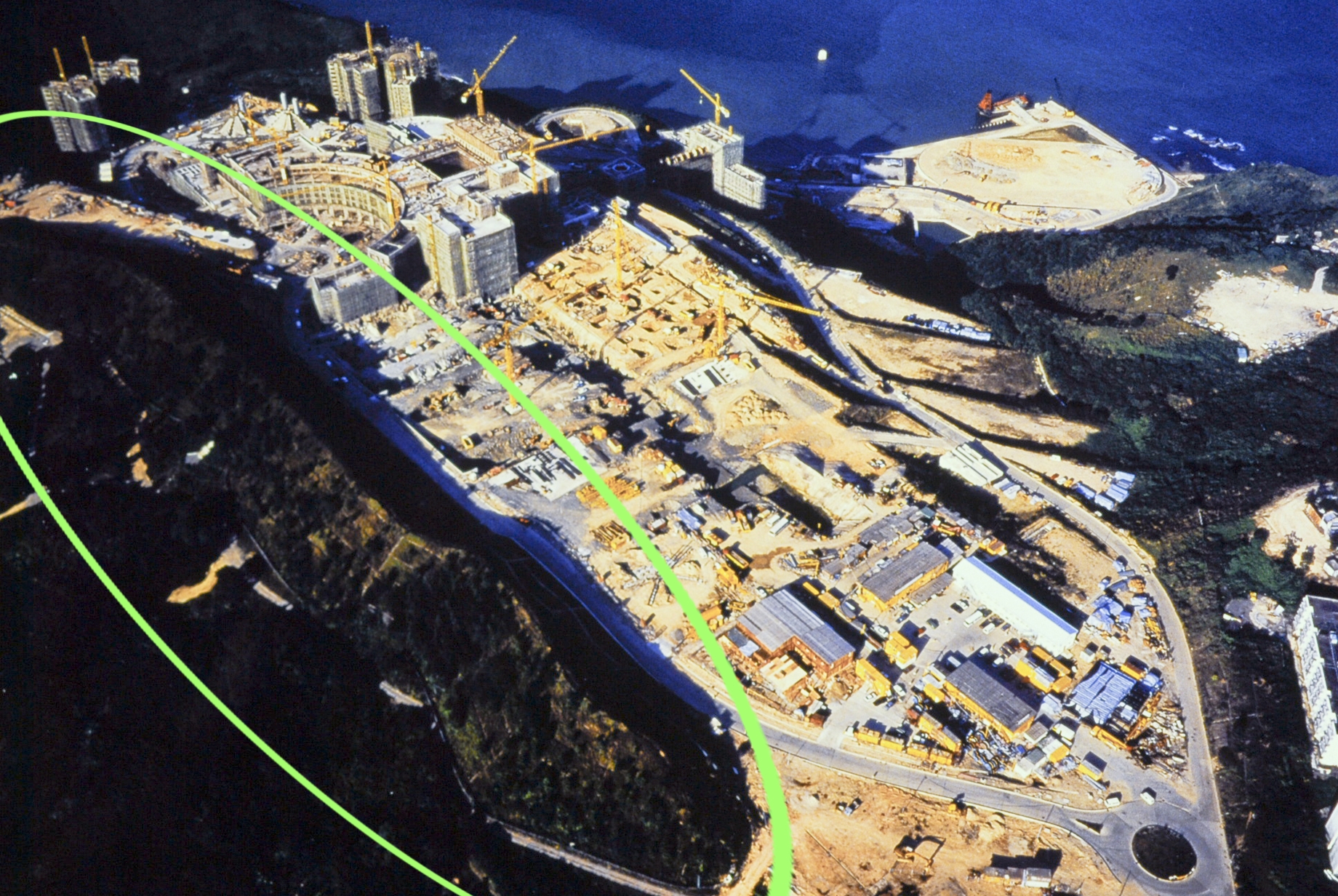
Did you know that the little hill beside the North Gate bus stop has a name? It is called the Fung Shui Ridge! Do you know what its name, "Fung Shui", means? Fung Shui (風水) is the traditional Chinese practice of arranging buildings and spaces. Even thousands of years ago, people understood the importance of the environment on their lives, and sought to improve their living spaces. On a small scale, moving some furniture away from the door or not putting your dining table directly across the toilet is easily doable. But constructing whole mountains to block out cold winds is impossible outside fables. The solution, then, is to simply build around and according to nature. And from these beliefs and actions came Fung Shui, as both a field of study and a way of life. A stranger to Fung Shui may dismiss it as mystical and unscientific.
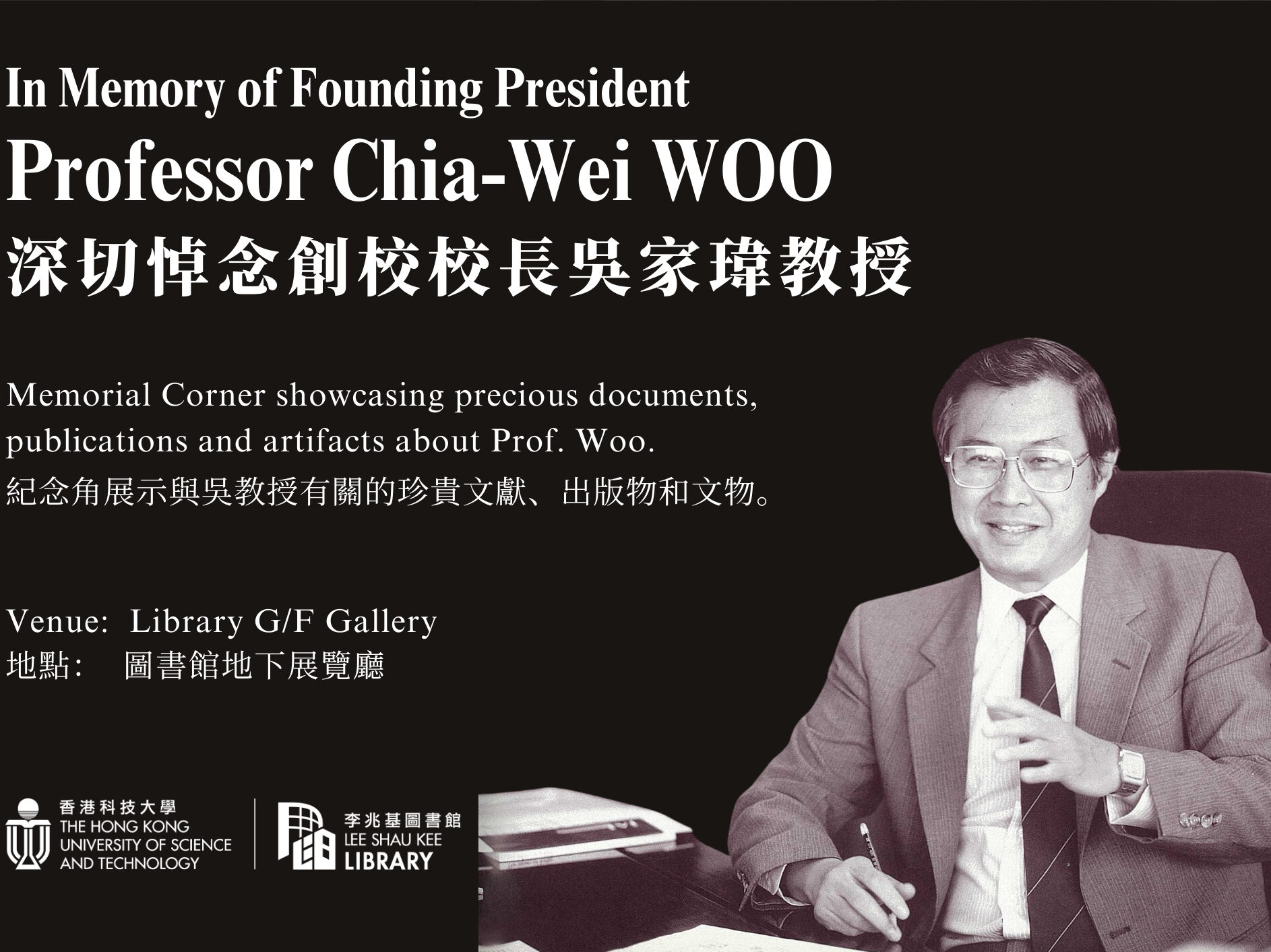
In a remarkable team effort, the University Archives recently completed installation of a memorial corner dedicated to our late founding president, Prof. Chia-Wei Woo. Did you know that it was Prof. Woo’s vision back in 1990 to establish a university archive for preserving historically significant materials relating to our university? This memorial corner could not showcase such valuable materials without his foresight and commitment to safeguarding our university's history. Within a week of announcing Prof. Woo's passing, our dedicated team collaborated to plan, design, prepare, and assemble a small display at the Library G/F Gallery to honor his memory. Our first step involved selecting items that best reflect Prof. Woo’s connection with the university and his visionary values. Among the treasures selected are three important letters from 1985 and 1987 that mark his appointment as founding president and the university’s founding years.
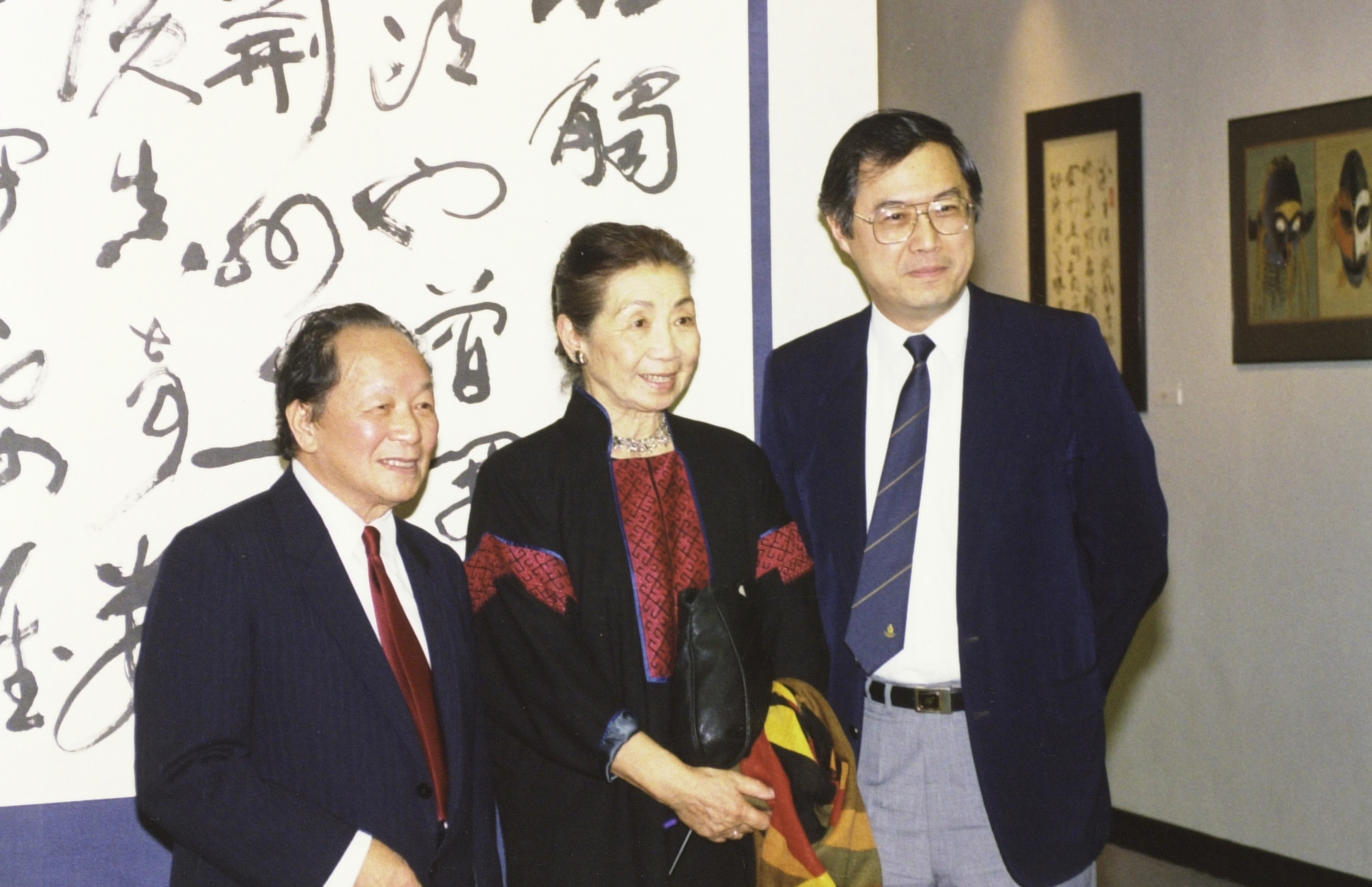
I was sad to hear the news. He will be missed. I want to share a couple of anecdotes – two of my encounters with him in the early days of the University. I was a very junior staff and only ever knew the President casually, but he knew who I was and always had a smile or a nod. In the early 1990s, HKUST had a dinner party. I don't recall the event - perhaps a staff association function. After dinner, the mahjong tables were set up and somehow I ended up in a foursome with my boss and the President. I warned them I had barely learned how to play and would be slow - but they needed a fourth and there I was. It was enjoyable, especially as we were only playing for points, and low ones at that. There was much talk, and fun, and tea.
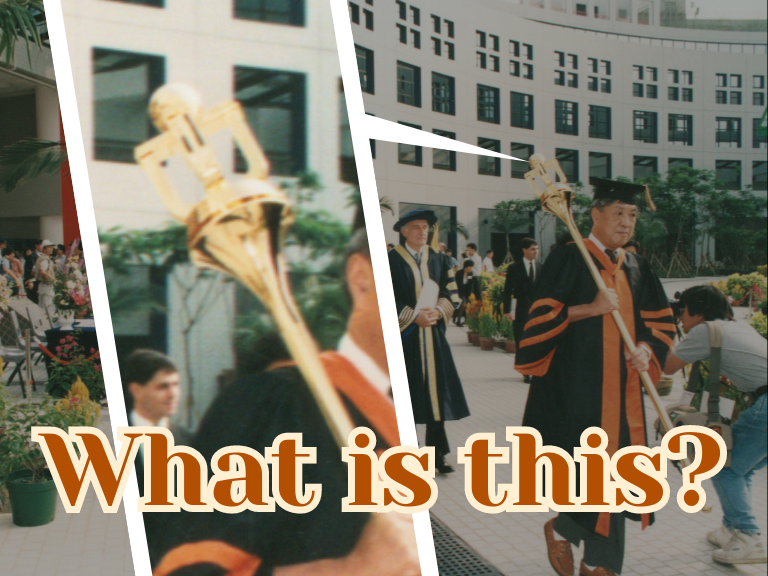
If you have ever been to one of the congregation ceremonies at HKUST, you might be wondering ─ what is that long stick the procession leader is carrying? A staff of some sort, perhaps, but what is it for? Despite its unconventional appearance, this is the University’s ceremonial mace. Most universities have a ceremonial mace displayed on formal occasions like congregations, and HKUST is no exception. Ours is unique in two ways. It is longer than traditional ceremonial maces, measuring over 1.5 meters and weighing in at over 15 kg (35 pounds) ─ as heavy as a small child! And it sports a sleek and modern design that features our university’s emblem, much unlike the ornate designs used by monarchies or other older universities. Left: A close highlight of the HKUST mace, HKUST Library Right: Chancellor’s mace, figure of Louis XIV, of Saint-Louis at the Palais du Tau, G. Garitan, CC BY-SA 3.0, via Wikimedia Commons Where did maces come from? Why do they appear in university ceremonies?
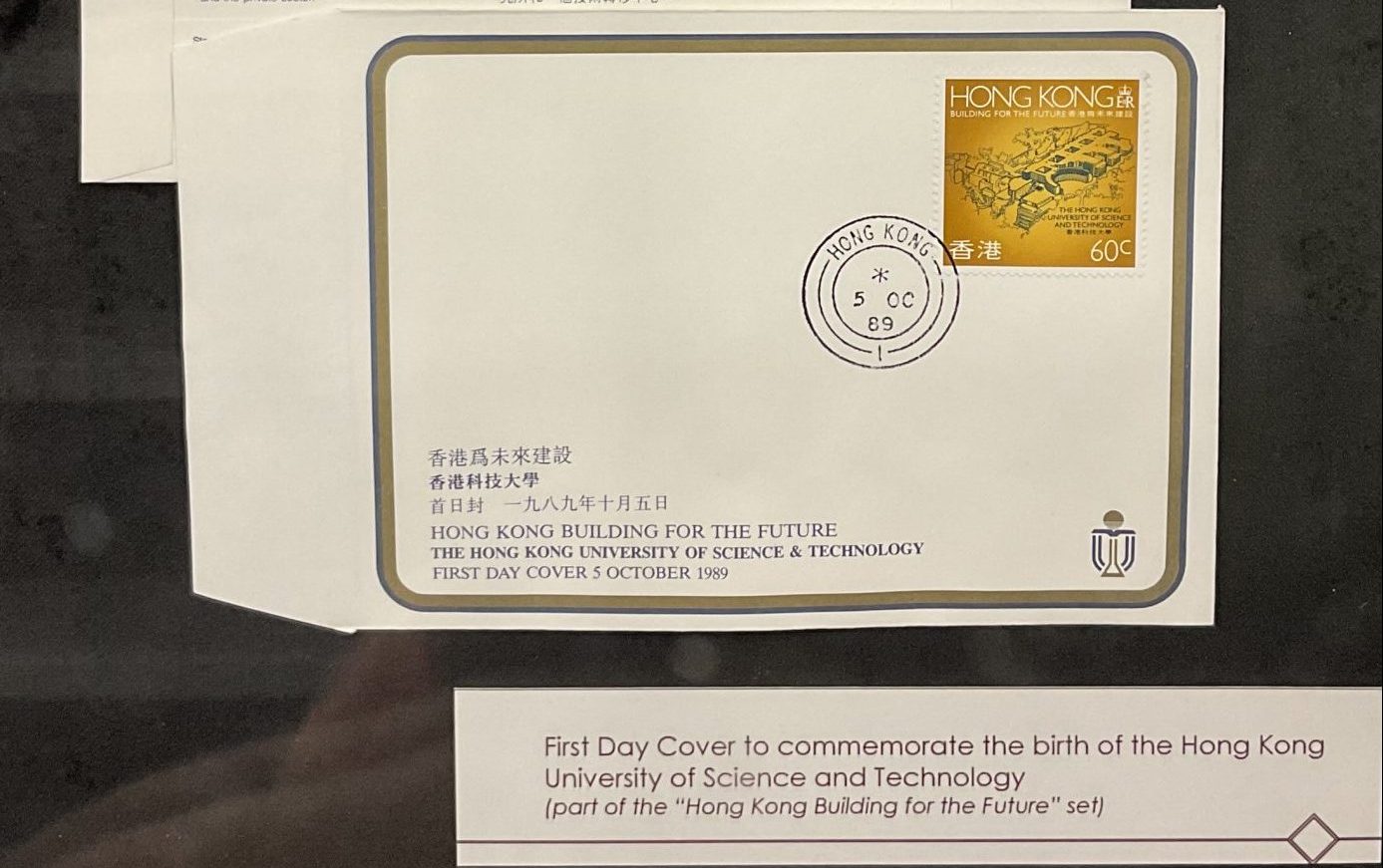
Do you know there was a commemorative stamp of HKUST in 1989? I did not, until I saw it today in the Library! The stamp was presented in a first day cover of a set called "Hong Kong Building for the Future," issued on October 5th, 1989. Colored in gold and featuring the academic building, it portrays a budding campus aspiring to be a world-class university. Our University Archives curates a collection of artefacts to preserve the history of the university. Some of them are now being shown on the Library 1/F. Besides the first day cover, another exhibit I find fascinating is the original sketches of the graduation gowns. Thanks to archives colleagues who organize the display, we get to see these interesting items that inspire us to reflect on the growth of HKUST. By the way, "Hong Kong Building for the Future" was a set of 6 stamps. The other five were Cultural Centre, Eastern Harbour Crossing, Bank of China, Convention and Exhibition Centre, and Light Rail Transit.
