




For the past two months, I have had the opportunity to work as a student helper in the Library’s Archives and Special Collections, helping set up an exhibition titled “Travelling in Maps: Exploring Tourist Asia (1890-1950)”. This showcases a selection of travel maps created during a transformative period in Asian travel history, with improving transportation networks turning perilous journeys into more accessible explorations, allowing more people to have access to tourism.
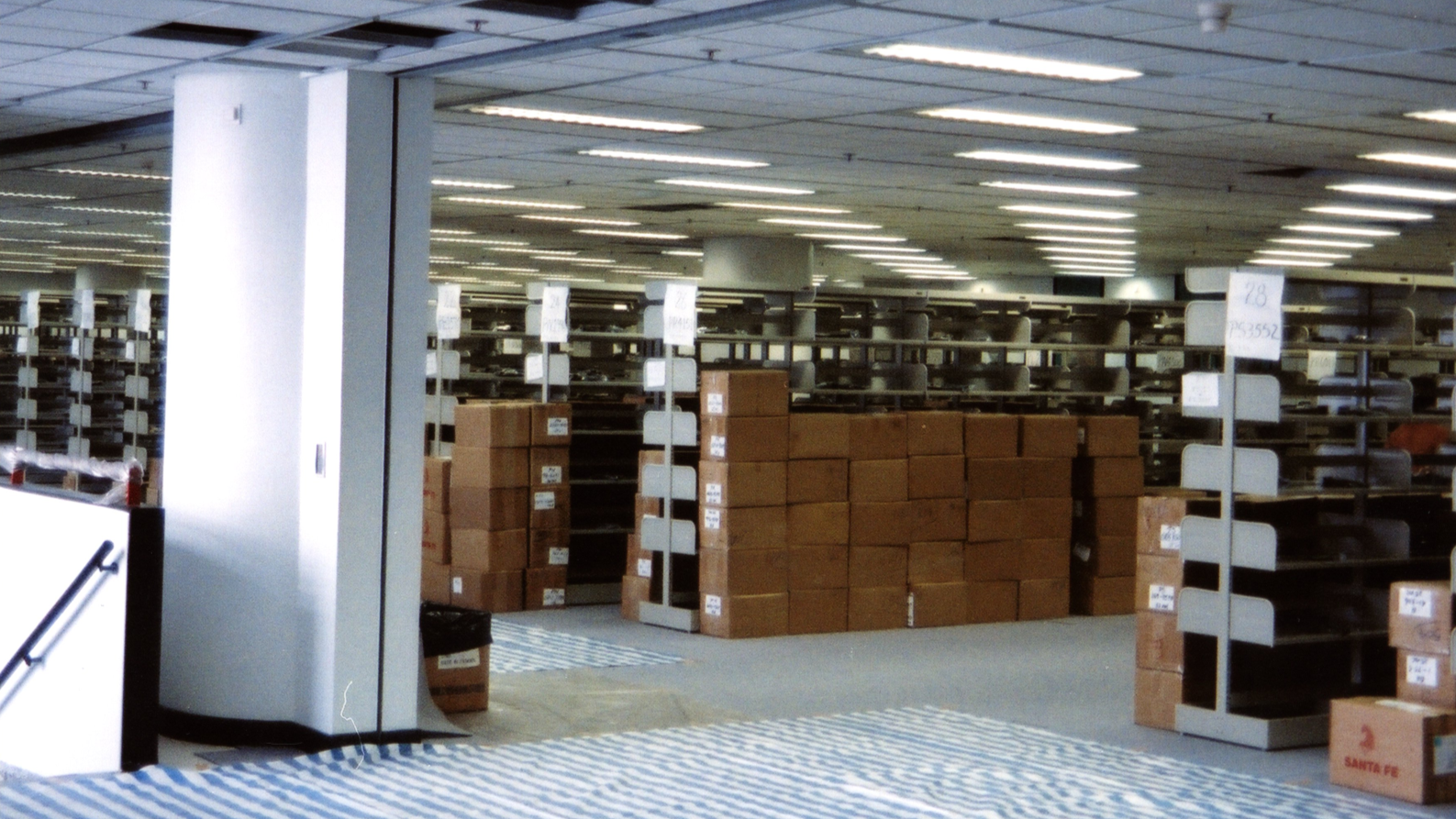
Most stories about the founding of the University skip over all of the immense effort needed not just to build the physical place, but to hire initial faculty and staff who would be responsible for getting all the pieces set up and ready to go for the first day of classes. I was hired in the summer of 1990 as part of a team to help the University Librarian ensure that the Library would be ready. I won't go into all the details, but highlighting a few will give you some sense of what was going on back then.
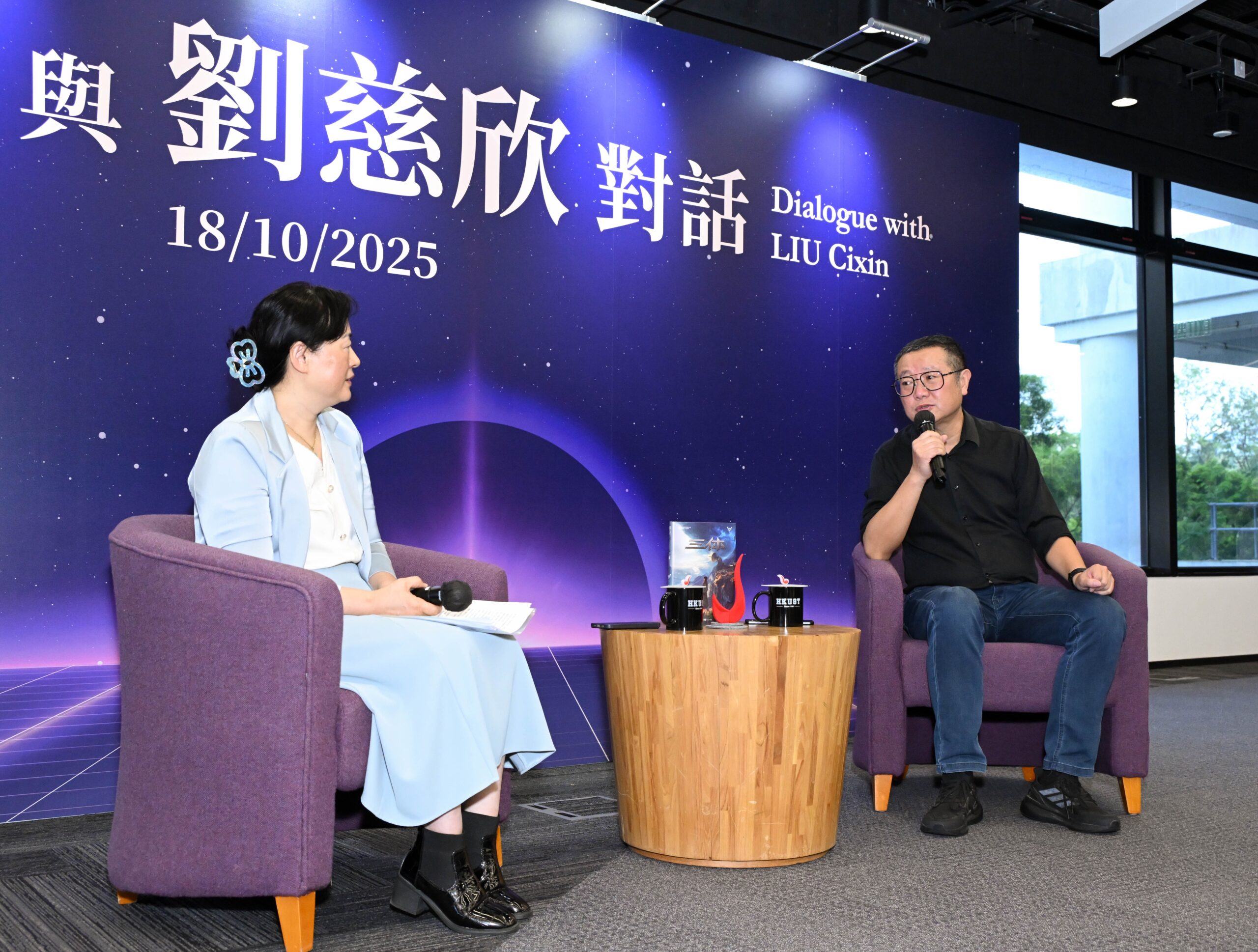
As a staff member at the HKUST Library and a devoted fan of The Three-Body Problem since my student days, I never imagined that one day I would meet Liu Cixin (劉慈欣) in person, and right here at my workplace. From Ancient Maps to Galactic Orbits. On October 18, HKUST held its Congregation 2025, awarding an honorary doctorate to Mr. Liu Cixin, the first Asian writer to win the prestigious Hugo Award. The same afternoon, Dr. Liu came to our library for a talk. I had the privilege of accompanying him together with a few of my colleagues as he explored our exhibitions, rooftop garden, and special collections. He showed genuine curiosity and appreciation, particularly towards our displays of ancient Chinese maps. A Dialogue on Technology, Human Civilization, and the Future. The highlight of the library visit was of course the talk, held in dialogue-format and moderated byProfessor Liu Jianmei. The venue was packed. As an “insider”, I firsthand knew how overwhelming the demand was: Over 700 registered for just over a hundred available seats. It was harder to get than concert tickets The discussion covered a broad range of topics from how AI is shaking up creative writing, to the future of virtual worlds, and to the sociological implications of the Dark Forest theory. When asked about AI’s growing ability to write fiction, Dr. Liu candidly admitted that even he had experienced a decline in creative passion. AI-generated texts now often surpass human writing in fluency and style, making it difficult to evaluate student work or feel unique as a writer. Yet he also pointed out that human cognition itself is data-driven, much like large language models. As a science fiction author, Dr. Liu remains calmly optimistic. He doesn’t see AI as a threat, but as a potential guide for humanity’s future. “If one day we can’t leave the solar system, but artificial intelligence can,” he said, “then perhaps it can carry our dreams into the stars.” One of the final questions of the talk came from an audience member who asked how Dr. Liu comes up with such vast and original ideas. I was particularly interested in this question myself. His answer was refreshingly honest: most people assume that sci-fi writers effortlessly generate ideas like “laying eggs,” but in truth, it is extremely difficult. Even with intense effort, he said, it can take more than a decade for a good idea to surface. As both a reader and a librarian, I was deeply moved. It reminded me that true creativity isn’t the product of calculation, but of vulnerability of being shaken by the unknown and daring to imagine beyond it. As a Three-Body fan, I was most eager to hear his thoughts on the Dark Forest theory. Dr. Liu clarified that it’s not a metaphor for human society, but an extreme hypothetical model for cosmic sociology. When civilizations are separated by light-years and unable to communicate, “shoot first to survive” becomes a plausible strategy. He emphasized that humans, unlike alien civilizations in such scenarios, can communicate and cooperate. Applying the Dark Forest model directly to humankind is a misinterpretation.
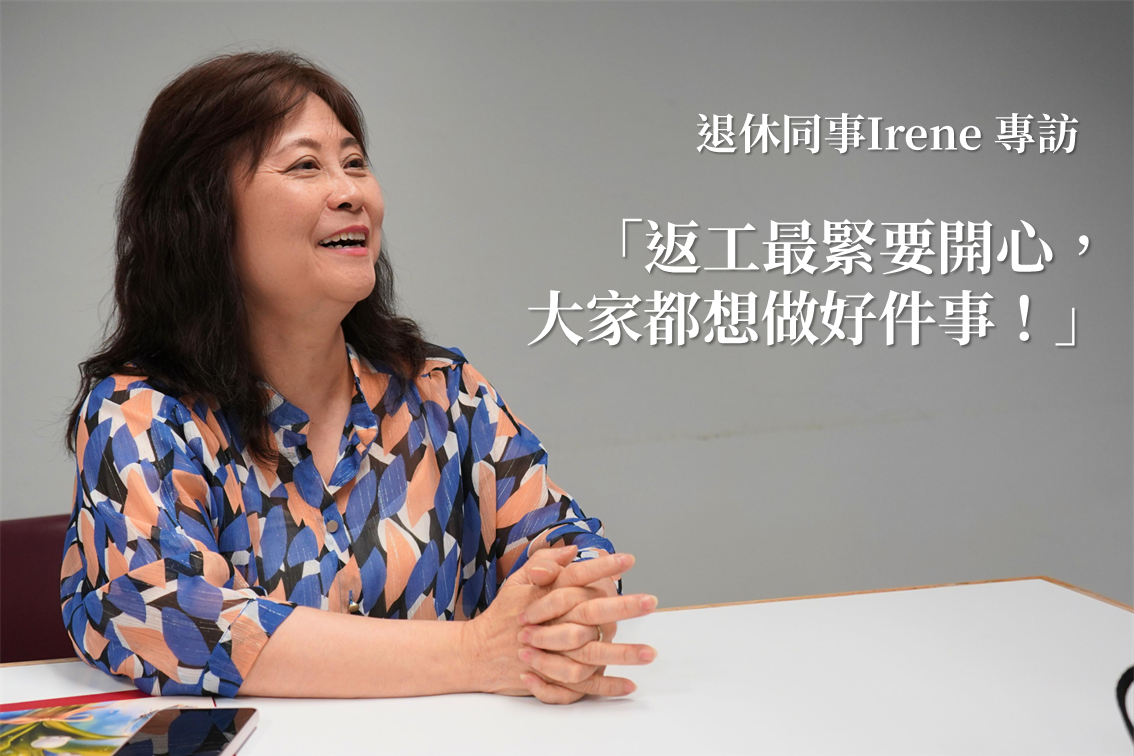
Meet Irene Lo, the elegant "Facilities Queen" whose 30 years of dedicated service to HKUST Library earned her the Long Service Award in 2024. Her remarkable contributions during the library's major expansion project and essential upkeep and upgrades showcase her dedication to turning our spacious library into a beautiful "home." Irene thrived in a collaborative environment, where teamwork and shared goals fostered a joyful workplace. As she approaches retirement, she looks forward to family time and travel, leaving behind a legacy of mentorship and dedicated stewardship for the library she helped shape.
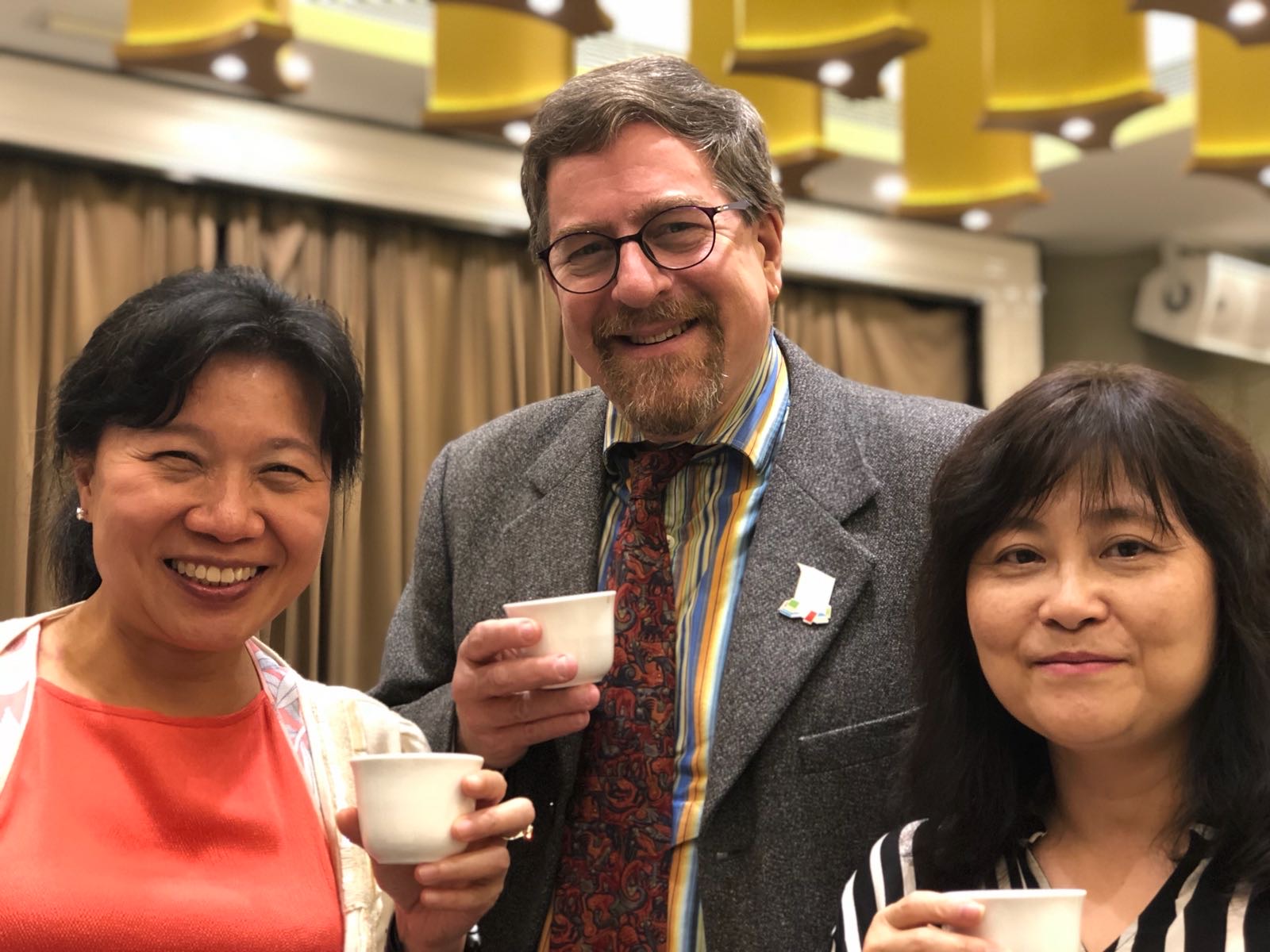
As Irene Lo prepares to retire at the end of this month, I find myself reflecting on an extraordinary journey—one marked by quiet dedication, steadfast professionalism, and a profound love for our Library. I first worked with Irene in the 1990s, when I was a young Executive Officer in the Administration Office. We were both assigned to the Facilities team, supporting a brand-new Library—its walls freshly painted, furniture gleaming, and a shared sense of excitement in the air as we equipped a space to serve a rapidly growing university community. What began as a working relationship quickly grew into a long-standing partnership built on mutual trust, respect, and shared purpose. As the years went by, we often found ourselves tackling unexpected challenges together—figuring out how to clean the Library’s giant glass windows, replace high ceiling lights, install carpet beneath heavy bookshelves, prevent birds from flying indoors, and enforce social distancing protocols during the COVID-19 pandemic. Together, we learned, adapted, and problem-solved—always with a focus on keeping the Library safe, functional, and supportive of teaching and learning. Over the decades, Irene has been the backbone of our facilities operations. For this five-storey (expanded to six-storey in 2024) building, she handled an average of a thousand defect reports annually—many of them routine or repetitive—with tireless diligence and attention to detail. Whether coordinating complex repair workflows or liaising with contractors, she ensured that the Library remained clean, safe, functional, and welcoming. To colleagues from the Campus Management Office—carpenters, painters, electricians, plumbers, gardeners—as well as contractors and janitorial staff, Irene became an iconic Library figure.
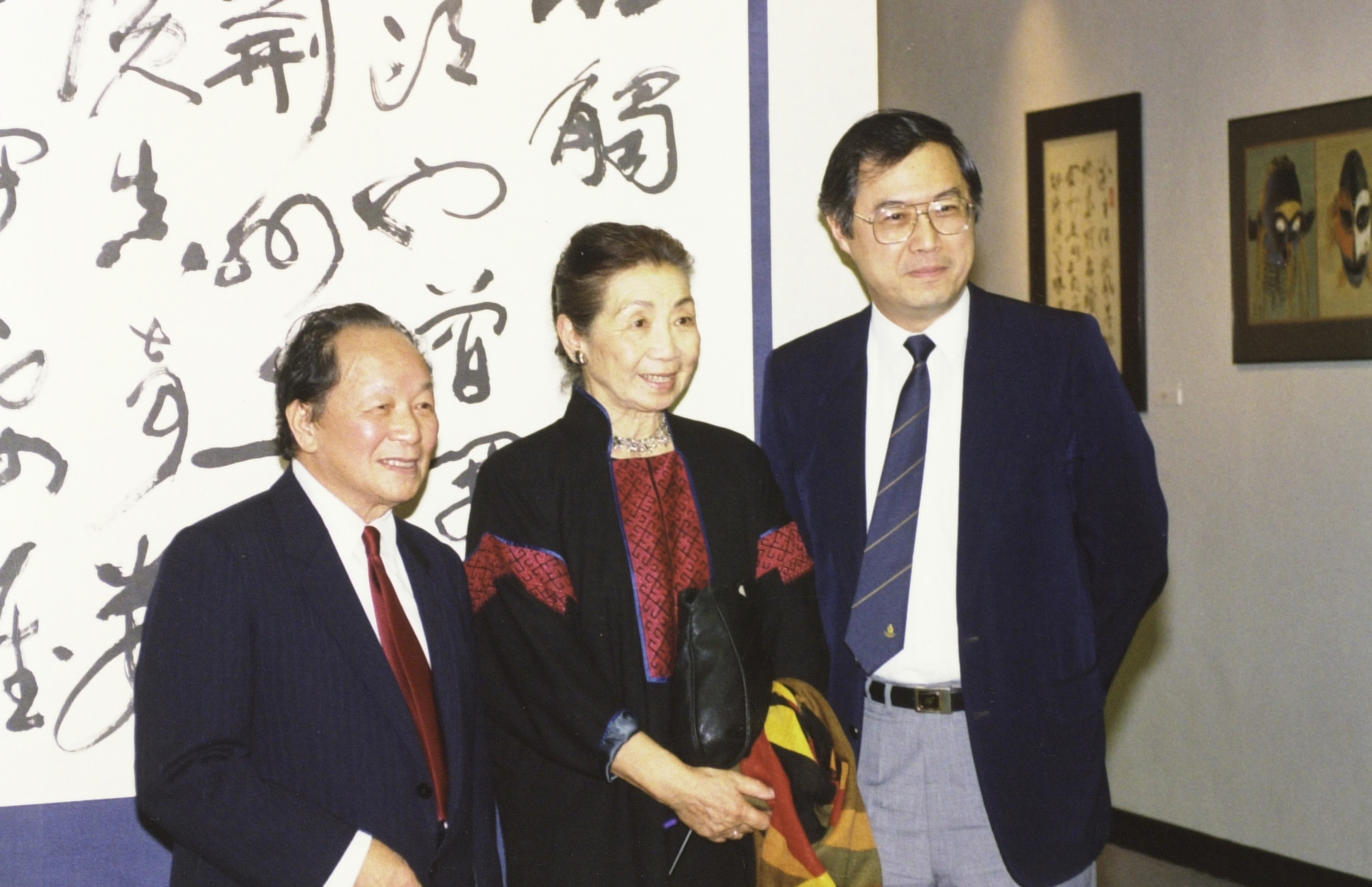
I was sad to hear the news. He will be missed. I want to share a couple of anecdotes – two of my encounters with him in the early days of the University. I was a very junior staff and only ever knew the President casually, but he knew who I was and always had a smile or a nod. In the early 1990s, HKUST had a dinner party. I don't recall the event - perhaps a staff association function. After dinner, the mahjong tables were set up and somehow I ended up in a foursome with my boss and the President. I warned them I had barely learned how to play and would be slow - but they needed a fourth and there I was. It was enjoyable, especially as we were only playing for points, and low ones at that. There was much talk, and fun, and tea.
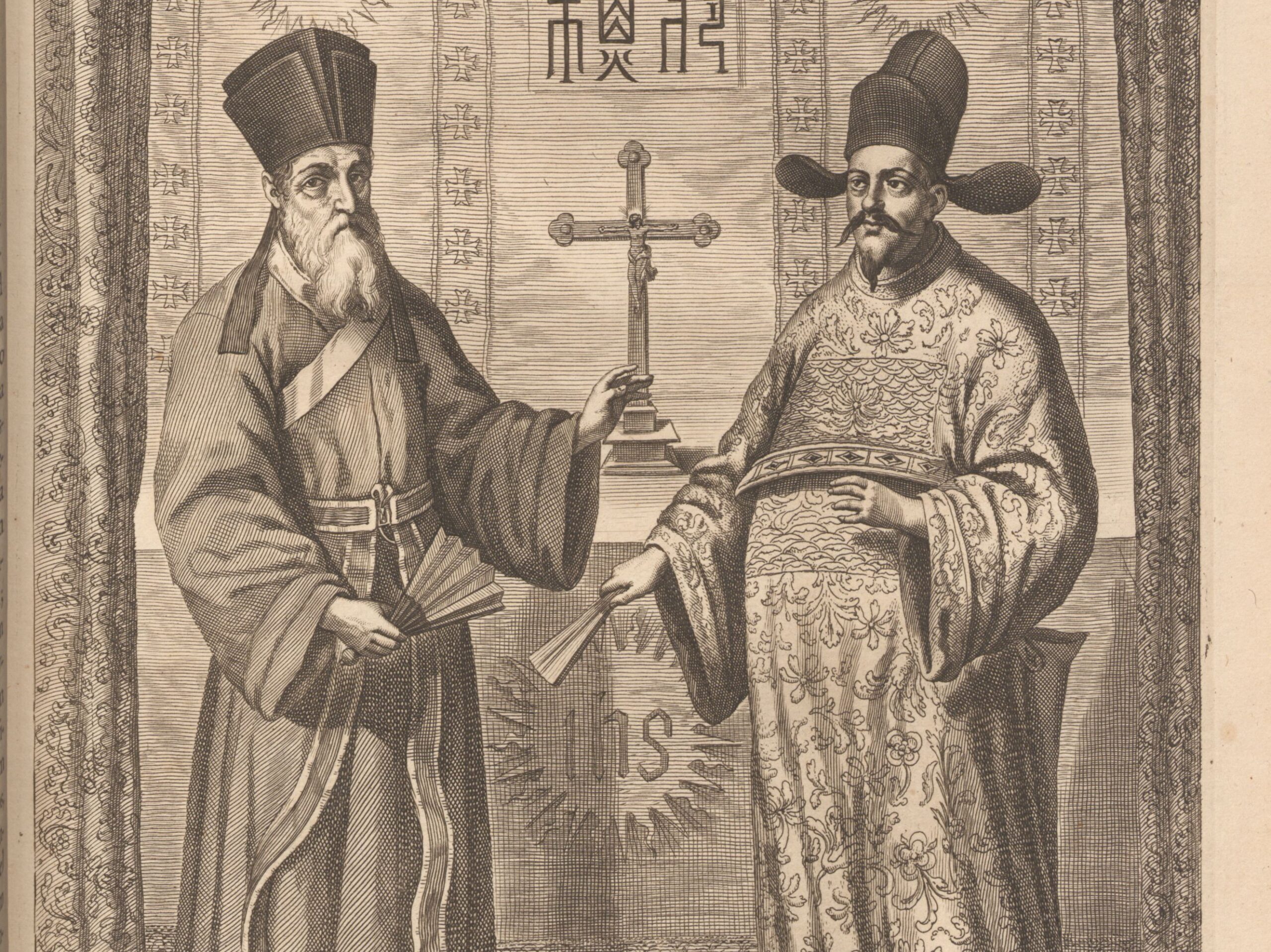
You might have heard the Italian name Ricci – perhaps Ricci Hall, one of the oldest residential halls at HKU. But do you know who Matteo Ricci was? The man who made this Italian name famous in China. Who was Matteo Ricci? Matteo Ricci (1552-1610) was one of the first Jesuit missionaries who tried to spread Christianity in China. He was born in Macerata, a small town in central Italy with a population of just under thirteen thousand. At the age of 20, Ricci was admitted to the Roman College, a Jesuit university renowned for its expertise in natural philosophy. Hmm, what exactly was natural philosophy? Mathematics, astronomy, music, geography, and more technical disciplines like mechanics and architecture. For example, how to craft a globe?
