




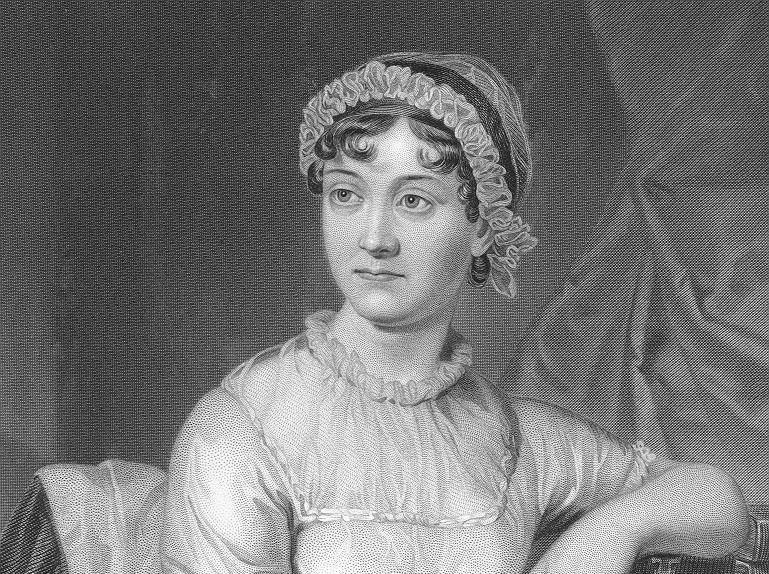
Today, December 16, 2025, marks the 250th anniversary of Jane Austen's birth (1775–1817). Despite her short life, Austen produced six novels that have become cornerstones of English literature: Sense and Sensibility (1811), Pride and Prejudice (1813), Mansfield Park (1814), Emma (1815), Northanger Abbey (1817), and Persuasion (1817). With sharp irony and keen psychological insight, her works explore themes of love, social class, and morality in early 19th-century England. Austen's influence reaches far beyond her original novels, inspiring countless sequels, parodies, and adaptations. Our library collection highlights this ongoing legacy: for instance, Emma Tennant's An Unequal Marriage: Pride and Prejudice Twenty Years Later imagines what happens to the Darcys after the happy ending of the original novel. If you're in the mood for something with horror and fantastic elements, try Seth Grahame-Smith's Pride and Prejudice and Zombies. Austen's stories have also been adapted numerous times for the screen, from Ang Lee's acclaimed Sense and Sensibility to the 2009 BBC adaptation of Emma—and many more available on Kanopy. These versions bring her timeless characters and themes to new audiences with fresh perspectives. As the fall semester winds down and exam season approaches, there's no better way to celebrate Austen's 250th birthday (and reward yourself during the winter break) than by diving into her brilliant novels. Visit our library to check out the works!

April 1st, a day synonymous with humor and mischief, also marks the birth of one of literature’s most profound voices - Milan Kundera (1929 - 2023). His debut novel, The Joke, perfectly aligns with the spirit of his birthday, demonstrating how a harmless prank transforms into life-altering consequences. The weaving of comedy and tragedy defines his literary legacy.
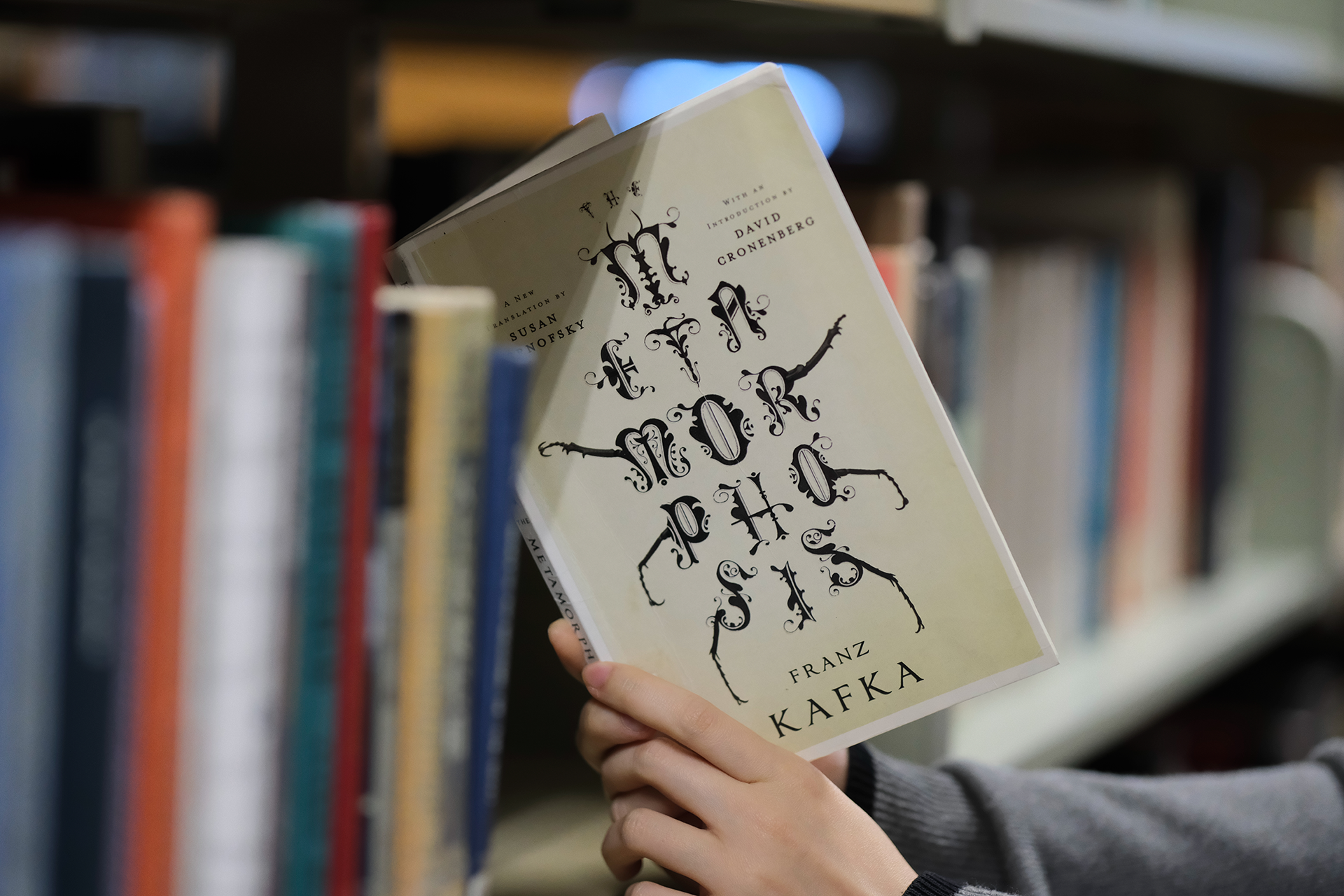
Summer induces the vibrancy of awareness. While we are gazing at the fiery blue sky, in the next breath, our faces are already dotted with raindrops from the gloom of dark clouds. There is nothing more absurd than that – uncontrollable, ever-changing, bizarre randomness. Absurdity is what you try to understand, yet far beyond your understanding. “The right understanding of any matter and a misunderstanding of the same matter do not wholly exclude each other.” In the summer of 1914, Franz Kafka began to write The Trial, yet left the ending of the story incomplete and unknown before his death. The trial of Josef K. never ends. Absurdity. Summer is associated with Kafka. On June 3, 1924, Kafka died in a sanatorium in Austria, just one month before his 41st birthday.
