

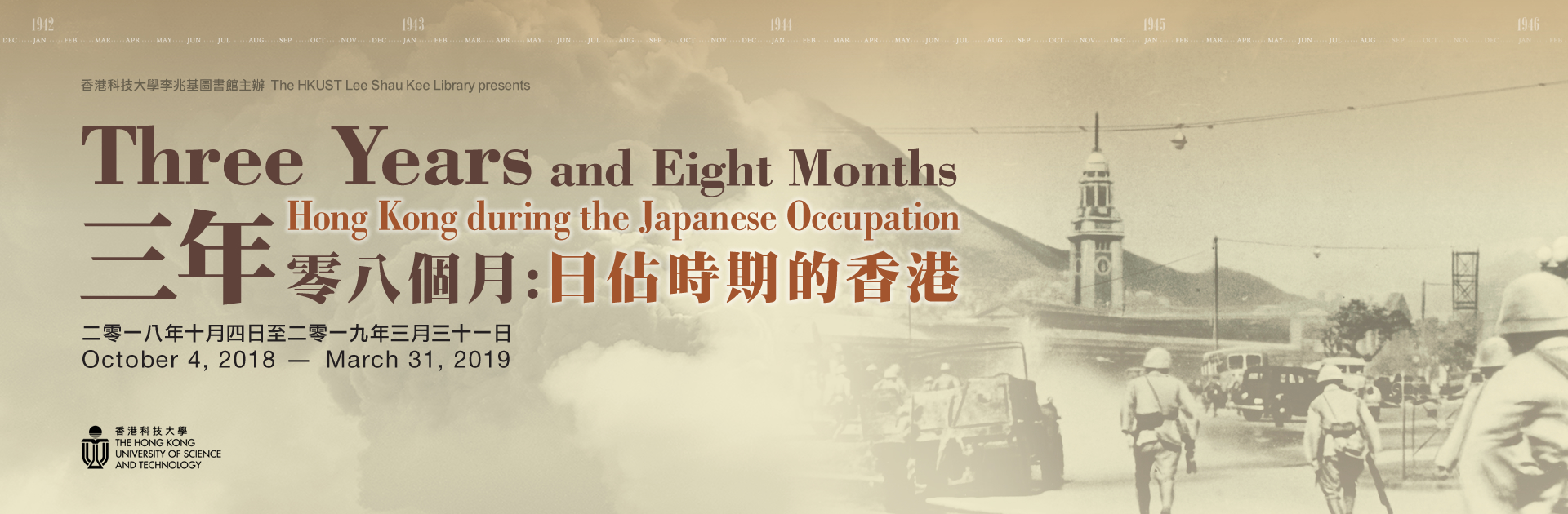
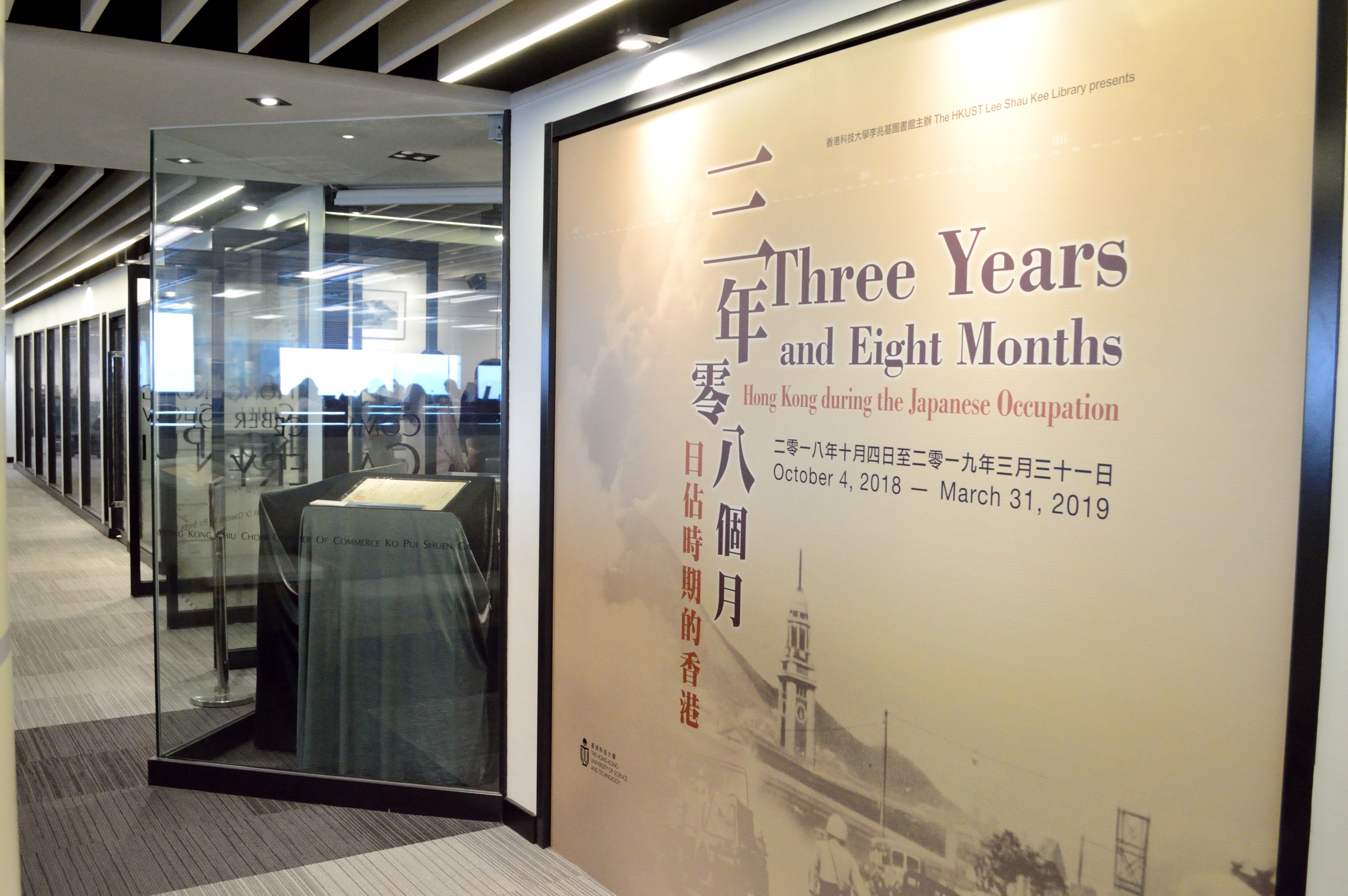
Three Years and Eight Months: Hong Kong during the Japanese Occupation 三年零八個月:日佔時期的香港
Introduction
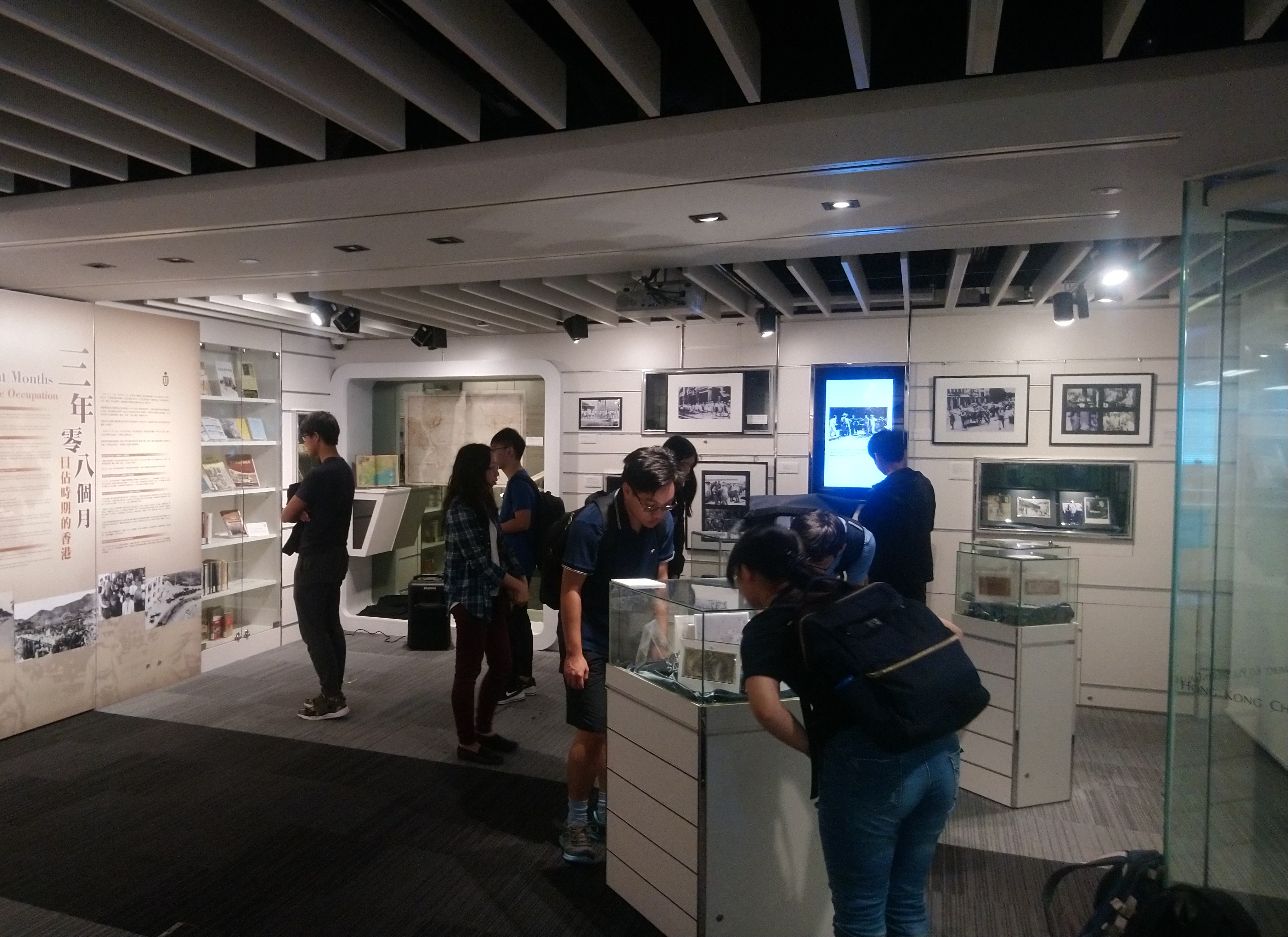
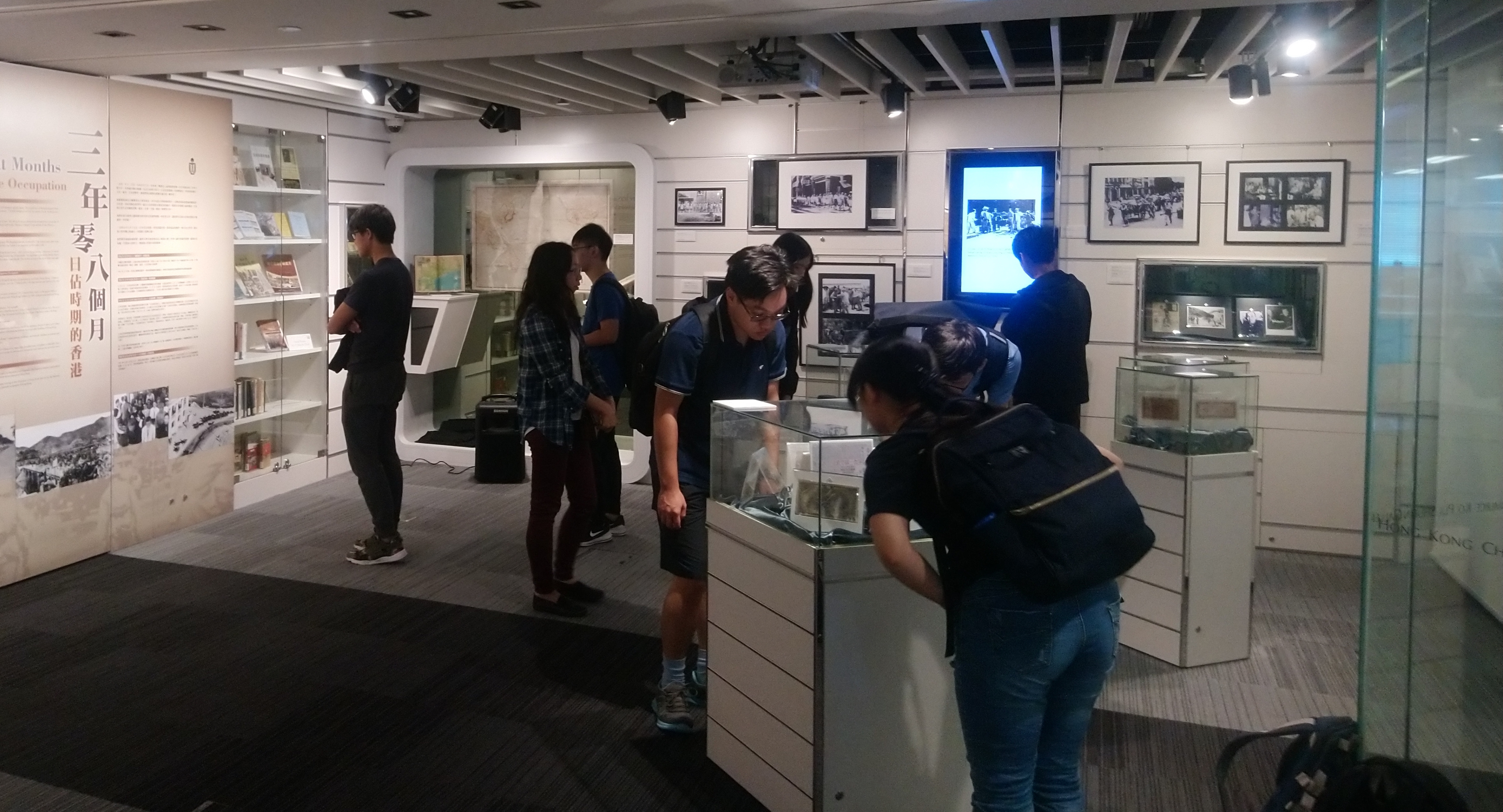
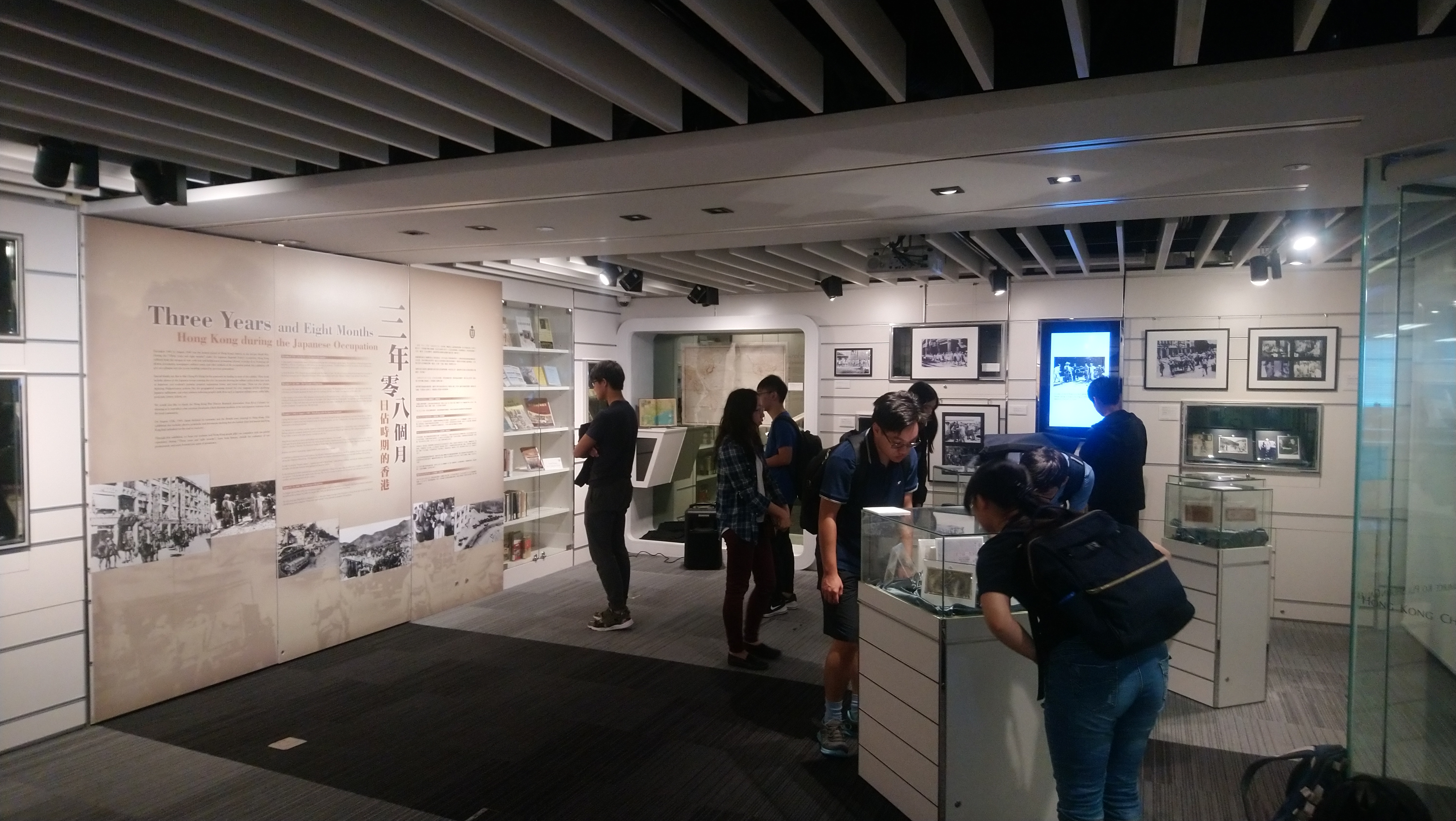
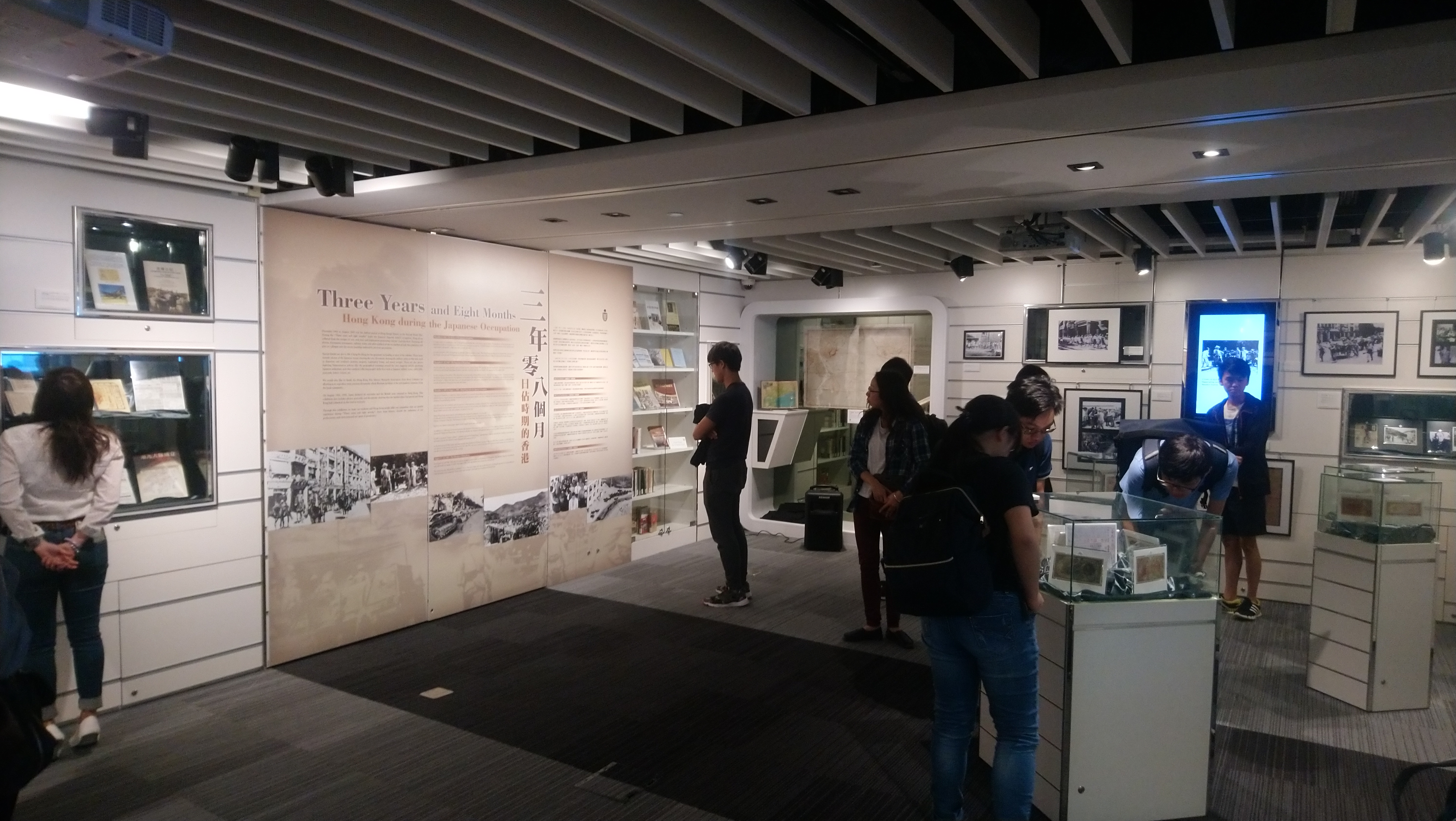
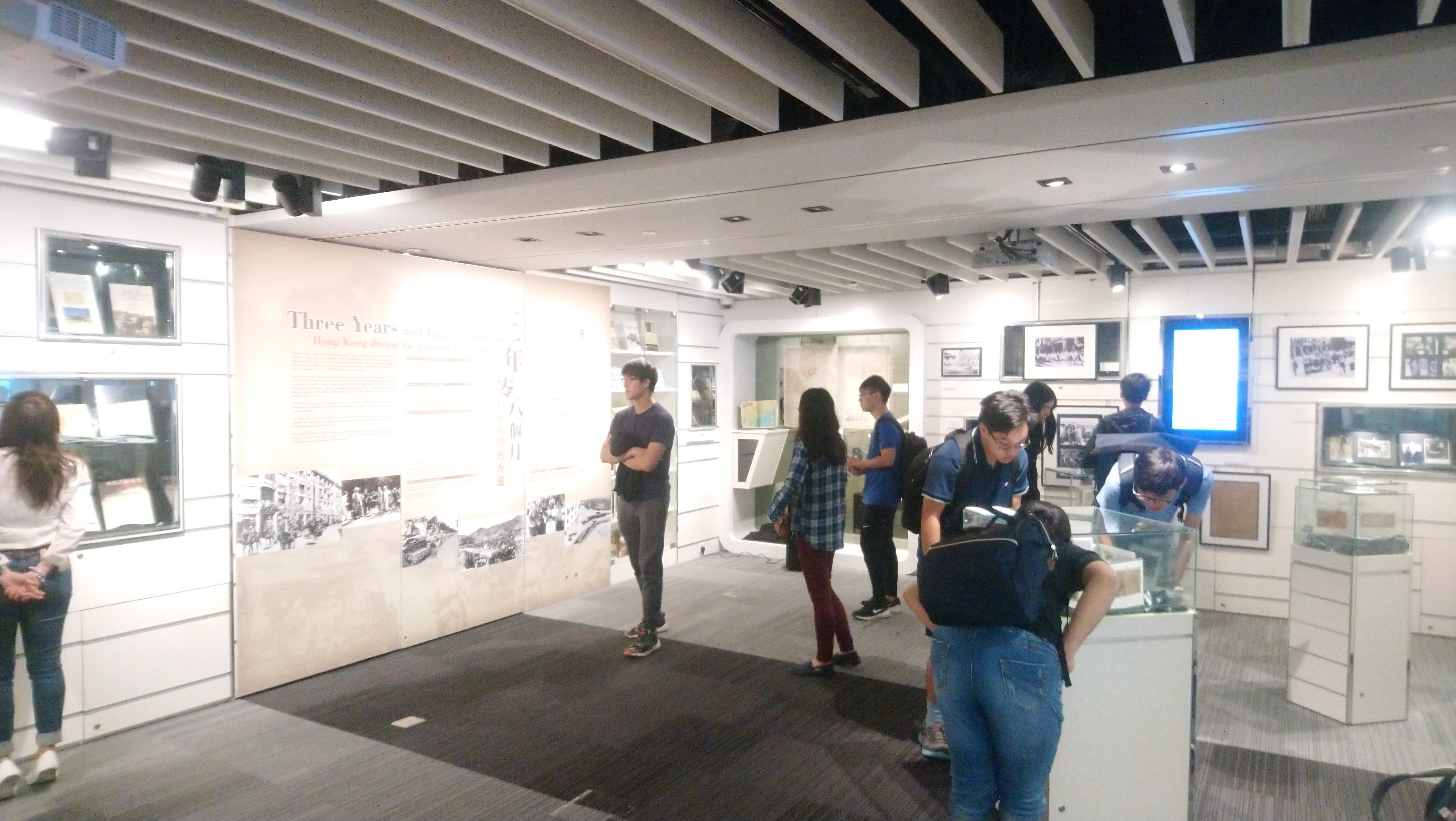
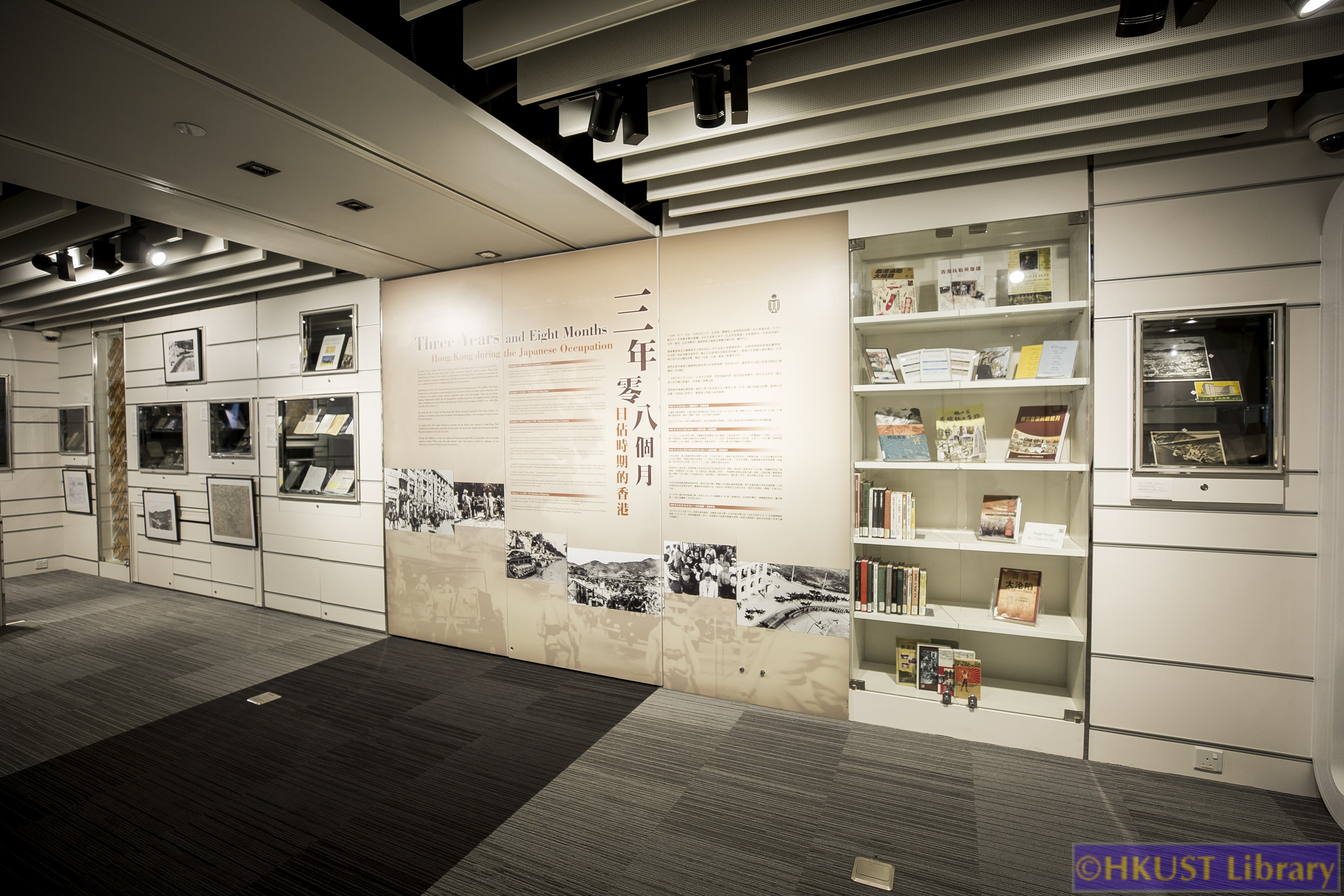
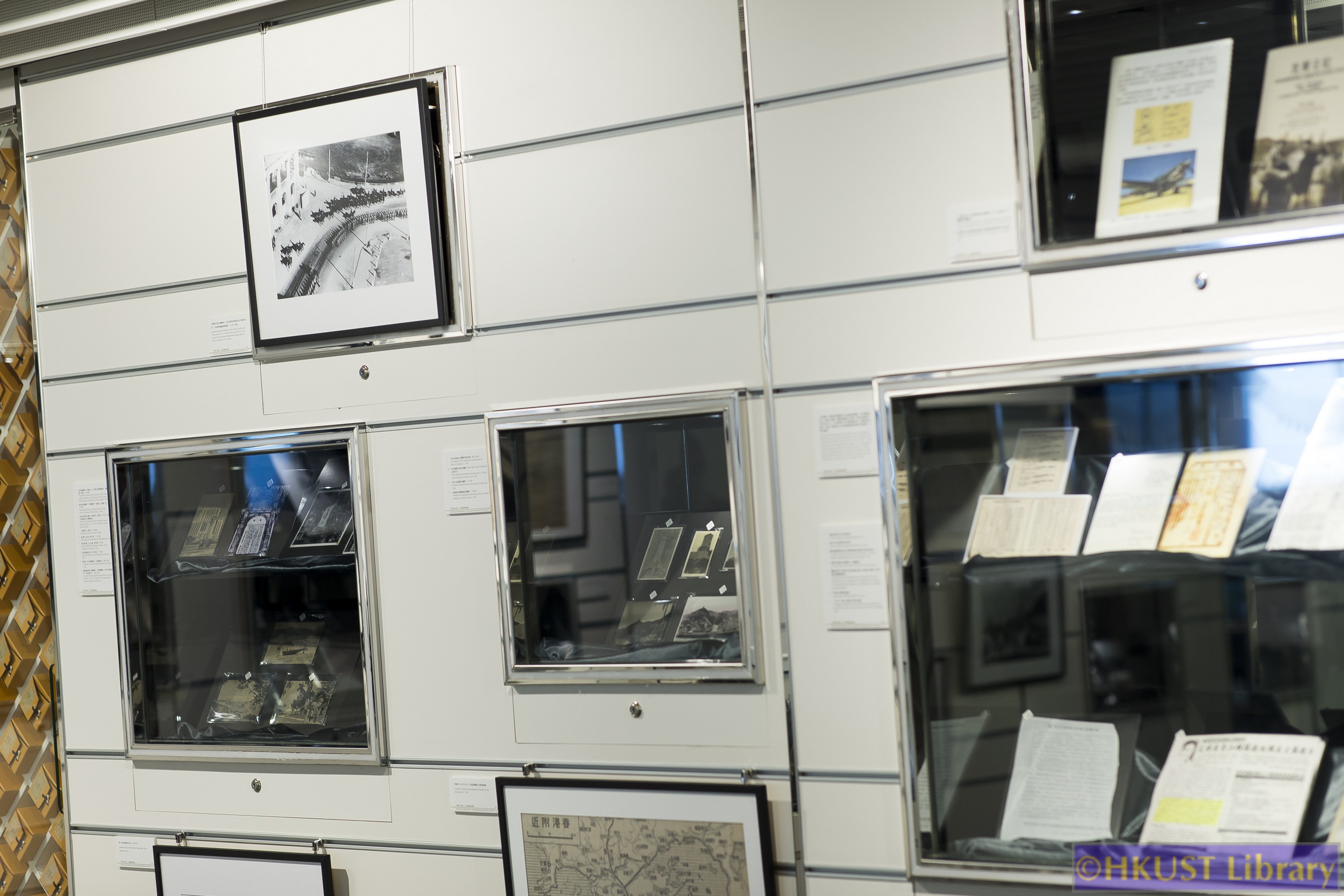
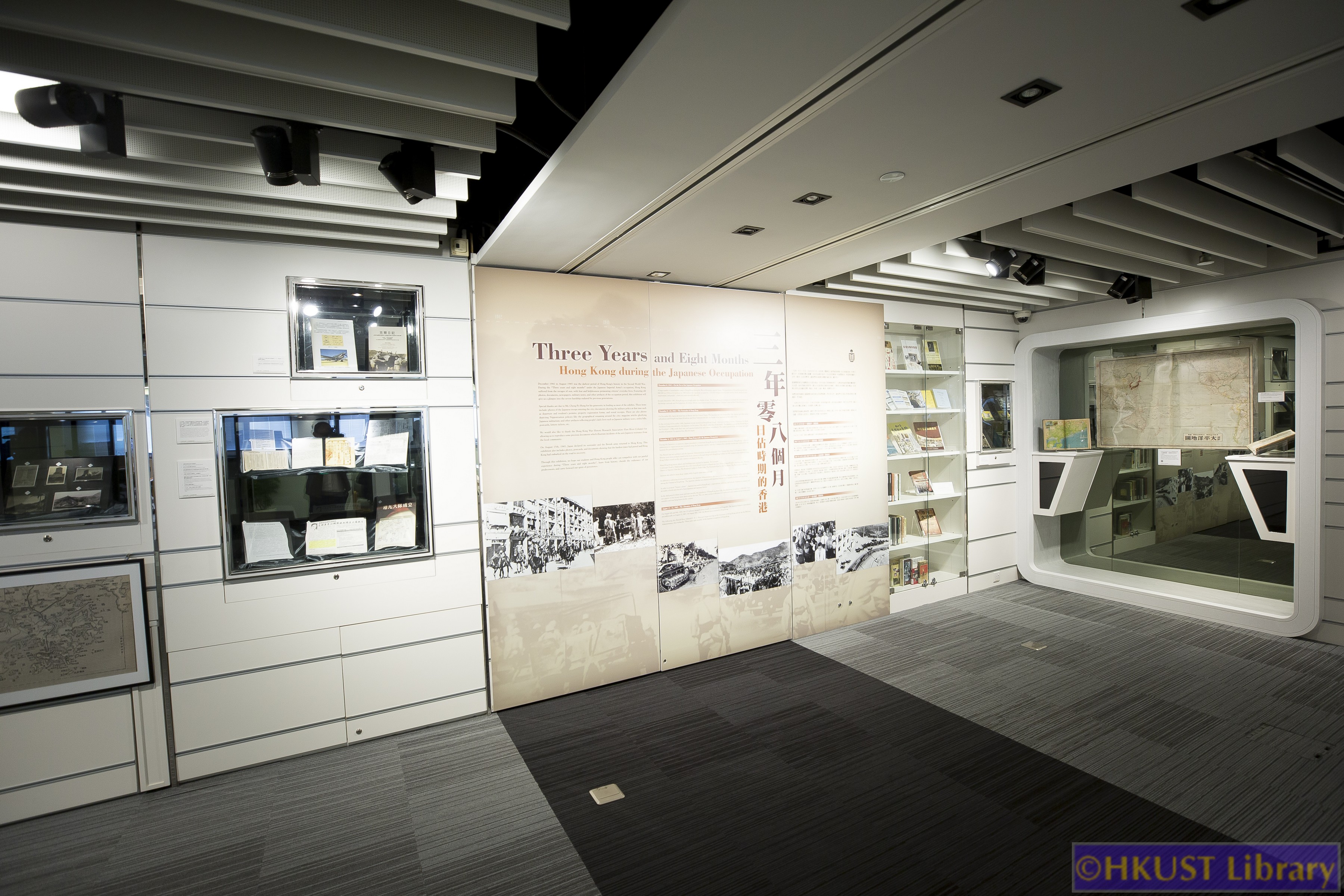
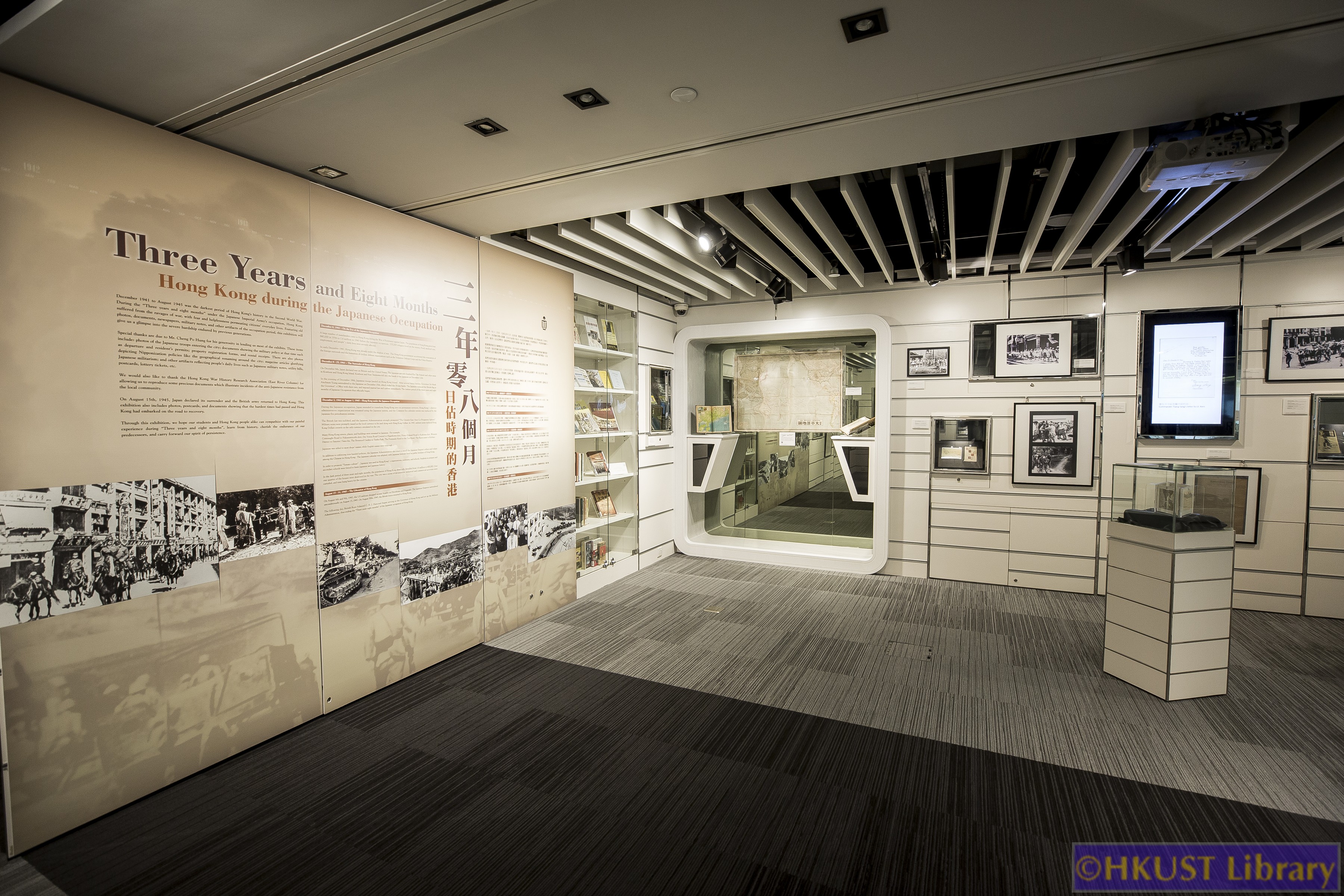
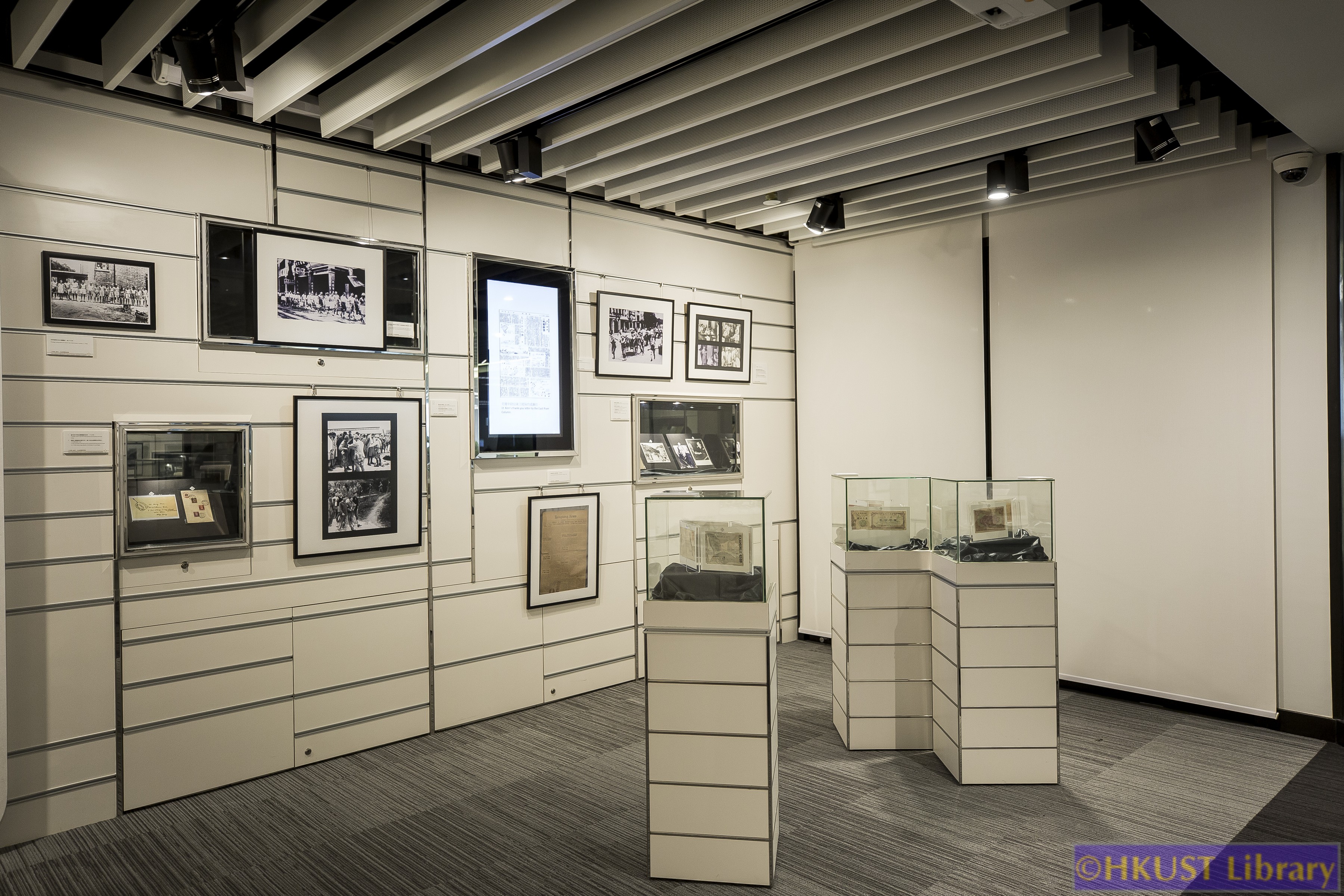
December 1941 to August 1945 was the darkest period of Hong Kong’s history in the Second World War. During the “Three years and eight months” under the Japanese Imperial Army’s occupation, Hong Kong suffered from the ravages of war, with fear and helplessness permeating citizens’ everyday lives. Featuring old photos, documents, newspapers, military notes, and other artifacts of the occupation period, this exhibition will give us a glimpse into the severe hardship endured by previous generations.
Special thanks are due to Mr. Cheng Po Hung for his generosity in lending us most of the exhibits. These items include: photos of the Japanese troops entering the city; documents showing the military policy at that time such as departure and resident’s permits; property registration forms, and rental receipts. There are also photos depicting Nipponization policies like the geographical renaming around the city; magazine articles glorifying Japanese militarism; and other artifacts reflecting people’s daily lives such as Japanese military notes, utility bills, postcards, lottery tickets, etc.
We would also like to thank the East River Column History Research Association for allowing us to reproduce some precious documents which illustrate incidents of the anti-Japanese resistance from the local community.
On August 15th, 1945, Japan declared its surrender and the British army returned to Hong Kong. This exhibition also includes photos, postcards, and documents showing that the hardest times had passed and Hong Kong had embarked on the road to recovery.
Through this exhibition, we hope our students and Hong Kong people alike can sympathize with our painful experience during “Three years and eight months”, learn from history, cherish the endurance of our predecessors, and carry forward our spirit of persistence.
A large number of mainlanders came to Hong Kong during the War of Resistance against Japan. The population of Hong Kong grew from 840,000 in 1936 to 1.6 million in 1941 before the Japanese occupation. 270,000 refugees lived on the streets. Food, medical care, employment, and people’s daily lives were severely affected.
In early December 1941, Hong Kong was already under the shadow of war. The Hong Kong government accelerated the evacuation of the foreign nationals and the formation of civilian defense organizations such as the Volunteer Defense Corps and the Police Reserve.
On December 8th, Japan declared war on Britain and the United States. The Japanese aircrafts bombed Kai Tak Airport and other areas in Kowloon and Hong Kong Island. Kowloon and New Territories fell into the hands of the Japanese on December 12th.
In the evening of December 18th, Japanese troops landed on Hong Kong Island. After several fierce battles, Governor Sir Mark Aitchison Young surrendered to the Japanese on December 25th, which ended the 18-day battle. The Japanese replaced the British flag at the Governor’s Office with their own, and imposed martial law and curfews immediately. The darkest period of the three years and eight months of Japanese Occupation thus officially began.
During the Japanese occupation, Japan intended to transform Hong Kong into its permanent territory. Hong Kong’s district administrative organization was renamed using the Japanese system, and the Common Era calendar system was replaced by the Japanese-Era periodization systems.
British law was nullified, and the Japanese Administration strongly promoted “The Greater East Asia Co-Prosperity Sphere”. Military notes were promptly issued as the local currency to be used along with Hong Kong Dollars. In 1943, military notes replaced Hong Kong Dollars entirely as the only currency circulated in the city.
Many Hong Kong streets, places, and buildings were renamed in Japanese. For example:
- Connaught Road to Nakasumiyoshi-dori
- Des Voeux Road Central to Higashowa-dori
- Prince Edward Road to Kashima-dori
- Western District to Sanotai / Sano-ku
- The Botanical Garden to Taisho Park
- The Peninsula Hotel to the Toa Hotel
- The Racecourse to Keibajo
Japanese was added to most shops’ names, while English names were removed.
In addition to enforcing iron handed policies, the Japanese Administration also tried to instill the Japanese Empire’s ethics and values among the Chinese in Hong Kong. The Japanese calendar was adopted, with Japanese festivals listed as public holidays of Hong Kong.
In order to promote “Yamato culture”, Japanese was used in Hong Kong’s organizations, institutes, and schools. Students in primary and secondary schools were forced to learn Japanese and Japanese history.
In the dark period of three years and eight months, the population of Hong Kong drastically dwindled from 1.6 million to 600,000. Over one quarter of the houses were destroyed in the war. The city was a scene of devastation; industrial and commercial activities were curtailed, and time hung heavy for the citizens.
On August 6th and 9th, 1945, the US military dropped atomic bombs on Hiroshima and Nagasaki. The Japanese Emperor surrendered unconditionally on August 15, 1945. On August 30th, 1945, the British forces returned to Hong Kong.
The following day, British Rear-Admiral C. H. J. Harcourt began serving as the Governor of Hong Kong and set up the Military Administration, thus ending the “Three years eight months” of the Japanese occupation of Hong Kong.
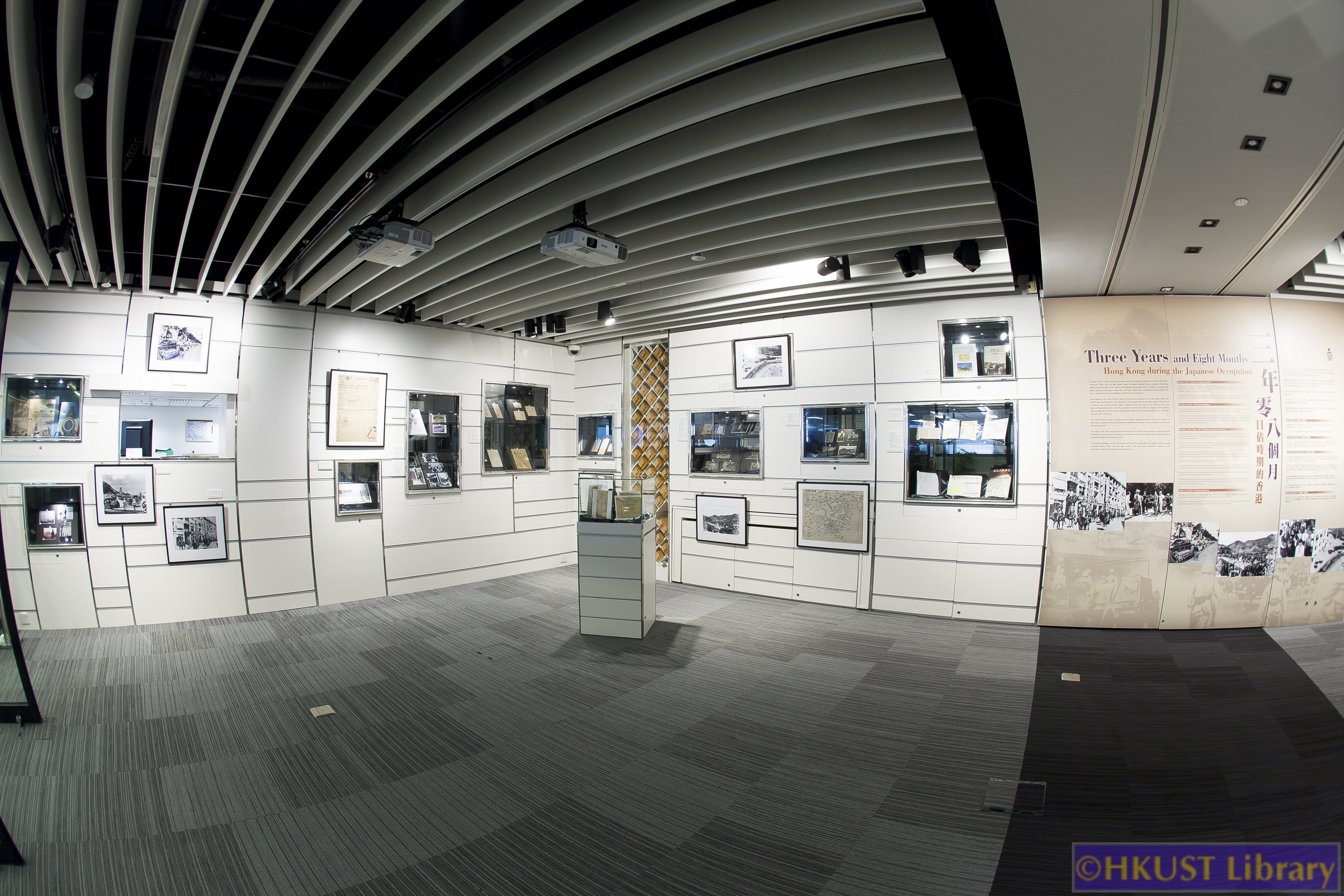
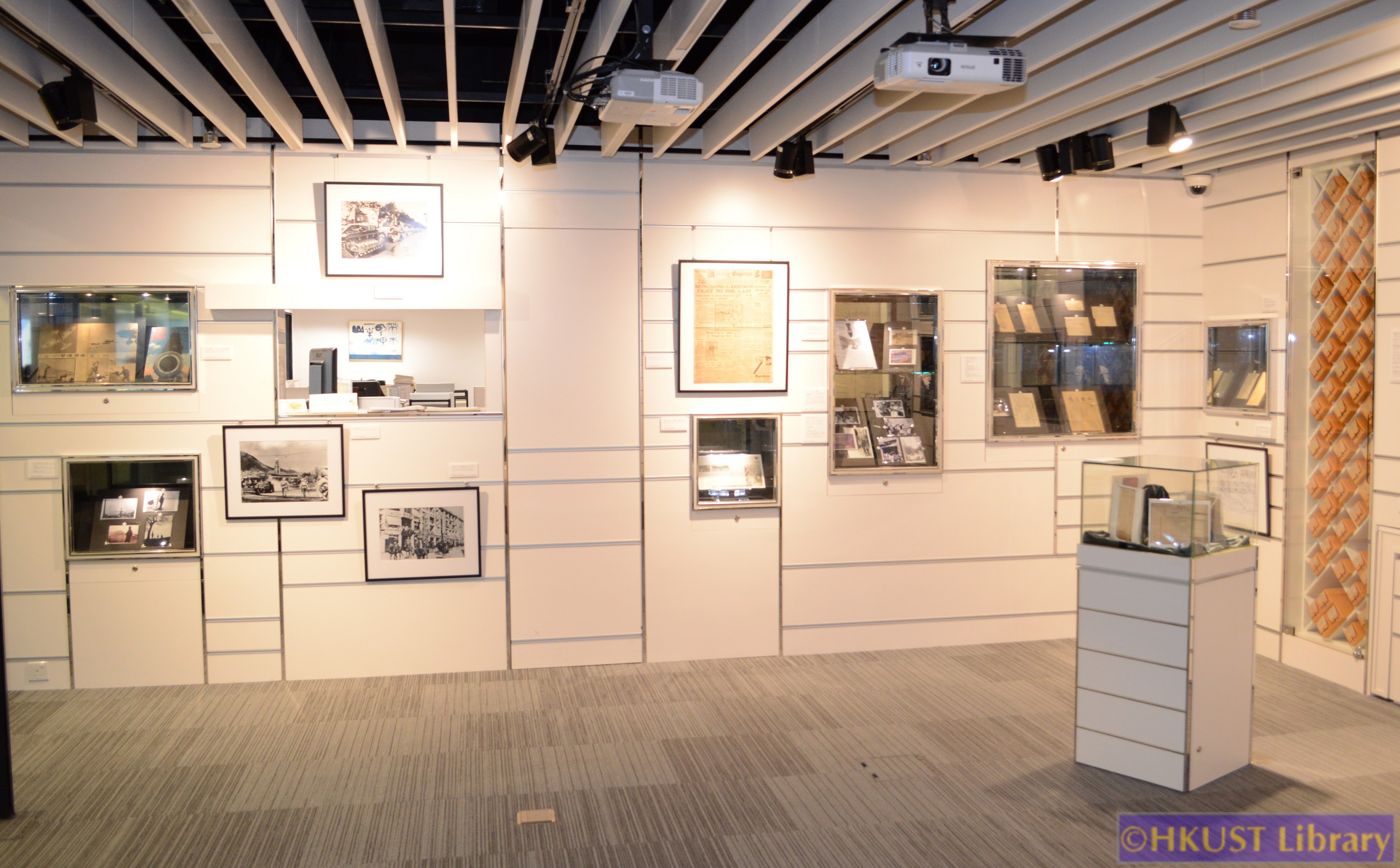
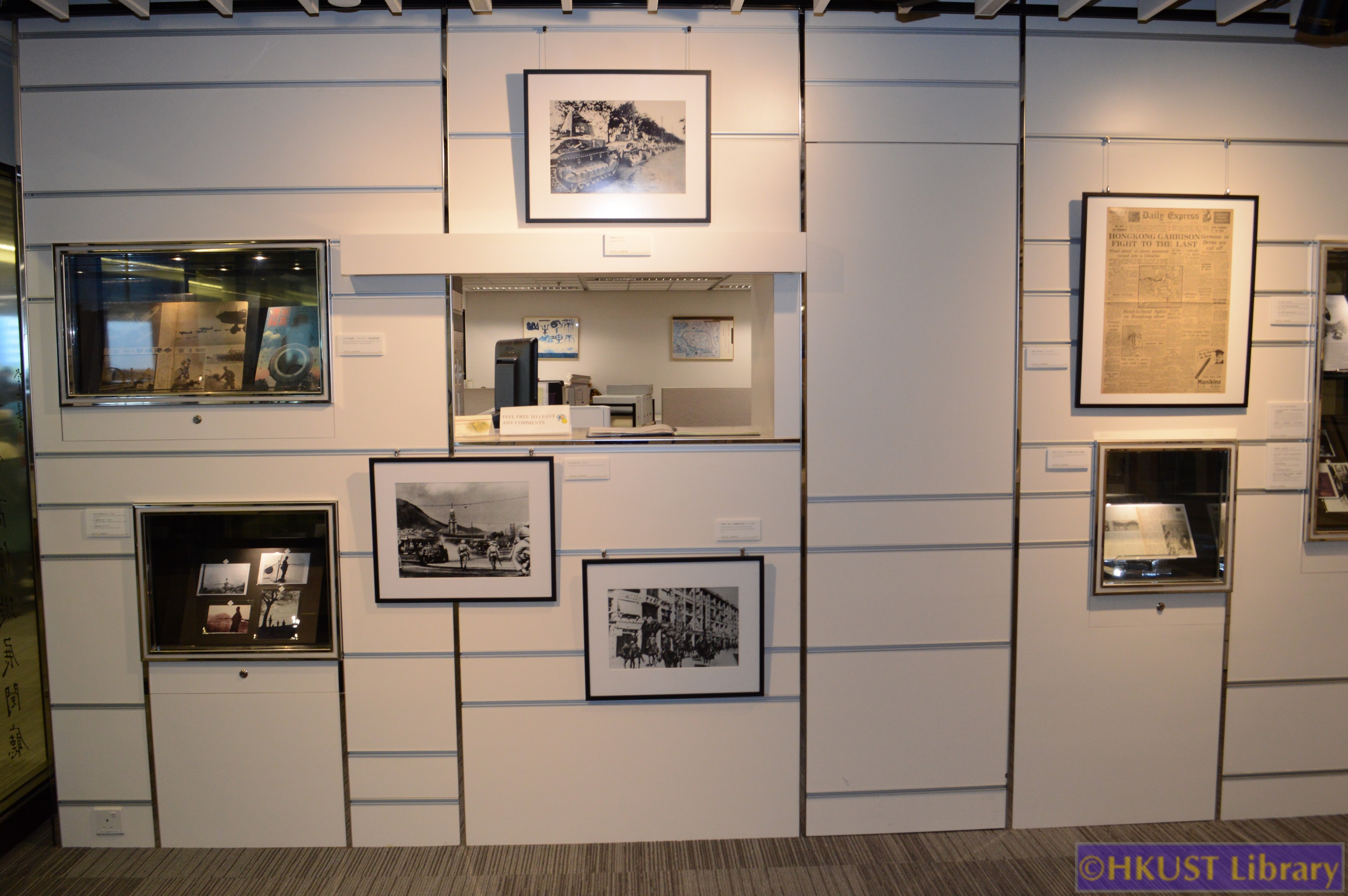
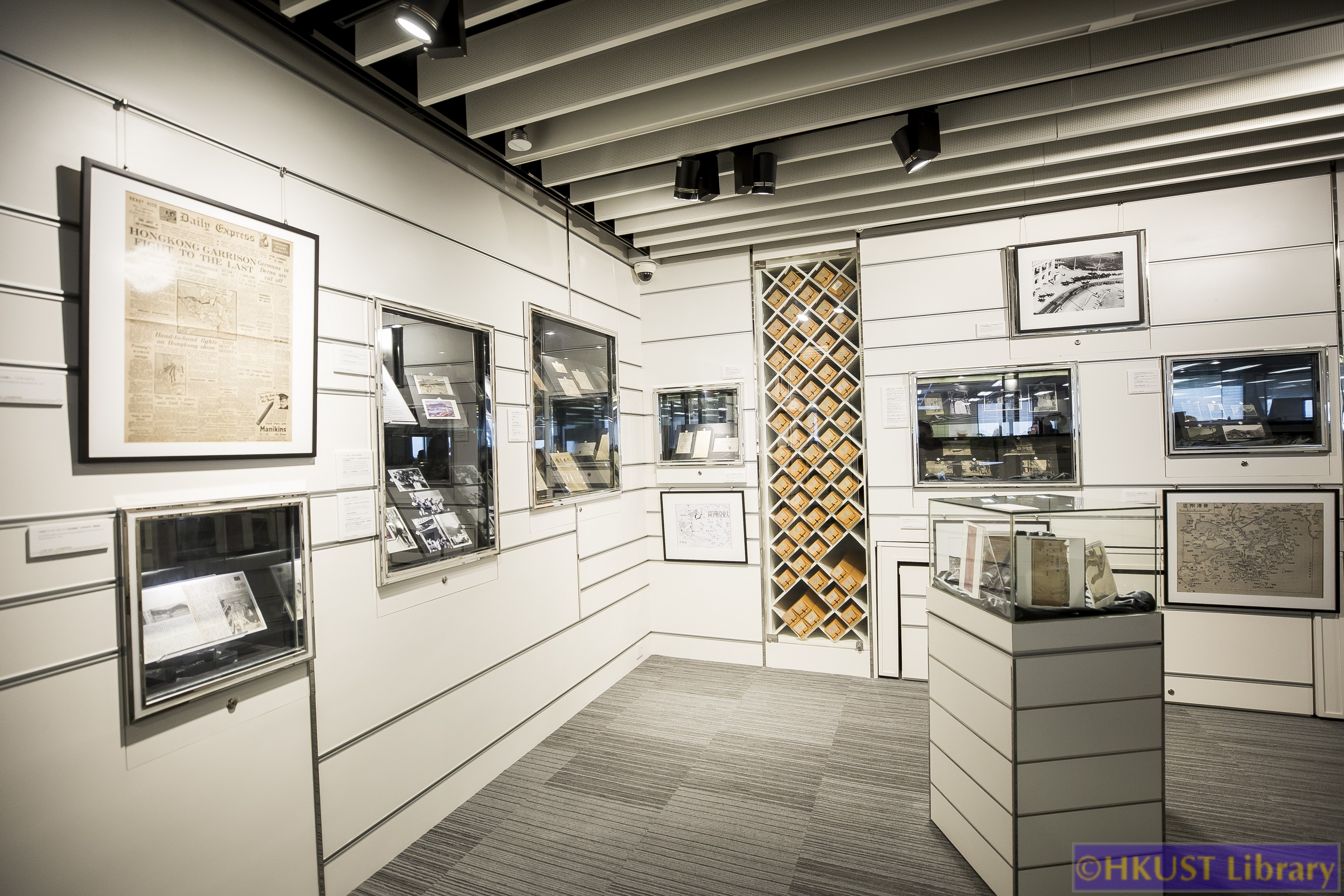
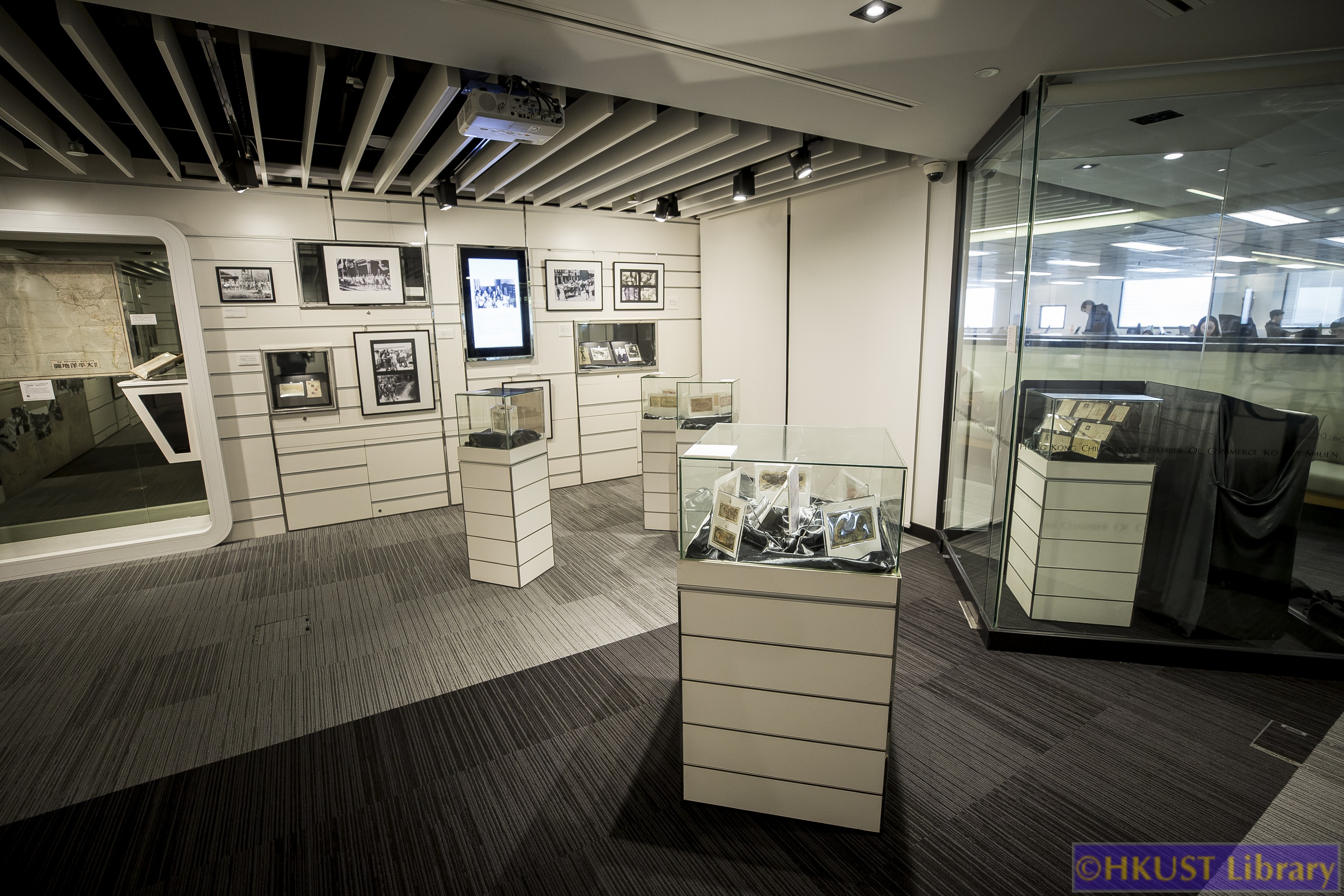
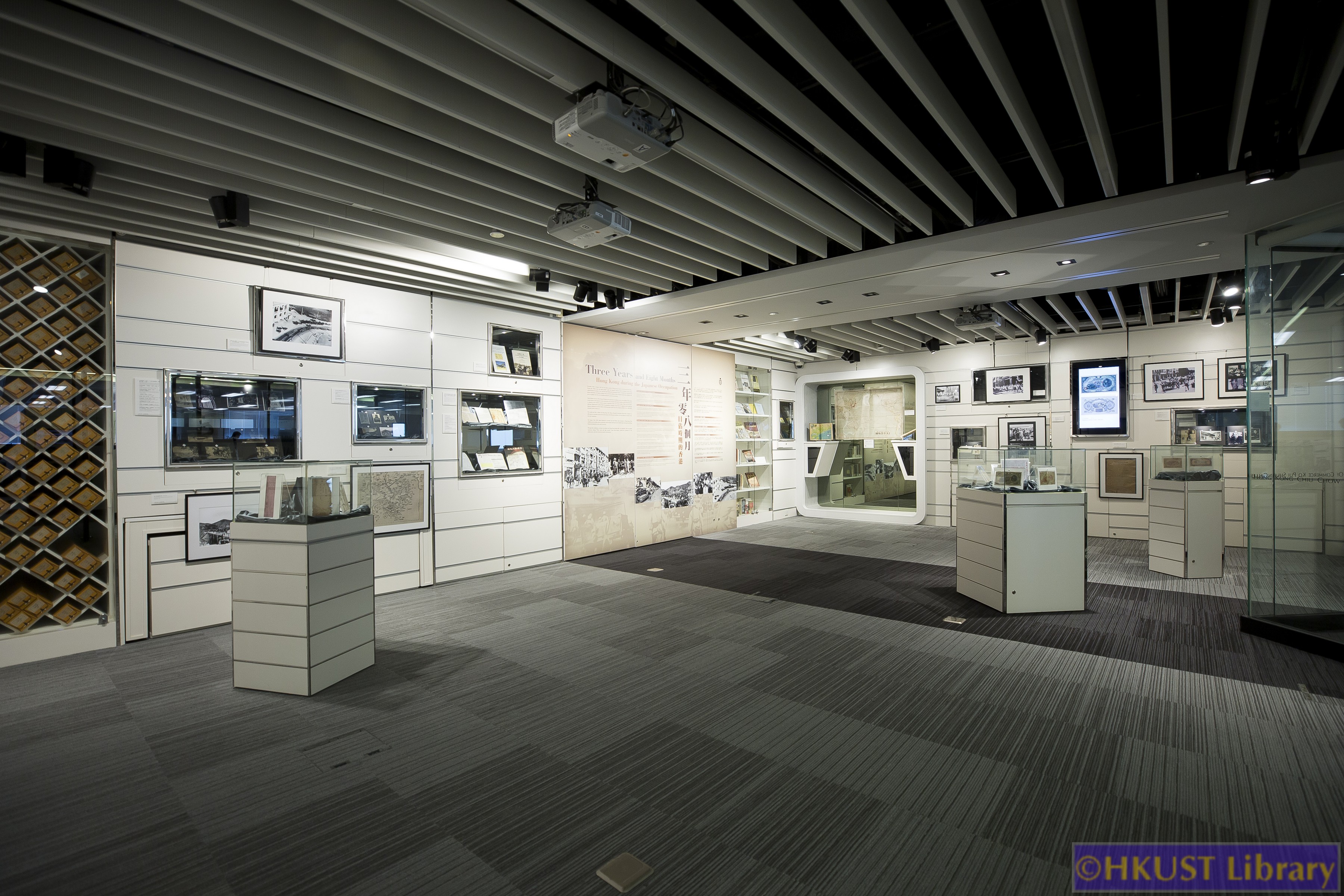
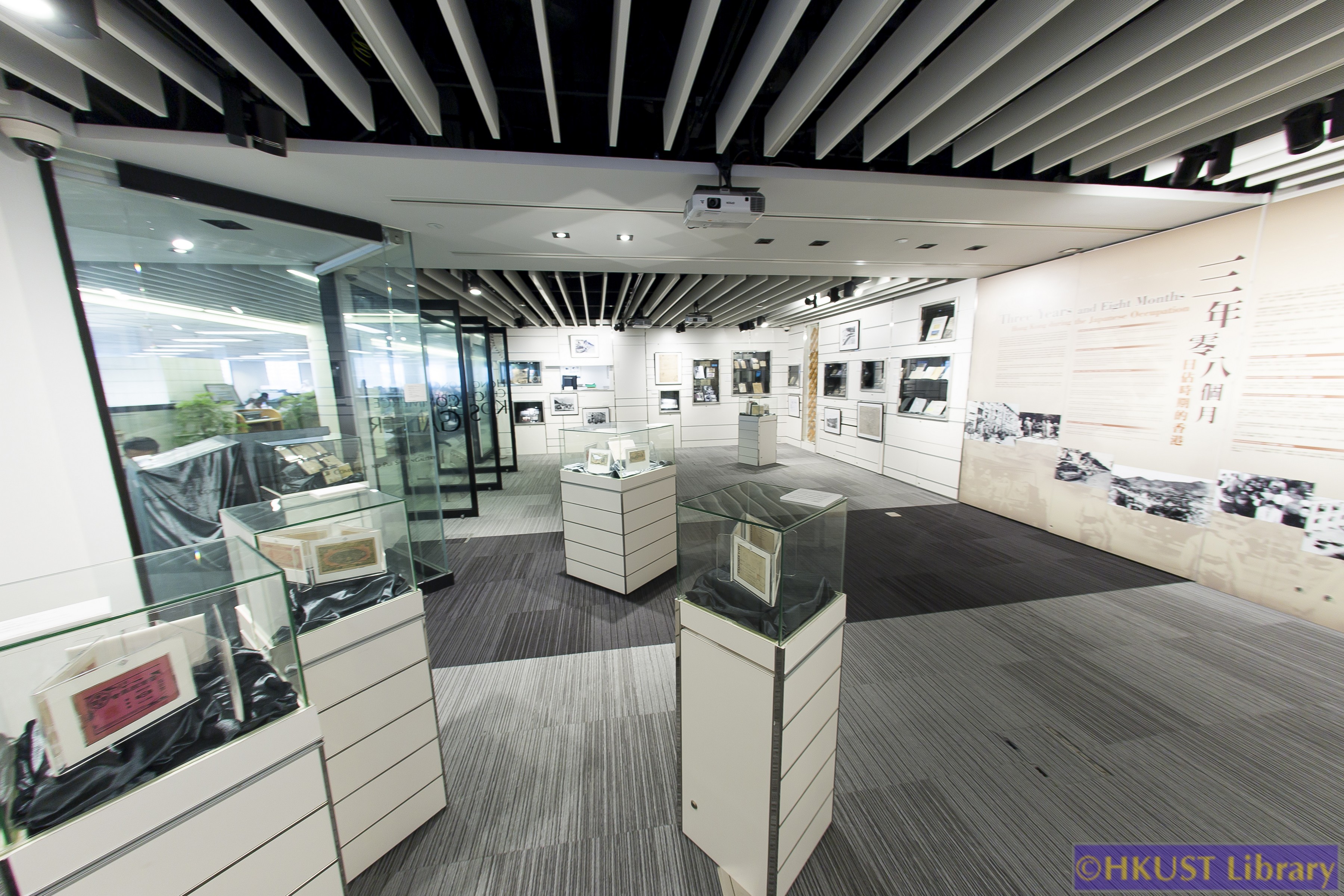
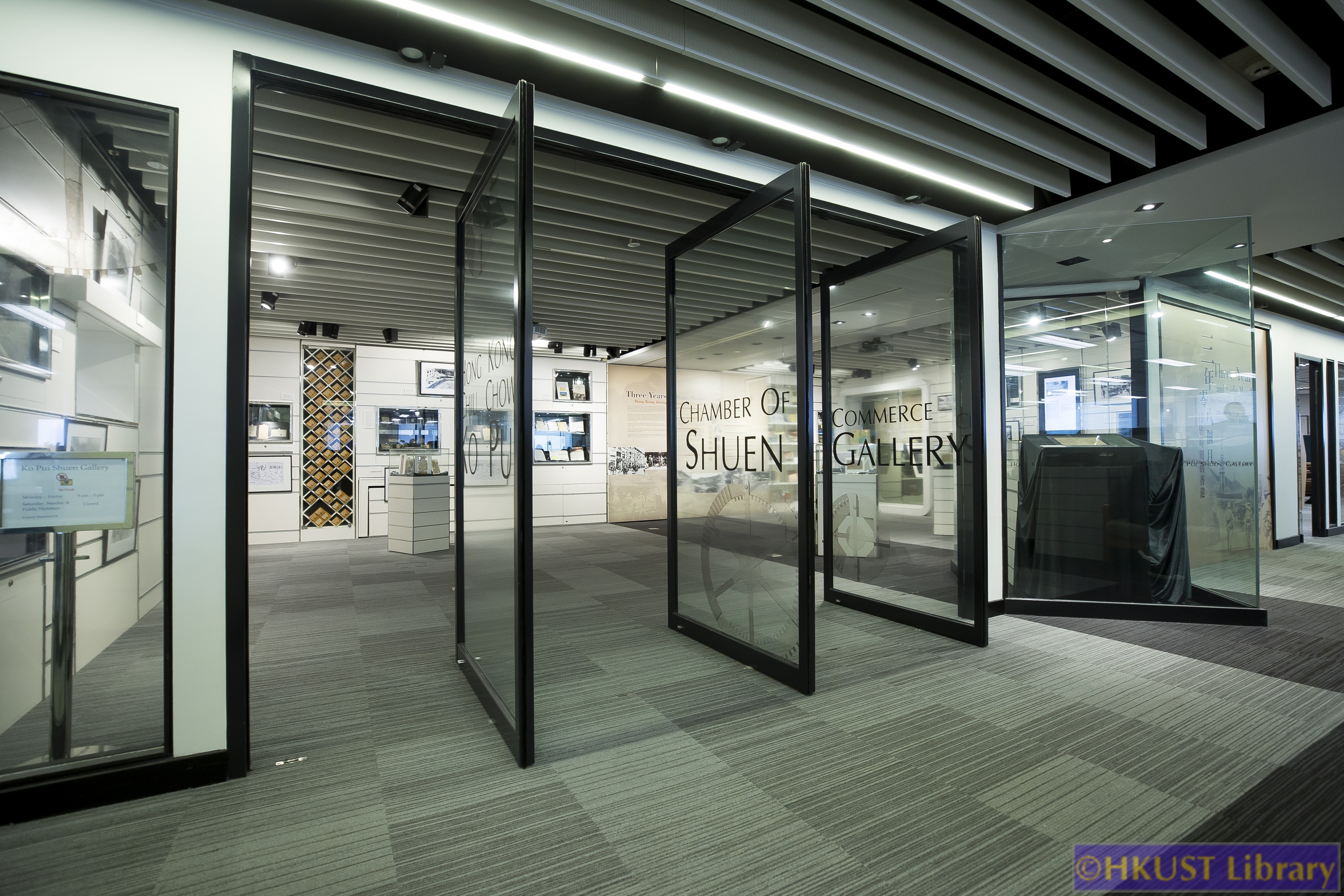
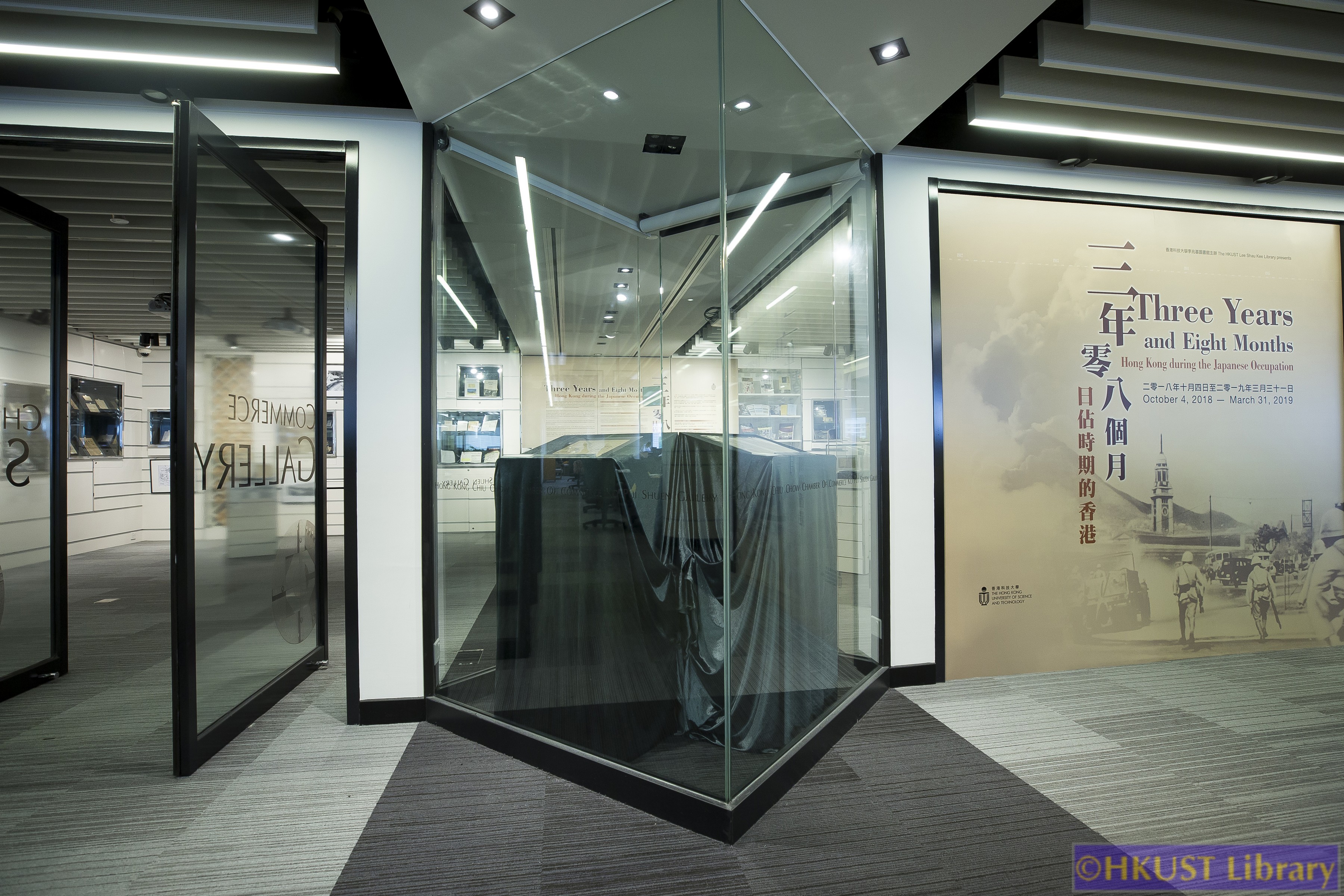
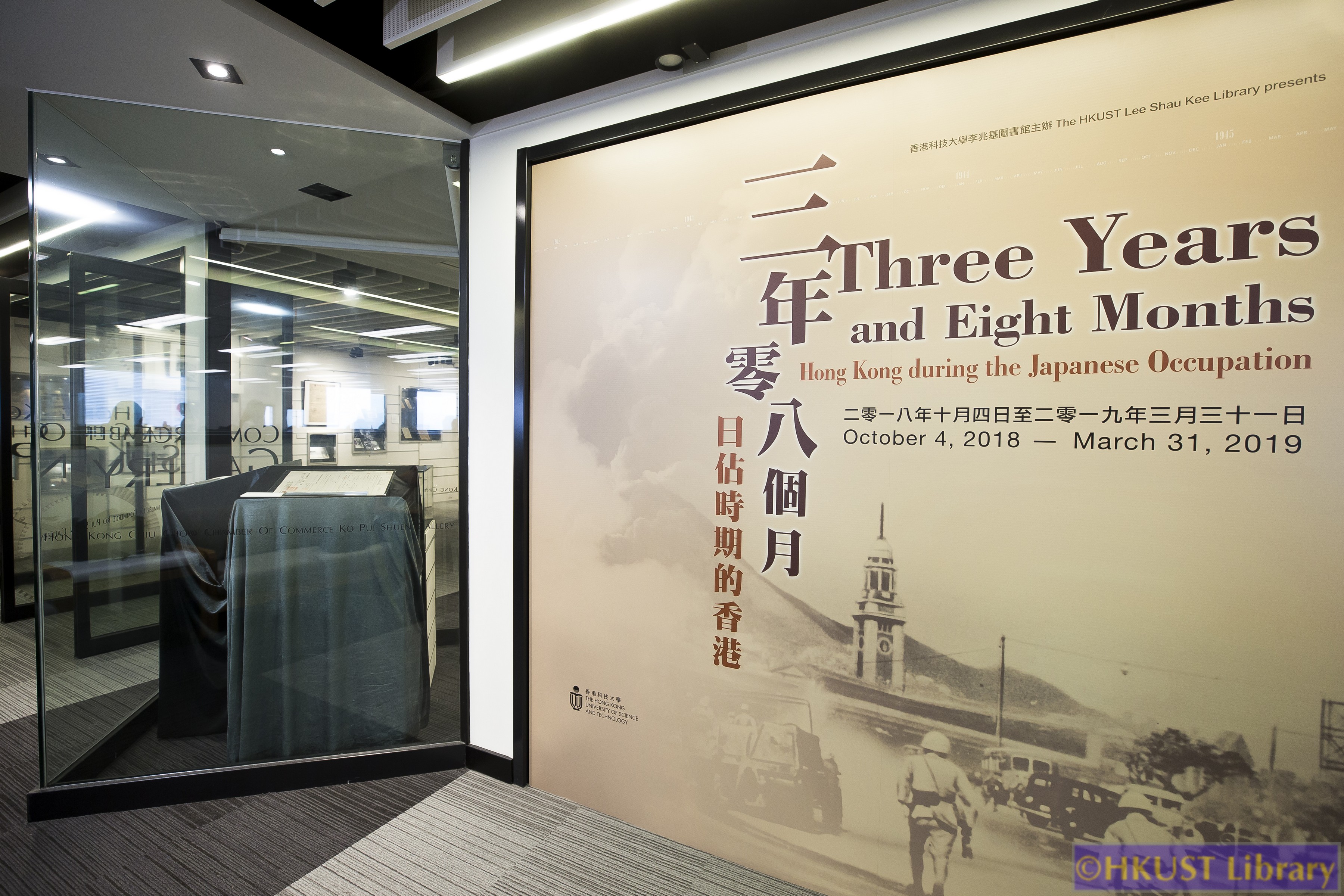
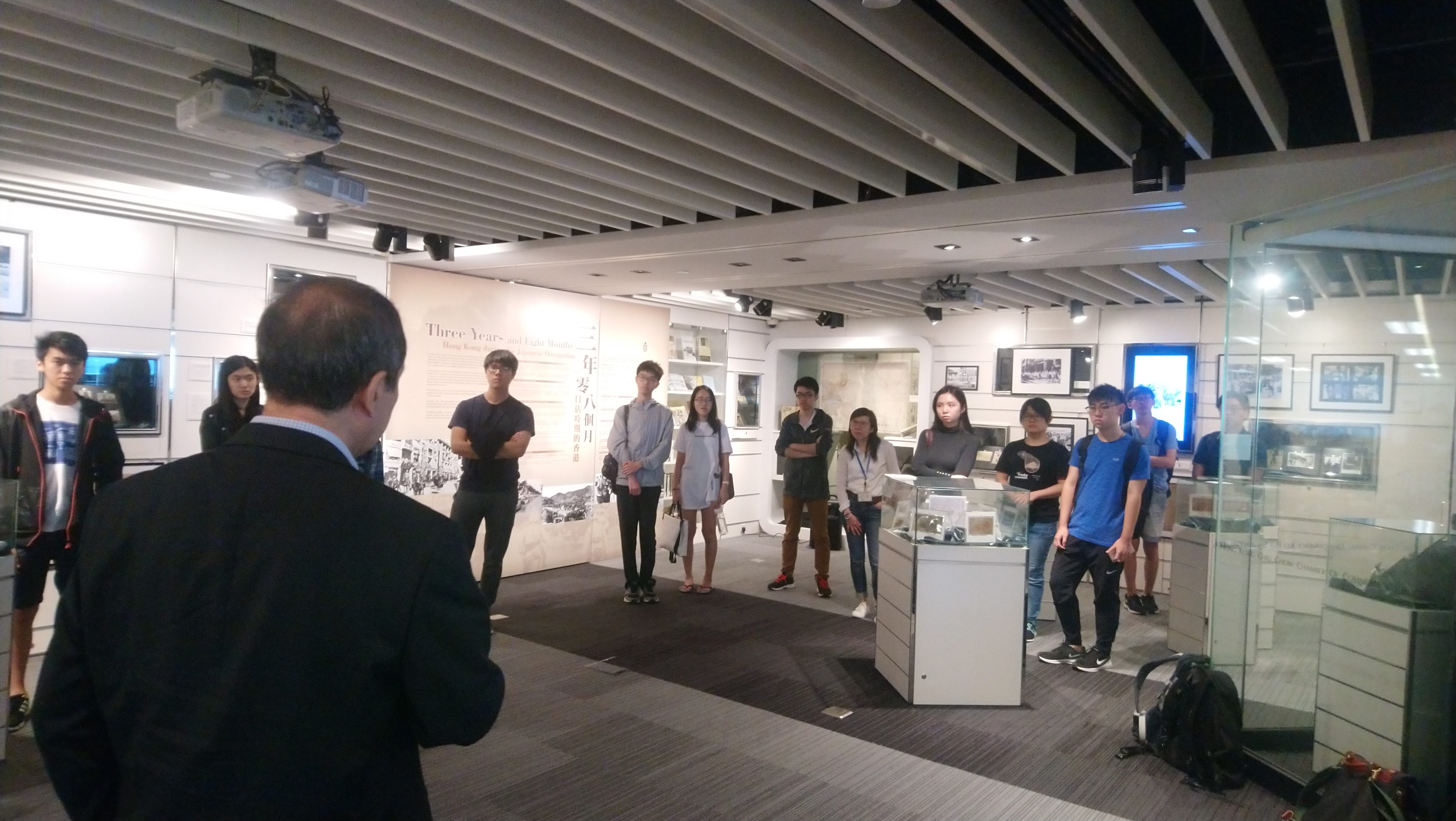
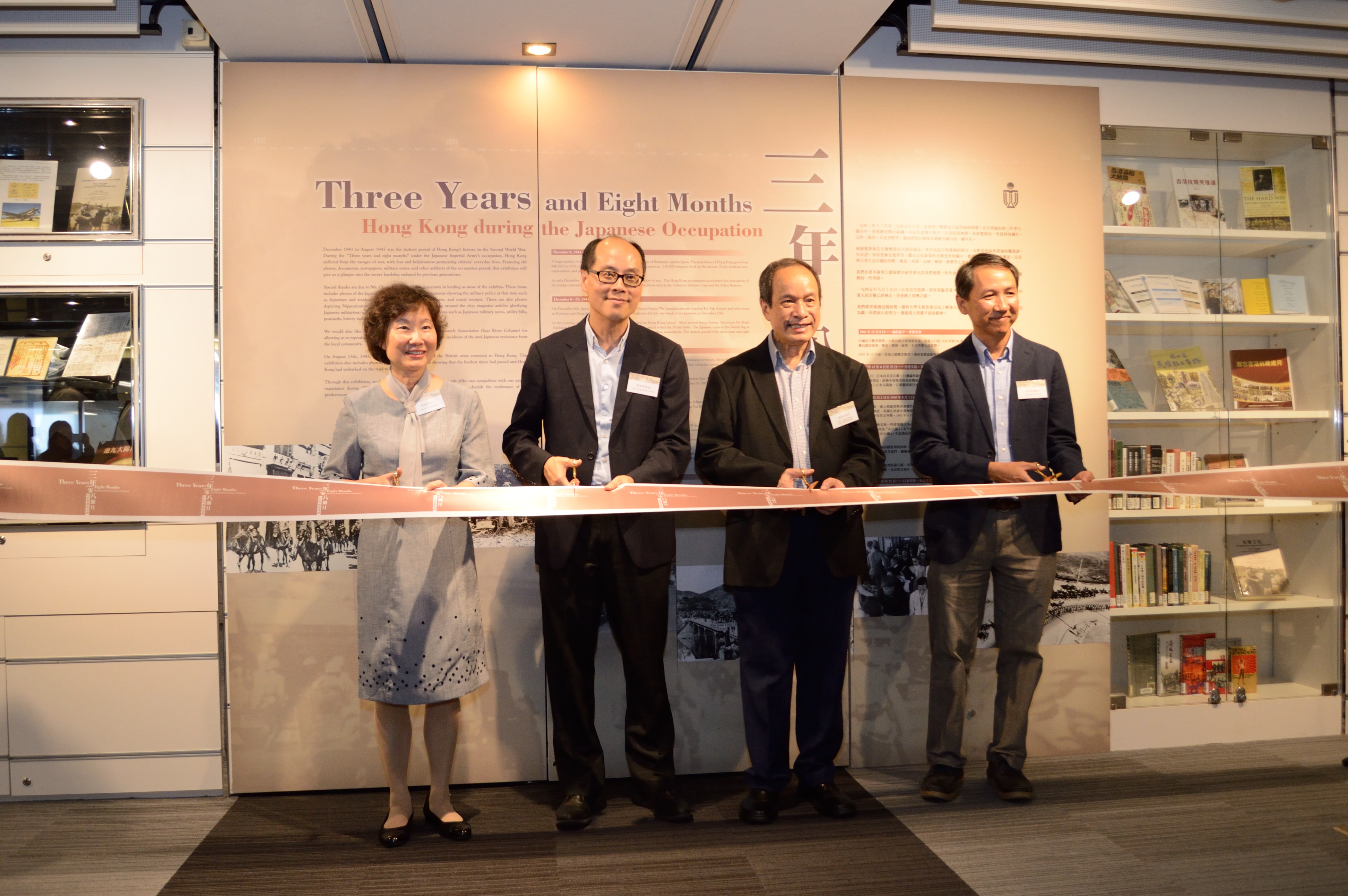
3:30 pm Ceremony (Refreshments after Ceremony)
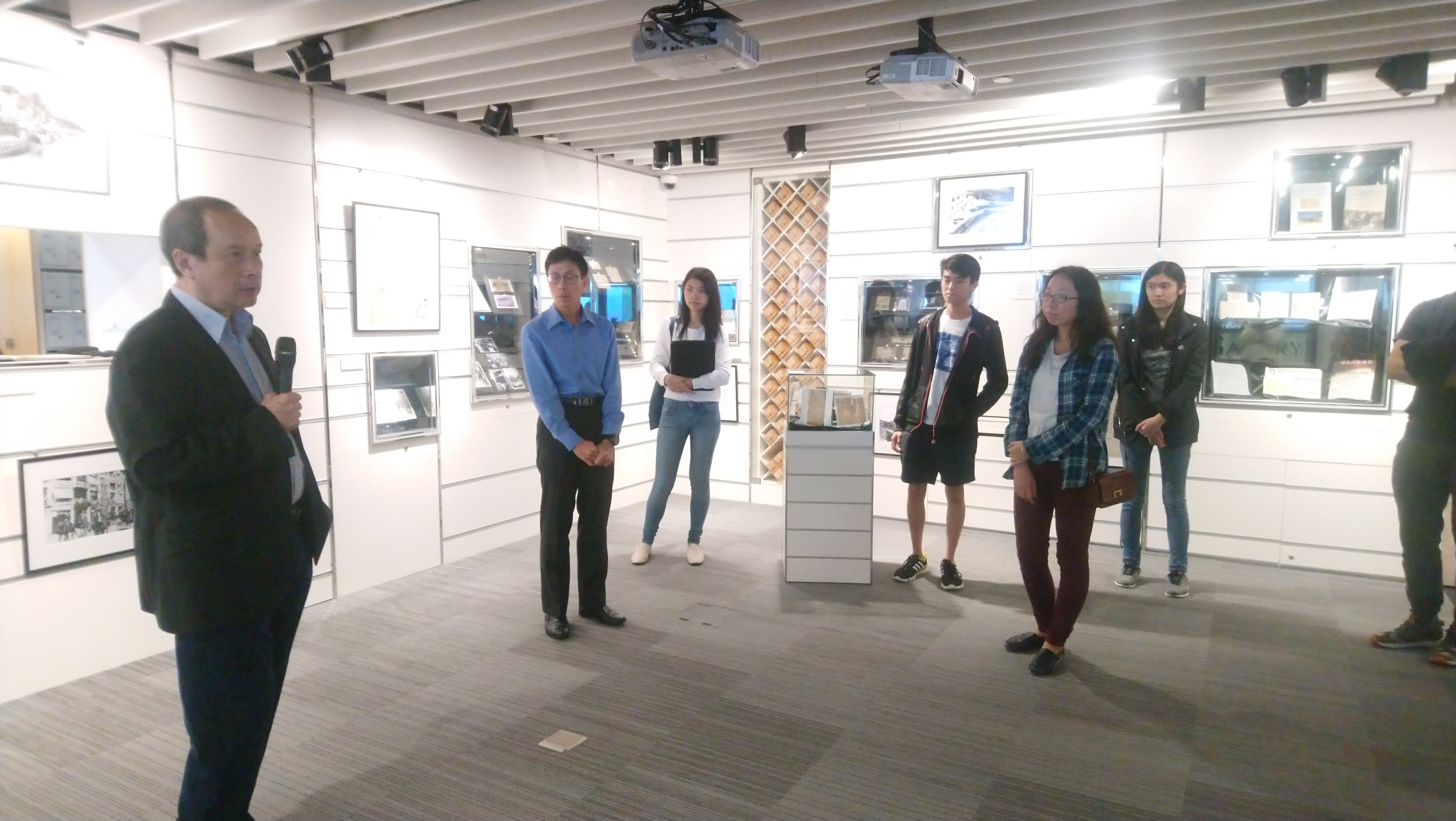
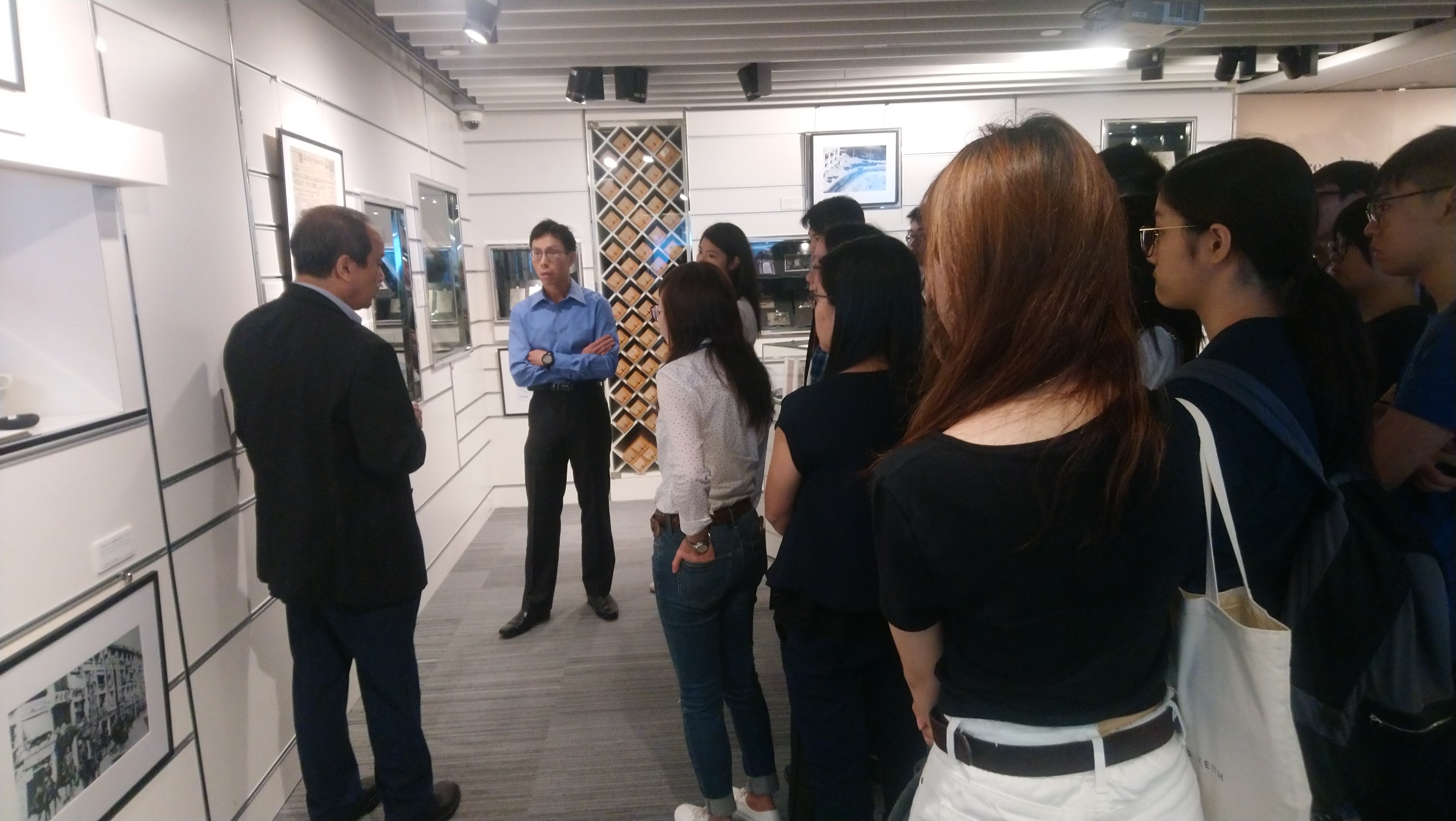
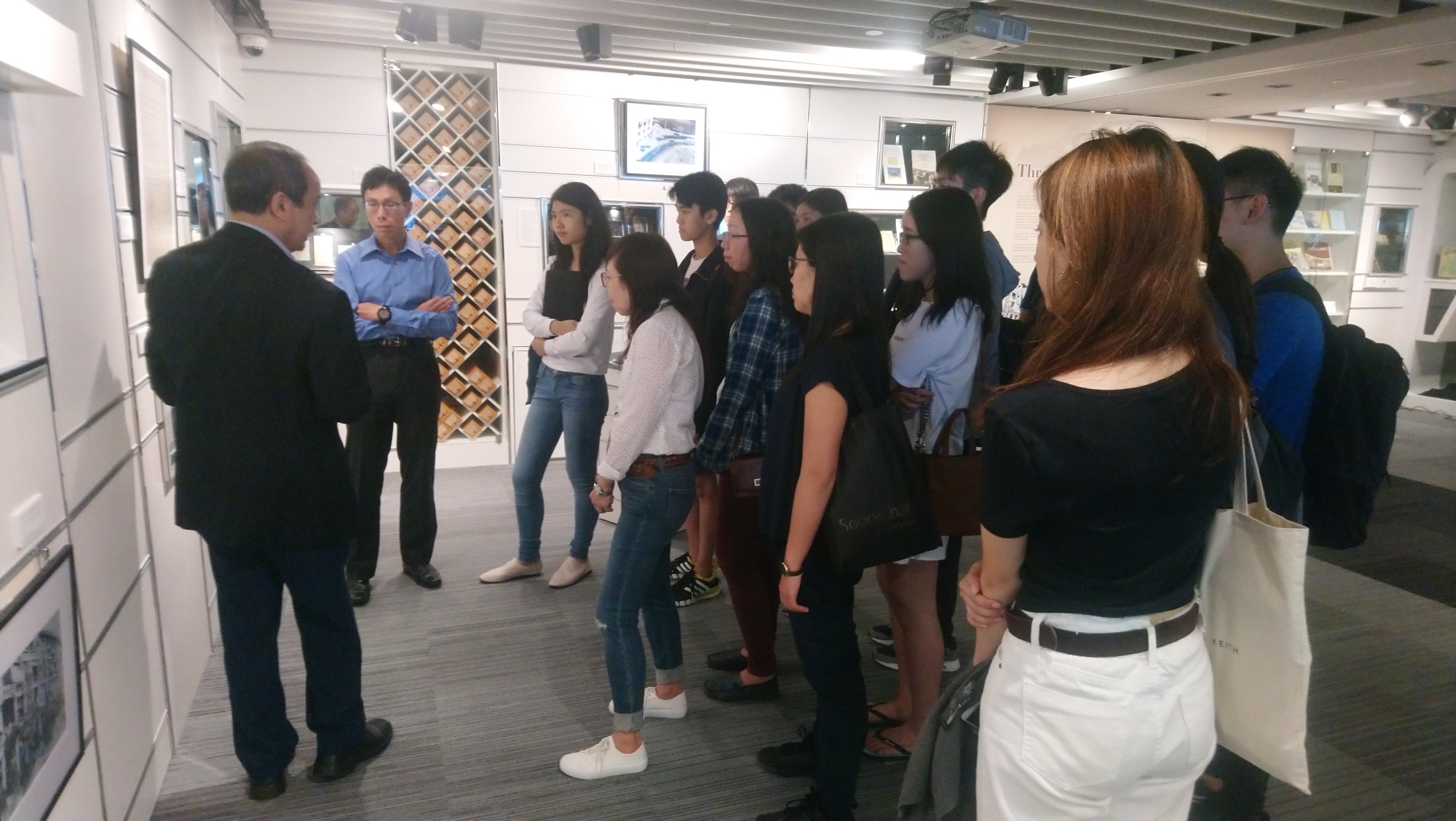
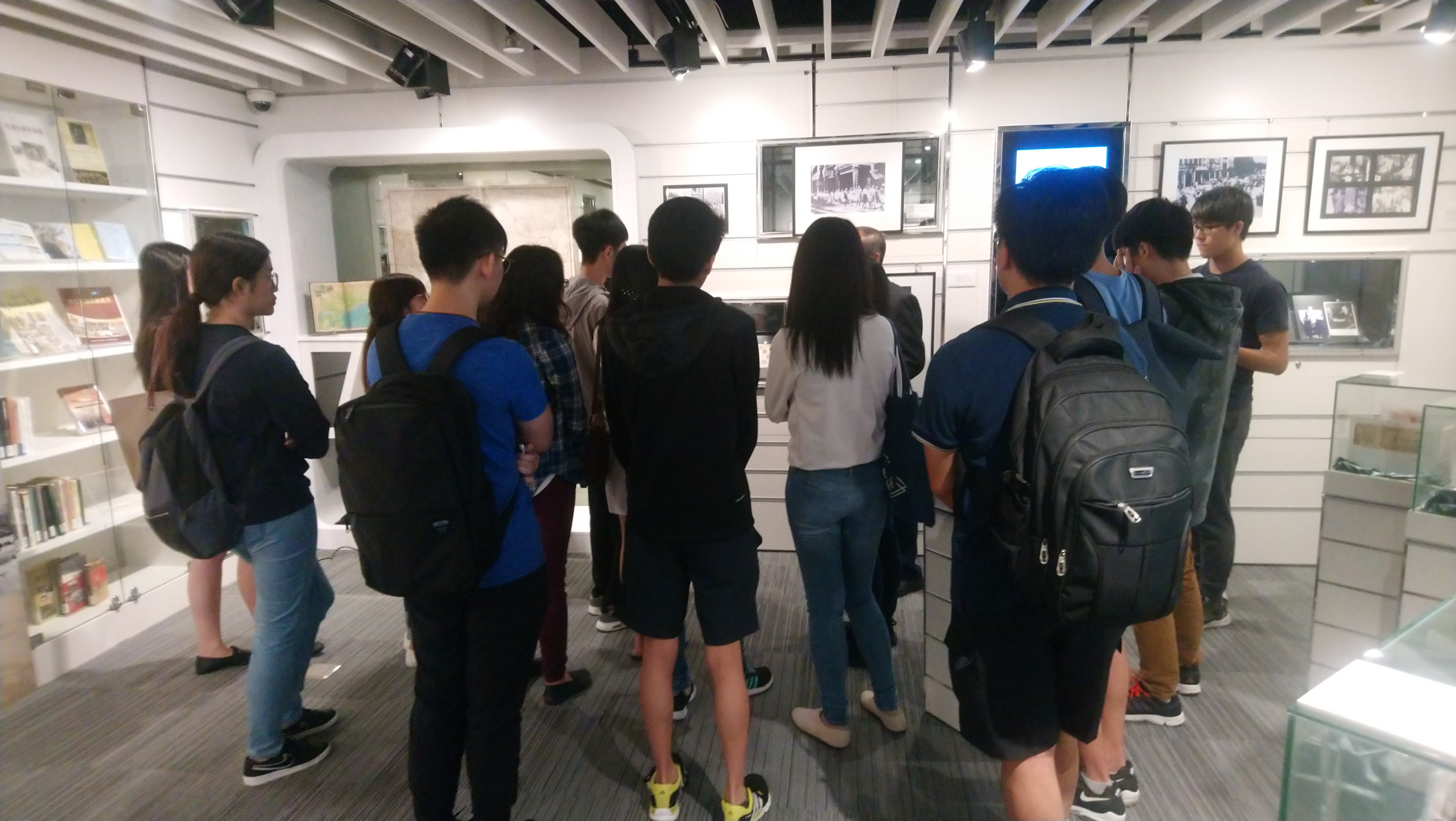
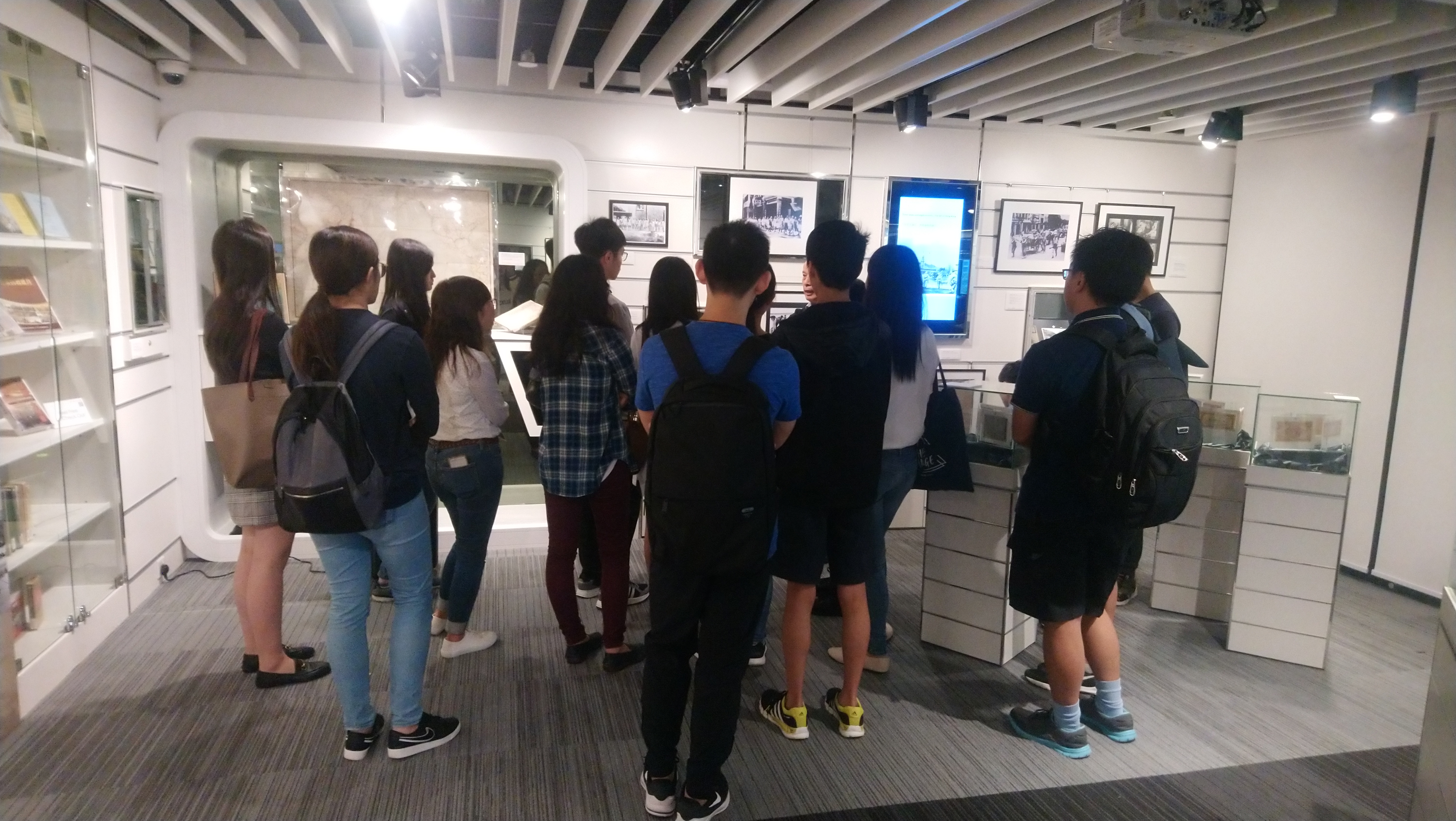
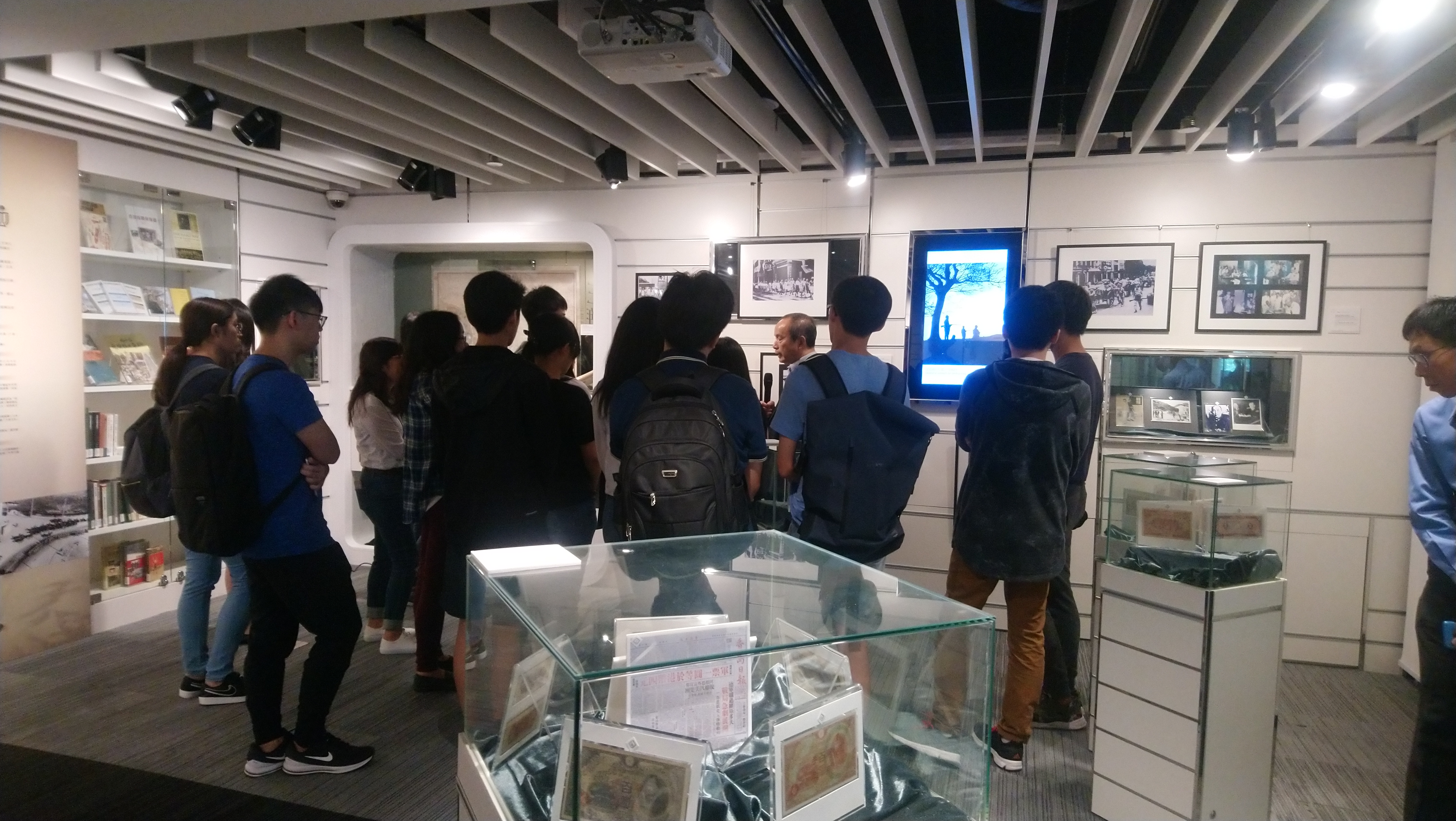
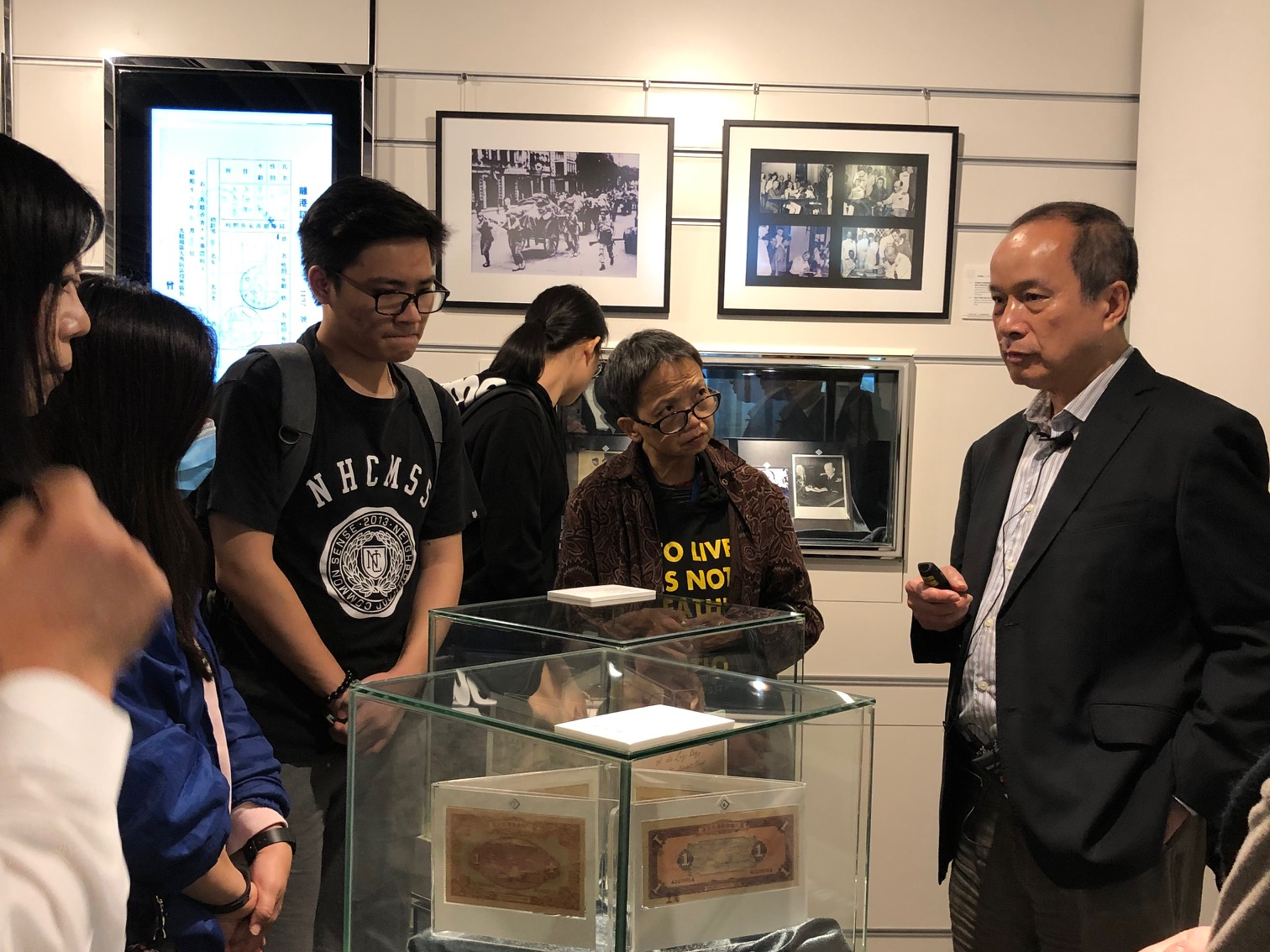
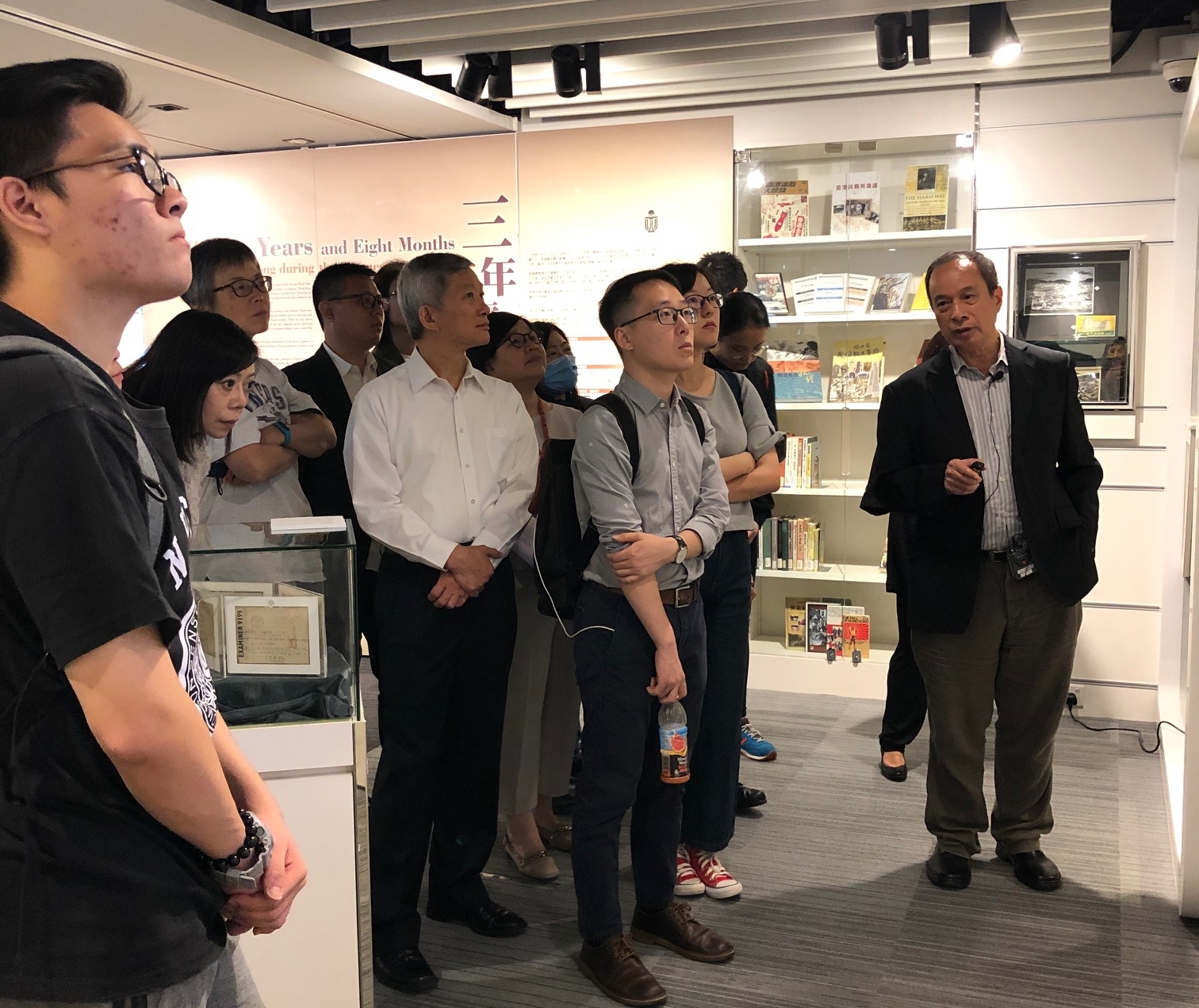
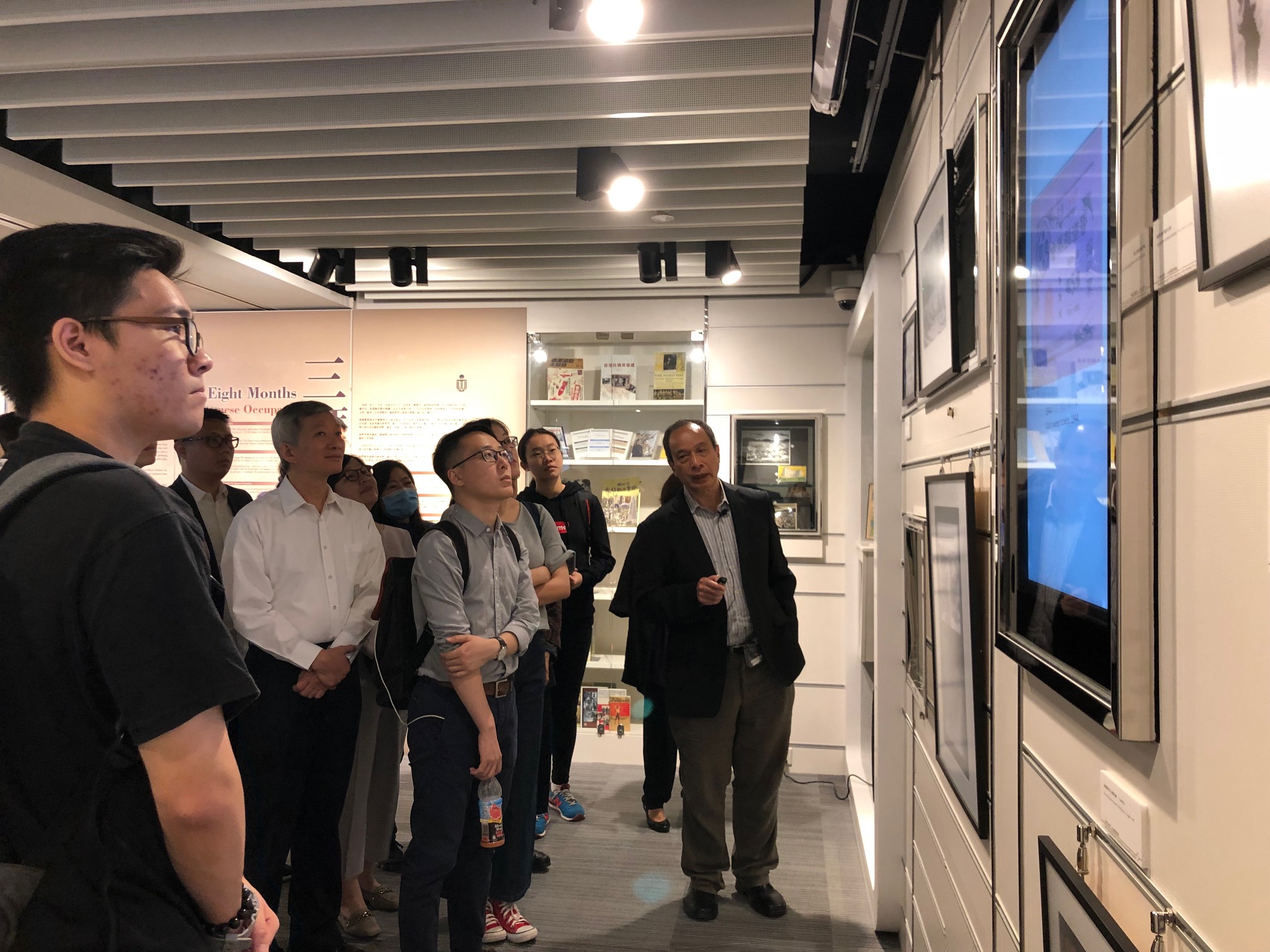
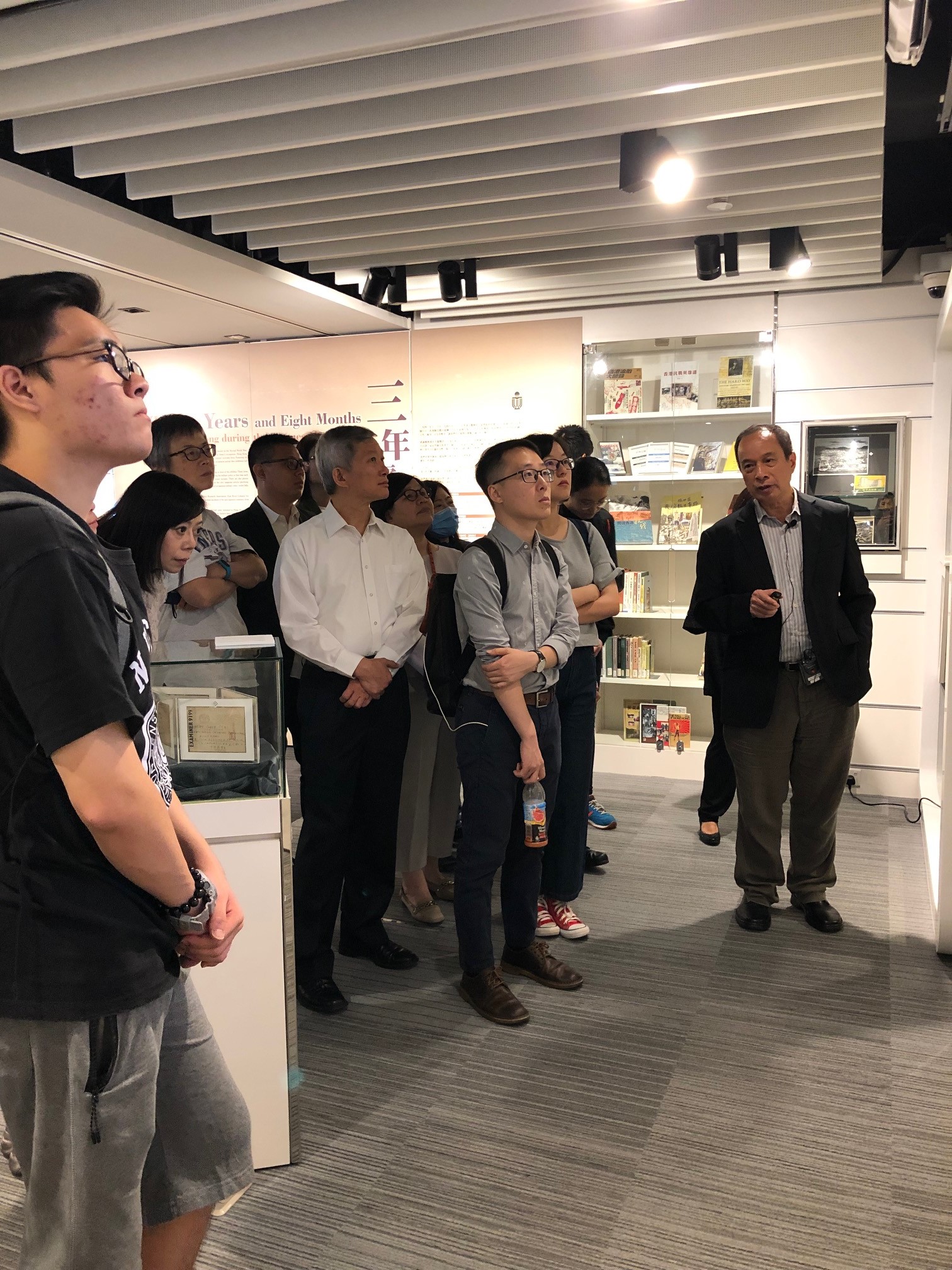
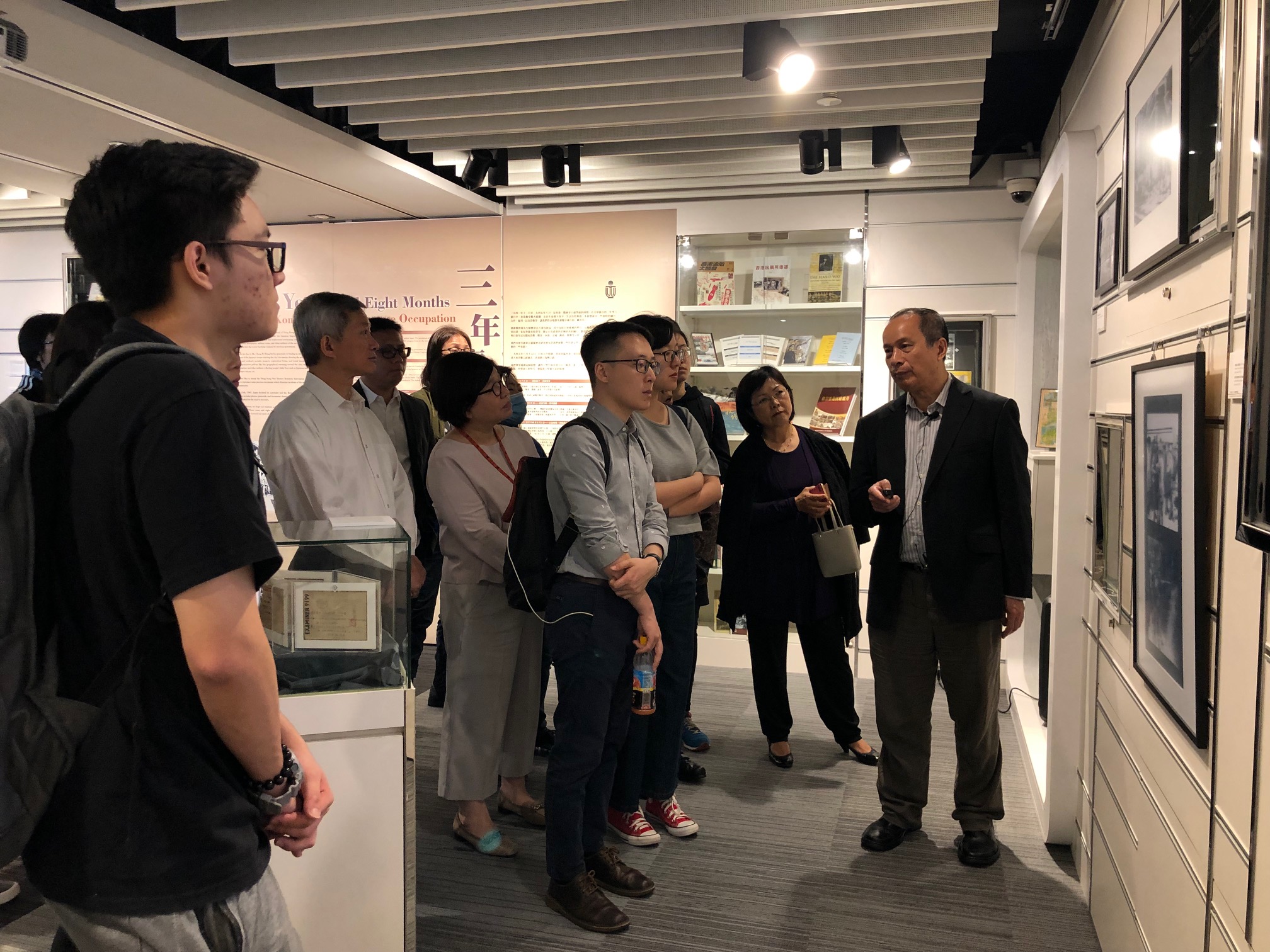
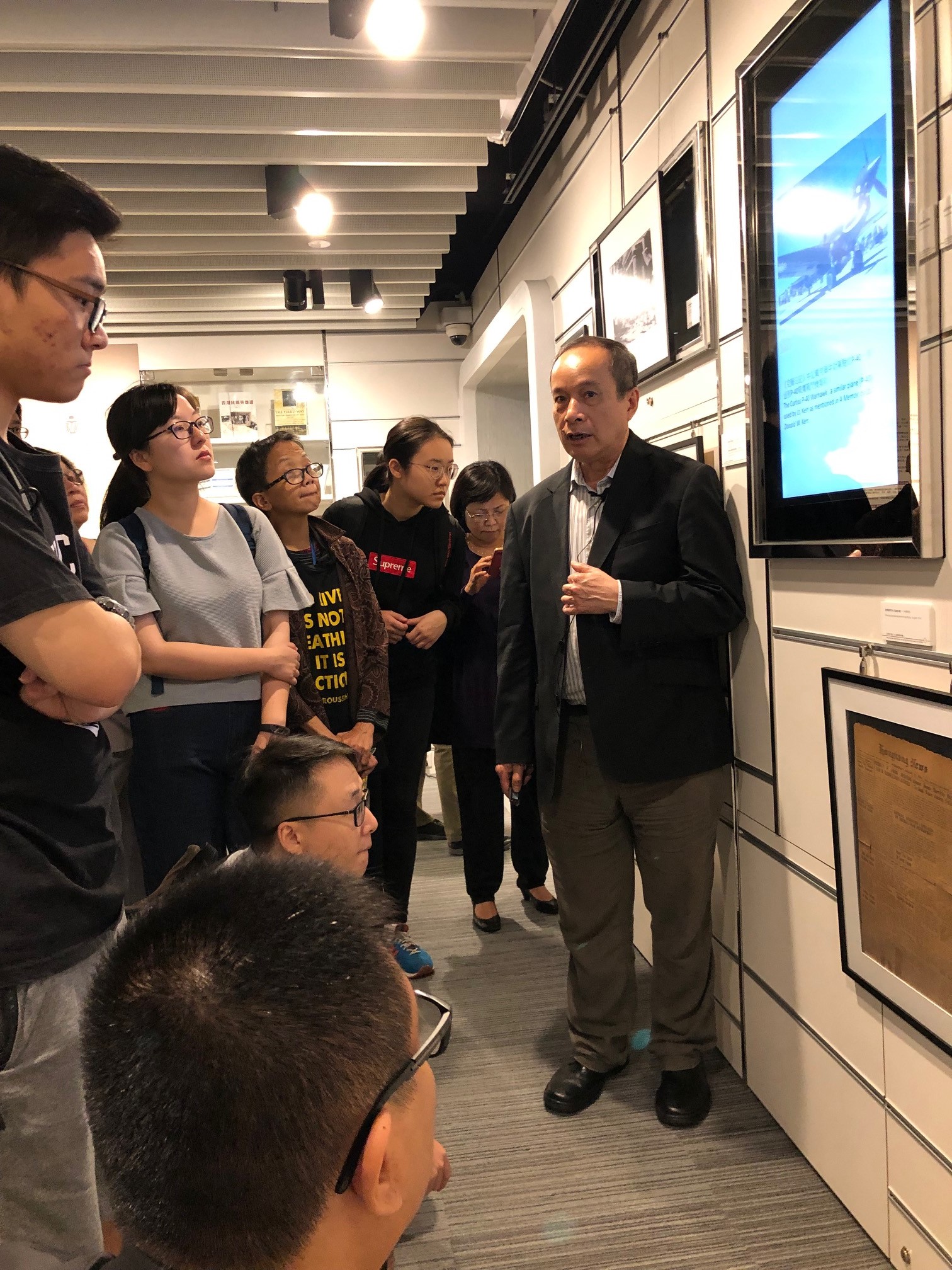
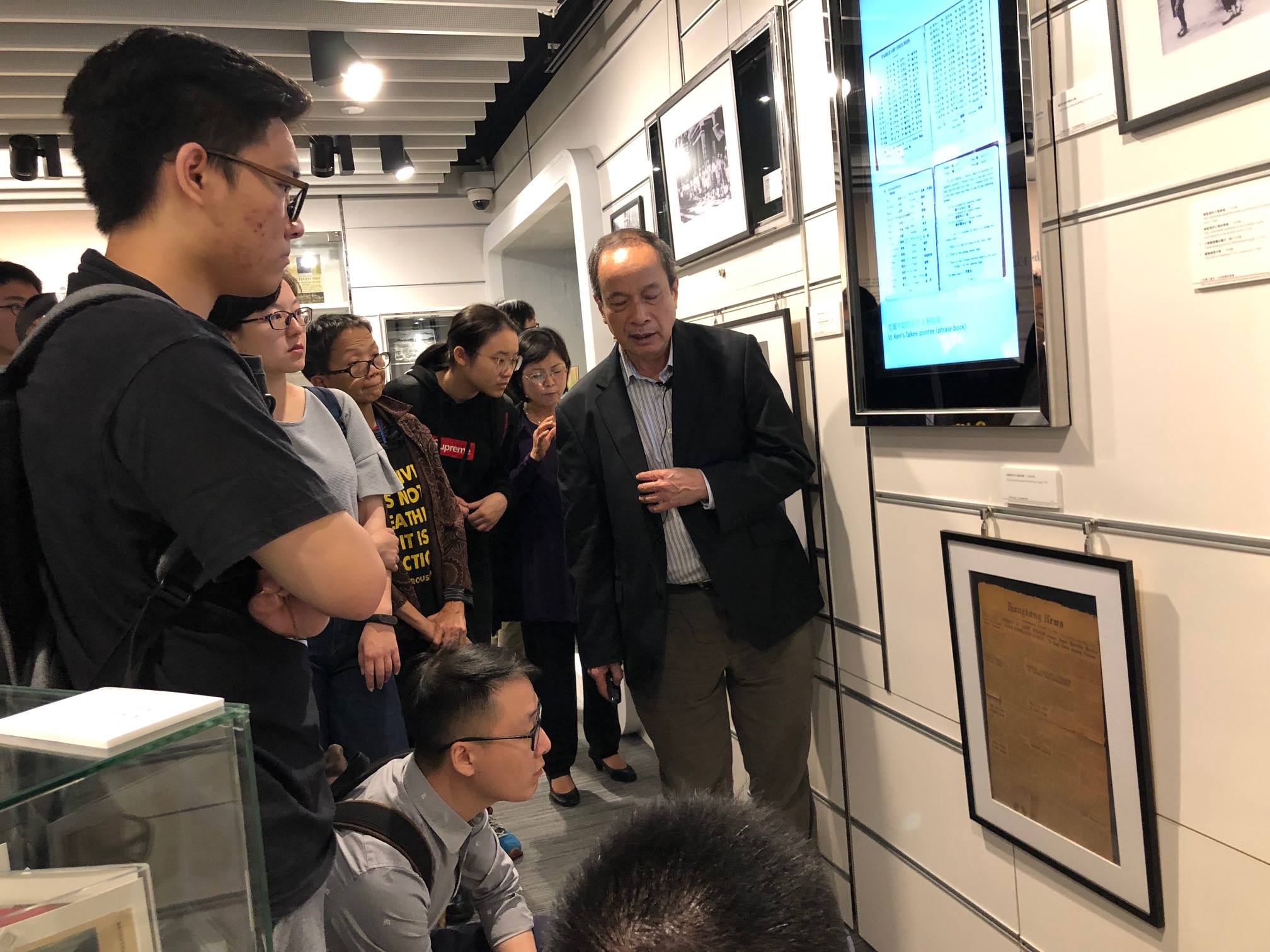
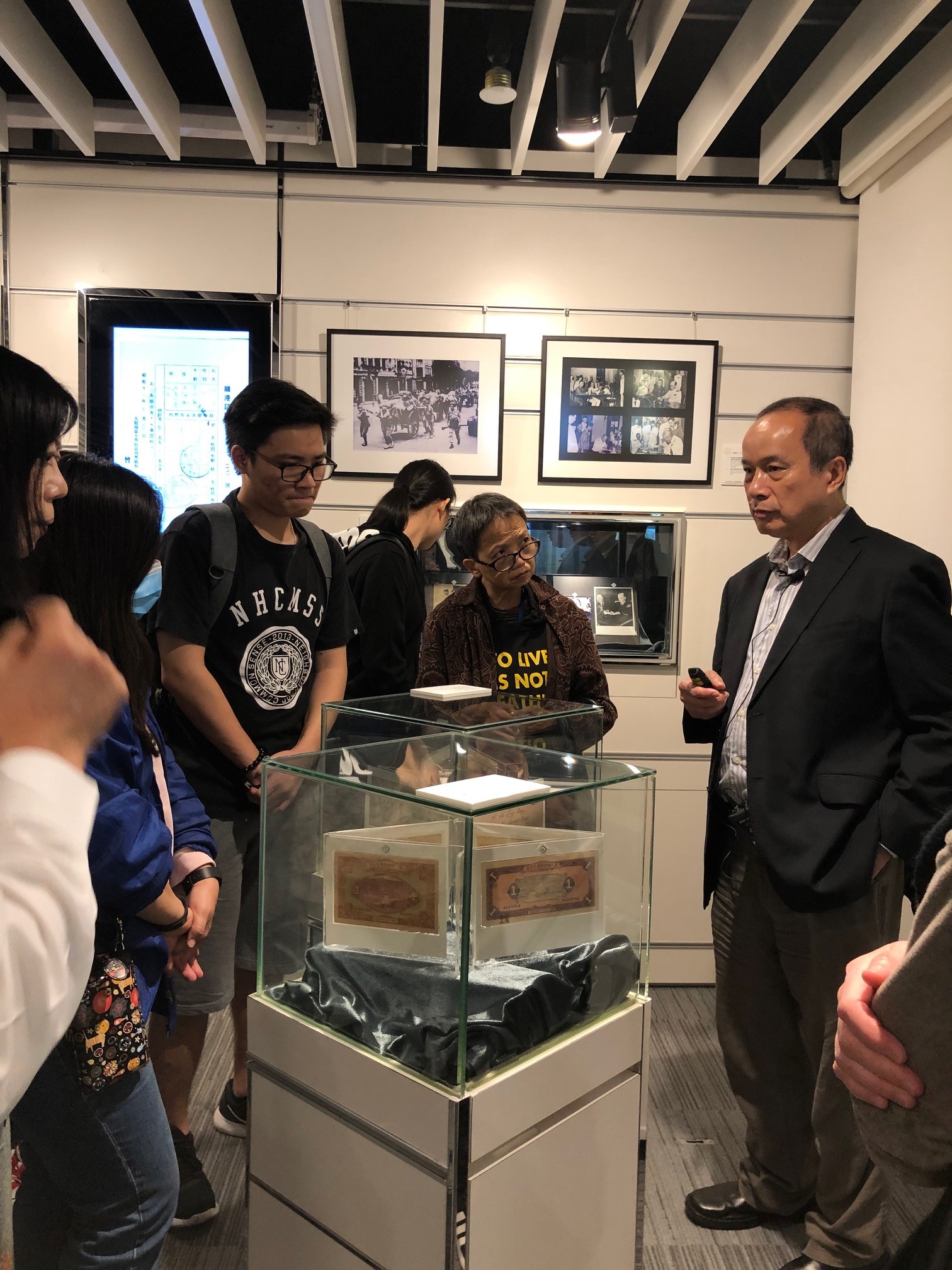
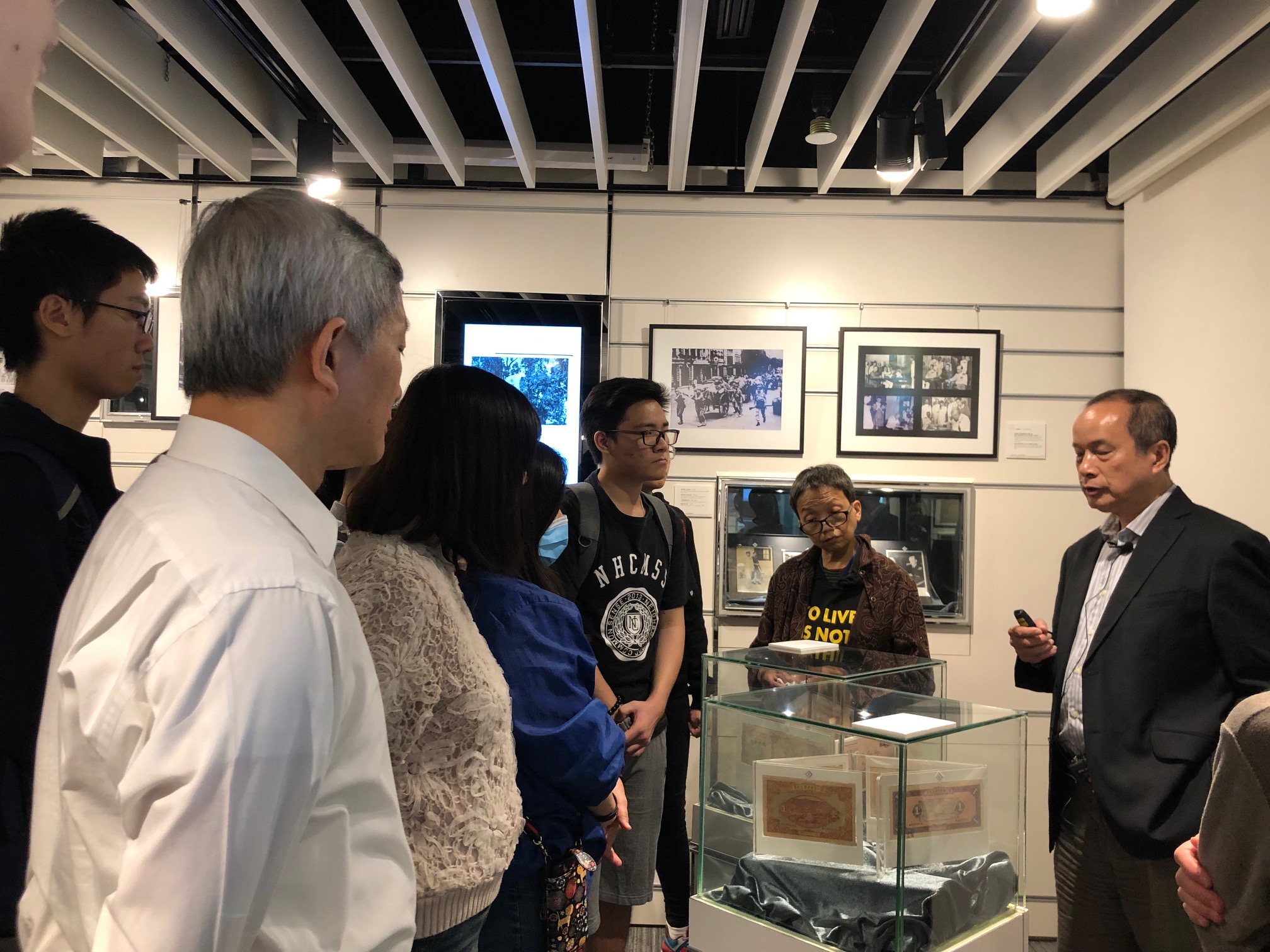
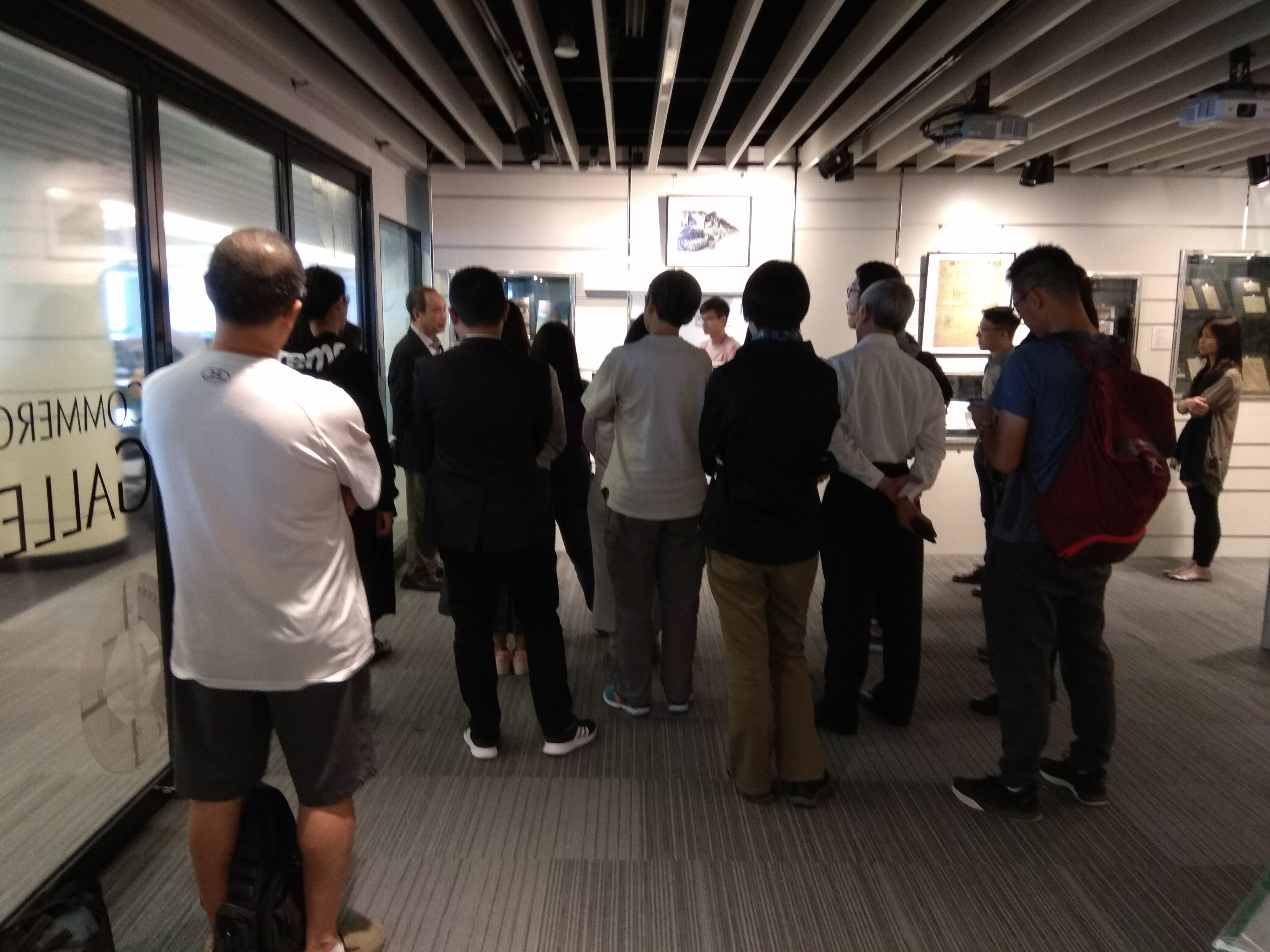
4:15 - 5:15 pm Guided Tour by Mr. Cheng Po Hung
The Hong Kong Chiu Chow Chamber of Commerce Ko Pui Shuen Gallery
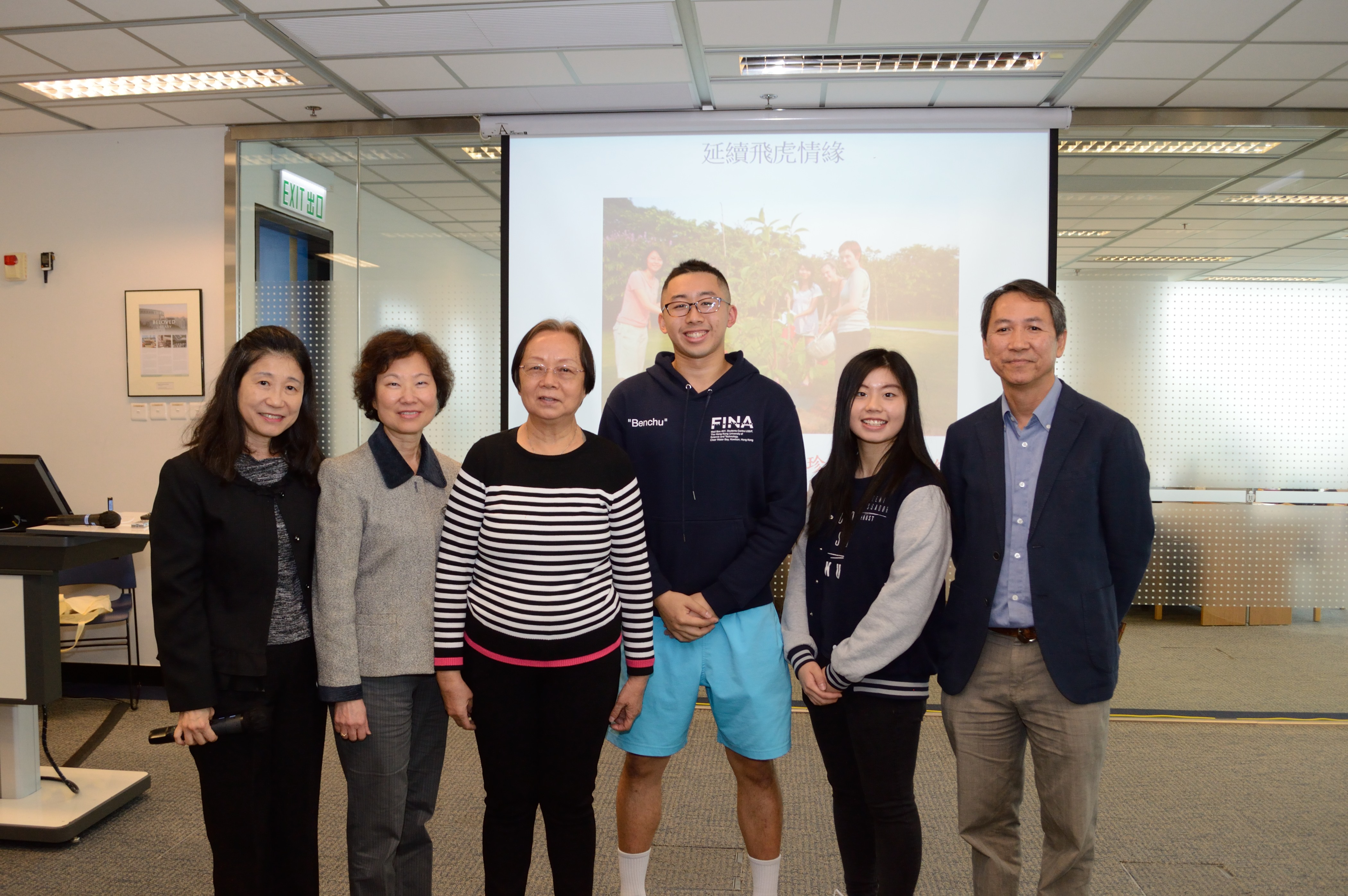
Officiating Guests
Mr. CHENG Po Hung, Collector and Expert Advisor of the Hong Kong Museum of History and the Hong Kong Heritage Museum
Professor Roger CHENG, Associate Provost for Teaching and Learning, HKUST
Ms. Diana CHAN, University Librarian, HKUST
Professor CHEUNG Siu Woo, Associate Professor of Humanities, HKUST
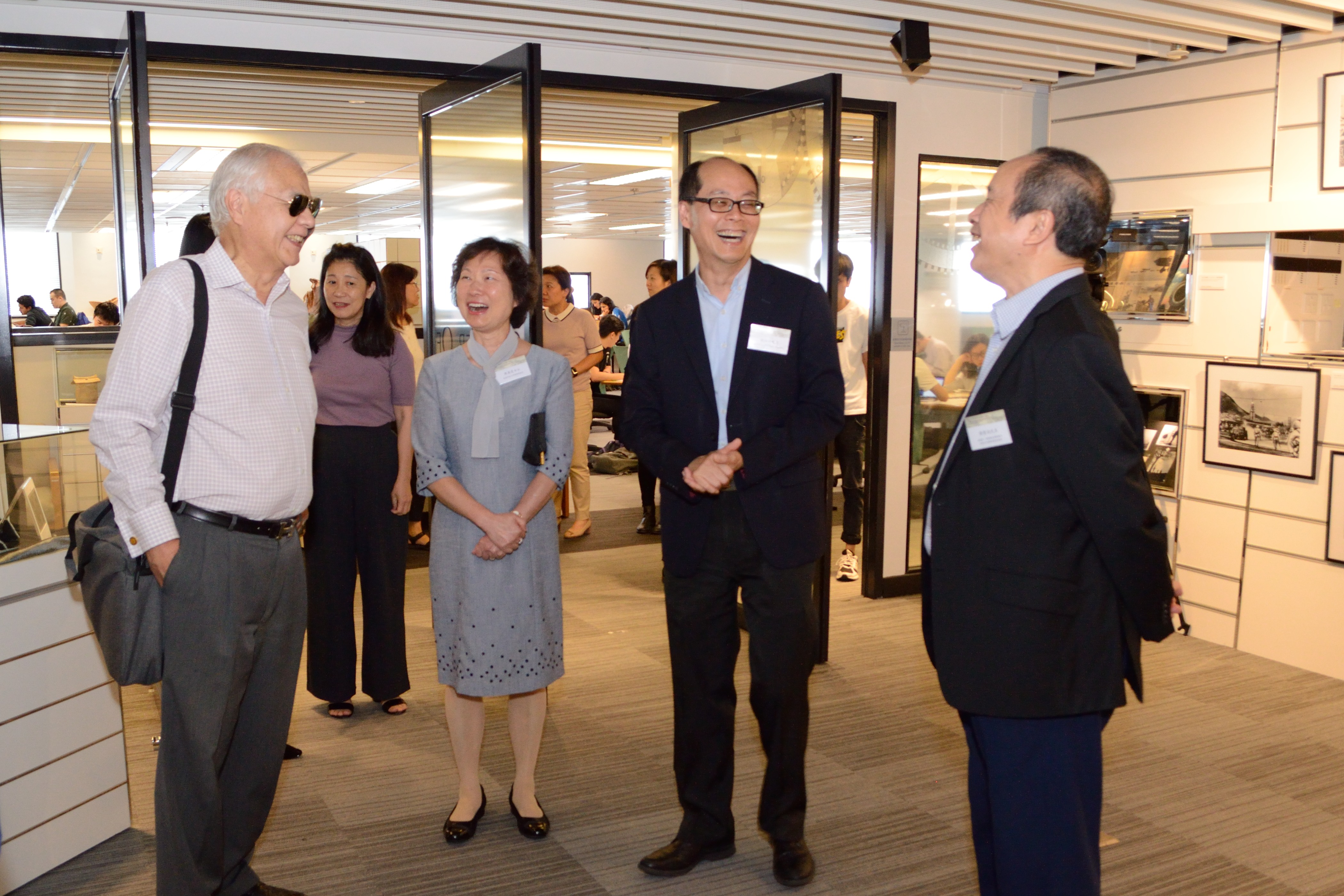
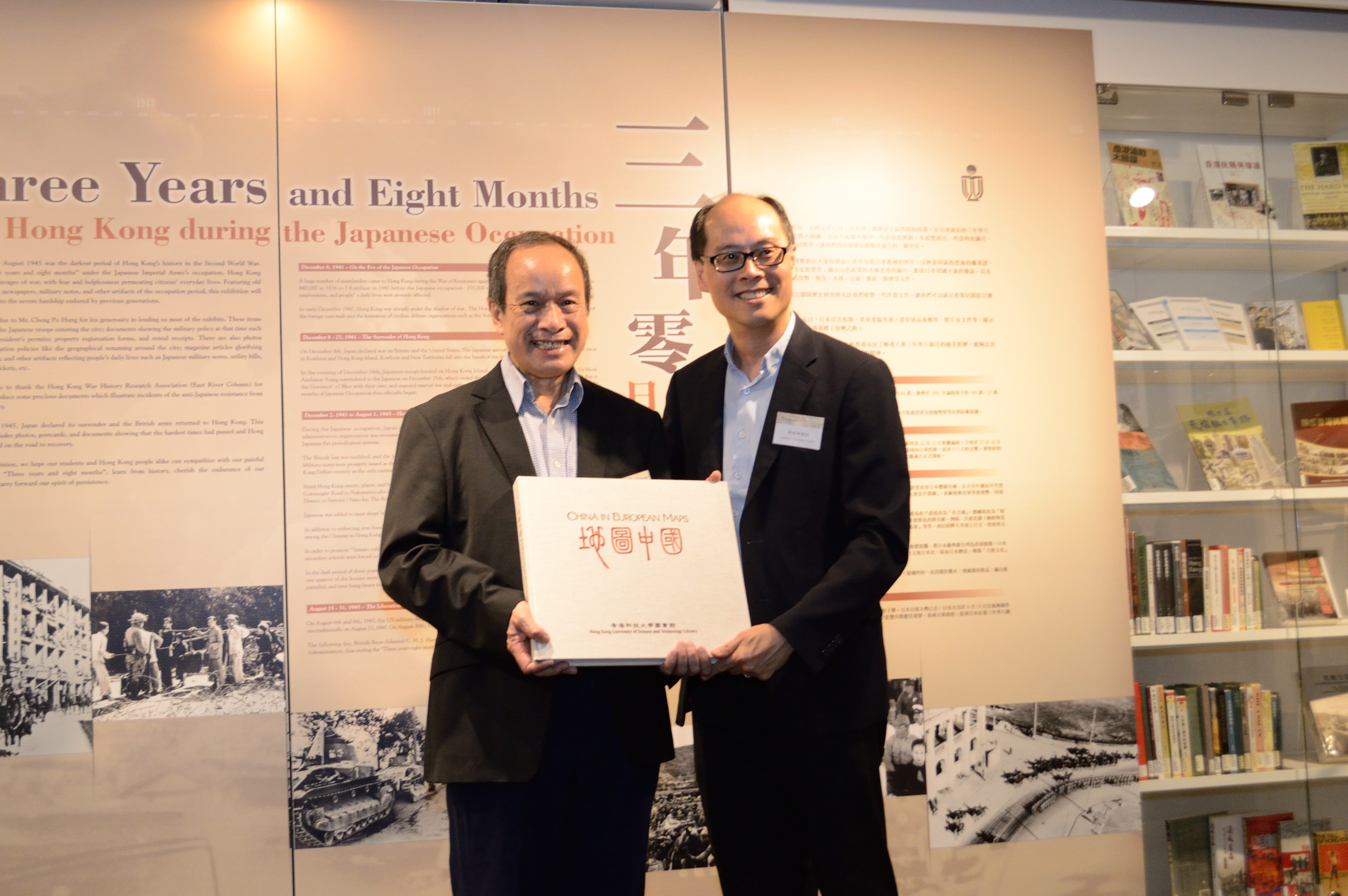
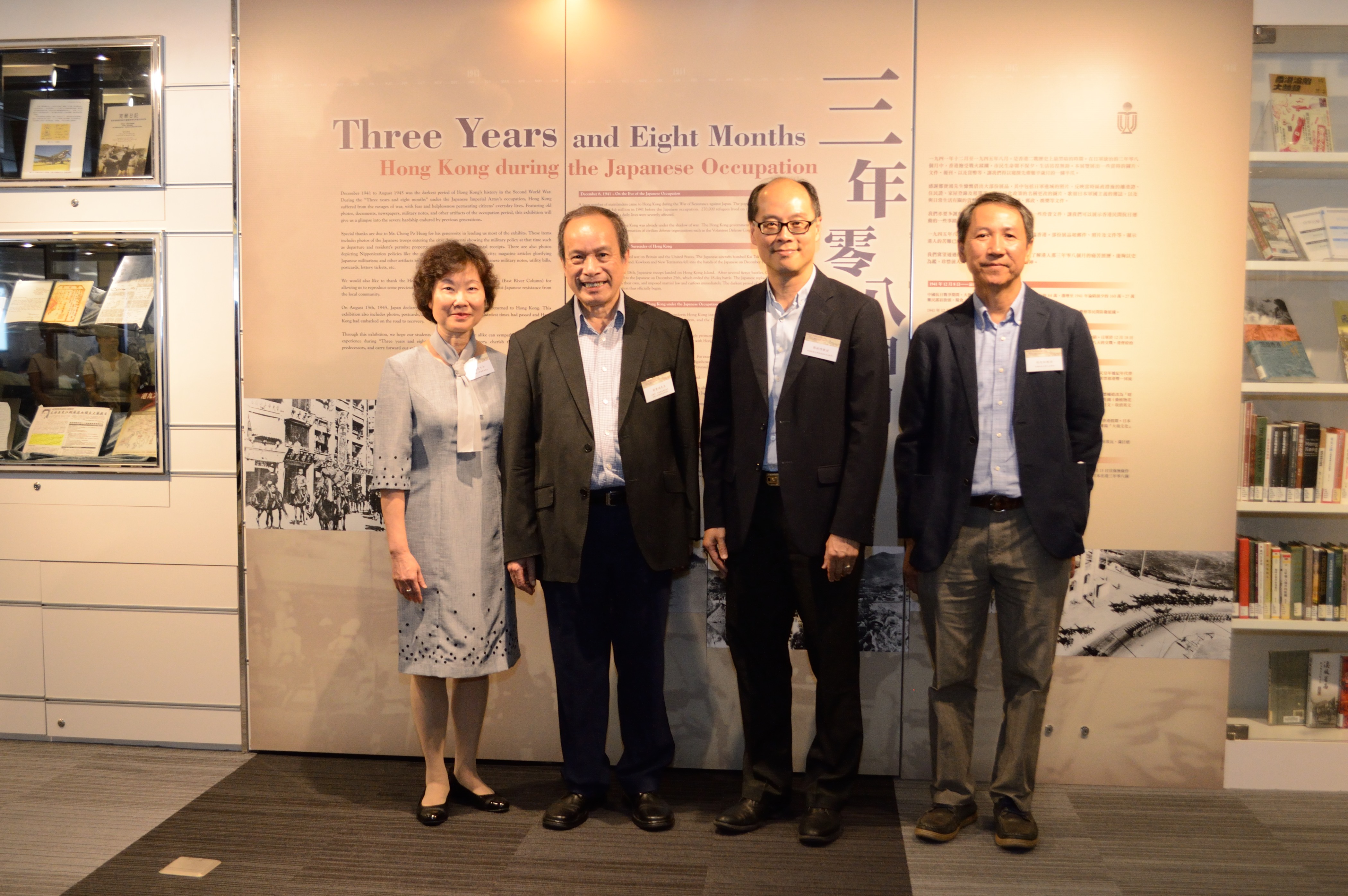

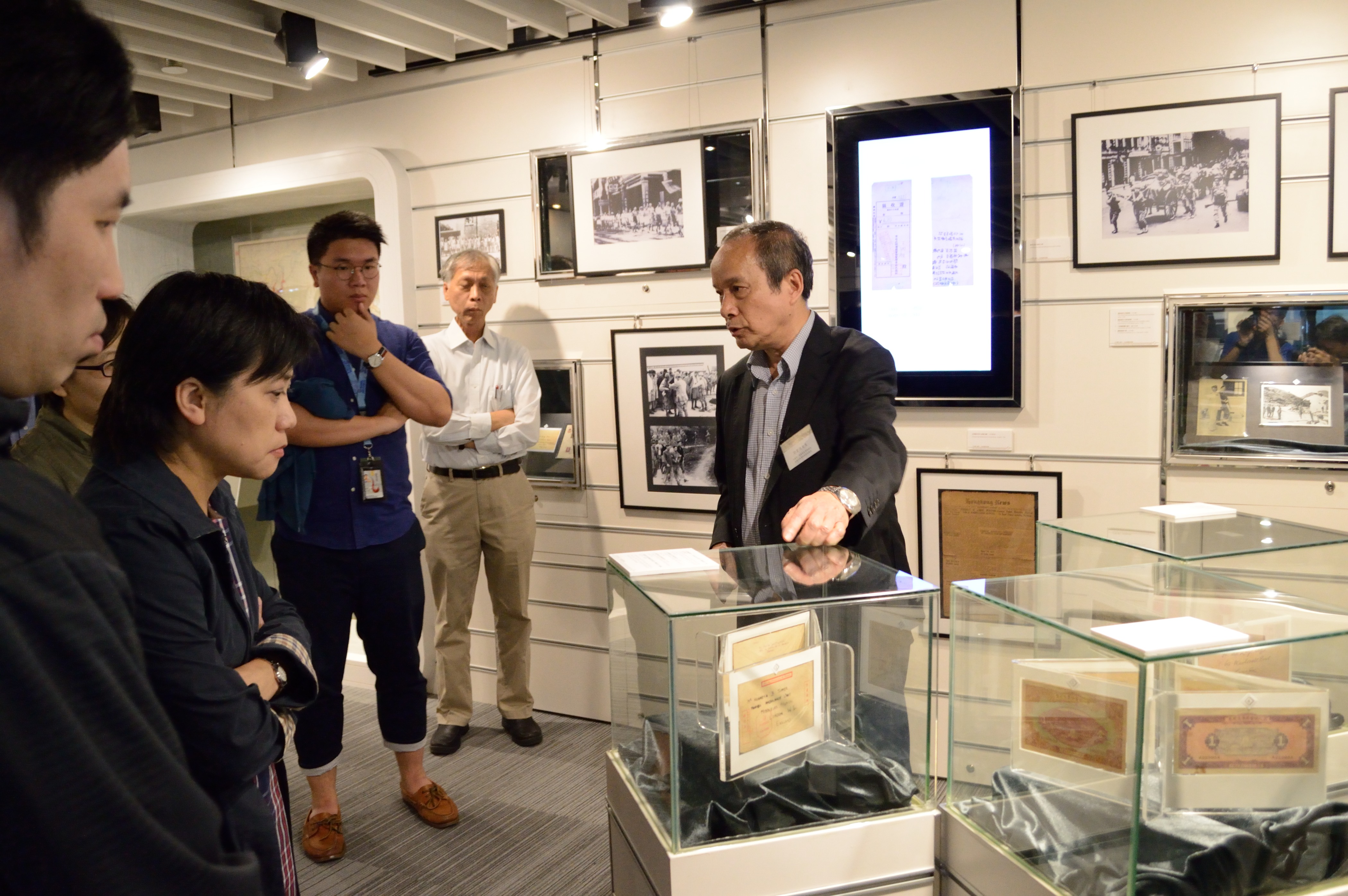
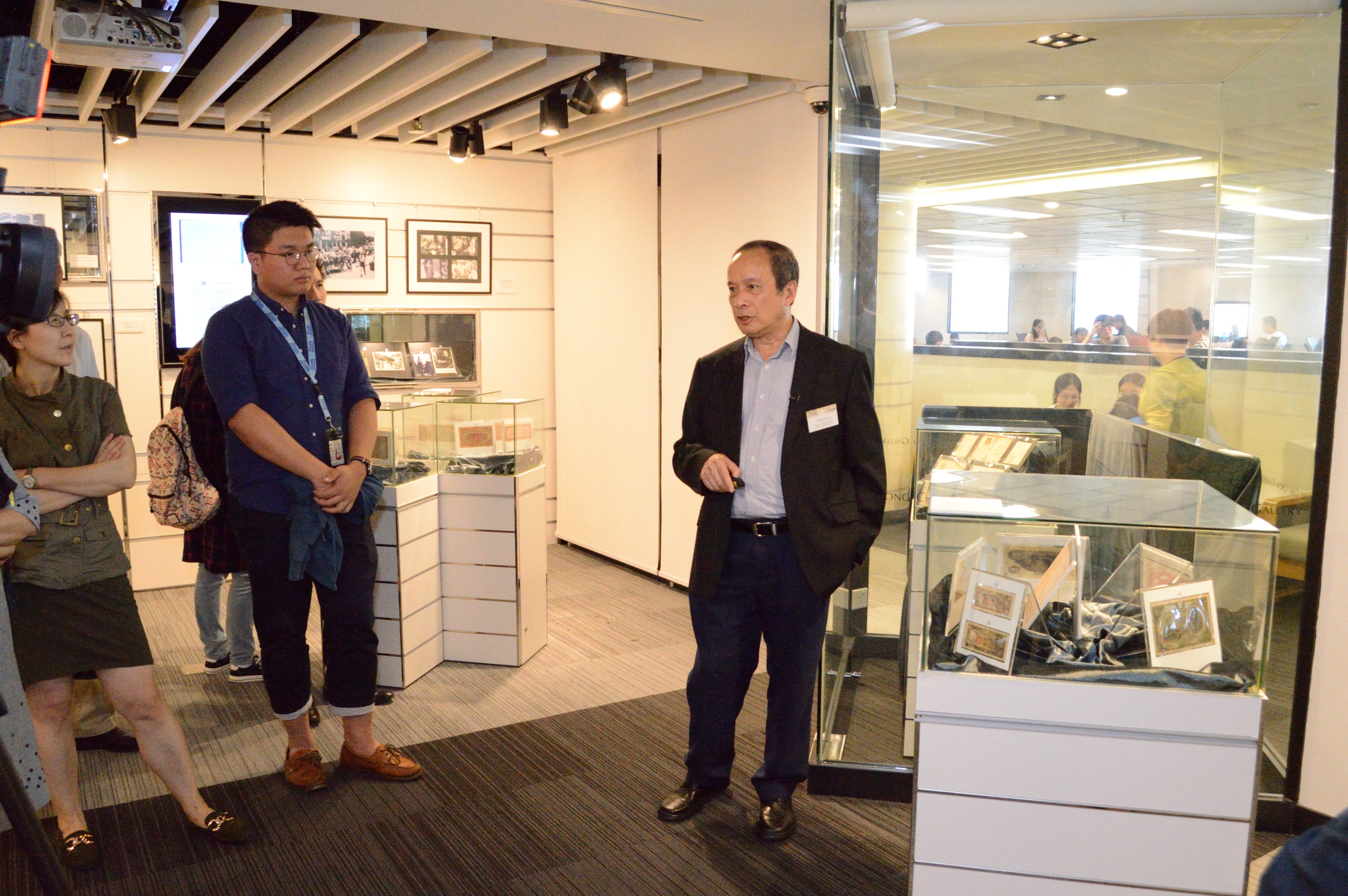
Guided Tour by Mr. CHENG Po Hung
Speakers:
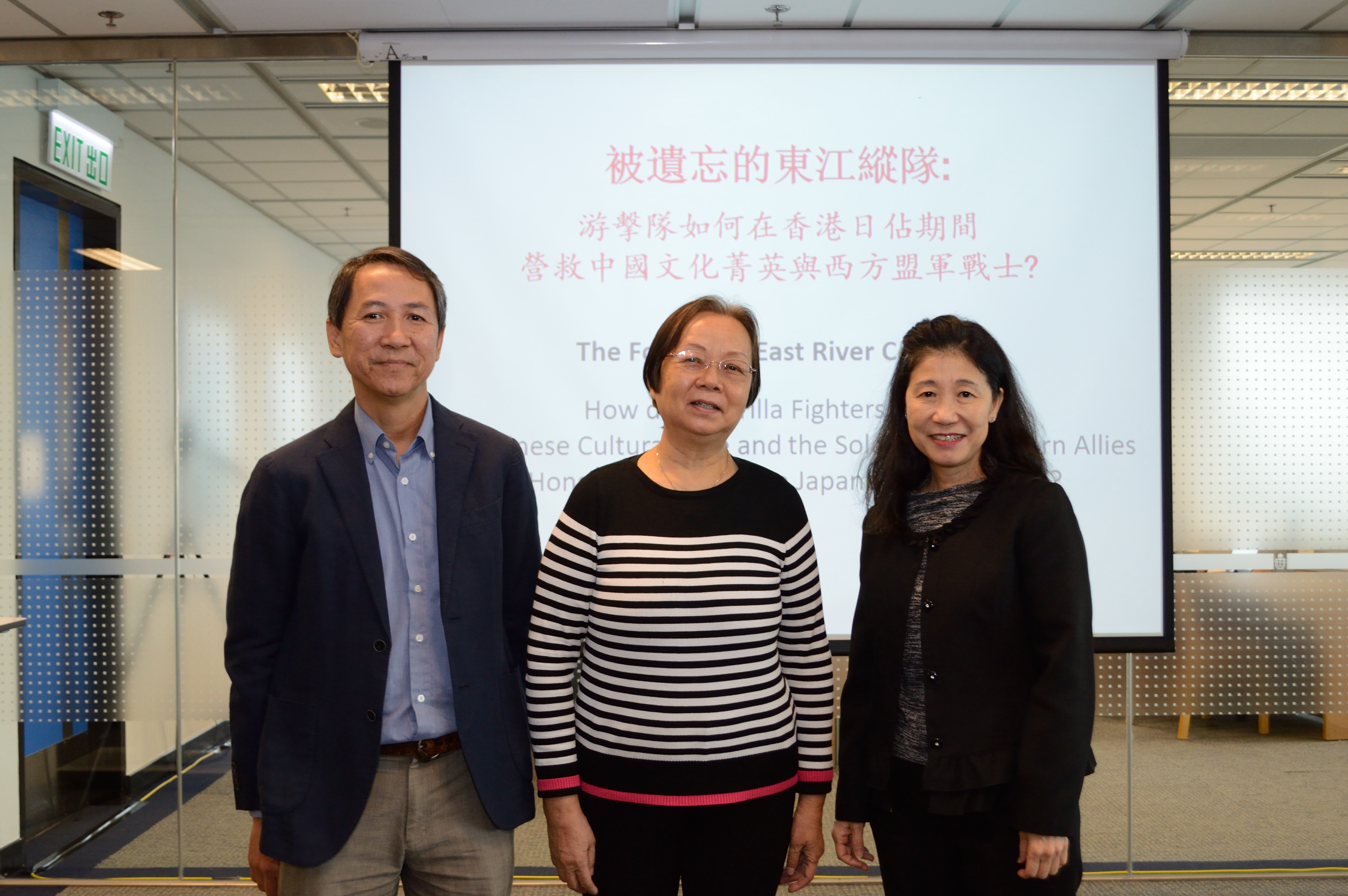
Prof. Cheung Siu-woo, Associate Professor, Division of Humanities, HKUST
Ms. Wan So-ming, Chairperson, The East River Column History Research About the talkAssociation
About the talk
Date: November 28, 2018
Time: 12:30 – 1:30 pm
Venue: Multi-function room LG4, Lee Shau Kee Library
Language: Cantonese (Cantonese-English simultaneous interpretation will be provided. Receivers are first come, first served.)
Registration: https://lbcube.ust.hk/ce/index.php/event/5966/
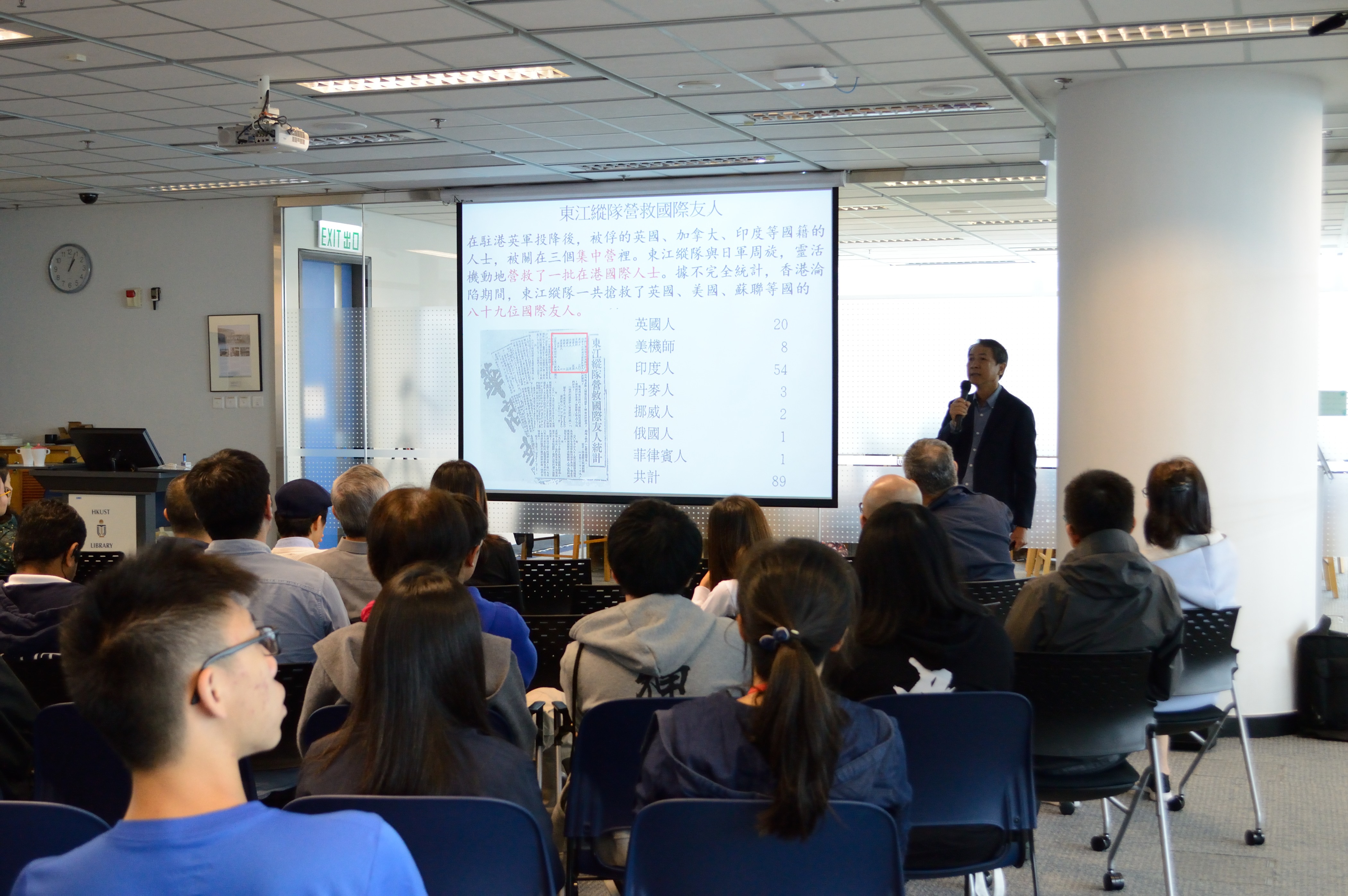
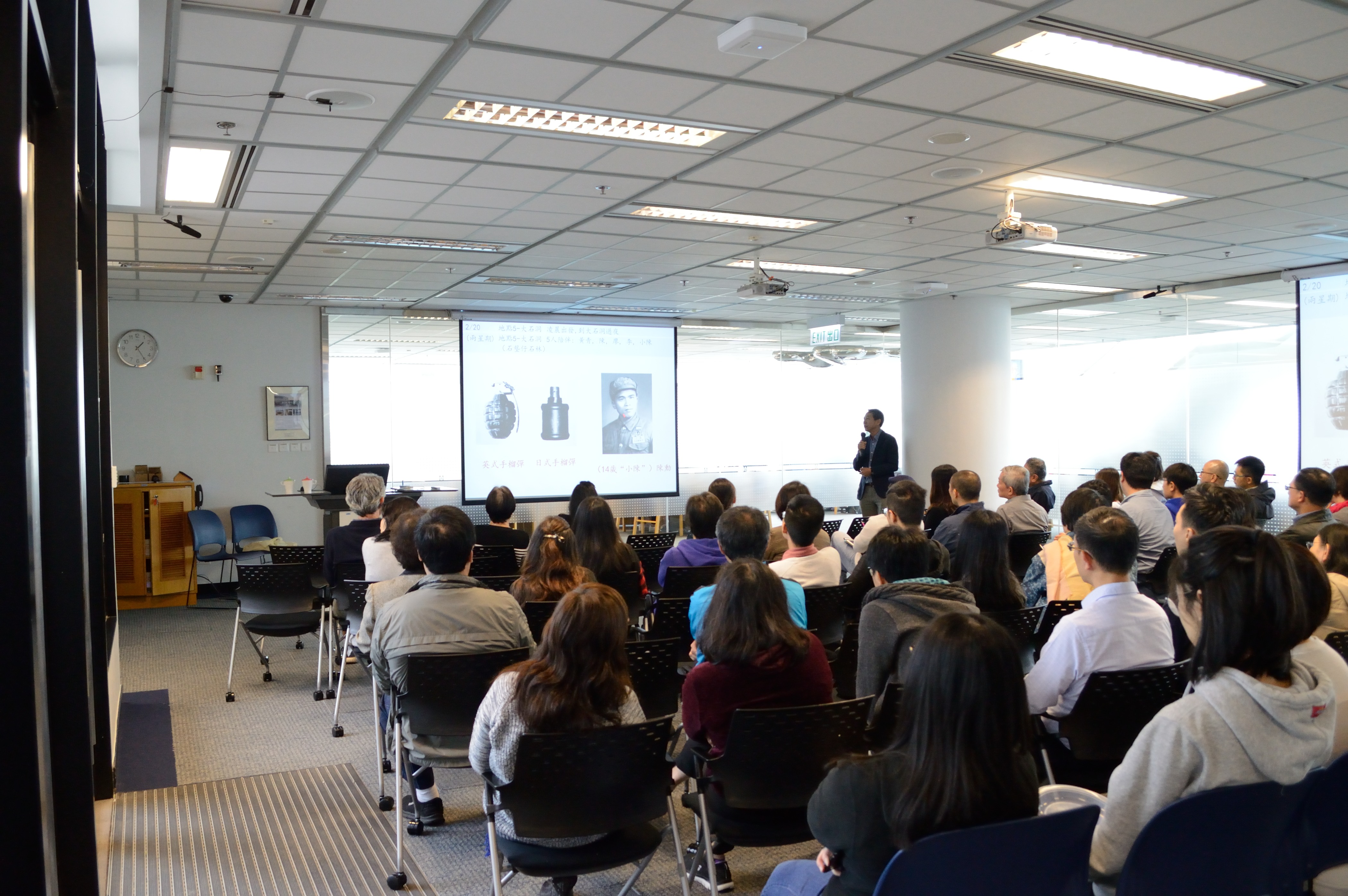
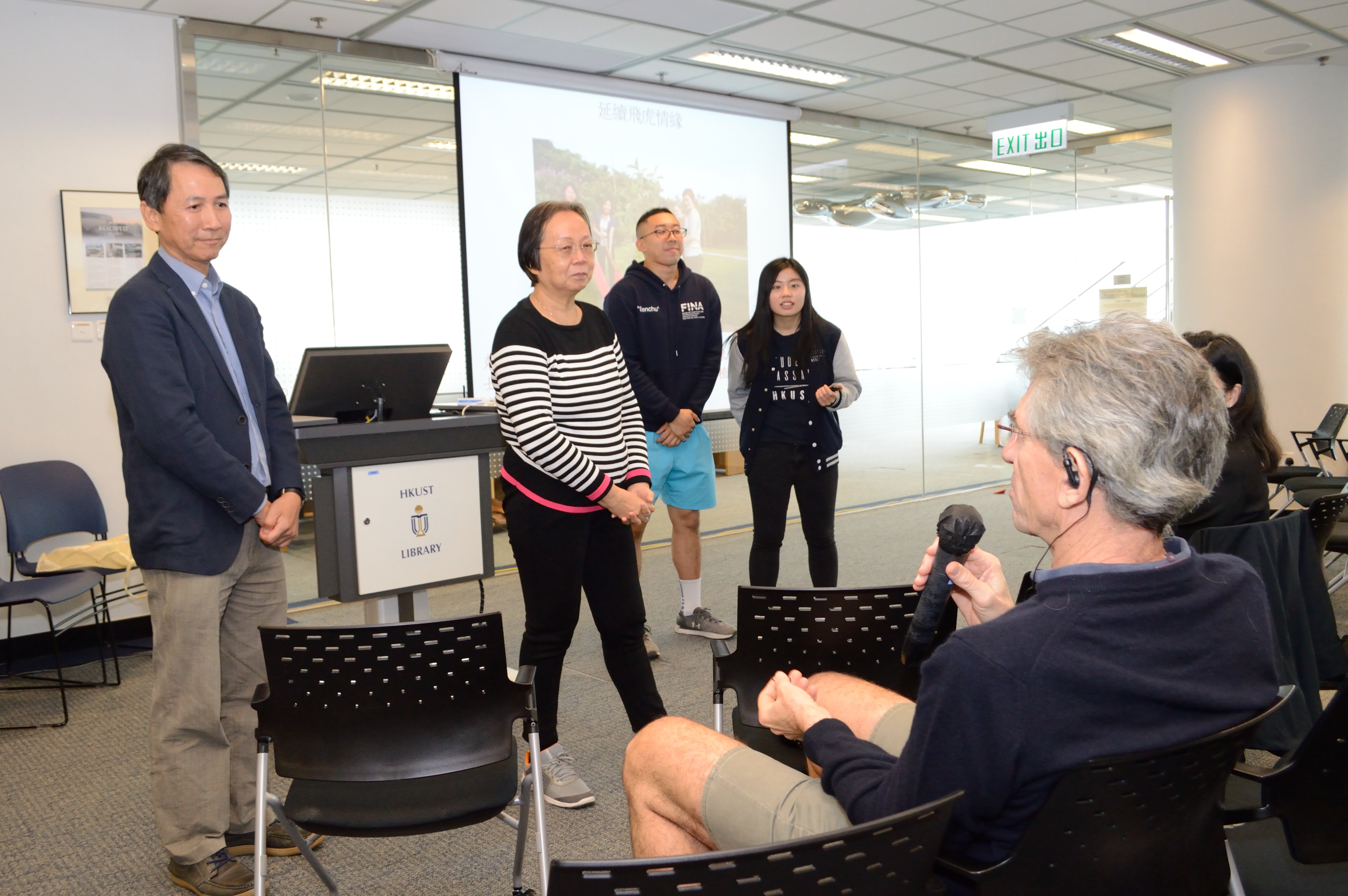
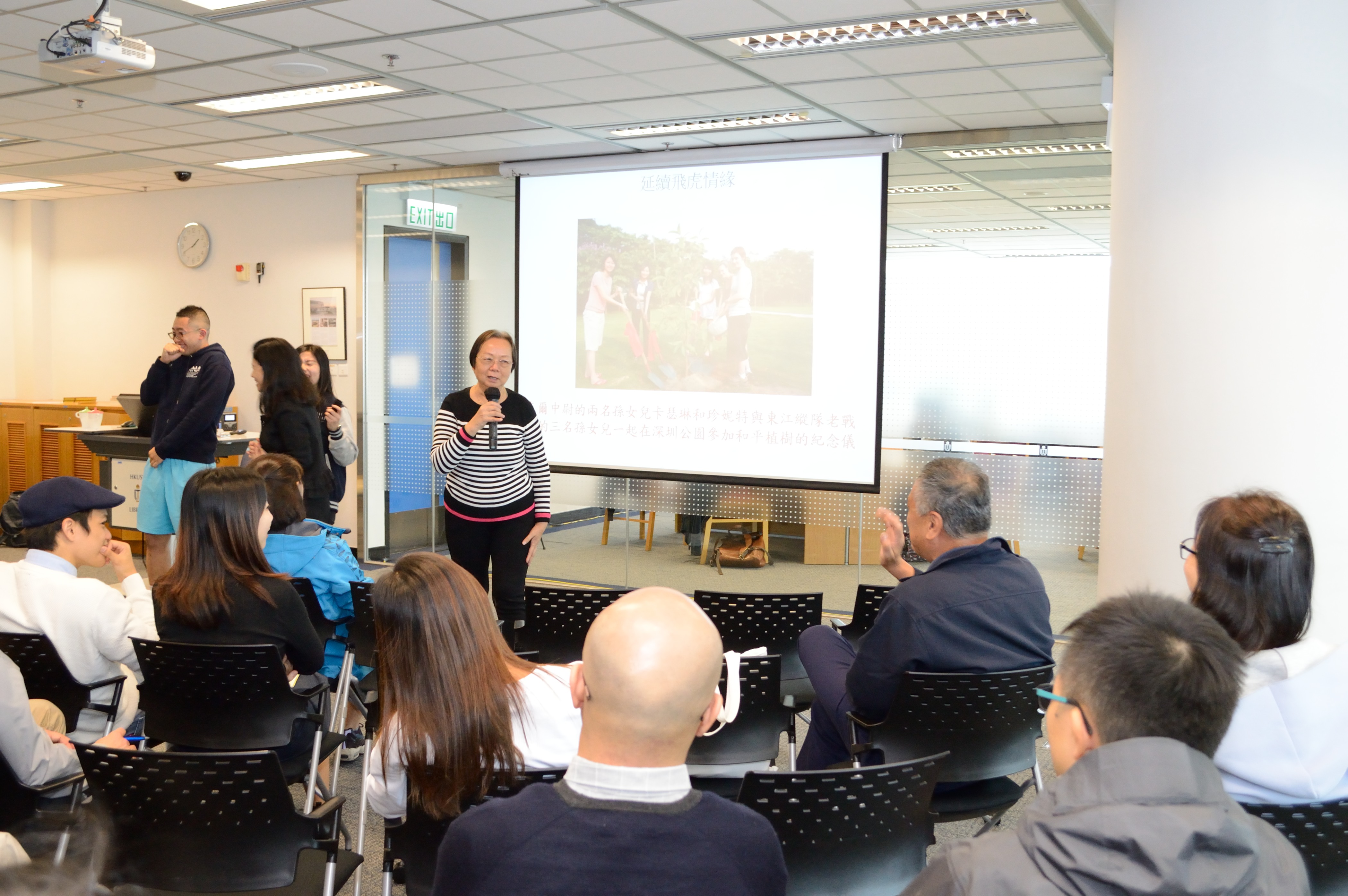
Due to various reasons, the guerrilla war that sabotaged the Japanese Occupation in Hong Kong during WWII has been largely forgotten. This talk aims to illuminate the courageous deeds of the East River Column guerrilla fighters by focusing on two of their major contributions.
The first is about the rescue of more than 300 famous Chinese artists, writers and journalists who had taken shelter in Hong Kong to conduct anti-Japanese propaganda before the Japanese occupation. In the beginning of the occupation, the guerrillas succeeded in salvaging this group of Chinese cultural elite and in transferring them along several routes back to the guerrilla strongholds in Mainland China.
The second contribution by the East River Column is the rescue of many captured or escaping soldiers of the Western allies, and transferring them to Western allies’ military bases outside Hong Kong. The talk will focus on the successful case of salvaging Lt. Donald Kerr, an American pilot whose plane was shot down by Japanese air force during his mission of bombing the Kai Tak Airport.
About the Speakers
Professor Cheung Siu-woo is Associate Professor of HKUST Division of Humanities. He developed his interest in cultural anthropology during his undergraduate study at the Chinese University of Hong Kong. He later received his training at the University of Washington and completed his MA and PhD in Anthropology there. His area of specialization extends from South China to Vietnam.
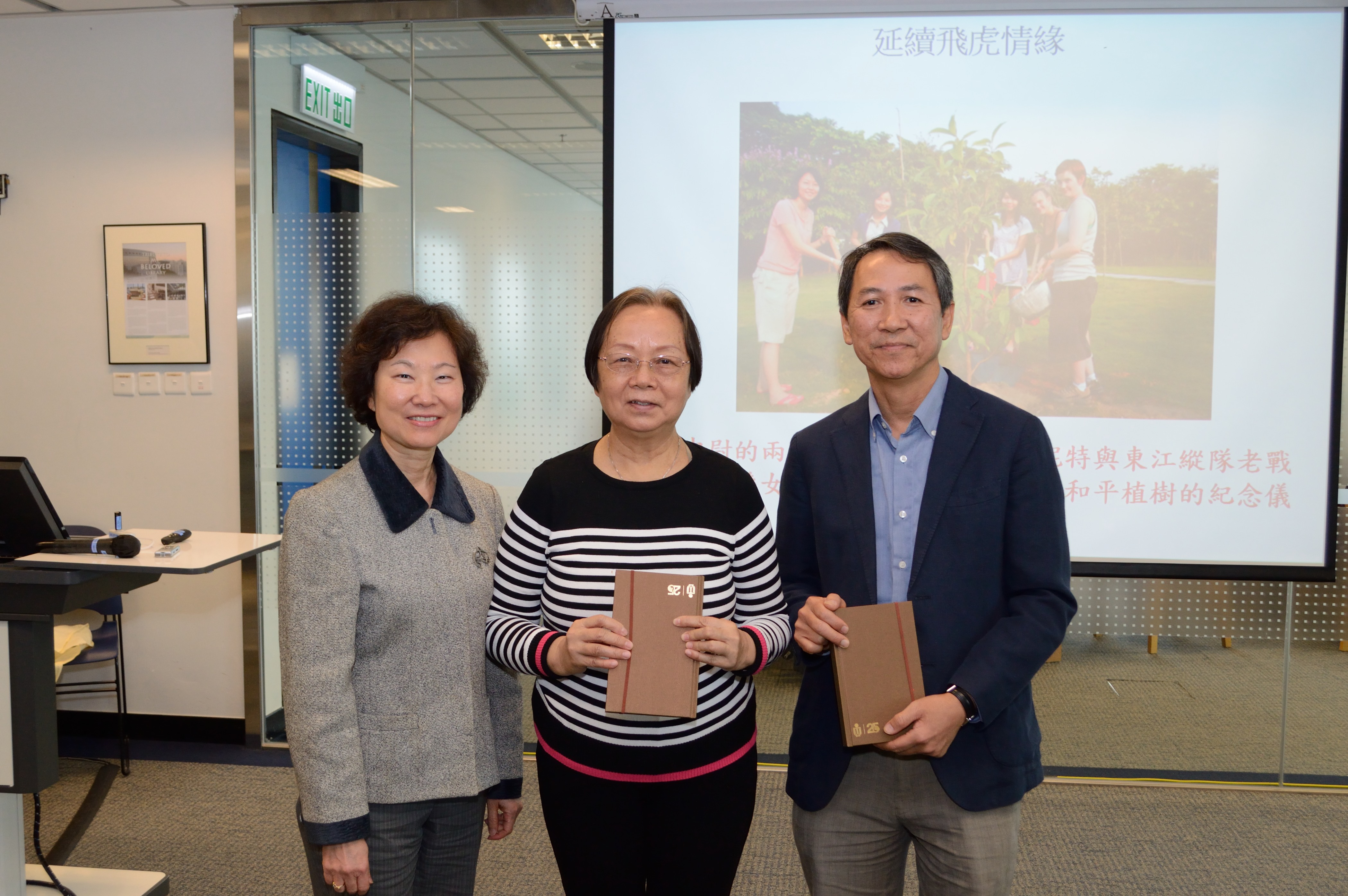
Ms. Wan So-ming is a Visiting Lecturer of School of Chinese Medicine of Hong Kong Baptist University and the Chairperson of The East River Column History Research Association. Ms. Wan organized the compilation of the Diary of L. Donald W. Kerr, a pilot of the Allied Powers rescued by East River Column, for 7 years, hoping to enhance people’s understanding on the contribution of East River Column in protecting Hong Kong under Japanese Occupation of Hong Kong.
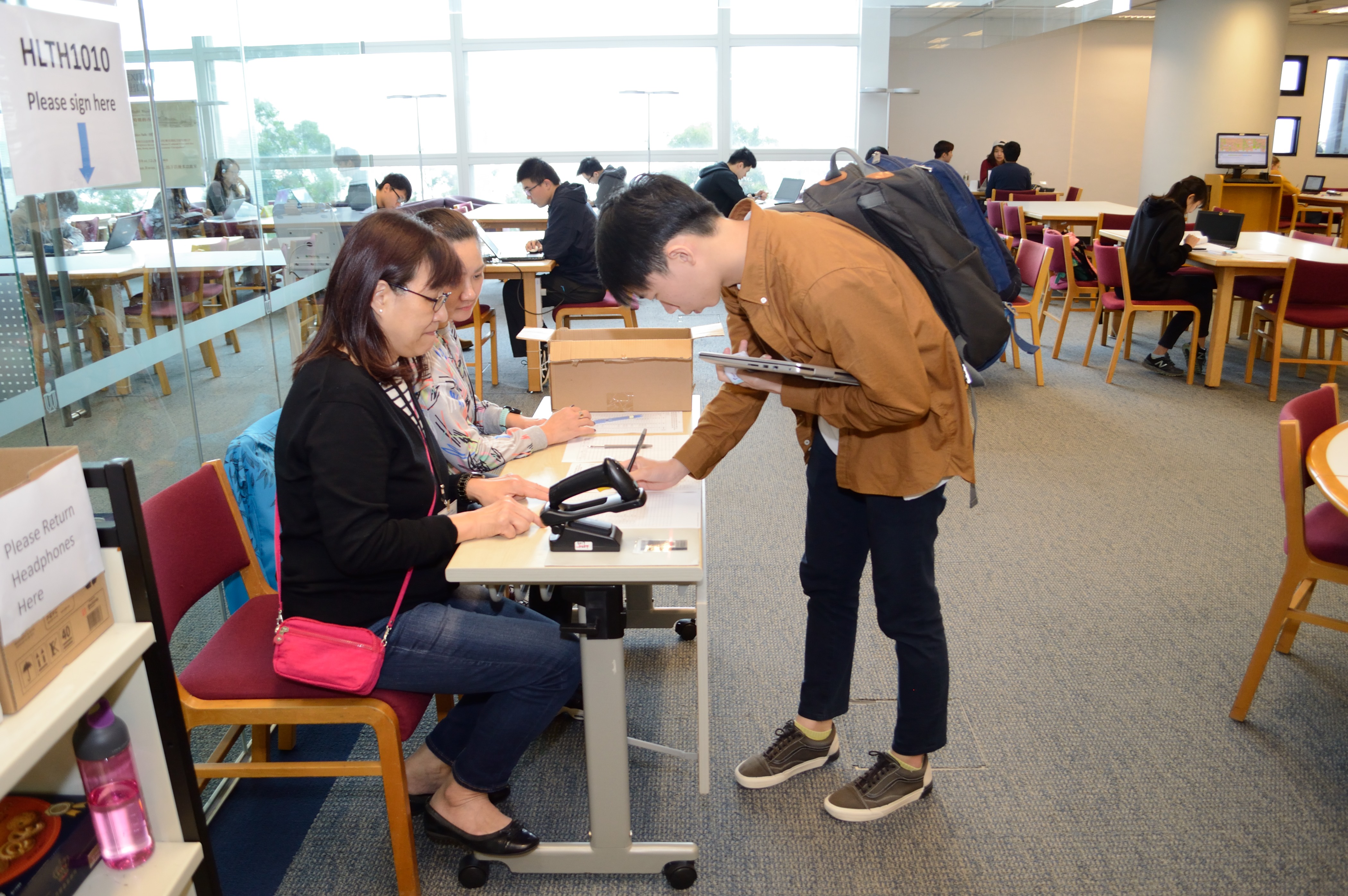
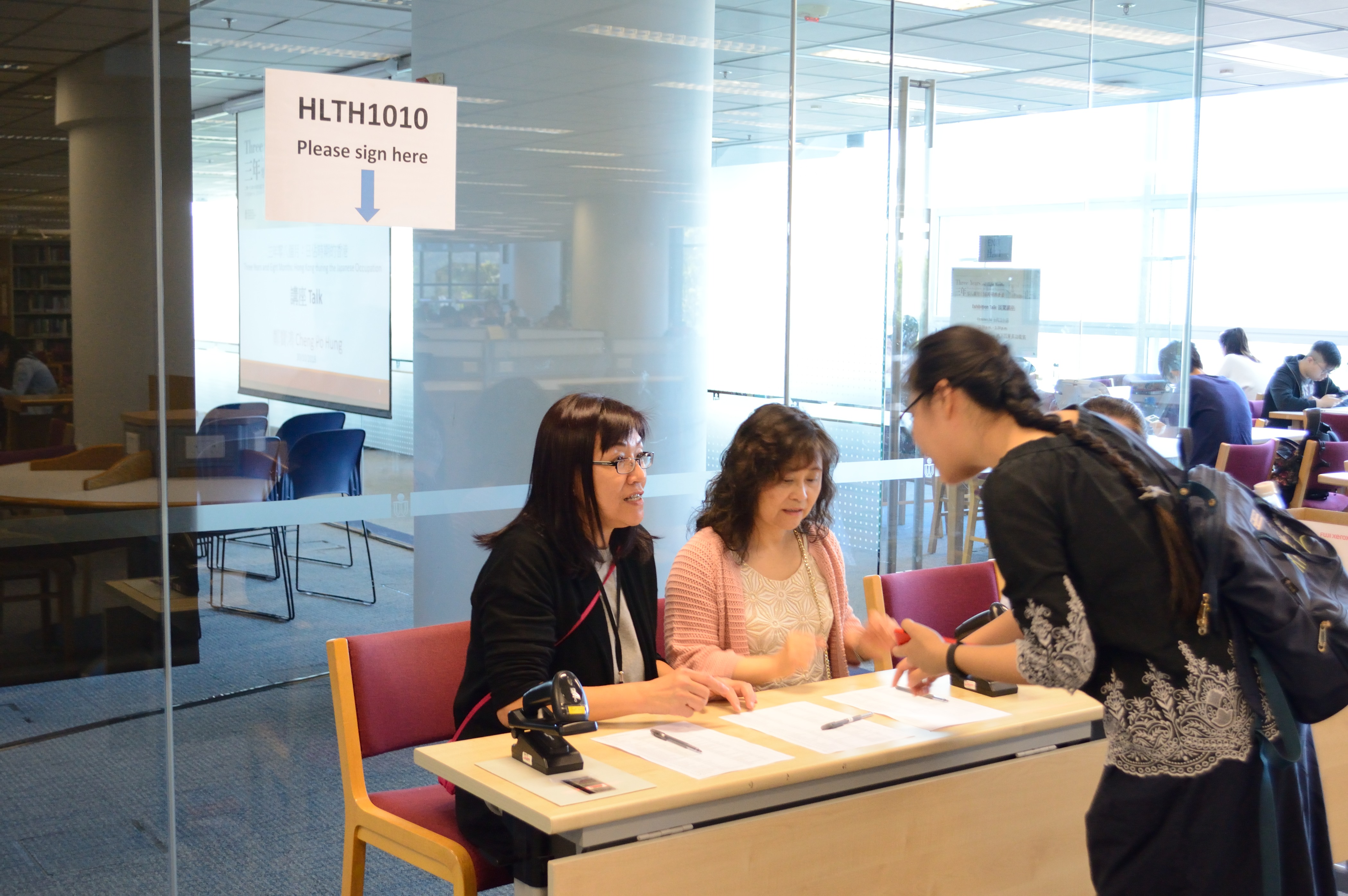
Students may attain 1-hour credit for the HLTH1010 Healthy Lifestyle Course after attending the talk.
About the talk
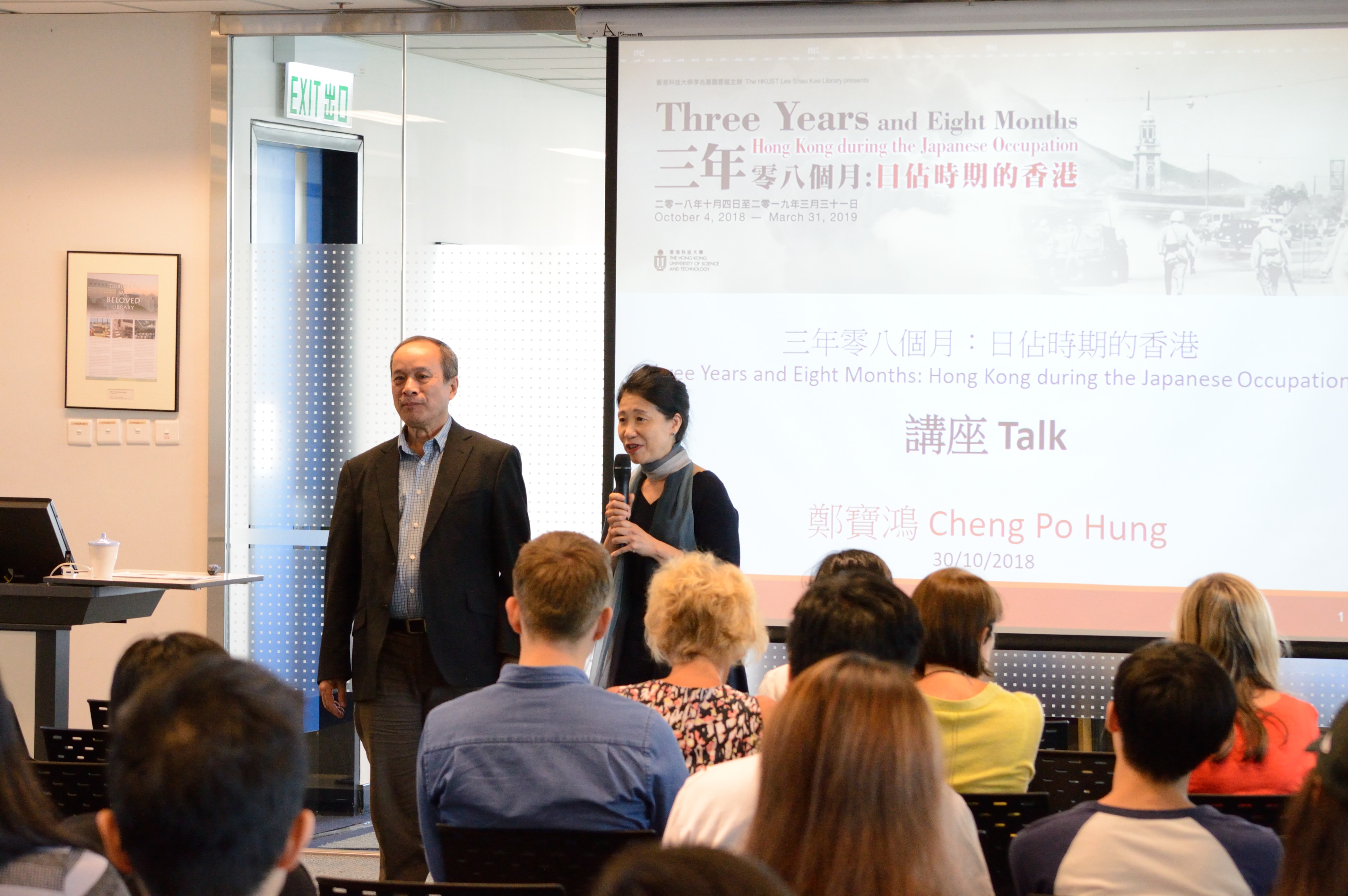
Speaker: Mr. Cheng Po Hung
Date: October 30, 2018
Time: 12:30 – 1:30 pm
Venue: Multi-function room LG4, Lee Shau Kee Library
Language: Cantonese (Cantonese-English simultaneous interpretation will be provided. Receivers are first come, first served.)
Registration: https://lbcube.ust.hk/ce/index.php/event/5872/
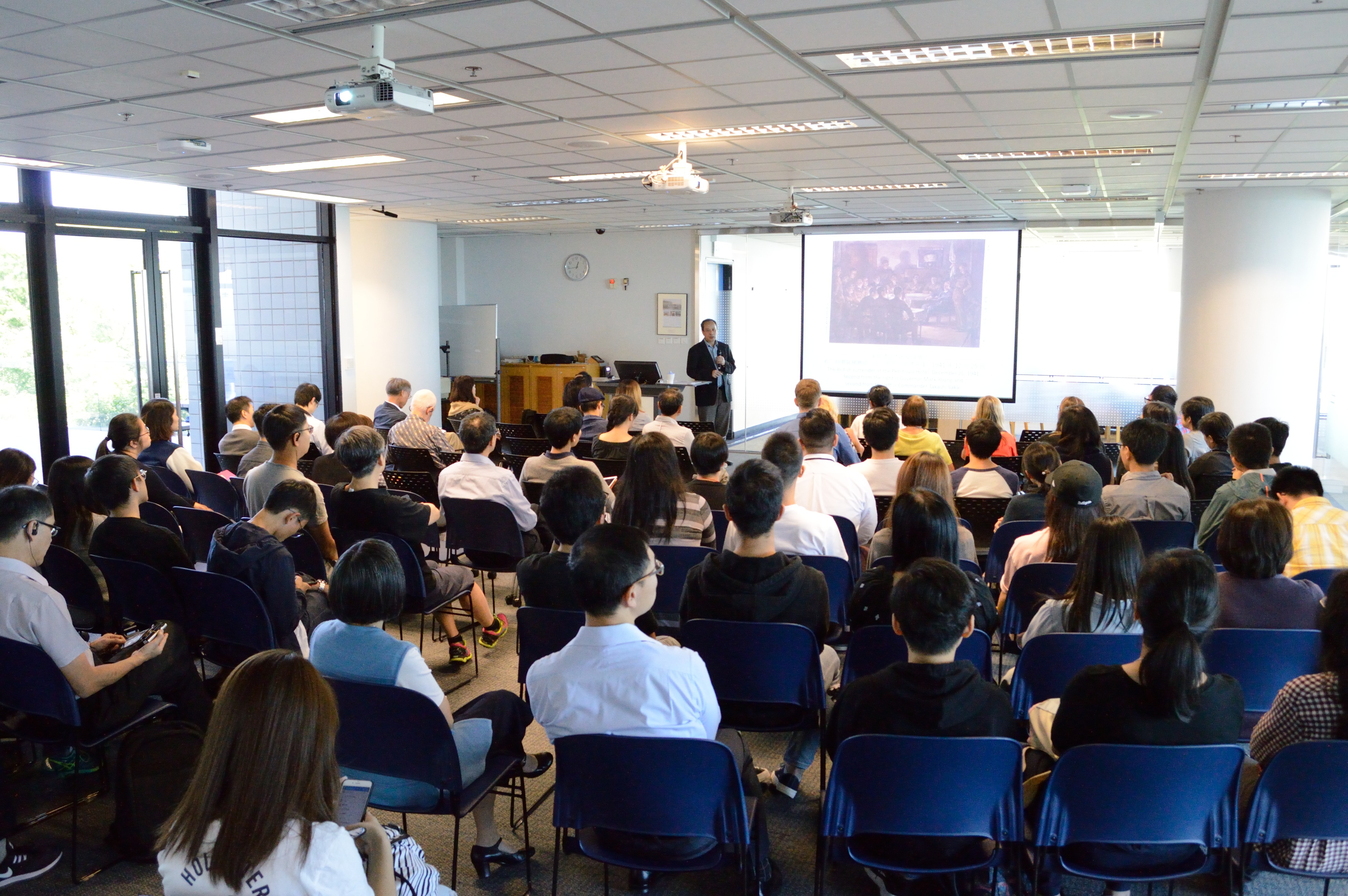
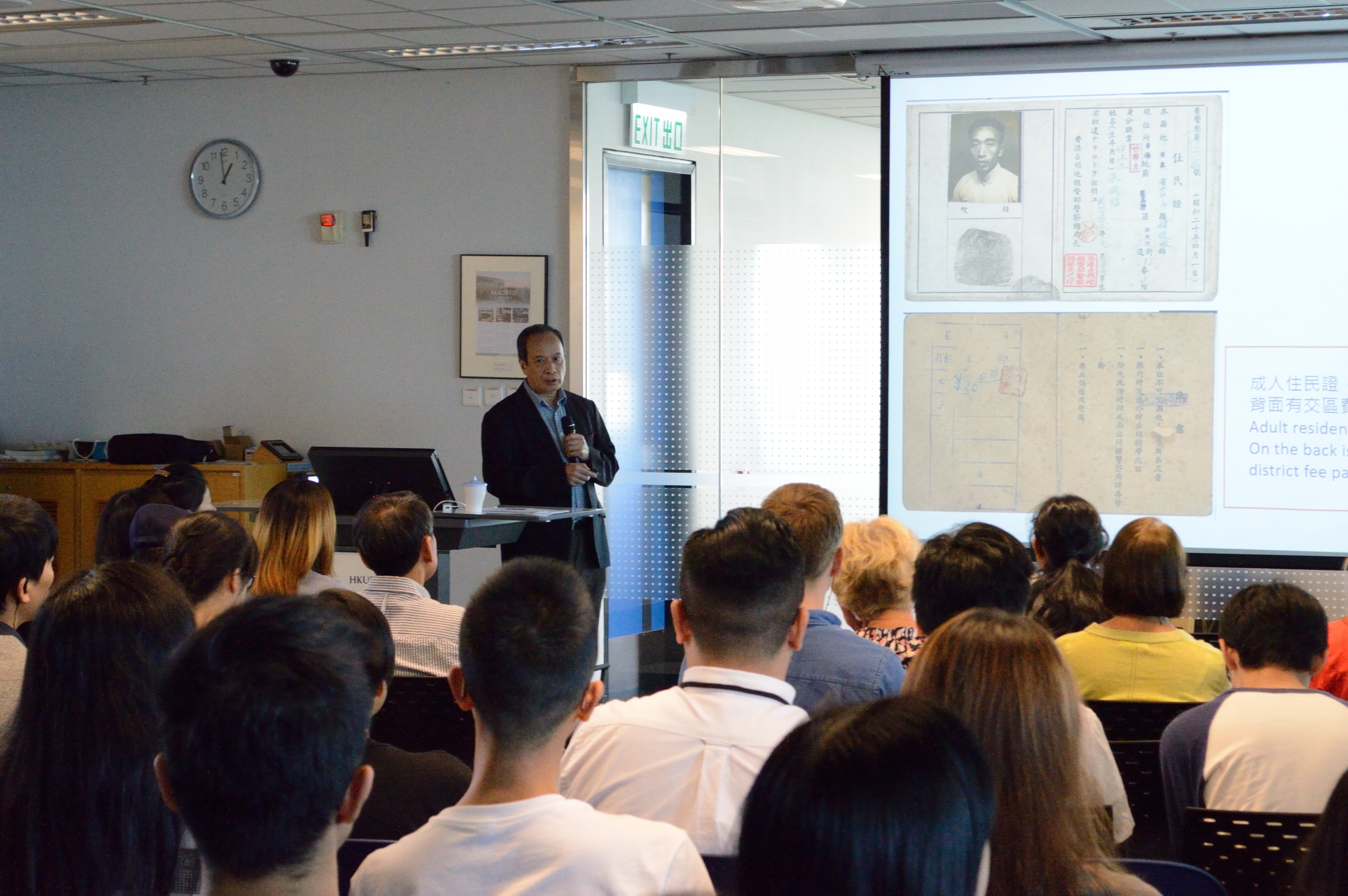
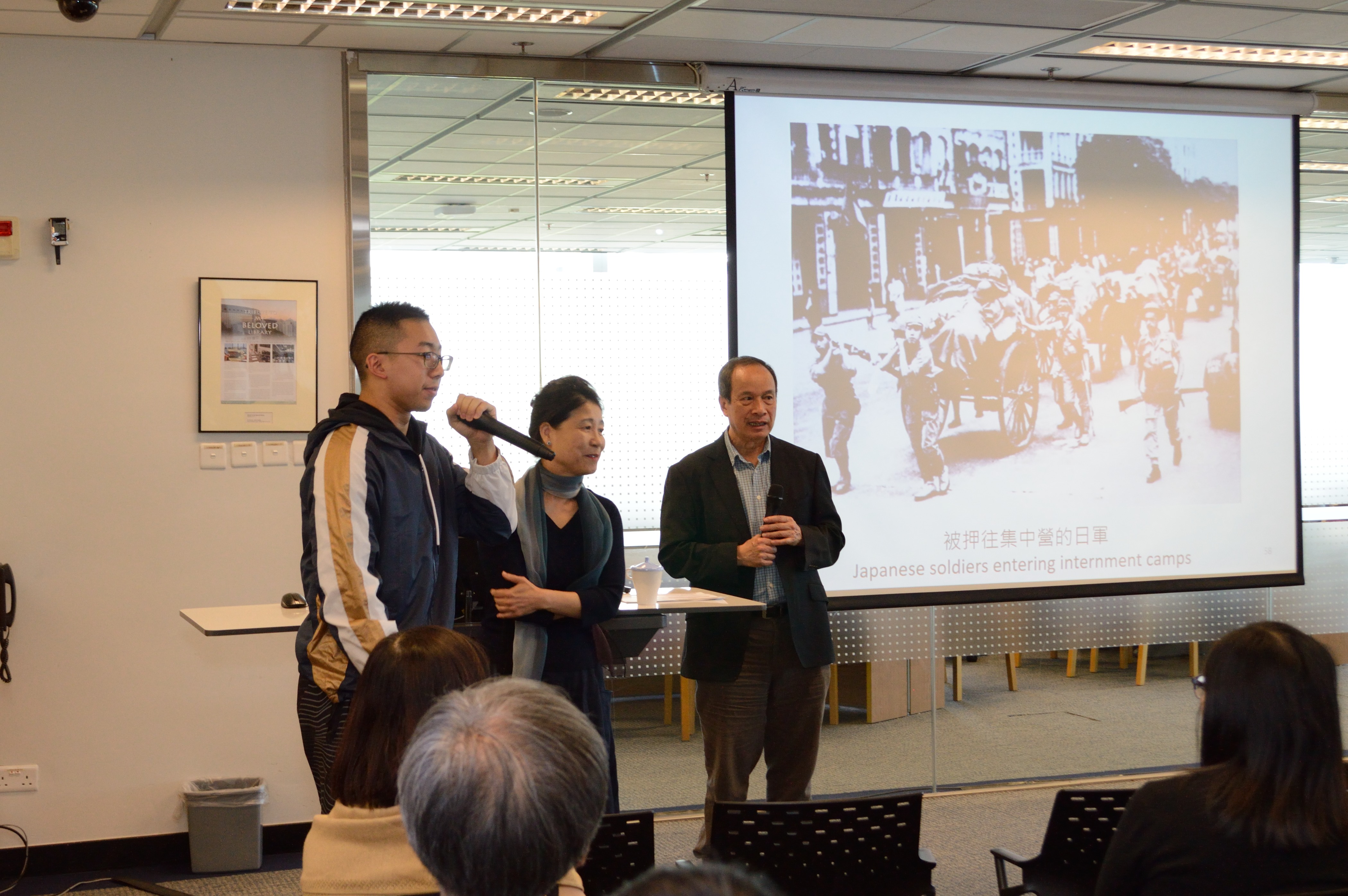
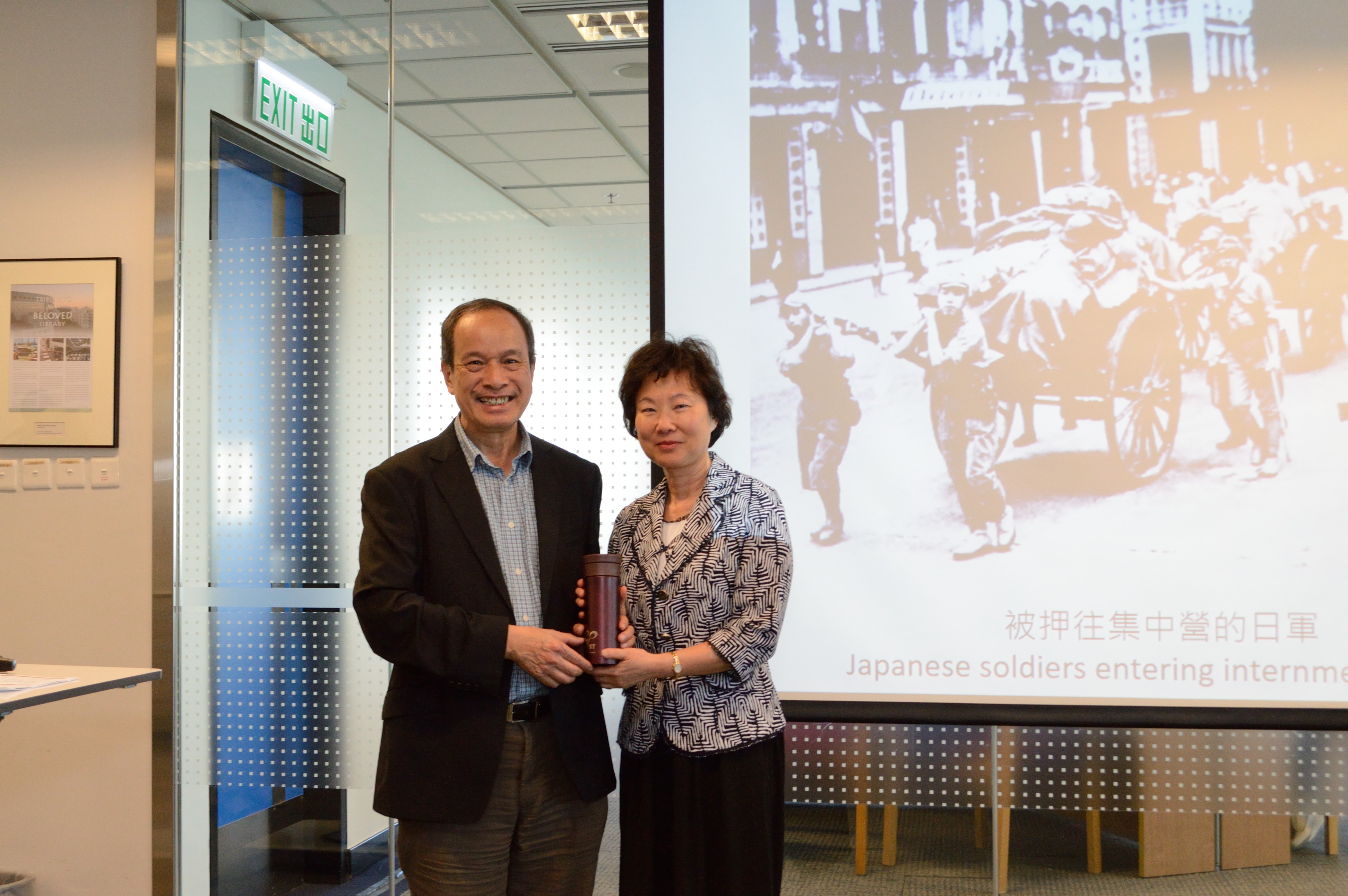
From December 1941 to August 1945, it was the darkest period in the history of Hong Kong in the World War II. During the “Three Years and Eight Months” under the Japanese Imperial Army’s occupation, Hong Kong suffered from the ravages of war, with fear and helplessness permeating citizens’ everyday lives. In this talk, Mr. Cheng Po Hung will talk about people’s daily lives during the Japanese occupation period; including the Japanese troops entering the city, Nipponization policy, banking and finance, food and provisions, population policy and entertainment, etc.
Most of the exhibits in this exhibition are generously on loan from Mr. Cheng Po Hung.
About the speaker
Mr. Cheng Po Hung, Collector and Expert Advisor of the Hong Kong Museum of History and the Hong Kong Heritage Museum.
Students may attain 1-hour credit for the HLTH1010 Healthy Lifestyle Course after attending the talk.
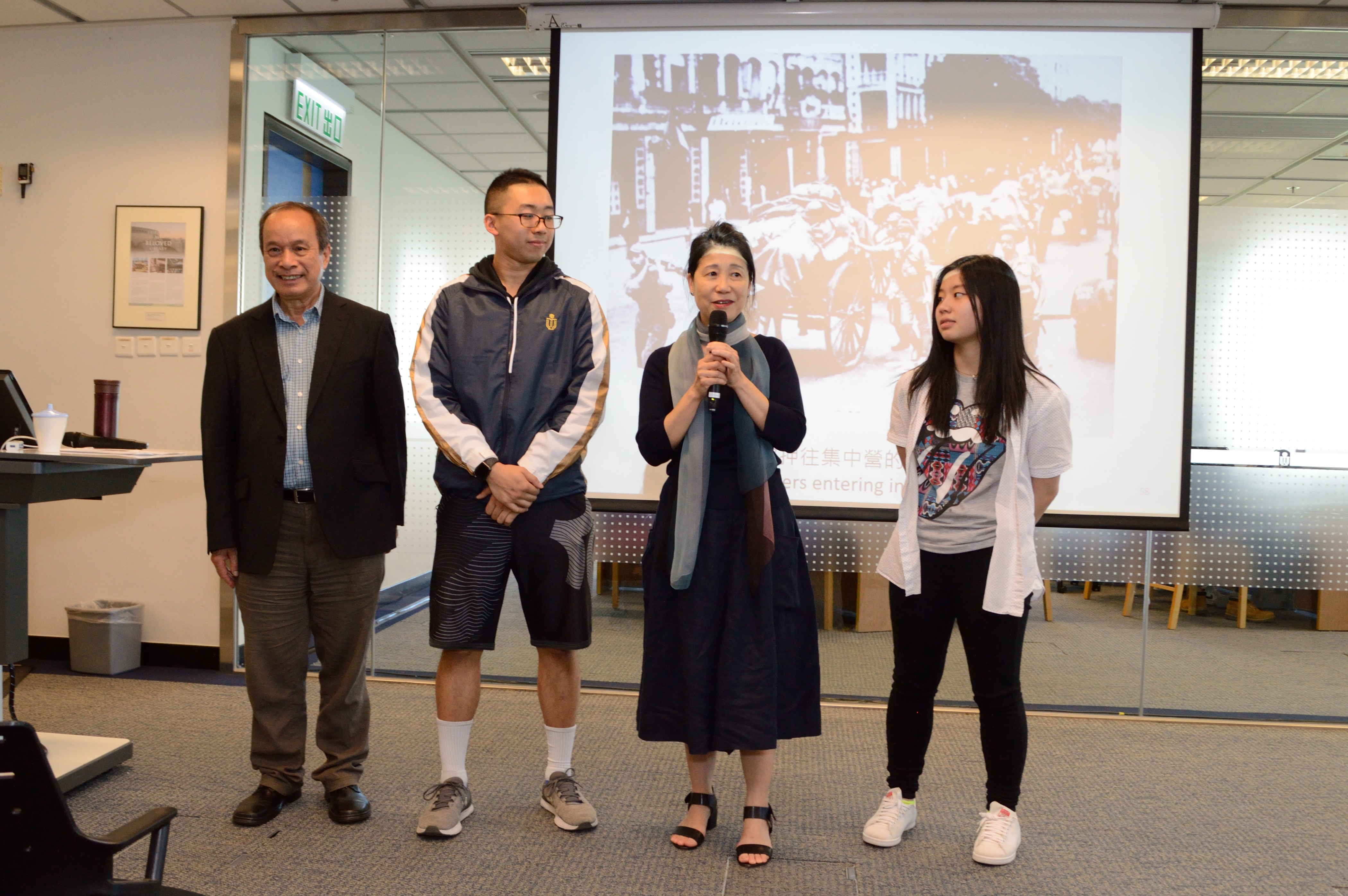
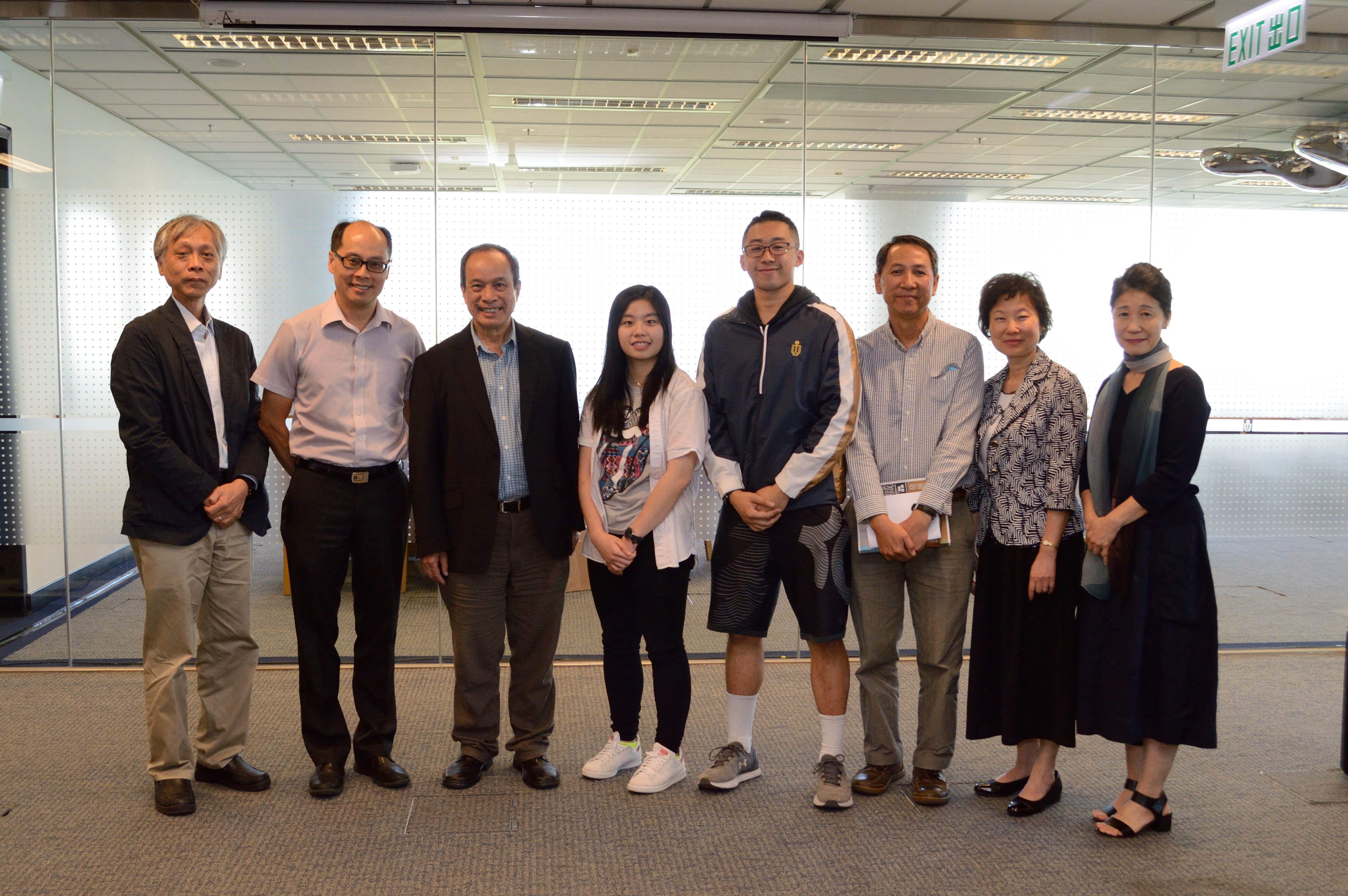
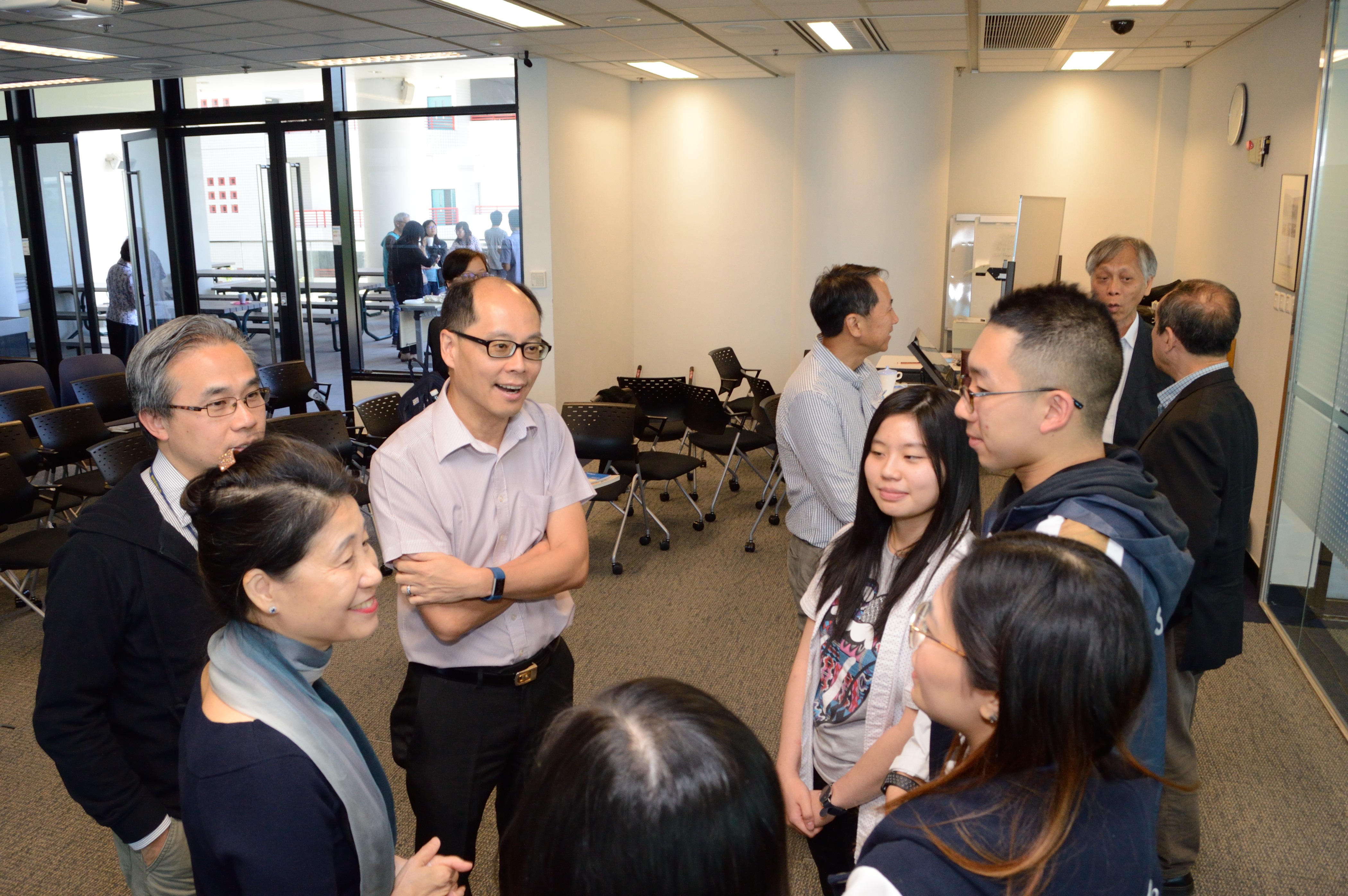
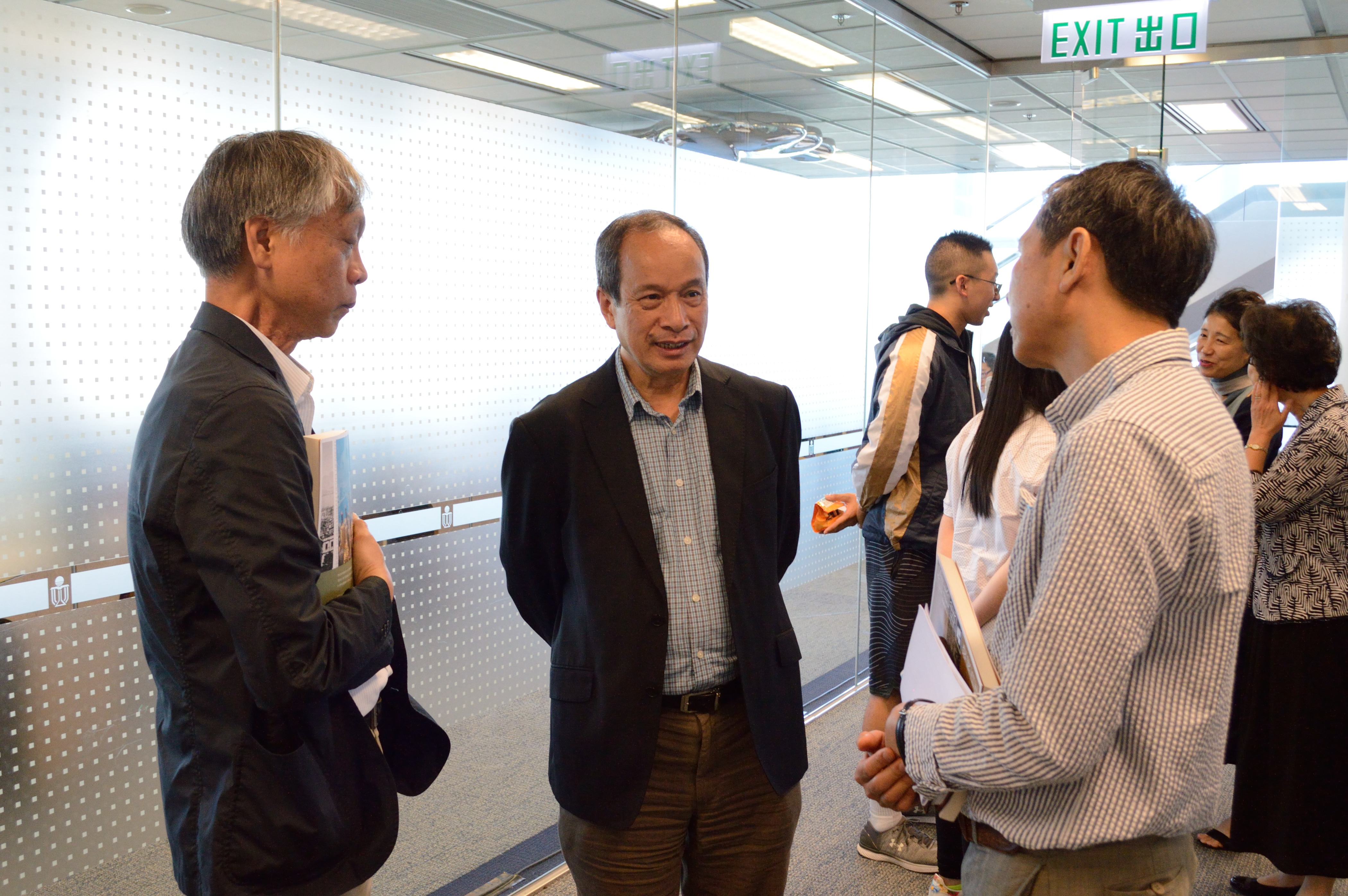
About the Tour
Speaker: Mr. Cheng Po Hung
Date & Time:
October 4, 2018 4:15 – 5:15 pm
November 6, 2018 1:00 – 2:00 pm
December 4, 2018 1:00 – 2:00 pm
March 28, 2019 1:00 – 2:00 pm
Venue: Hong Kong Chiu Chow Chamber of Commerce Ko Pui Shuen Gallery, 1/F, Library
Language: Cantonese
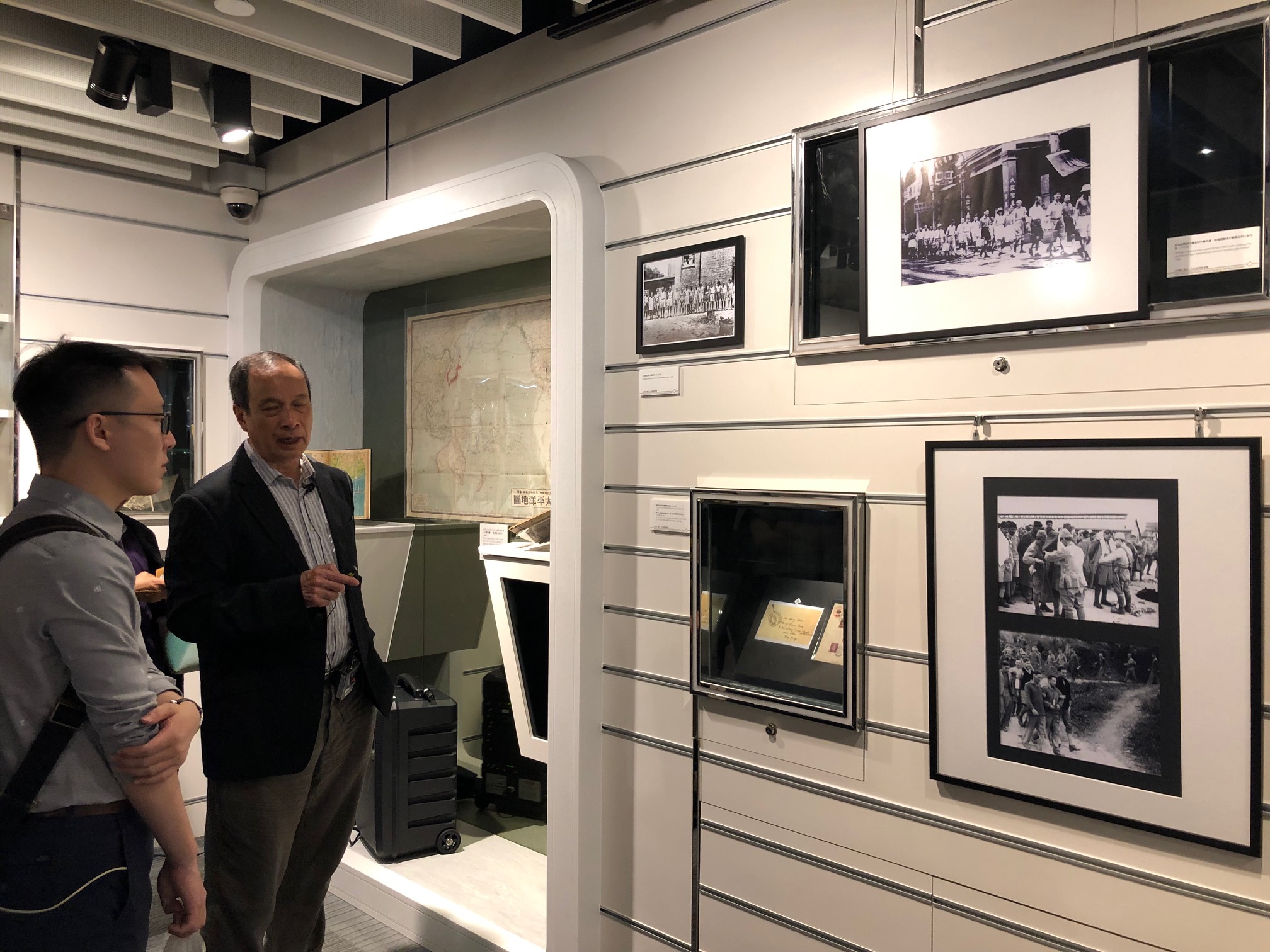
From December 1941 to August 1945, it was the darkest period in the history of Hong Kong in the World War II. During that period under the Japanese Imperial Army’s occupation, Hong Kong suffered from the ravages of war, with fear and helplessness permeating citizens’ everyday lives. In this guided tour, Mr. Cheng Po Hung, owner of the exhibits, will talk about the items on display; including photos, documents, newspapers, Japanese military notes, letters, etc., so that participants can have a better understanding of Hong Kong people’s daily lives during “Three years and eight months”.
About the Presenter
Mr. Cheng Po Hung, Collector and Expert Advisor of the Hong Kong Museum of History and the Hong Kong Heritage Museum.
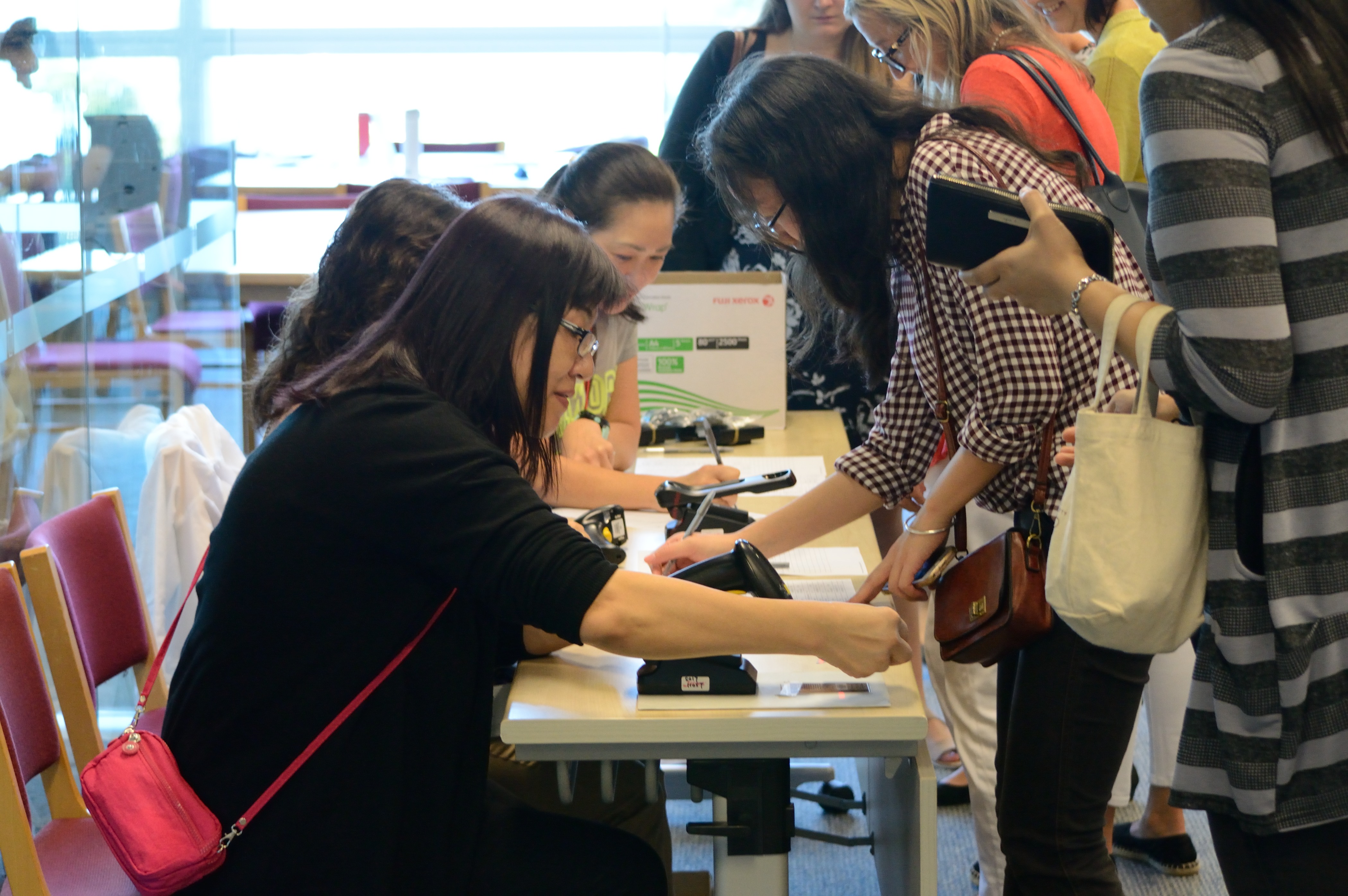
Students may attain 1-hour credit for the HLTH1010 Healthy Lifestyle Course after attending the tour.