



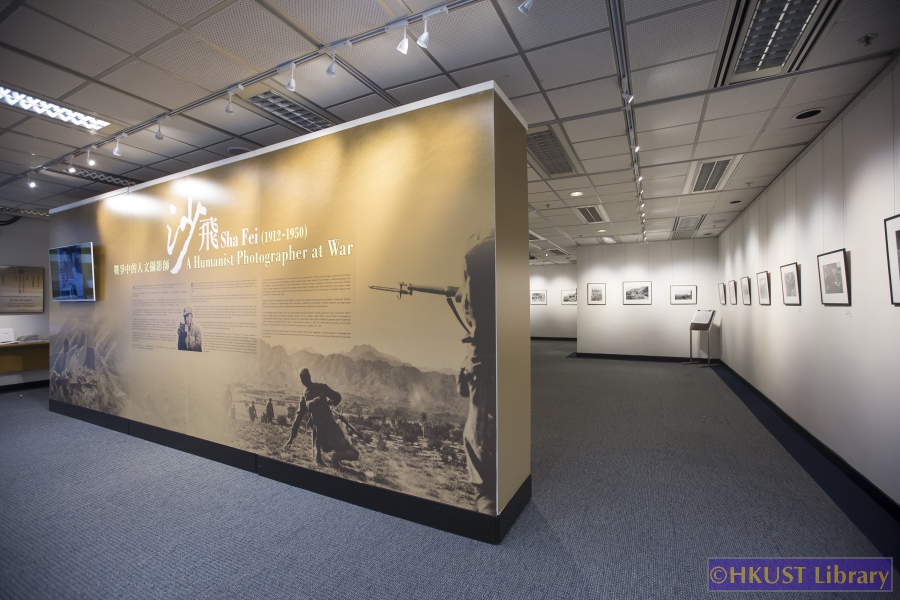
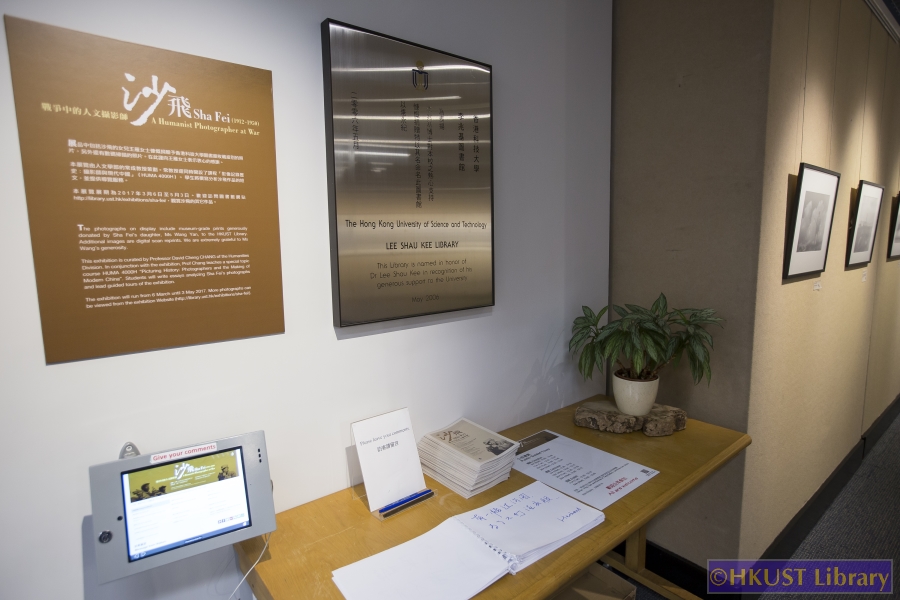
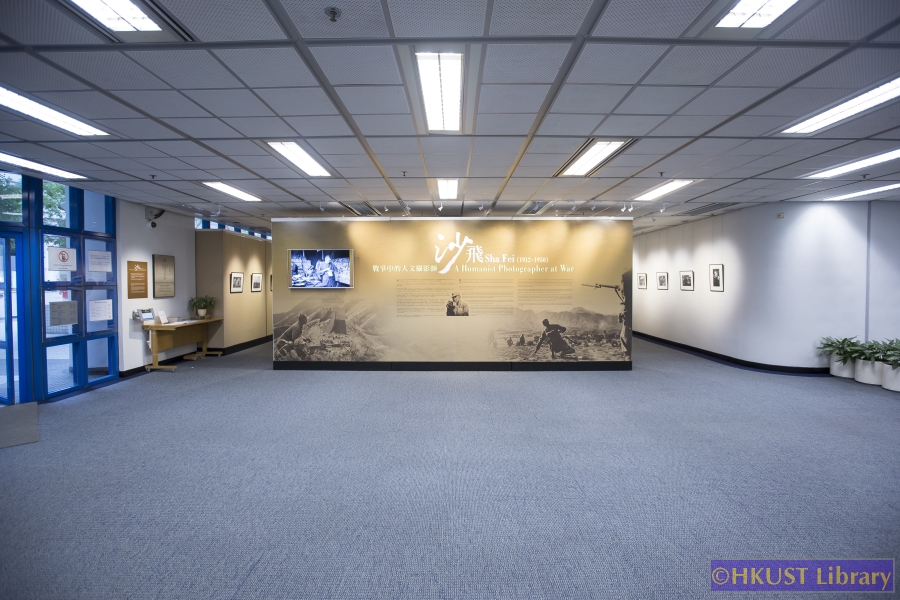
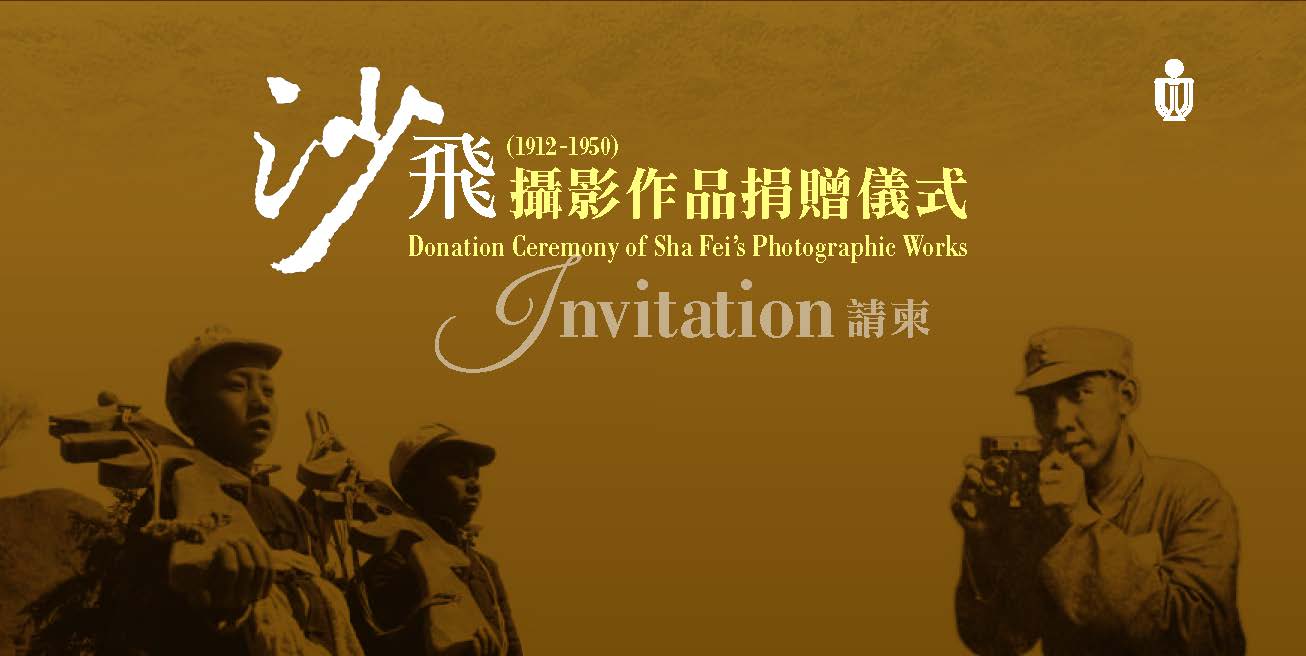
Sha Fei: A Humanist Photographer at War (1912-1950) 沙飛:戰爭中的人文攝影師 (1912-1950)
The HKUST Library and Division of Humanities jointly present
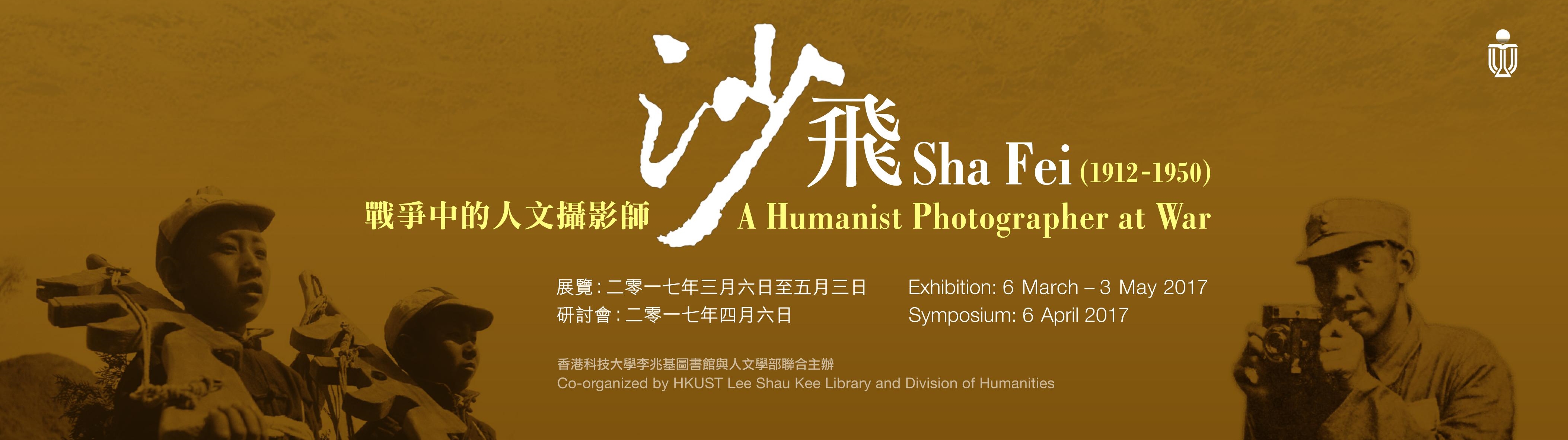
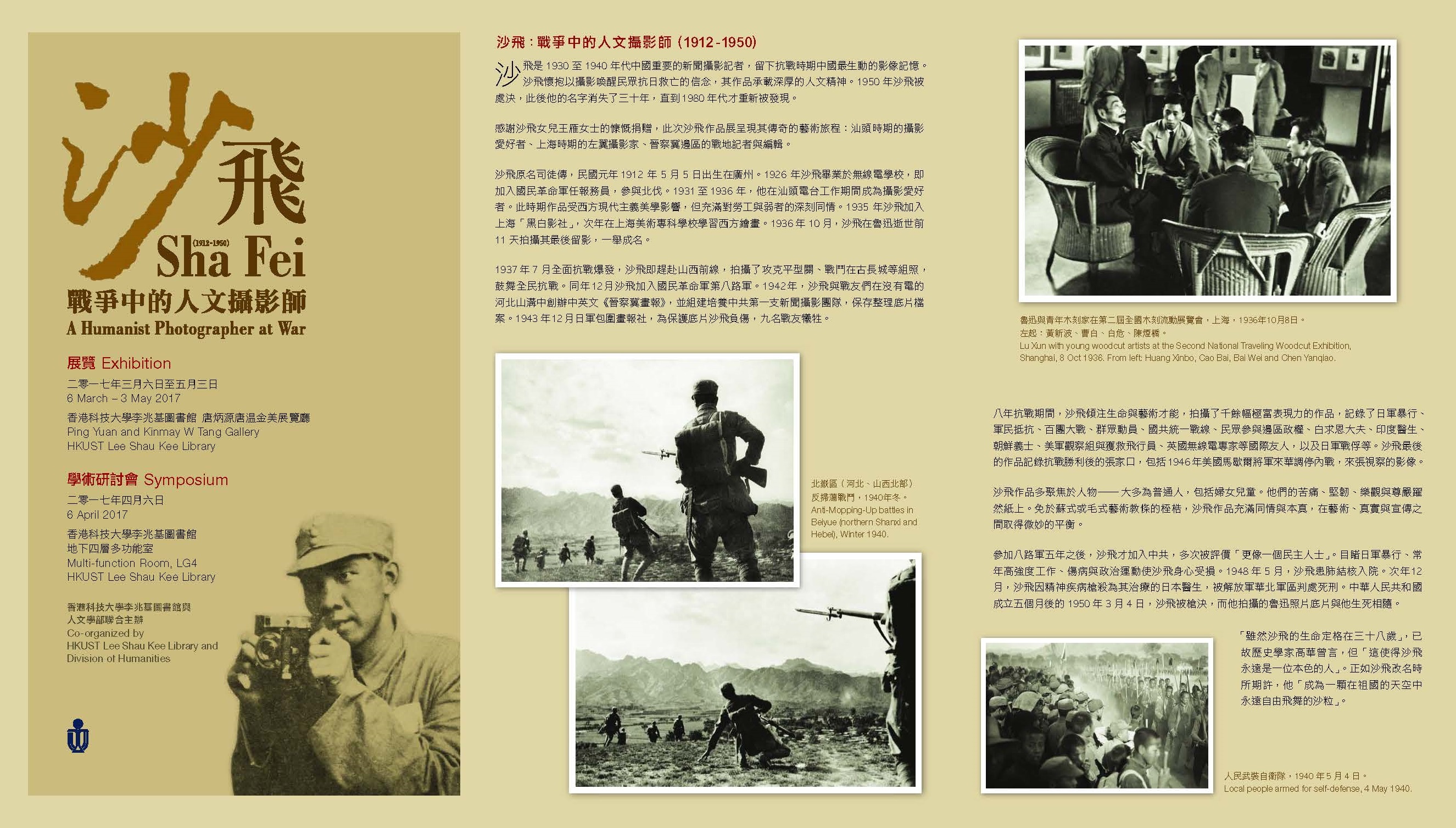
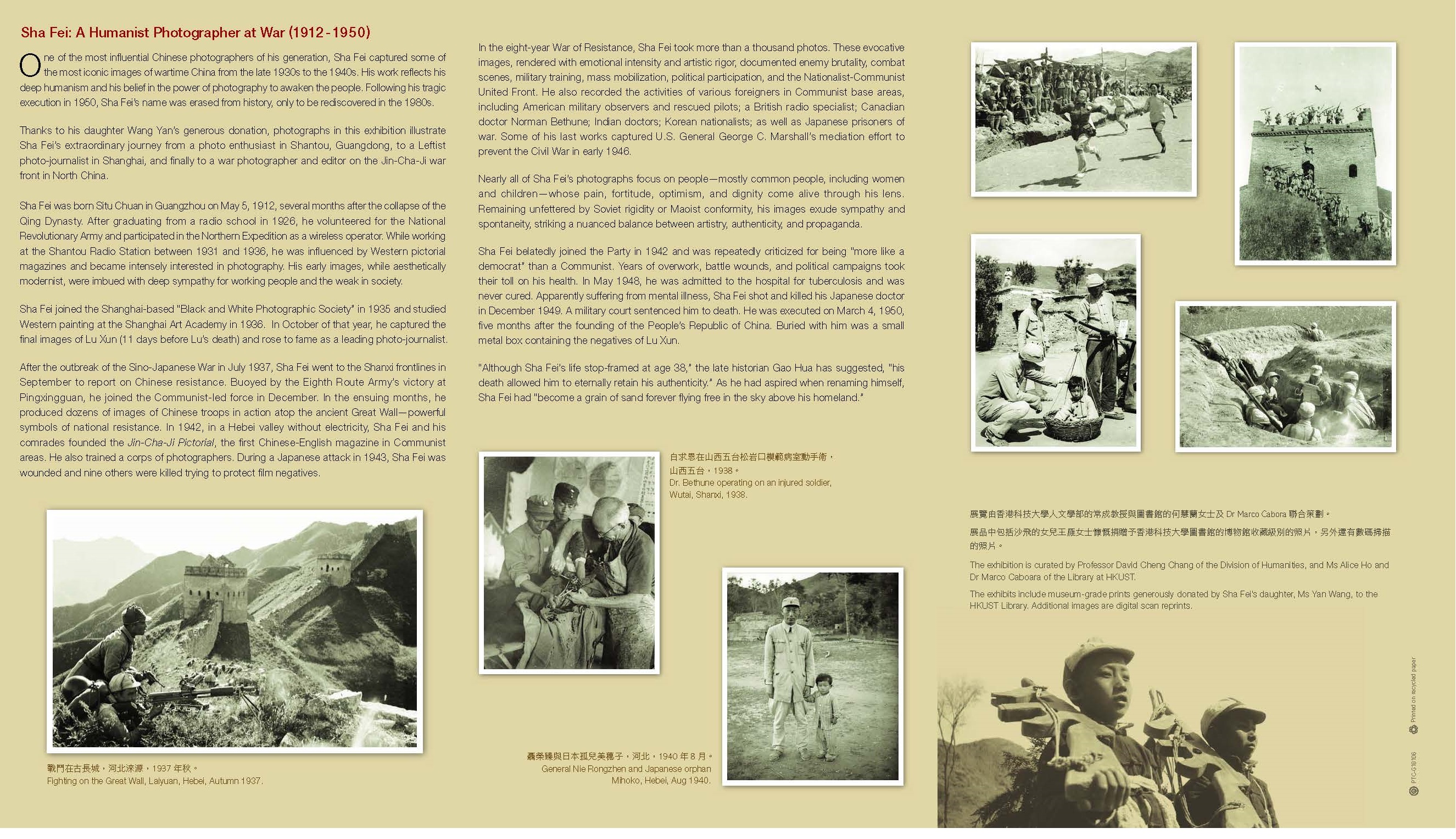
One of the most influential Chinese photographers of his generation, Sha Fei captured some of the most iconic images of wartime China from the late 1930s to the 1940s. His work reflects his deep humanism and his belief in the power of photography to awaken the people. Following his tragic execution in 1950, Sha Fei’s name was erased from history, only to be rediscovered in the 1980s.
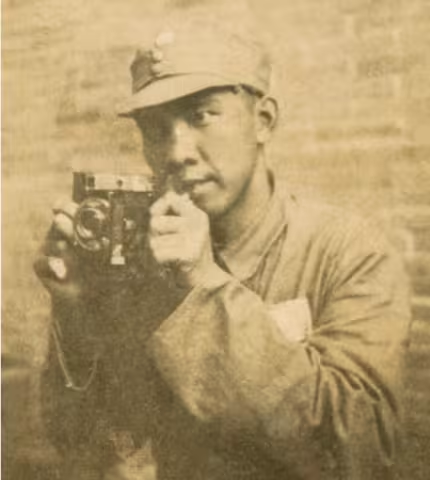
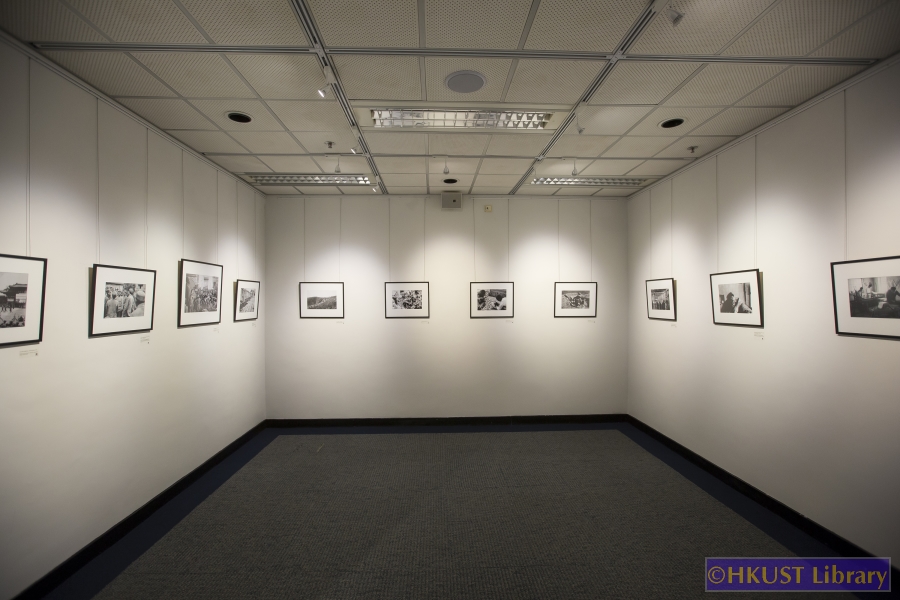
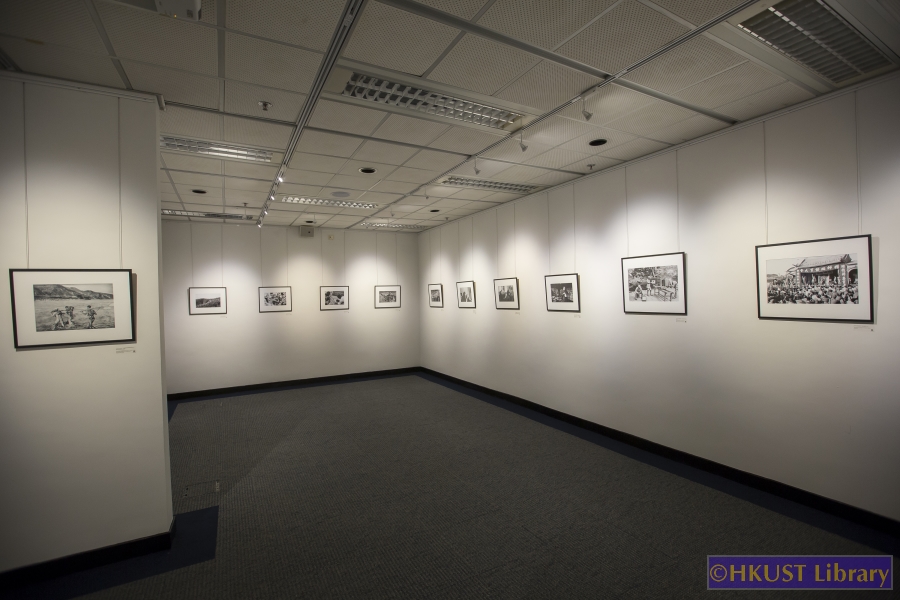
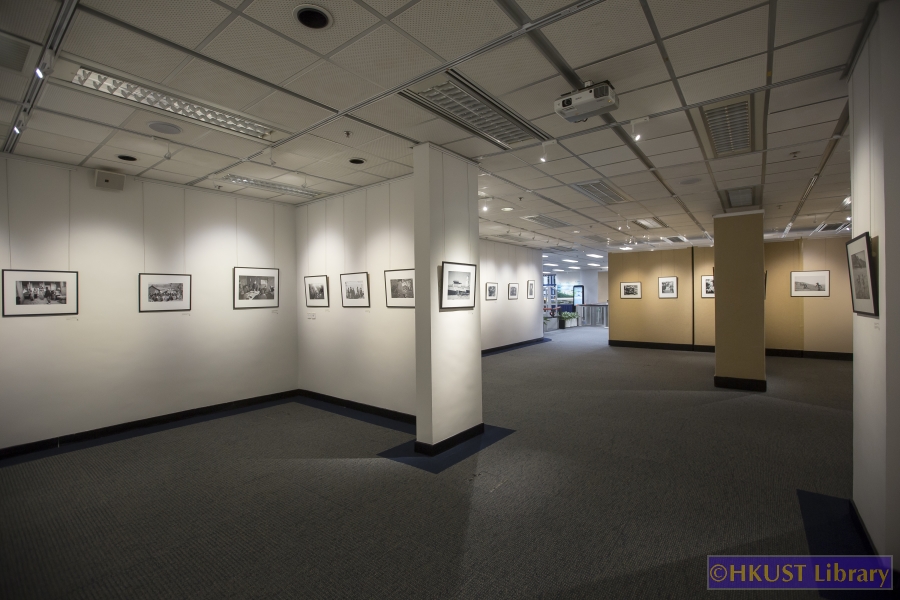
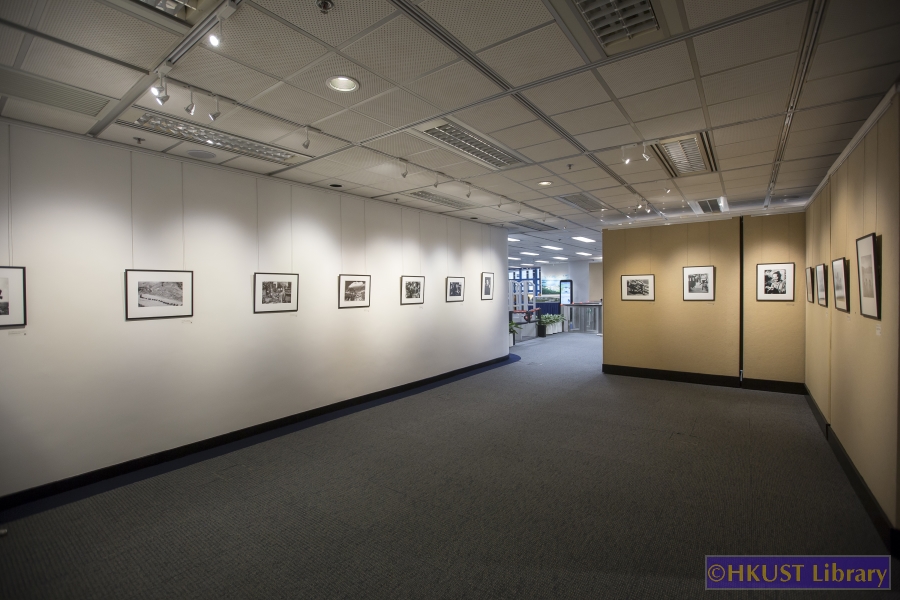
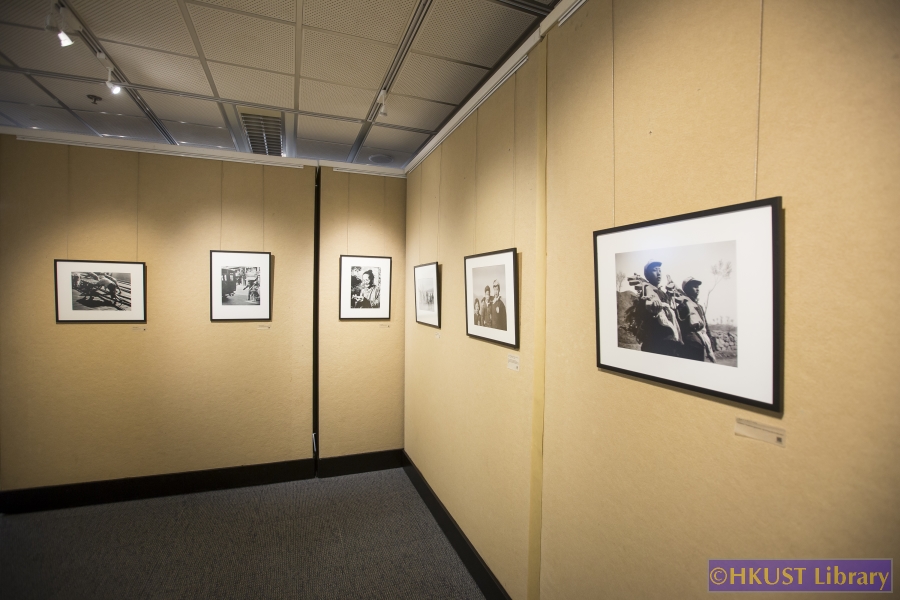
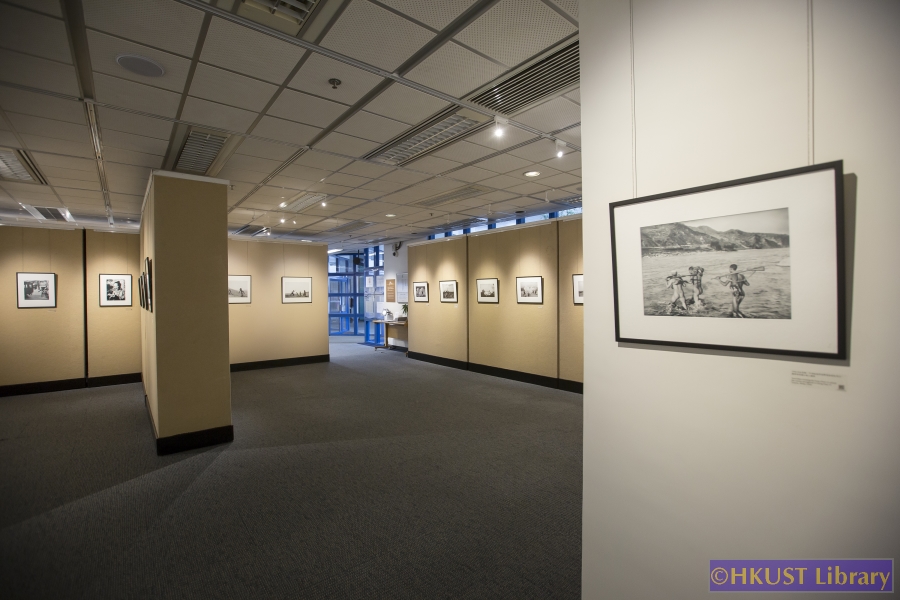
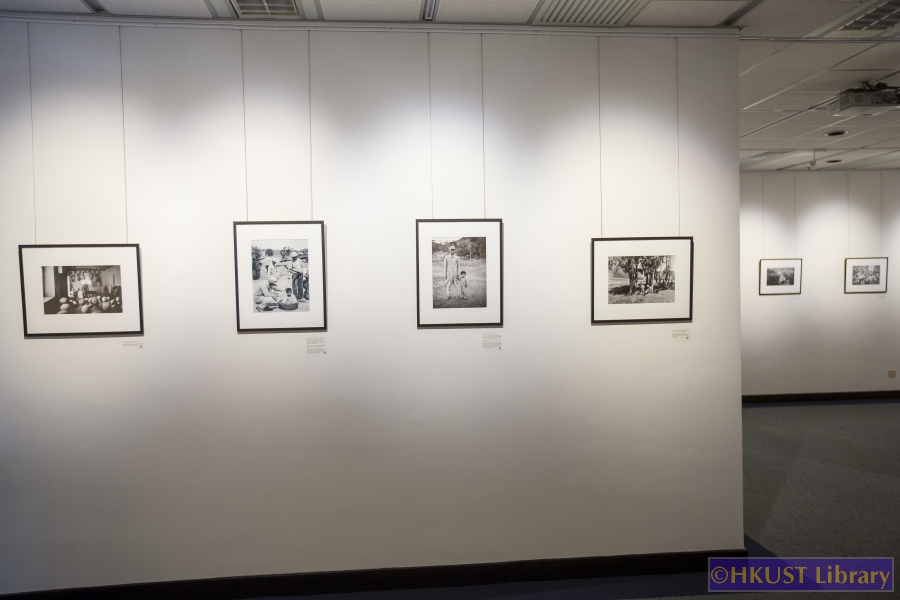
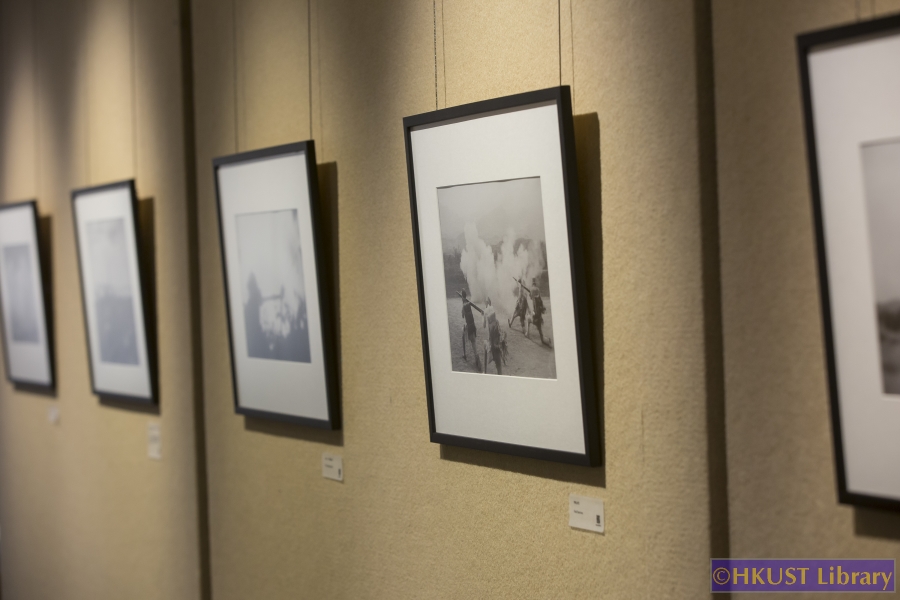
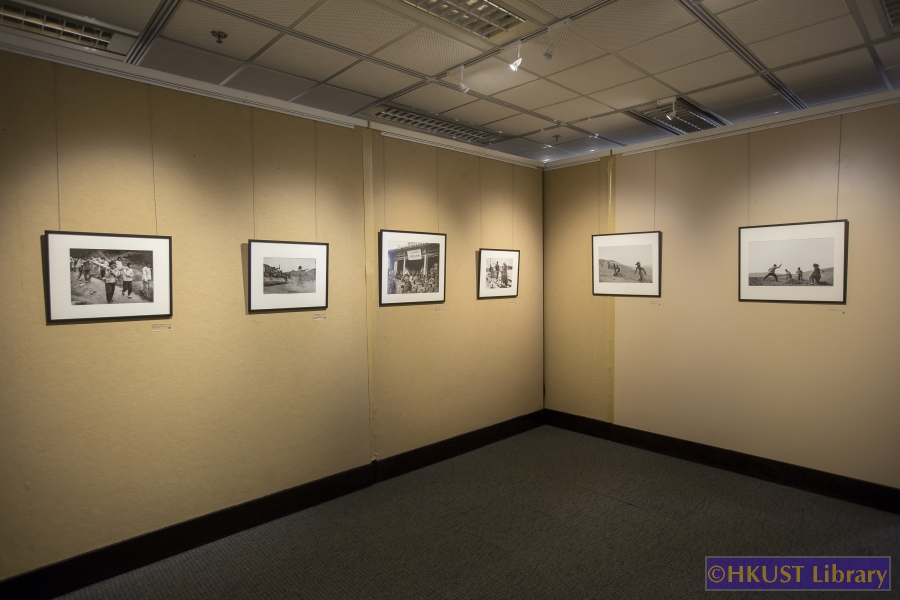
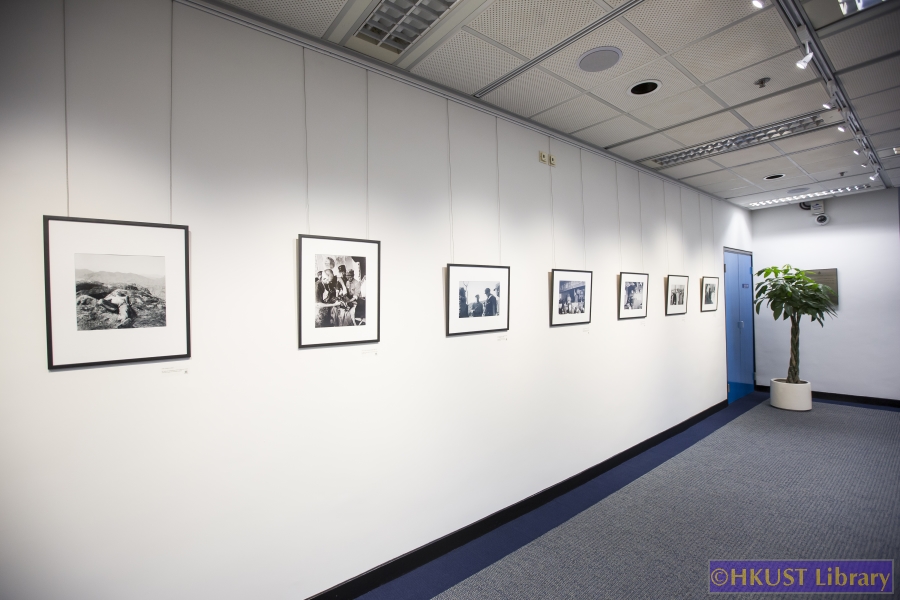
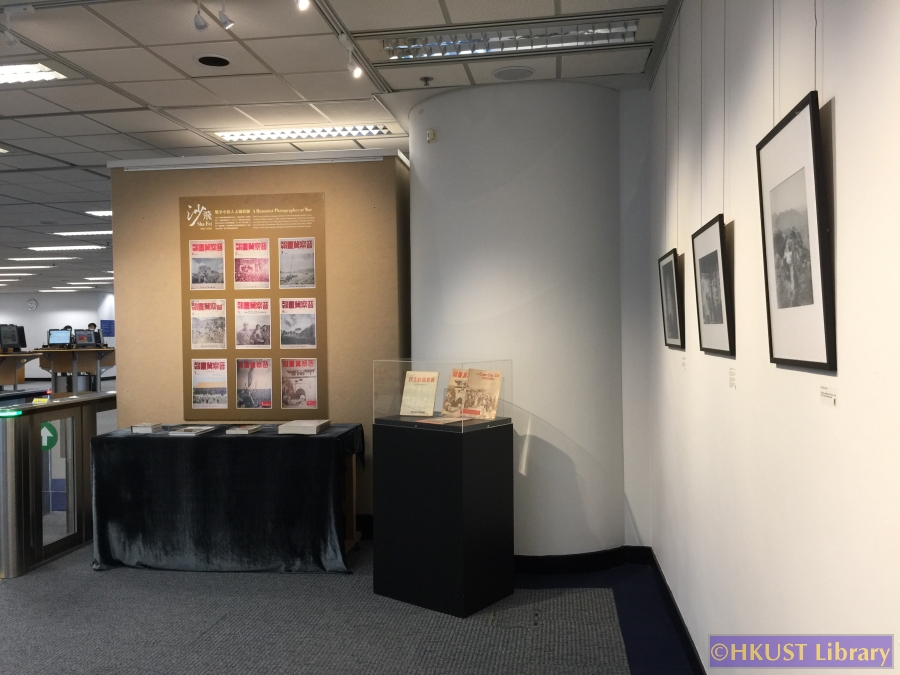
Thanks to his daughter Wang Yan’s generous donation, photographs in this exhibition illustrate Sha Fei’s extraordinary journey from a photo enthusiast in Shantou, Guangdong, to a Leftist photo-journalist in Shanghai, and finally to a war photographer and editor on the Jin-Cha-Ji war front in North China.
Sha Fei was born Situ Chuan in Guangzhou on May 5, 1912, several months after the collapse of the Qing Dynasty. After graduating from a radio school in 1926, he volunteered for the National Revolutionary Army and participated in the Northern Expedition as a wireless operator. While working at the Shantou Radio Station between 1931 and 1936, he was influenced by Western pictorial magazines and became intensely interested in photography. His early images, while aesthetically modernist, were imbued with deep sympathy for working people and the weak in society.
Sha Fei joined the Shanghai-based “Black and White Photographic Society” in 1935 and studied Western painting at the Shanghai Art Academy in 1936. In October of that year, he captured the final images of Lu Xun (11 days before Lu’s death) and rose to fame as a leading photo-journalist.
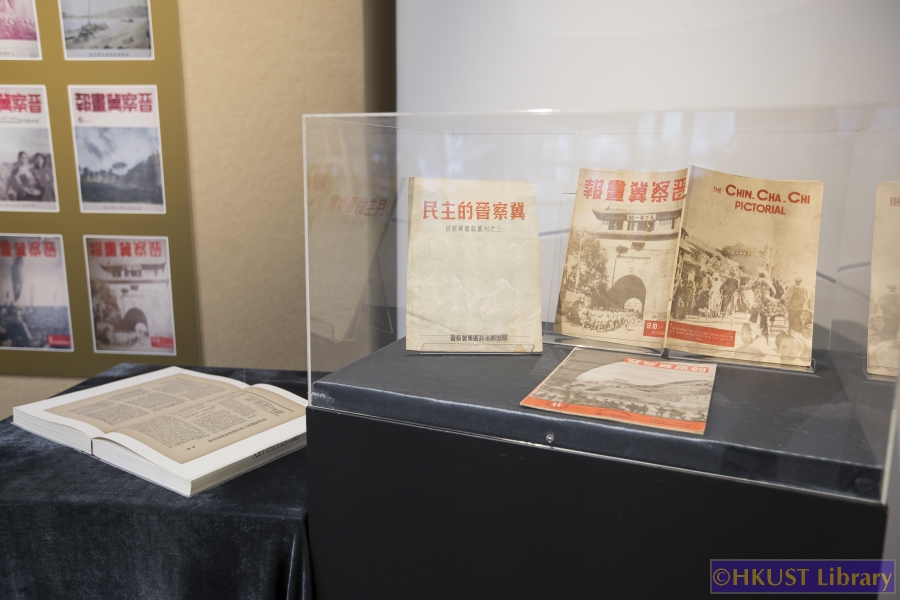
After the outbreak of the Sino-Japanese War in July 1937, Sha Fei went to the Shanxi frontlines in September to report on Chinese resistance. Buoyed by the Eighth Route Army’s victory at Pingxingguan, he joined the Communist-led force in December. In the ensuing months, he produced dozens of images of Chinese troops in action atop the ancient Great Wall—powerful symbols of national resistance. In 1942, in a Hebei valley without electricity, Sha Fei and his comrades founded the Jin-Cha-Ji Pictorial, the first Chinese-English magazine in Communist areas. He also trained a corps of photographers. During a Japanese attack in 1943, Sha Fei was wounded and nine others were killed trying to protect film negatives.
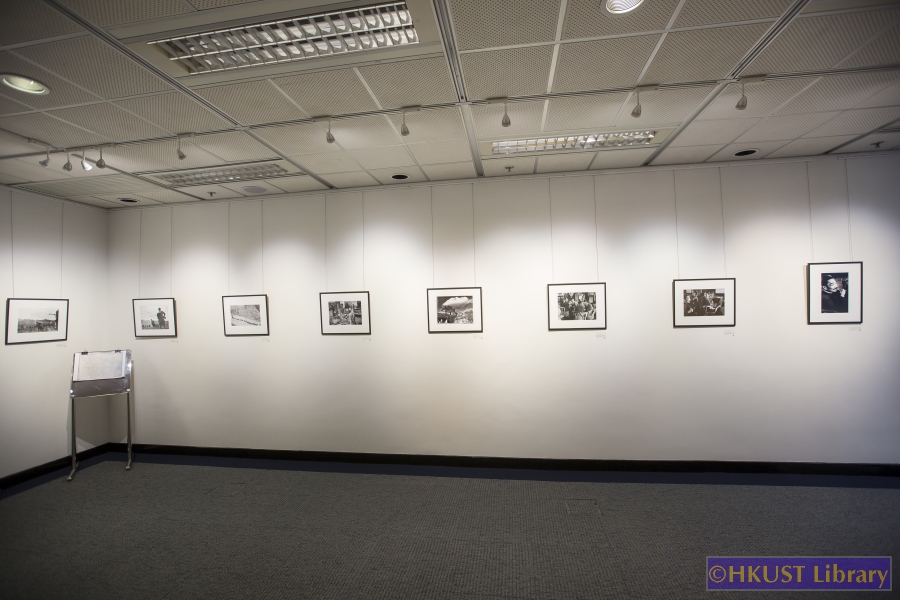
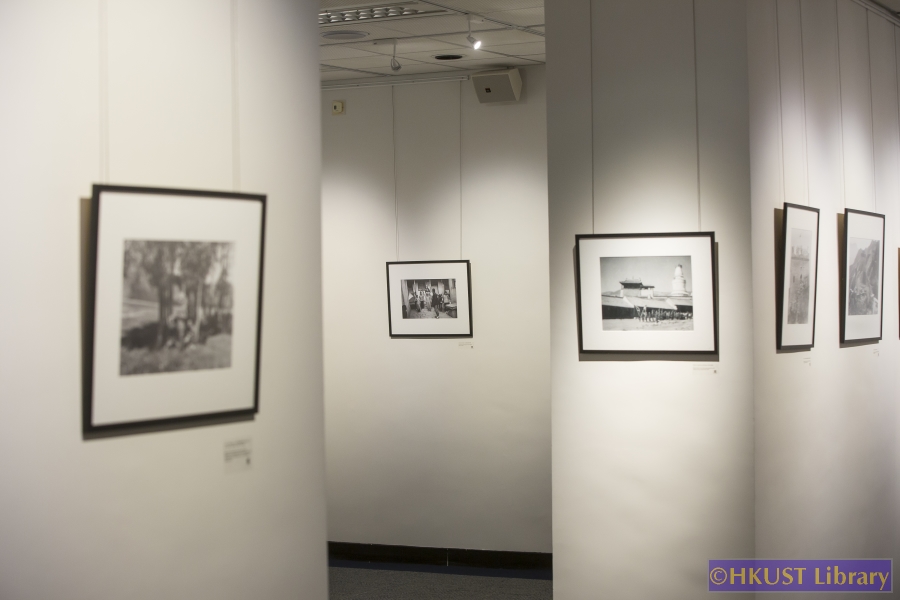
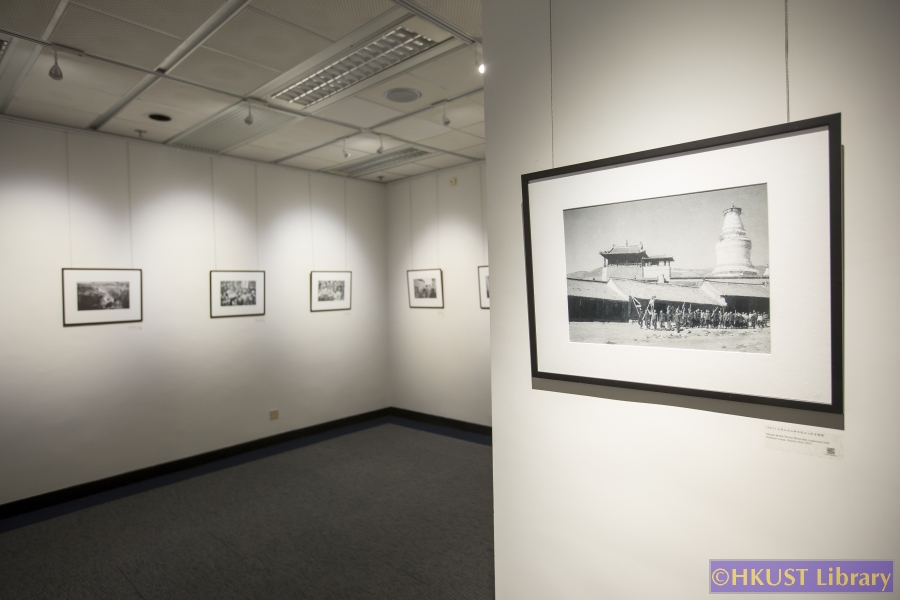
In the eight-year War of Resistance, Sha Fei took more than a thousand photos. These evocative images, rendered with emotional intensity and artistic rigor, documented enemy brutality, combat scenes, military training, mass mobilization, political participation, and the Nationalist-Communist United Front. He also recorded the activities of various foreigners in Communist base areas, including American military observers and rescued pilots; a British radio specialist; Canadian doctor Norman Bethune; Indian doctors; Korean nationalists; as well as Japanese prisoners of war. Some of his last works captured U.S. General George C. Marshall’s mediation effort to prevent the Civil War in early 1946.
Nearly all of Sha Fei’s photographs focus on people—mostly common people, including women and children—whose pain, fortitude, optimism, and dignity come alive through his lens. Remaining unfettered by Soviet rigidity or Maoist conformity, his images exude sympathy and spontaneity, striking a nuanced balance between artistry, authenticity, and propaganda.
Sha Fei belatedly joined the Party in 1942 and was repeatedly criticized for being “more like a democrat” than a Communist. Years of overwork, battle wounds, and political campaigns took their toll on his health. In May 1948, he was admitted to the hospital for tuberculosis and was never cured. Apparently suffering from mental illness, Sha Fei shot and killed his Japanese doctor in December 1949. A military court sentenced him to death. He was executed on March 4, 1950, five months after the founding of the People’s Republic of China. Buried with him was a small metal box containing the negatives of Lu Xun.
“Although Sha Fei’s life stop-framed at age 38,” the late historian Gao Hua has suggested, “his death allowed him to eternally retain his authenticity.” As he had aspired when renaming himself, Sha Fei had “become a grain of sand forever flying free in the sky above his homeland.”
David Cheng CHANG, Assistant Professor of the Division of Humanities
The Hong Kong University of Science and Technology
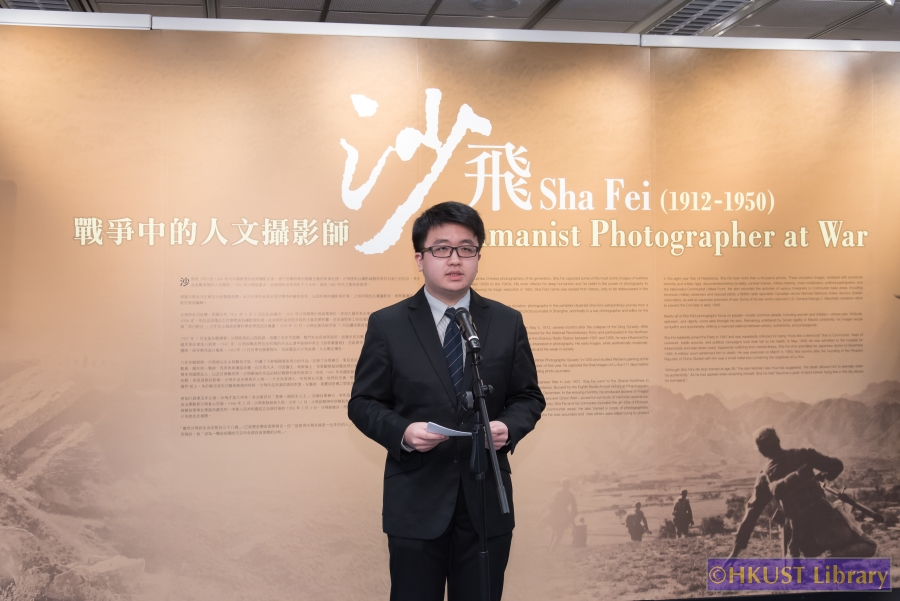
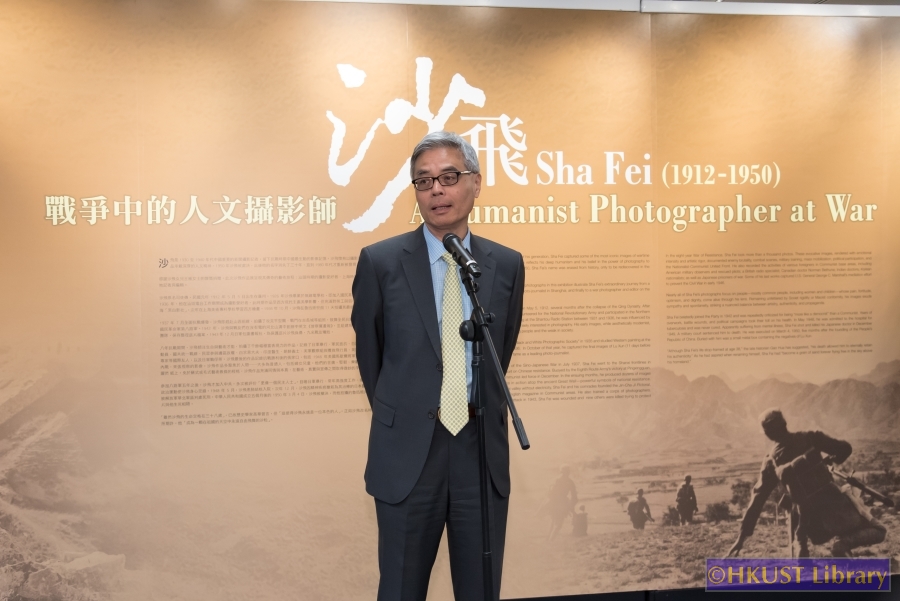
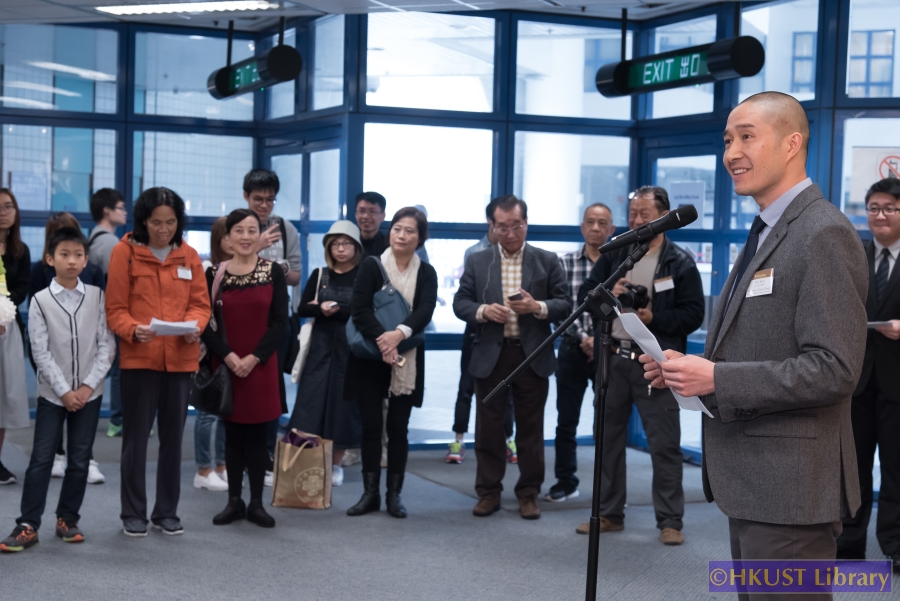
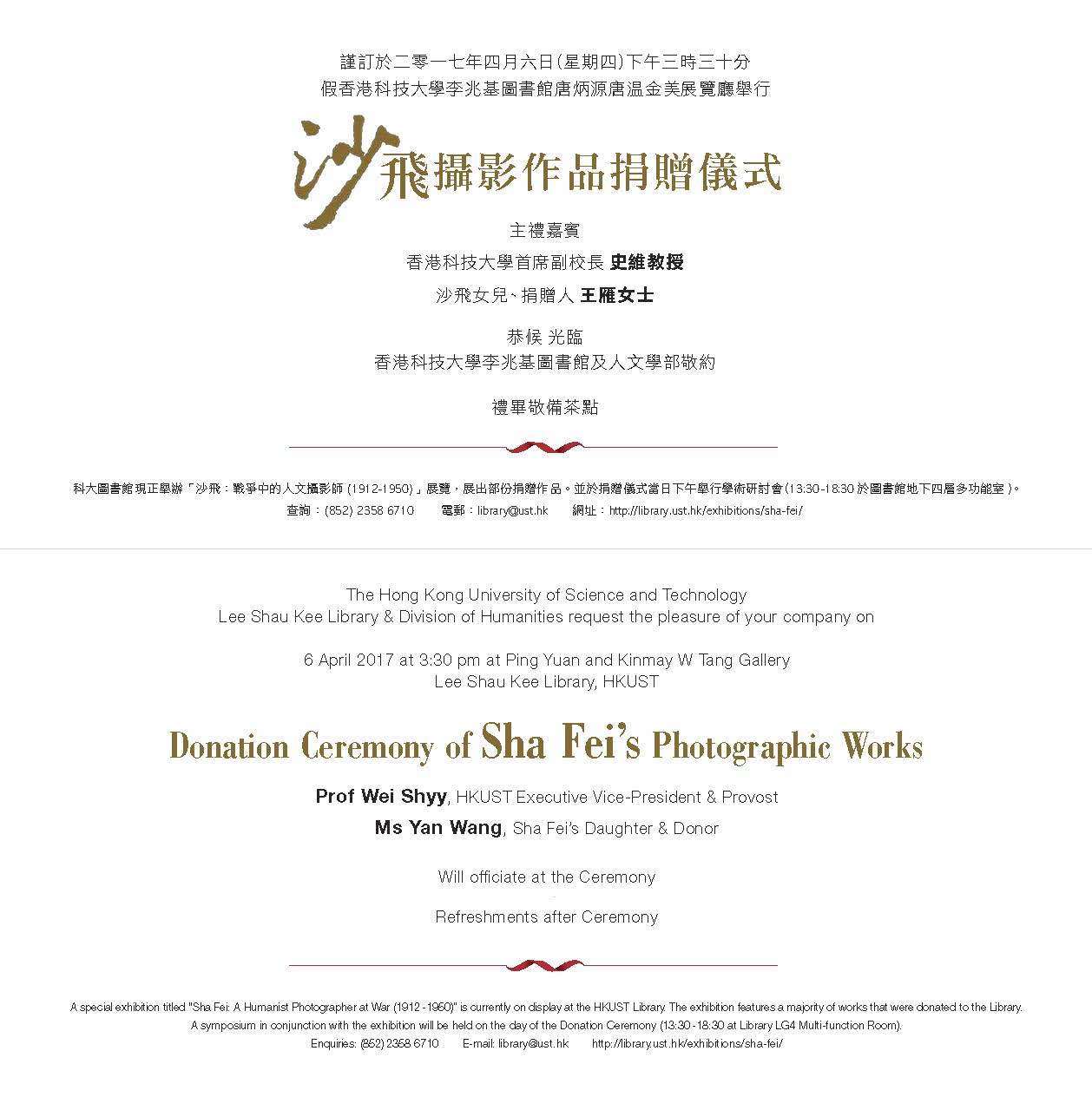
3:30 pm Ceremony (Refreshments after Ceremony)
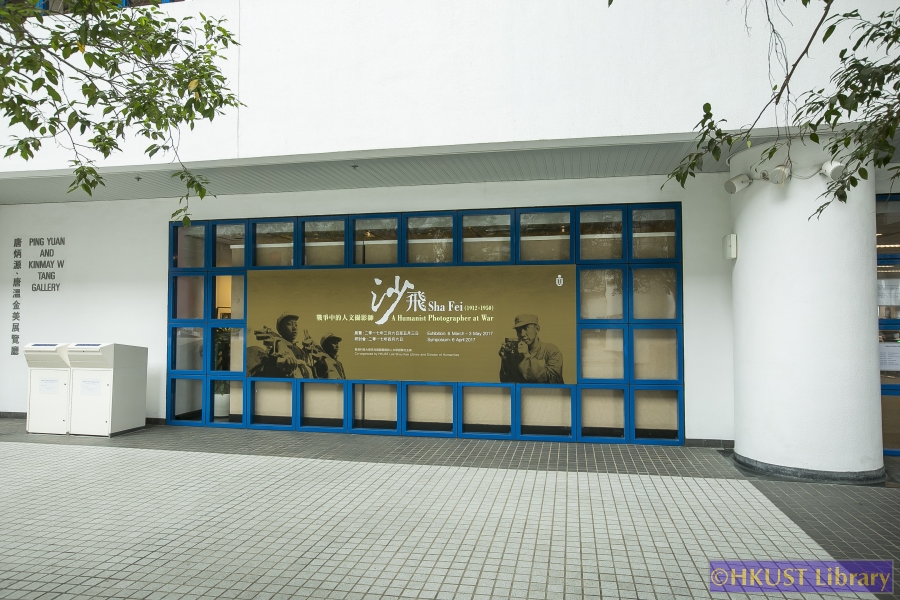
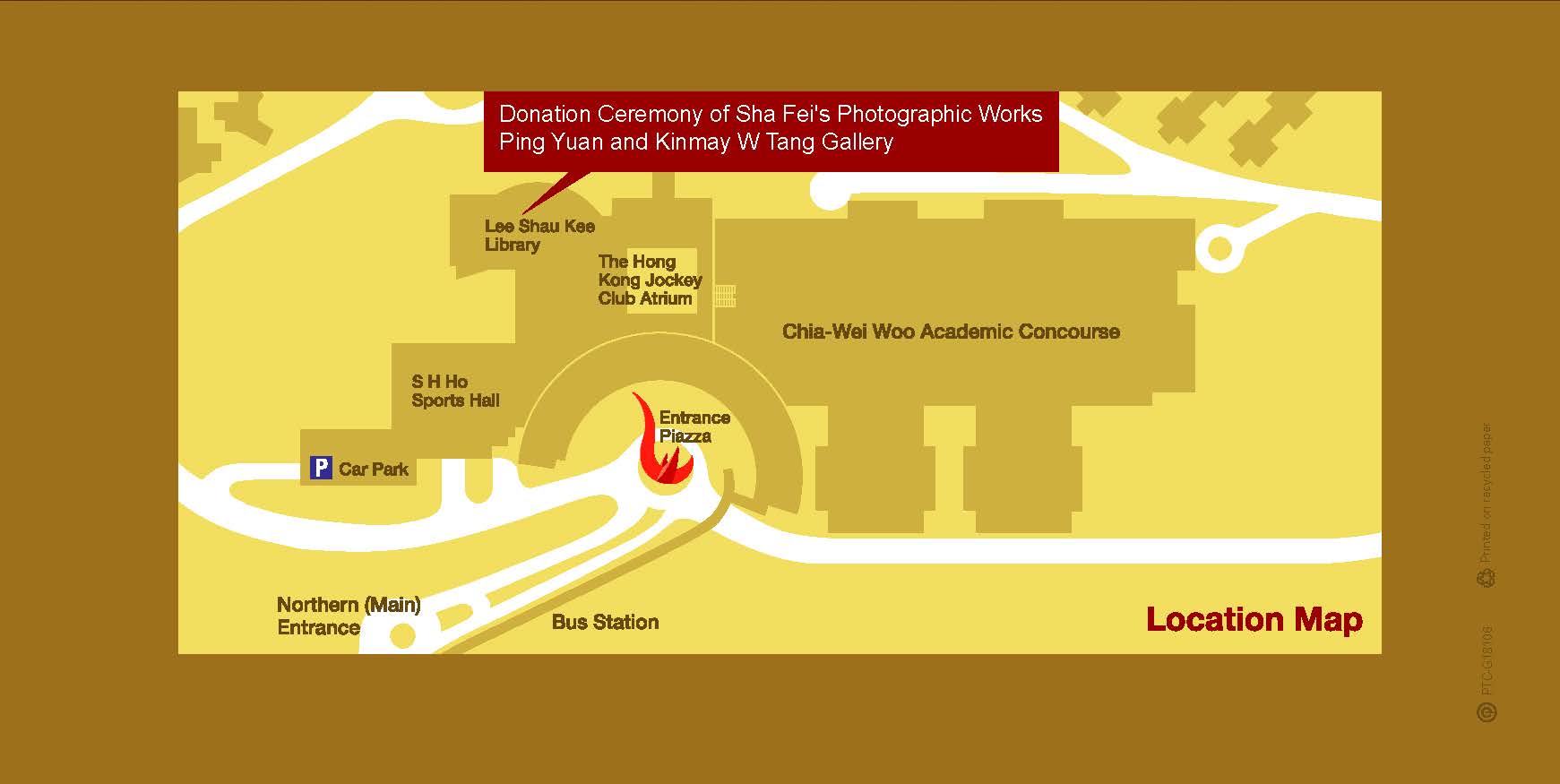
Ping Yuan and Kinmay W Tang Gallery
Putonghua
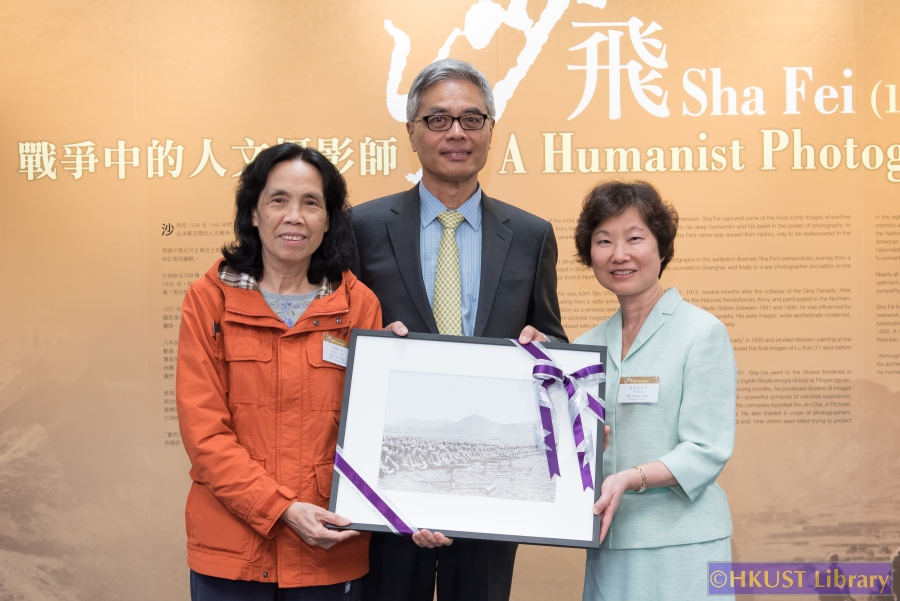
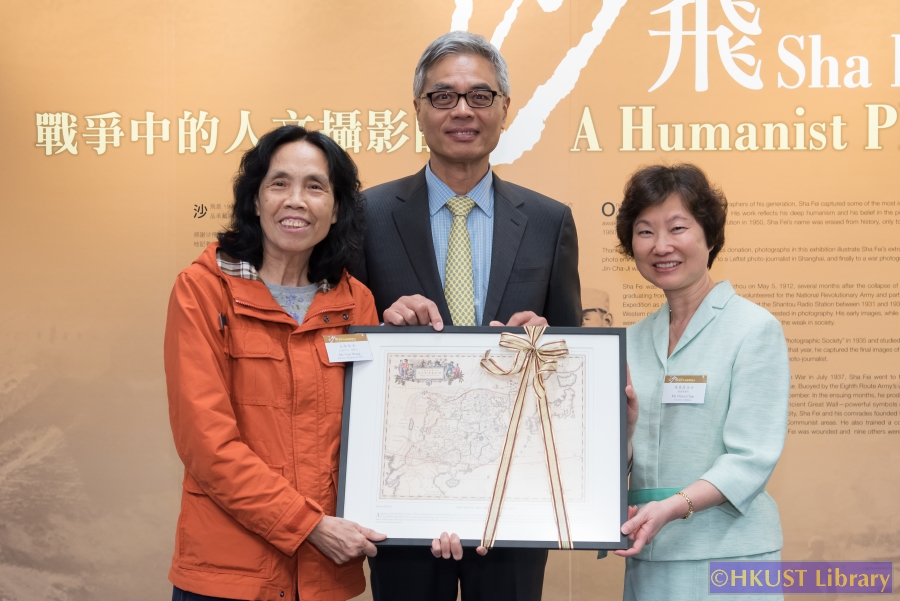
Officiating Guests
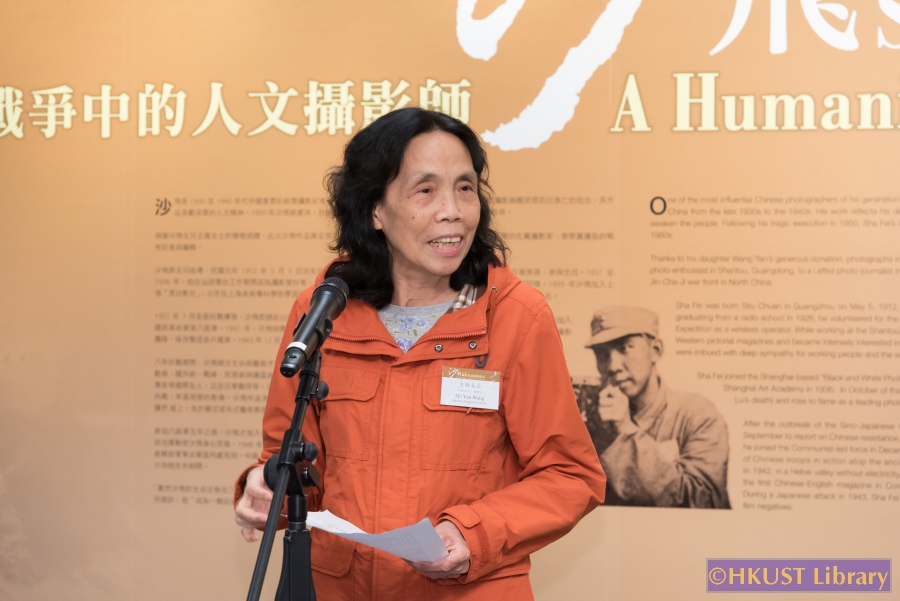
Ms Yan WANG, Donor, Daughter of Sha Fei
Prof Wei SHYY, Executive Vice-President & Provost, HKUST
Prof Billy SO, Head, Division of Humanities, HKUST
Prof David Cheng CHANG, Assistant Professor, Division of Humanities, HKUST
Ms Diana CHAN, University Librarian, HKUST
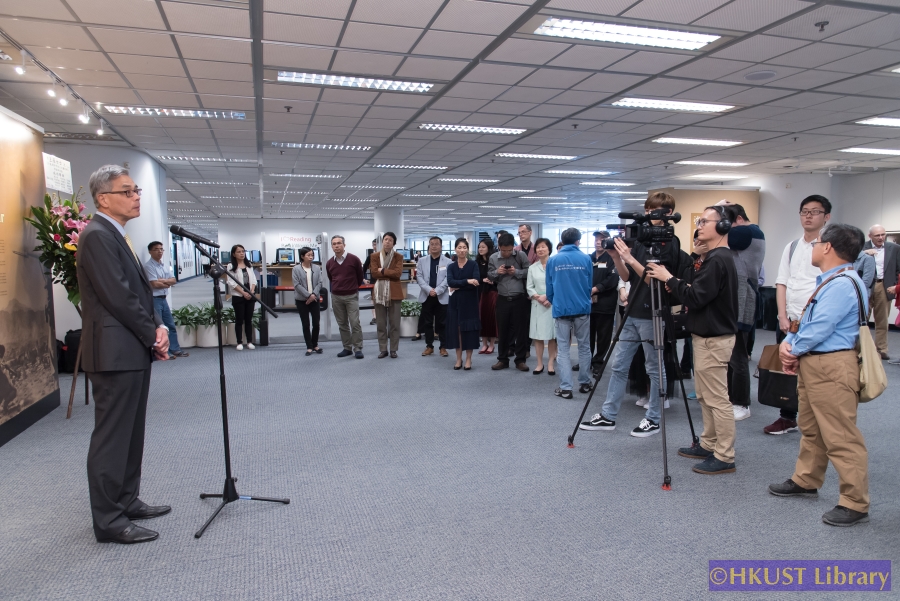
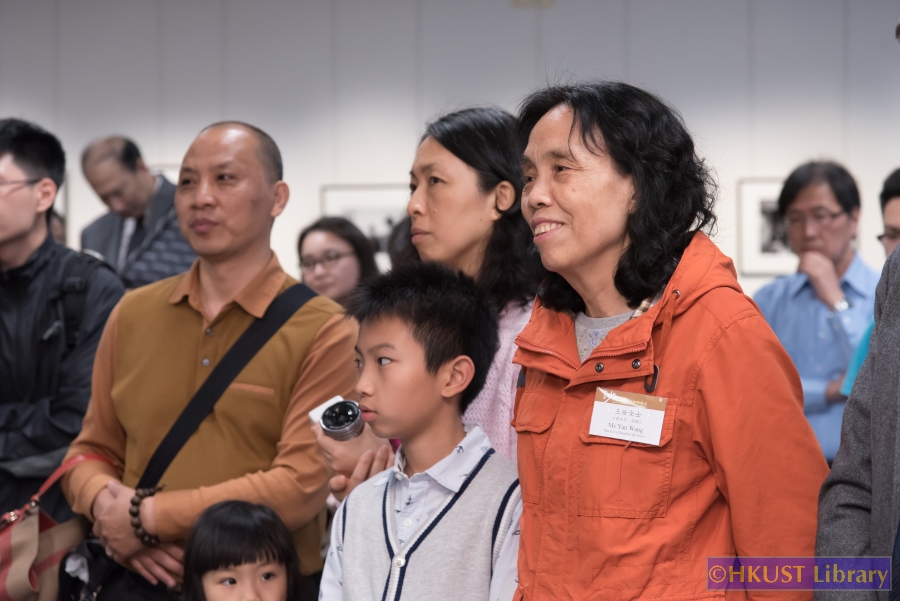
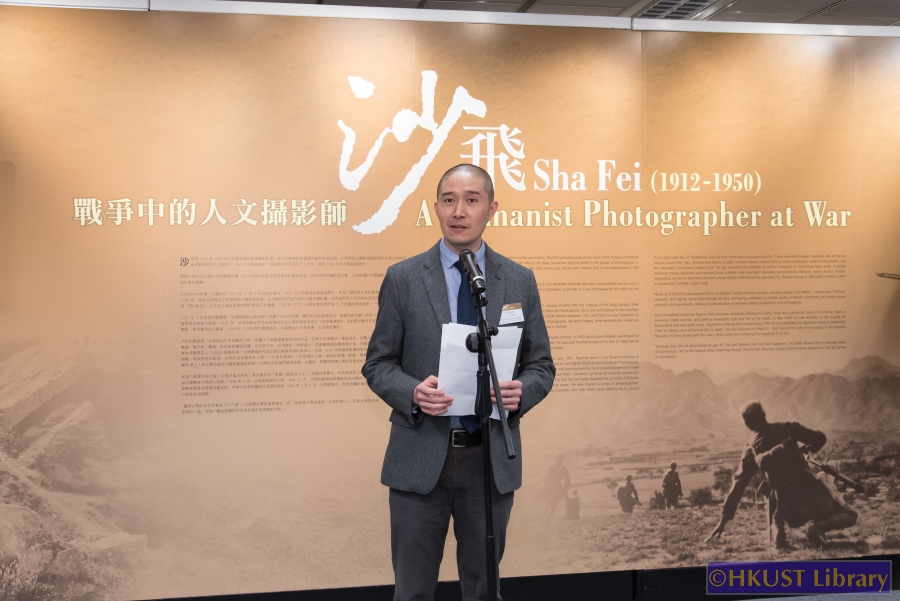
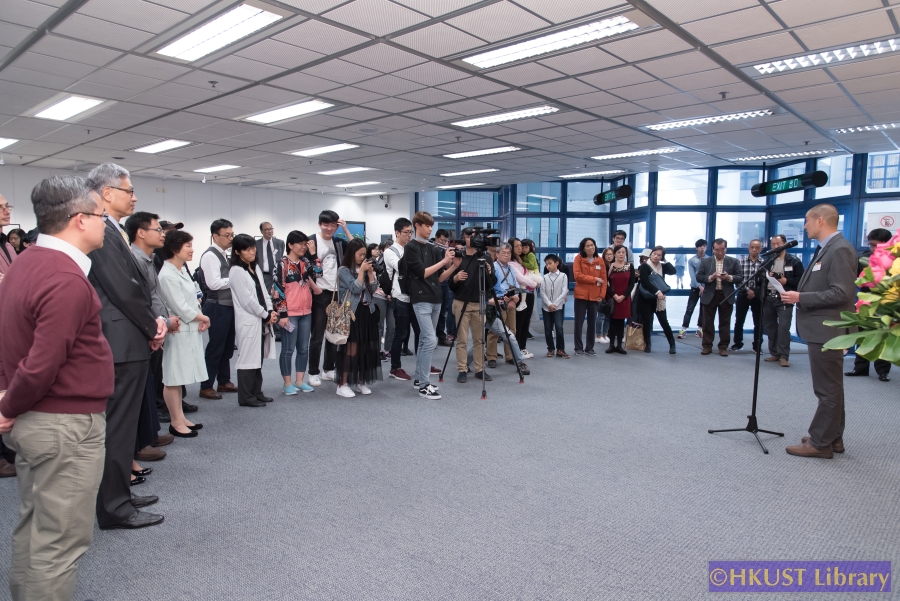
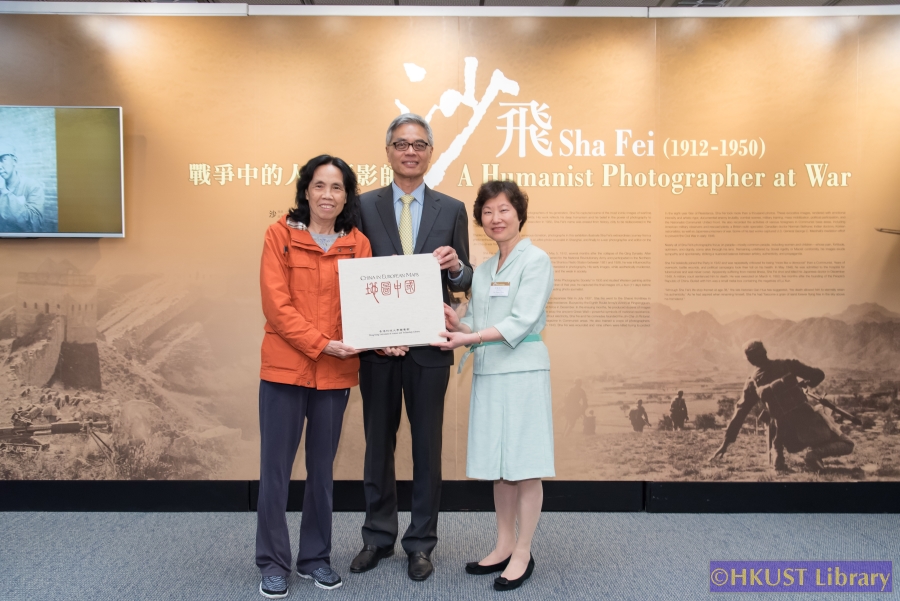
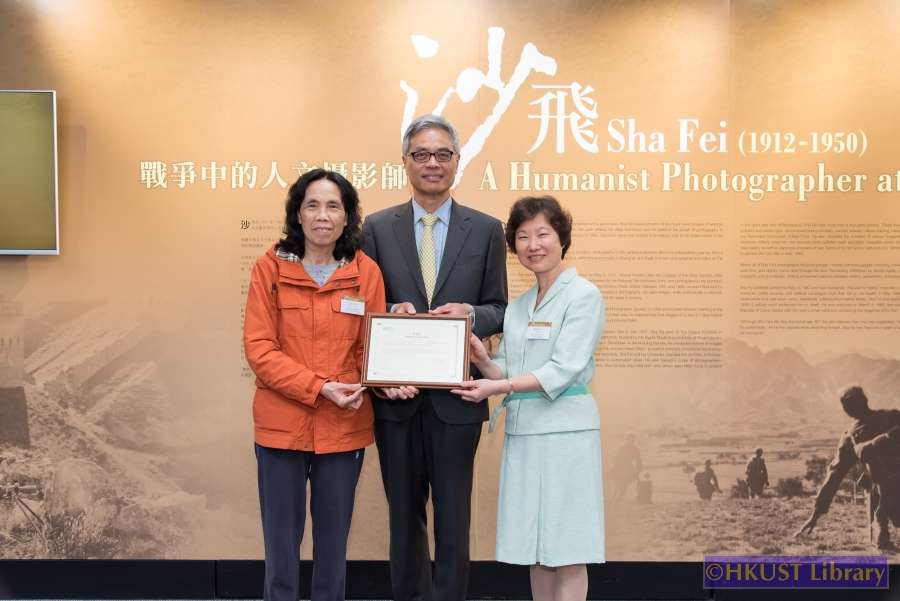
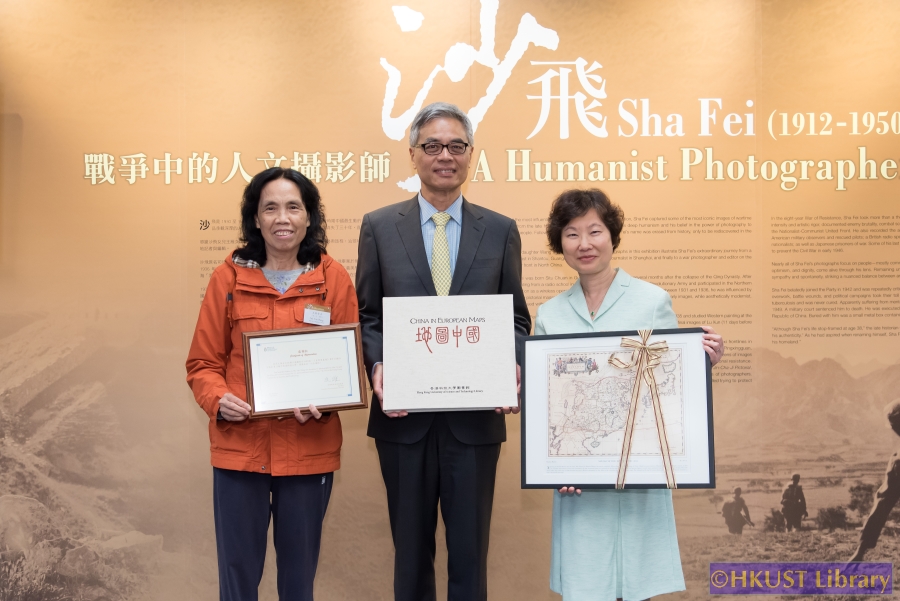
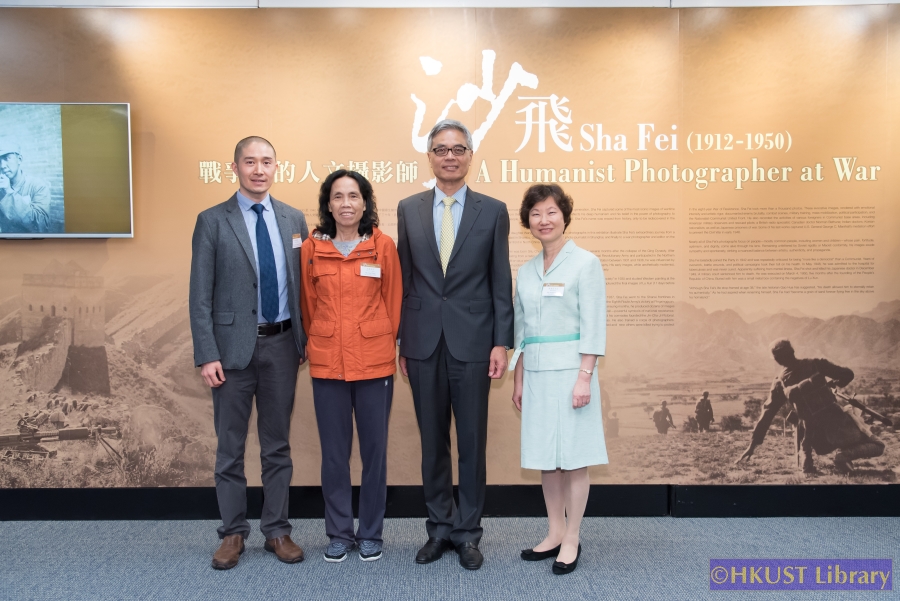
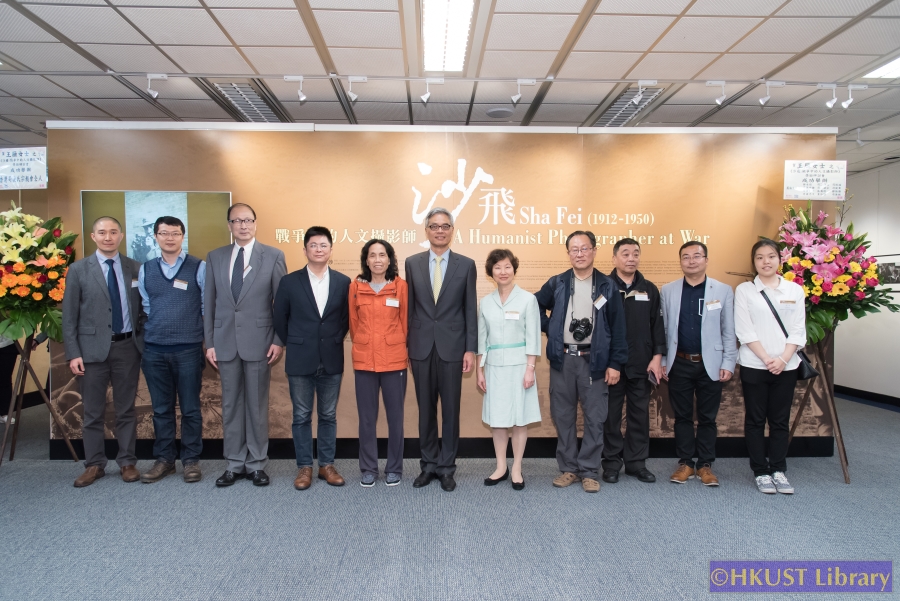
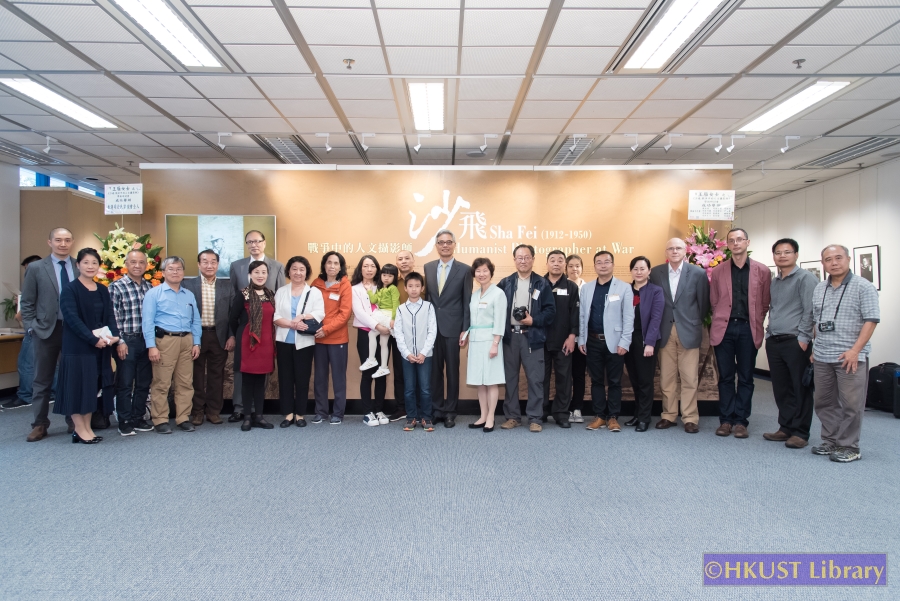
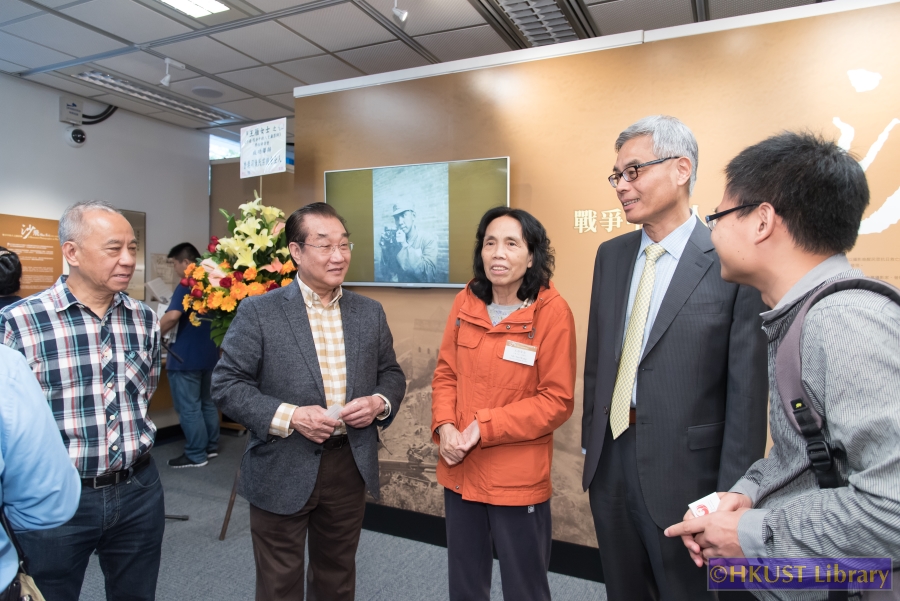
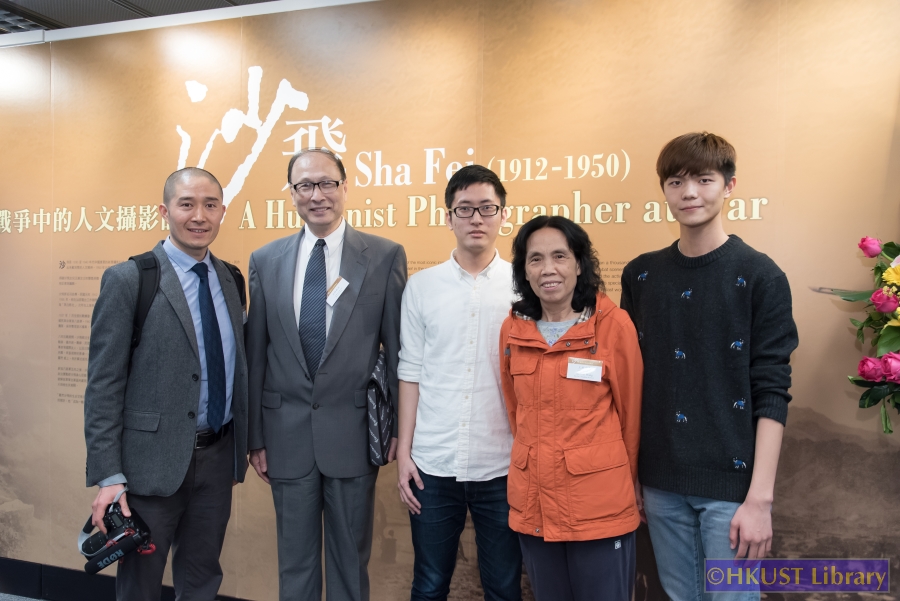
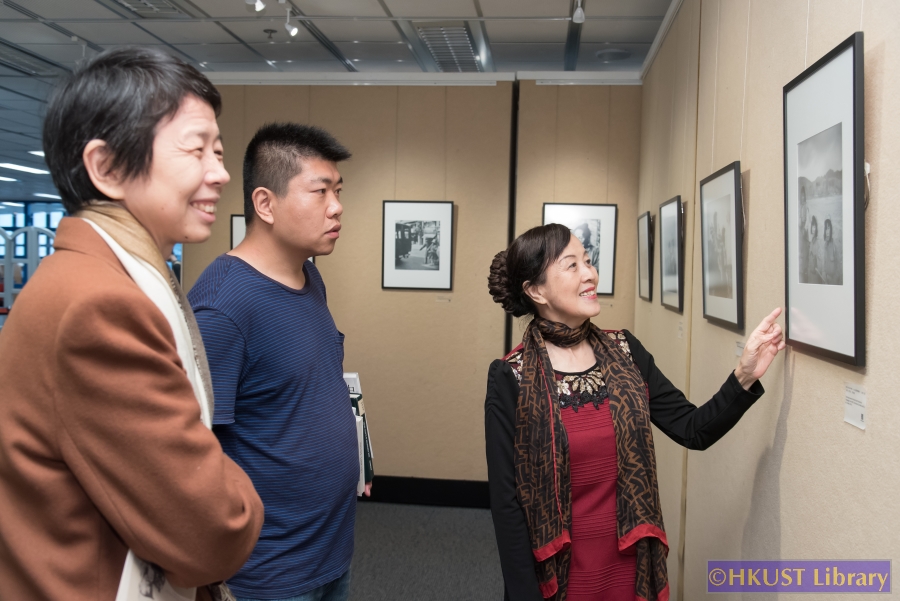
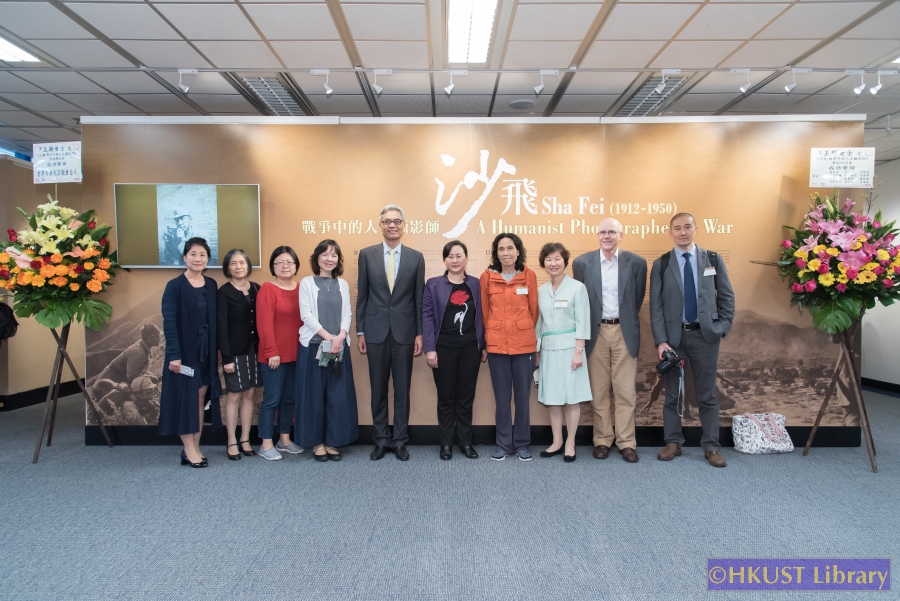
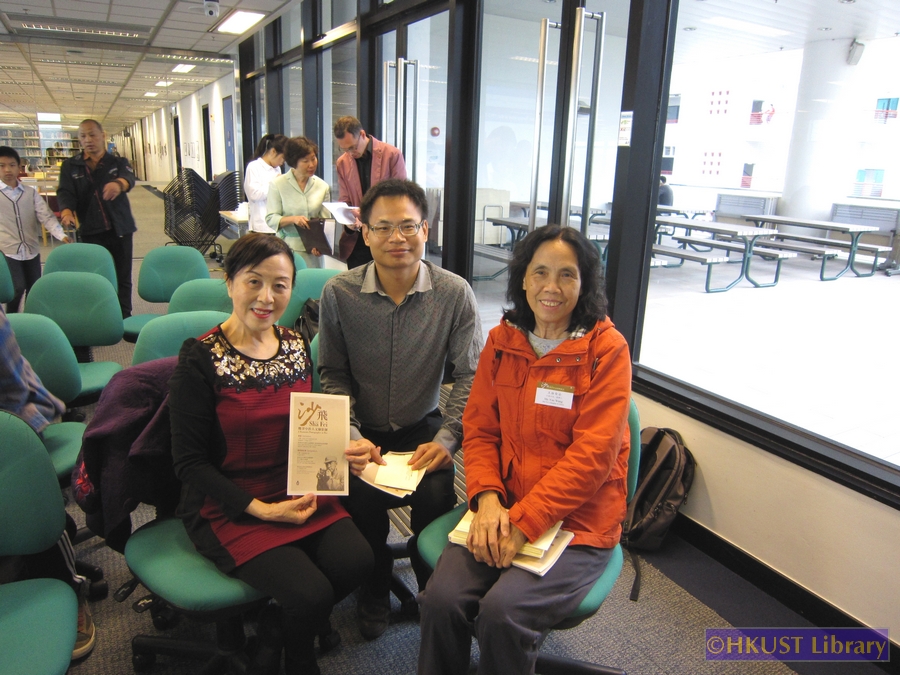
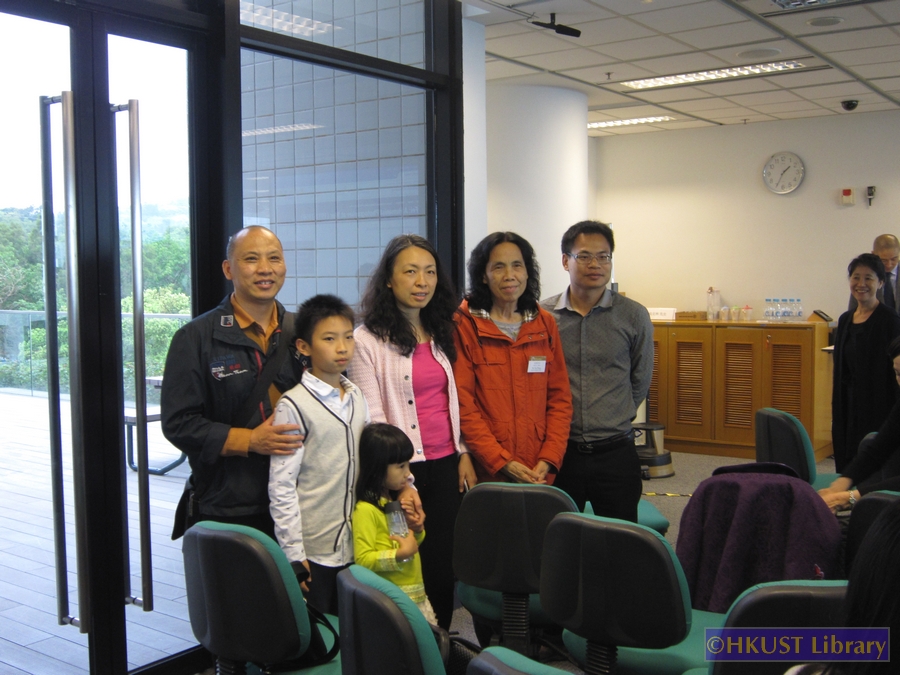
Guided tours will be led by HKUST students enrolled on the academic program HUMA 4000H “Picturing History: Photographers and the Making of Modern China”.
Putonghua
- 5 April 2017, 12:00 noon -12:45 pm
- 11 April 2017, 12:00 noon -12:45 pm
- 25 April 2017, 12:00 noon -12:45 pm
- 26 April 2017, 12:00 noon -12:45 pm
Cantonese
- 5 April 2017, 12:30 pm -1:15 pm
- 19 April 2017, 12:30 pm -1:15 pm
- 25 April 2017, 12:30 pm -1:15 pm
- 26 April 2017, 12:30 pm -1:15 pm
English
- 11 April 2017, 12:30 pm -1:15 pm
- 19 April 2017, 12:00 noon -12:45 pm
Participants Comments
- 提供更多背景資料予參觀者
- A place where the tour guide can speak louder
- Cover all photos instead of selected ones
- Nice tour guide
- I forgot to ask about his name, but the male guide was great, amazingly knowledgeable and he shared a great amount of super interesting details and stories! Fantastic. Having someone being so familiar with the topic makes a huge difference. Suggestions is hard, everyone may have different preferences. I definitely will join for modern history, especially photo exhibitions. I personally appreciate having more info than what is posted next to the picture. having the QR codes with additional pictures was a great idea, that could also be used to provide more background info for the visitors.
- I hope there would be more events like this in the library. You know it is rarely to have a photo exhibition like this in Hong Kong
- Great job. Thank you all!
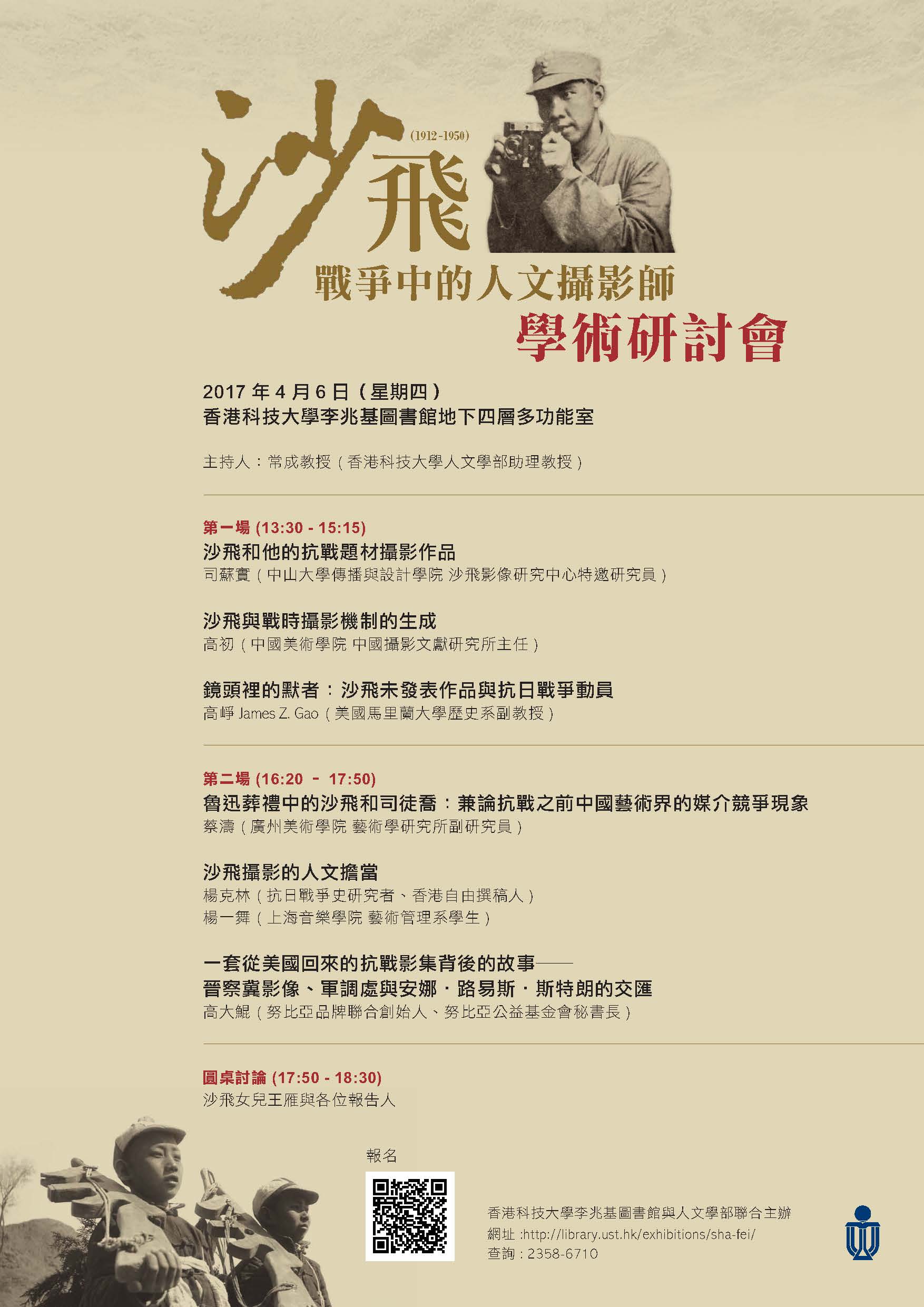
日期: 2017年4月6日(星期四)
地點: 圖書館地下四層多功能室
時間: 第一場 (1:30–3:15 pm)
捐贈儀式 (3:30–4:15 pm)
第二場 (4:20–5:50 pm)
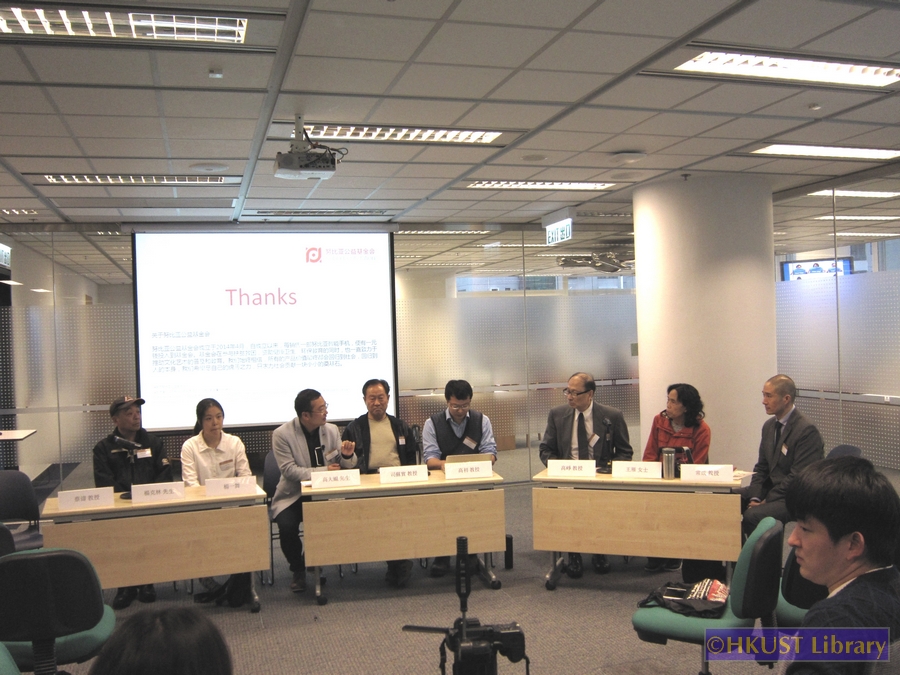
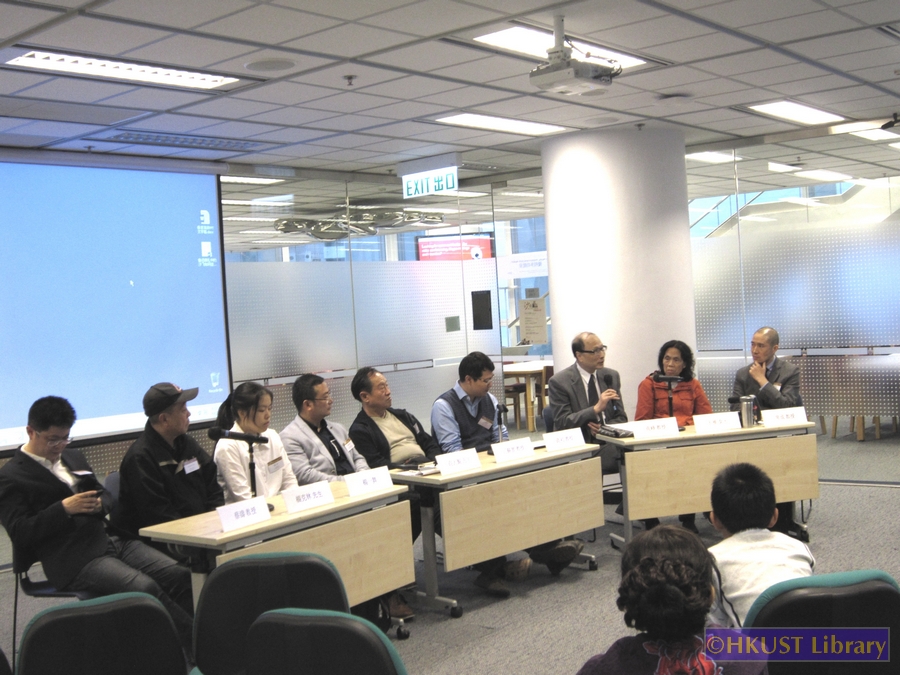
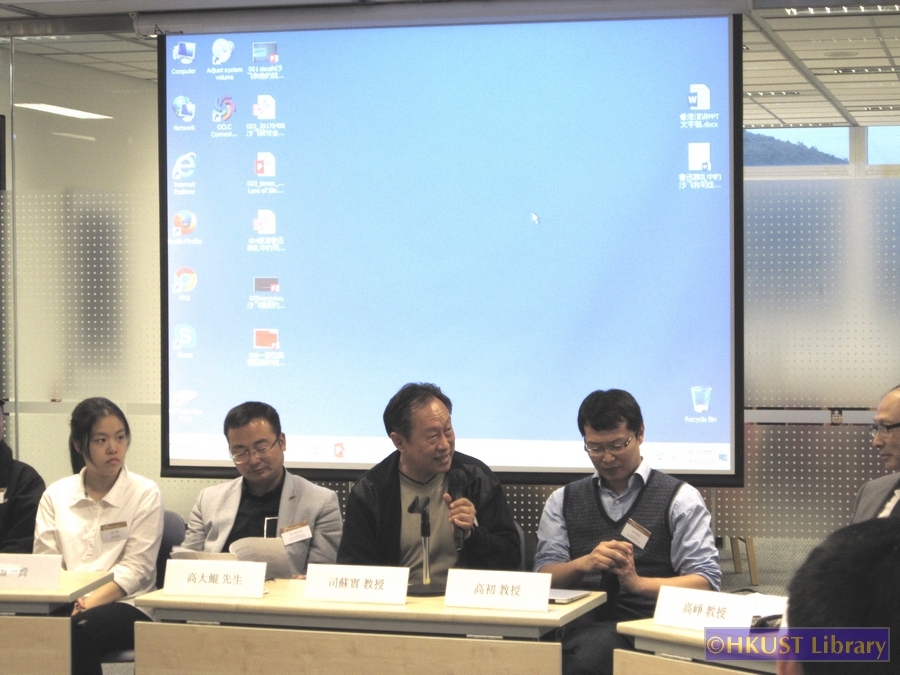
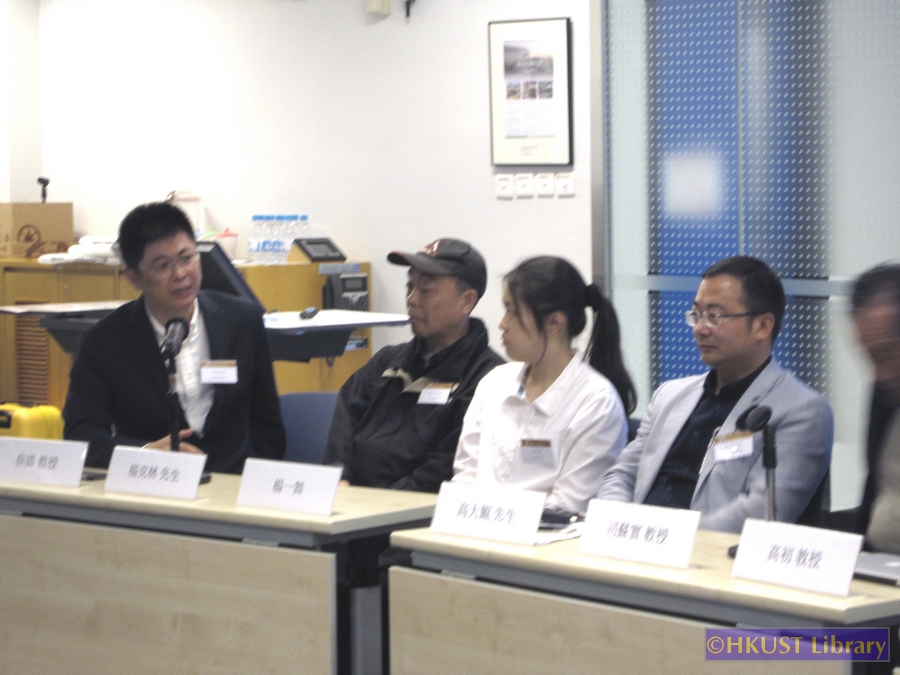
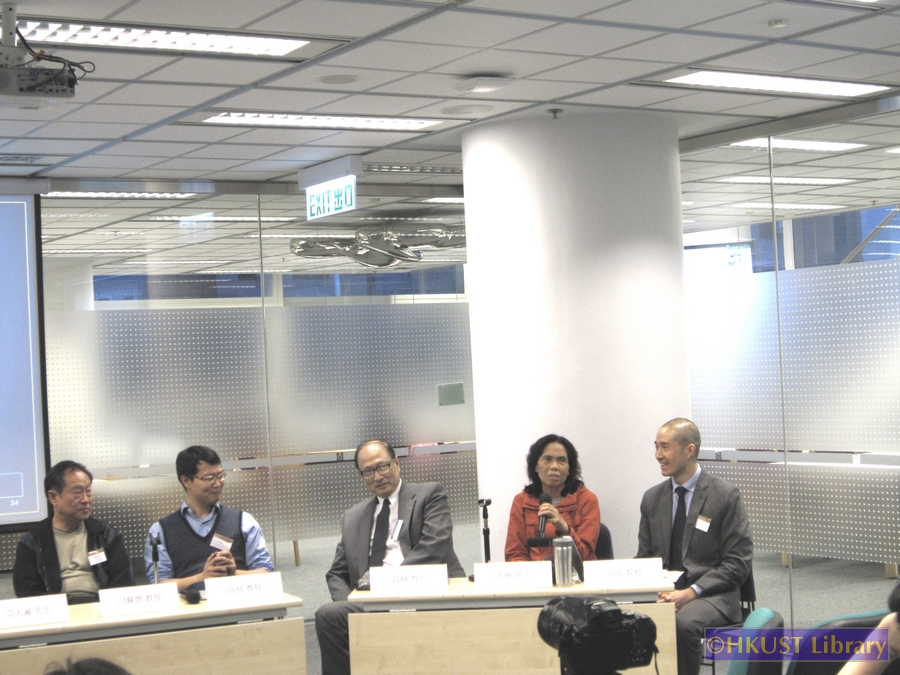
圓桌討論 (5:50–6:30 pm)
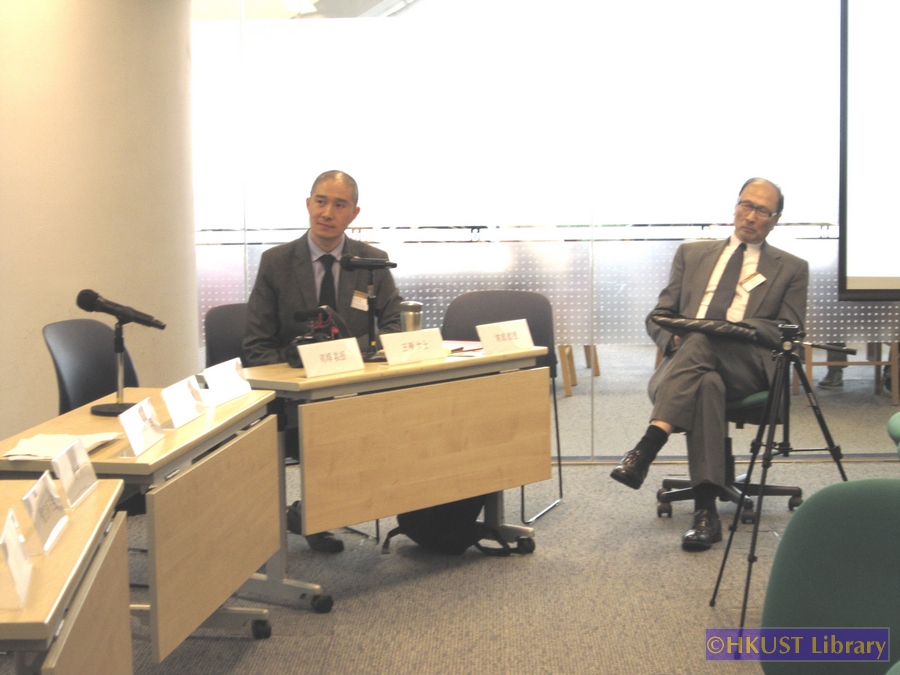
主持人:常成教授 (香港科技大學人文學部助理教授)
司蘇實 (中山大學傳播與設計學院 沙飛影像研究中心特邀研究員)
發端於抗日戰爭前後的紅色影像在中國攝影史,乃至世界攝影史中都越來越引人注目,沙飛是這支隊伍的開拓者。由于思維方式不同,東方人與西方人在美學理念方面存在著不小差異,攝影術的出現使這種差異得以突顯。中國人嘗試用傳統繪畫的理念改造攝影,以使它體現中國人的美學追求,但這種追求的致命弱點,在於淡化了攝影術最基本的記錄特長。沙飛的出現,將這種探索推進到一個全新的階段。
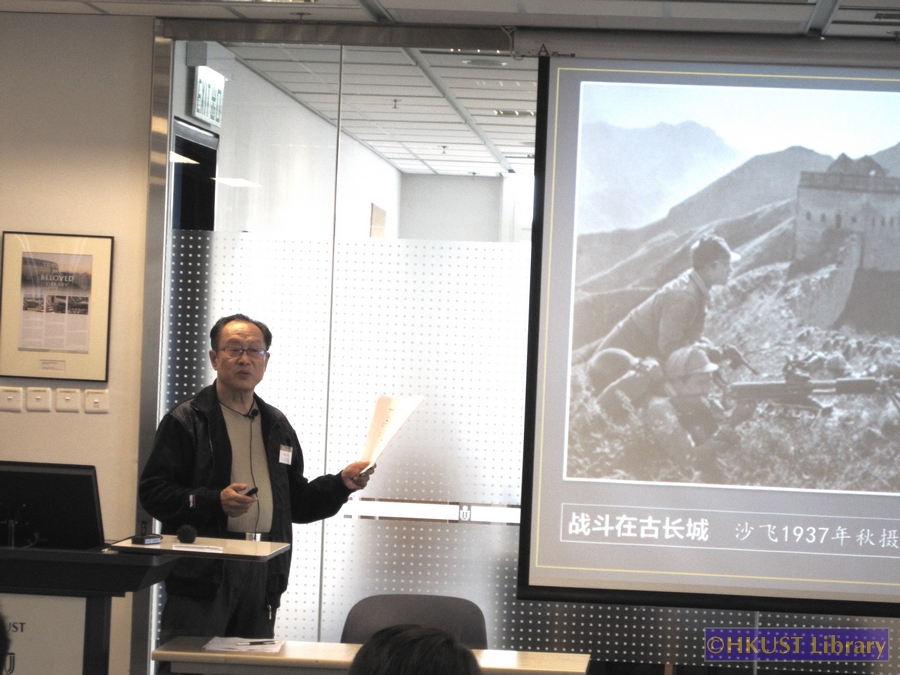
沙飛最著名的攝影作品《戰鬥在古長城》系列,在長達70餘年的歷史長河中被不同政見、不同國界的人群廣泛使用,並且十分罕見地從未消失,說明他的探索得到了普遍認可。沙飛的成就不限於此,他以後的探索,使攝影術真正實現了中國攝影人所夢寐以求的,在不損害攝影術寫實特長的前提下,很好地體現出在中國傳統美學理念影響下的獨特風韻。通過在戰爭年代培養的弟子、創建的完整攝影組織體系,沙飛成功地將這些經驗廣泛傳播,在中國攝影領域獨樹一幟。人們今天能夠見到的中國抗戰攝影作品大多出自他們之手,曾為中國的抗戰發揮出獨特的能量。
高初 (中國美術學院 中國攝影文獻研究所主任)
中國的攝影在戰爭爆發、民族危亡的特定的歷史情況下,攝影的意義系統從拍攝者轉向觀看者,攝影的評價效果也在於對於觀看者情緒的觸動和行動的激發。這一拍攝者和觀看者的主客體轉換,意味著攝影的主體與觀念、題材與語言、媒介與現場都發生了意味深長的置轉和重組。「作為儀式的拍照」和「革命時期的宣講式的觀看」成為自戰爭時期至新中國,乃至今天我們討論中國攝影的兩個核心概念。在這一過程中,沙飛「武器論」的提出和展覽、畫報、攝影網的戰時攝影機制發揮了巨大作用。
高崢 (美國馬里蘭大學歷史系副教授)
James Z. Gao, University Maryland
本文將使用視覺文化的材料,討論中國抗日戰爭的民眾動員問題。本文從解讀中國革命攝影家沙飛未曾發表的幾幅攝影作品切入,探討視覺文化所揭示的歷史真實和含意。沙飛這些作品中主角是歷史文獻中的默者,他們未曾出現在當時的新聞報道或雜誌頁面, 有的曾被剪輯或黑化, 因此未產生即時的宣傳鼓動作用。但它們生動地記錄了中國民族戰爭動員的各種活動和機制, 包括共產黨如何利用國民黨的政治資源,如何調動婦女兒童的參與,士紳階級的作用如何,國際友人的真性情是什麼,以及中國農民在鄉村的貧困境地及宗教迷信儀式中表達出來的無奈,悲憤,勇氣,和敬畏。以往中美學者對於抗日戰爭的民眾動員的研究,集中在農民民族主義,共產黨組織能力,社會改革遠動等方面, 而沙飛的攝影作品,顯示了人文主義的關懷,豐富了我們對中國抗日戰爭的理解。最後,本文也將討論視覺文化的一個問題,即攝影者的「個人瞬間動機」與「體制化觀念」之間的對話,進而探索沙飛攝影作品的文化審美和歷史檔案價值。
蔡濤 (廣州美術學院藝術學研究所副研究員)
【摘要】本文關注沙飛攝影生涯的三個特點:第一是身份焦慮,他經常強調攝影的藝術屬性,到晉察冀邊區之後,他還保持著這種焦慮。第二是作為藝術家的媒介偏好,以往只是關注他是一個攝影師,但現在我更願意將他十年報務員的經歷納入,包括北伐從軍和在民用電台的經歷。電報是很關鍵的媒介,沙飛會因為這樣的職業經驗,擁有了怎樣的一種媒介敏感性?所以我把電報、畫報和攝影聯繫起來考慮。第三,1936年的魯迅葬禮是一個很特別的事件,沙飛通過這個事件,他的整個人生都改變了。我特別關注到這個場合中媒介競爭的現象,這是一個綜合性、跨媒介展演的公共舞台,對此後政治宣傳模式的影響巨大,想要理解沙飛的藝術價值觀和藝術家身份意識的話,我們離不開對這個舞台的考察。
楊克林 (抗日戰爭史研究者、香港自由撰稿人)
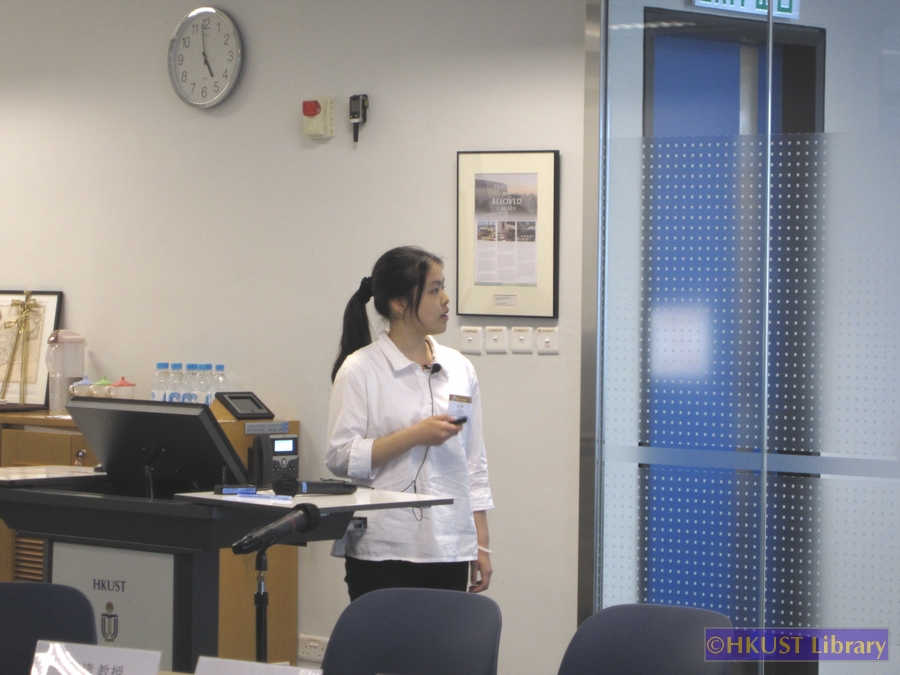
楊一舞 (上海音樂學院 藝術管理系學生)
【摘要】沙飛的與眾不同之處,在於他懷有強烈的「以天下為已任」和「匹夫有責」的人文擔當。國難當頭,他挺身而出;烽火硝煙,他勇往直前。他的攝影作品對他所處的時代及社會生活作了廣泛而深刻的寫真。他對攝影無比熱愛並高度認知其作用,照相機成為他有力的武器;他既敢於標新立異,又鍥而不捨地埋頭苦幹。「人在底片在」,「人與底片共存亡」是沙飛的名言。沙飛不僅是一個人,更是一種精神和歷史遺產。
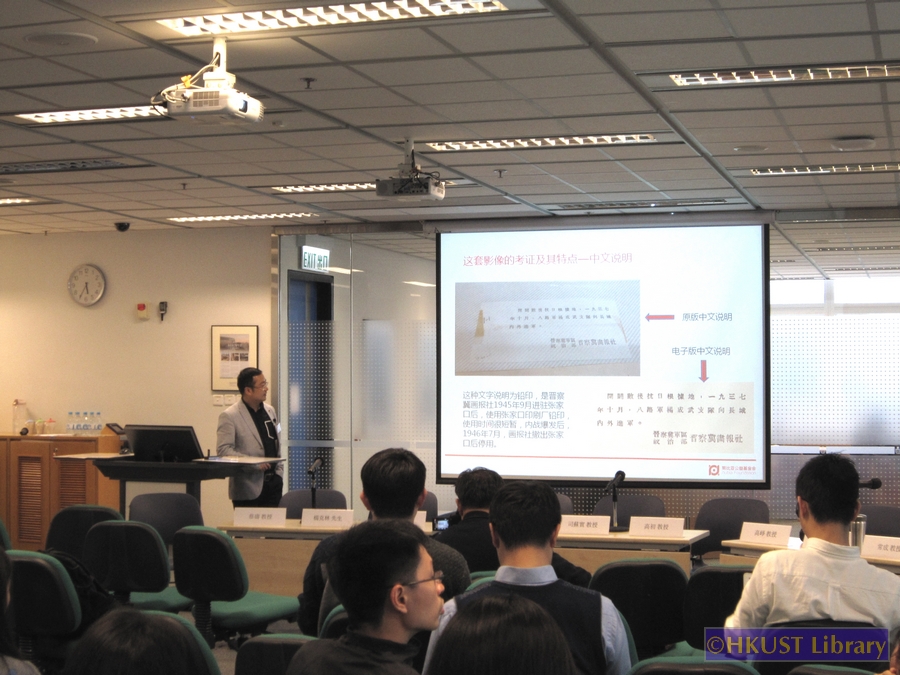
高大鯤 (努比亞品牌聯合創始人,努比亞公益基金會秘書長)
1946年5月前後,內戰爆發前夕,一套晉察冀根據地最精華的紅色影像從張家口洗印出來,這套由沙飛和戰友們拍攝的百餘幅作品帶著重大的使命要前往美國。它是如何帶著由共產黨﹑國民黨和美國軍方組成的軍調處的歷史烙印,後又到了美國左翼作家安娜·路易斯·斯特朗的手中,直到1970年代又重新在美國出現。七十年後,這套抗戰攝影作品又重新回到了中國。收藏家高大鯤將帶你一起探尋這些攝影作品與歷史人物與事件的交匯,逐步揭開這段塵封七十年的歷史。
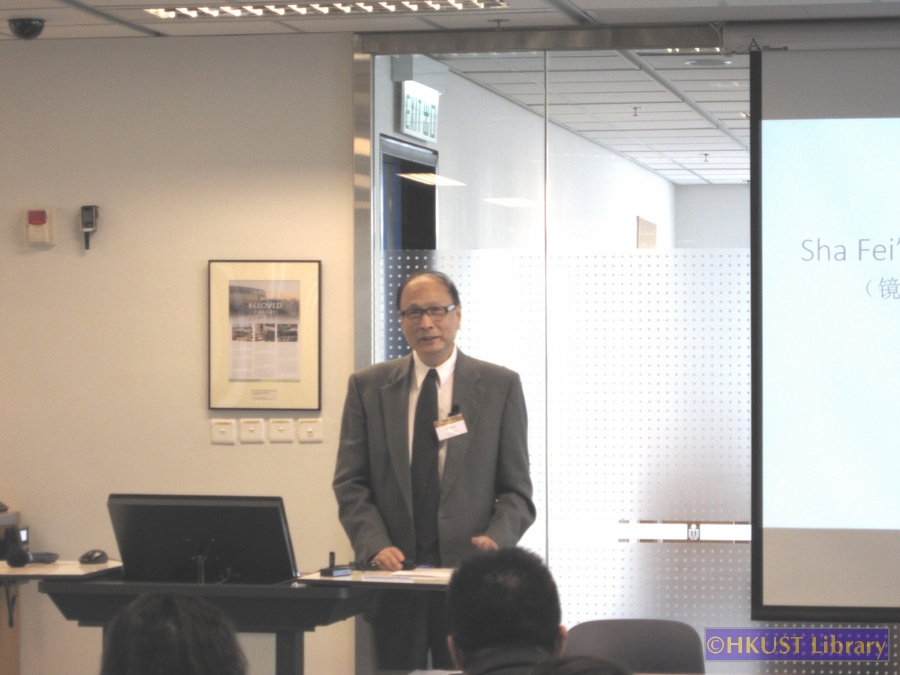
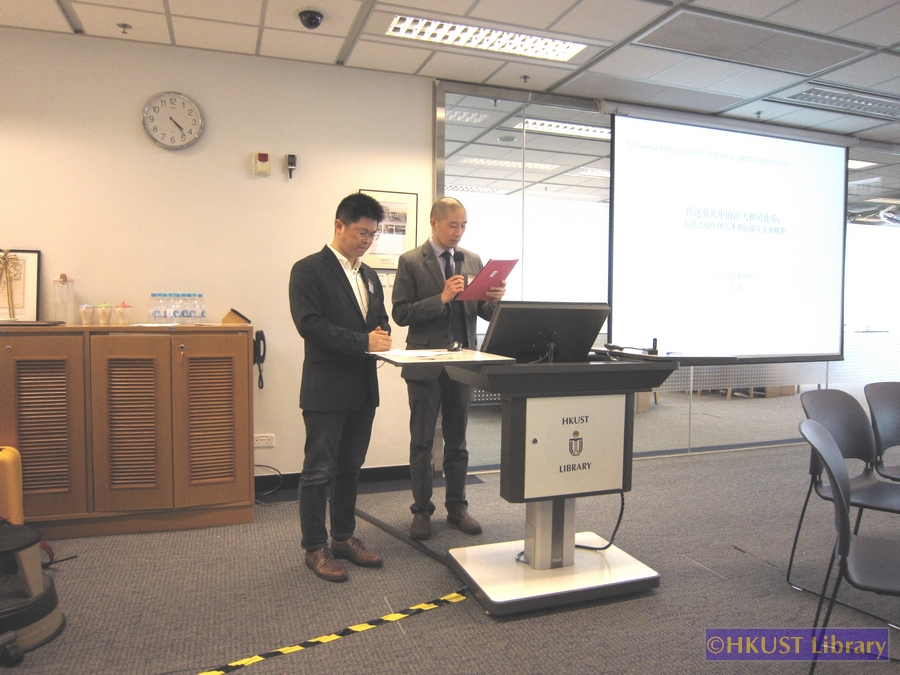
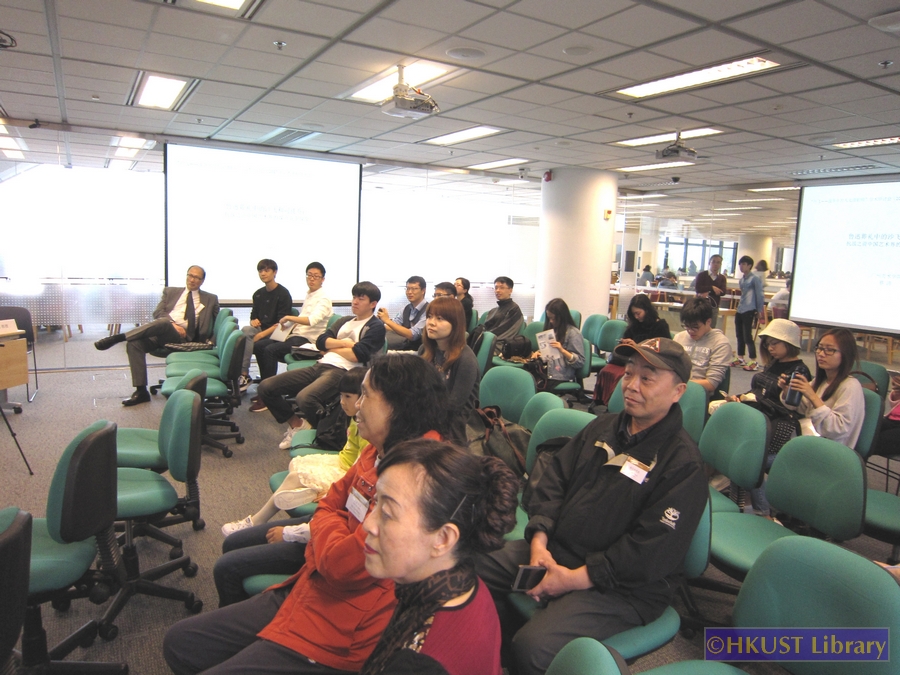
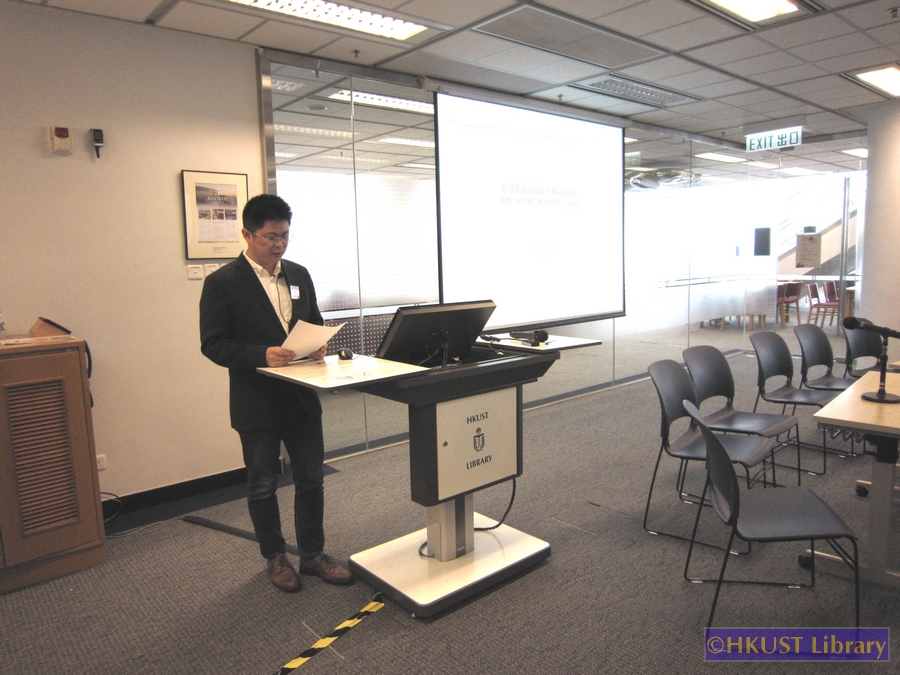
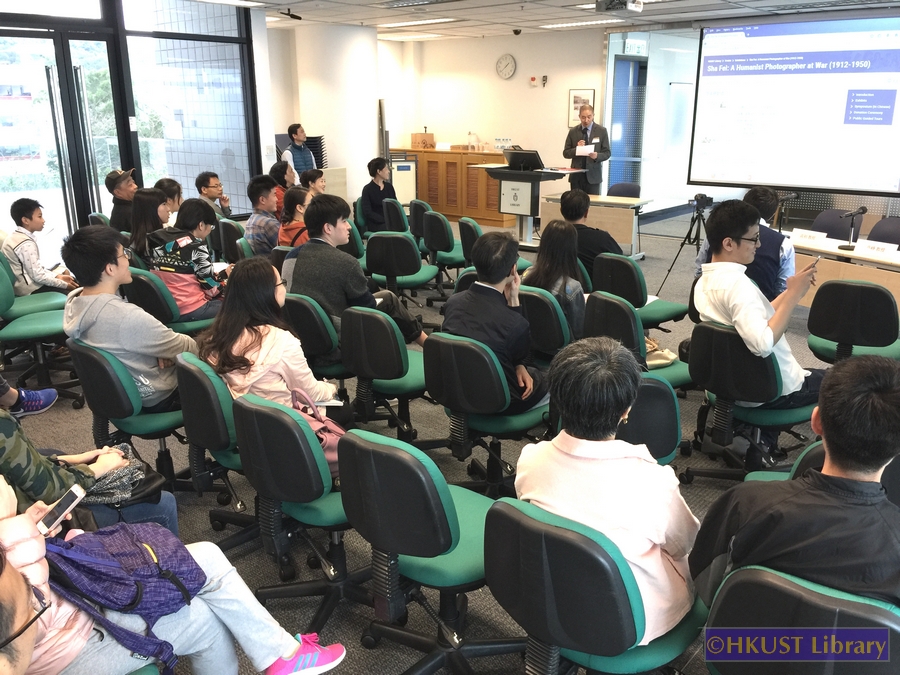
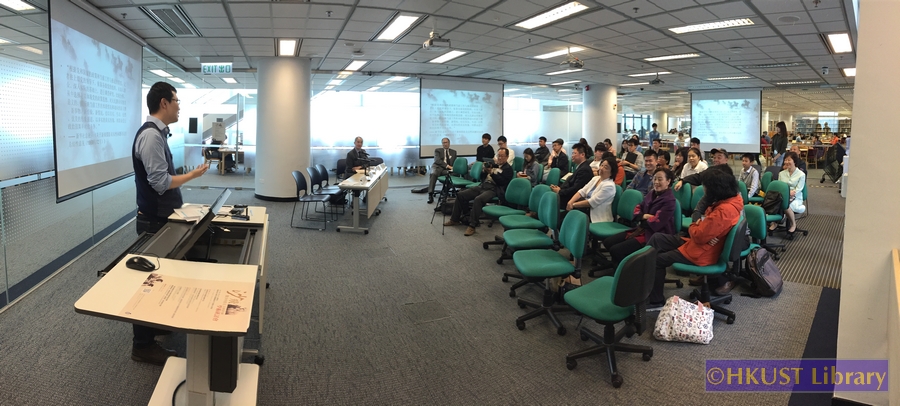
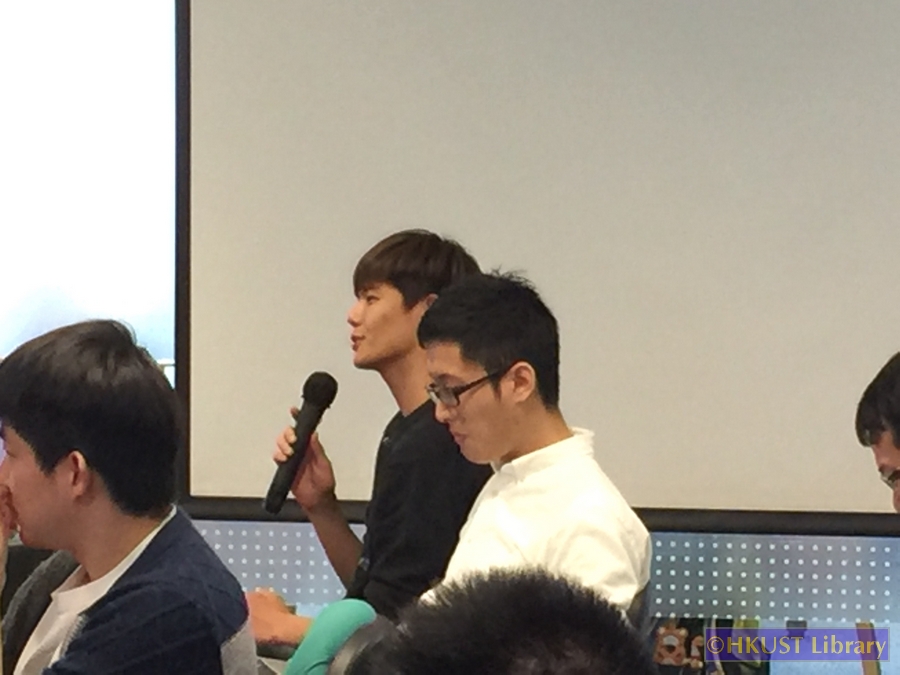
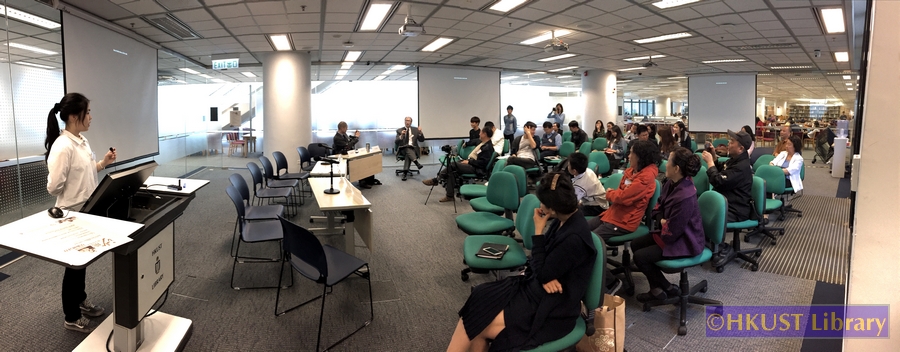
Students enrolled on the Course “HUMA4000H Picturing History: Photographers and the Making of Modern China” are required to study the exhibits of this Exhibition and write a short paper individually on a photograph by Sha Fei. The following are some of the best papers:
Lu Xun at the Second National Traveling Woodcut Exhibition by Rebecca Ha
Distributing Steamed Buns to the Families of New Recruits by Tiffany Ip
General Nie Rongzhen and Japanese Orphan Mihoko by Steven Kwong
Anti-Mopping-Up Battles in Beiyue (Northern Shanxi and Hebei) by Hester Law
Three Young Heroes in the Second Heroes Conference of the Jin-Cha-Ji Border Region (in Chinese) by Fiona Tsui
Making Copperplate for the Inaugural Issue of the Jin-Cha-Ji Pictorial (in Chinese) by Jessica Wong
Fighting on the Great Wall by Winnie Wu
• 攝影者: 沙飛新聞觸角極敏銳 , 终年只得三十八岁….可惜 。 今天影展相片重見天日…可喜。
• 非常感謝本次展覽,圖片相比文字,劇集,更生動,真實,富有張力。感謝主辦方!
• 大量珍貴照片 , 令人如親歷其境 , 印象深刻 !
• 緬懷先烈,教育後人,珍惜歷史。
• Truly enjoyed it, it was very good. As an international student, I am excited any time there is a chance of getting more familiar with the culture of this region the English descriptions were pretty good.
• Art is never truly exempt from history. Sha Fei’s documentation of this era in the form of photographs (especially that ordinary life and the everyday) absolutely bridges a gap formed by the passing of time. He creates understanding for the contemporary viewer through representation and photography as a medium is one of the most accurate in achieving that task. Sha Fei’s works – and all war photography – ensure that history is never lost and it demands us to reflect and remember. All in all, a great exhibition on part of the HKUST Library.
– A visiting art (history) student
• 一個不忘記歷史的民族, 不會被歷史遺忘!
• 以史為鑑 , 可以知興替 。
• 科大雖然成立時間短 , 但追思歷史的態度值得嘉獎 !
• 中國以千萬人員之傷亡為世界反法西斯勝利貢獻出巨大力量。中國近代以來備受別強之欺辱,失香港,丟澳門,割台灣。我中華之傳承前途堪懮,幸哉有革命先行者,愛國捐軀者……因為他們中國五千年古國得以後承然後有今日之強盛,逝者惋惜,逝者不朽。雖然今日之中國仍有諸多之問題,但因為有往日之輝煌,所以有明日之信心,中國一定能再次跑出於世界…..唐朝: 外附萬邦, 莫不臣屬….明朝:出使西洋,莫不仰望…….希望這一天能再快此回到我們身。
• 很難得看到能有人在抗日的年代拍下這些照片,最難忘的照片是聶榮臻與日本孤兒美穗子,讓人在冷酷的戰爭中依然看到一些人情味。戰爭的殘酷與仇恨換作了愛,超越國籍與種族的愛 。
• It’s important for the youth to remember our history and cherish current peace. We need to face the challenges in the world. Hope to work hard to build a beautiful tomorrow.
• 敢拍敢說敢做 。
• 这些相令人想起今日的叙利亚。庆幸生活在和平繁荣的香港 。
• We must honour those who fought for our rights, pics are a good way to remember those brave soldiers!
• 向攝影前輩學習 , 致敬!
• These photos are meaningful! 感謝攝影師冒著生命危險拍下歷史真實的一刻。
• 戰爭中 , 記錄"歷史是另一種偉大 ! 和平來之不易 , 以無數生命為化代價 . 望今天的人們以史為鑑 , 懂得珍惜 ! 很珍貴的展覽。謝謝!
• 香港學生應該多看的歷史。
• 如今山河猶在 , 國泰民安 。才不負當年血染沙場 , 告慰曾經國恥民殤。
• 是先人的浴血奮戰 , 才造就瞭如今的和平年代 ! 感謝祖國 , 更會珍惜今日的美好生活。
• 每個人都局限在一個非常狹小的時空 , 非常震憾 。
• 很好的照片最令我深刻的是將軍與日本小女道別的照片 , 令我感到人性善良。
• 厚重的歷史被一顆敏感的心,一雙敏銳的眼捕捉。
• 戰爭真的很殘酷!對留下這些照片的人,不勝感激!
• 看到了汕頭,原來他在我的家鄉生活過。
• 感謝沙飛冒著生命危險留下這些真貴的歷史圖片。這對後人是很好的教育 !
• 十分難得的照片、多謝沙飛為後人留下的照片 , 回顧過去 , 令人感受到太平盛世的幸福 。
• The guided tour is very informative and interesting. Keep up the good work guys.
• 珍惜現在 , 願世界和平 !
• 如果人類有一個共同的缺點、那就是太喜歡忘記過去。
• 世界的戰爭促成世界的合作否極泰來?
• 戰爭是可以避免的 , 和平才是無價 !
• 謝謝沙飛 , 勿忘國恥 , 緬懷歷史 , 警醒後人 , 珍惜和平 , 希望科大可以多些舉辦此類展覽活動 , 讓香港年輕一代謹記這個國家曾遭受的苦難。
• 回顧歷史 , 展望未來 , 珍惜現在的和平時光 !
• I think the tour enriched my knowledge on the detail of WWII on Chinese frontier and I think the tour tell me more about the good and the bad side of communist China. The tour guide Vivian, Jessica, Winnie and Steven did a great job. Keep it up. I hope I can see more exhibition like this in HKUST. You know it is now quite hard to see old photo like this in HK. So I look forward to see this.
• Great tour, great guides. Please more of this kind of exhibition & tours!
• Very nice exhibition! Totally loved it ! Students are really interested in these tours , so bring some more to us ! Thanks !
• 軍民團結如一人 , 試看天下誰能敵。
• 今天的幸福生活來之不易 , 多得前輩的浴血奮戰 !
• 我覺得沙飛的攝影技朮很好 , 這與他的努力結合起來形成了寶貴的作品 , 很有收藏價值 !
• 好一個統戰的記述, 篡改歷史手段 Communism本來就是一個宣傳歷史發展定律的普世進程由 vanguard 發動, 今天的非普世價值論述不過是隱藏策略。日後又是血海攻堅, 死人無數的紅色白骨陣。
• 自由: 國民黨時期是多少的問題 , 共產黨時期是有與無的問題。
