



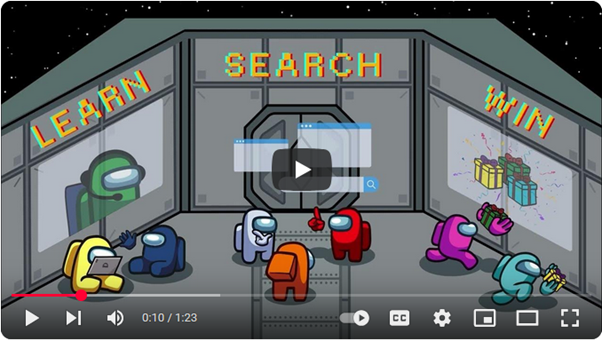
Hey there! Get ready for E-Discovery Week 2025 at the HKUST Library, happening next week from Feb 17–21. This will be our 6th time hosting this event, and this year, we’re bringing in the fun with the popular game “Among Us” to spice things up!
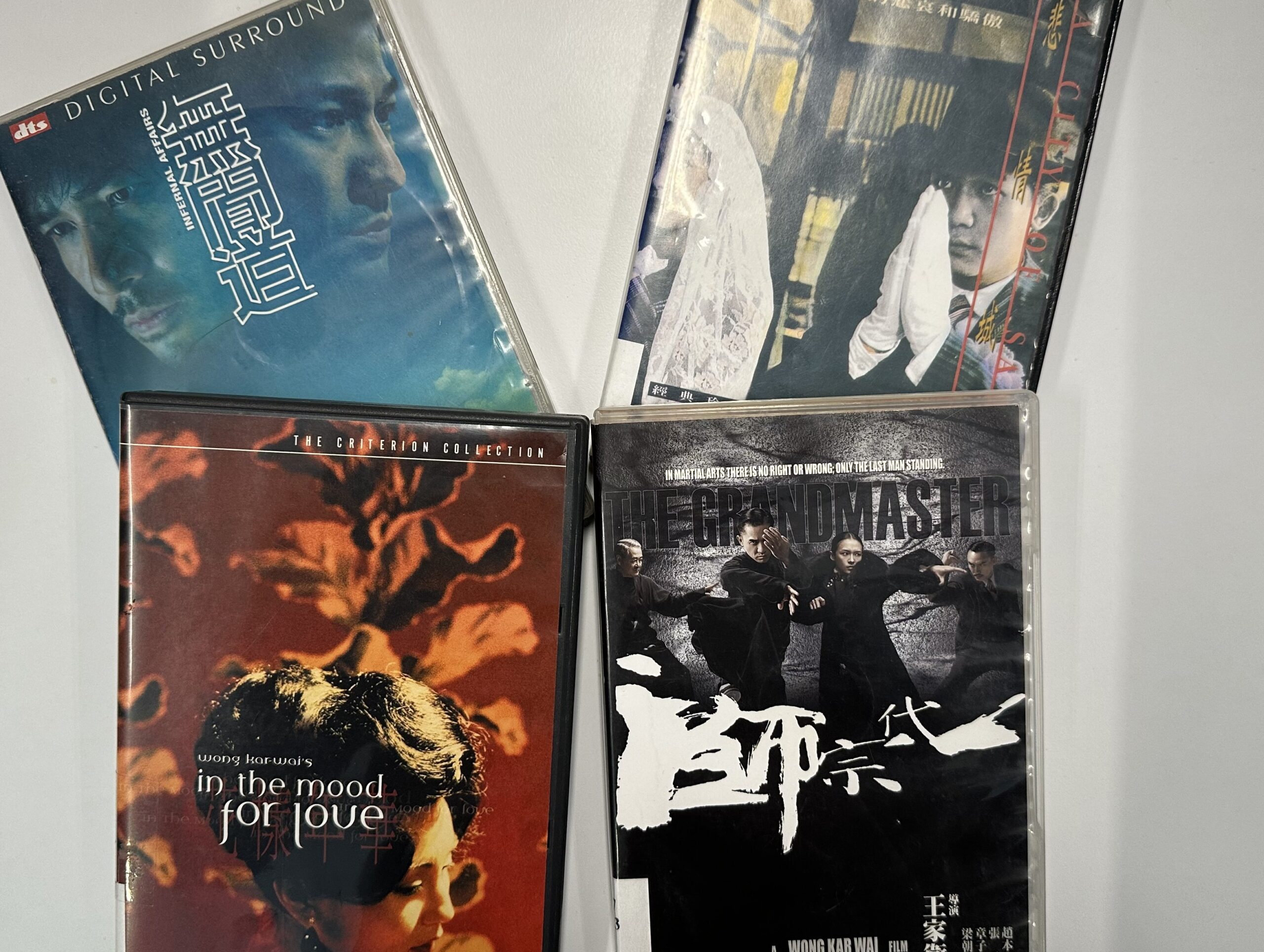
Being a recent recipient of our university's Doctor of Humanities honoris causa, Tony Leung Chiu Wai (梁朝偉)'s artistry has reached global cinema for decades. Do you know that our library also holds several of his notable films? From his early works in the 1980s to his martial arts tour de force in "The Grandmaster" (2013), you can trace his remarkable acting journey through our library collection. Among our extensive collection of his works, here are some highlights: People's Hero [人民英雄] (1987) City of sadness [悲情城市] (1989) Chungking Express [重慶森林] (1994) In the Mood for Love [花樣年華] (2000) Infernal Affairs [無間道] (2002) Red cliff [赤壁] (2008) Red Cliff II [赤壁決戰天下] (2009) The Grandmaster [一代宗師] (2013) You can search "梁朝偉" in our PowerSearch and limit your search results to "Video", or go directly to the Media Collection on LG1 to look for more! Whether you're a film enthusiast, studying cinema, or seeking quality entertainment, these acclaimed titles—from Hong Kong to Hollywood—offer diverse storytelling. Take advantage of the upcoming Lunar New Year holiday to explore these films and immerse yourself in world-class cinema while you recharge. Warm reminder: check out a DVD driver at the G/F Service Counter for 7 days if you don't have one at home! Lester Chan Librarian (Learning Support) lblester@ust.hk
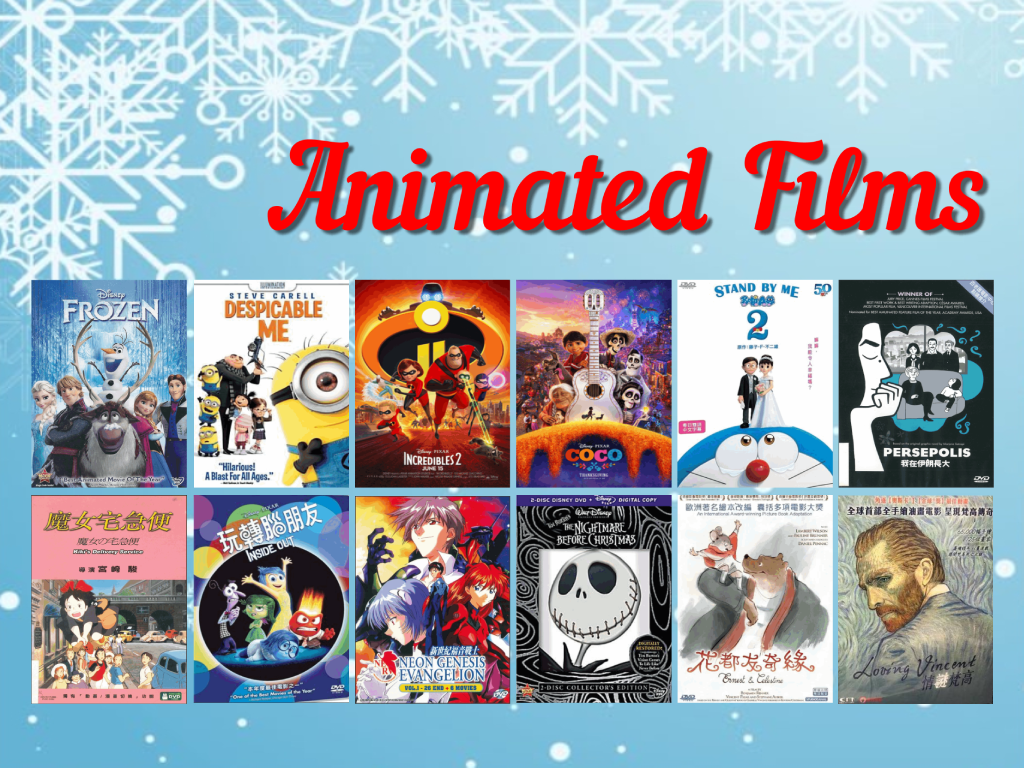
Get ready to cuddle up with our fabulous selection of 100 animated films! Whether you’re a Disney fan or new to animation, we’ve got something for everyone. Relive your childhood with Disney classics like Aladdin, Cinderella and The Lion King. Or, enjoy modern hits like How to Train Your Dragon 2 and Frozen I & II for a magical night in. Don’t miss out on the excitement of Japanese animation with the Detective Conan Series, or the stunning films Your Name (君の名は) and A Silent Voice (映画 聲の形). And, of course, we have a treasure trove of beloved Studio Ghibli classics! Need a DVD drive? Swing by the G/F Service Counter to borrow one for 7 days! So, what are you waiting for? Check out some DVDs from the Library, and dive into the enchanting world of animated storytelling.
The Semester is Ending! In the midst of all the end-of-semester work, we sometimes need to relax with a good read or interesting video. Or, we like to imagine or even plan our relaxation and fun for after we've sat our last exam in December, or handed in the last section of grades (if we're a teacher or TA). Science & Science Fiction – Fuel for the Imagination For centuries, science and science fiction have been linked: inspiring happy dreams, terrifying nightmares, or thought experiments in between. Both explore and extrapolate from past and present into the future. Both fuel our imaginations. To make it easier for HKUST people to “fuel up” from now until the end of January 2025, library staff have made a Science & Science Fiction Collection Highlights. It has books and videos on interesting scientific topics and classic and recent science fiction, in both English and Chinese. The physical display of some of the print books and DVDs is near the Service Desk on the G/F. If the title you want isn’t on the table, ask staff for it at the Service Desk.
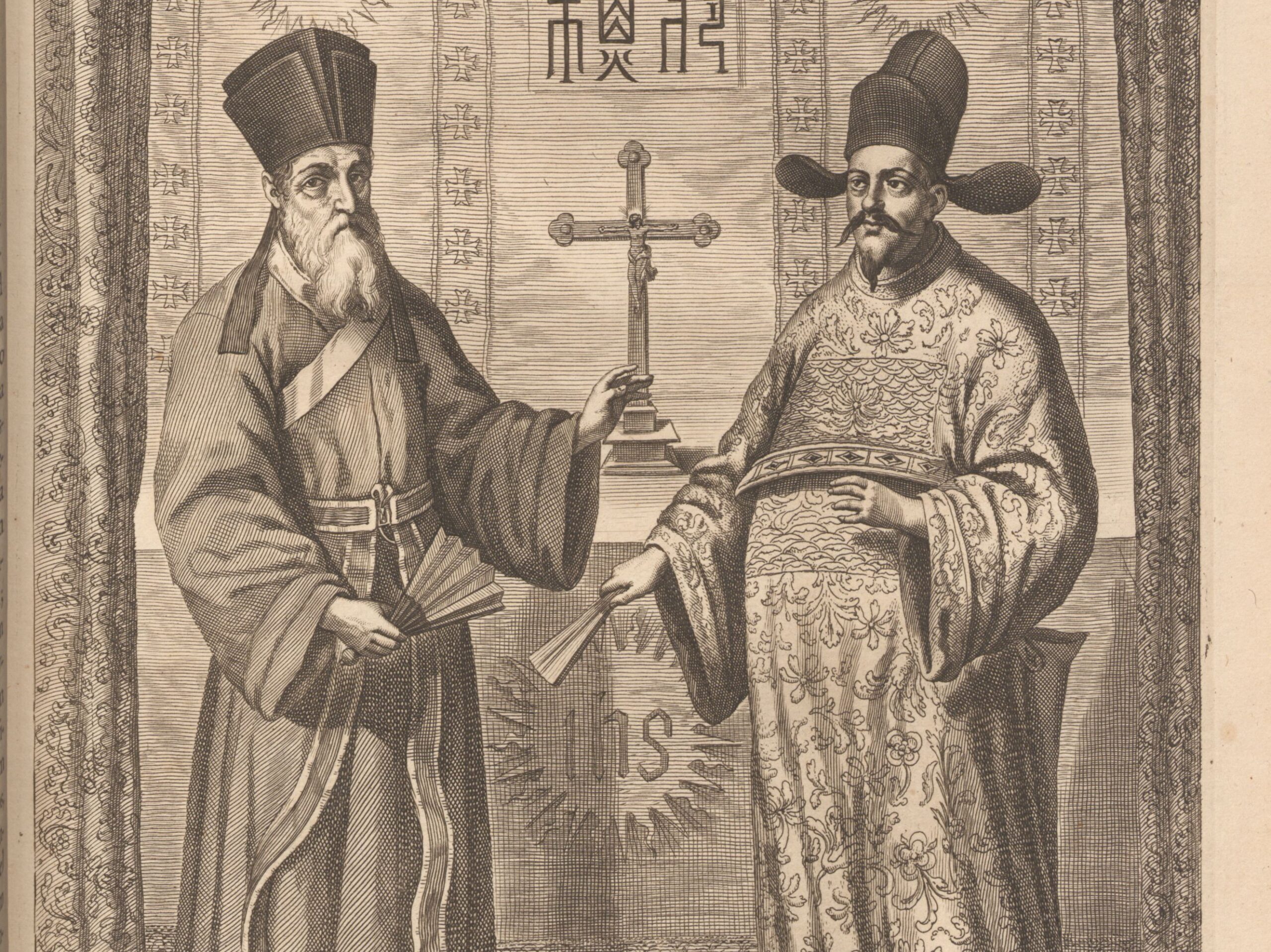
You might have heard the Italian name Ricci – perhaps Ricci Hall, one of the oldest residential halls at HKU. But do you know who Matteo Ricci was? The man who made this Italian name famous in China. Who was Matteo Ricci? Matteo Ricci (1552-1610) was one of the first Jesuit missionaries who tried to spread Christianity in China. He was born in Macerata, a small town in central Italy with a population of just under thirteen thousand. At the age of 20, Ricci was admitted to the Roman College, a Jesuit university renowned for its expertise in natural philosophy. Hmm, what exactly was natural philosophy? Mathematics, astronomy, music, geography, and more technical disciplines like mechanics and architecture. For example, how to craft a globe?
As ChatGPT celebrates its second birthday, we thought it was a good time to showcase our comprehensive collection of AI-related books that capture this transformative moment in history. Introducing our new book display: “Popular Readings on AI”—a curated selection of around 380 books, available in both print and e-format. From the latest in technology and education to the impact of AI on business, medicine and beyond, this collection is now on display at the G/F of the Library, ready for you to explore. Selecting the Books: A Fun Challenge Curating this display was both fun and challenging. We started with a giant list of over 6,000 AI-related books published after 2020, aiming to narrow it down to the best mix of popular, accessible, and informative reads—not too technical, not overly academic. As the subject librarian responsible for book selection, I spent quite some time digging into bestseller lists, reviews and recommendations from Amazon and other trusted sources. It wasn’t just about picking the top-rated books, but to represent a variety of perspectives and topics. Whether you are a tech newbie, a business leader, or interested in AI ethics, we wanted to make sure there’s something here for you. Setting Up the Display: A Team Effort Bringing this display to life was truly a collaborative effort, with colleagues from multiple teams in the library to make it happen. It all started with our Collection Development team, who compiled a comprehensive list of AI-related books from our collection for me to select the most relevant ones to feature.
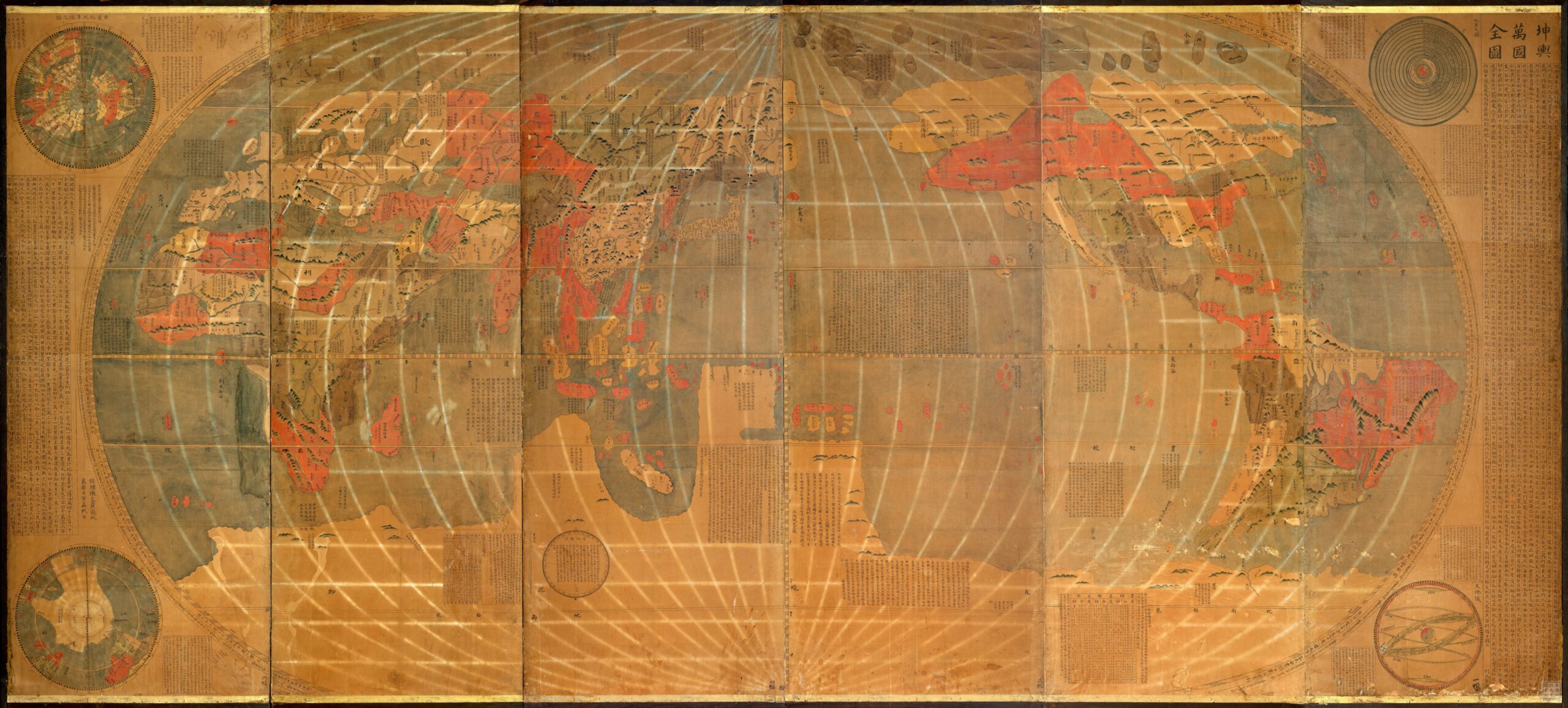
Did you know this is one of the most glamorous items in our Special Collections? Known as 坤輿萬國全圖, in elegant classical Chinese, literally meaning Map of the Ten Thousand Countries of the Earth, it also has a nickname in English – Ricci Map. Why Ricci in English? Why does this map, titled in Chinese, carry an Italian name in the English-speaking world? It’s an attribution to the mapmaker, Matteo Ricci (1552-1610). He was an Italian missionary of the Society of Jesus and one of the first Jesuits to arrive in Ming China. At the imperial court of Emperor Wanli 萬曆, he served as an expert in astronomy, geography, and mathematics. His map is the first world map based on European cartography but positioned China at the center of the world. However, Ricci did not create this map alone. He closely collaborated with Chinese scholars and artisans, including Li Zhizao 李之藻 (1565-1630), a scholar-official from Hangzhou.
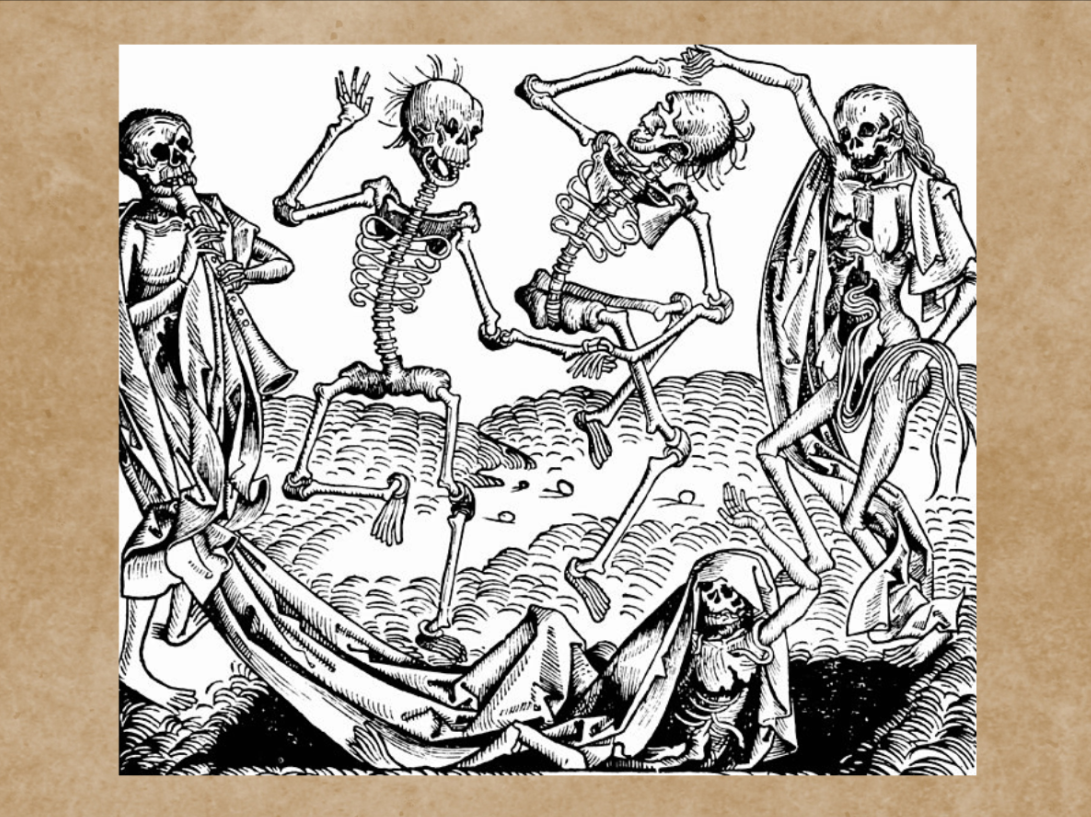
Part 1 discussed how students can fight monsters of anxiety about grades & GPA by laughing and learning with the Wisdom Stone Game. But, some carry around other fears. Since childhood, we’ve become familiar with the idea or cliché of corpses and skeletons coming to life. Others may fear living creatures like spiders or snakes. We get “spooked out” by such things, except when they are silly or pretty. There’s a long tradition of dealing with these fears by confronting or even celebrating them. Here’s an example: Danse Macabre, composed by Camille Saint-Saëns, performed by Lydia Ayers, Andrew Horner, and Stella So. Danse Macabre, also called the Dance of Death, is an allegorical concept said to encapsulate the unconscious fear of death.1 The popularity of the Danse Macabre art such as poetry, music and drama, can be traced back to the 13th century, when Europeans became obsessed with death inspired by the Black Death and the Hundred Years’ War.2 This video of a puppet show, available on DataSpace@HKUST, is part of a collection of the music, and puppet productions of the late Dr. Lydia Ayers, a former professor at HKUST, given by her widower, Dr. Andrew Horner, a professor of Computer Science here.
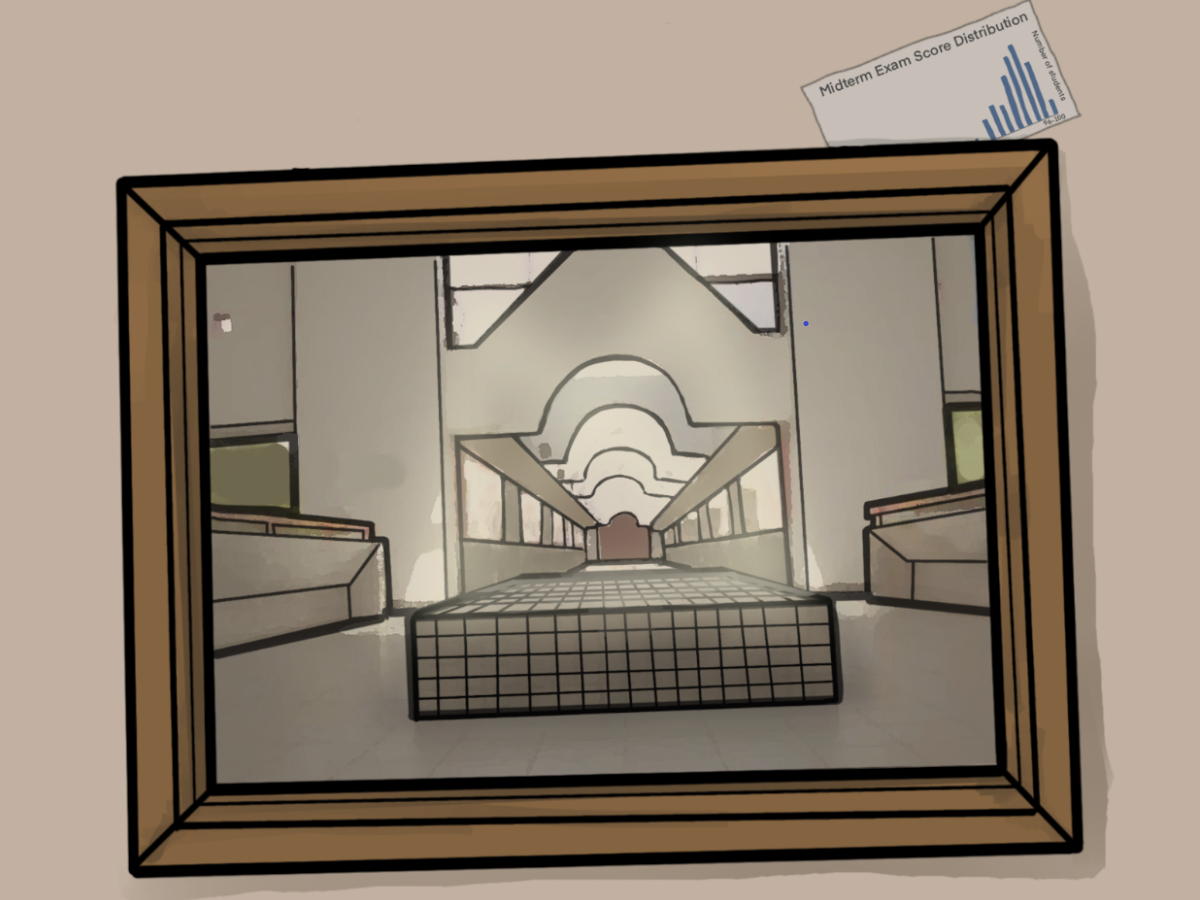
Halloween is a time when stories with mystery and imagination come alive. When we were young and had limited understanding of the world, we might struggle to differentiate between fantasy and reality. Thus, our fears were mostly related to imaginary creatures, mythical scenarios or the dark. The older I get, the more I realize that thrilling mysteries are not based solely on our imaginations, but on things close enough to “haunt” our memories and connected deeply to our personal fears. This is why the HKUST campus legends mostly relate to studies. We take our exam results and learning outcomes seriously: they become the root of our anxiety. I can relate it because I graduated from HKUST too. Remember how people in the Harry Potter series banished their boggarts, which took the form of their worst fear? They shouted “Riddikulus!”. Thus, we can defeat fear by humor and laughter. If our boggarts are anxiety about our grades and GPA, let’s turn it into something fun and interesting, so it can never dominate our spirits.
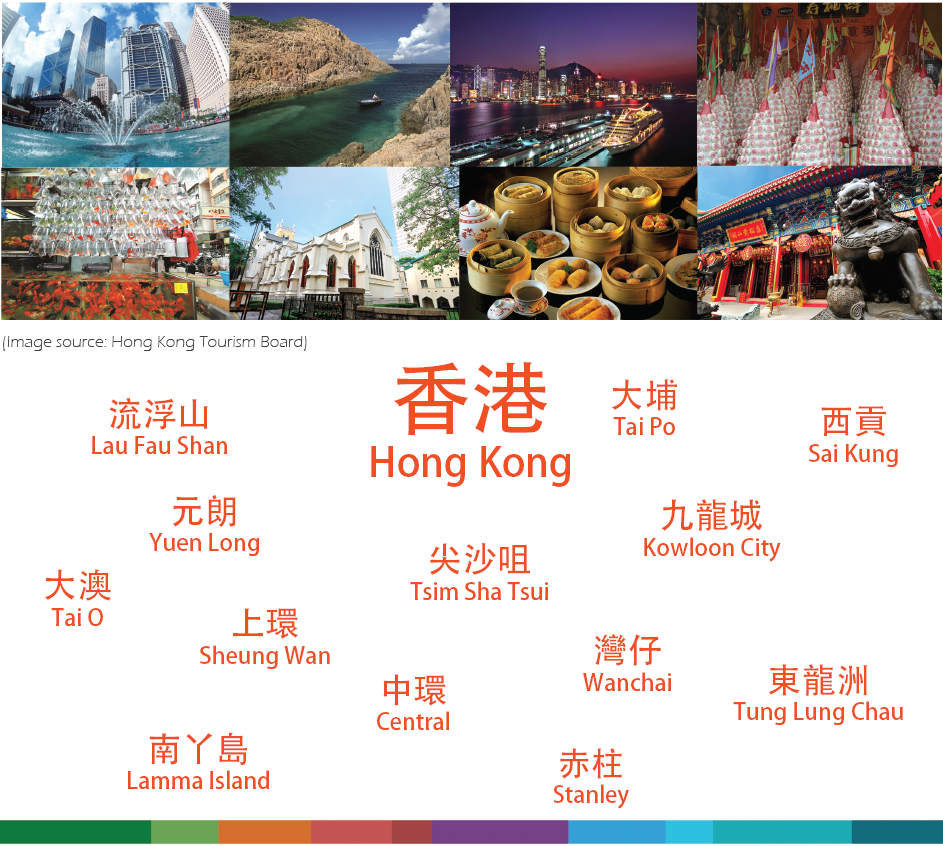
Hi everyone! Have you checked out our “Discover Hong Kong” Book Display on the ground floor of the Library? It’s filled with fantastic books about our vibrant city, and I think you’ll enjoy it! Whether you’re a local, an exchange student, staff, or a faculty member, there’s something for everyone in this display. You’ll find a variety of titles, from cultural heritage books and engaging memoirs to helpful travel guides, all featuring stunning photos and stories that truly capture the spirit of Hong Kong. You can explore both print books and e-books. If you love holding a book in your hands, come to the Library and check them out! Prefer to read online? No problem! You can dive into the e-books anytime, anywhere.
