





Hi everyone! Our Library has a wide range of romance films, and I have chosen over 70 amazing titles for you to enjoy. While streaming is popular, there’s something really special about watching DVDs that I think you will appreciate. Plus, we have DVD drives available for loan if you need one! Here are some of my all-time favorites: Begin Again: A touching story about finding new directions and creativity, with a great soundtrack. If you like this film, don’t miss “Once” by the same director, John Carney. Though its visuals might not be the best, the story is genuine and deeply moving! La La Land: Dive into the bright world of dreams and love in this beautiful musical. The music really impressed me when I saw it in theaters! Love Story: A classic film that tells a touching tale of love overcoming obstacles.
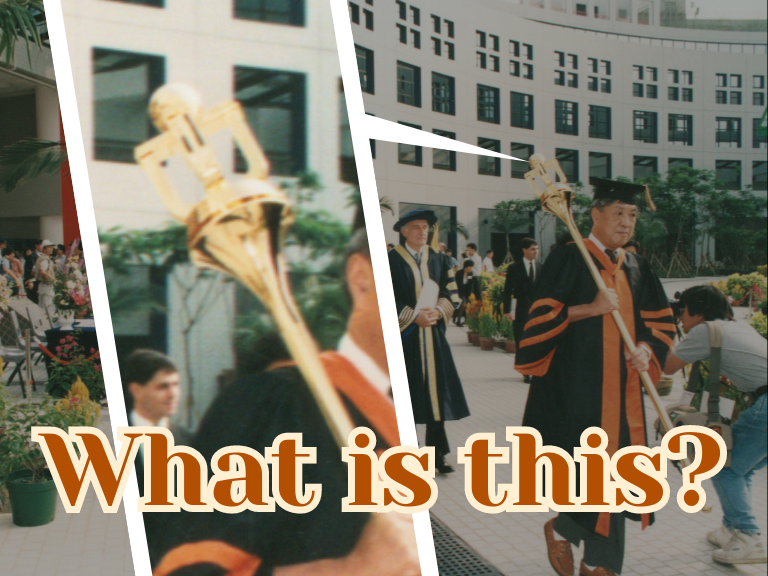
If you have ever been to one of the congregation ceremonies at HKUST, you might be wondering ─ what is that long stick the procession leader is carrying? A staff of some sort, perhaps, but what is it for? Despite its unconventional appearance, this is the University’s ceremonial mace. Most universities have a ceremonial mace displayed on formal occasions like congregations, and HKUST is no exception. Ours is unique in two ways. It is longer than traditional ceremonial maces, measuring over 1.5 meters and weighing in at over 15 kg (35 pounds) ─ as heavy as a small child! And it sports a sleek and modern design that features our university’s emblem, much unlike the ornate designs used by monarchies or other older universities. Left: A close highlight of the HKUST mace, HKUST Library Right: Chancellor’s mace, figure of Louis XIV, of Saint-Louis at the Palais du Tau, G. Garitan, CC BY-SA 3.0, via Wikimedia Commons Where did maces come from? Why do they appear in university ceremonies?

Interested to know how many volumes of print books were added to the Library collection in the last academic year? Just 2,380 volumes. I say “just” because this is less than one tenth of the number of ebooks added within the same period. The Library has adopted e-preferred policy for some years, meaning we buy ebooks where possible. Where e-version is not available, we fall back on print. Let’s zoom into the 2,380 print volumes; half of them are Chinese language titles. For the other half, the majority are western titles that are only published in print, mainly from small publishers, or textbooks whose e-version can only be licensed to individuals for personal use or with very high subscription price. We also buy popular reading in print. We believe good thrillers or suspense novels, for instance, are compelling page turners, and people would enjoy having a paper book in hand. Do stop by the New Arrivals corner on Library G/F to check out our latest print books.
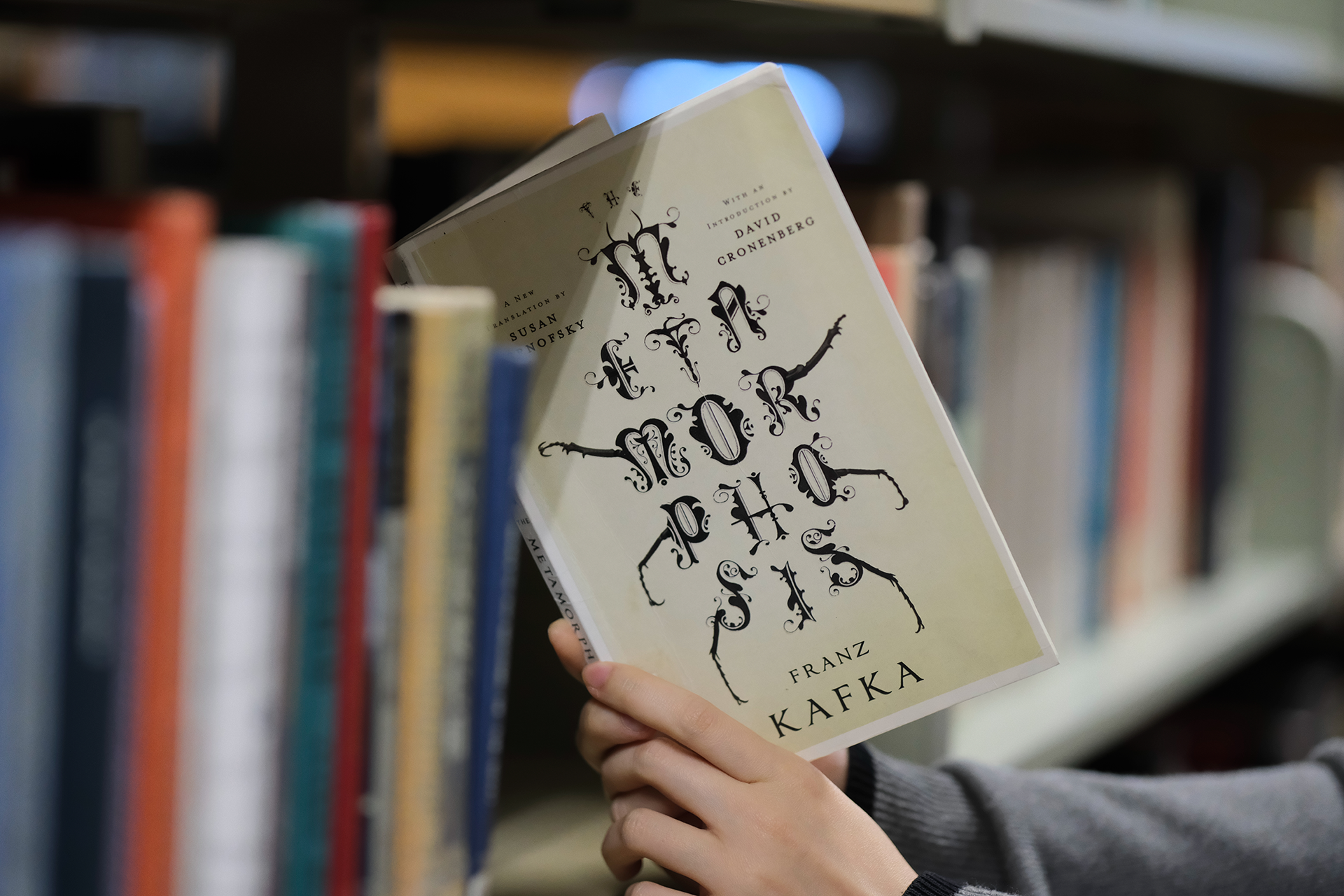
Summer induces the vibrancy of awareness. While we are gazing at the fiery blue sky, in the next breath, our faces are already dotted with raindrops from the gloom of dark clouds. There is nothing more absurd than that – uncontrollable, ever-changing, bizarre randomness. Absurdity is what you try to understand, yet far beyond your understanding. “The right understanding of any matter and a misunderstanding of the same matter do not wholly exclude each other.” In the summer of 1914, Franz Kafka began to write The Trial, yet left the ending of the story incomplete and unknown before his death. The trial of Josef K. never ends. Absurdity. Summer is associated with Kafka. On June 3, 1924, Kafka died in a sanatorium in Austria, just one month before his 41st birthday.
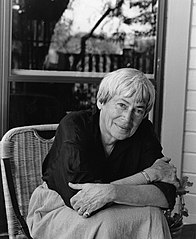
Lots of people assume that if you're a librarian, or work in a library you must love to read. It's a stereotype and in my case a true one. :) I like to read and recommend stories, books, poems, plays and all sorts of things to others.This post is the first in what I hope will be a series on good reads. Ursula K. Le Guin (1929-2018) was an American novelist, essayist, poet and short-story writer. She first became well-known for her Wizard of Earthsea fantasy series, aimed at the young, but enjoyed by people of all ages. Her main genre was science fiction, but she also wrote fantasy, poetry, essays, and fiction set in the "real world" . One of the things I like about her books is how they explore human relations and societies in what to the reader are very unusual situations. To get a start with her work, let me recommend two nice ones that are short and easy entries into her writing. The Lathe of Heaven ( PS3562.E42 L3 2003). This short novel, first published in 1971 is set in a future Portland Oregon, beset by the problems of global warming and over-population. The main character, George Orr, has a problem: his dreams change reality in the waking world. If I tell you more, I'll be guilty of "spoiling". But I can say that the situation is fascinating and the writing is simple, yet poetic.
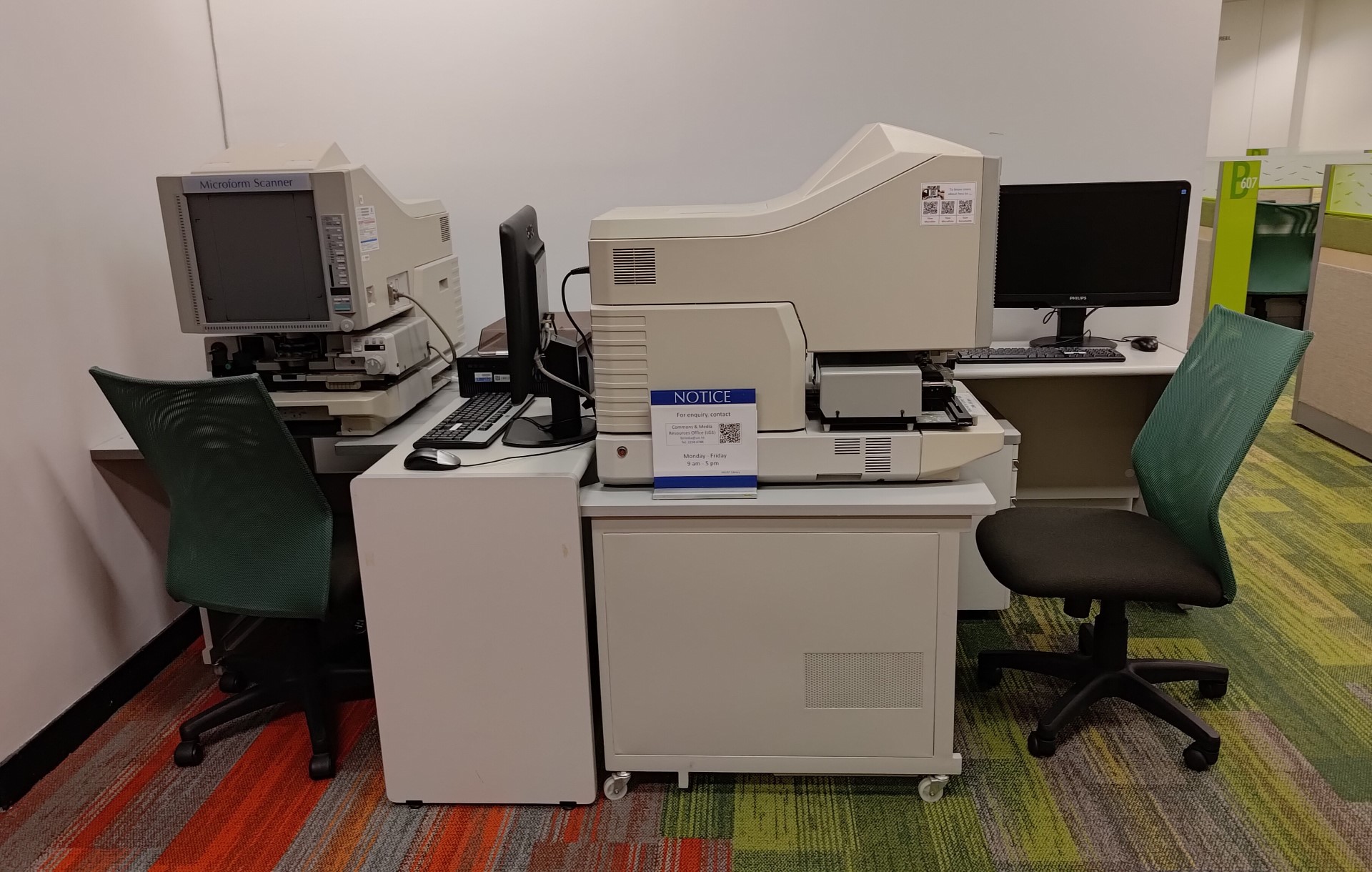
Now that you see the new Study Pods you might ask what happened to the microforms collection which used to be there? Simple - we moved it down to LG4! This took a long time and a lot of work. The carriages on LG4 had to be modified to handle the microform cabinets with their deep drawers, and then the existing compact shelving portion had to be dismantled and the floor fixed up for the pods. One exciting moment was when the movers dropped a whole drawer of microfiche and it went everywhere! It took a few days, but Library staff eventually got it all cleaned up and reordered back in the drawer. Edward Spodick Associate Director of Library Services lbspodic@ust.hk
