


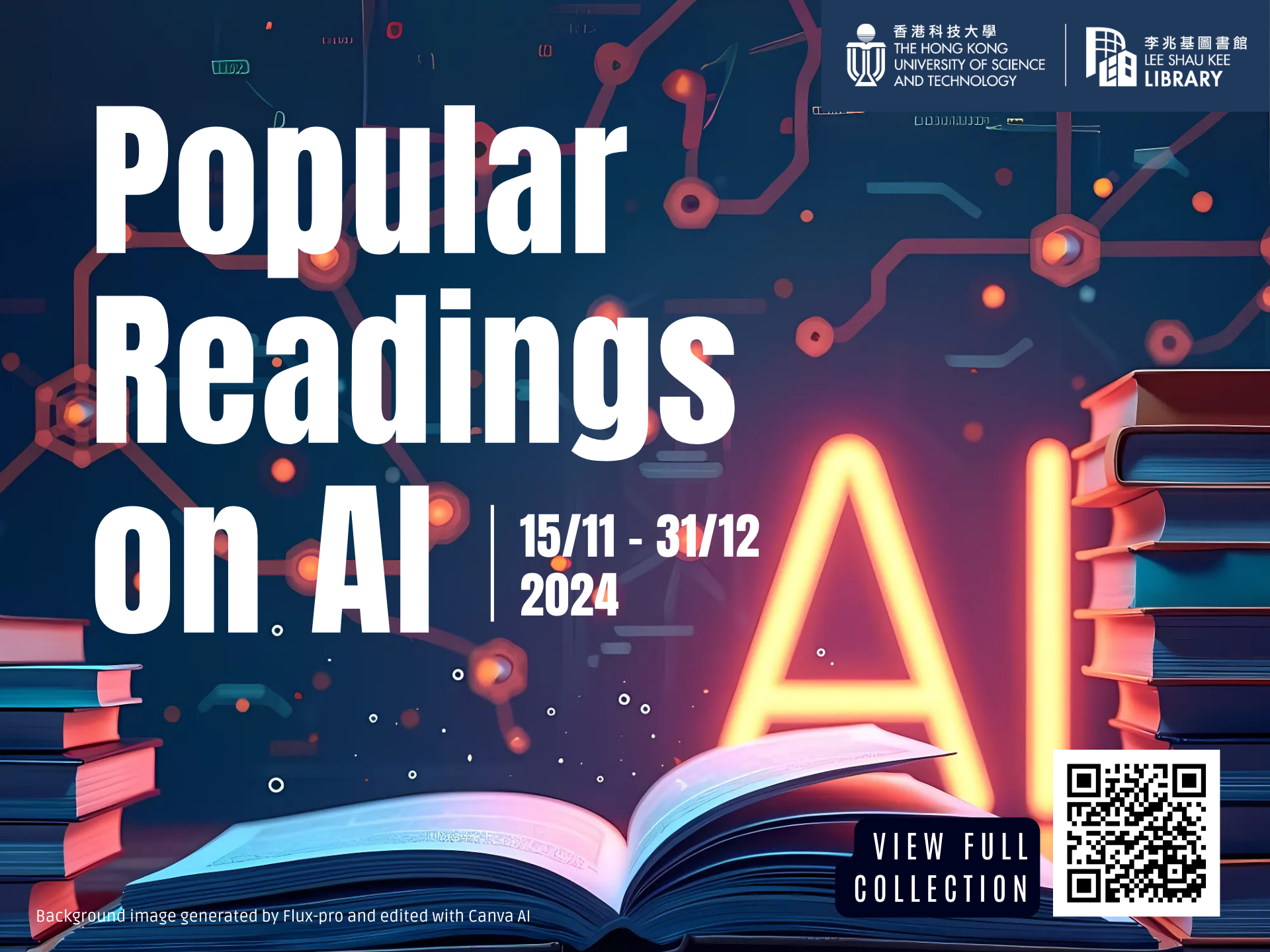
As ChatGPT celebrates its second birthday, we thought it was a good time to showcase our comprehensive collection of AI-related books that capture this transformative moment in history. Introducing our new book display: “Popular Readings on AI”—a curated selection of around 380 books, available in both print and e-format. From the latest in technology and education to the impact of AI on business, medicine and beyond, this collection is now on display at the G/F of the Library, ready for you to explore. Selecting the Books: A Fun Challenge Curating this display was both fun and challenging. We started with a giant list of over 6,000 AI-related books published after 2020, aiming to narrow it down to the best mix of popular, accessible, and informative reads—not too technical, not overly academic. As the subject librarian responsible for book selection, I spent quite some time digging into bestseller lists, reviews and recommendations from Amazon and other trusted sources. It wasn’t just about picking the top-rated books, but to represent a variety of perspectives and topics. Whether you are a tech newbie, a business leader, or interested in AI ethics, we wanted to make sure there’s something here for you. Setting Up the Display: A Team Effort Bringing this display to life was truly a collaborative effort, with colleagues from multiple teams in the library to make it happen. It all started with our Collection Development team, who compiled a comprehensive list of AI-related books from our collection for me to select the most relevant ones to feature.
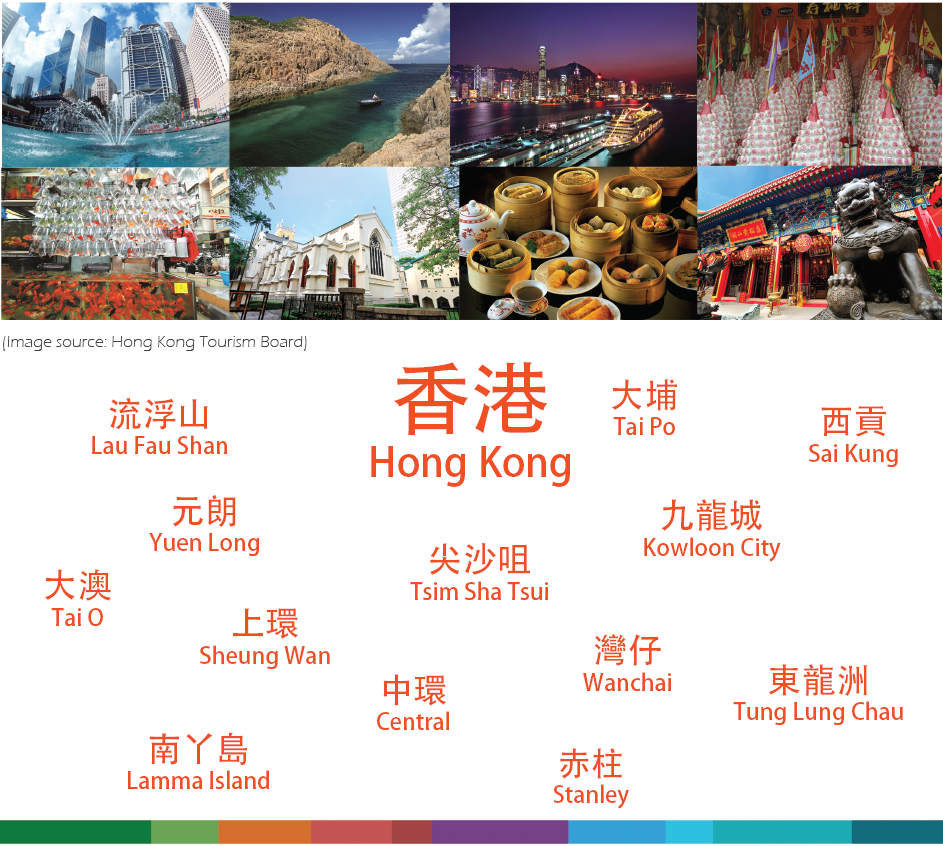
Hi everyone! Have you checked out our “Discover Hong Kong” Book Display on the ground floor of the Library? It’s filled with fantastic books about our vibrant city, and I think you’ll enjoy it! Whether you’re a local, an exchange student, staff, or a faculty member, there’s something for everyone in this display. You’ll find a variety of titles, from cultural heritage books and engaging memoirs to helpful travel guides, all featuring stunning photos and stories that truly capture the spirit of Hong Kong. You can explore both print books and e-books. If you love holding a book in your hands, come to the Library and check them out! Prefer to read online? No problem! You can dive into the e-books anytime, anywhere.
Interested to know how many volumes of print books were added to the Library collection in the last academic year? Just 2,380 volumes. I say “just” because this is less than one tenth of the number of ebooks added within the same period. The Library has adopted e-preferred policy for some years, meaning we buy ebooks where possible. Where e-version is not available, we fall back on print. Let’s zoom into the 2,380 print volumes; half of them are Chinese language titles. For the other half, the majority are western titles that are only published in print, mainly from small publishers, or textbooks whose e-version can only be licensed to individuals for personal use or with very high subscription price. We also buy popular reading in print. We believe good thrillers or suspense novels, for instance, are compelling page turners, and people would enjoy having a paper book in hand. Do stop by the New Arrivals corner on Library G/F to check out our latest print books.
Another good read (author I'm fond of) is Marge Piercy. Like Ursula LeGuin, she also writes both poetry and prose. I came to her poetry, after enjoying her novels. Most of her novels are set in the contemporary world when they were published, such as, Small Changes, but some in the historic past, like Gone to Soldiers, and some are science fiction, like He, She, and It. Here's a poem she wrote that may help to inspire you: For the Young Who Want To, from her poetry collection, Circles on the Water (1982),. We have it in the book collection (PS3566.I4 A6 1982). It starts off: "Talent is what they say you have after the novel is published and favorably reviewed. Beforehand what you have is a tedious delusion, a hobby like knitting." This poem is encouraging young people (or beginners of any age) to keep at it, despite the discouraging atmosphere for the arts (or the life of the mind in general. So, I think it can apply to science or any creative endeavorl. She has another great poem in that collection, called To be of Use, in which she described people who wholeheartedly enter into work, good work. That poem ends with: "The work of the world is common as mud. Botched, it smears the hands, crumbles to dust.
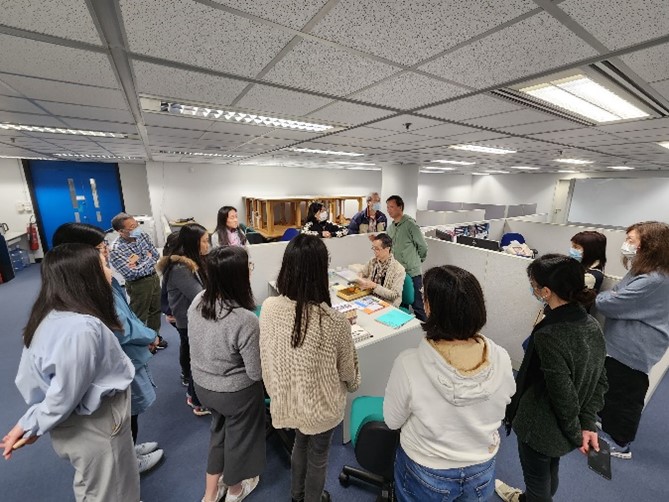
One of our Library staff colleagues has some skill in repairing books. Others asked them to host a workshop so more staff could learn these skills. They used a variety of tools and techniques to show how to fix different problems with worn or damaged books. Despite the Library's collections moving more and more towards electronic resources, many of us still enjoy the look, feel, or smell of physical materials. The Story below provides tips on how to repair damaged books and explains when it's appropriate to buy a new one instead of trying to repair it. 1. 牛油紙 2. 膠片板 3. 針筆 4. 竹籤 5. Acid free 無色無味膠漿 6. Acid free 膠紙 … 感謝一直做紙本書修復的同事, 願意不收學費地給Resources Management (RM)組員一節修復紙本書的展示。 所有 RM 組員, 包括80後及90後的都出席了。 在短短一小時的示範當中, 我感受到紙本書修復員對書本的熱愛。 示範中不停重複的話: ”書本那裏受傷的” ”要如何驗傷" "不同的受傷有不同的處理" 再看他小心翼翼地用各種手法去處理書本上的傷口。 在 electronic version preferred 的年代 圖書館增買紙本書越來越少。 內容過時的舊書又會從館藏中淘汰 … 圖書館職員仍決定將這些手藝傳承下去。 示範的時候有組員提問: 如果有一頁被撕去一半 該如何修? 從管理角度, 正確的答案是: 如能買得到及價格合宜, 直接買一本新的, 如非必要, 不應該花人力物力去修復。 但…總會遇到必要修復的情況, 比如教授需要的書已經絕版, 非得買來有“傷口”的二手書, 又有書會附加一張勘誤表, 不粘好就會與書失聯等。 示範黏上失落書頁時, 修復員用心地叮囑, 先要把牛油紙小心安放, 再塗無色無味膠漿在頁邊及書脊, 牛油紙的作用是保護書本內頁, 避免膠漿塗在書脊傷口以外的地方。 並囑咐膠漿乾掉之後, 要輕輕的把牛油紙撕去, 如不能盡撕, 則寧願把牛油紙邊懸留下, 以免把傷口又再撕開。 無酸性膠紙則可以用在小破口 … 大家可會在圖書館翻看舊書的時候, 尋找一下這些修復的痕跡? Patti LaiLibrarian (Resource Management)lbpatti@ust.hk
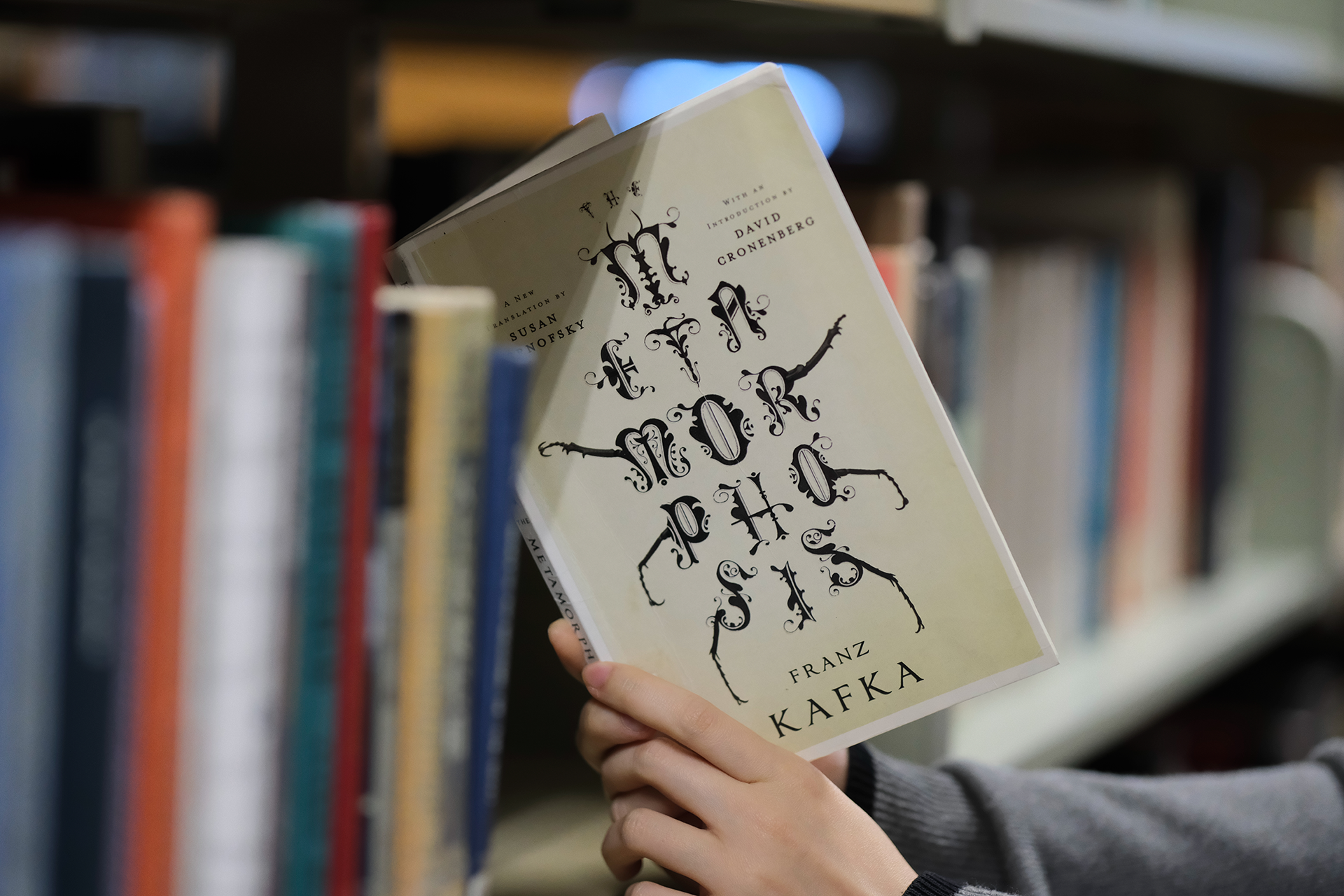
Summer induces the vibrancy of awareness. While we are gazing at the fiery blue sky, in the next breath, our faces are already dotted with raindrops from the gloom of dark clouds. There is nothing more absurd than that – uncontrollable, ever-changing, bizarre randomness. Absurdity is what you try to understand, yet far beyond your understanding. “The right understanding of any matter and a misunderstanding of the same matter do not wholly exclude each other.” In the summer of 1914, Franz Kafka began to write The Trial, yet left the ending of the story incomplete and unknown before his death. The trial of Josef K. never ends. Absurdity. Summer is associated with Kafka. On June 3, 1924, Kafka died in a sanatorium in Austria, just one month before his 41st birthday.
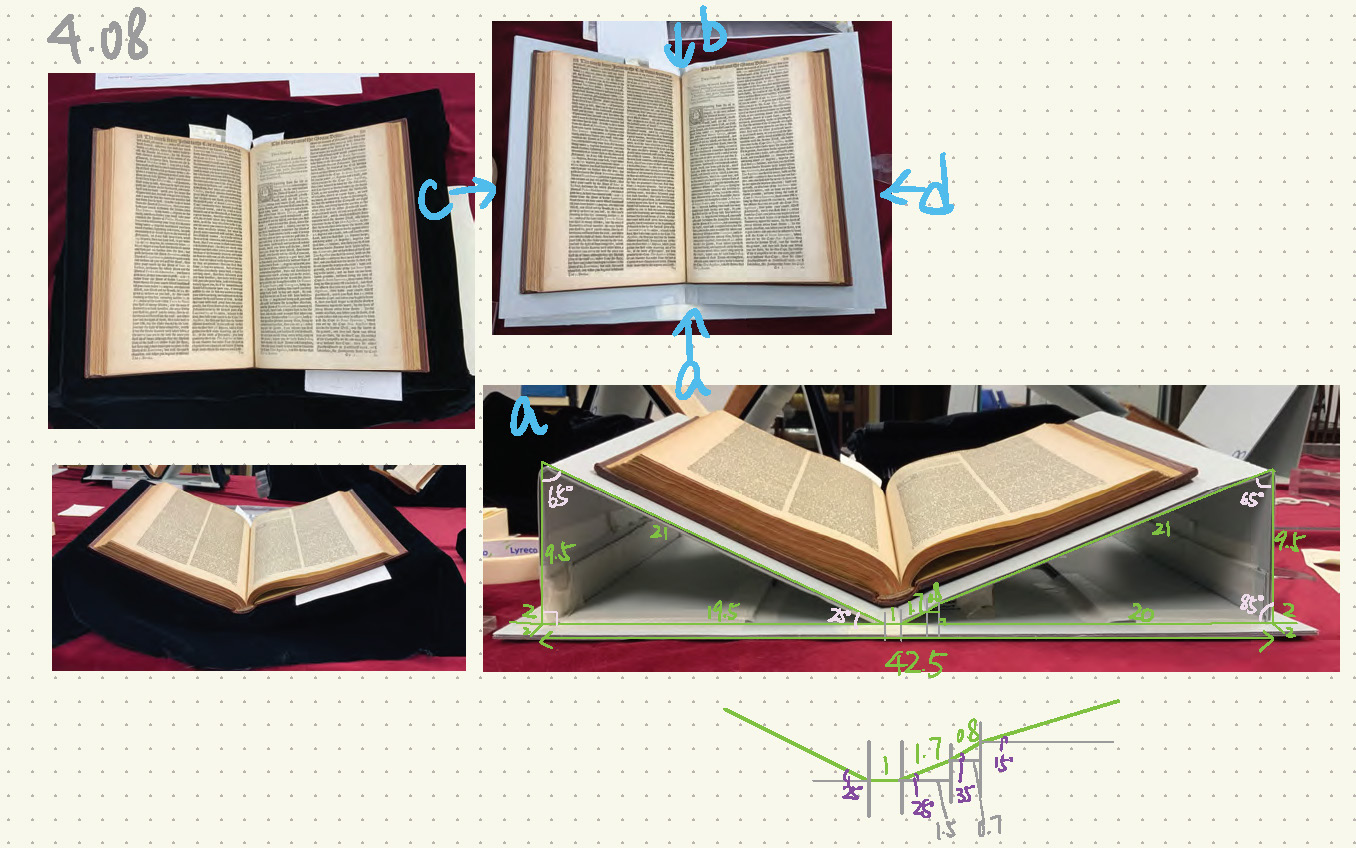
While visiting the map exhibition in the Library, you may not notice what is underneath the rare books on display. Guess what, it is more than just a stand! These rare books from our Special Collections have various ages; some older ones were published in the early 1600s, so they are almost 400 year old! To display them without hurting them is a huge challenge. Each book needs a custom-made support, called a cradle, that lets it stay open at the particular page and angle in the most comfortable way. In May 2023, library colleagues Fiona, Lu, and June worked together as the "cradle team" to tackle the challenge. For each book, they had to take these steps: 1. Determine the angle: they first had to figure out with the curators which page was to be shown; then they determined the best angle to let the book stay open. This was crucial to ensure that the book spine wouldn't be damaged while still allowing visitors to read the text and illustrations. 2.
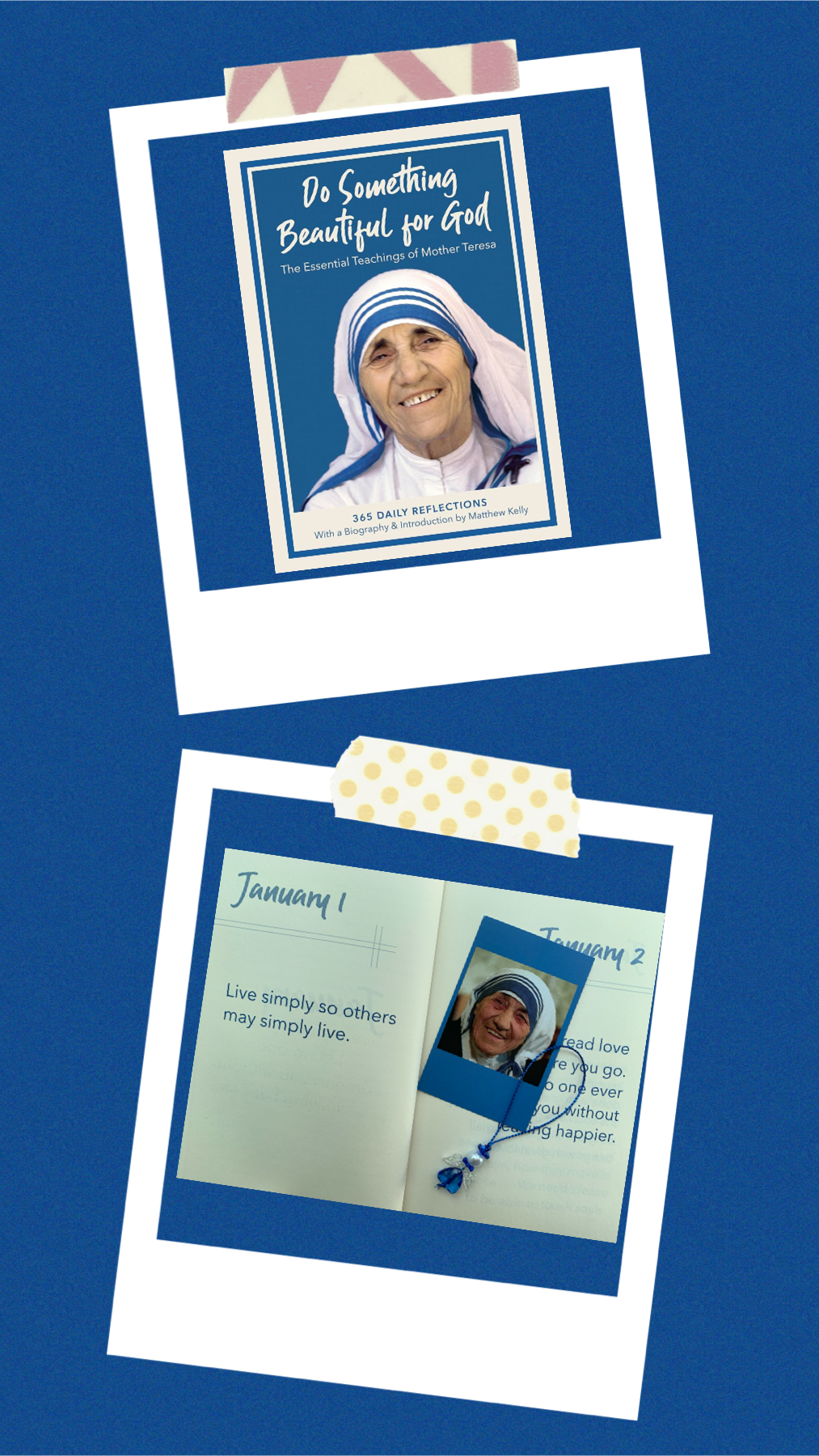
You don’t need to be a Catholic to love this little book^. It is now featured in the Library G/F Collection Highlights corner in celebration of International Women’s Day. Mother Teresa was small in physical stature, but a spiritual giant to many. She founded in 1950 the Missionaries of Charity, a congregation of Catholic sisters, to serve the poorest and the smallest in the Calcutta slums of India. If you have never heard of Mother Teresa, Google and ChatGPT can fill in all the details for you. This book works like a flippable calendar to me. While my IPhone calendar reminds me of countless errands and deadlines, a daily piece of wisdom from Mother Teresa puts my jampacked life into perspective and keeps reminding me to do good, no matter what, where, and how. It goes from January 1 through December 31, and works like 'an angel a day keeps the devil away'. It’s incredibly green. When December is gone, start afresh with January 1.
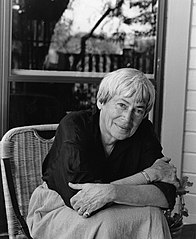
Lots of people assume that if you're a librarian, or work in a library you must love to read. It's a stereotype and in my case a true one. :) I like to read and recommend stories, books, poems, plays and all sorts of things to others.This post is the first in what I hope will be a series on good reads. Ursula K. Le Guin (1929-2018) was an American novelist, essayist, poet and short-story writer. She first became well-known for her Wizard of Earthsea fantasy series, aimed at the young, but enjoyed by people of all ages. Her main genre was science fiction, but she also wrote fantasy, poetry, essays, and fiction set in the "real world" . One of the things I like about her books is how they explore human relations and societies in what to the reader are very unusual situations. To get a start with her work, let me recommend two nice ones that are short and easy entries into her writing. The Lathe of Heaven ( PS3562.E42 L3 2003). This short novel, first published in 1971 is set in a future Portland Oregon, beset by the problems of global warming and over-population. The main character, George Orr, has a problem: his dreams change reality in the waking world. If I tell you more, I'll be guilty of "spoiling". But I can say that the situation is fascinating and the writing is simple, yet poetic.
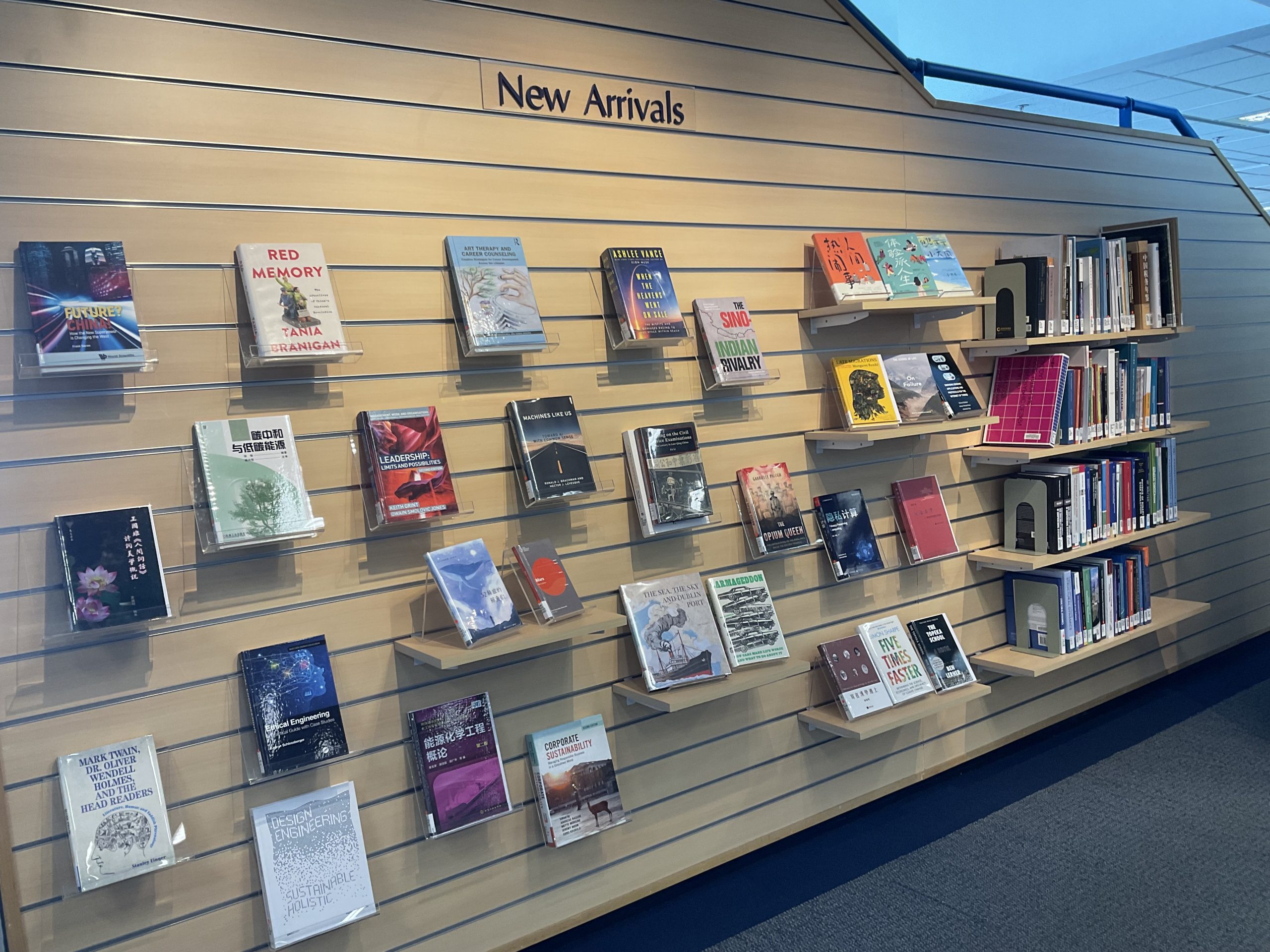
Do you have a favourite spot in the Library? For me, the corner I like the most is the New Arrivals wall on G/F. Here, you come face-to-face with the latest books in our Library. The display is always so colourful and visually attractive, and I often encounter books that pique my curiosity. For example, today I picked up a book called Less is More, which is about the “Degrowth” approach to reverse the ecological crisis that we are facing. It may change how I see the world, or it may not at all. I won't know until I read it. But what I do know is that if I hadn't stumbled upon it in the New Arrivals section, I probably wouldn't have learned about the idea of "Degrowth". In librarians’ jargon, we call this “serendipity” – the way of encountering books and ideas by chance in libraries. In Chinese, I like to call it “碰緣分“.
