




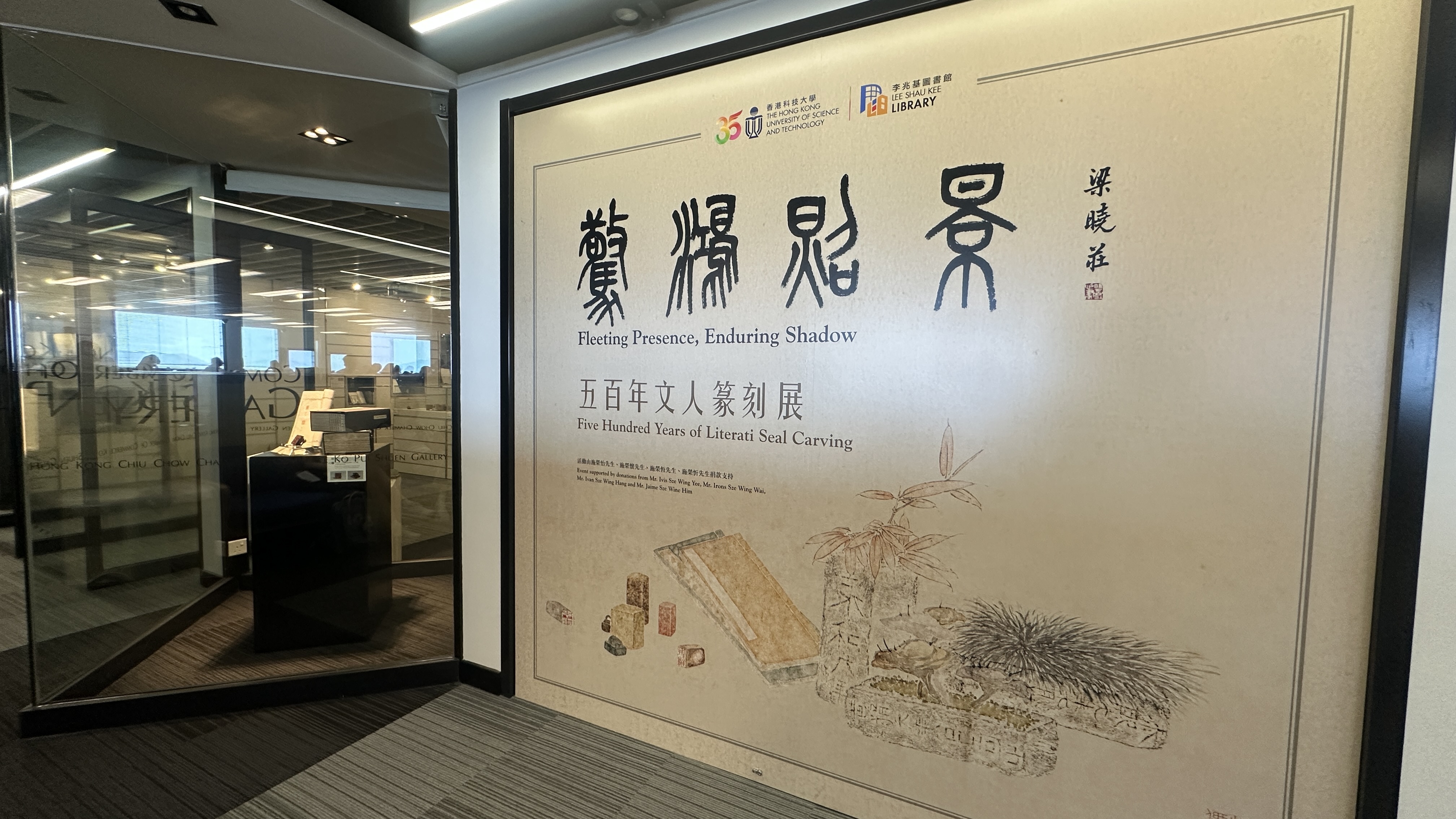
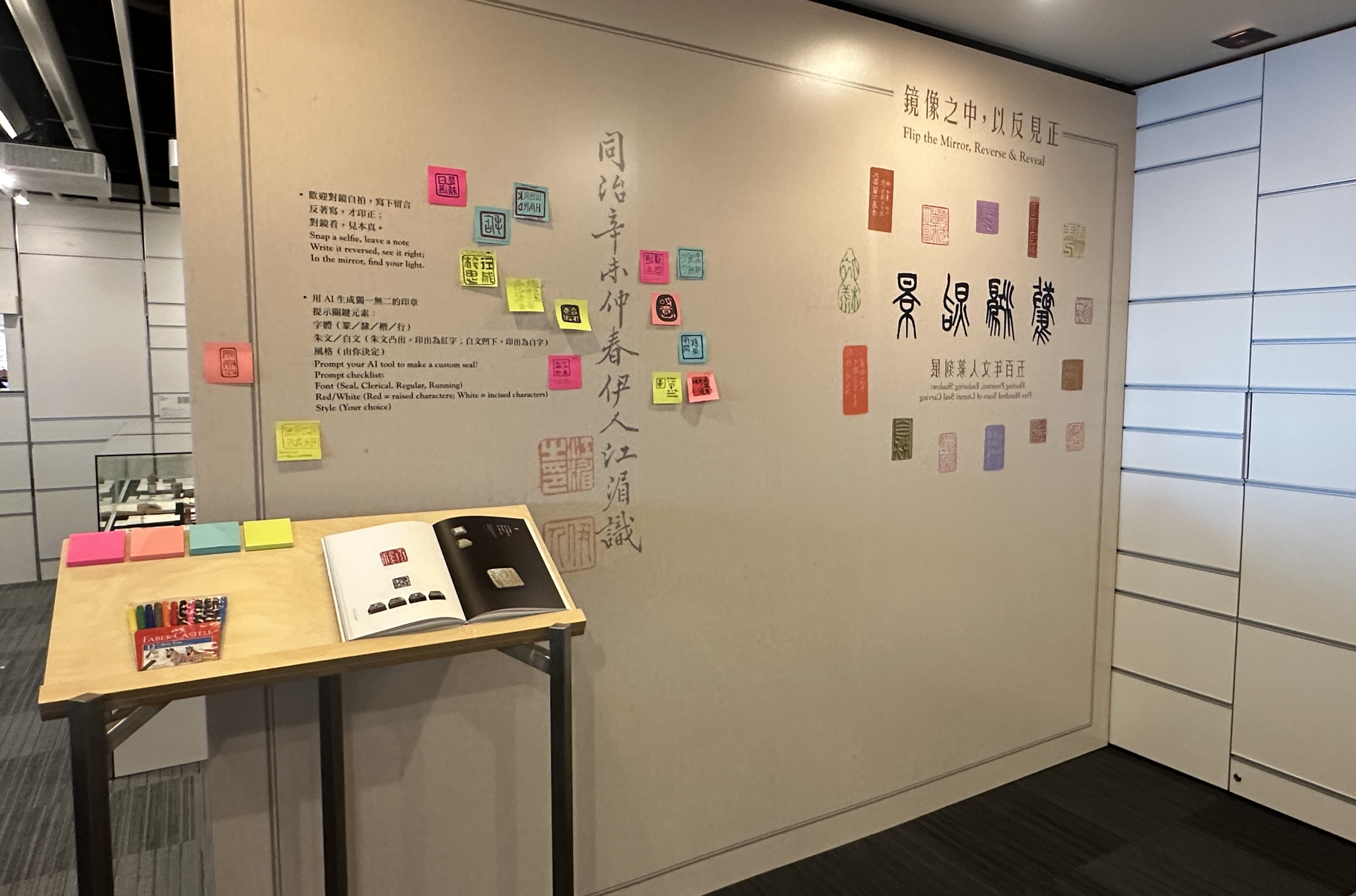
Fleeting Presence, Enduring Shadow: Five Hundred Years of Literati Seal Carving
Supported by donations from Mr. Ivis Sze Wing Yee, Mr. Irons Sze Wing Wai, Mr. Ivan Sze Wing Hang, and Mr. Jaime Sze Wine Him
The Hong Kong University of Science and Technology Library is honoured to present the exhibition “Fleeting Presence, Enduring Shadow: Five Hundred Years of Literati Seal Carving” as the university celebrates its 35th Anniversary. Since the university’s founding, the Library has sought to connect the HKUST community to arts and cultural heritage; this exhibition reflects that commitment.
While seal engraving has thousands of years of history, the exhibition looks at the past five centuries. It shows how these small objects evolved into an important art form among Chinese literati and became a medium for personal expression by scholars. Thanks to the generosity of two prominent Hong Kong collectors, Mr. Lam Cheung Chung and Mr. Ling Xiang, the exhibition shares 280 exquisite seals and over 60 seal impression catalogues. It offers a unique opportunity for HKUST students and community to appreciate the craftsmanship and to feel a moment of connection with the scholars of the past.
This event is supported by donations from Mr. Ivis Sze Wing Yee, Mr. Irons Sze Wing Wai, Mr. Ivan Sze Wing Hang, and Mr. Jaime Sze Wine Him. We express our deepest gratitude for their vital support, as well as our heartfelt appreciation to our Library colleagues whose dedication and hard work brought this exhibition to fruition.
Gabrielle WONG
University Librarian
Mr Lam Cheung Chung (b. 1950, Hong Kong) uses the studio name Chung Jam Hin. Originally from Haifeng, Guangdong, he is a bibliophile, painter, calligrapher and connoisseur. An accomplished seal carver, he is dedicated to the study of seal impression catalogs and his collection currently features over 3,860 volumes.
Mr. Ling Xiang (b. 1974) uses the studio name Shiqi Caotang. Originally from Shaoxing, Zhejiang, and now residing in Hong Kong, he is a Fudan University journalism graduate. Early in his career, he worked in media; in later years, he turned his focus to the research and collection of literati seals. His collection features over 2,000 seals by 900 artists. His publications include Yinjian and Wenren Yinniu.
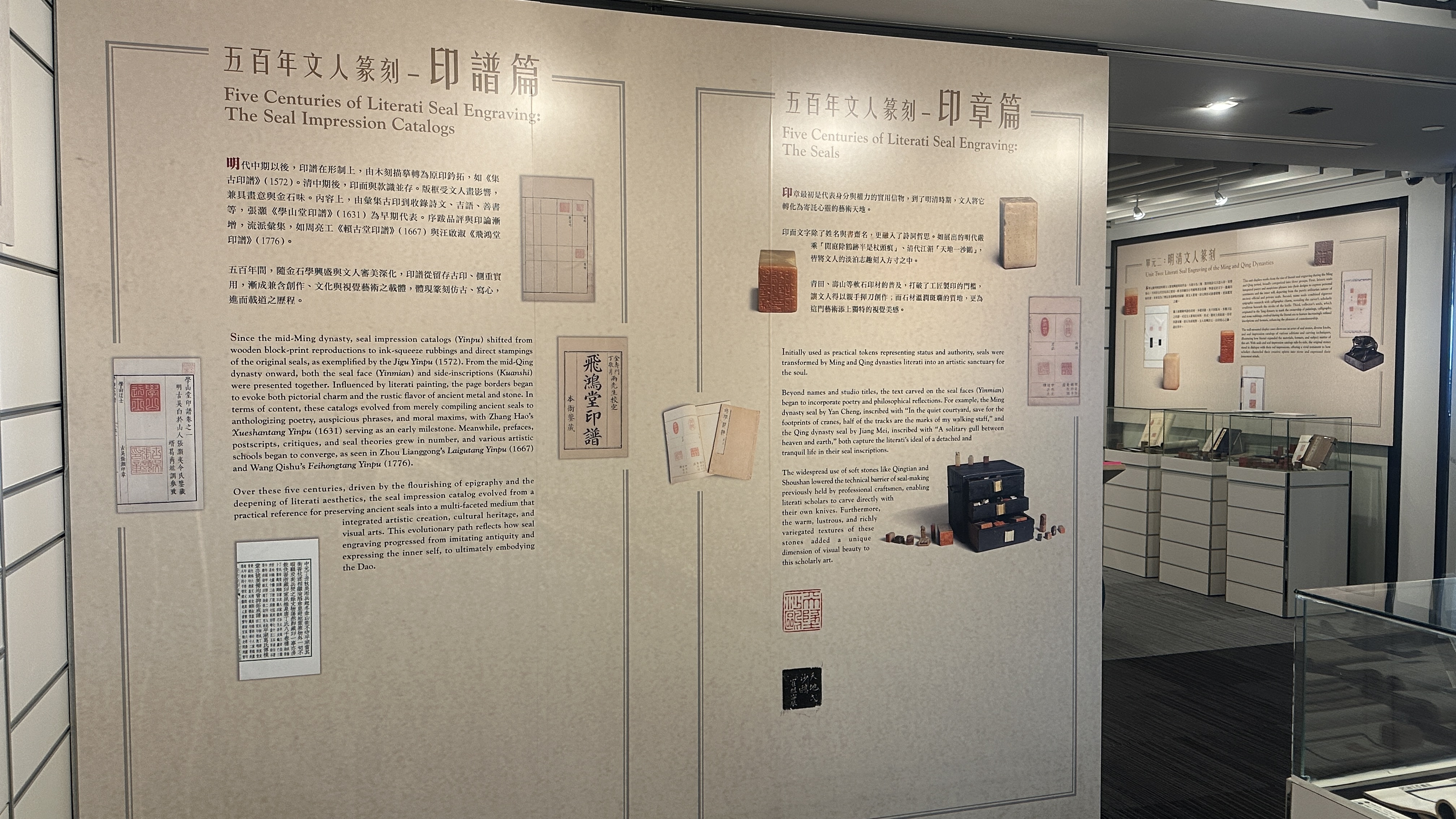
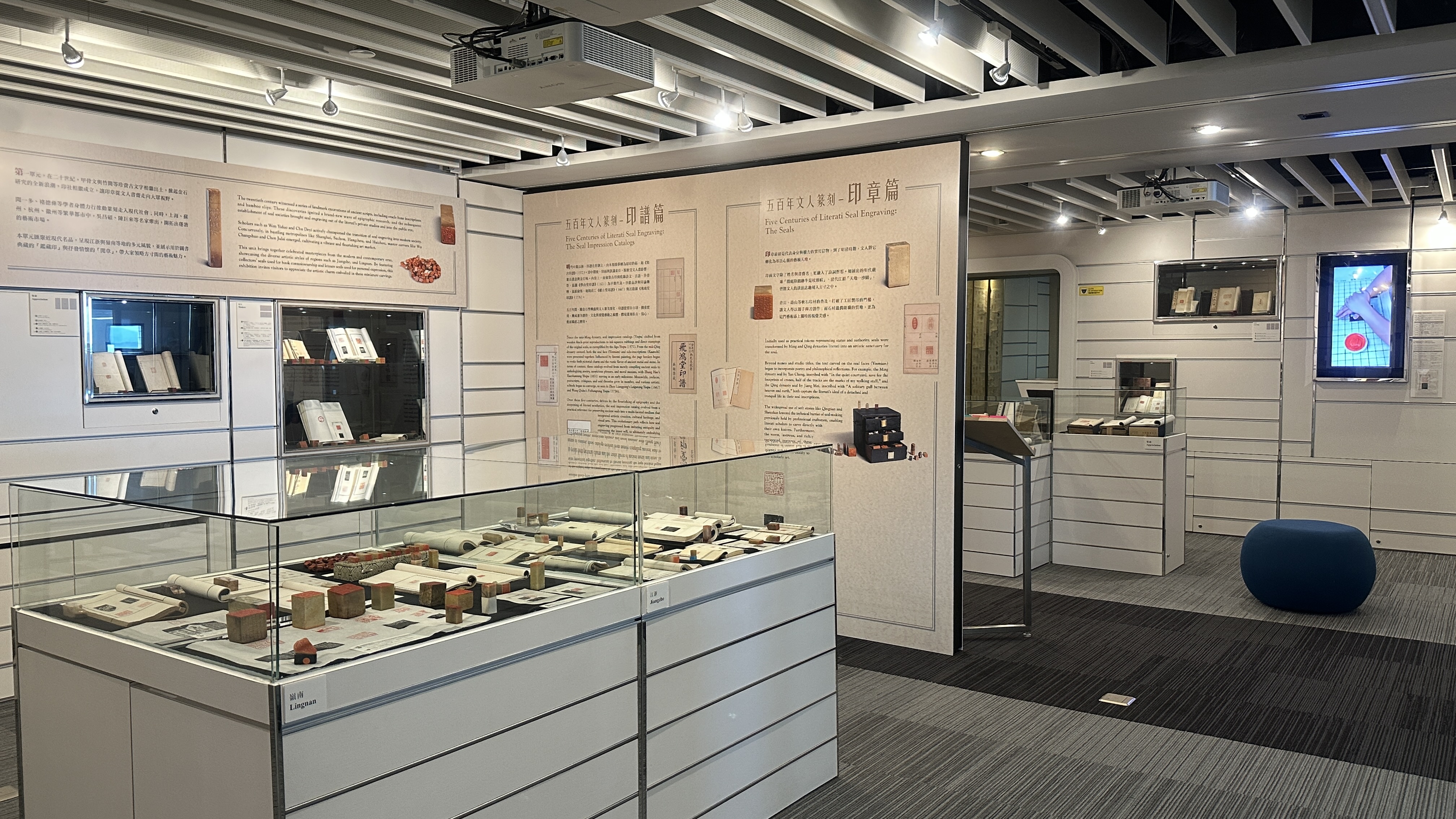
Five Centuries of Literati Seal Engraving: The Seal Impression Catalogs
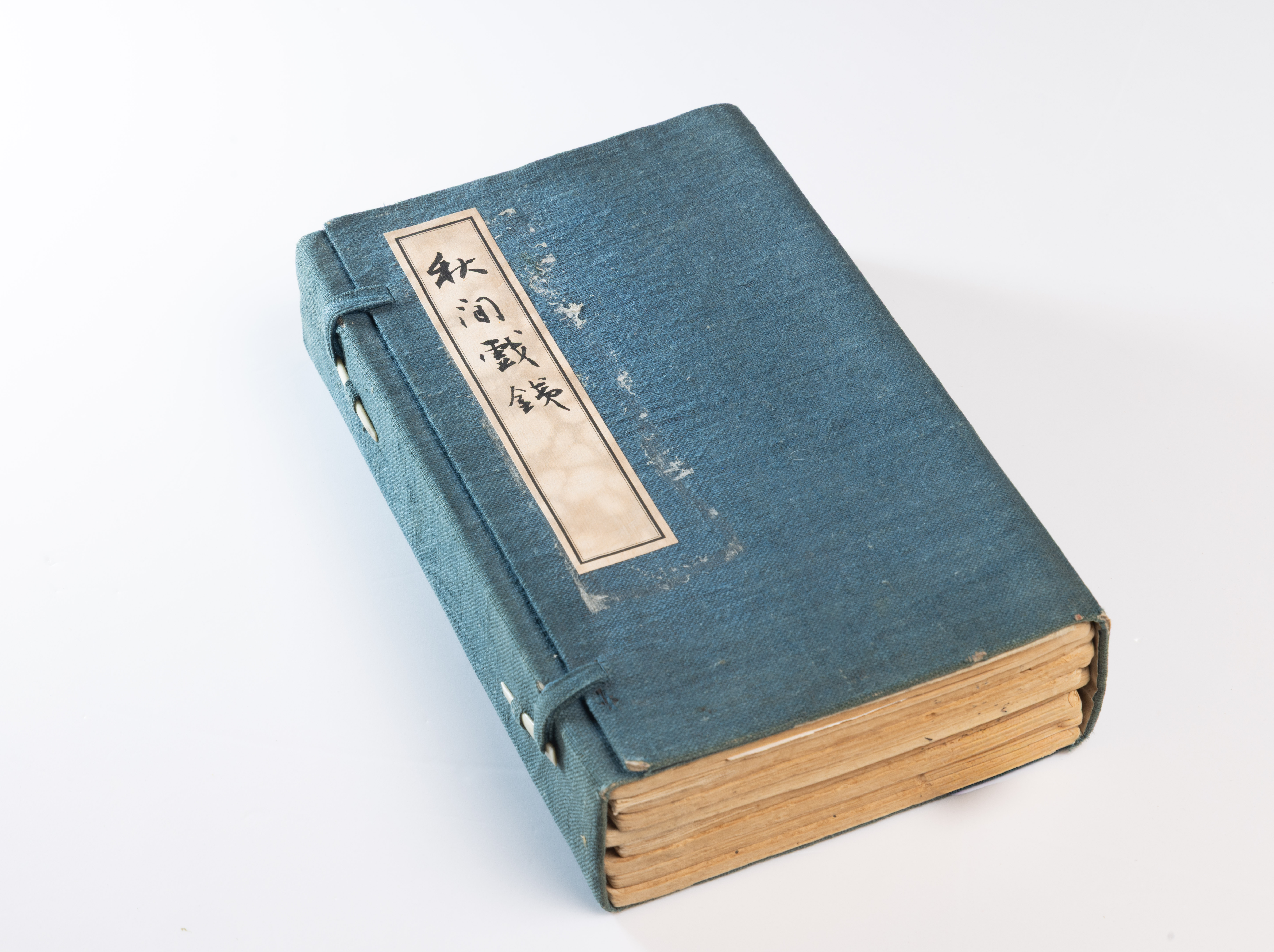
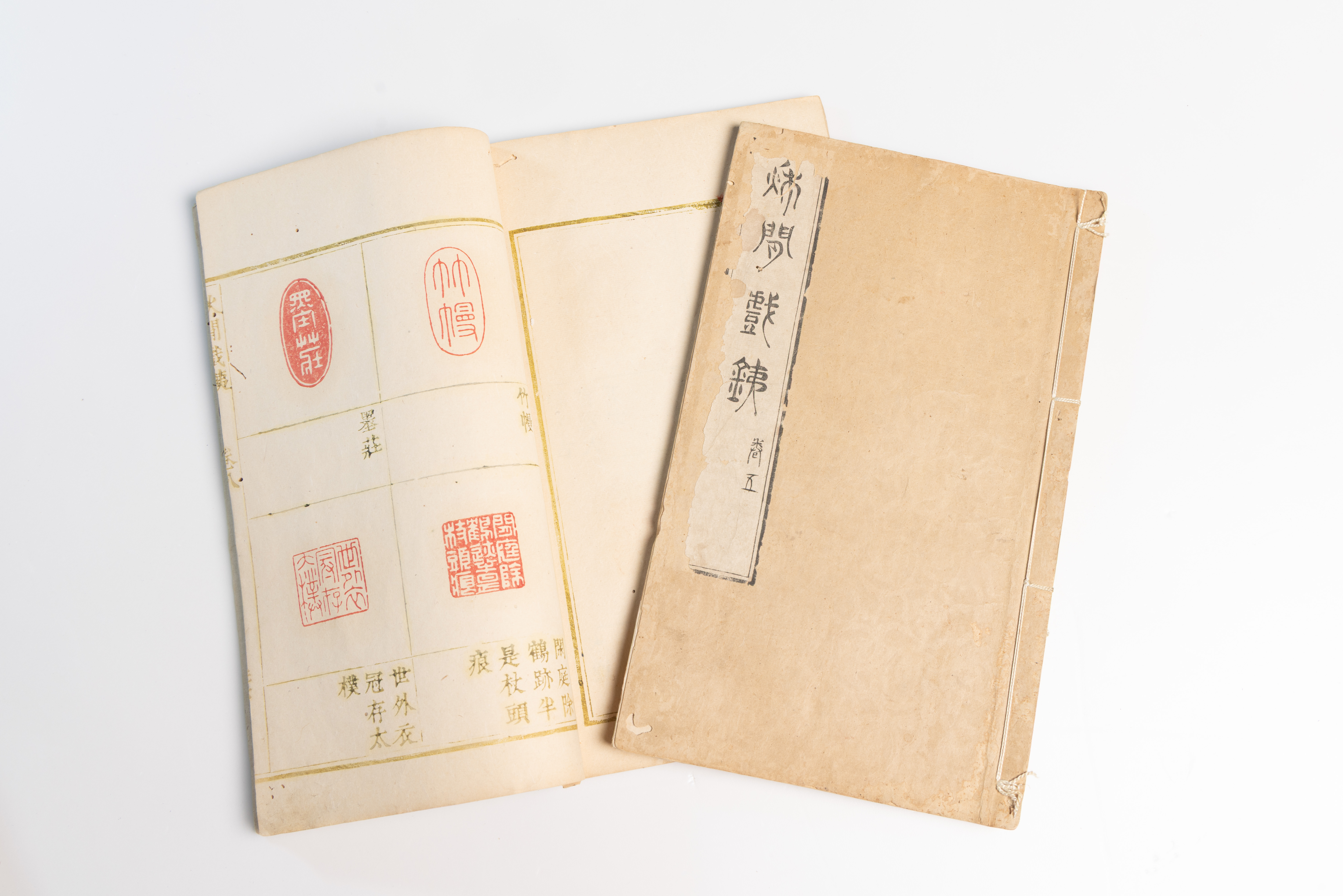
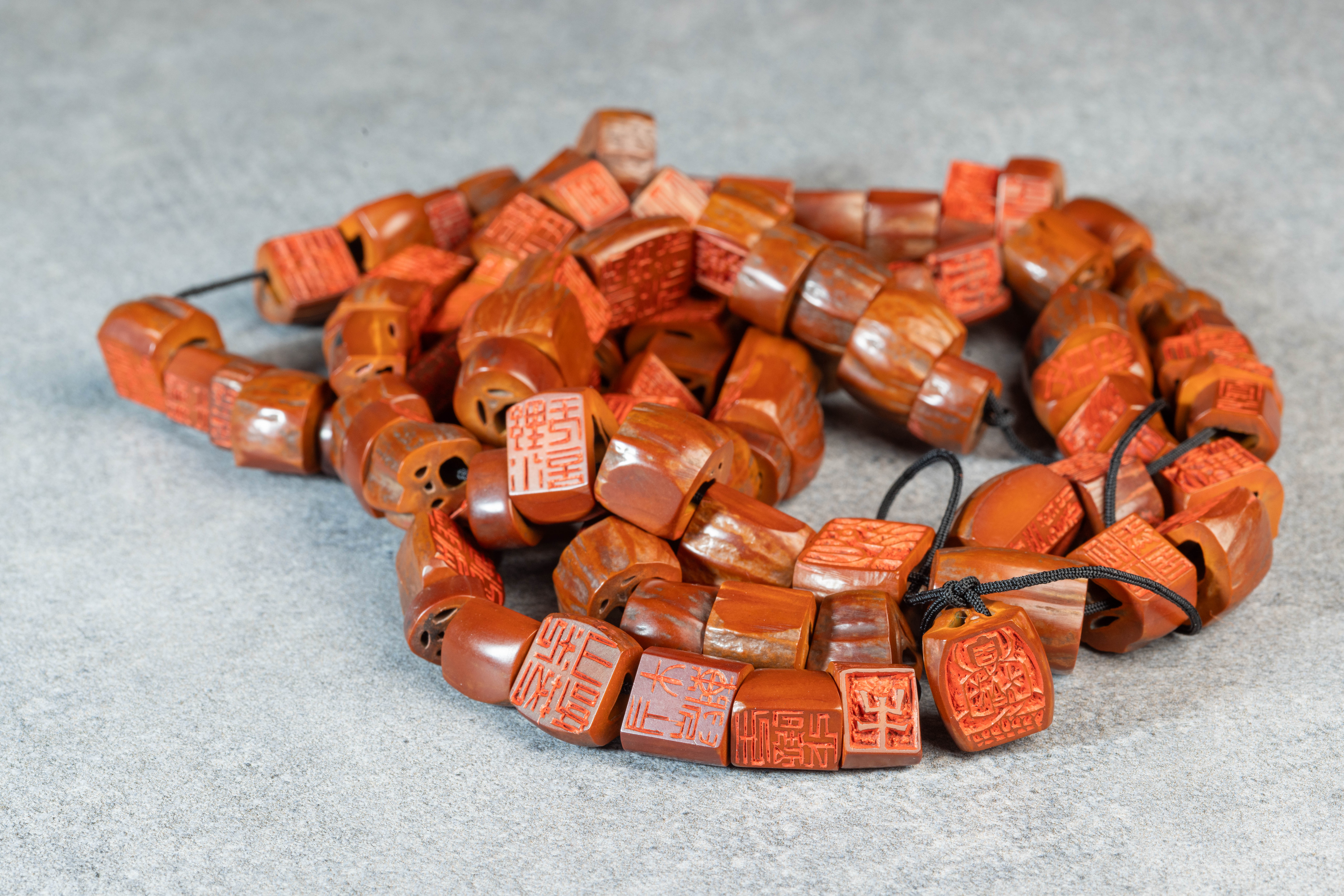
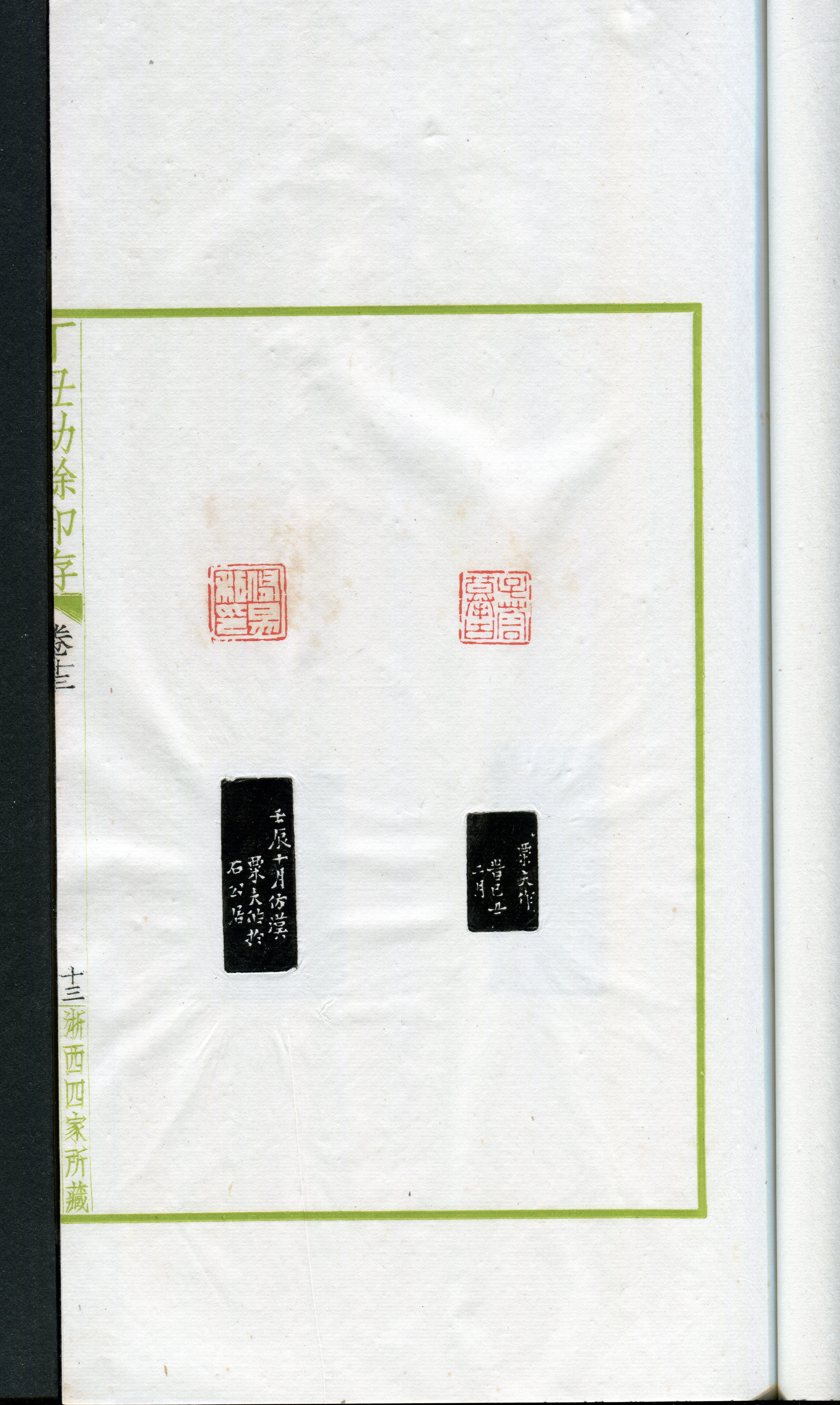
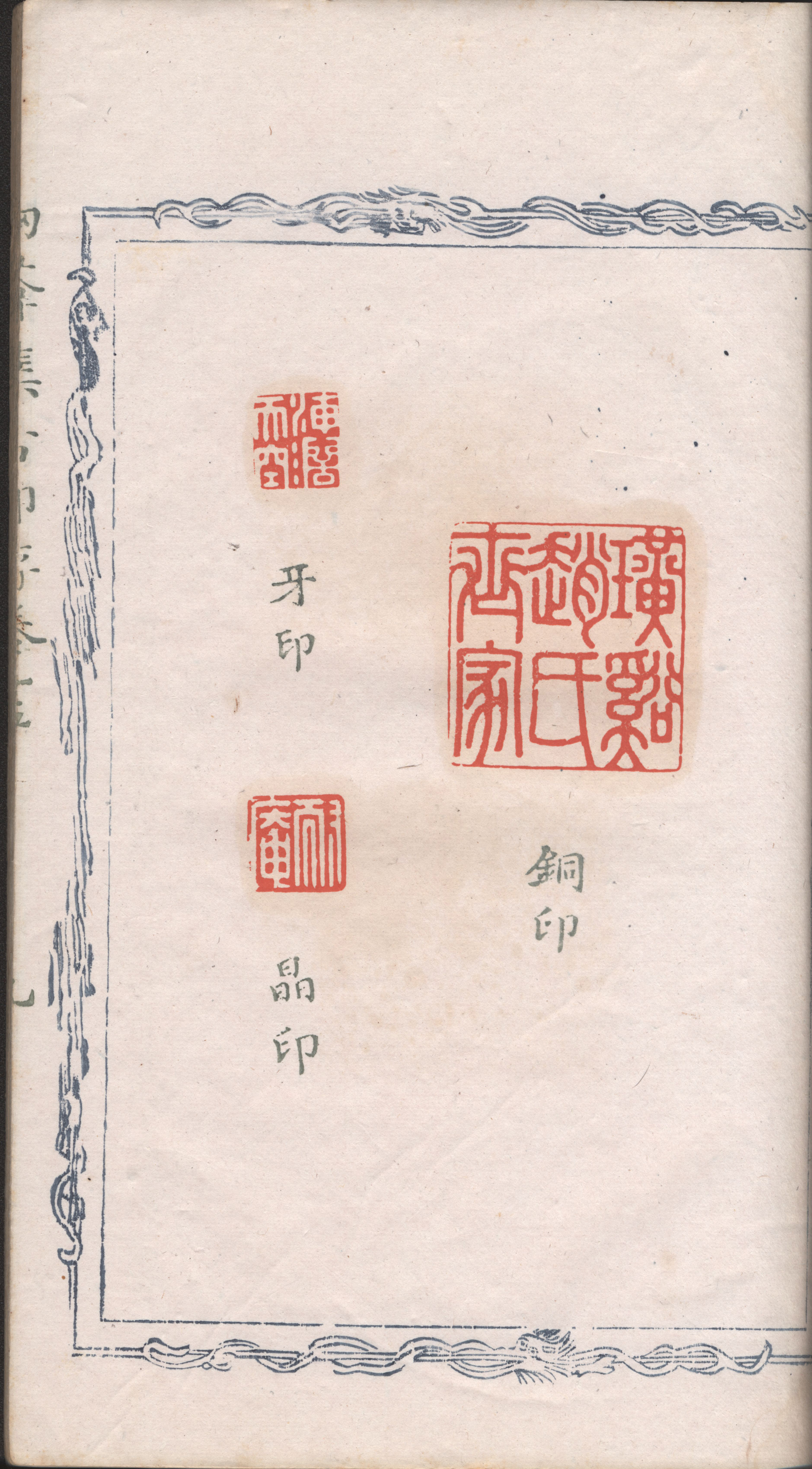
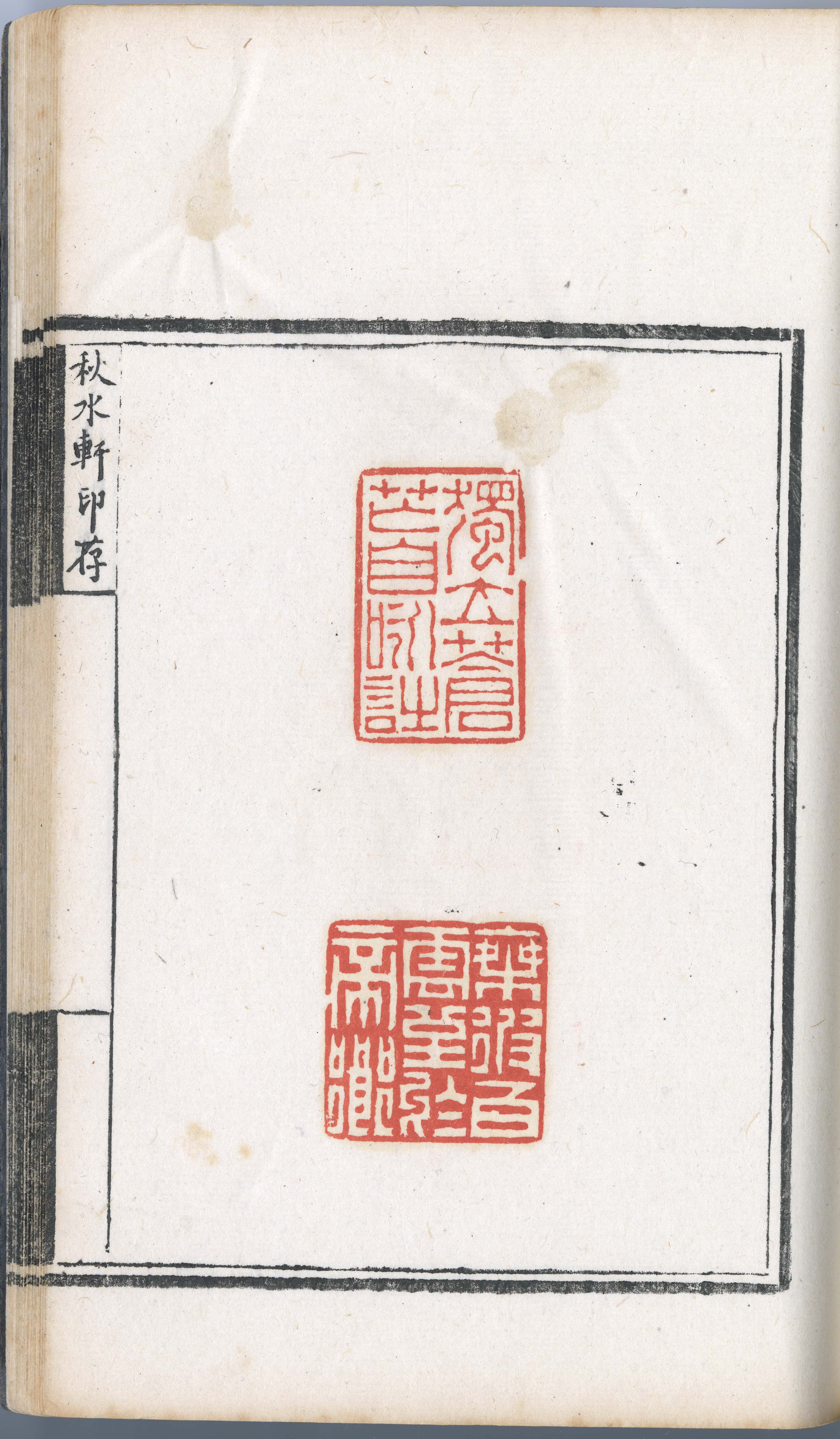
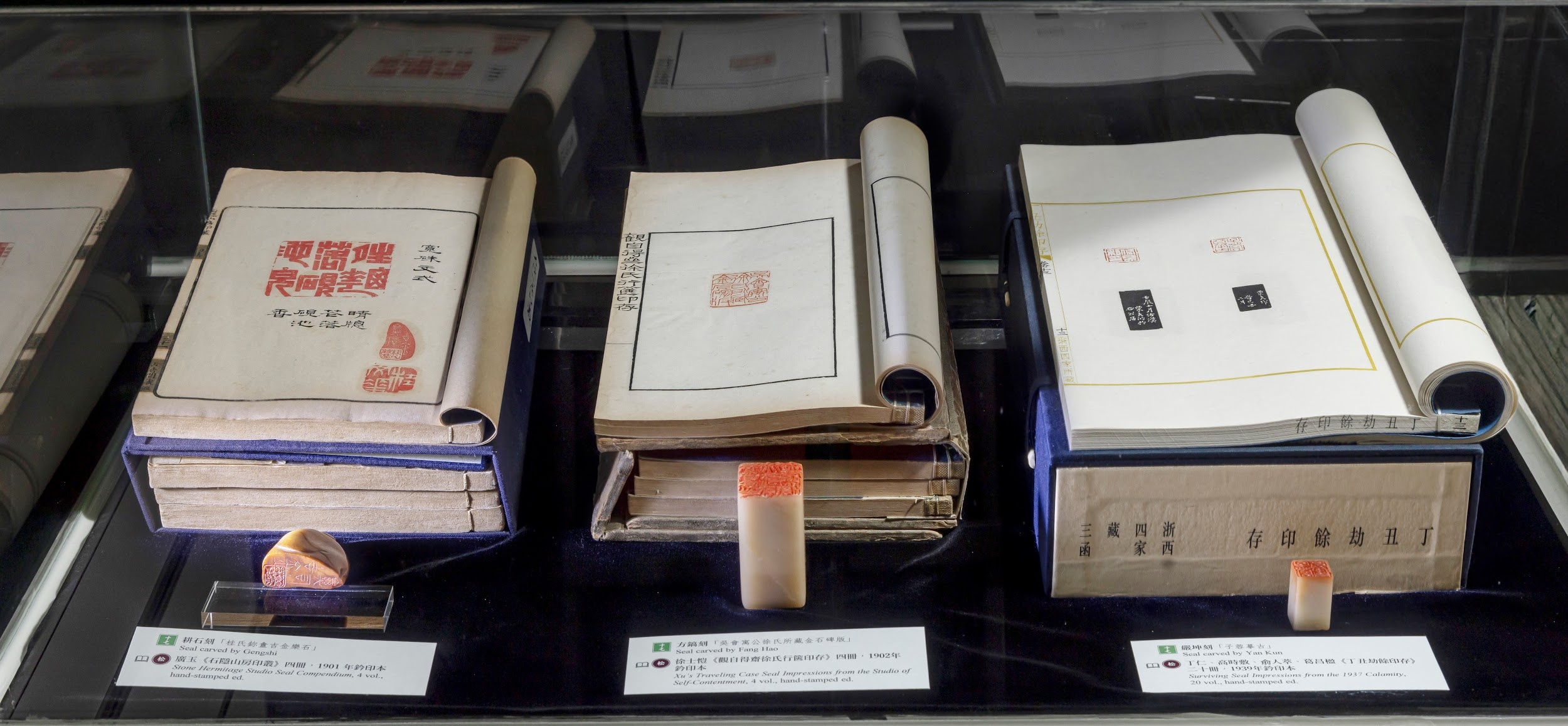
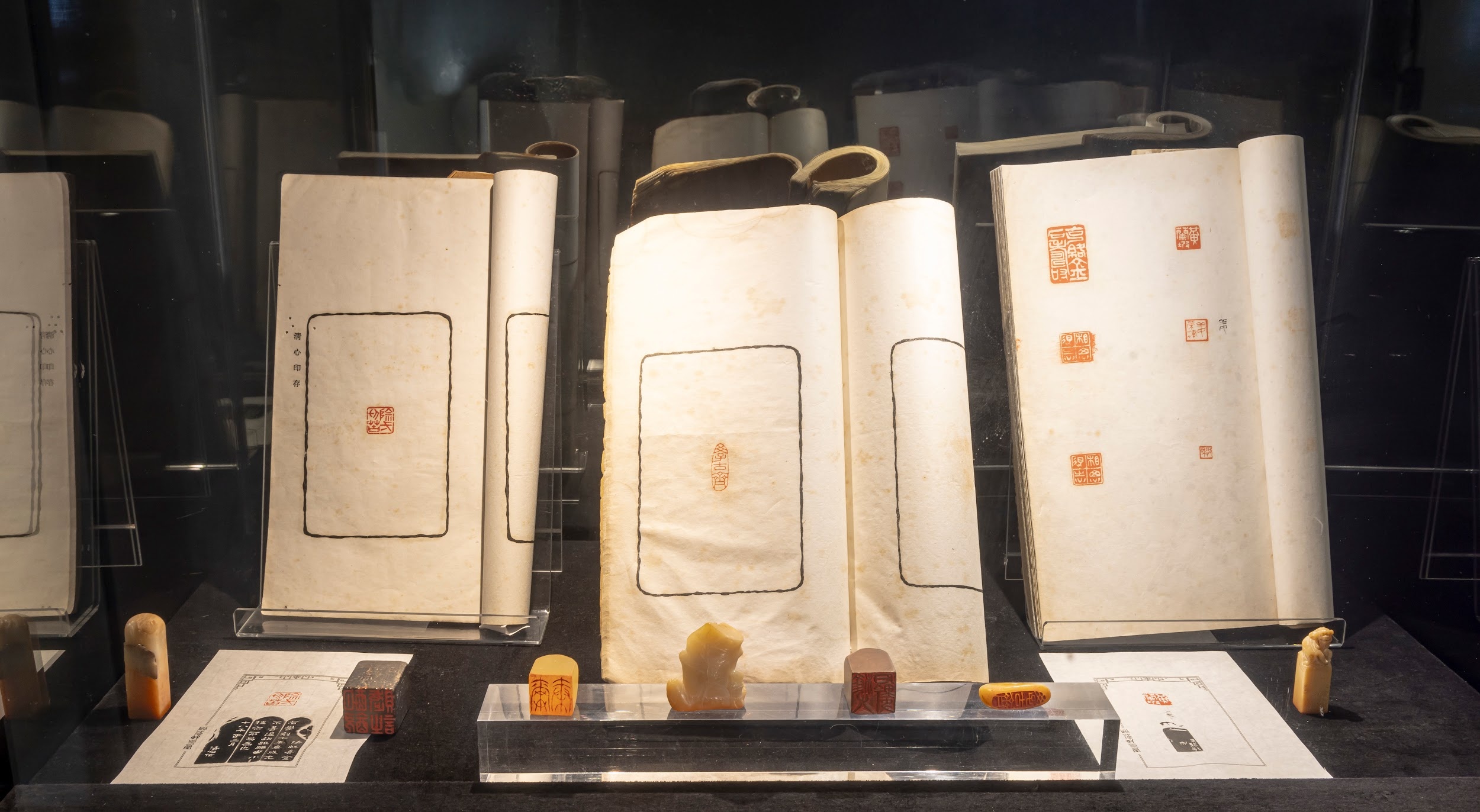
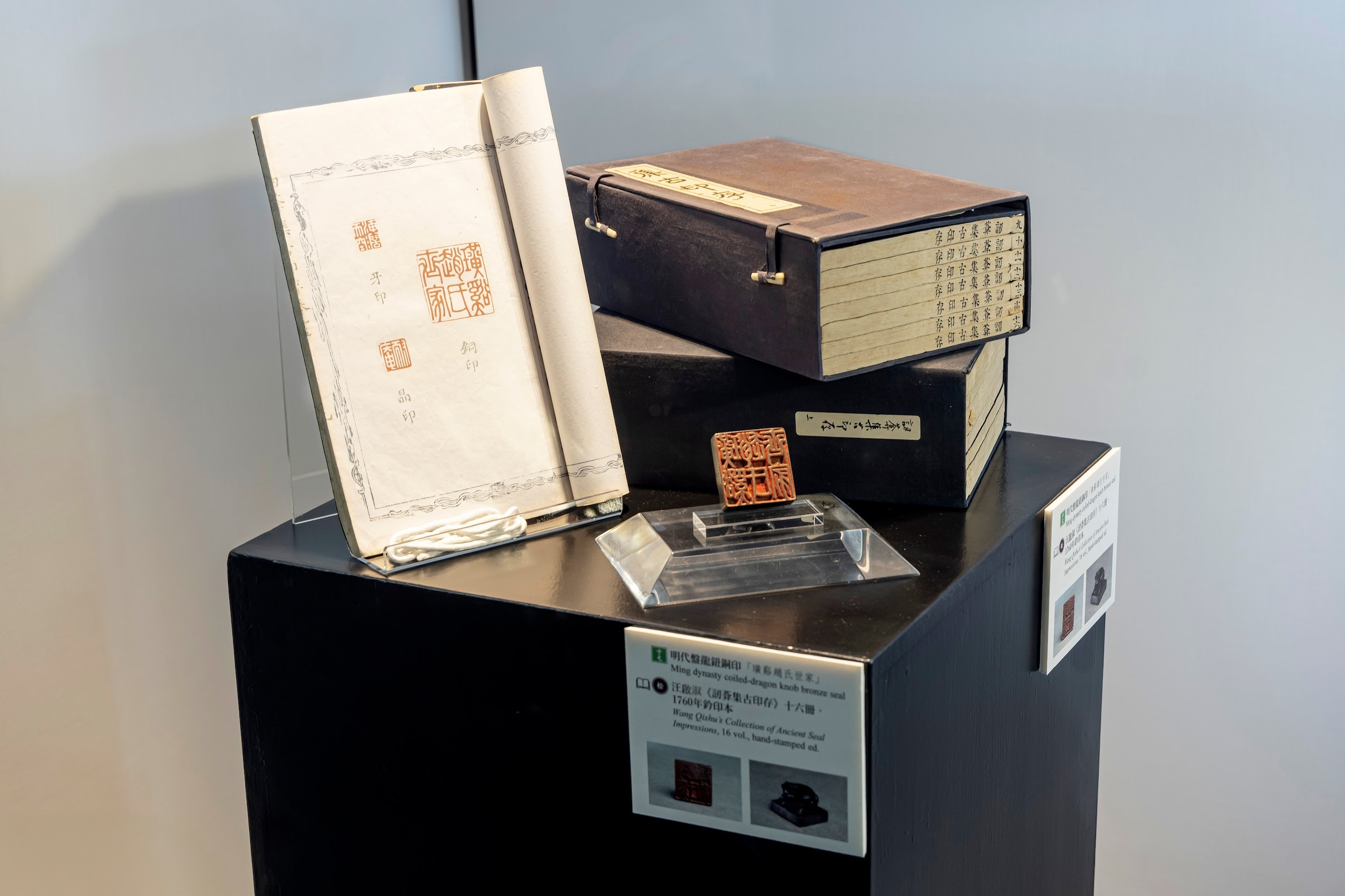
Since the mid-Ming dynasty, seal impression catalogs (Yinpu) shifted from wooden block-print reproductions to ink-squeeze rubbings and direct stampings of the original seals, as exemplified by the Jigu Yinpu (1572). From the mid-Qing dynasty onward, both the seal face (Yinmian) and side-inscriptions (Kuanshi) were presented together. Influenced by literati painting, the page borders began to evoke both pictorial charm and the rustic flavor of ancient metal and stone. In terms of content, these catalogs evolved from merely compiling ancient seals to anthologizing poetry, auspicious phrases, and moral maxims, with Zhang Hao's Xueshantang Yinpu (1631) serving as an early milestone. Meanwhile, prefaces, postscripts, critiques, and seal theories grew in number, and various artistic schools began to converge, as seen in Zhou Lianggong’s Laigutang Yinpu (1667) and Wang Qishu’s Feihongtang Yinpu (1776).
Over these five centuries, driven by the flourishing of epigraphy and the deepening of literati aesthetics, the seal impression catalog evolved from a practical reference for preserving ancient seals into a multi-faceted medium that integrated artistic creation, cultural heritage, and visual arts. This evolutionary path reflects how seal engraving progressed from imitating antiquity and expressing the inner self, to ultimately embodying the Dao.
Five Centuries of Literati Seal Engraving: The Seals
Initially used as practical tokens representing status and authority, seals were transformed by Ming and Qing dynasties literati into an artistic sanctuary for the soul.
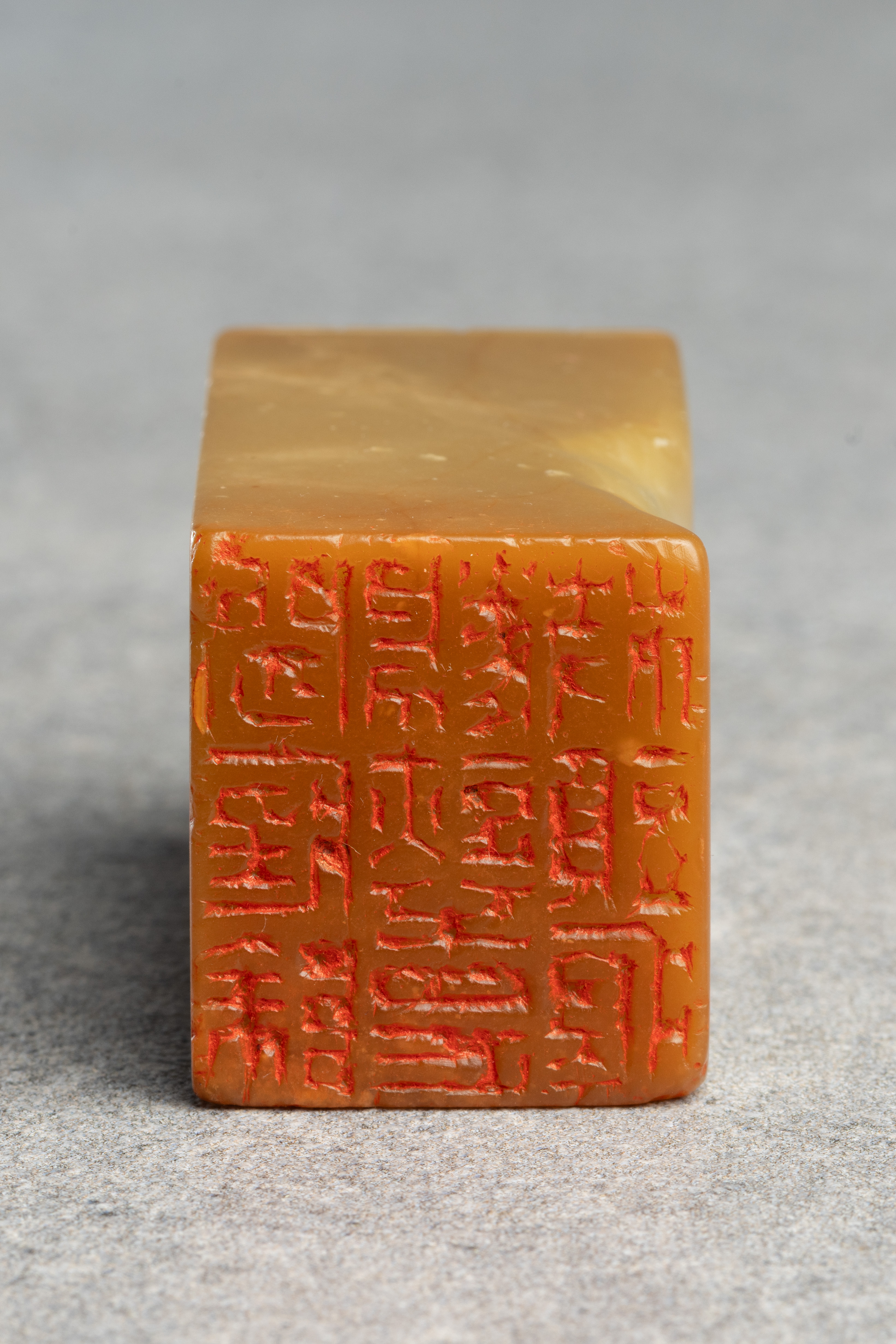
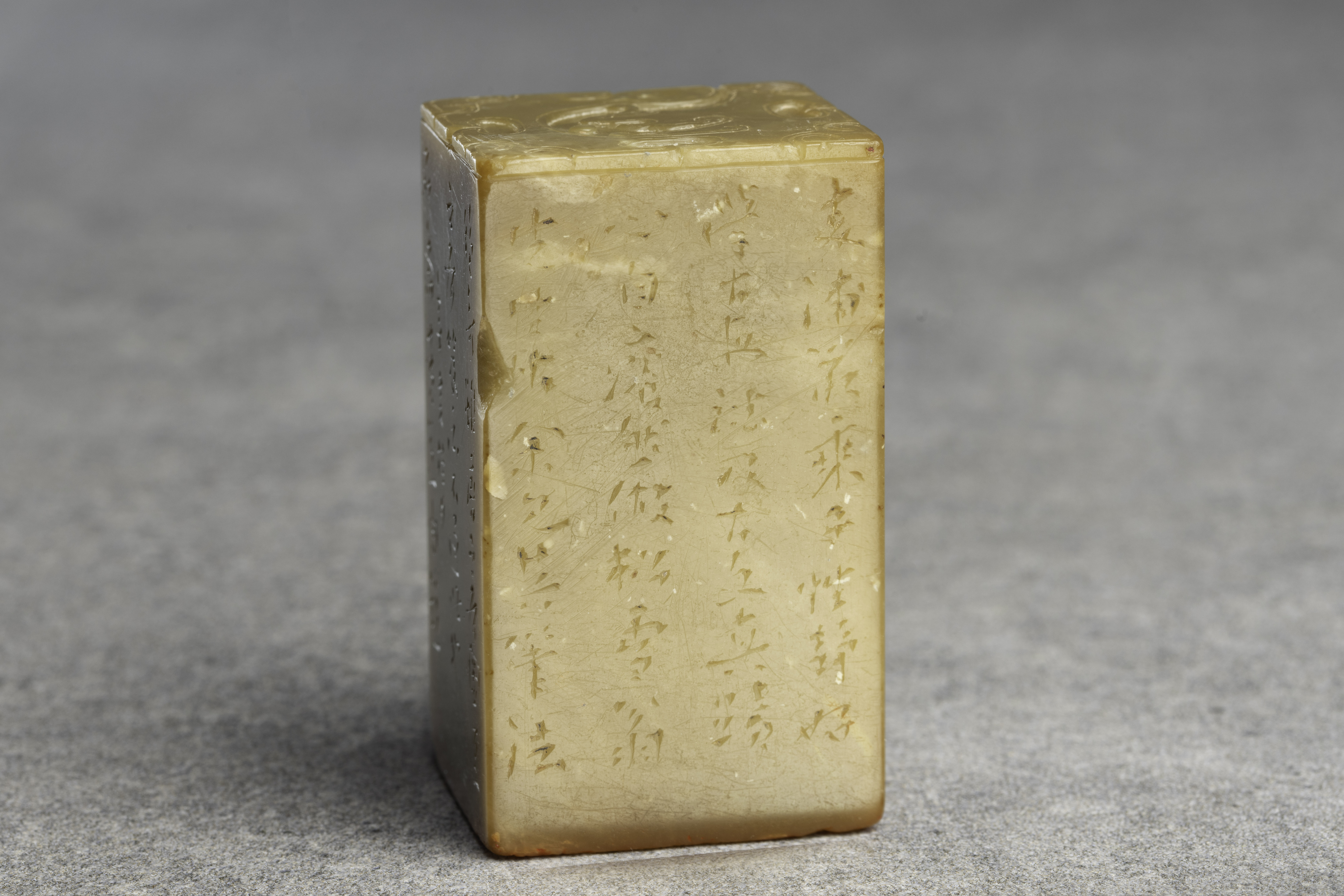
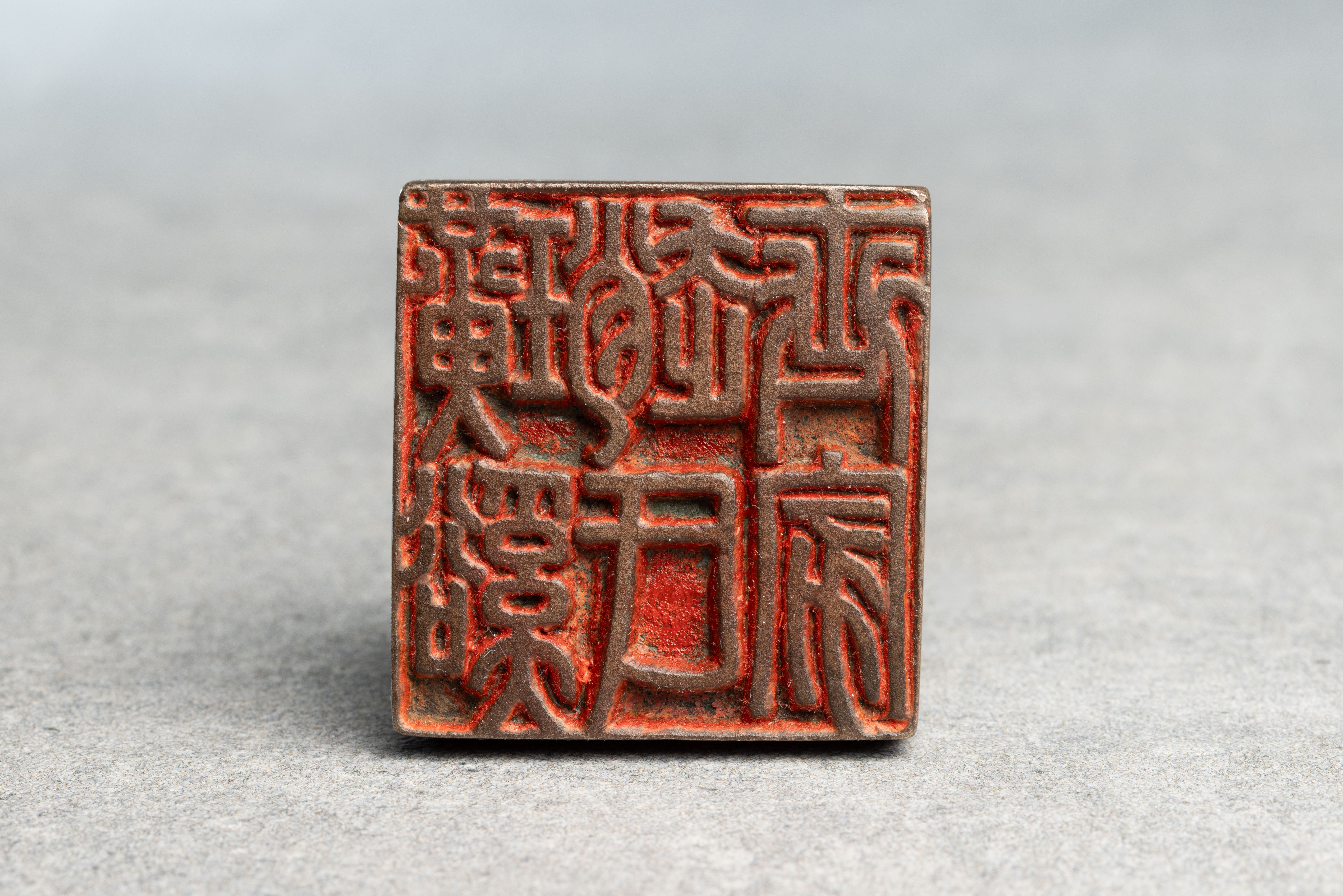
Beyond names and studio titles, the text carved on the seal faces (Yinmian) began to incorporate poetry and philosophical reflections. For example, the Ming dynasty seal by Yan Cheng, inscribed with "In the quiet courtyard, save for the footprints of cranes, half of the tracks are the marks of my walking staff," and the Qing dynasty seal by Jiang Mei, inscribed with "A solitary gull between heaven and earth," both capture the literati’s ideal of a detached and tranquil life in their seal inscriptions.
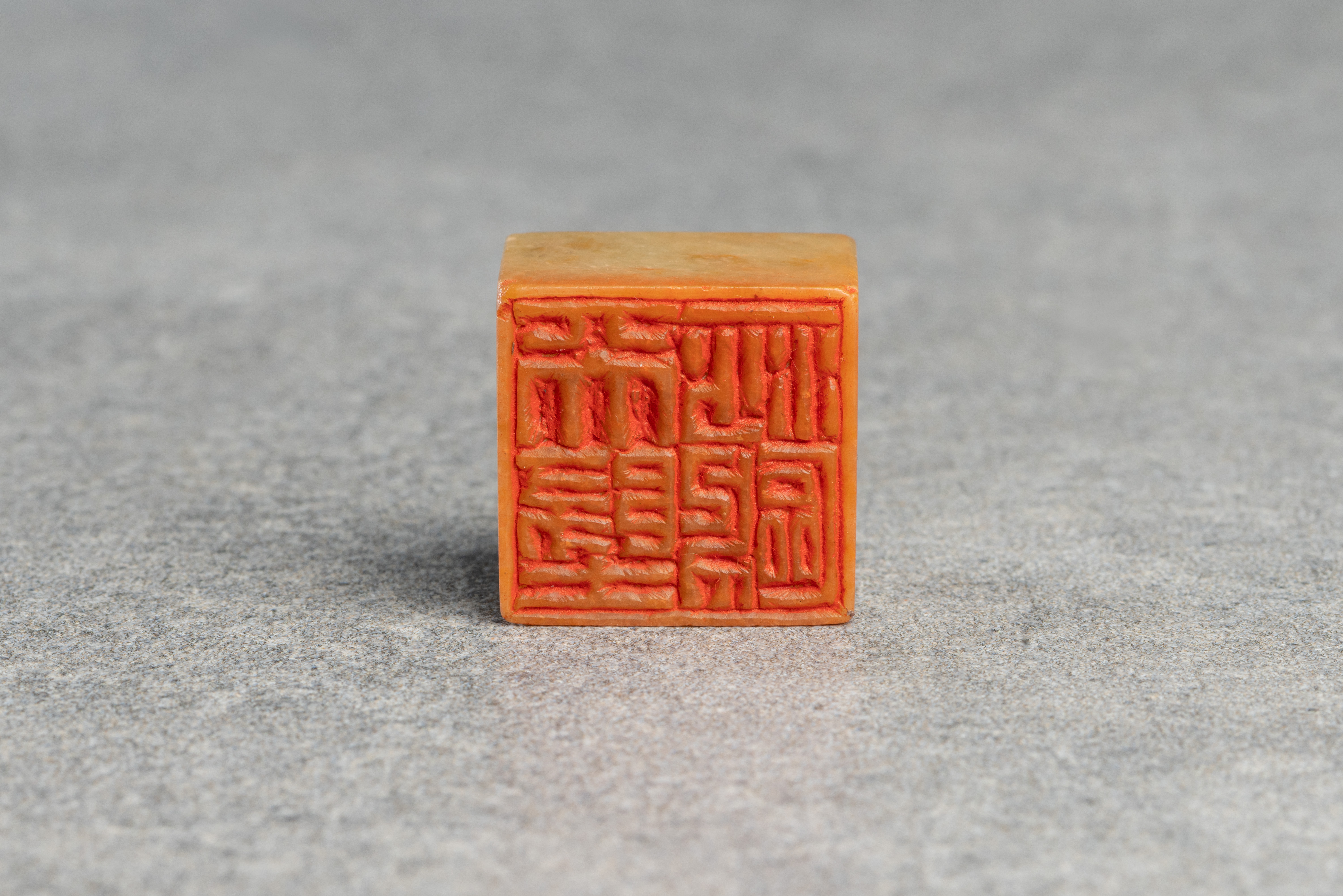
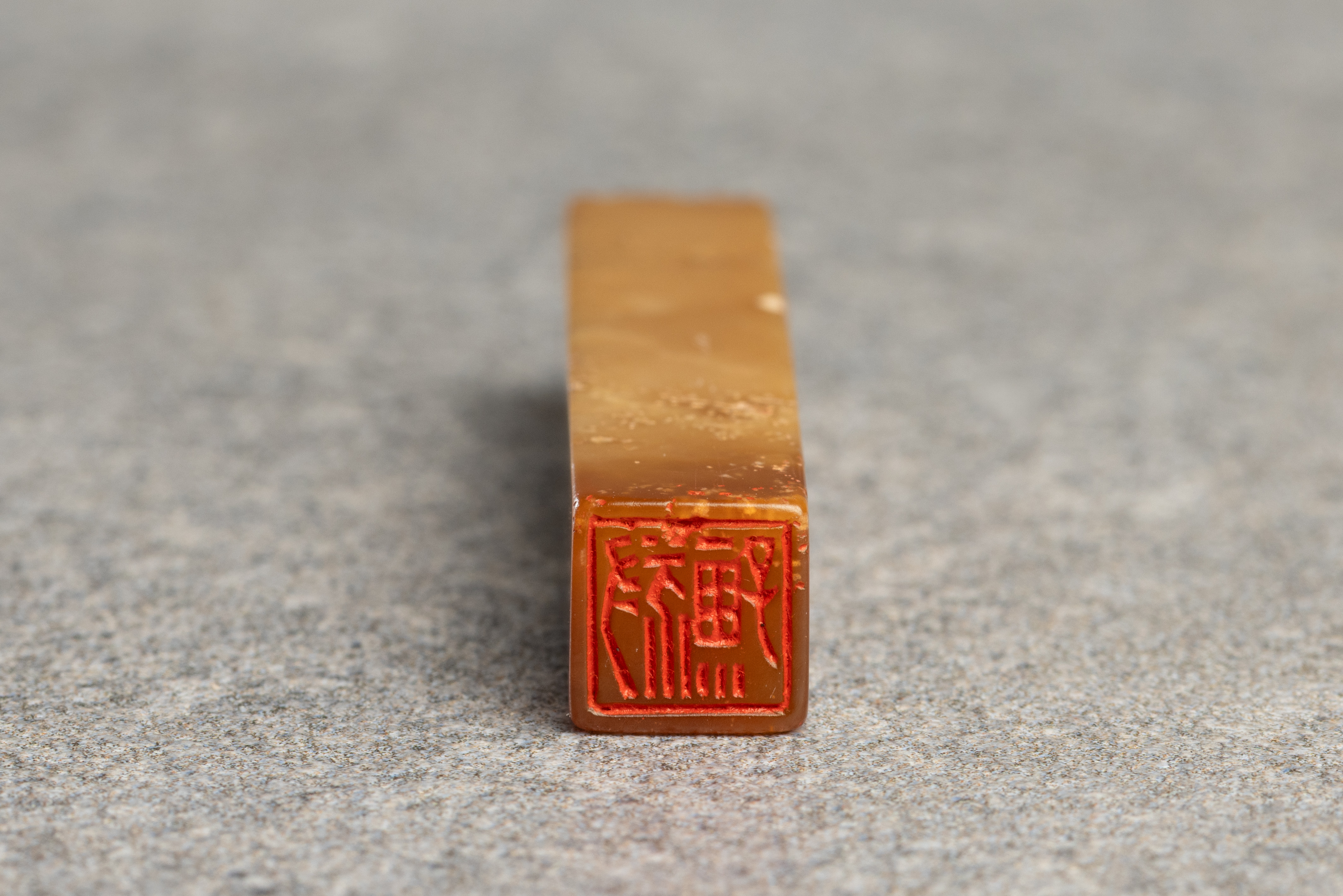
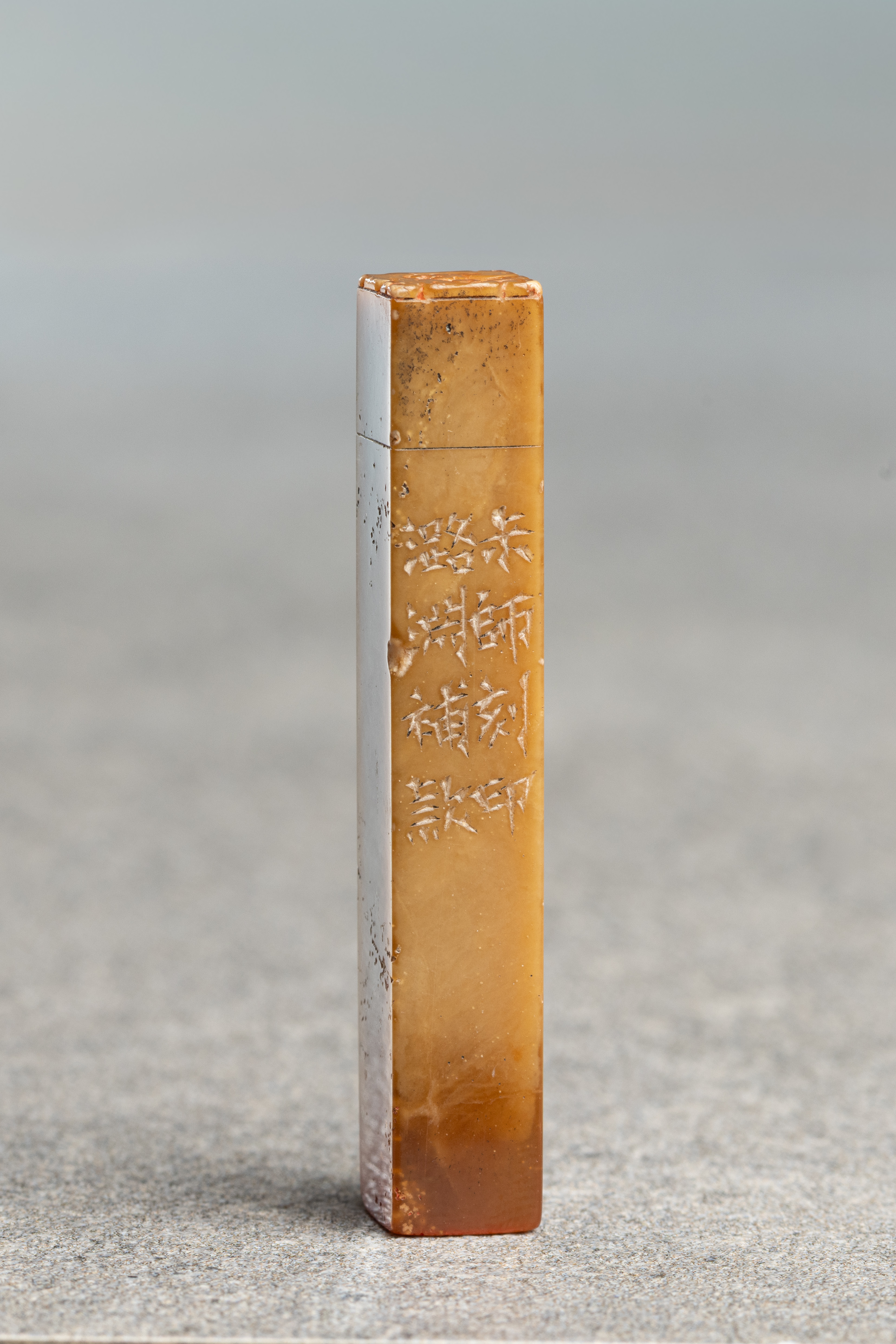
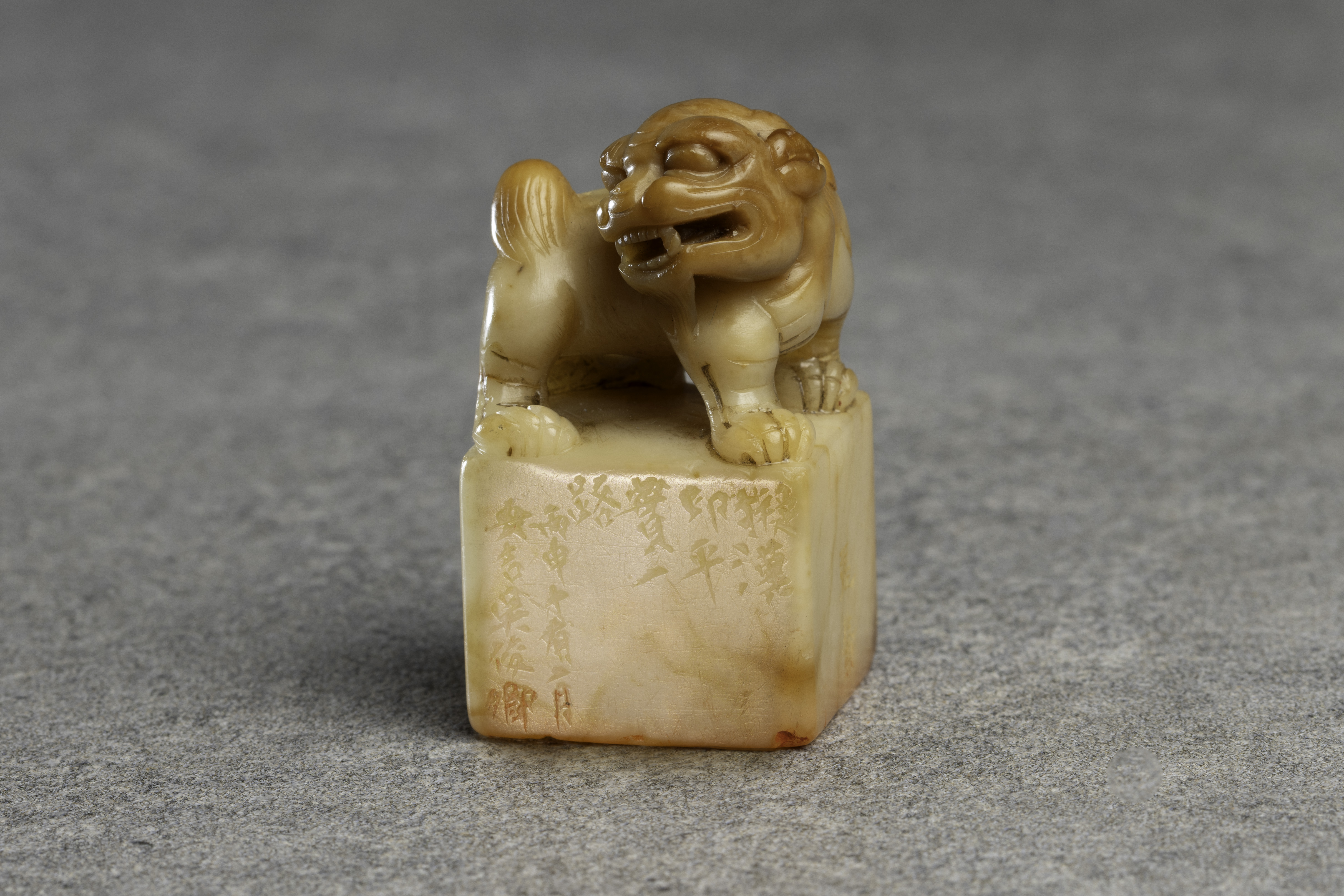
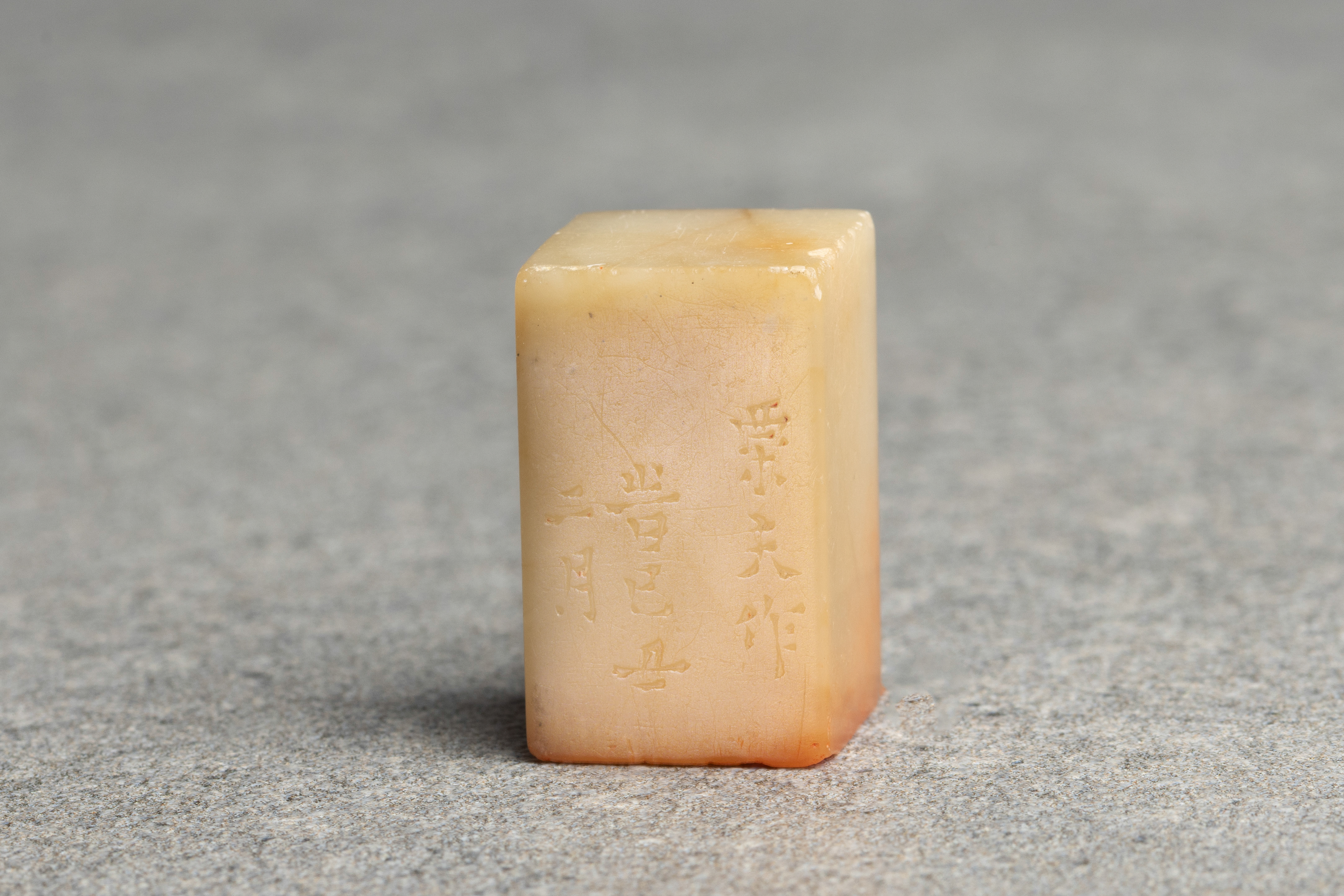
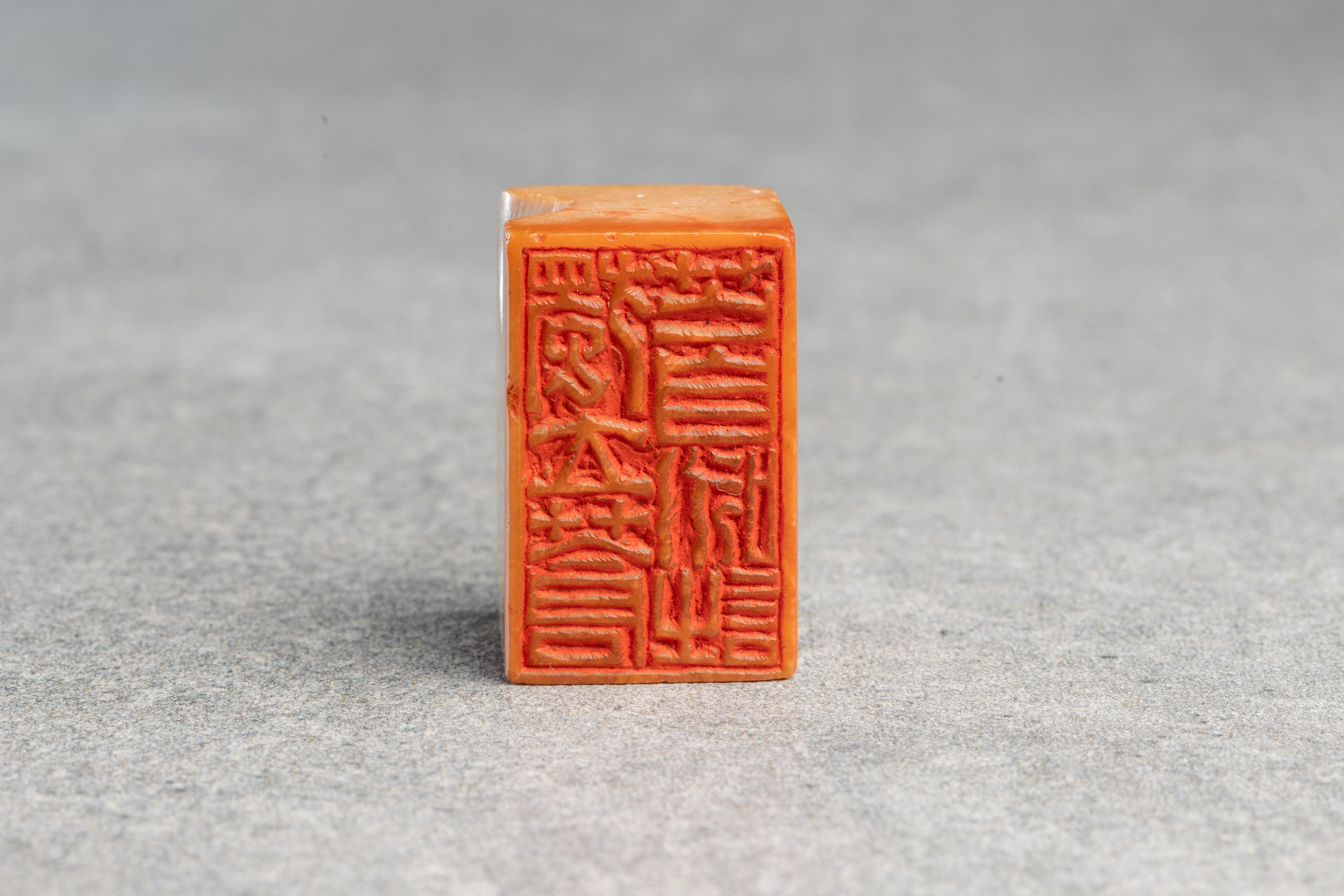
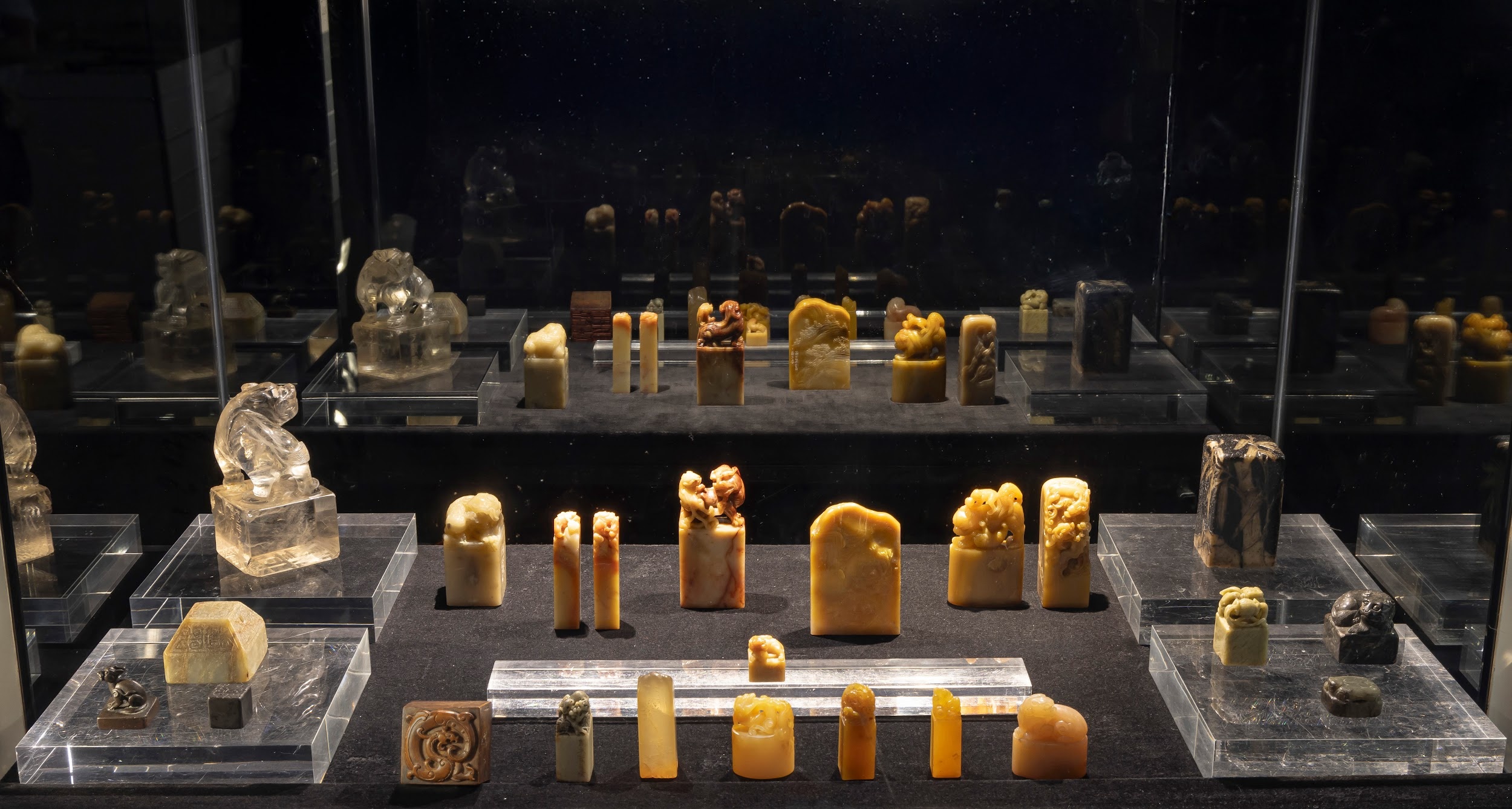
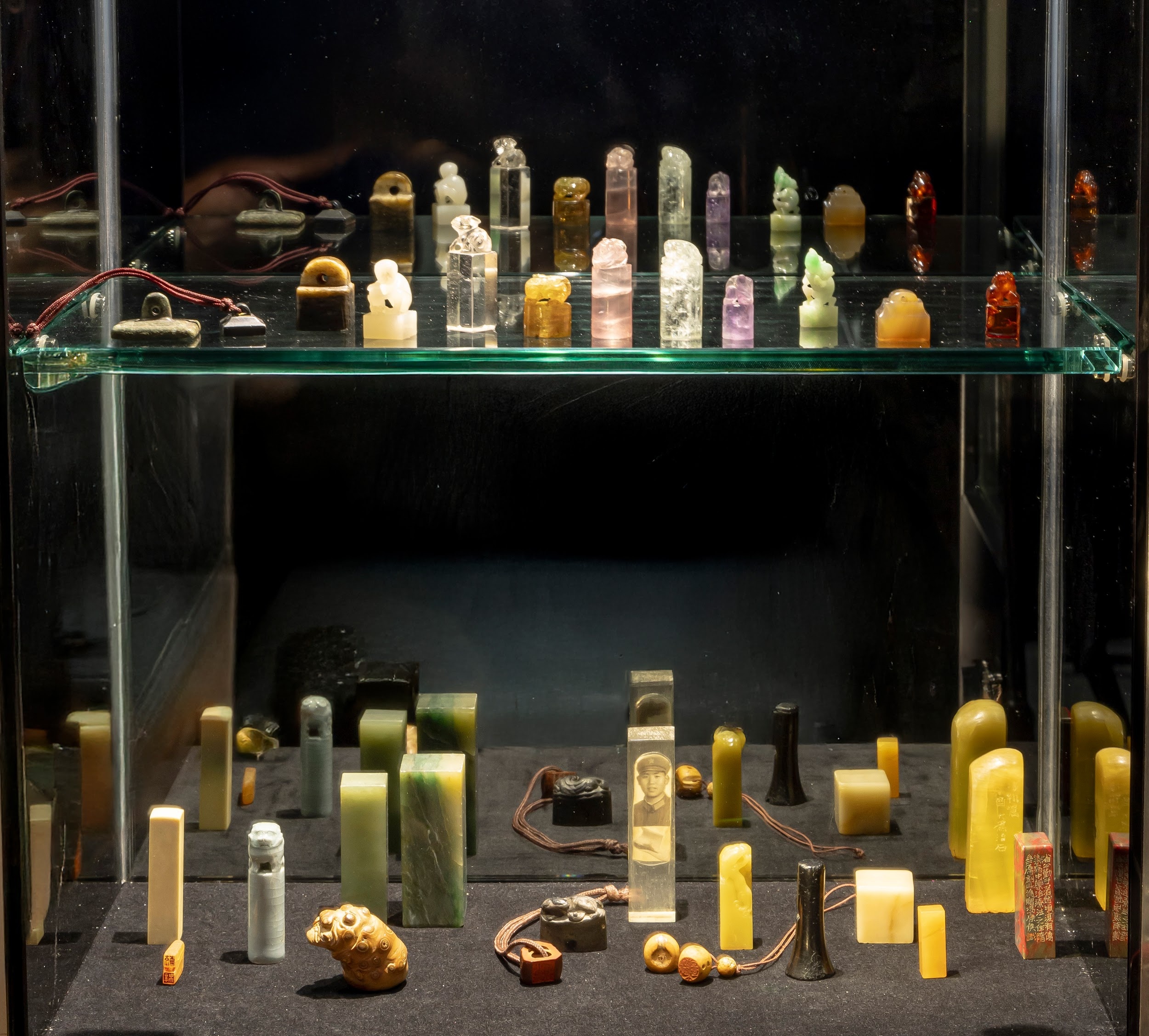
The widespread use of soft stones like Qingtian and Shoushan lowered the technical barrier of seal-making previously held by professional craftsmen, enabling literati scholars to carve directly with their own knives. Furthermore, the warm, lustrous, and richly variegated textures of these stones added a unique dimension of visual beauty to this scholarly art.
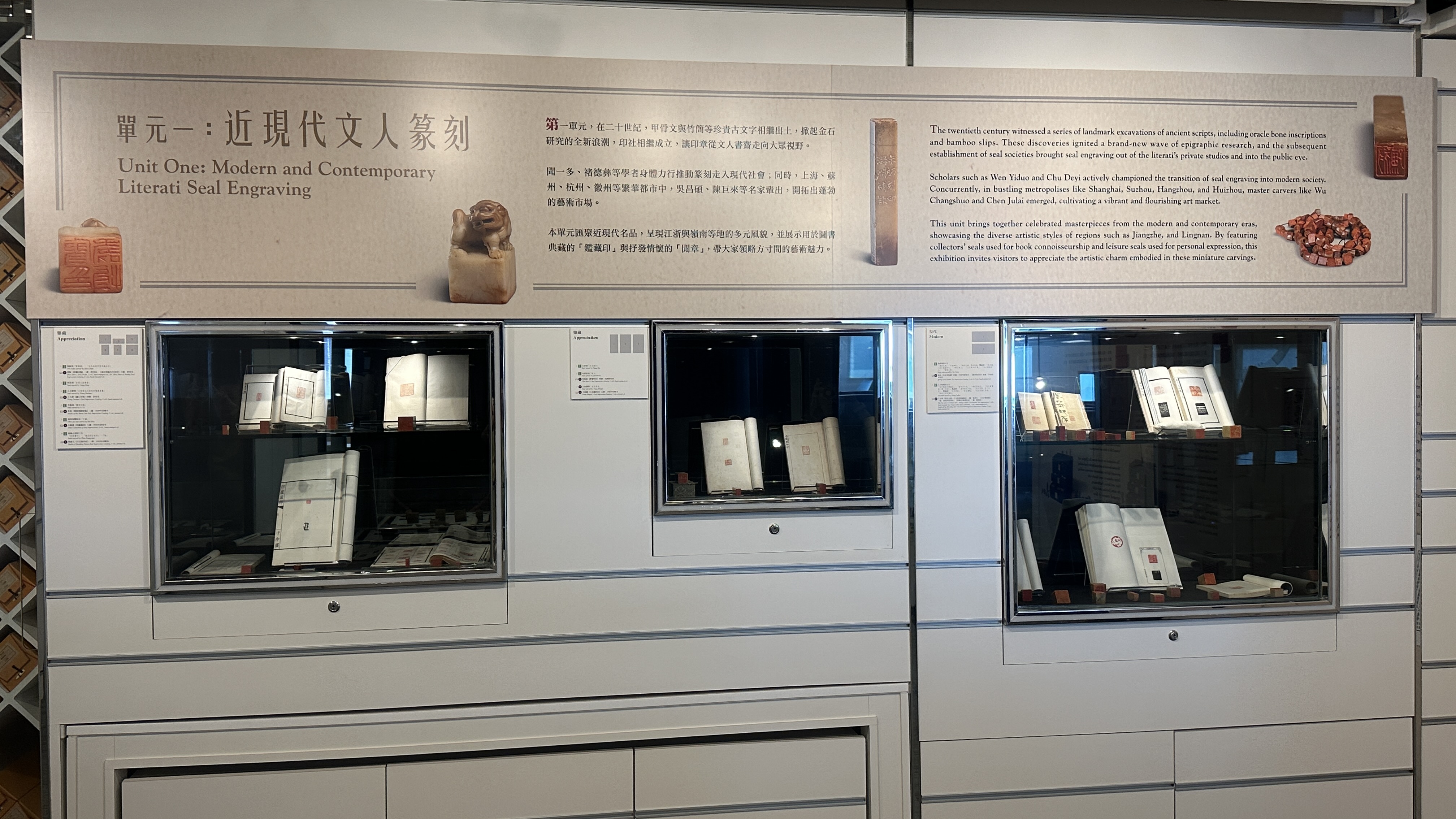
Unit One: Modern and Contemporary Literati Seal Engraving
The twentieth century witnessed a series of landmark excavations of ancient scripts, including oracle bone inscriptions and bamboo slips. These discoveries ignited a brand-new wave of epigraphic research, and the subsequent establishment of seal societies brought seal engraving out of the literati's private studios and into the public eye.
Scholars such as Wen Yiduo and Chu Deyi actively championed the transition of seal engraving into modern society. Concurrently, in bustling metropolises like Shanghai, Suzhou, Hangzhou, and Huizhou, master carvers like Wu Changshuo and Chen Julai emerged, cultivating a vibrant and flourishing art market.
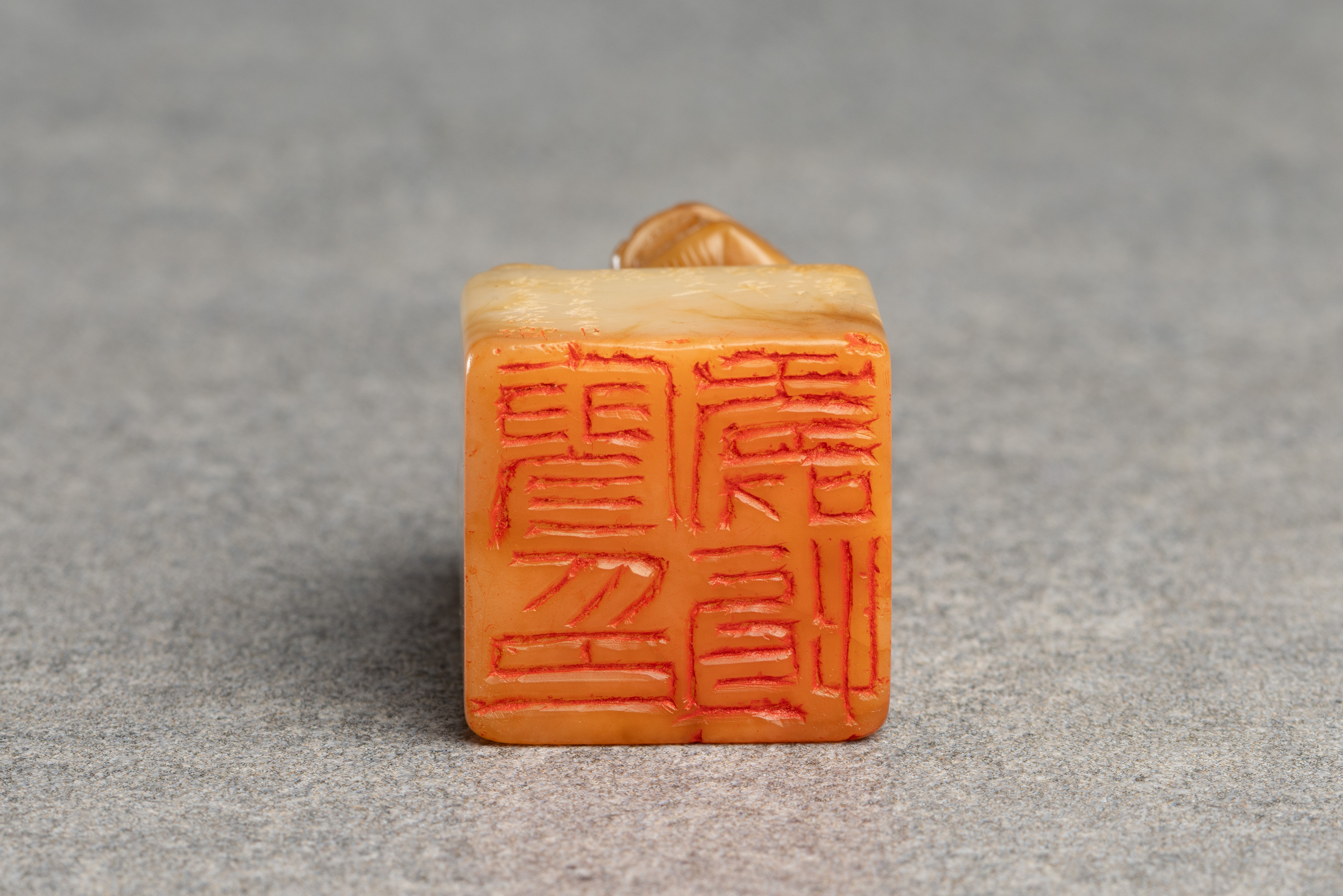
This unit brings together celebrated masterpieces from the modern and contemporary eras, showcasing the diverse artistic styles of regions such as JiangZhe, and Lingnan. By featuring collectors' seals used for book connoisseurship and leisure seals used for personal expression, this exhibition invites visitors to appreciate the artistic charm embodied in these miniature carvings.
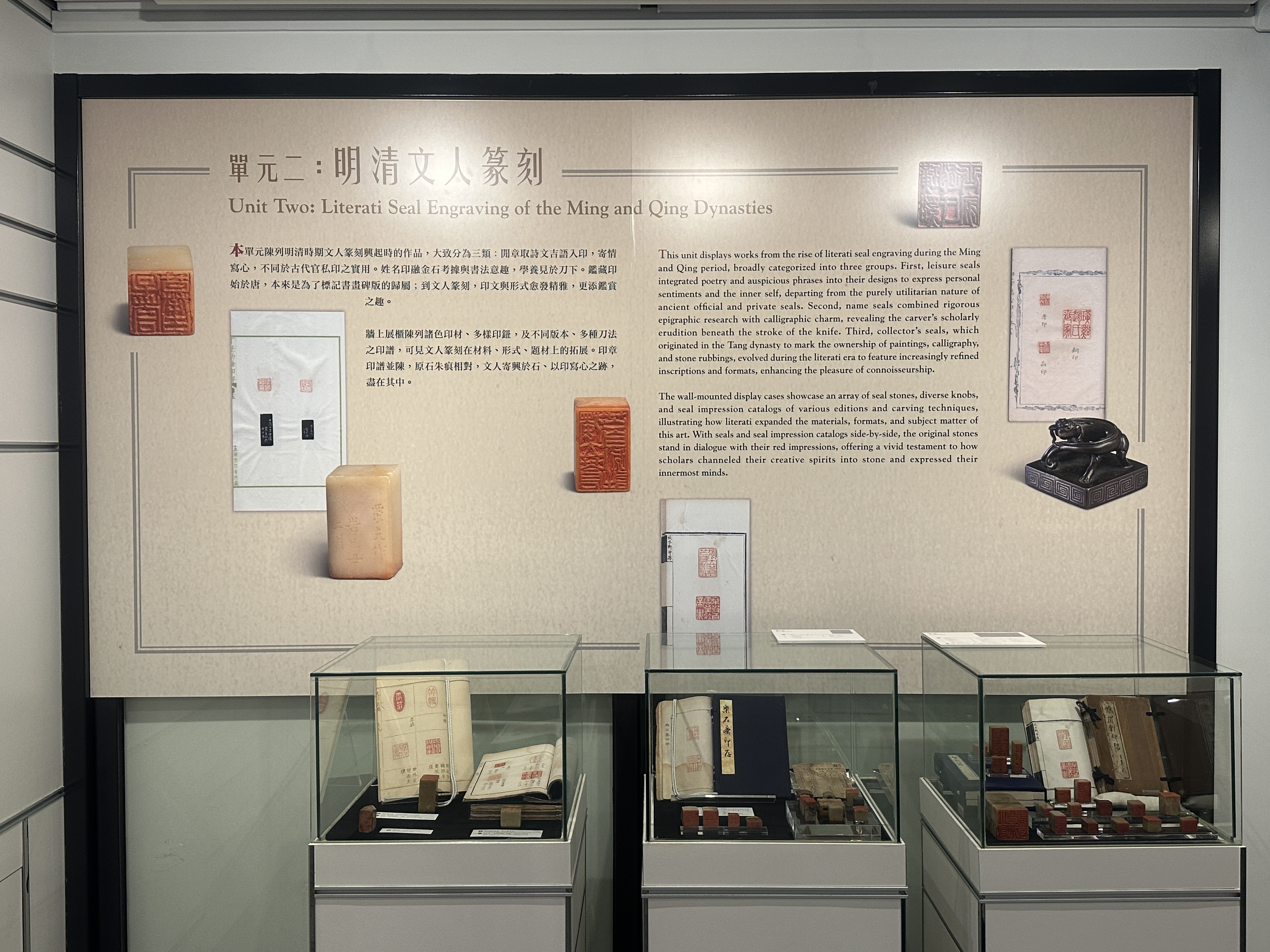
Unit Two: Literati Seal Engraving of the Ming and Qing Dynasties
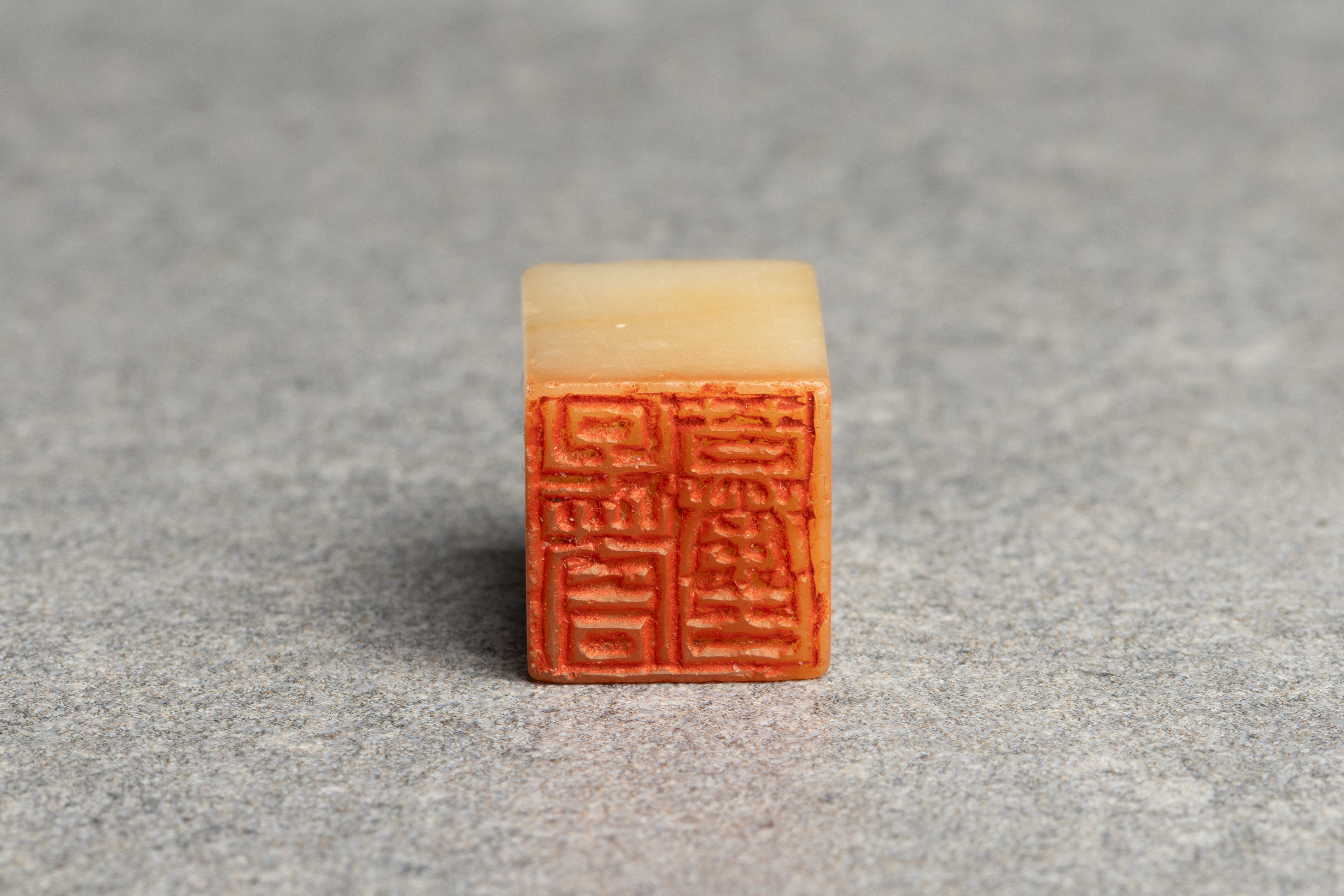
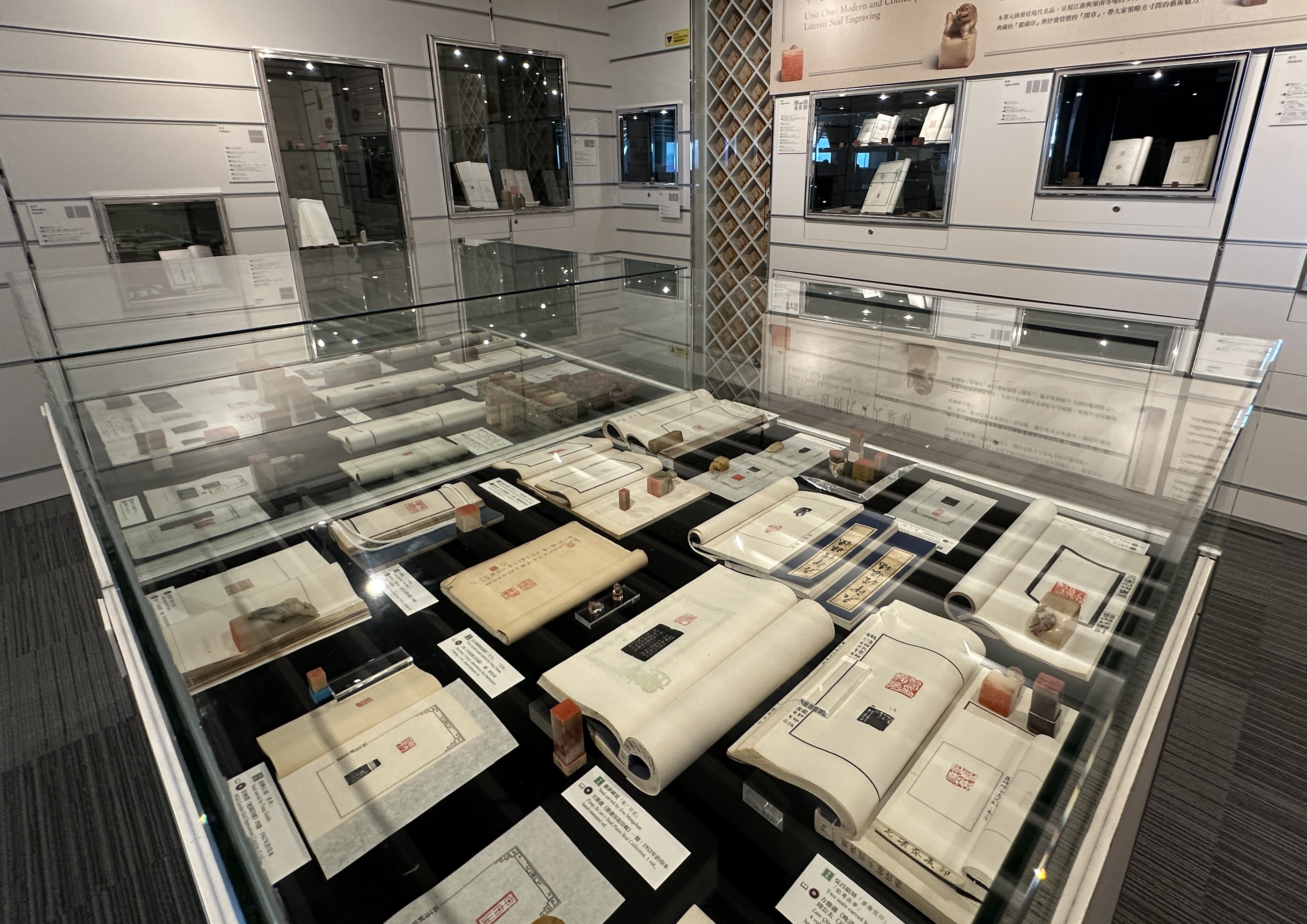
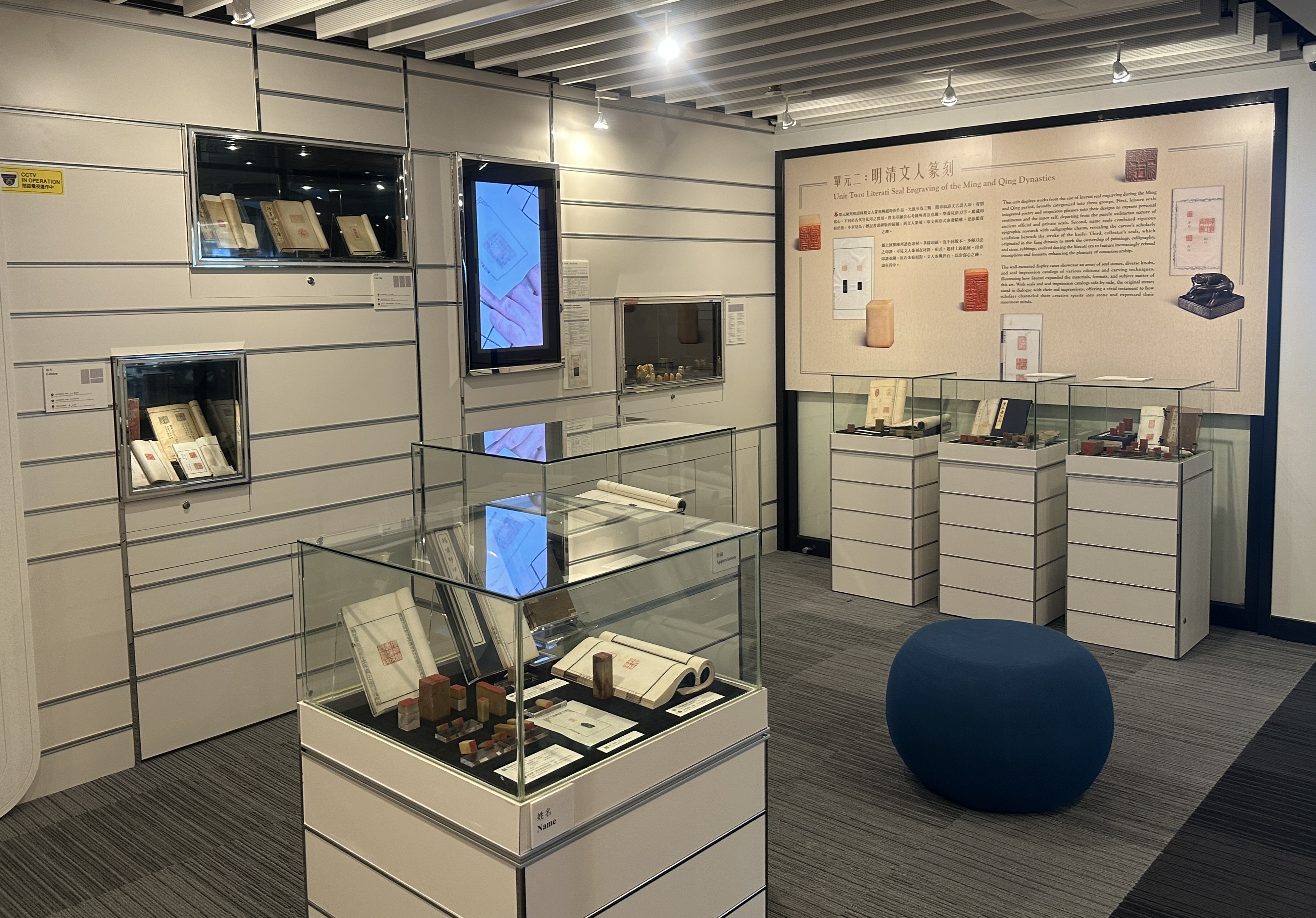
This unit displays works from the rise of literati seal engraving during the Ming and Qing periods, broadly categorized into three groups. First, leisure seals integrated poetry and auspicious phrases into their designs to express personal sentiments and the inner self, departing from the purely utilitarian nature of ancient official and private seals. Second, name seals combined rigorous epigraphic research with calligraphic charm, revealing the carver's scholarly erudition beneath the stroke of the knife. Third, collector's seals, which originated in the Tang dynasty to mark the ownership of paintings, calligraphy, and stone rubbings, evolved during the literati era to feature increasingly refined inscriptions and formats, enhancing the pleasure of connoisseurship.
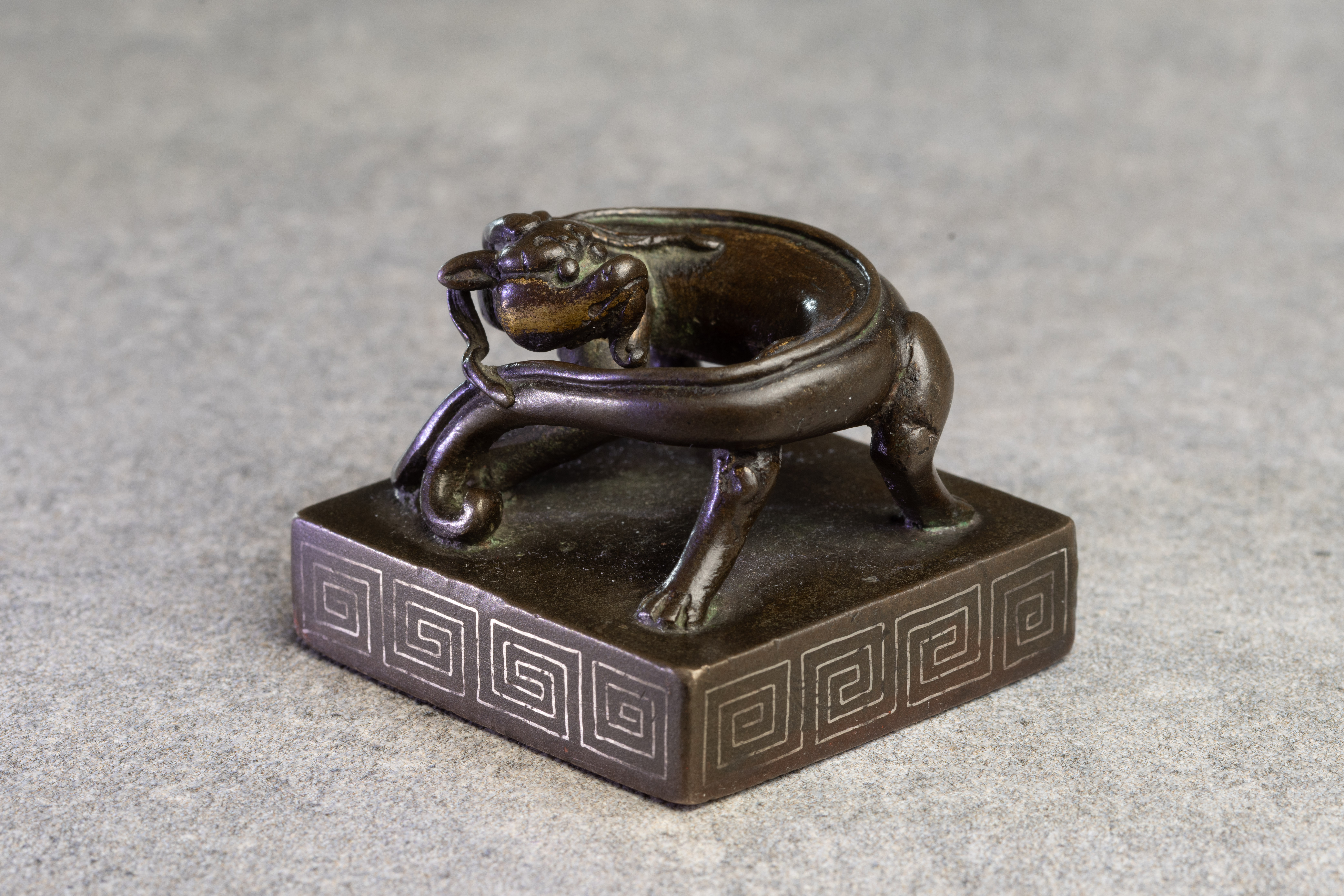
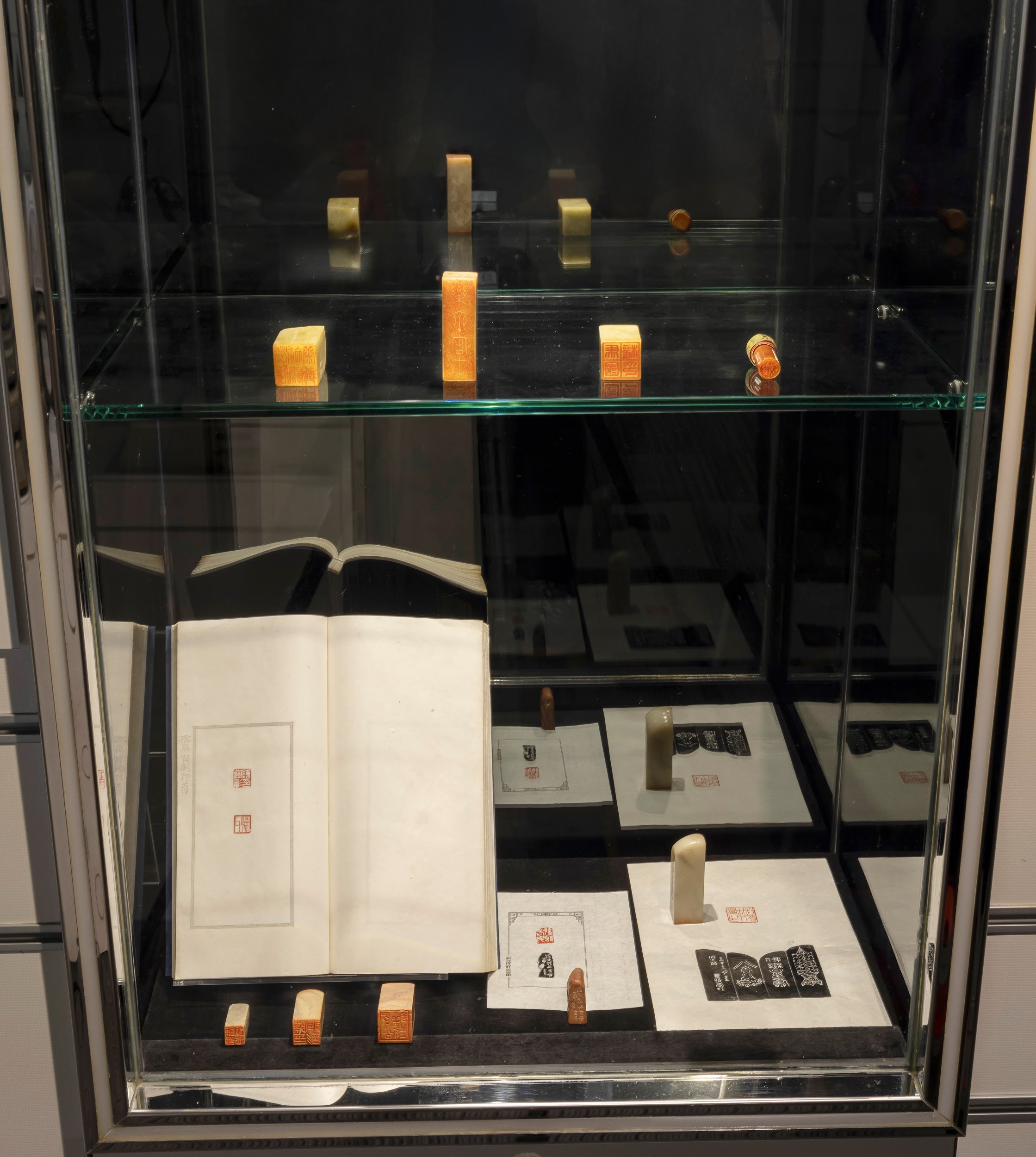
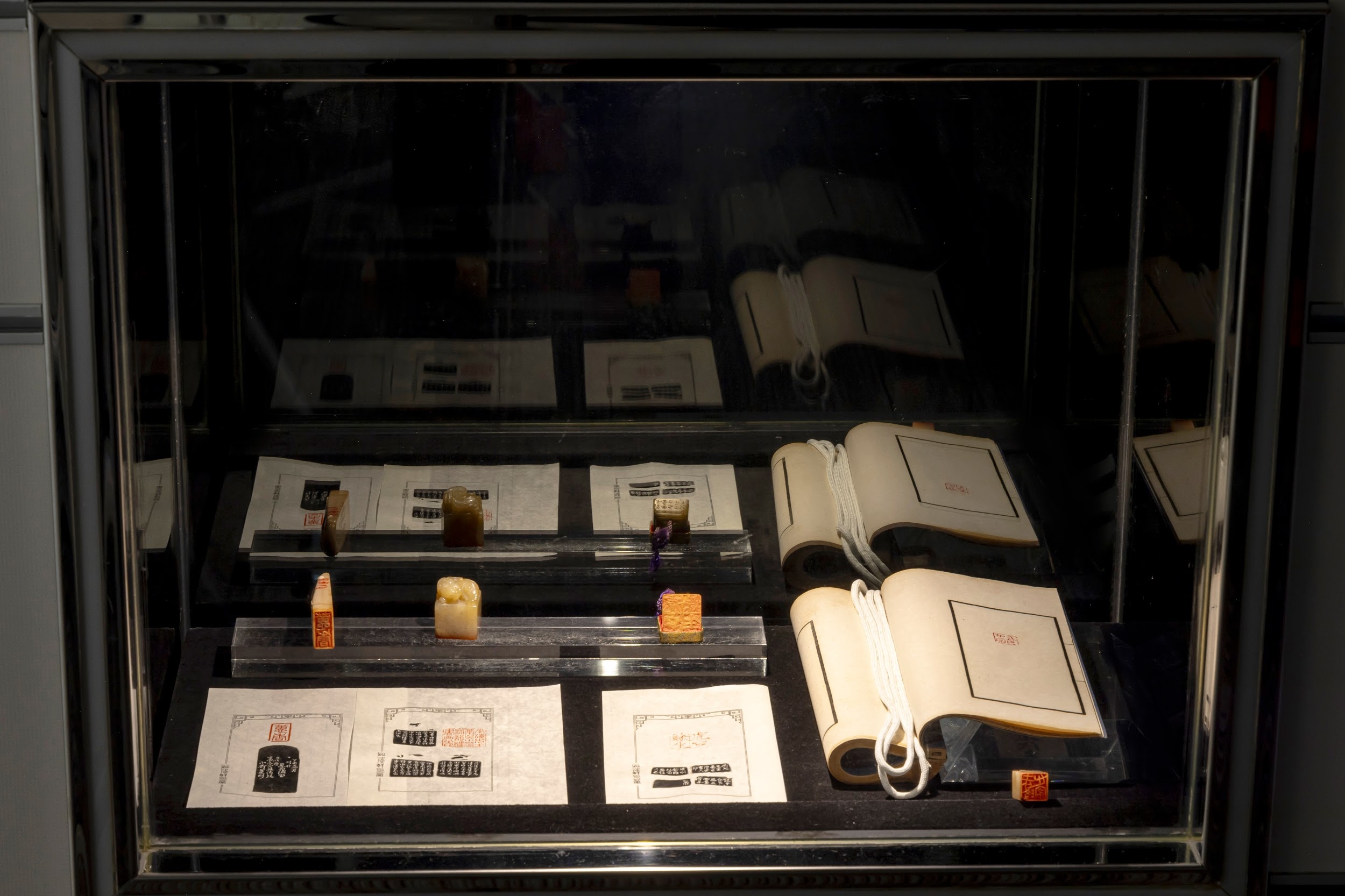
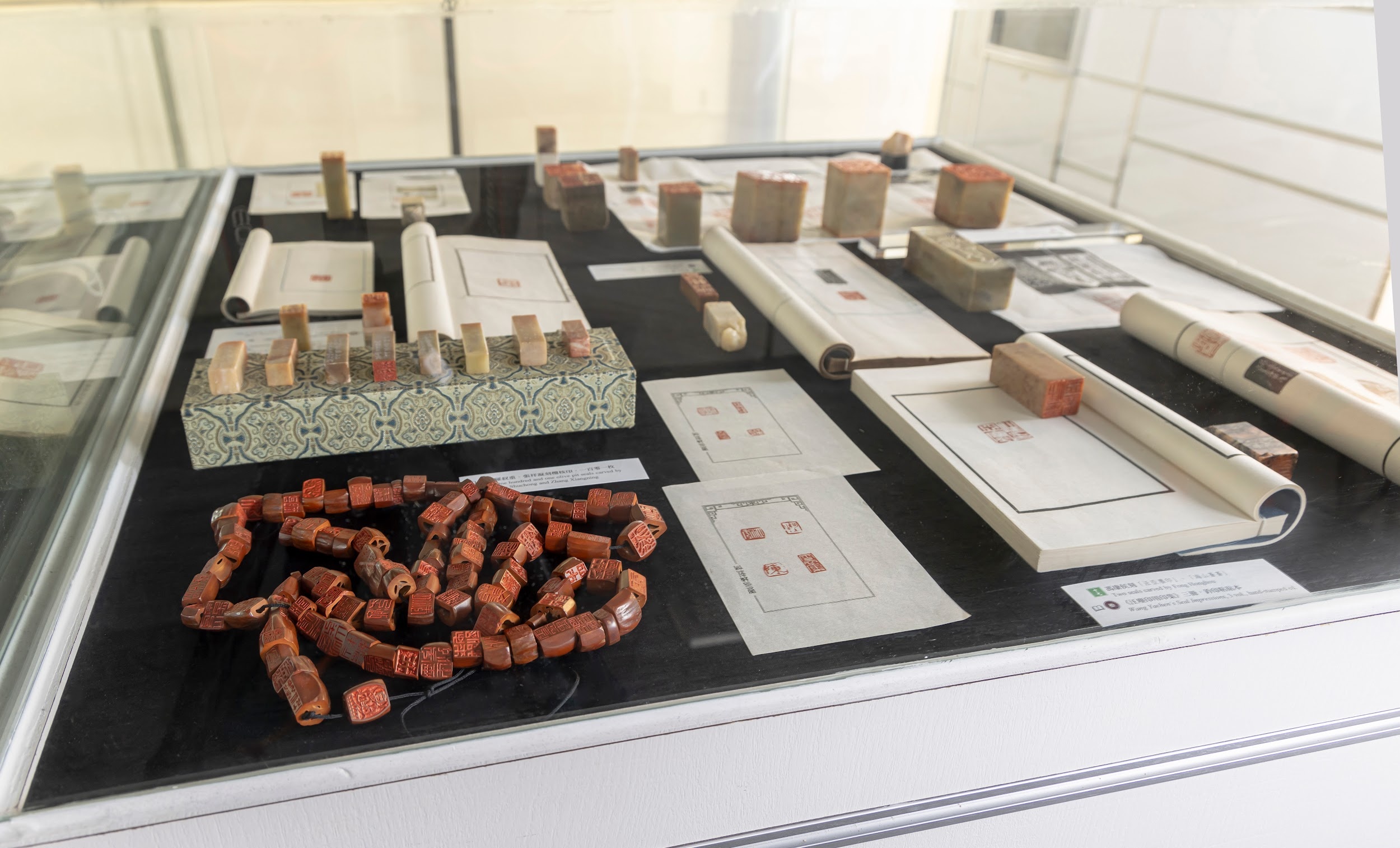
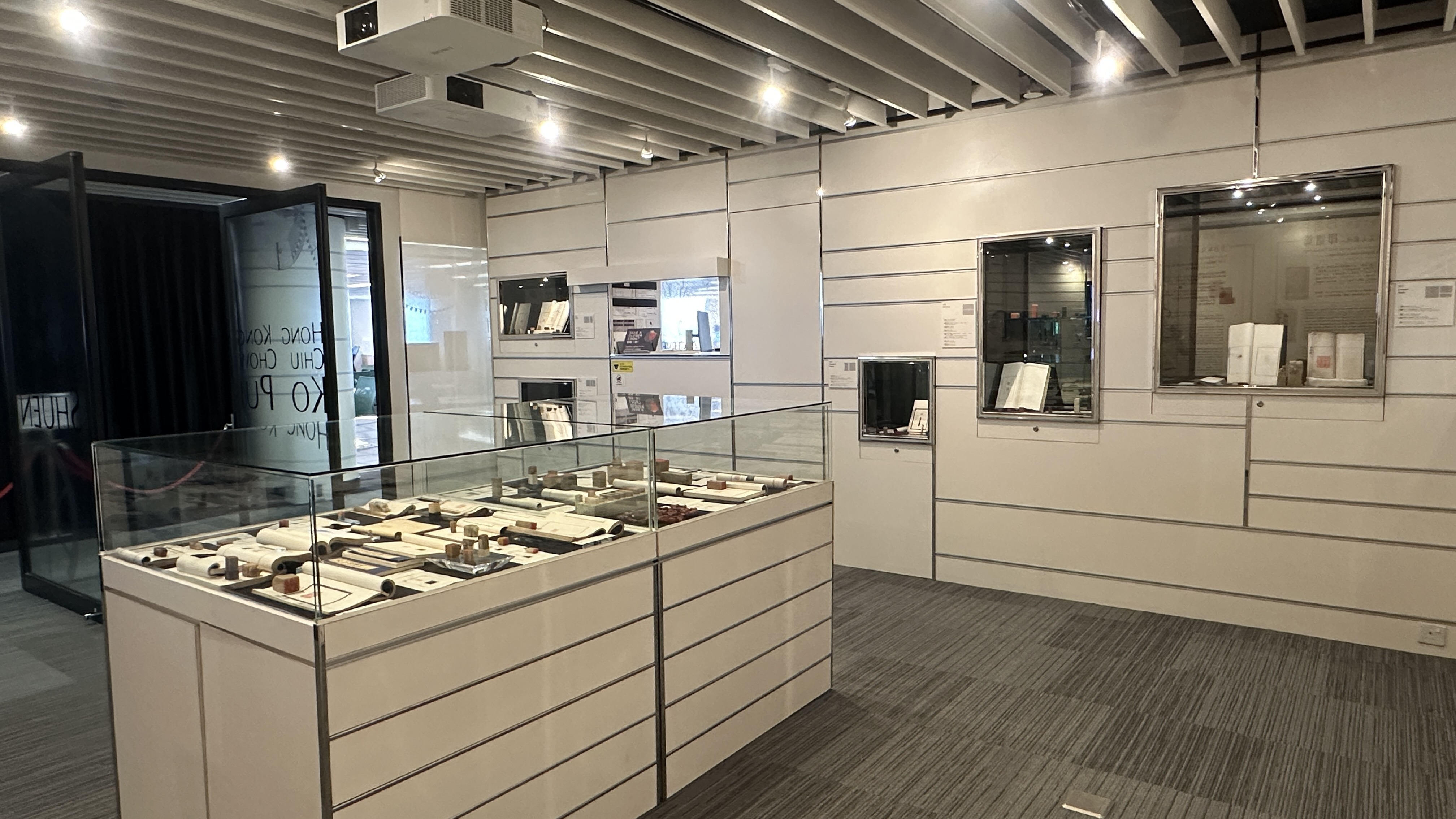
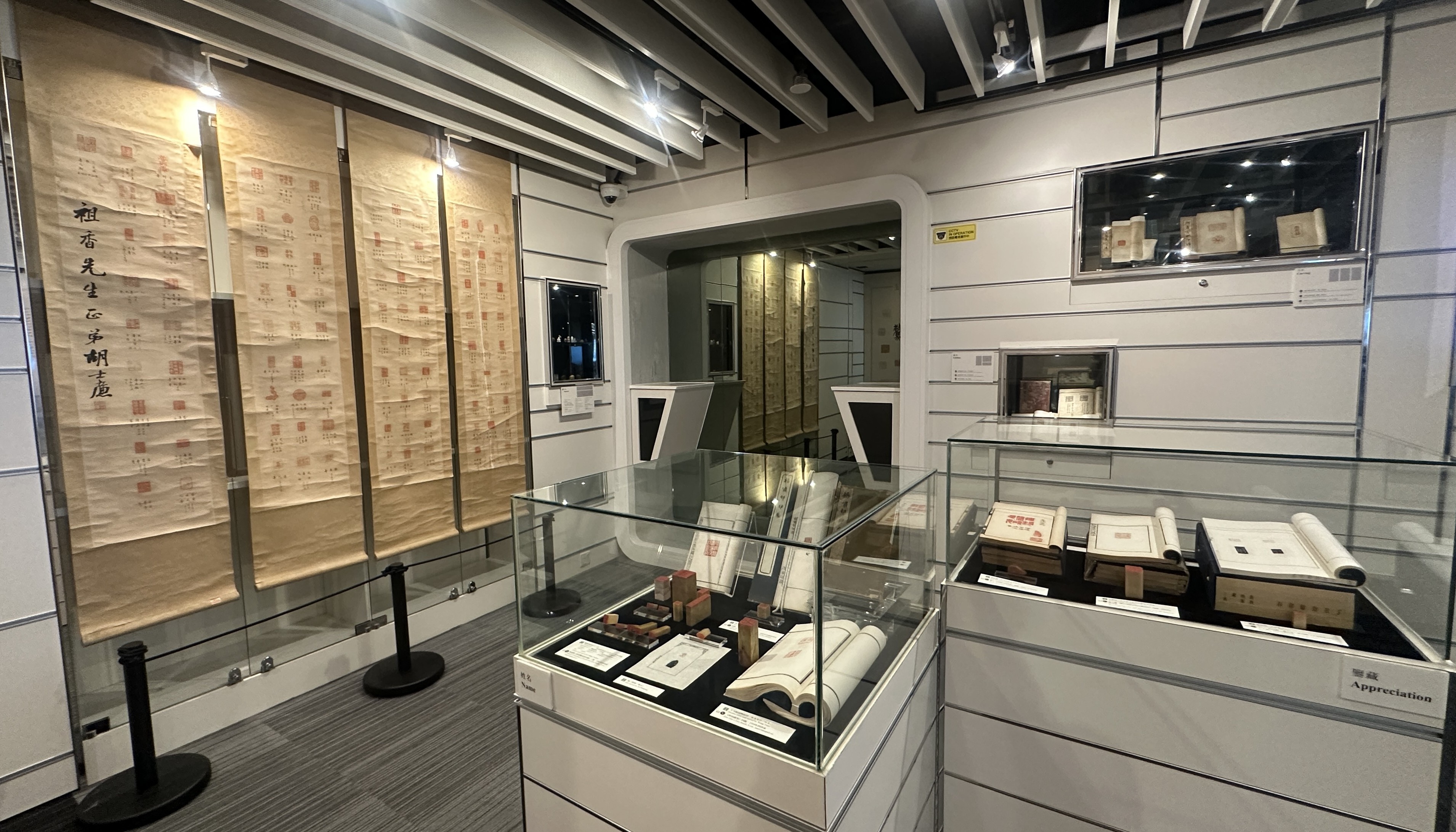
The wall-mounted display cases showcase an array of seal stones, diverse knobs, and seal impression catalogs of various editions and carving techniques, illustrating how literati expanded the materials, formats, and subject matter of this art. With seals and seal impression catalogs side-by-side, the original stones stand in dialogue with their red impressions, offering a vivid testament to how scholars channeled their creative spirits into stone and expressed their innermost minds.
Monday – Friday:
10:00 am – 5:00 pm
Saturday, Sunday and Public Holidays: closed

