


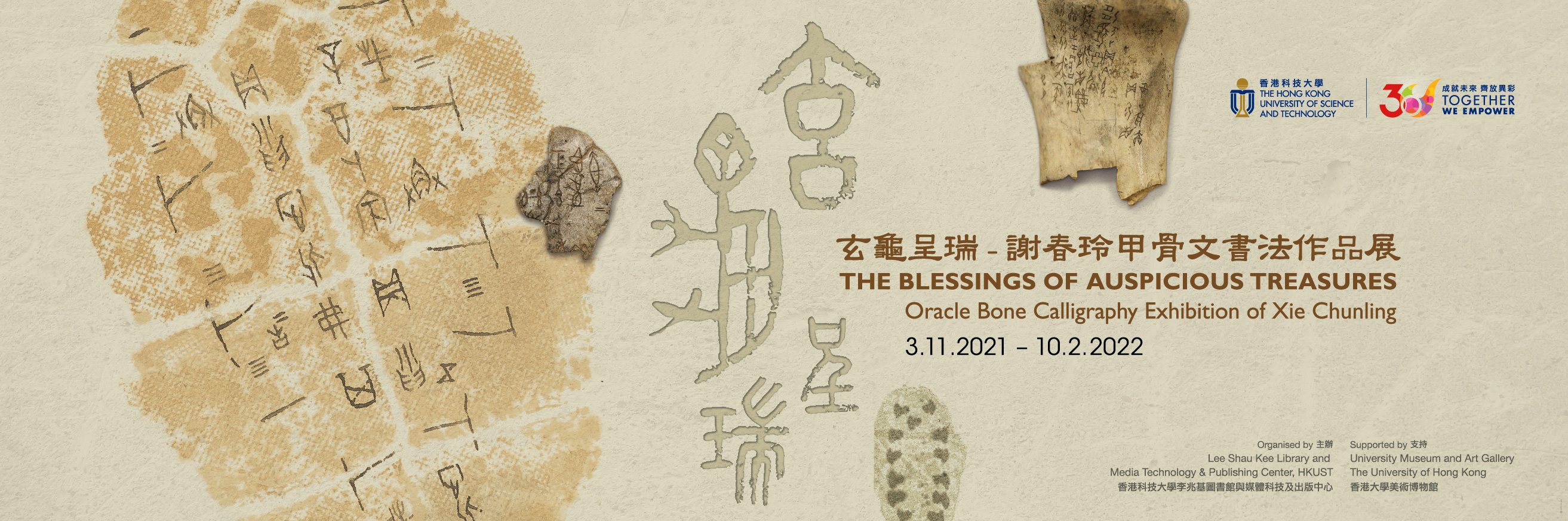
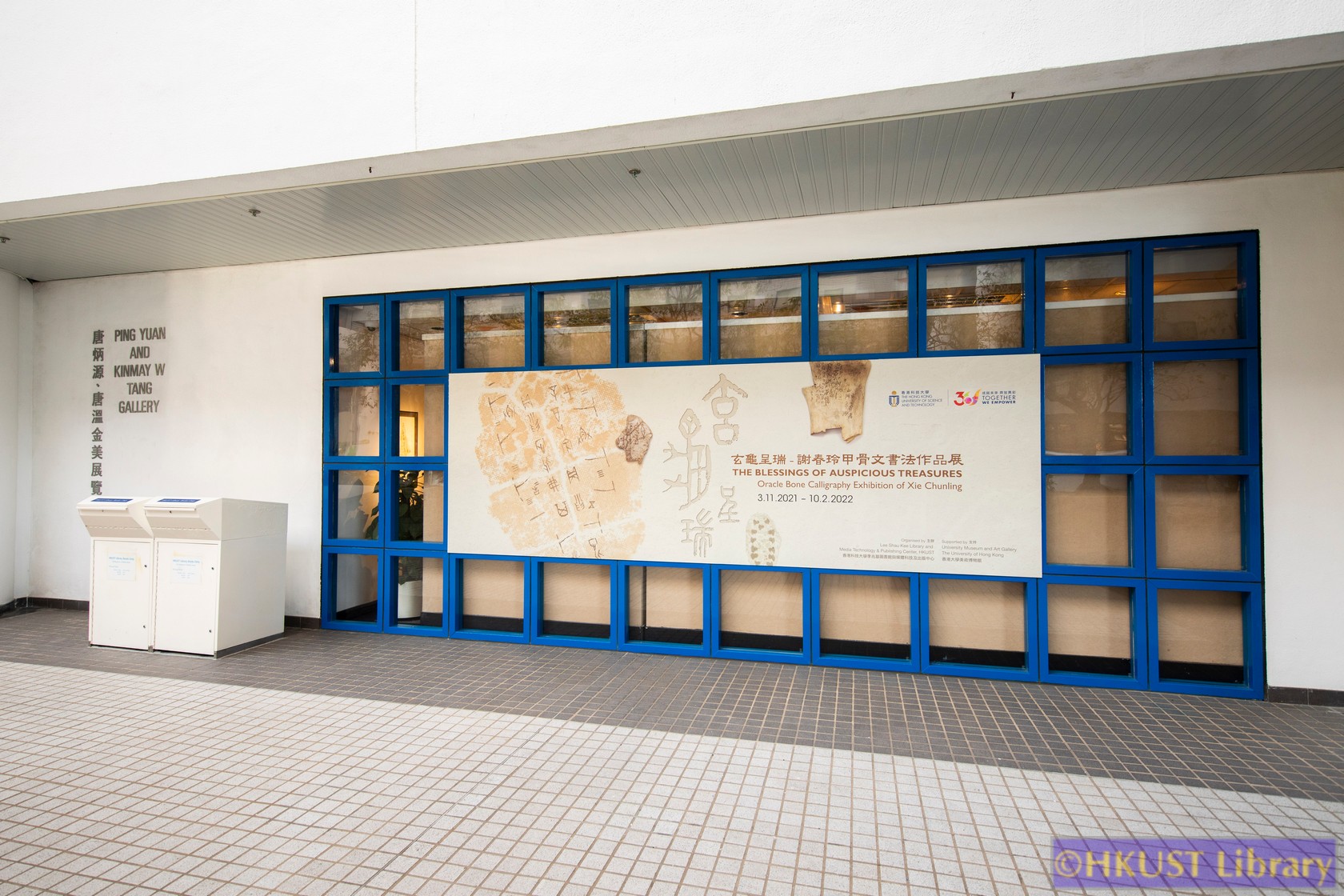
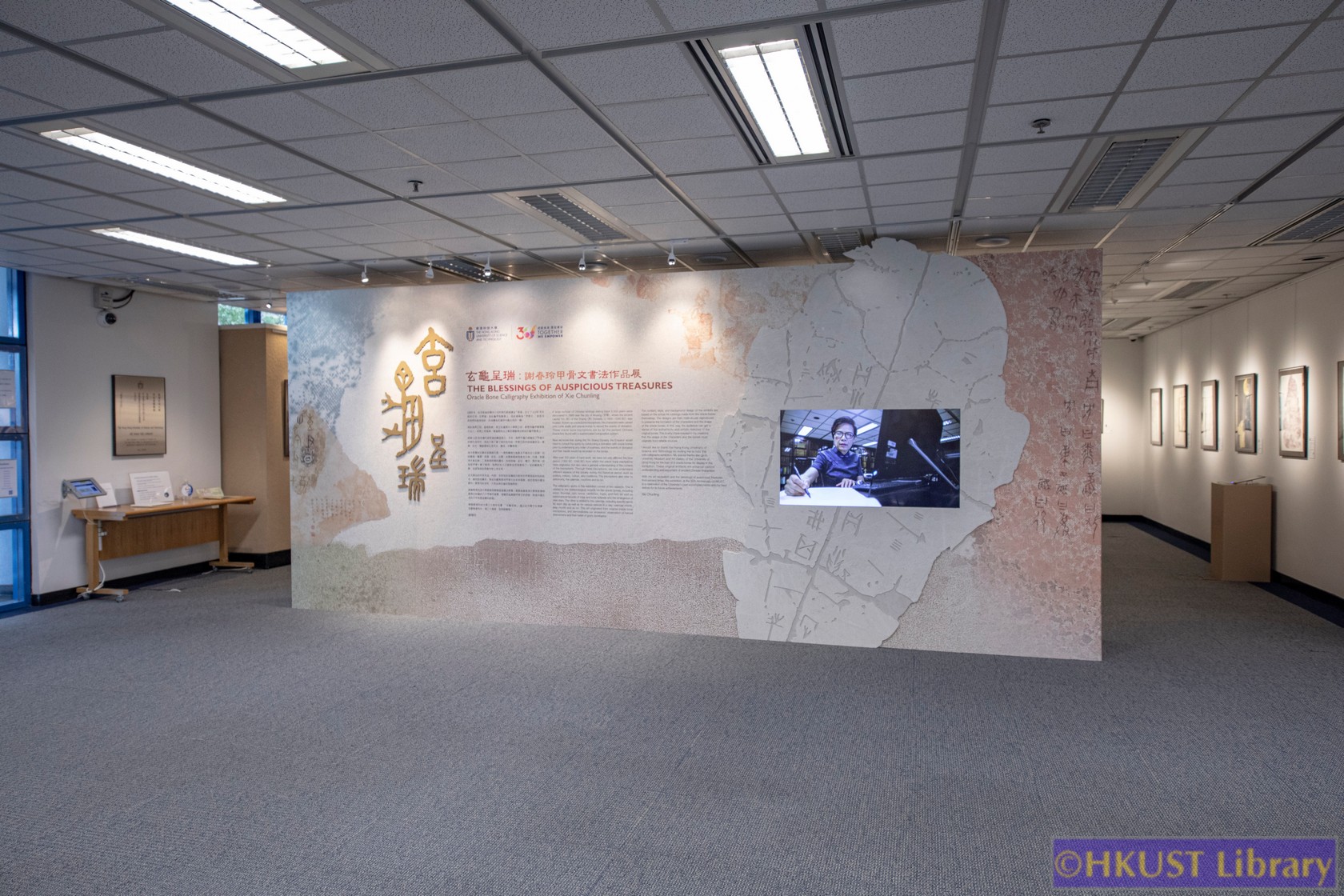
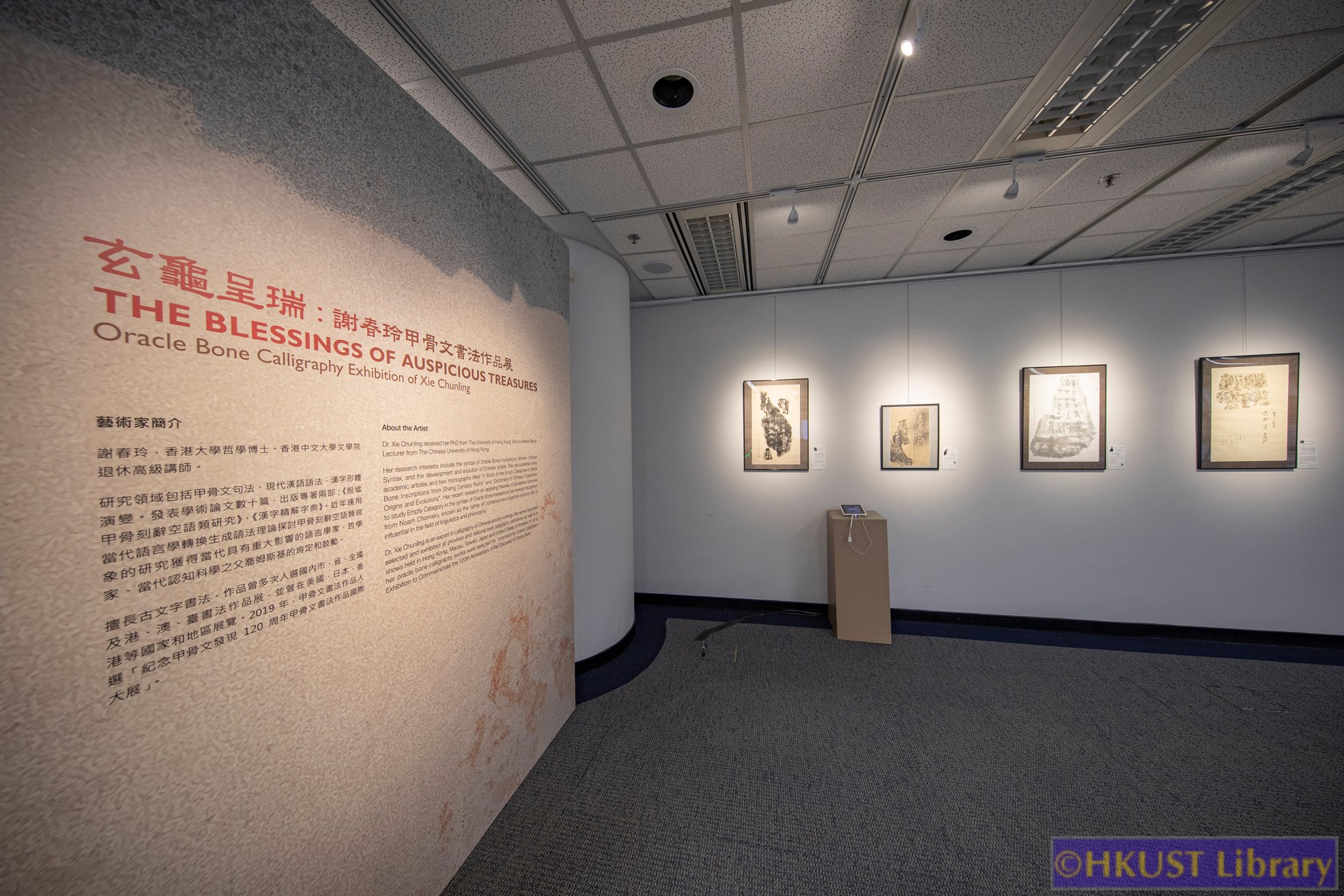
The Blessings of Auspicious Treasures: Oracle Bone Calligraphy Exhibition of Xie Chunling 玄龜呈瑞 - 謝春玲甲骨文書法作品展
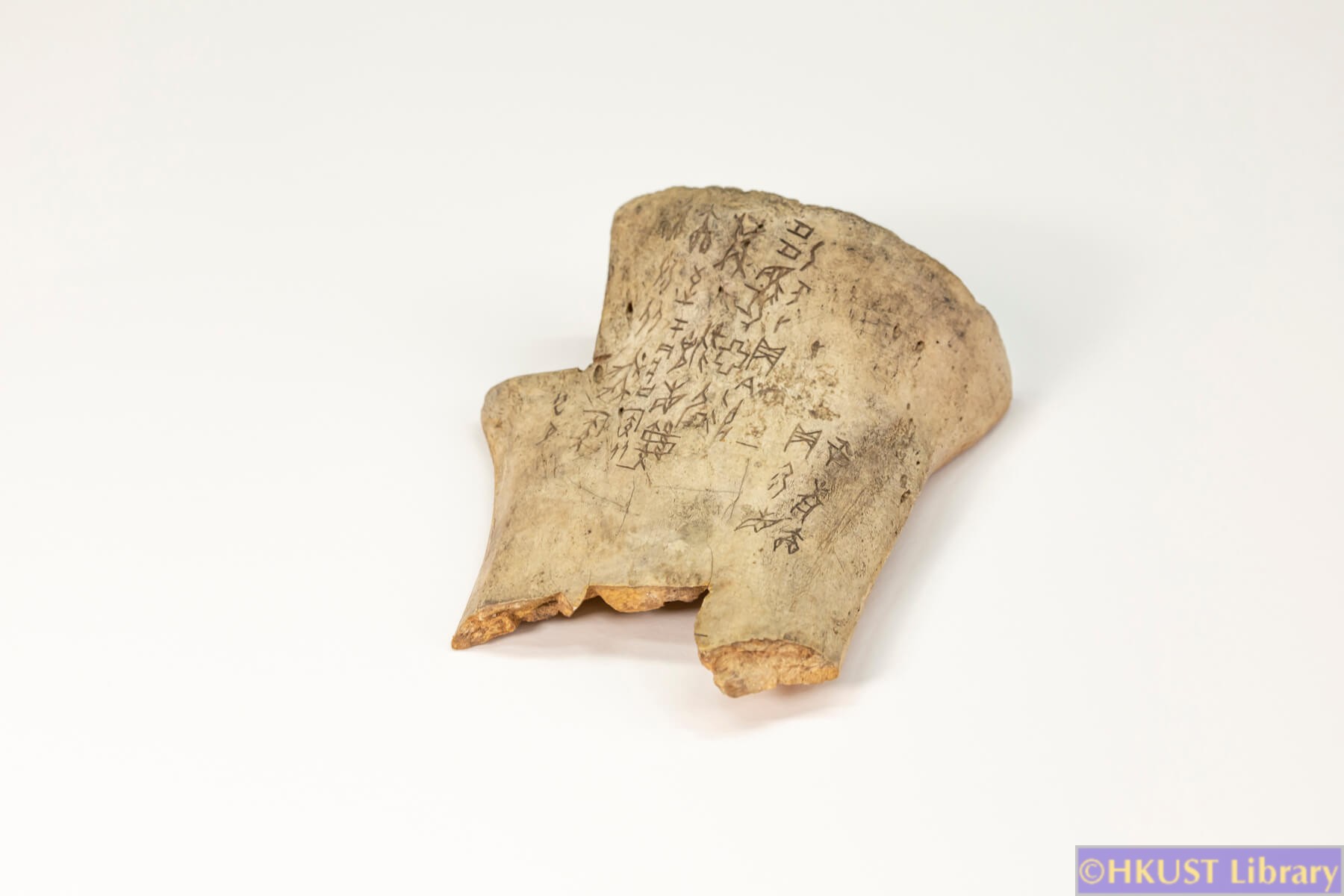
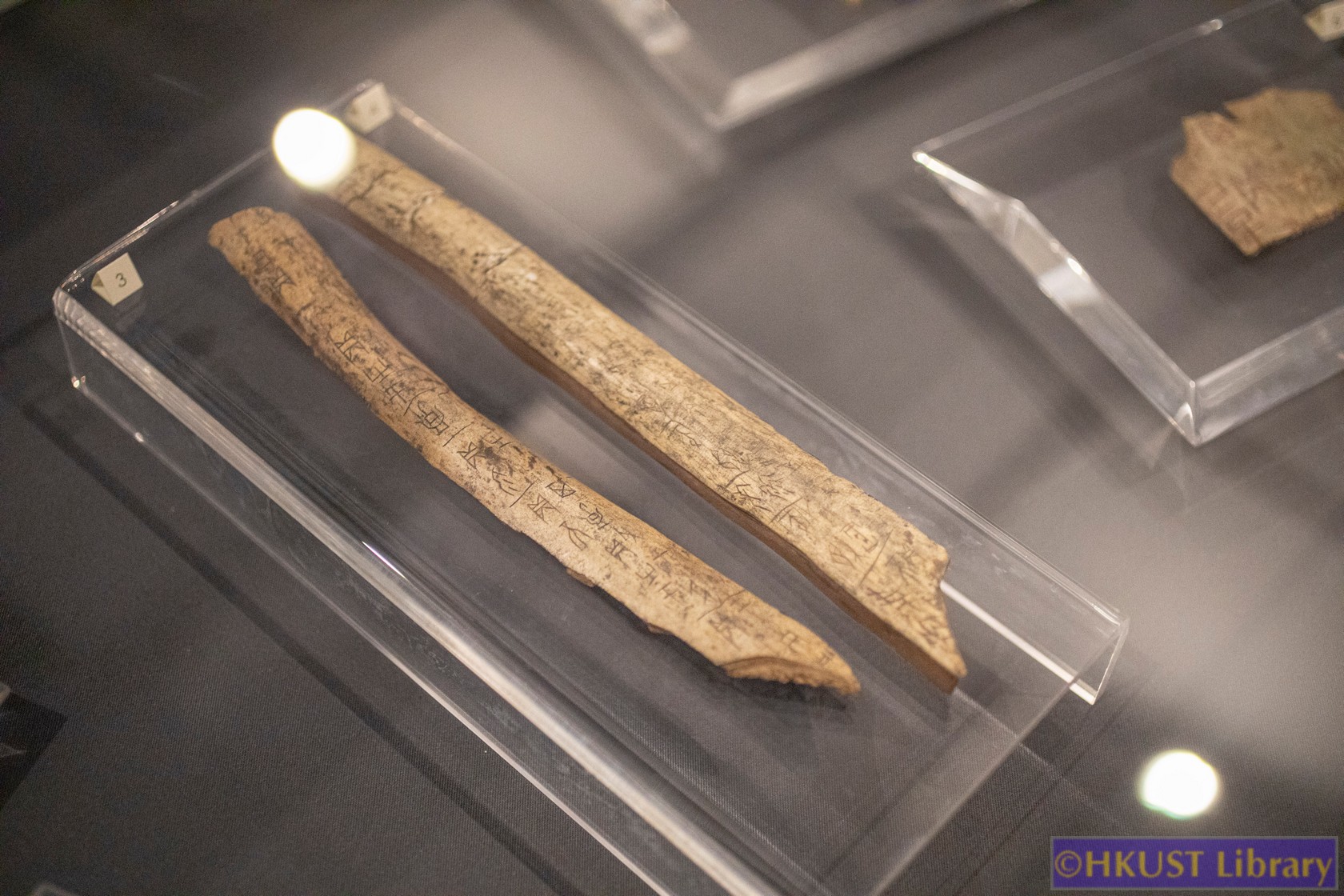
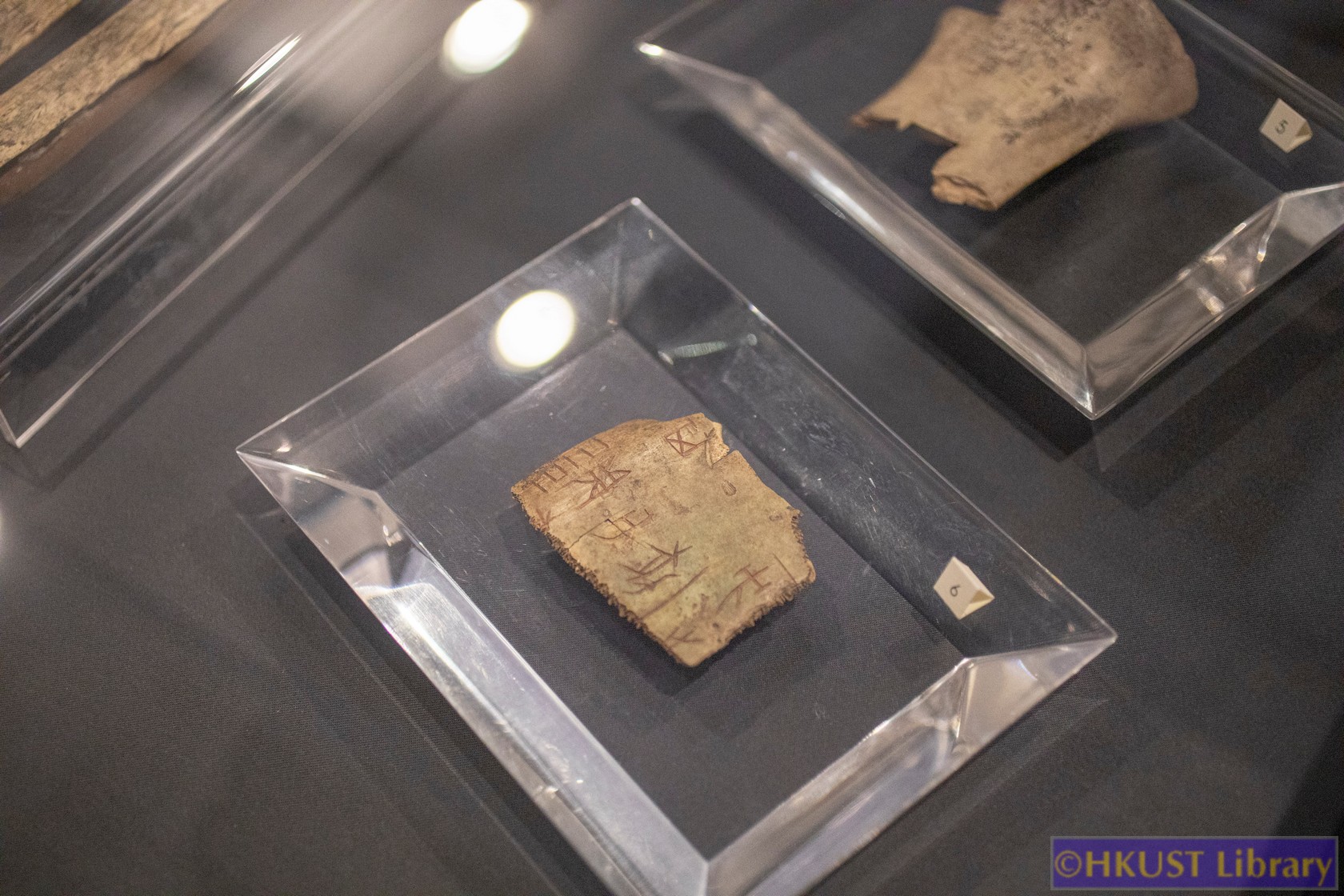
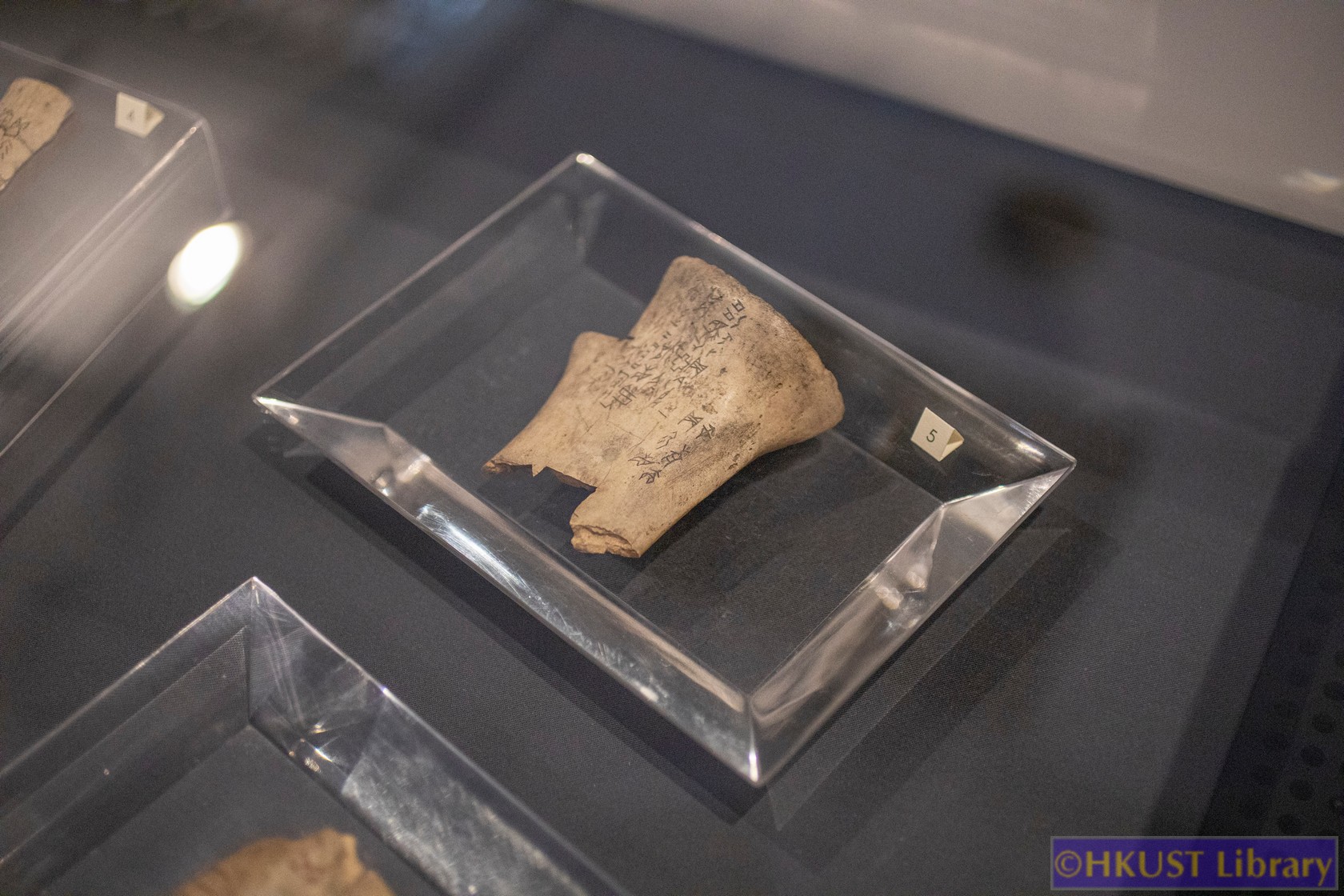
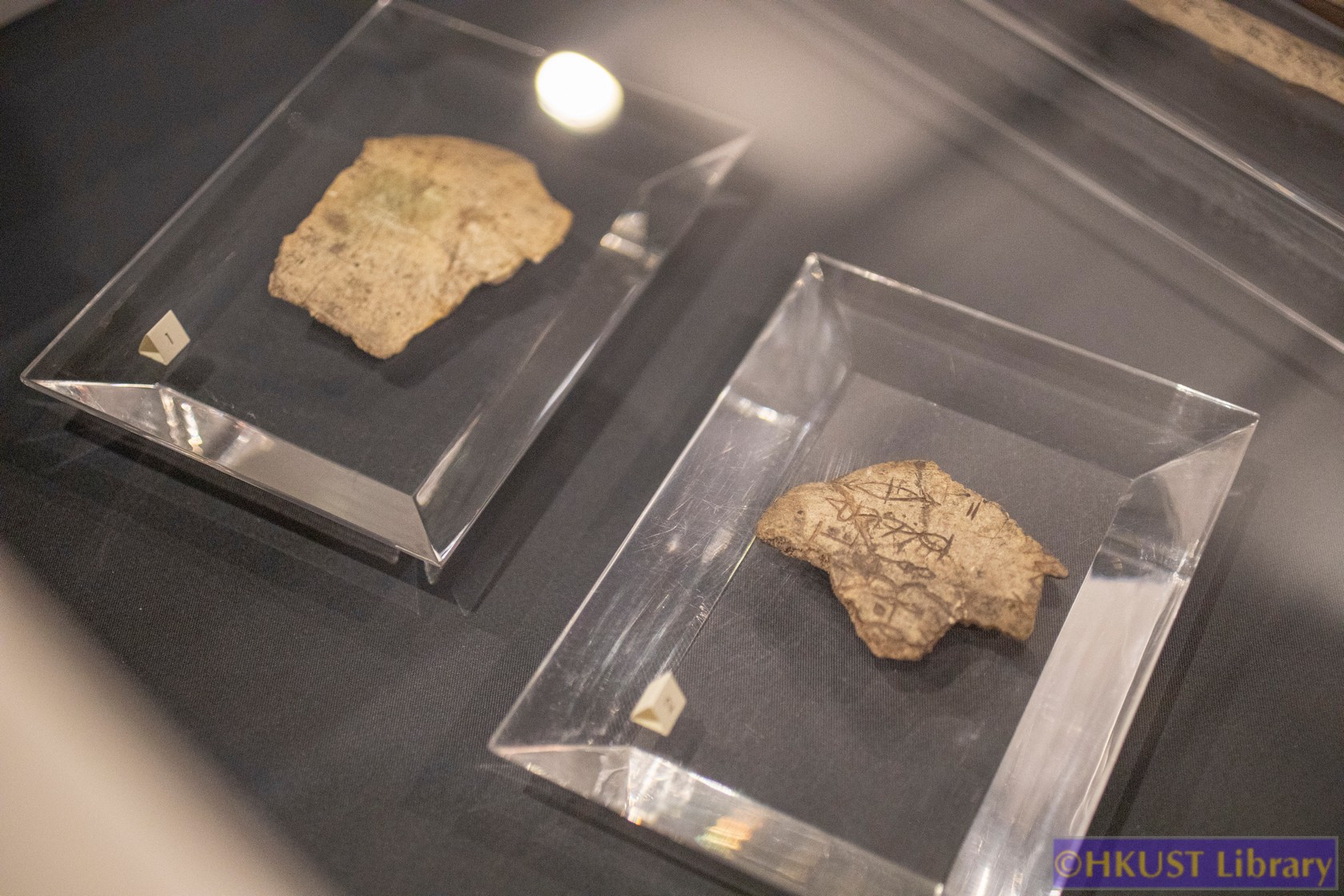
A large number of Chinese writings dating back more than 3,000 years were discovered in 1899 near the city of Anyang (安陽), where the ancient capital Yin (殷) of the Shang (商) Dynasty (c.1600–1046 BC) was located. Known as oracle bone inscriptions, the characters were carved onto turtle shells and animal bones to record the events of divination. These oracle bone inscriptions are by far the earliest Chinese characters found with a sophisticated composition system. The stunning discovery and interpretation of these inscriptions has become a significant milestone in the development of both Chinese and, more broadly, human civilization.
Buried underground for more than 3,000 years, the form of the characters and the contents of the oracle bone inscriptions have been well preserved, without being tampered or altered. They are the most reliable historical information of the period.
More than 100,000 oracle bones have been excavated since 1899. Among the 4,600 distinctive characters confirmed for their uniqueness, 2,350 of them can be established by components (radicals) from regular script while 1,170 have been successfully interpreted and verified in later dictionaries.
Now we know that during the Yin Shang Dynasty, the Emperor would have to consult the spirits by conducting a divination with oracle bones prior to undertaking any order of business, and the events of divination and their results would be recorded on the bones. Oracle bone inscriptions reflect people’s devotion to fate in that period, illustrating their belief that everything that happens in the human world is decided by god, spirits, and ancestors. Therefore, these offering activities were extremely frequent and quite complicated, forming a unique cultural phenomenon.
After over 120 years of hard work, we have not only affirmed the time period (1300BC-1046BC) from which the oracle bone inscriptions have originated, but also have a general understanding of the content of the inscriptions. Through these inscriptions, we now understand different aspects of the society during this historical period, such as politics, military, culture, and traditions. The inscriptions also refer to astronomy, the calendar, medicine and so on. Astronomy and the calendar had an early development in Chinese history and are the key components of the Chinese culture. Oracle bone inscriptions already recorded a broad spectrum of astronomical phenomena and calendrical expressions.
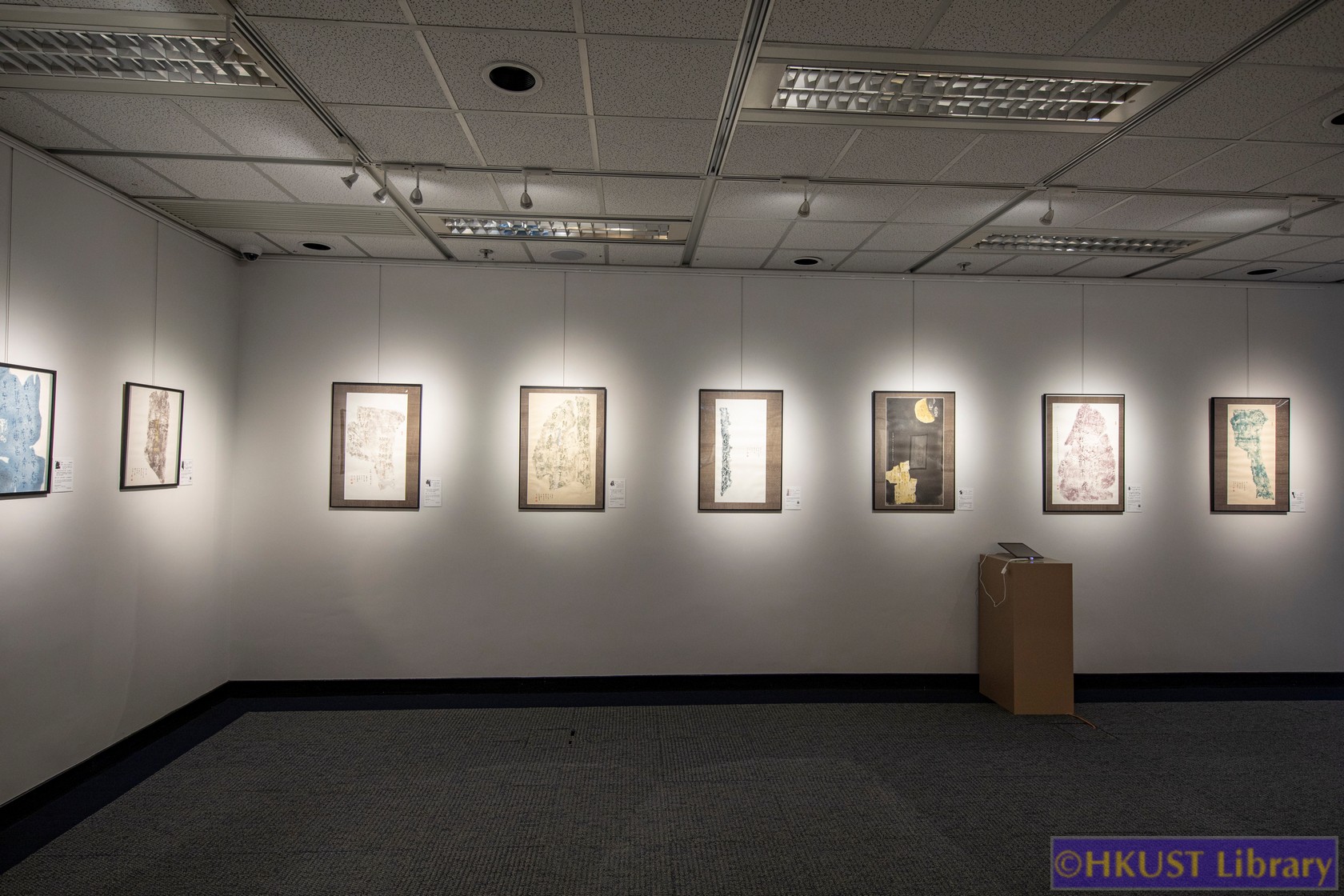
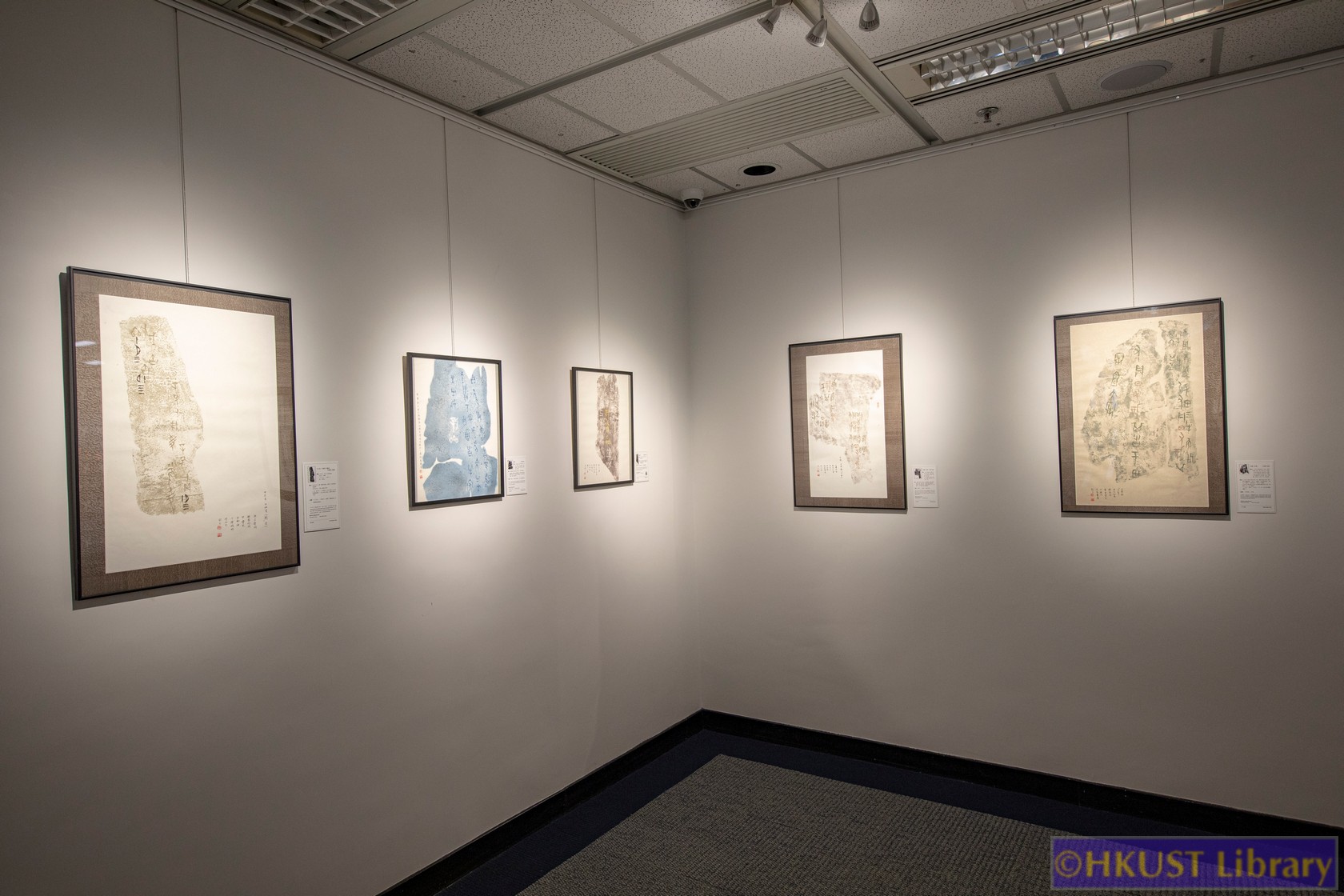
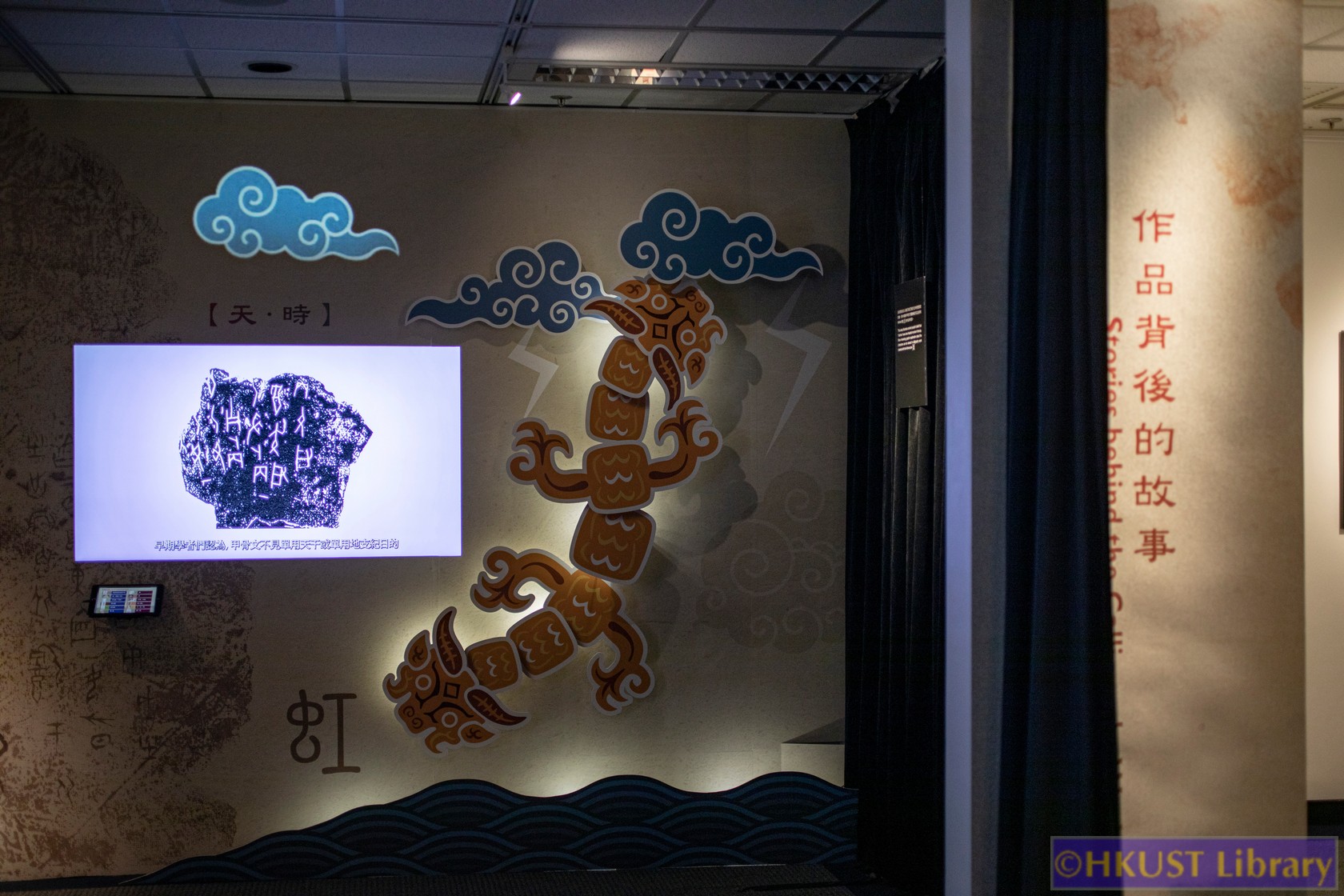
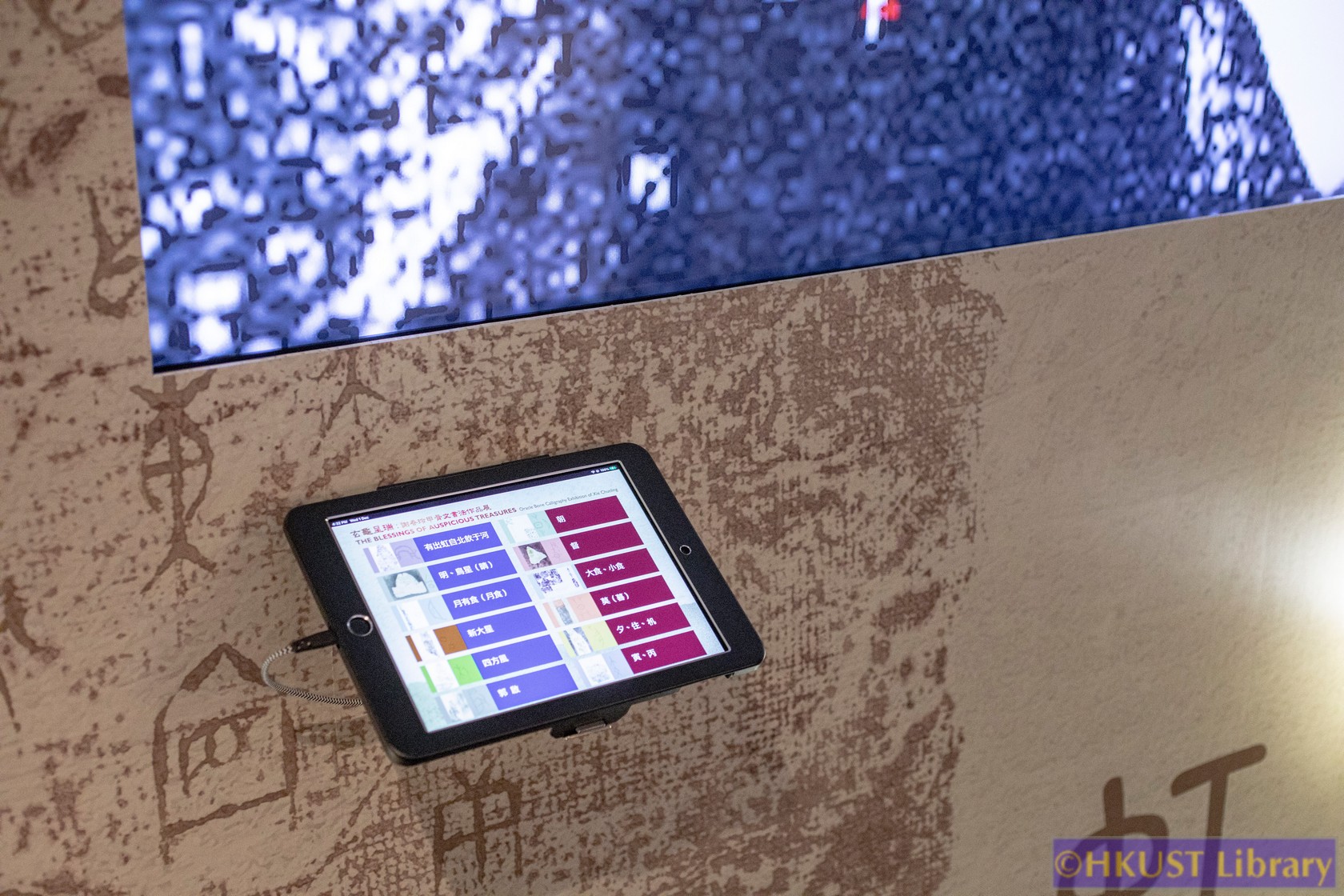
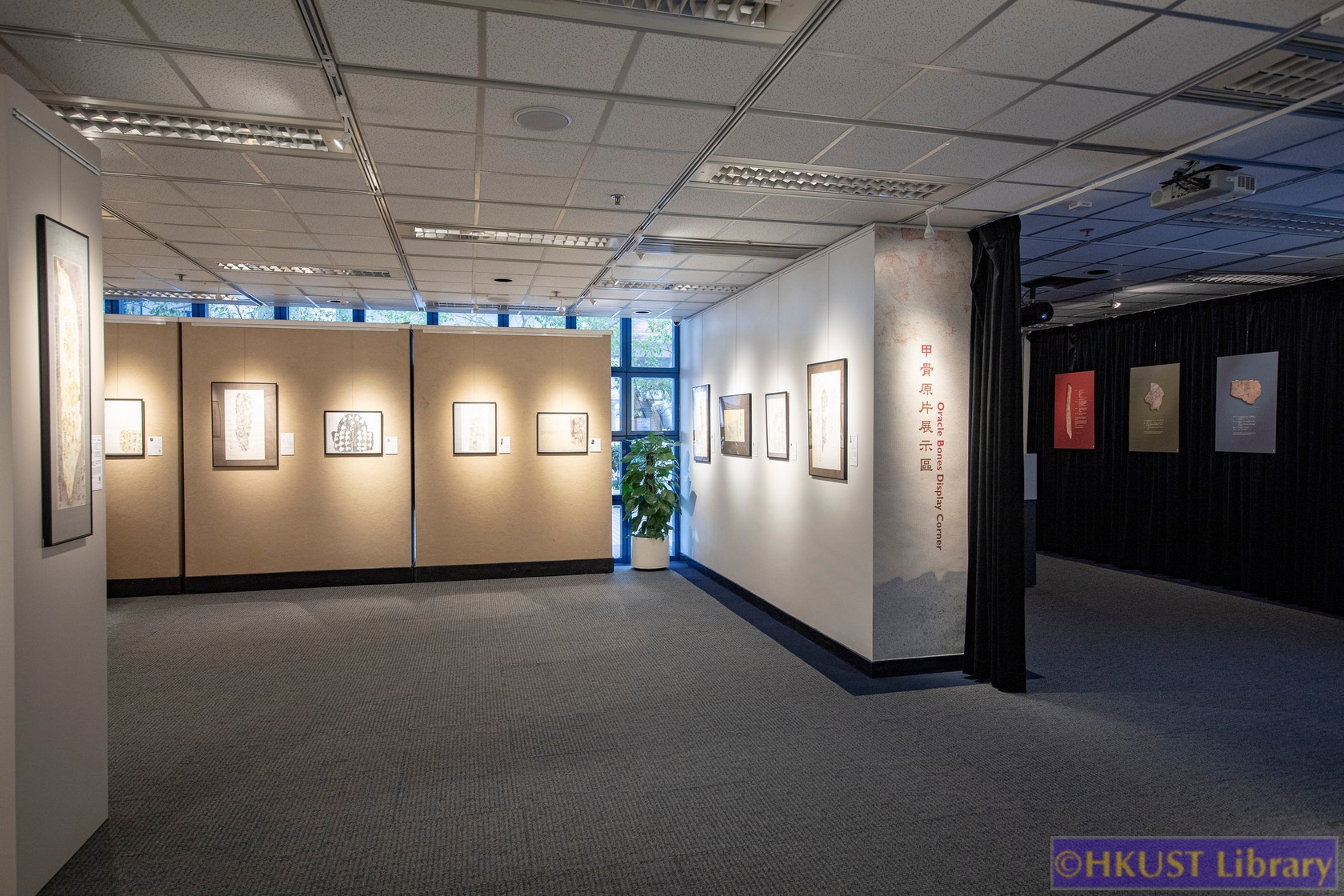
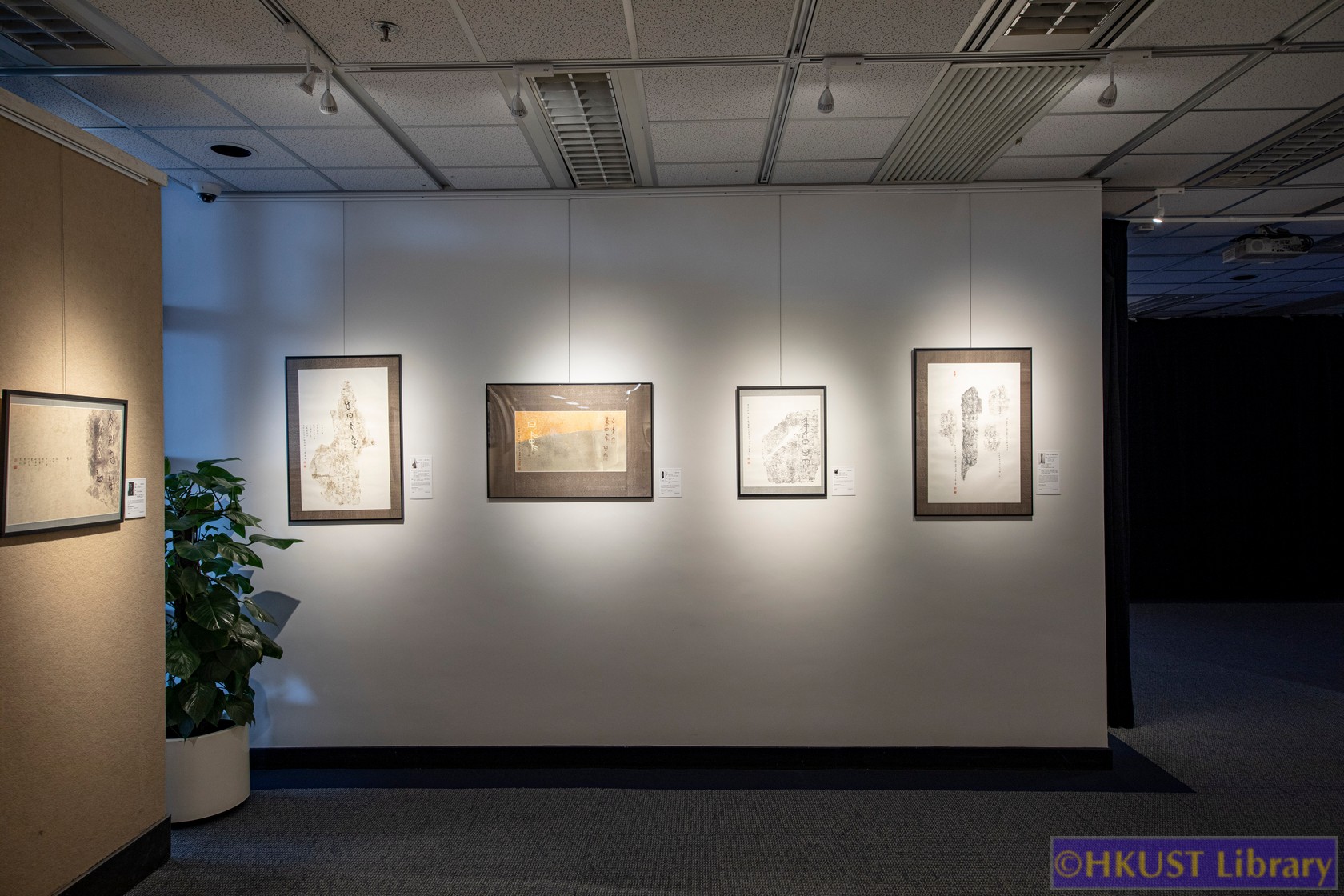
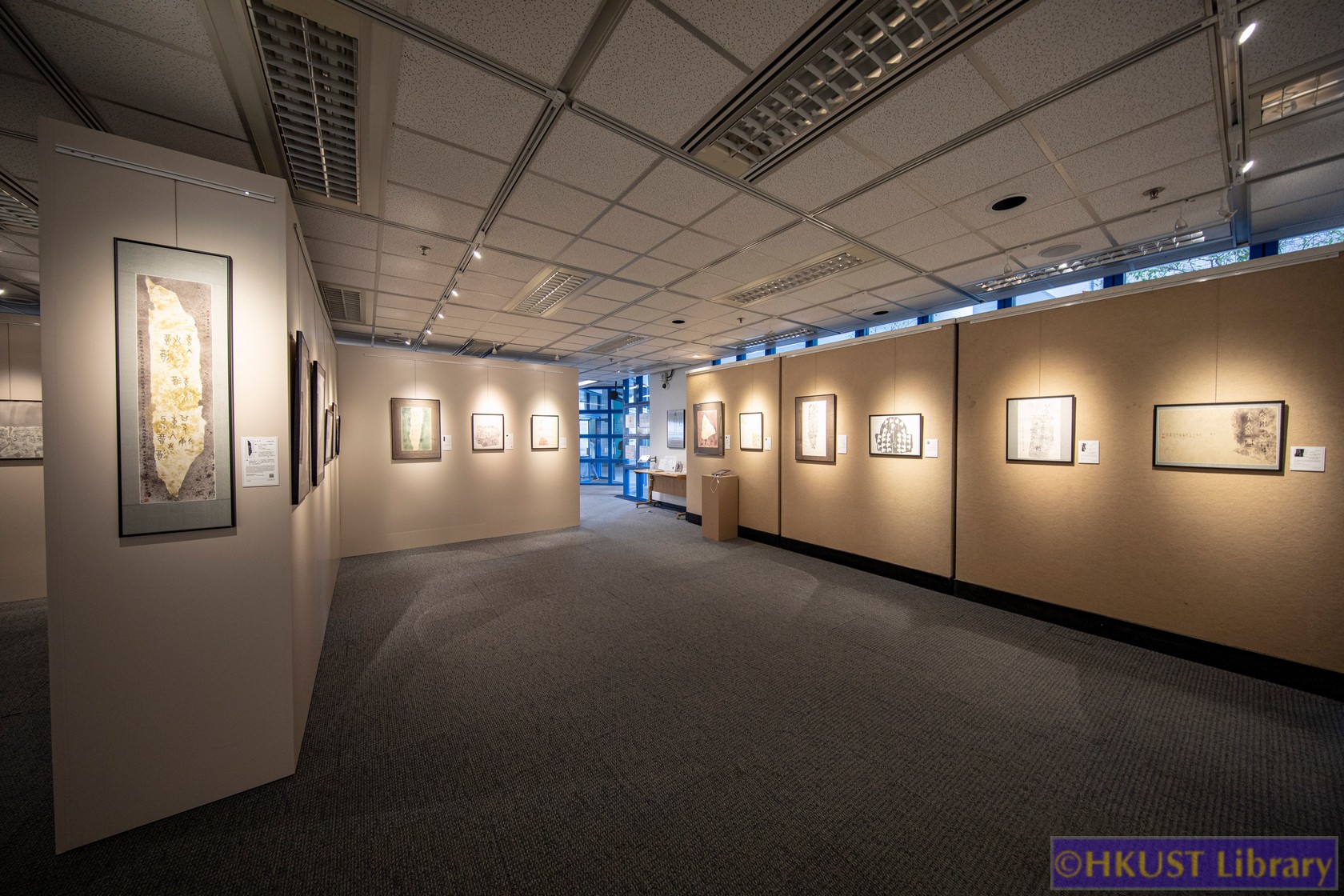
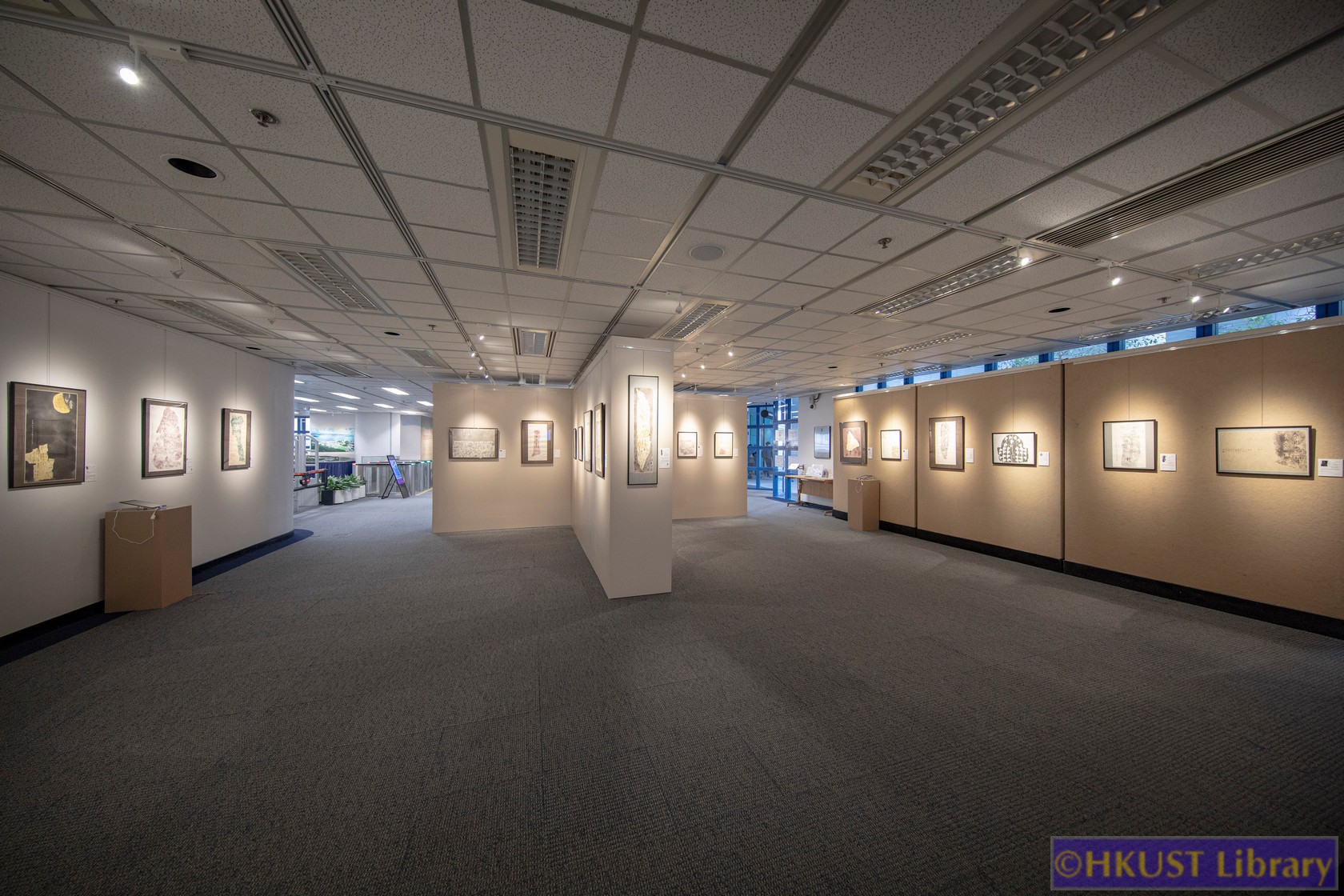
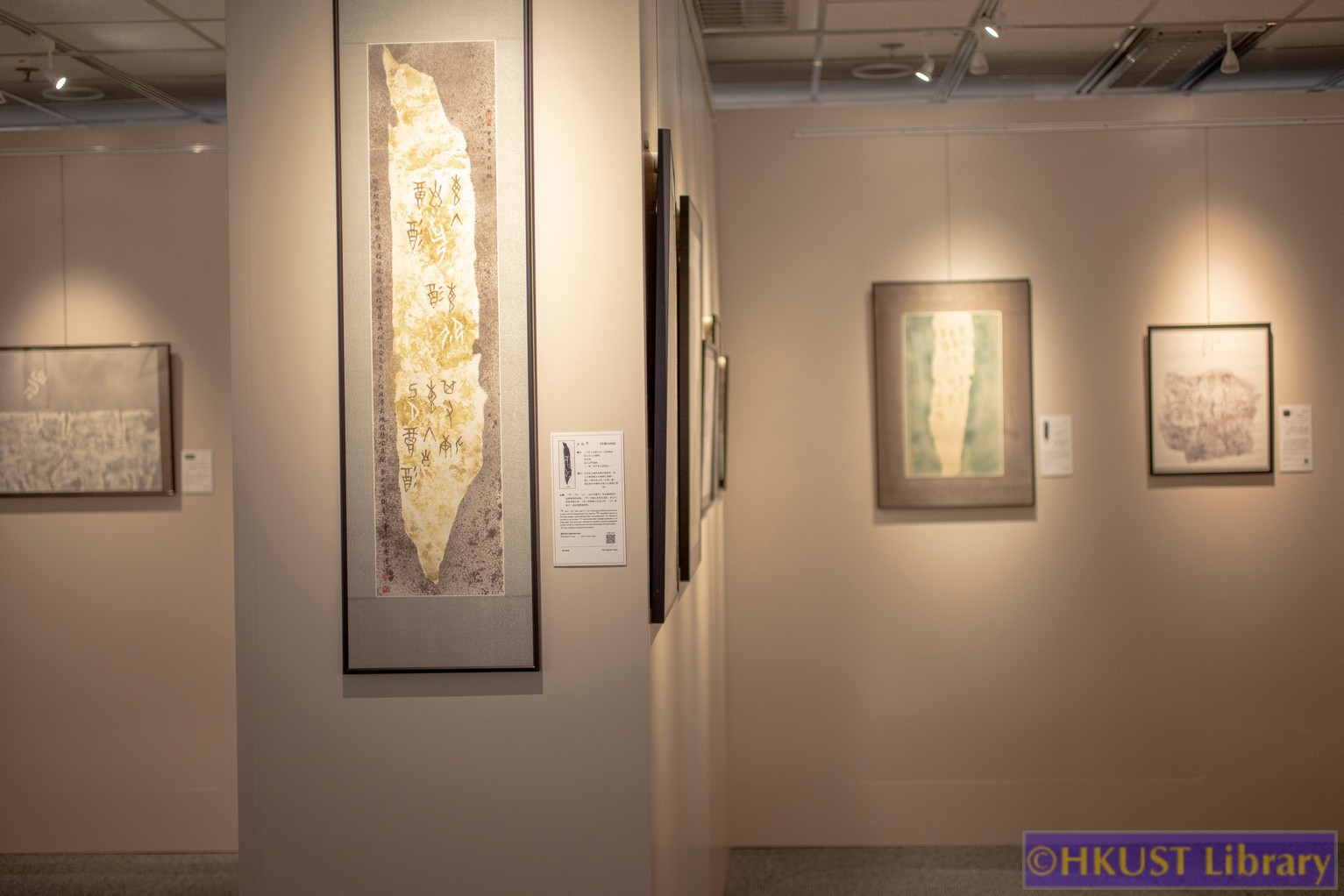
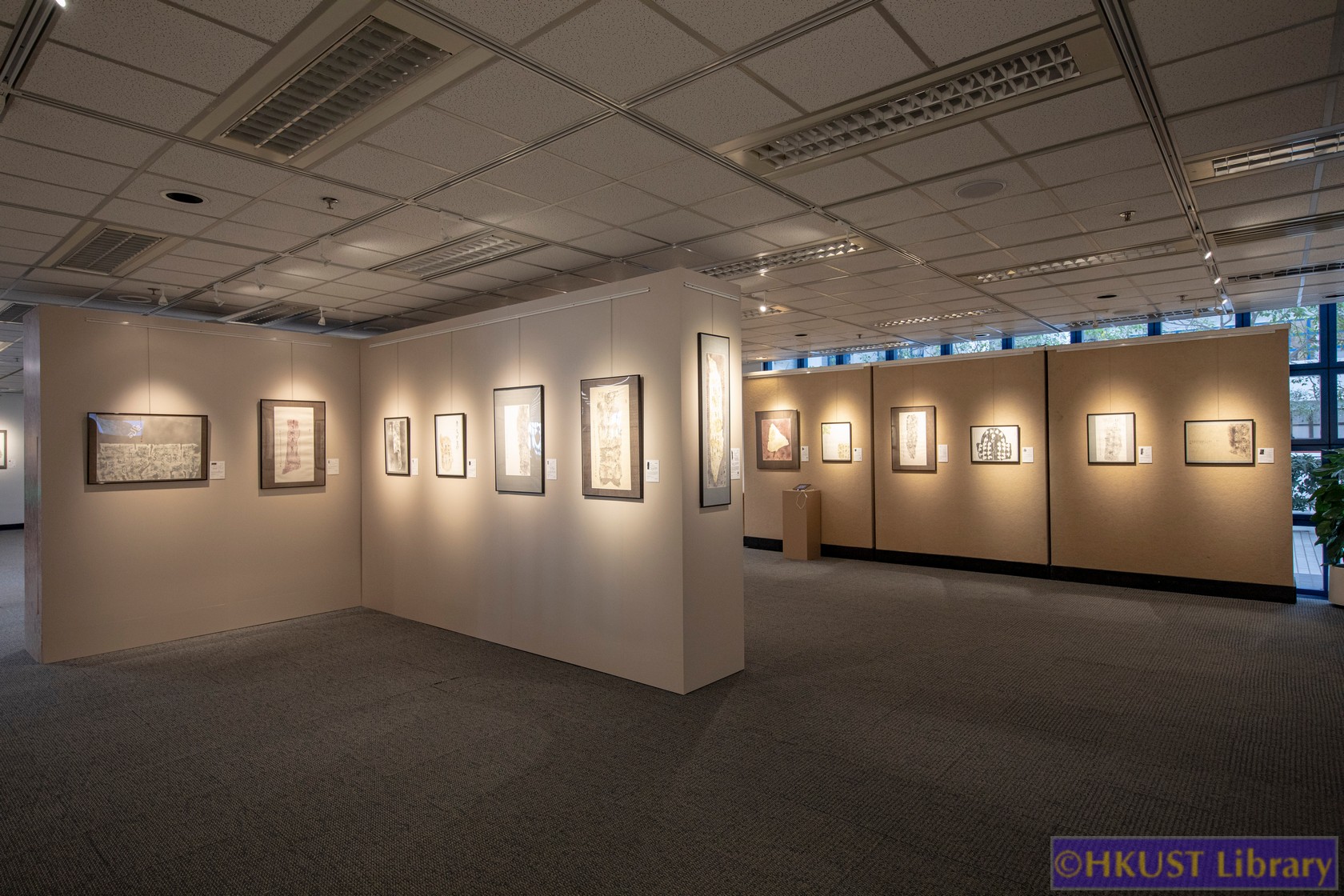
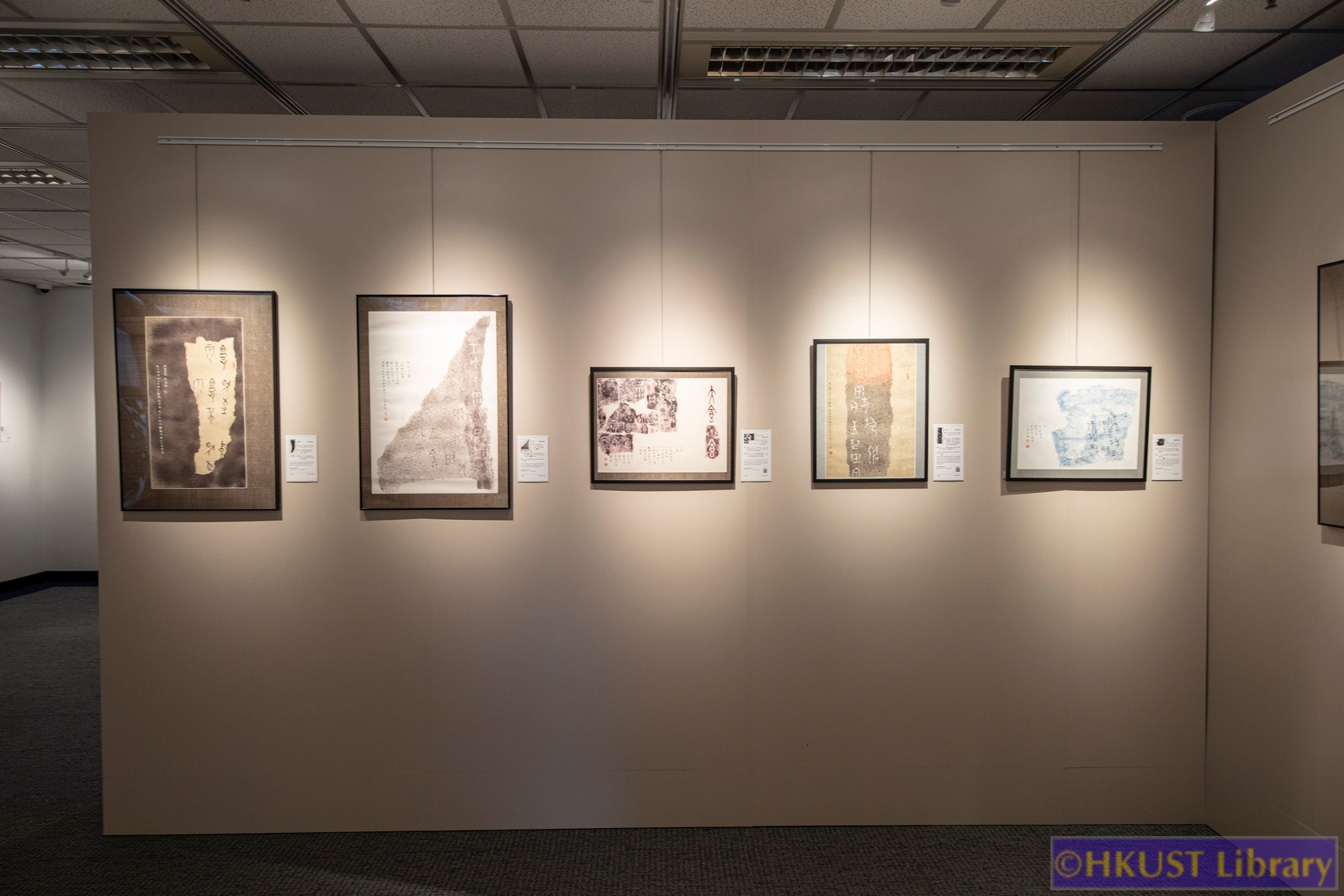
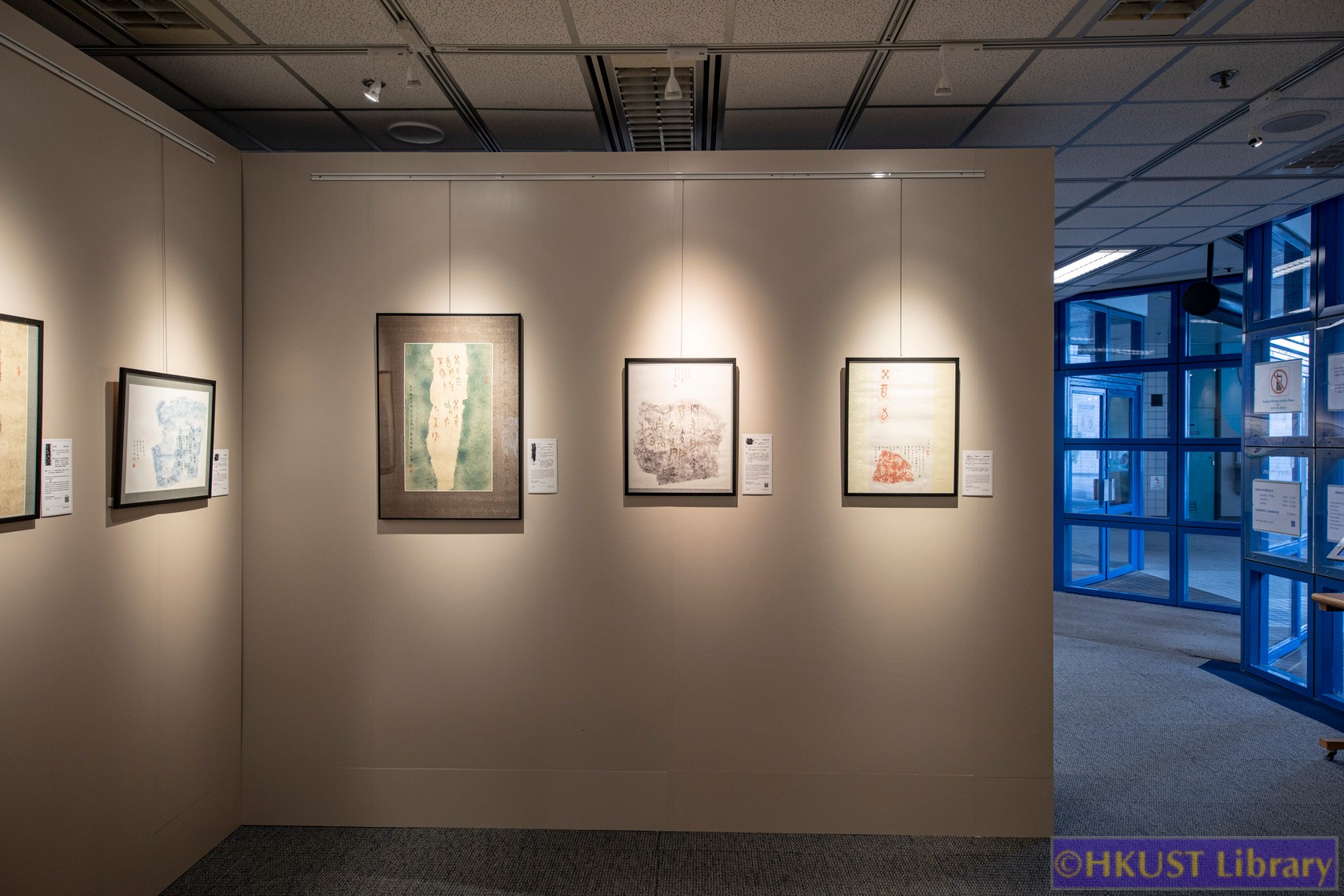
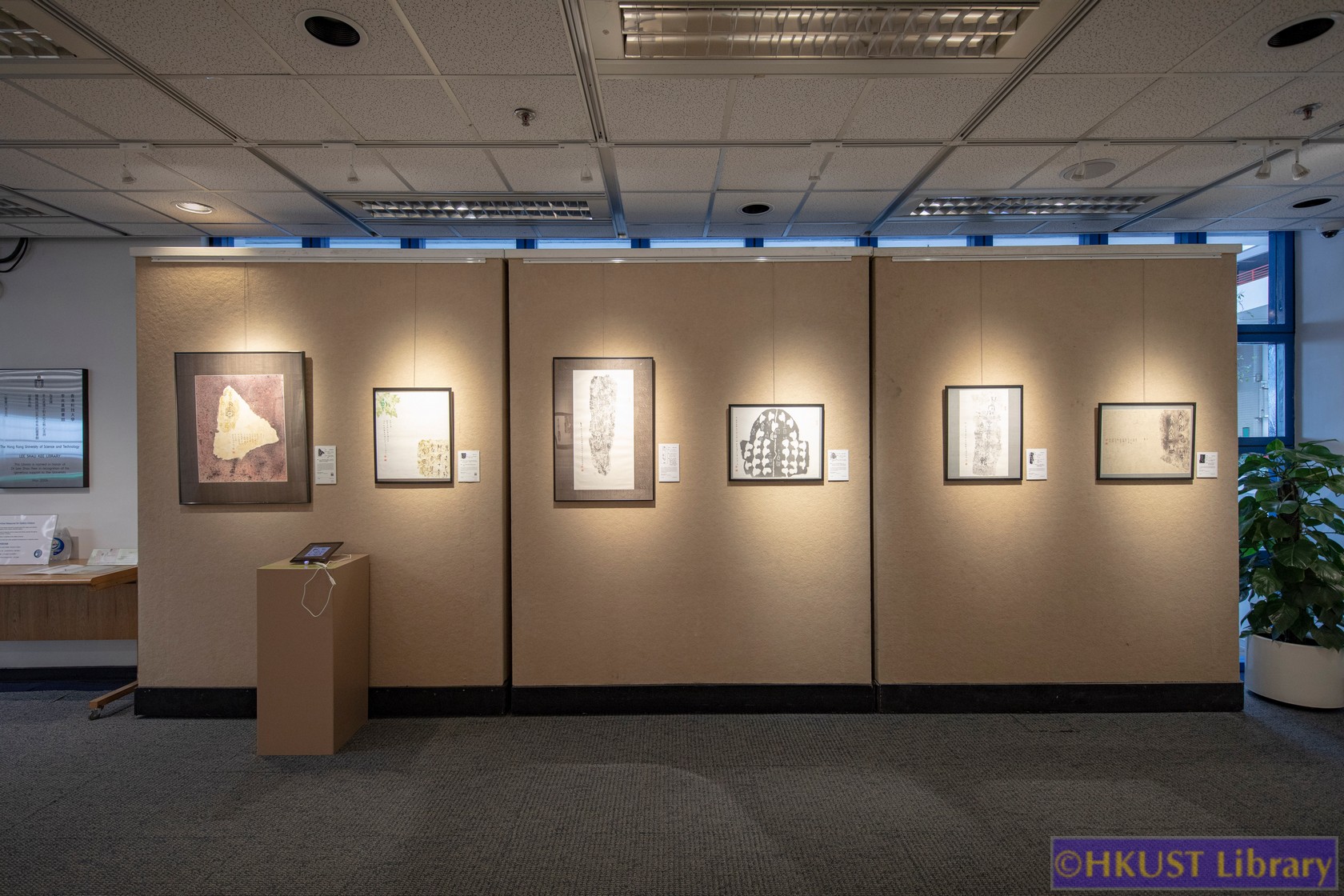
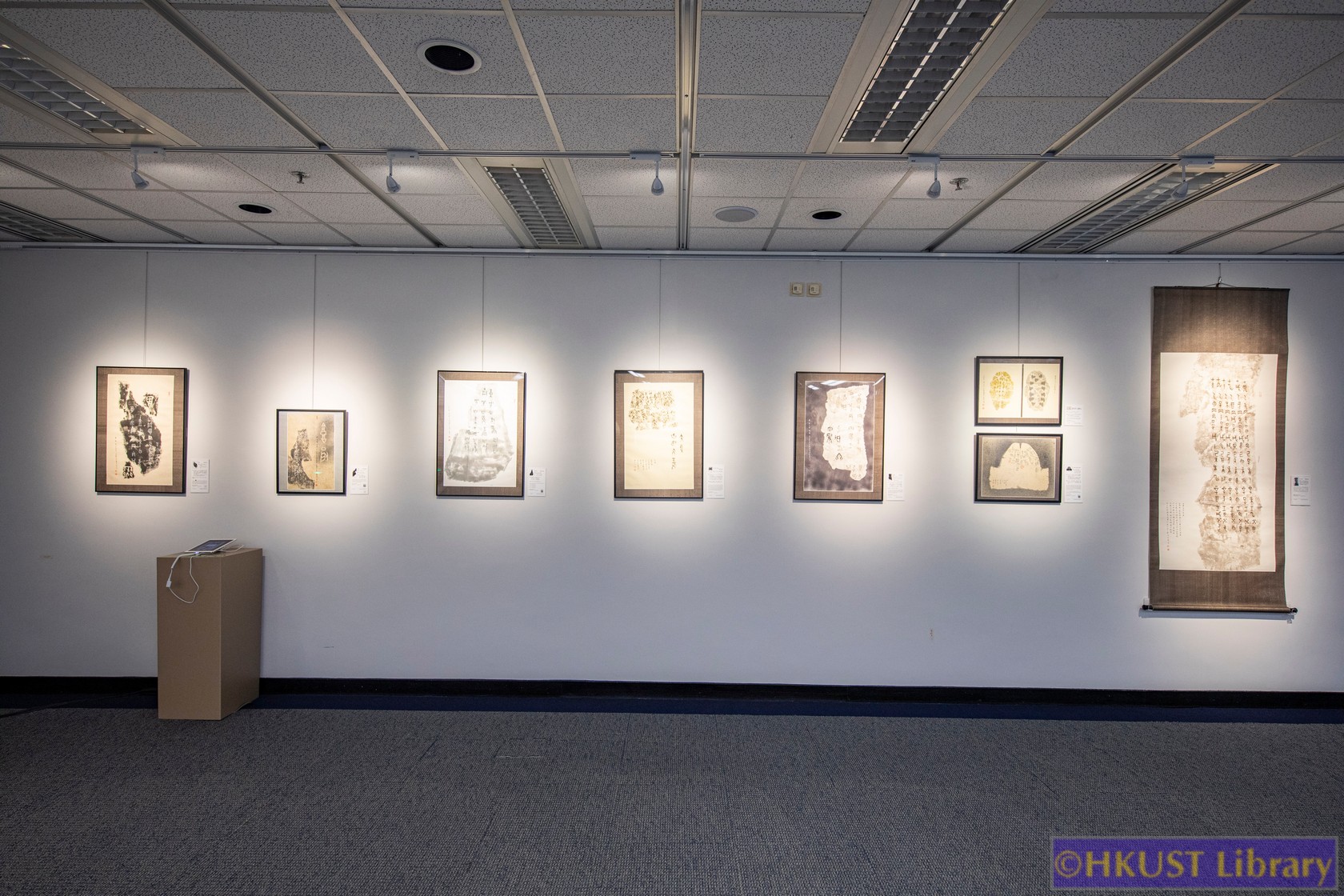
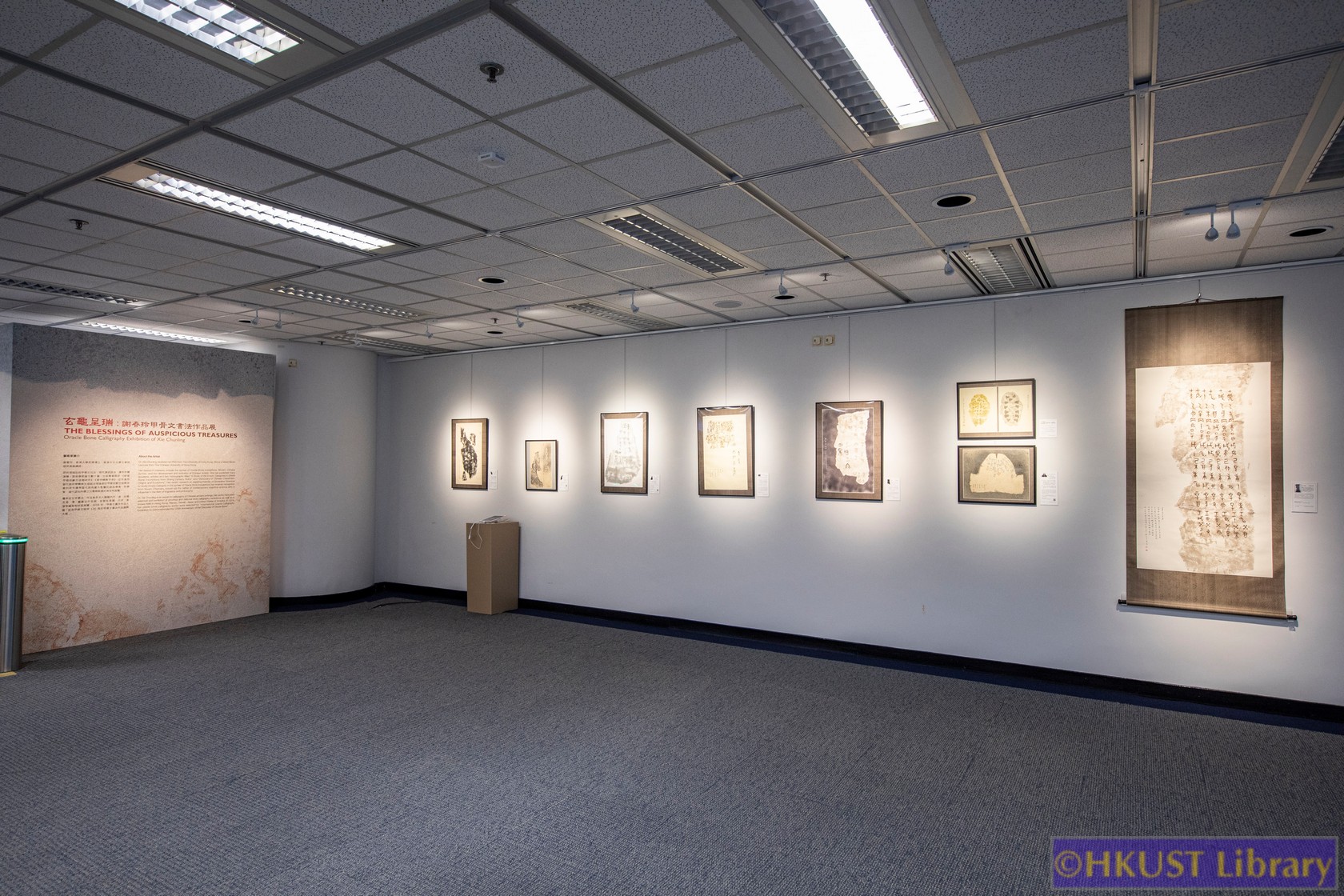
The calligraphy works in this exhibition consist of two aspects. One is related to the meteorological records on the oracle bones, including wind, thunder, rain, snow, rainbows, haze, and hail, as well as astronomical records of solar and lunar eclipses and the emergence of new stars. The other is related to the calendar, including specific terms for each day as well as for various periods in a day, calendar month, leap month and so on. This art originated from original oracle bone inscriptions, and demonstrates our ancestors’ observation of natural phenomena and their belief of god’s domination.
Oracle bone calligraphy is a unique art form recreating the beauty of inscribed characters to illustrate the style, structure, and layout of the original inscriptions from the Yin Shang Dynasty. As we know oracle bone inscriptions were carved onto tortoise shells and animal bones. The strength and charms of carvings are expressed in mostly straight lines and angular turns. The slender style of characters and their layout provide us with artistic appeals and elegant arrangements. Coming through the turbulent change of dynasties, their aged appearances today display ancient glamour. These qualities, which marked the uniqueness of the art, are what I have been trying to achieve in my calligraphy works for over 30 years.
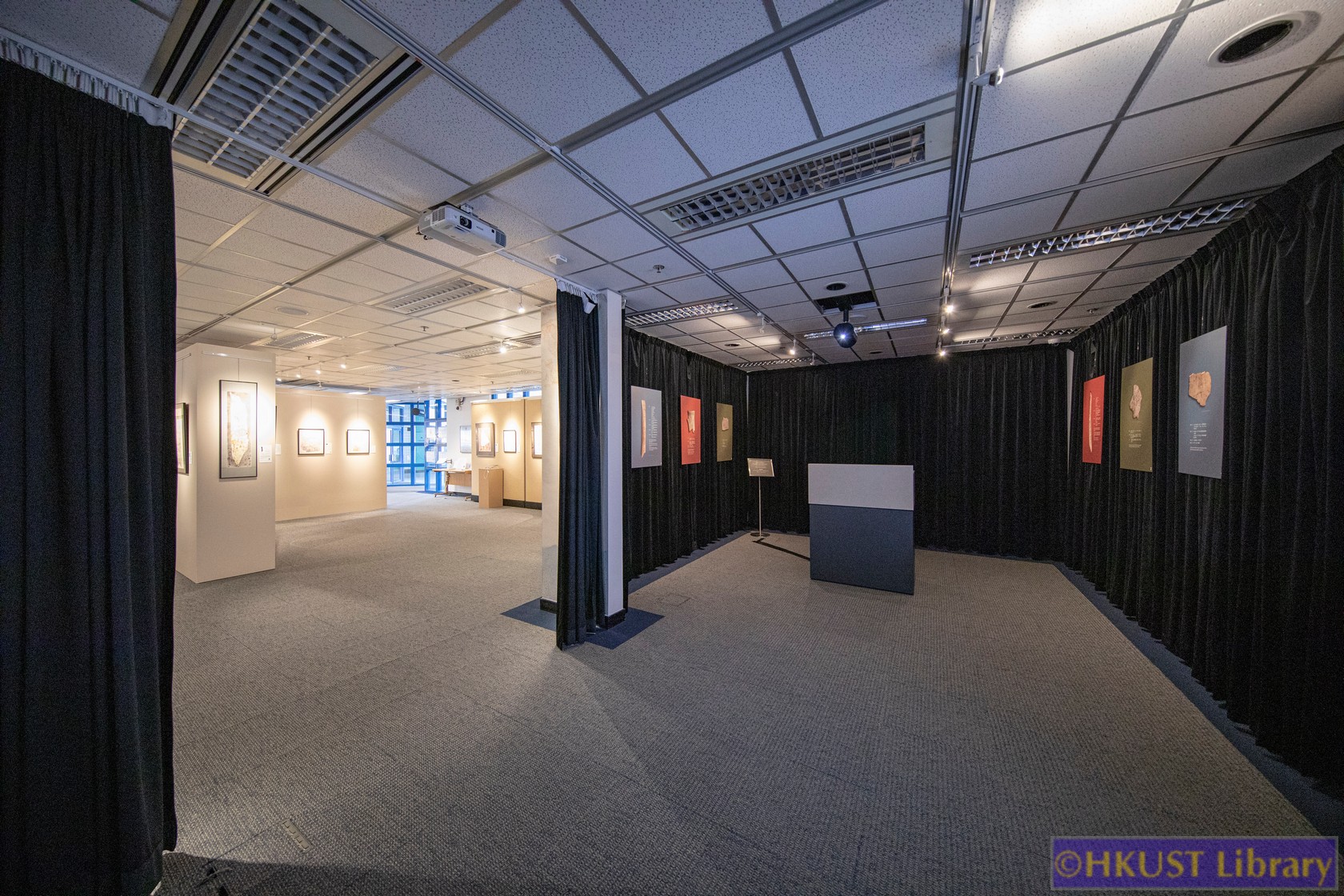
The content, style, and background design of all the exhibits are based on the actual ink rubbings made from the oracle bones themselves. The designs are then meticulously reproduced to preserve the formation of the characters and the shape of the oracle bones. In this way, the audience can get a sense of the authenticity and artistic features of the original bones. This is why I have insisted in my creations that the shape of the characters and the bones must originate from reliable sources.
I wish to thank my teacher, Professor Guiguang Zhang of South China Normal University for guiding me into the field of ancient philology. My gratitude should also go to my doctoral supervisor, Professor Chow Yiu Sin of the University of Hong Kong, who helped me to stay persistent and firm in my academic journey. Their support is invaluable to my little accomplishments today.
I would like to thank HKUST and President Professor Wei Shyy for inviting me to hold this solo calligraphy exhibition. It is my hope to give the audience a closer look at the culture of an ancient dynasty that existed over 3,000 years ago. I would also like to take this opportunity to expand my oracle bone knowledge from the feedback and comments of scholars and critics in this field.
Additionally, I would like to thank Alice Ho of HKUST Library for her hard work in curating this exhibition, as well as Jason Lei and Mark Baker for offering valuable suggestions for revisions to my original English translation. To other contributors of this exhibition, please accept my sincere gratitude.
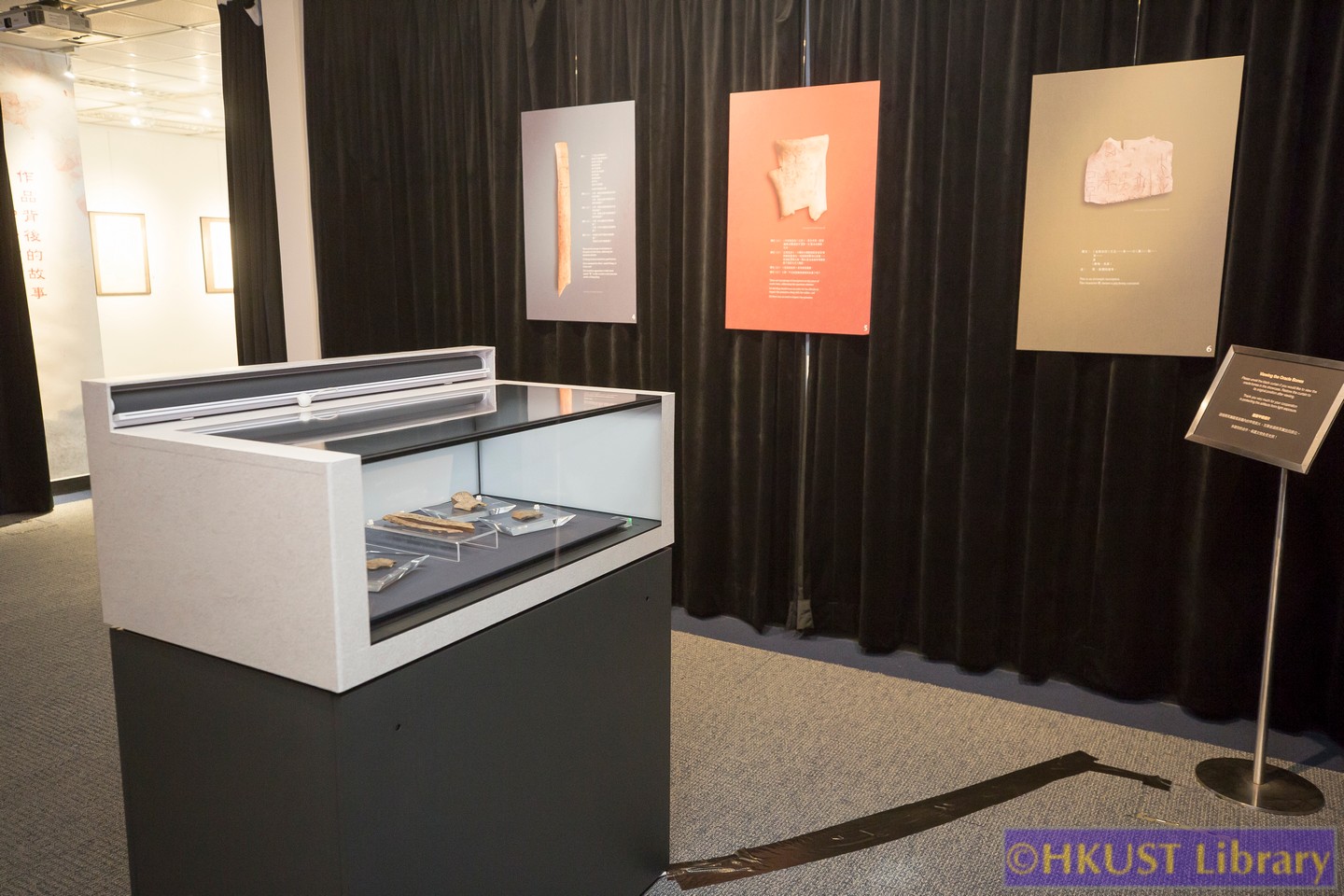
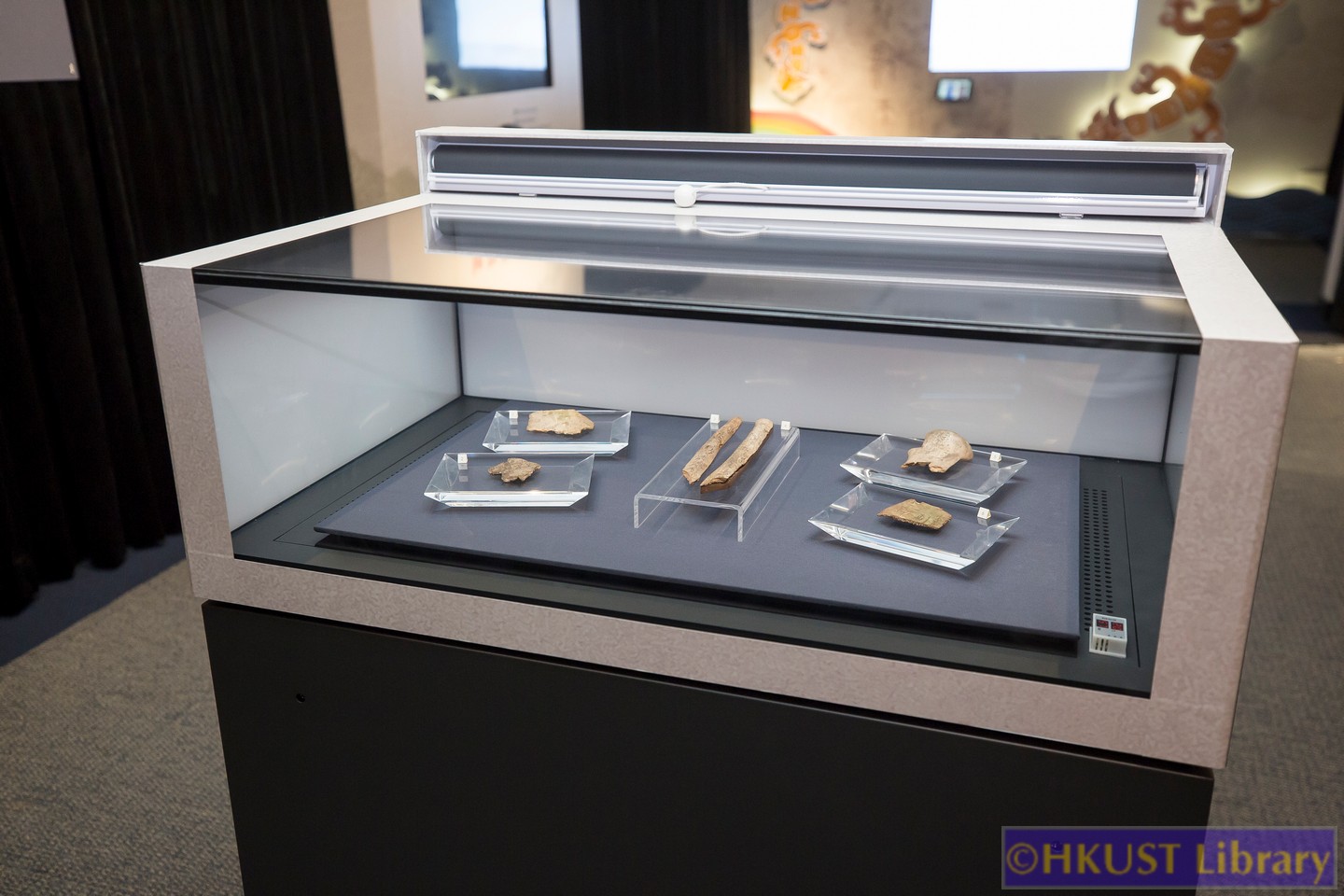
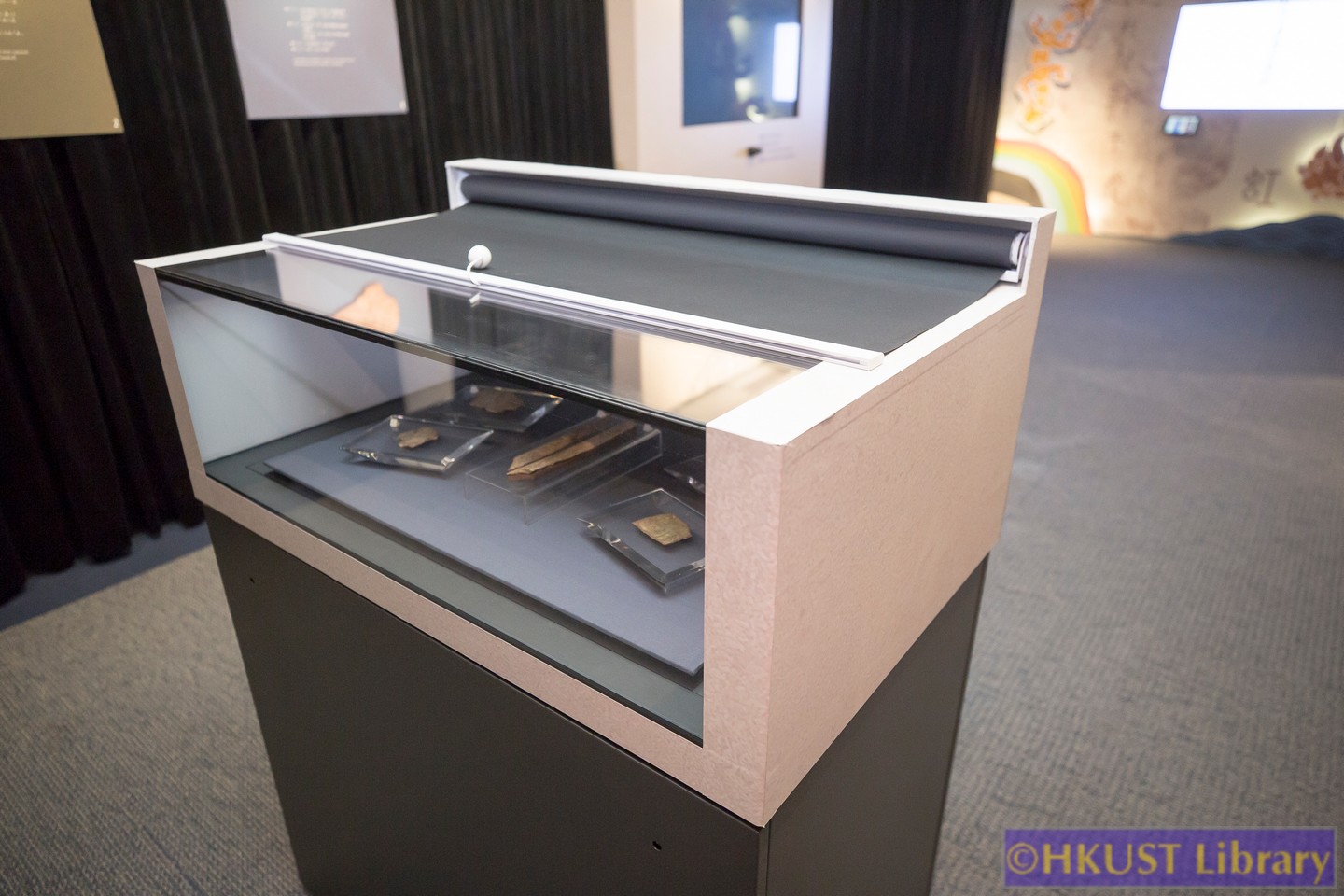
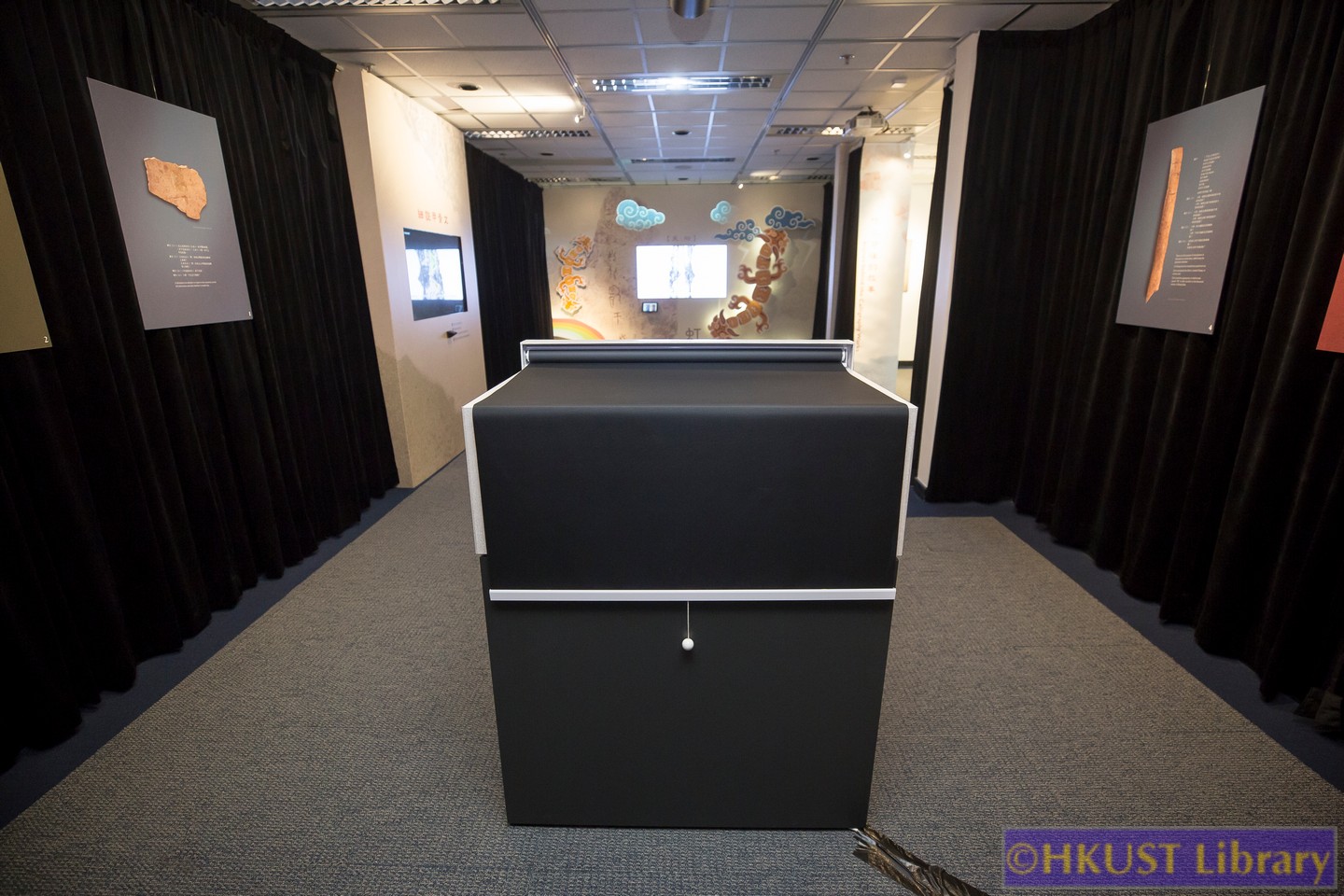
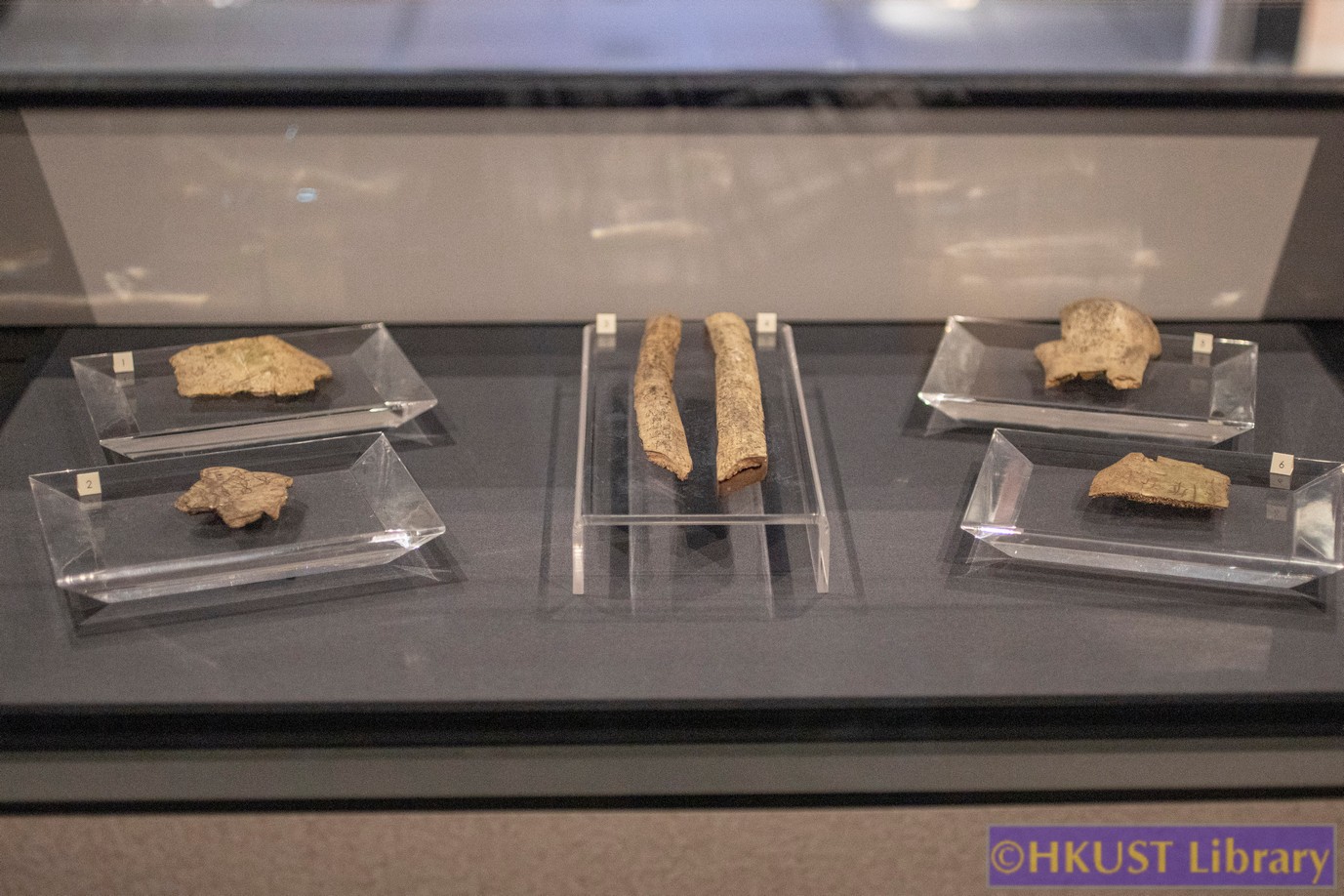
Last but not the least, my appreciation goes to University Museum and Art Gallery of the University of Hong Kong for the loan of 6 oracle bones. These original artifacts will enhance visitors’ understanding and enjoyment of ancient Chinese characters.
With my art recreation and the blessings of auspicious treasures from ancient times, this exhibition, at the 30th Anniversary of HKUST, is a celebration of the University’s past accomplishments and my best wishes for its future achievements.
Xie Chunling
Dr. Xie Chunling received her PhD from The University of Hong Kong. She is a retired Senior Lecturer from The Chinese University of Hong Kong.
Her research interests include the syntax of oracle bone inscriptions, modern Chinese syntax, and the development and evolution of Chinese scripts. She has published many academic articles and two monographs titled “A Study of the Empty Categories in Oracle Bone Inscriptions from Shang Dynasty Ruins” and “Dictionary of Chinese Characters: Origins and Evolutions”. Her recent research on applying theories of Generative Grammar to study Empty Category in the syntax of Oracle Bone Inscriptions has received recognition from Noam Chomsky, known as the father of contemporary cognitive science who is influential in the field of linguistics and philosophy.
Dr. Xie Chunling is an expert in calligraphy of Chinese ancient writings. Her works have been selected and exhibited at province and national level calligraphy exhibitions as well as in shows held in Hong Kong, Macau, Taiwan, Japan and the United States of America. In 2019, her oracle bone calligraphy works were selected for “International Oracle Calligraphy Exhibition to Commemorate the 120th Anniversary of the Discovery of Oracle Bone”.
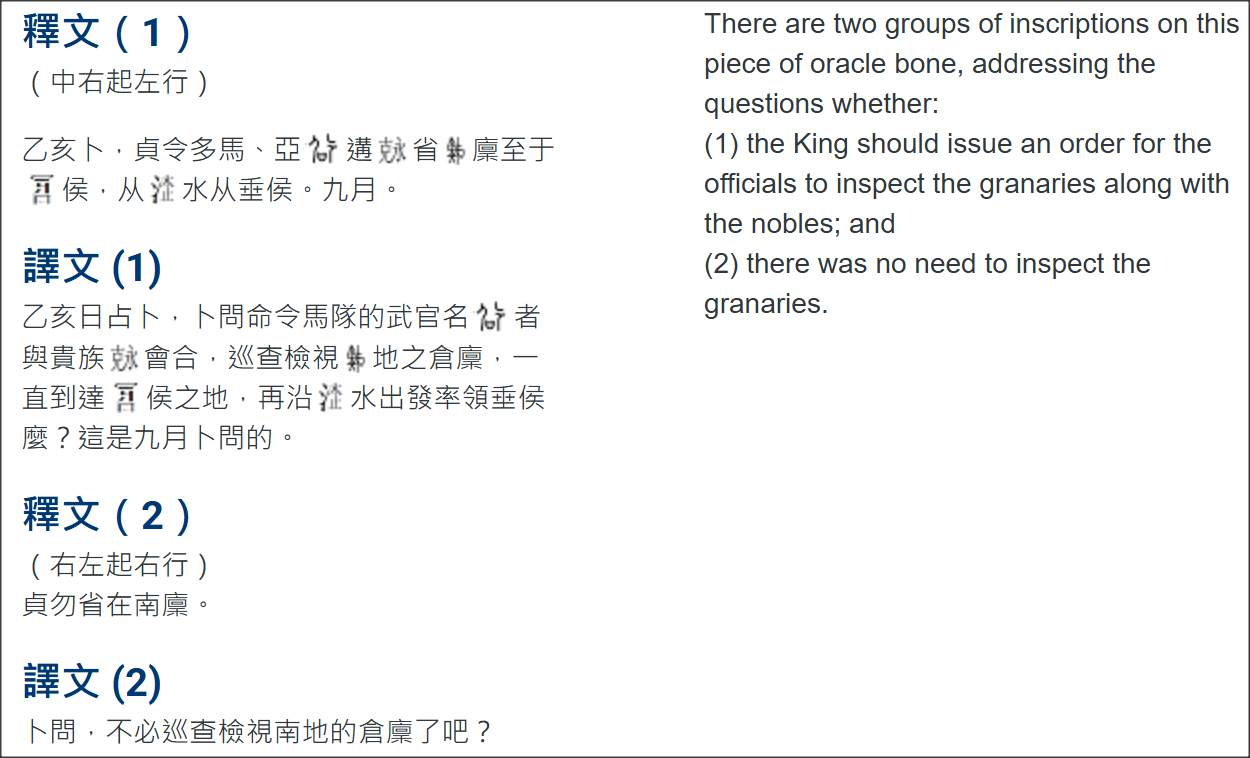
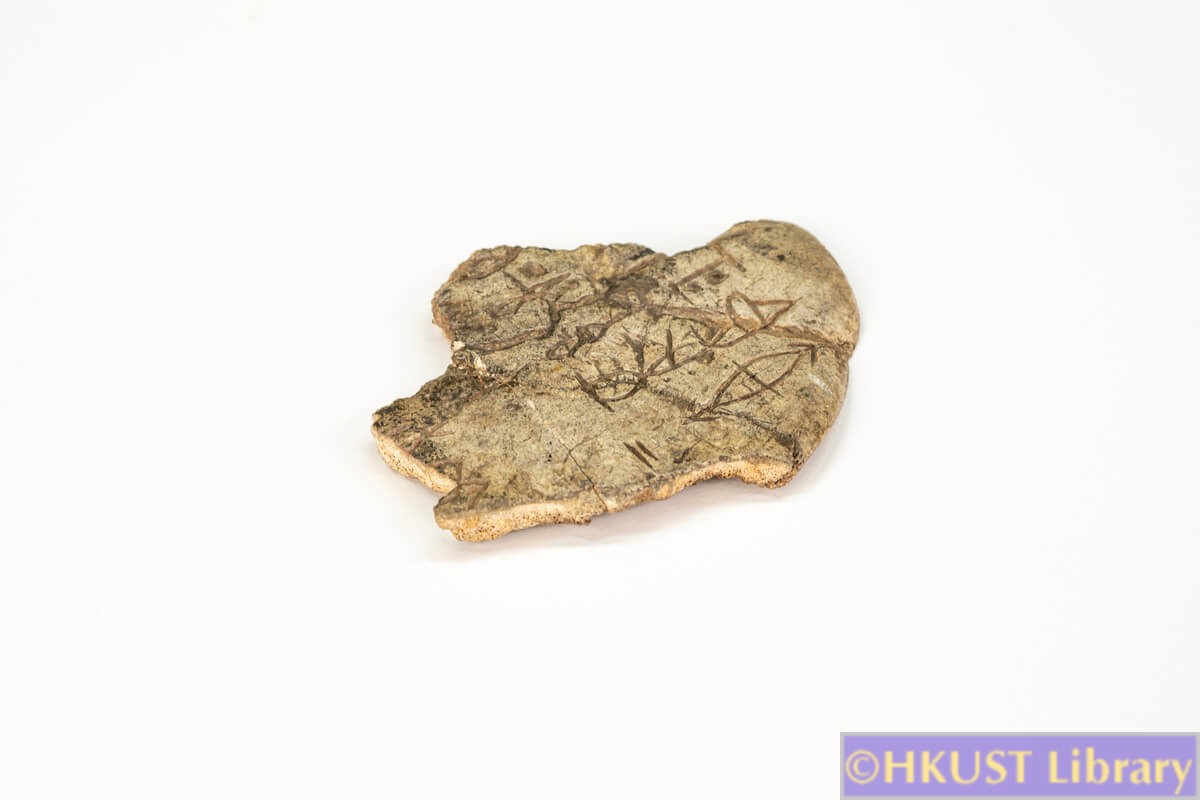
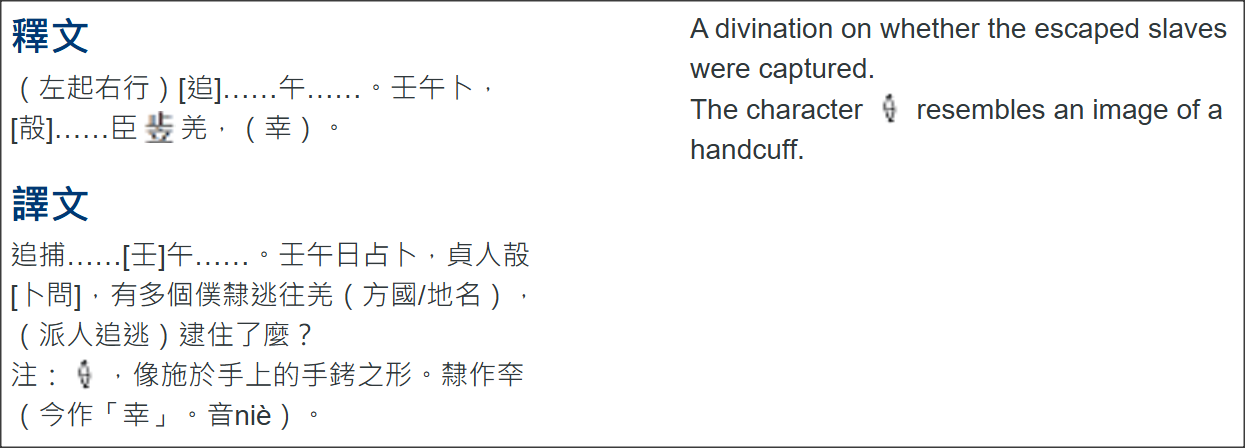
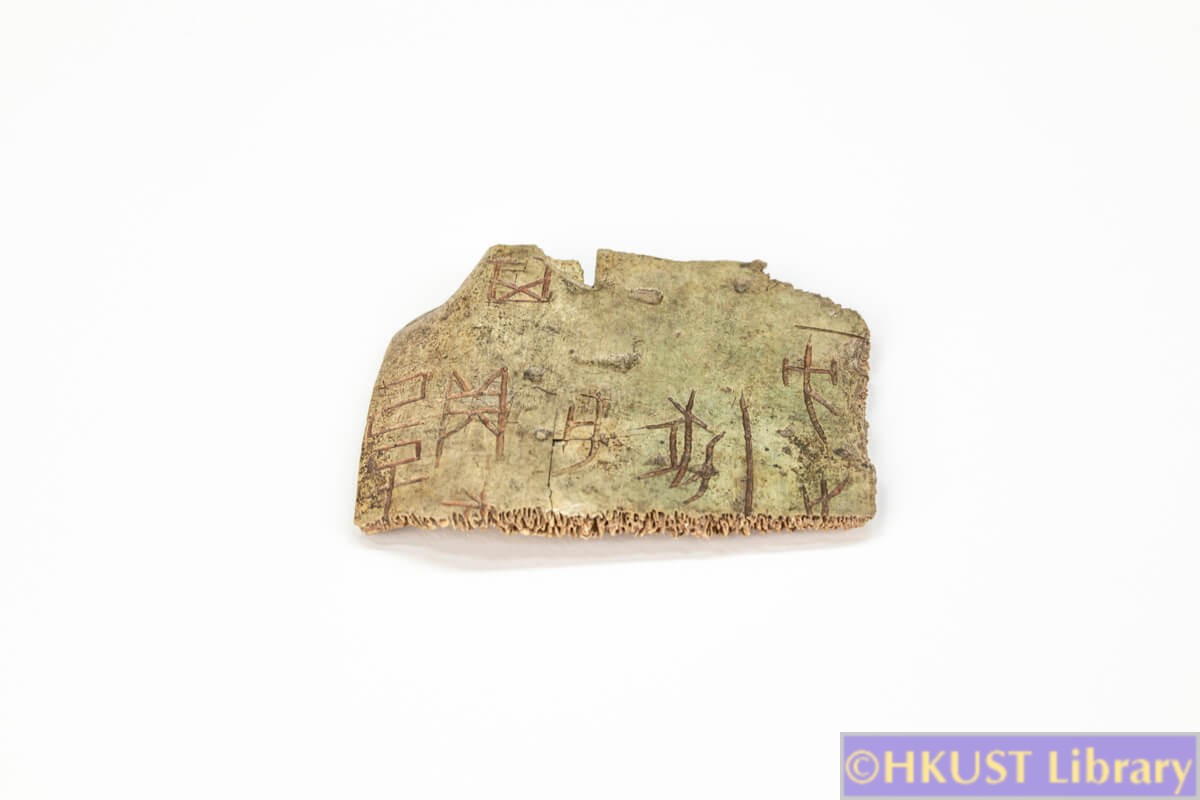
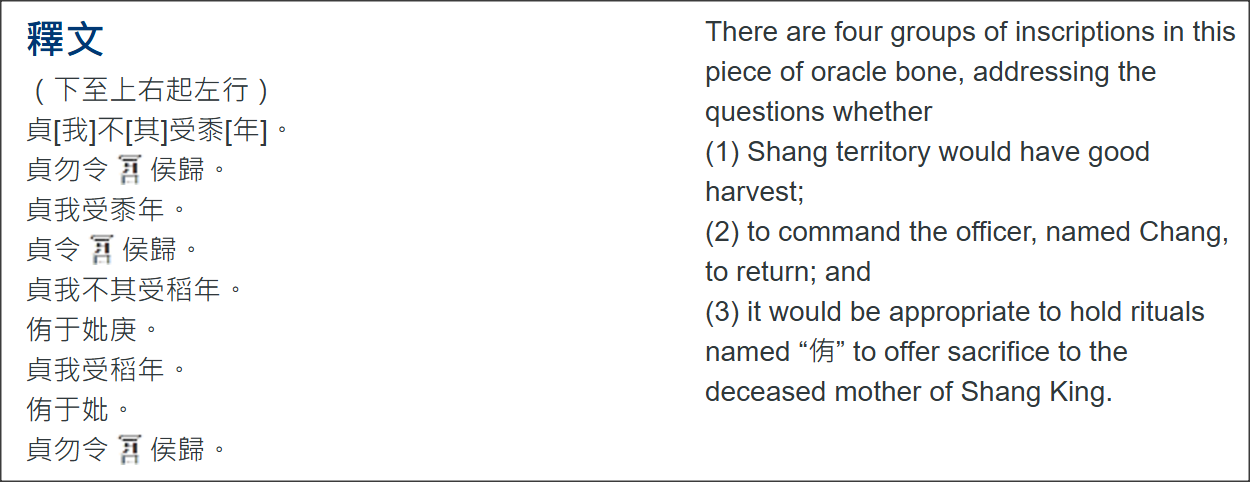
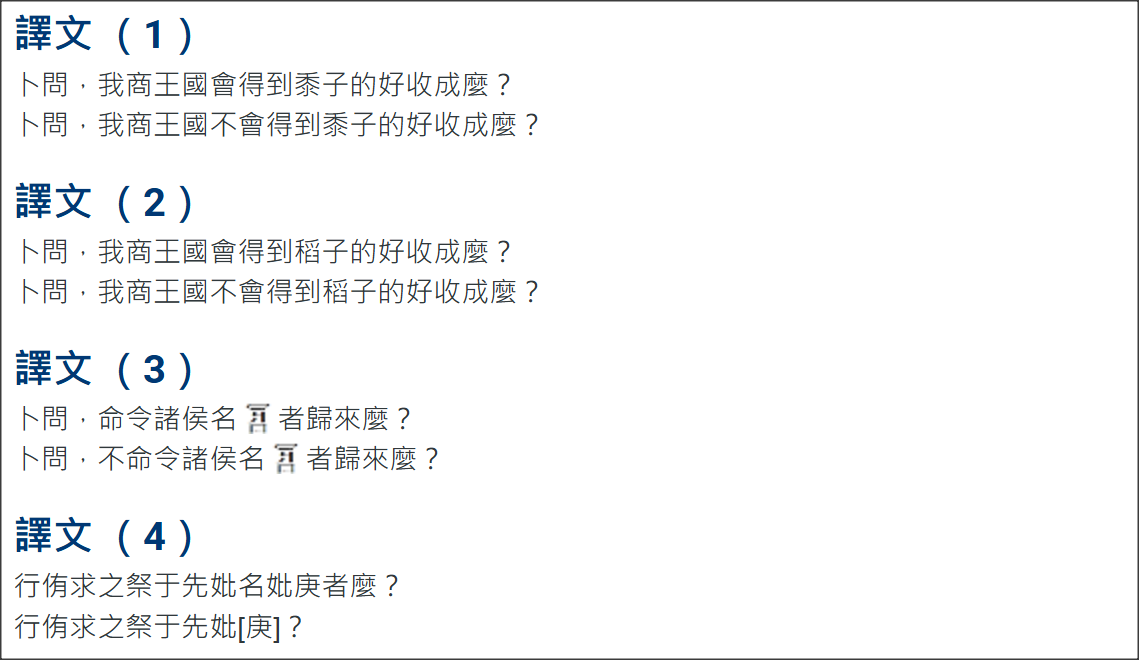
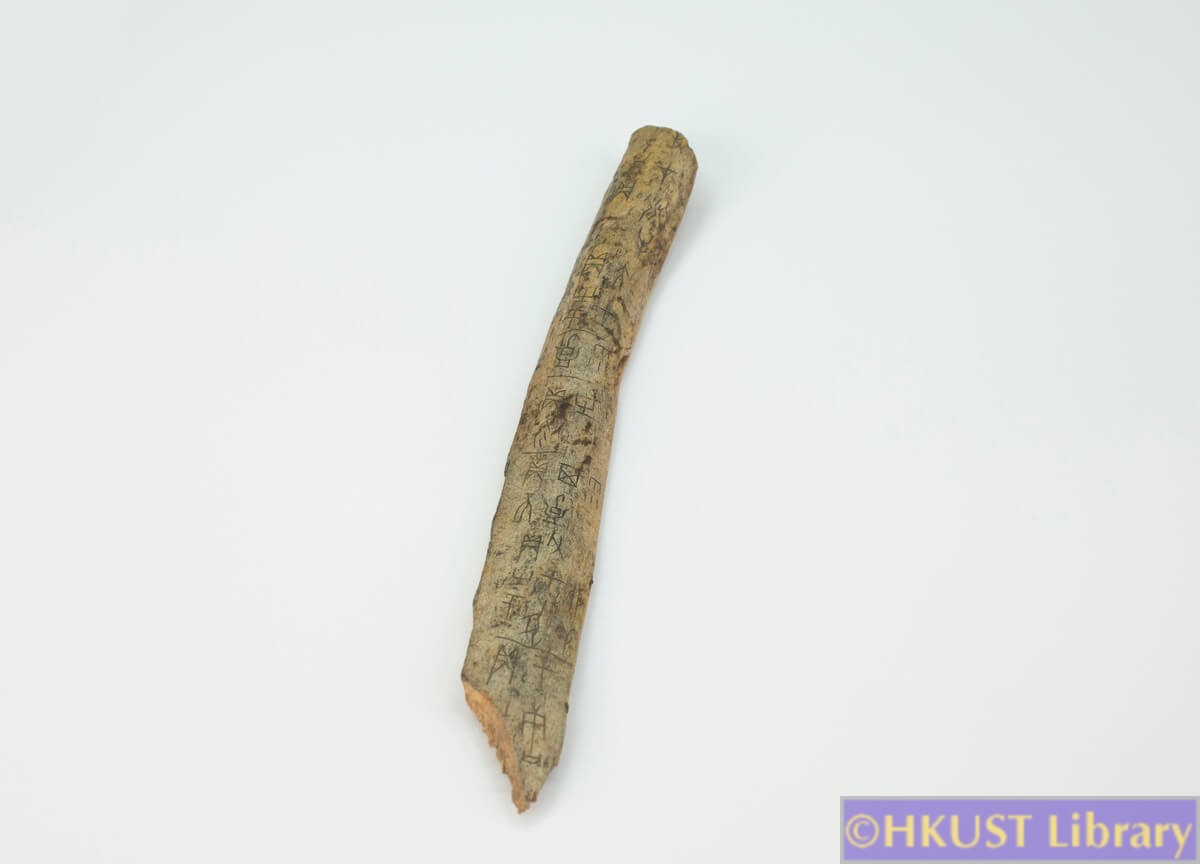
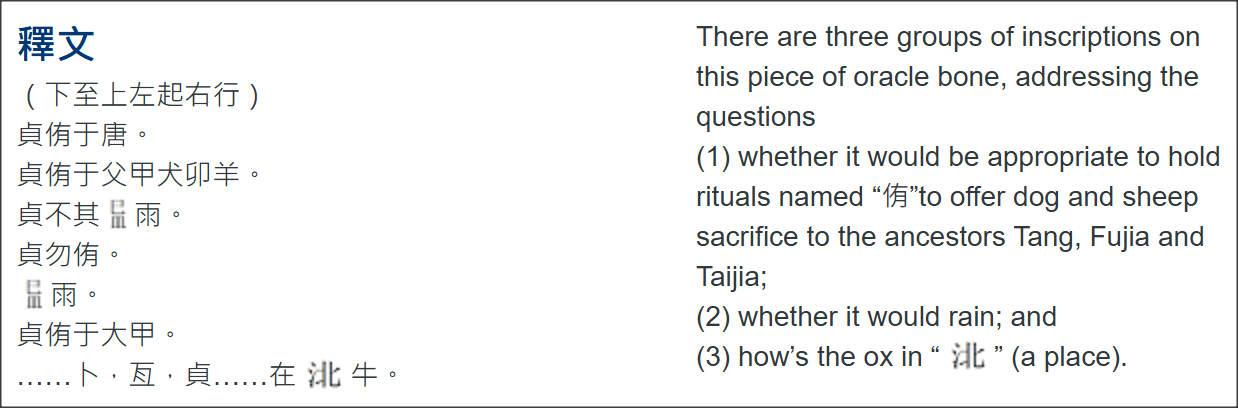
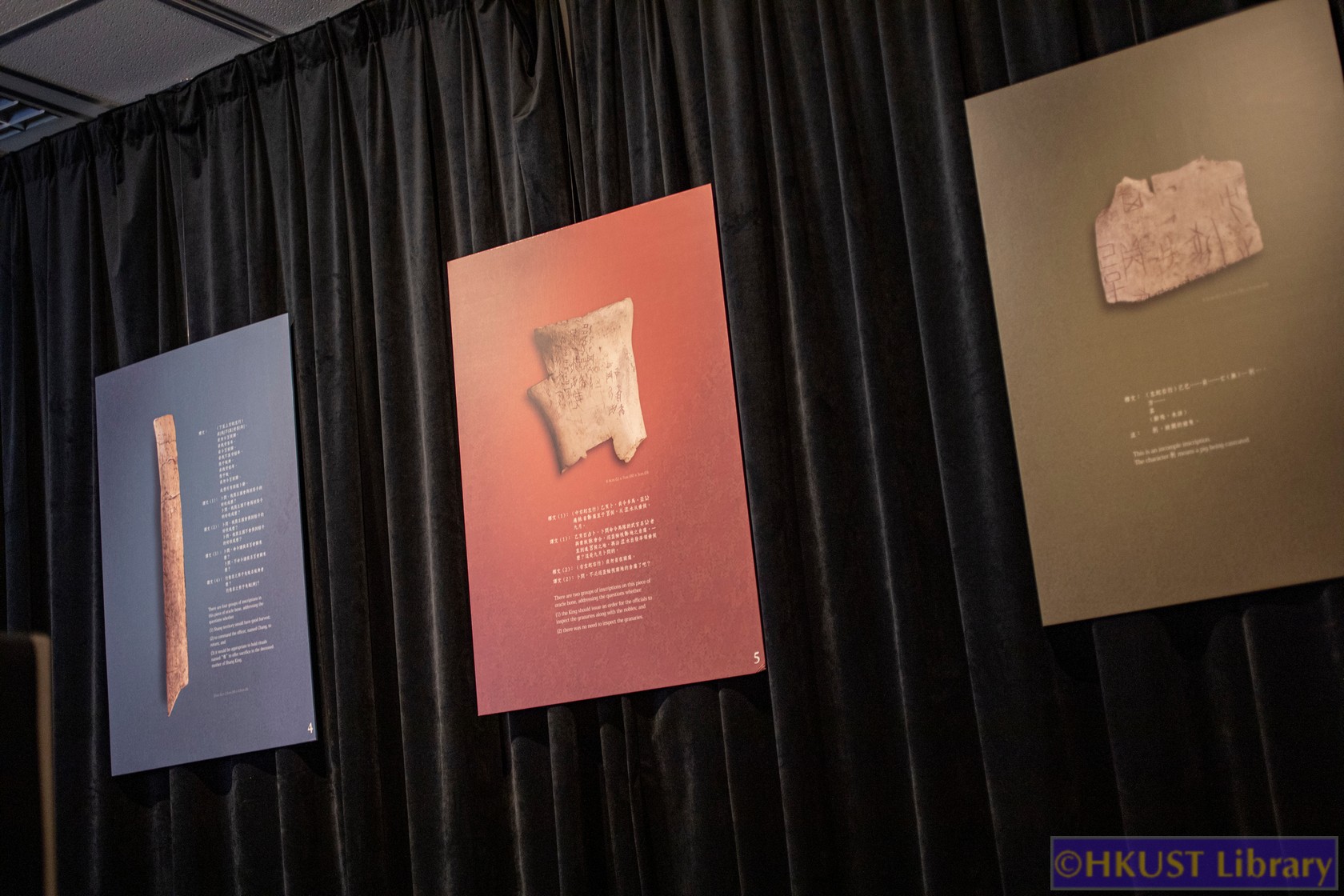
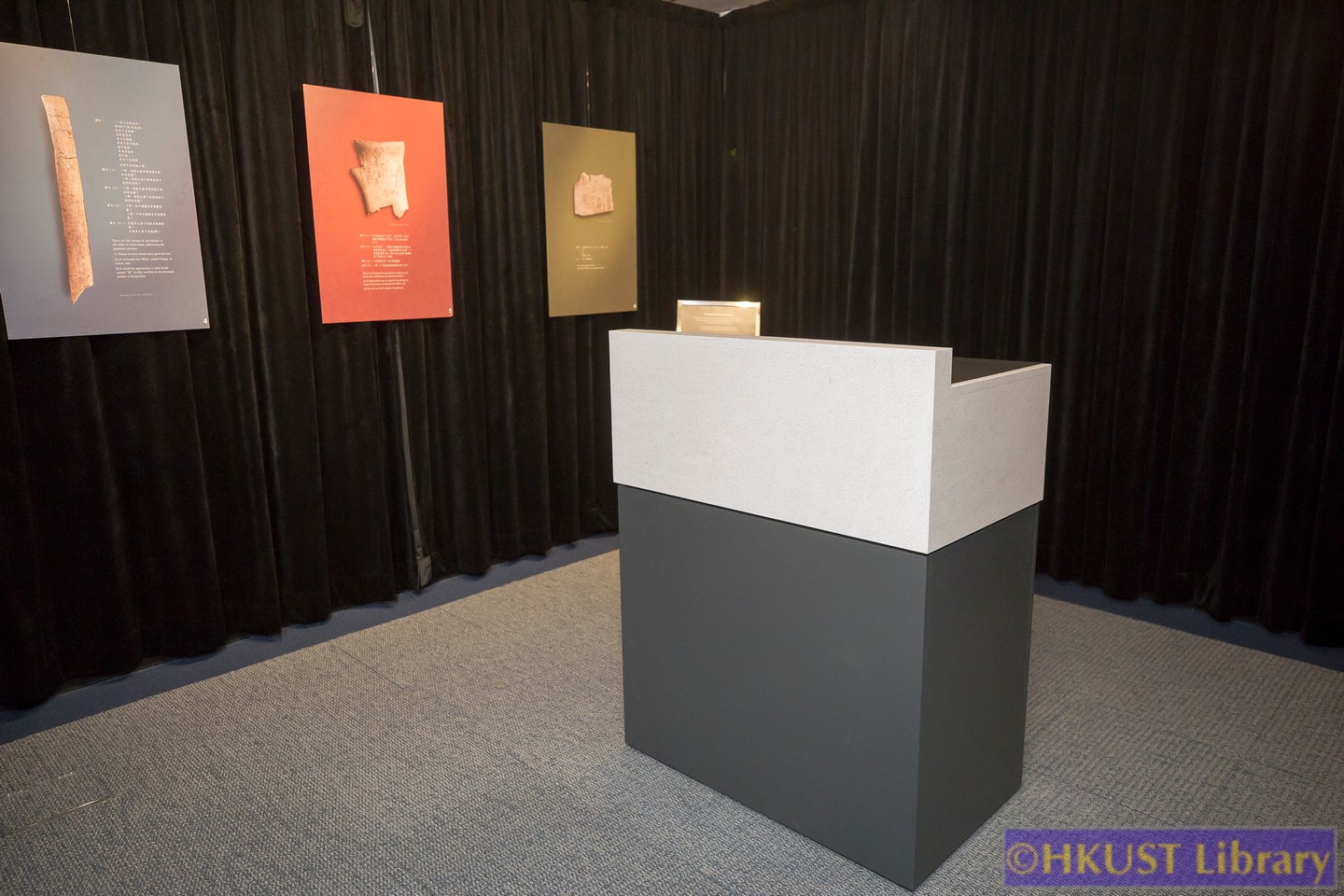
From the Collection of University Museum & Art Gallery, The University of Hong Kong
Descriptive text supplied by Dr. Xie Chunling
2:30 pm
Ping Yuan and Kinmay W Tang Gallery
Officiating Guests:
Professor SIN Chow Yiu, Honorary Professor, The University of Hong Kong
Dr. Florian KNOTHE, Director, University Museum and Art Gallery, The University of Hong Kong
Dr. XIE Chunling, Participating Artist
Professor Wei SHYY, President, HKUST
Ms. Diana CHAN, Director of Library Services, HKUST
Mr. Thomas NG, Director of Media Technology & Publishing Center, HKUST
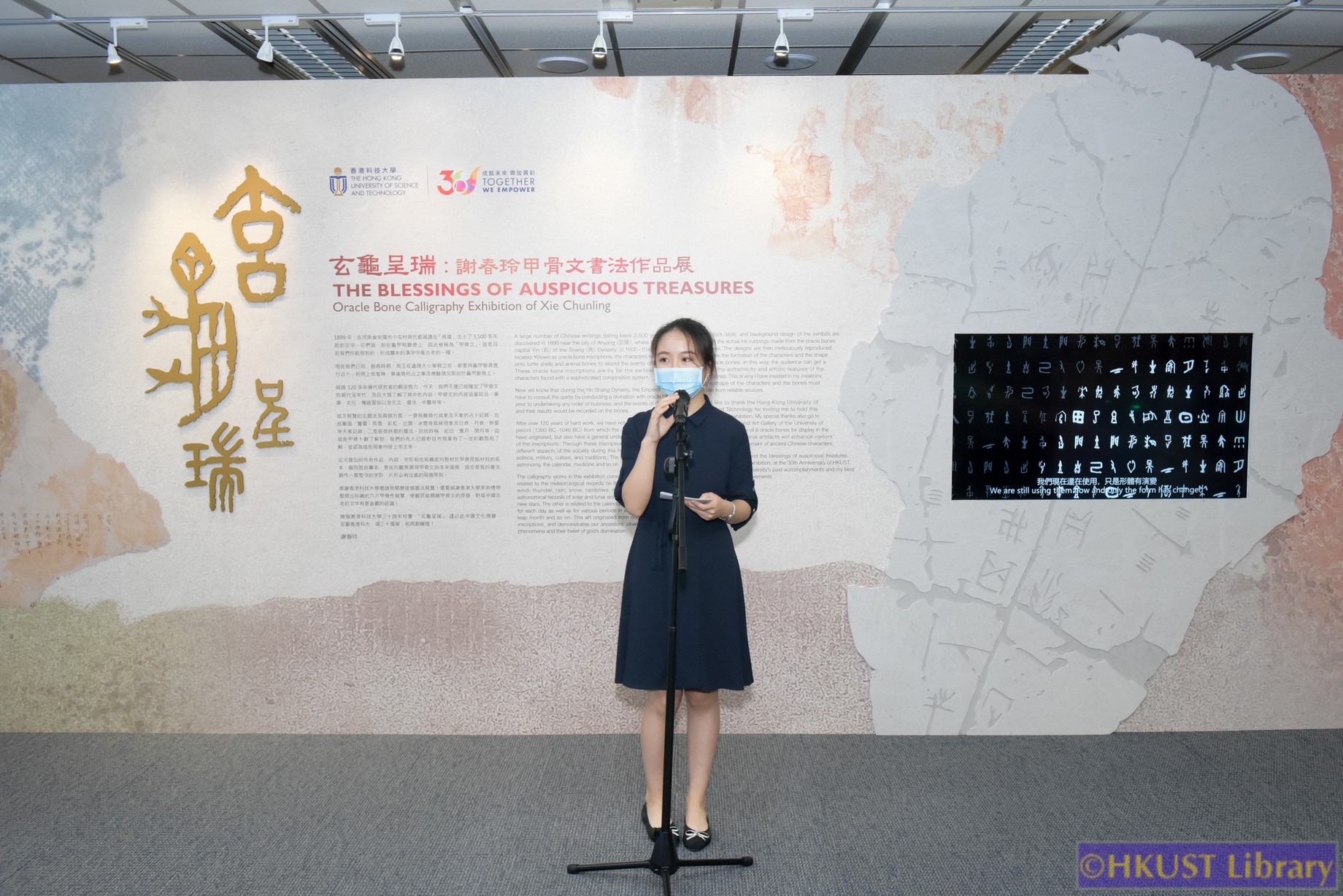
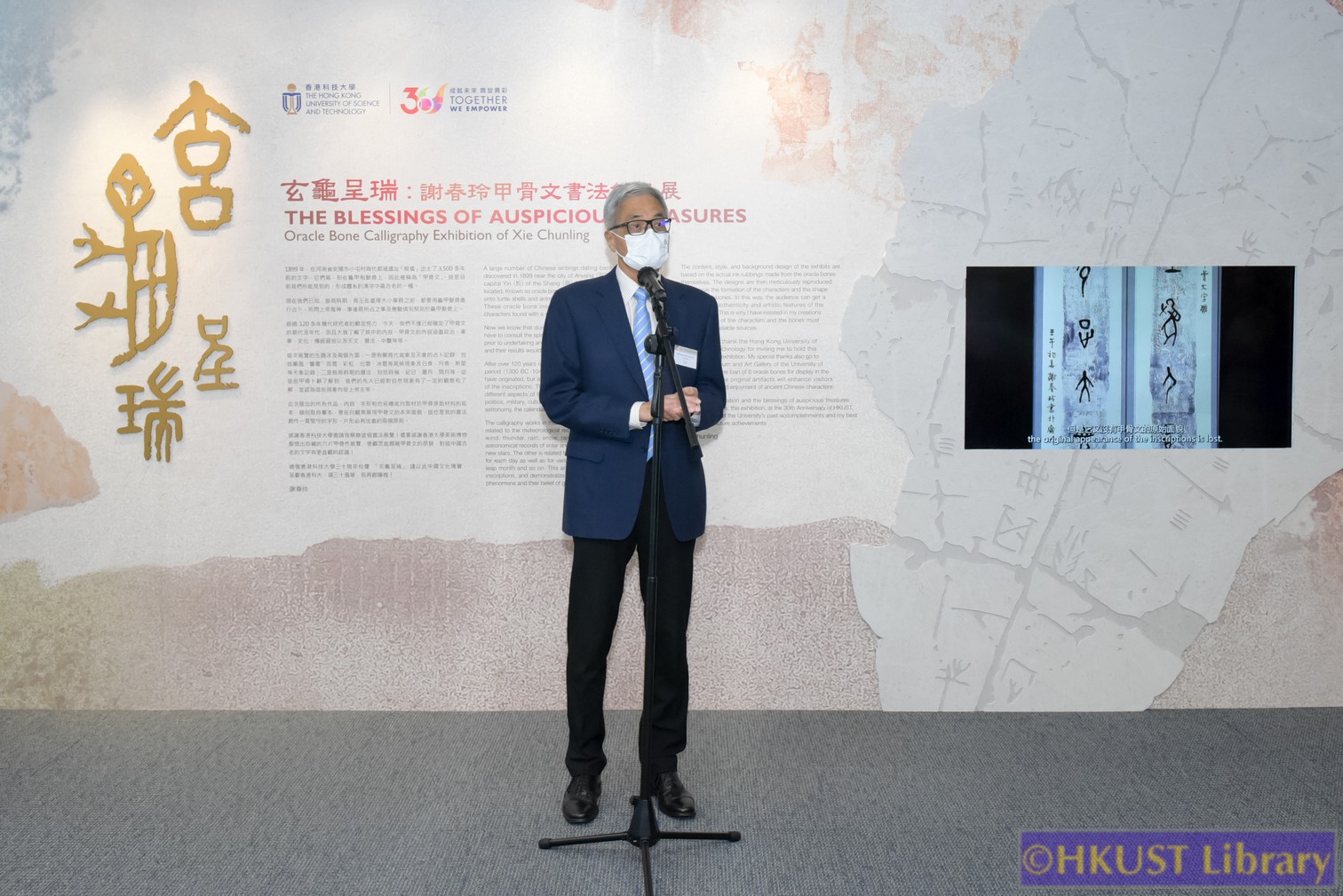
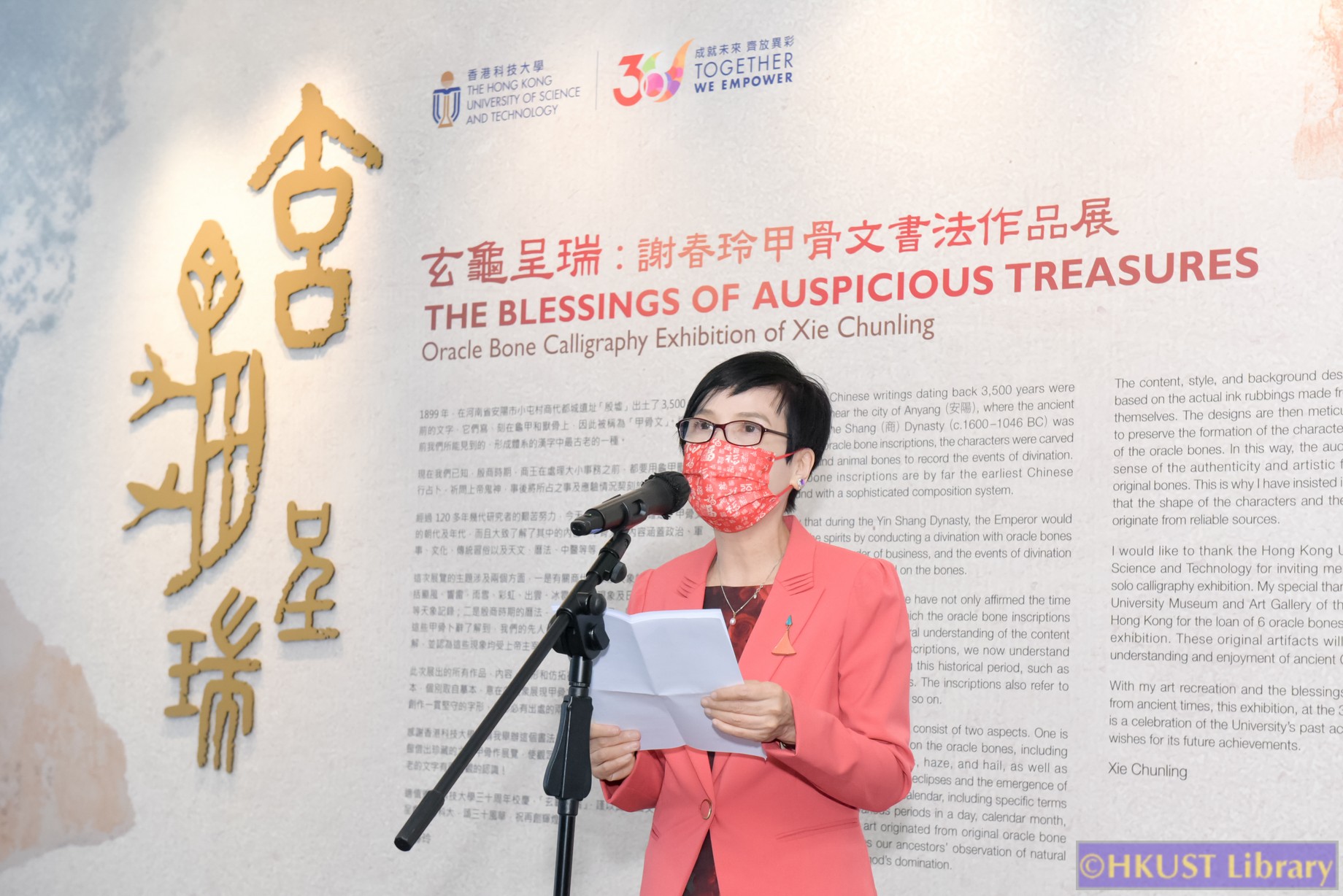
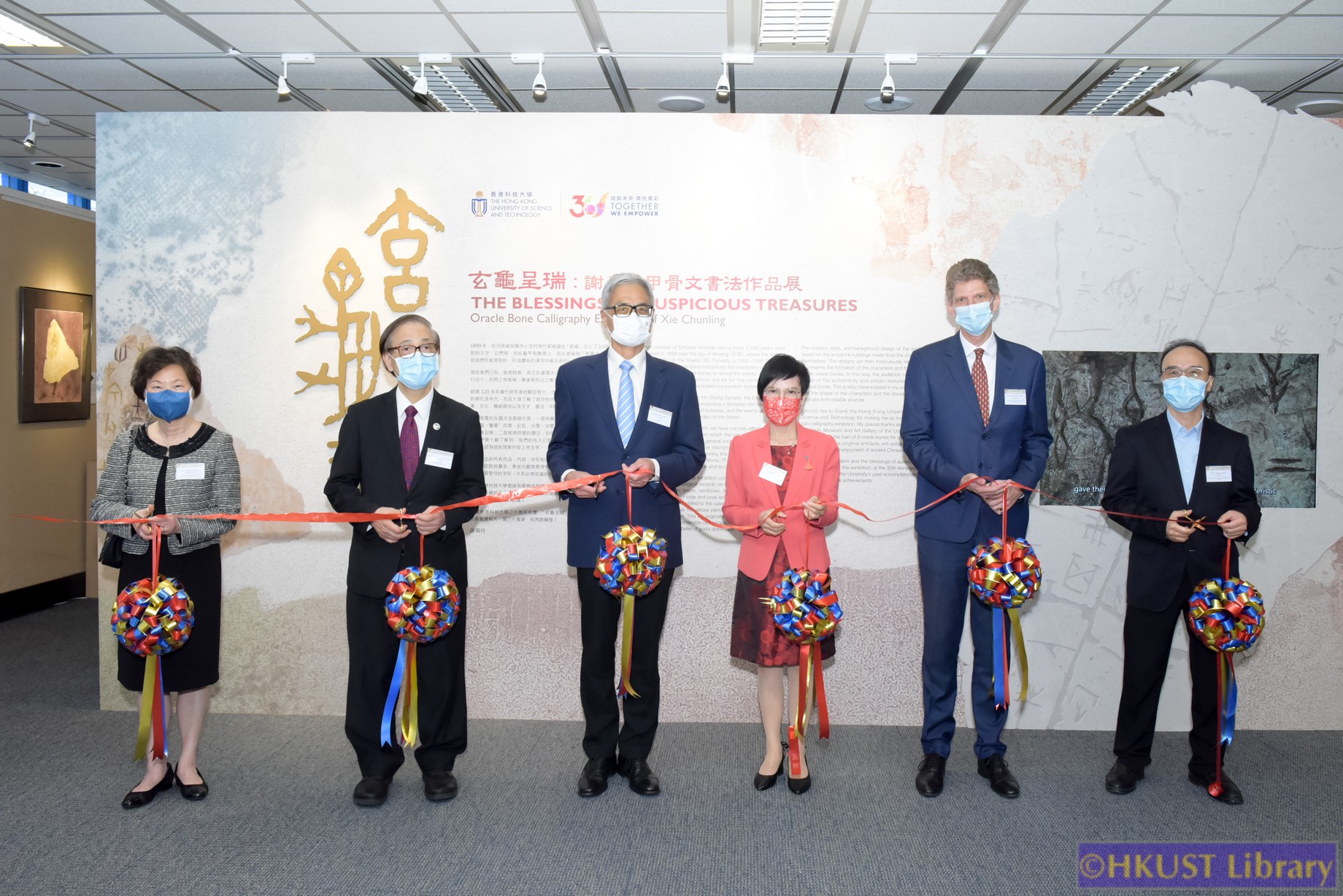
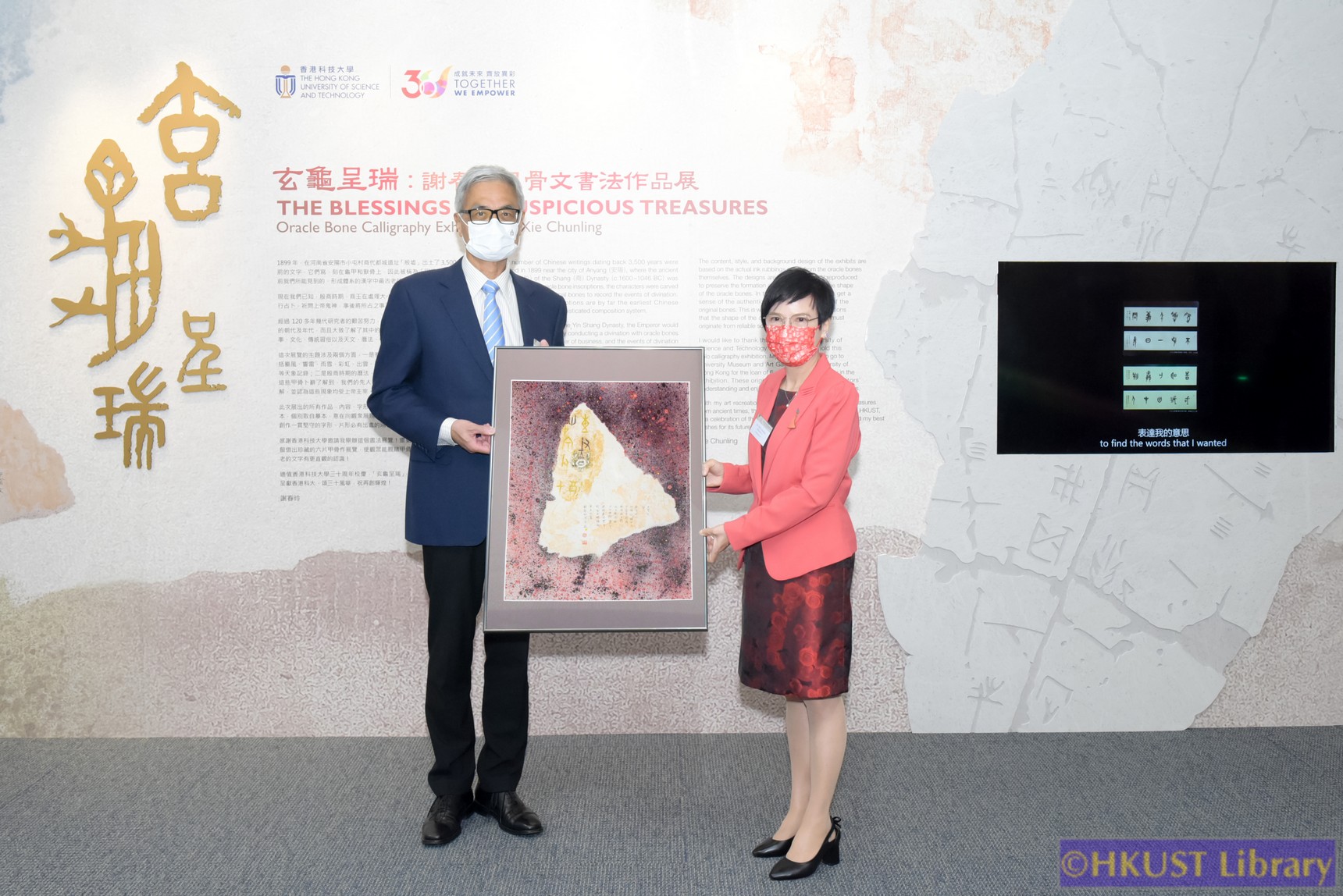
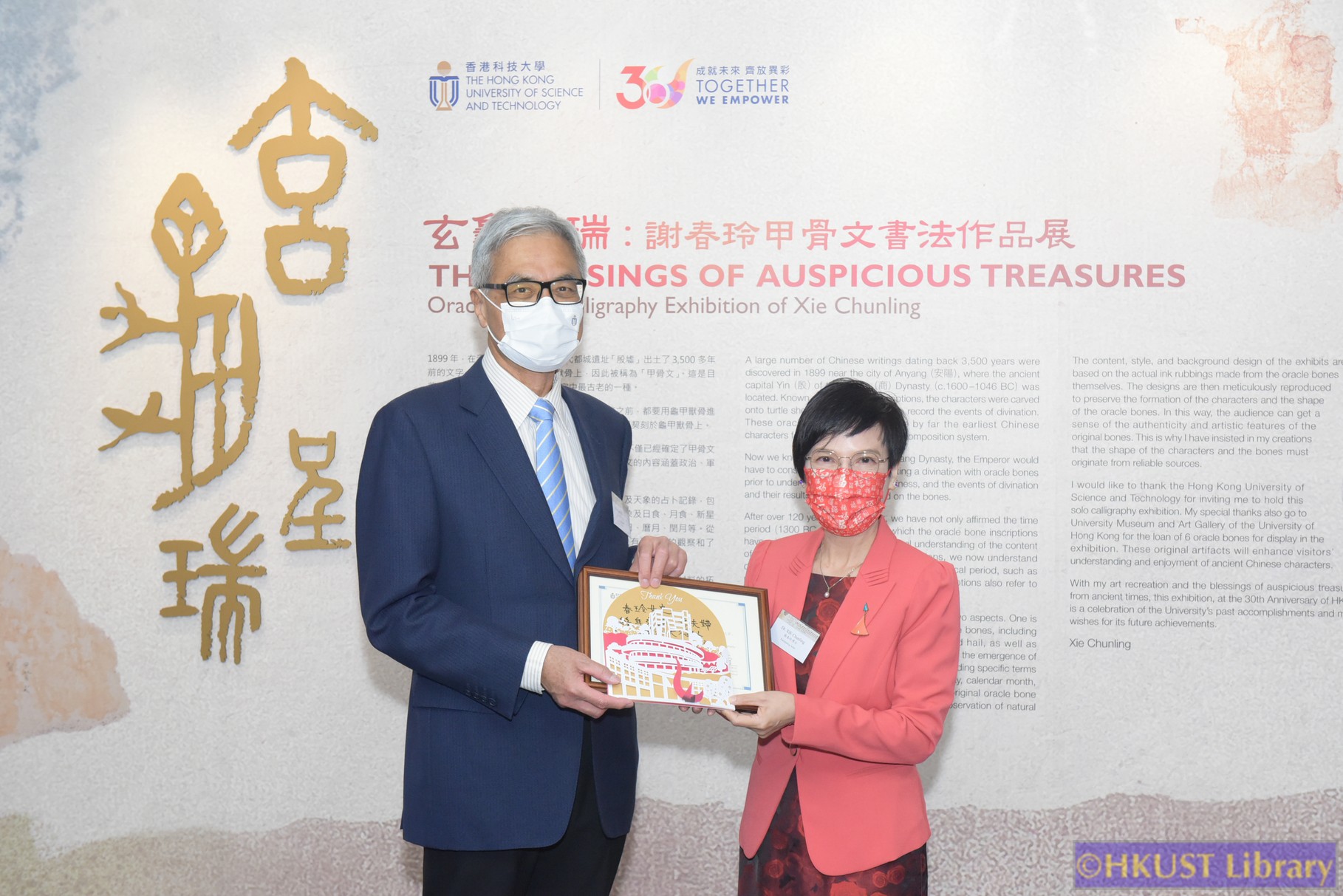
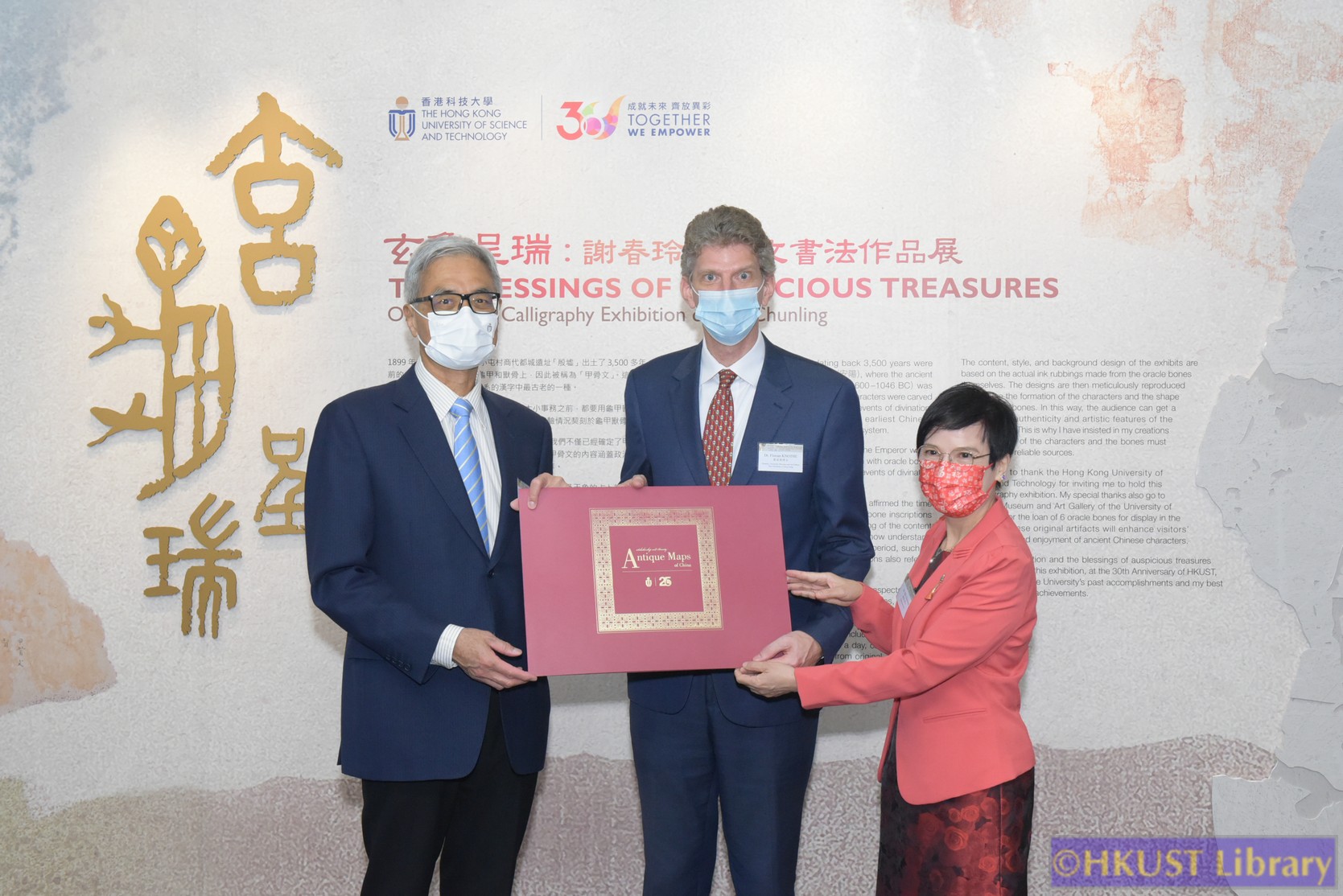
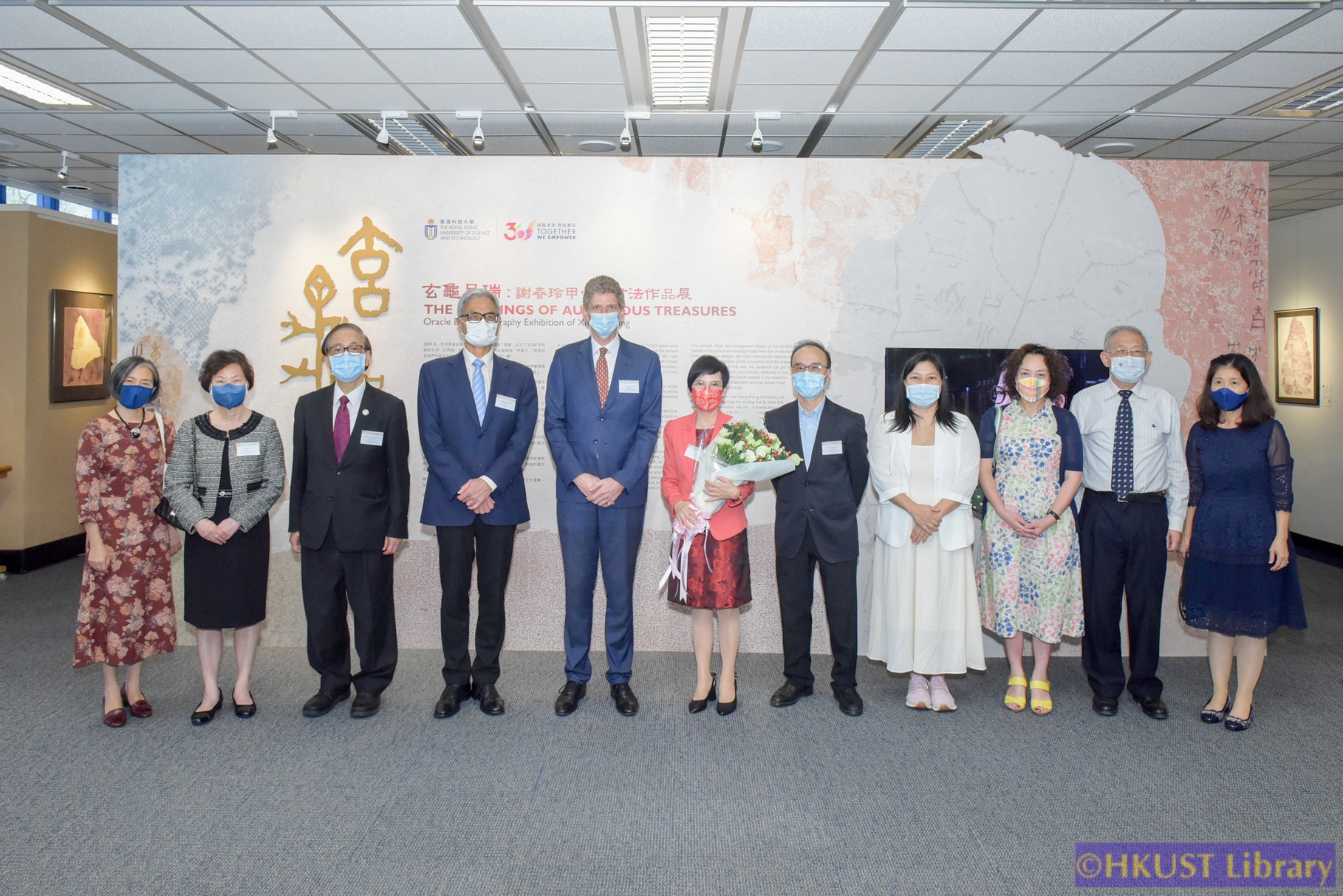
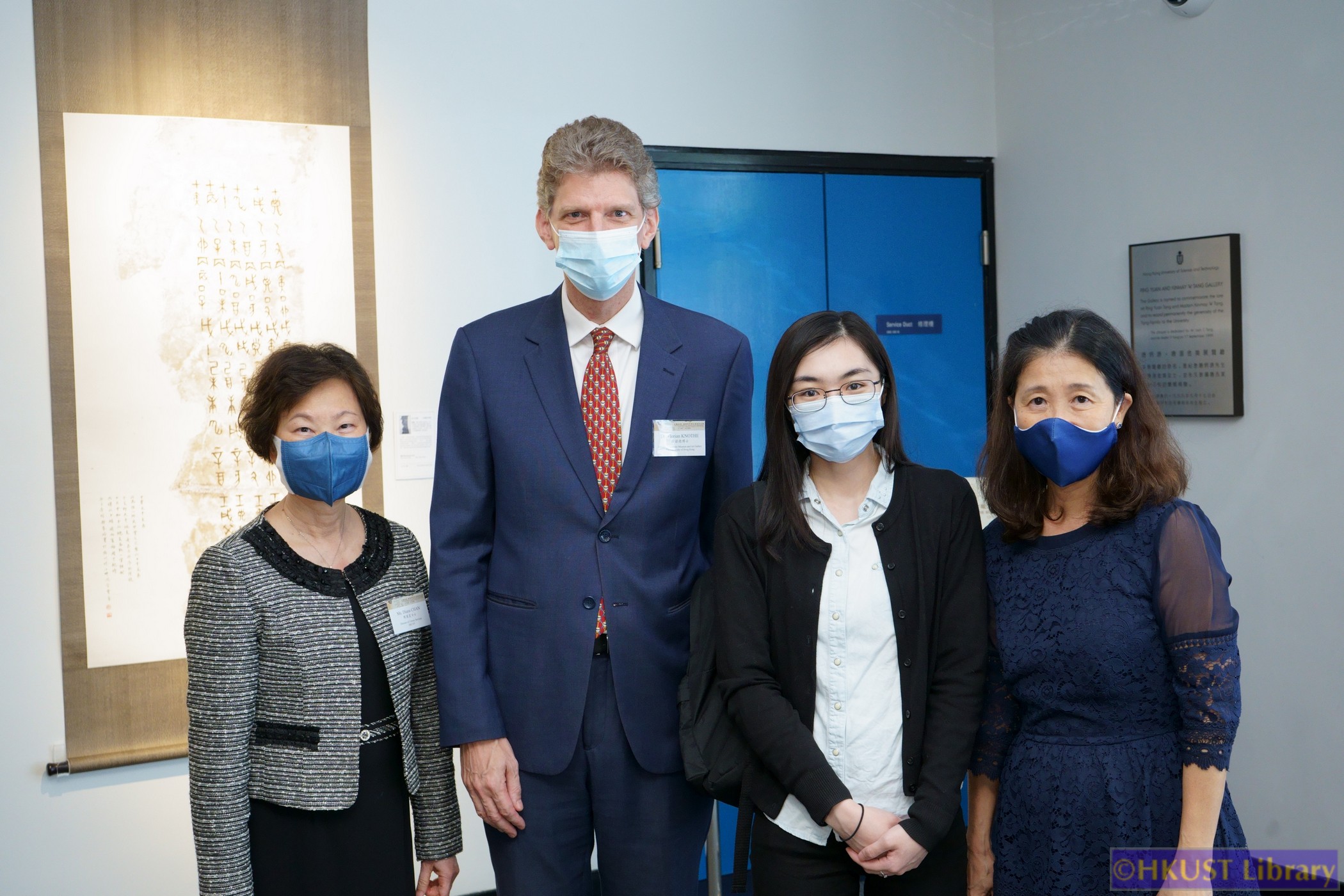
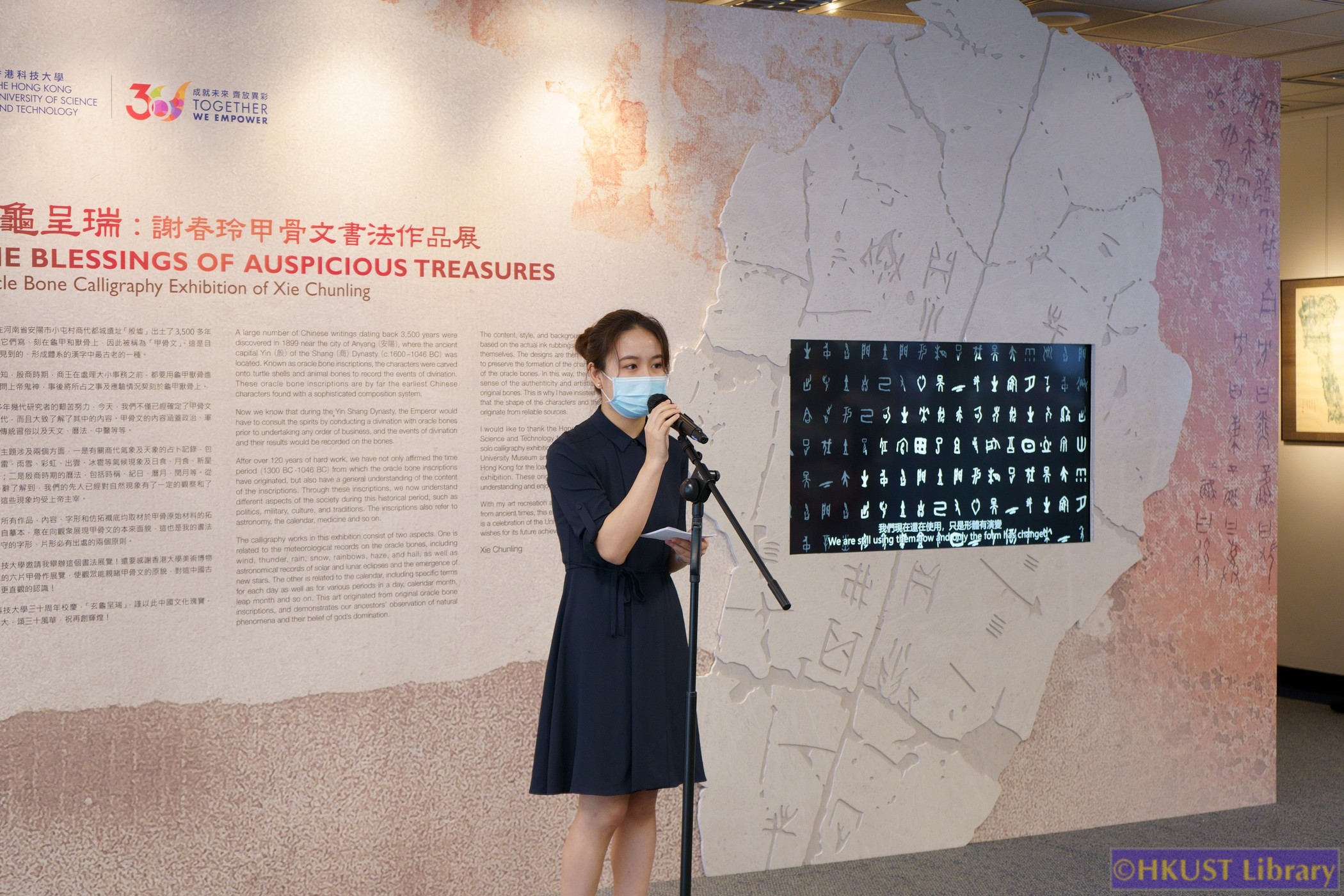
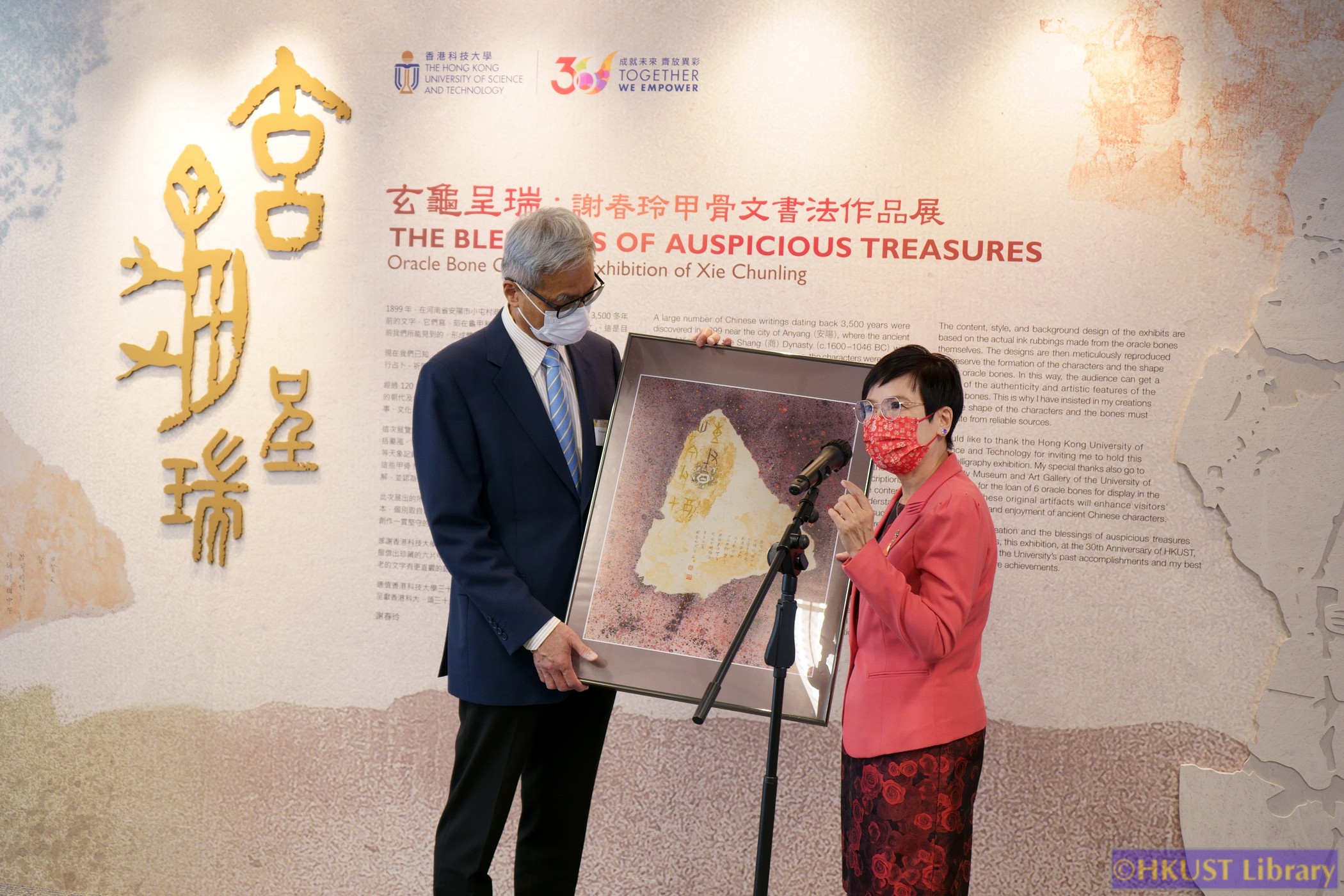
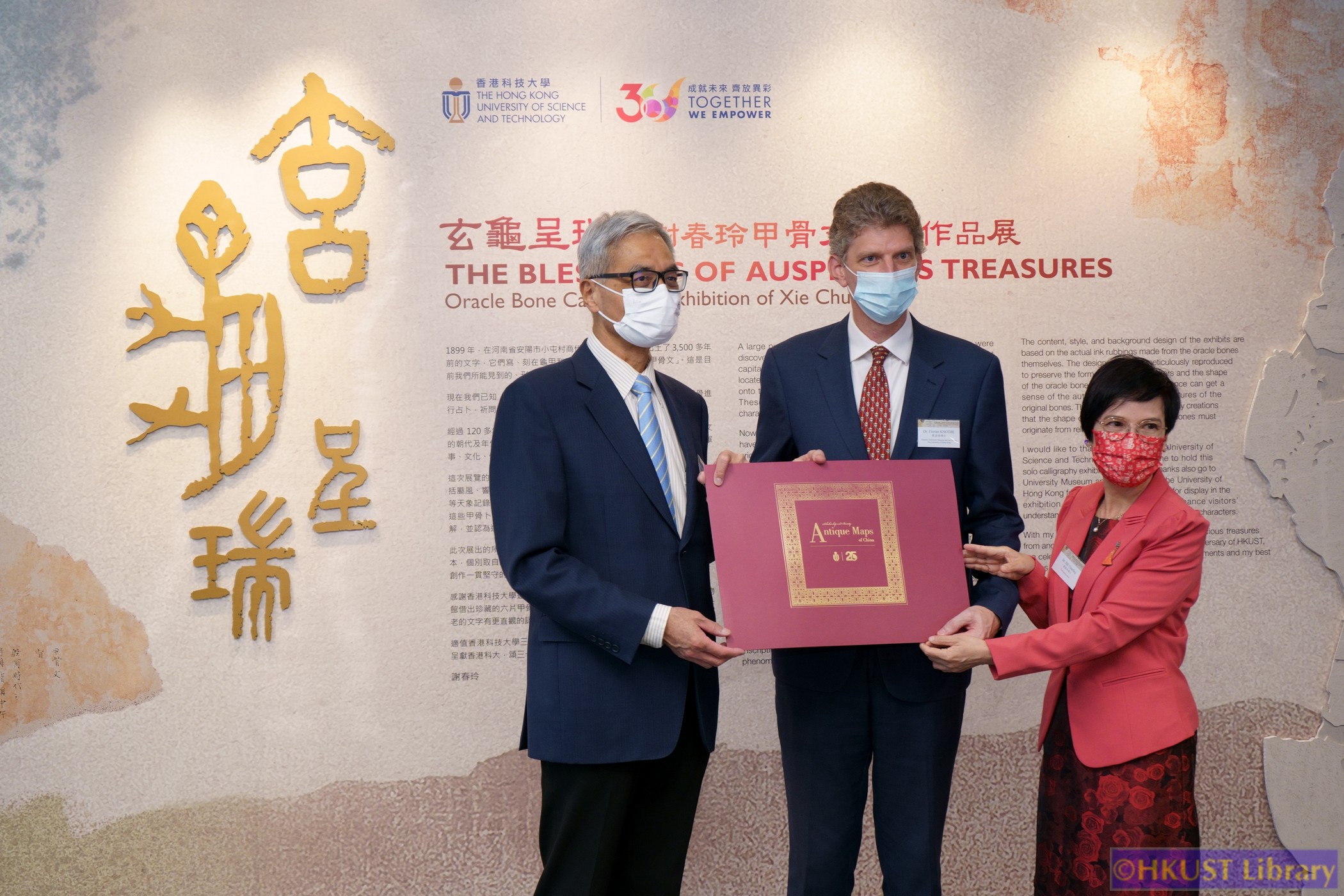
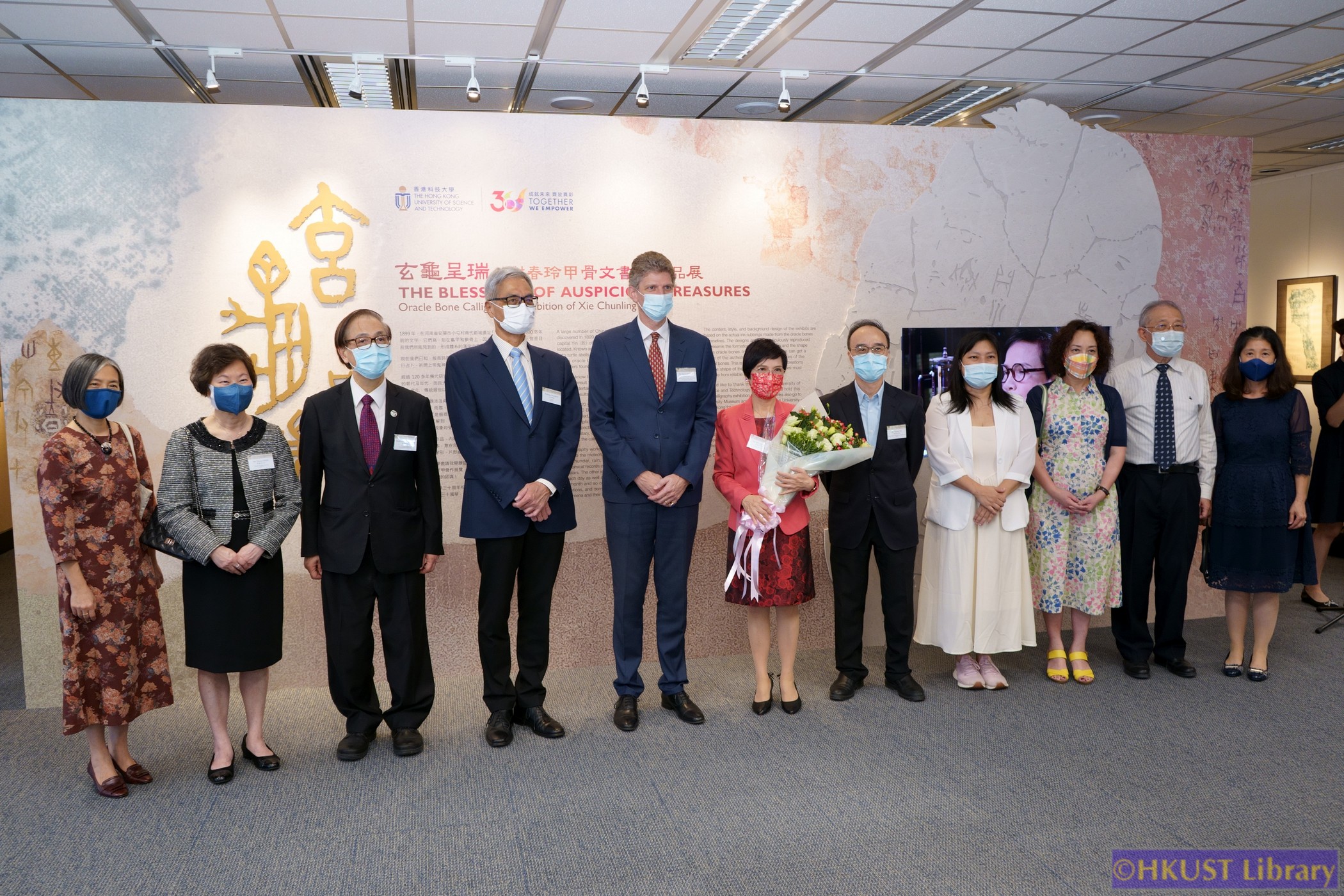
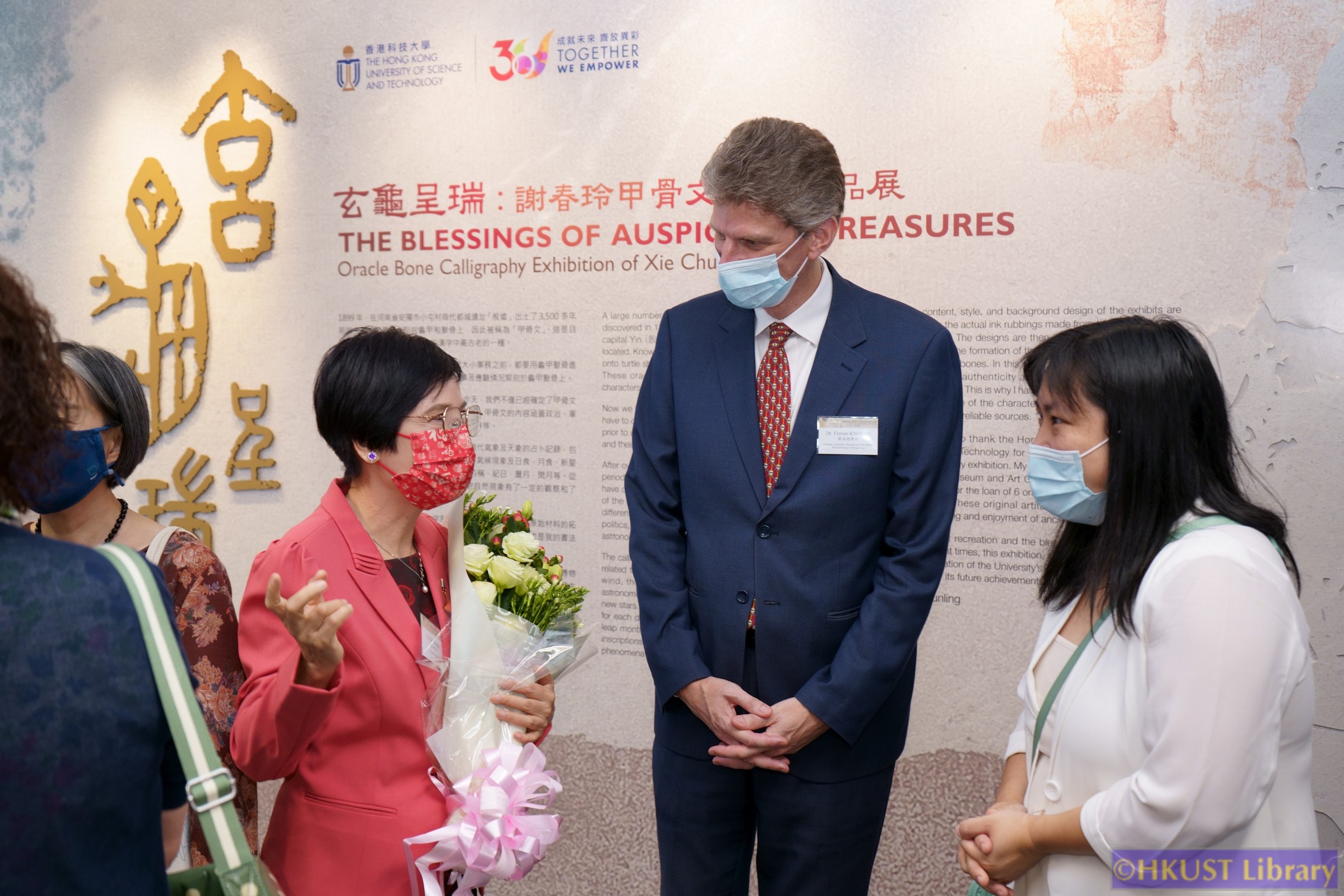
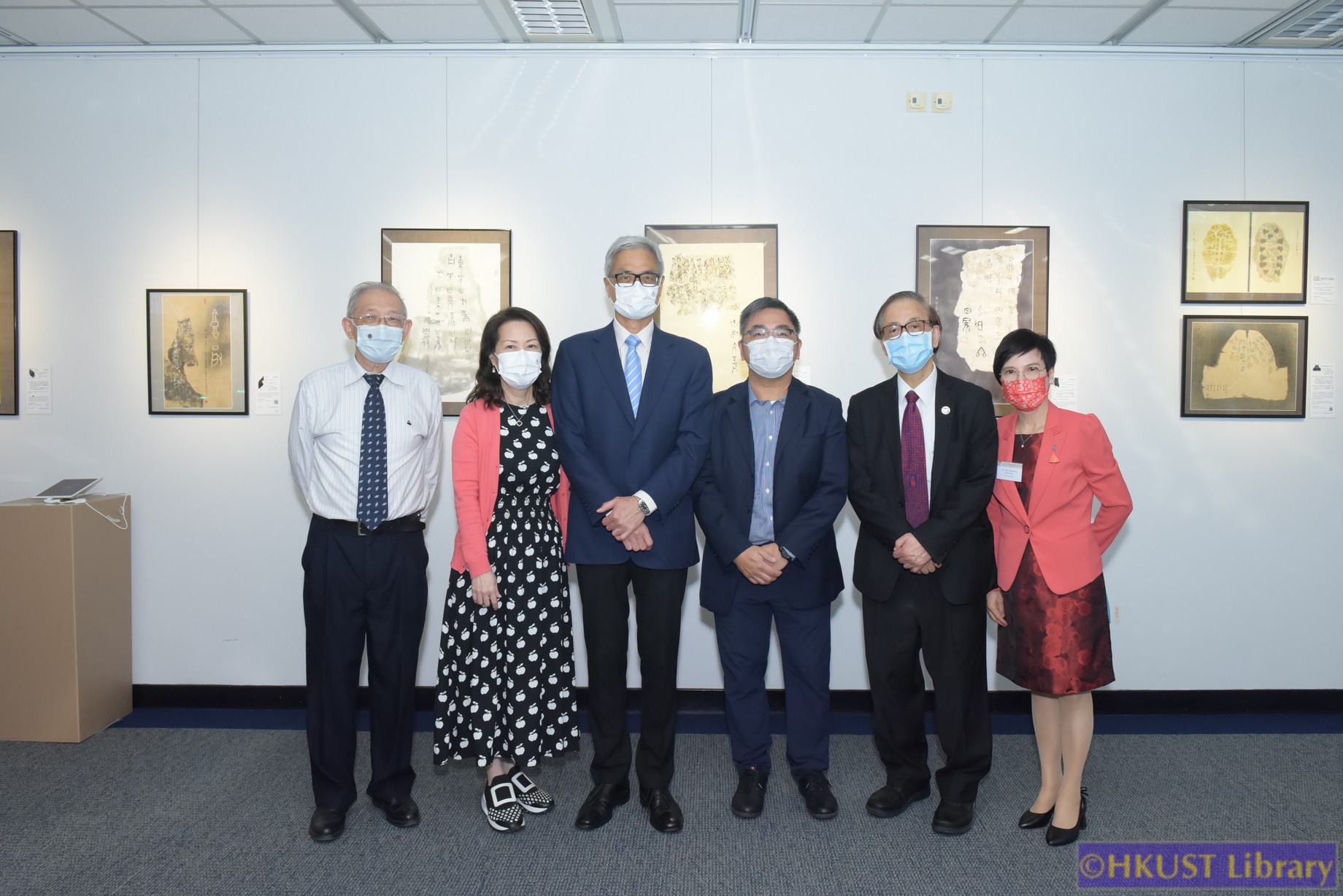
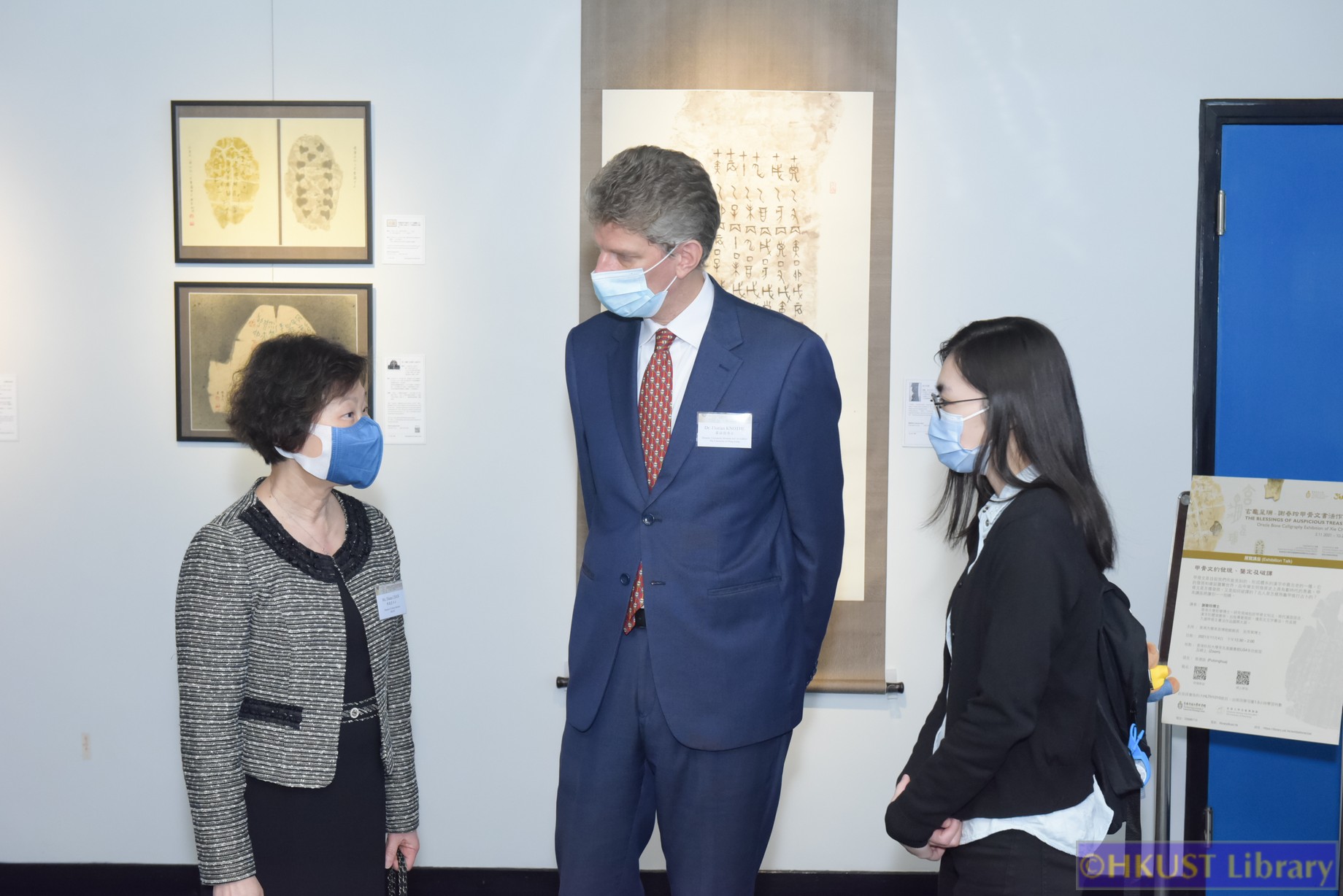
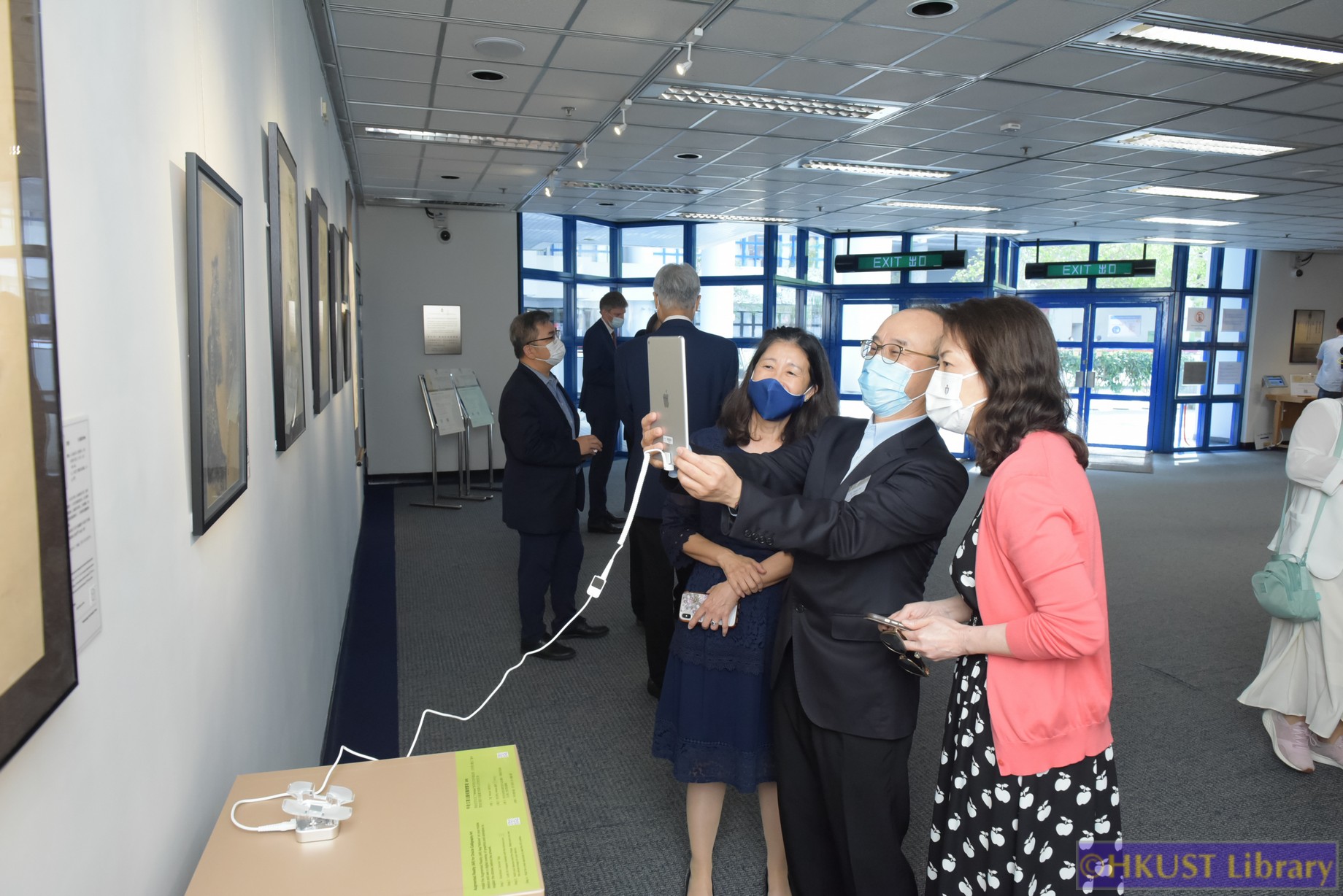
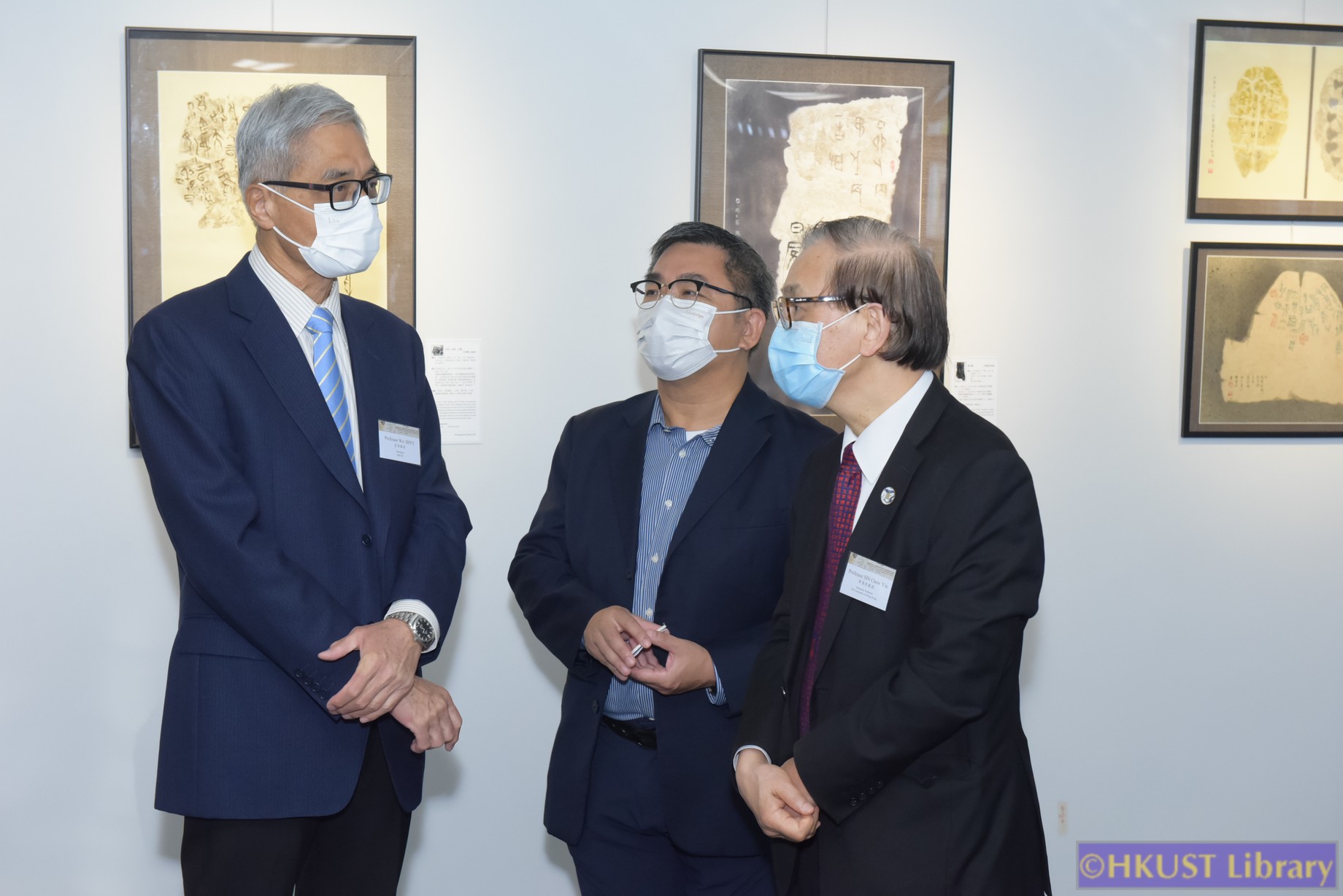
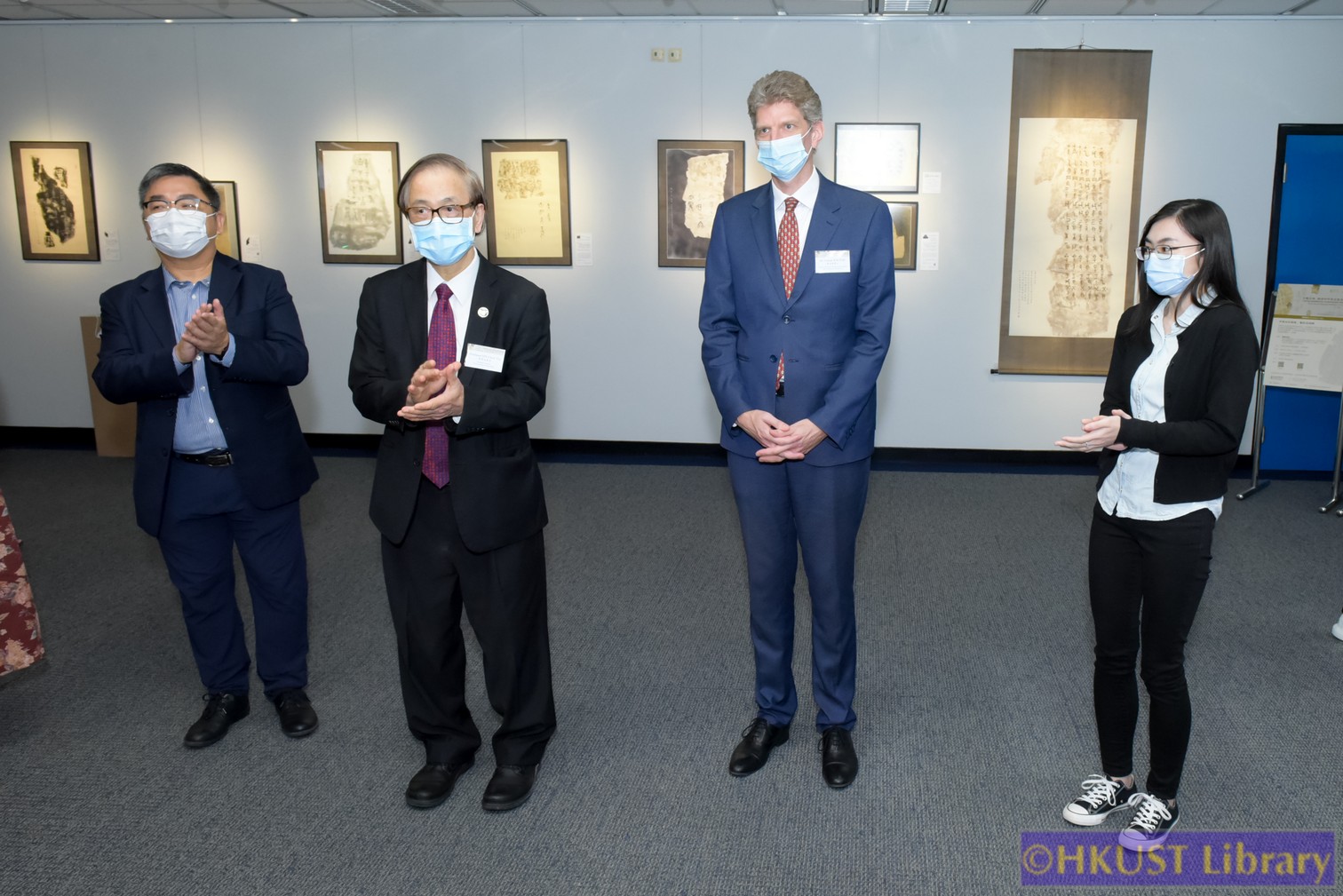
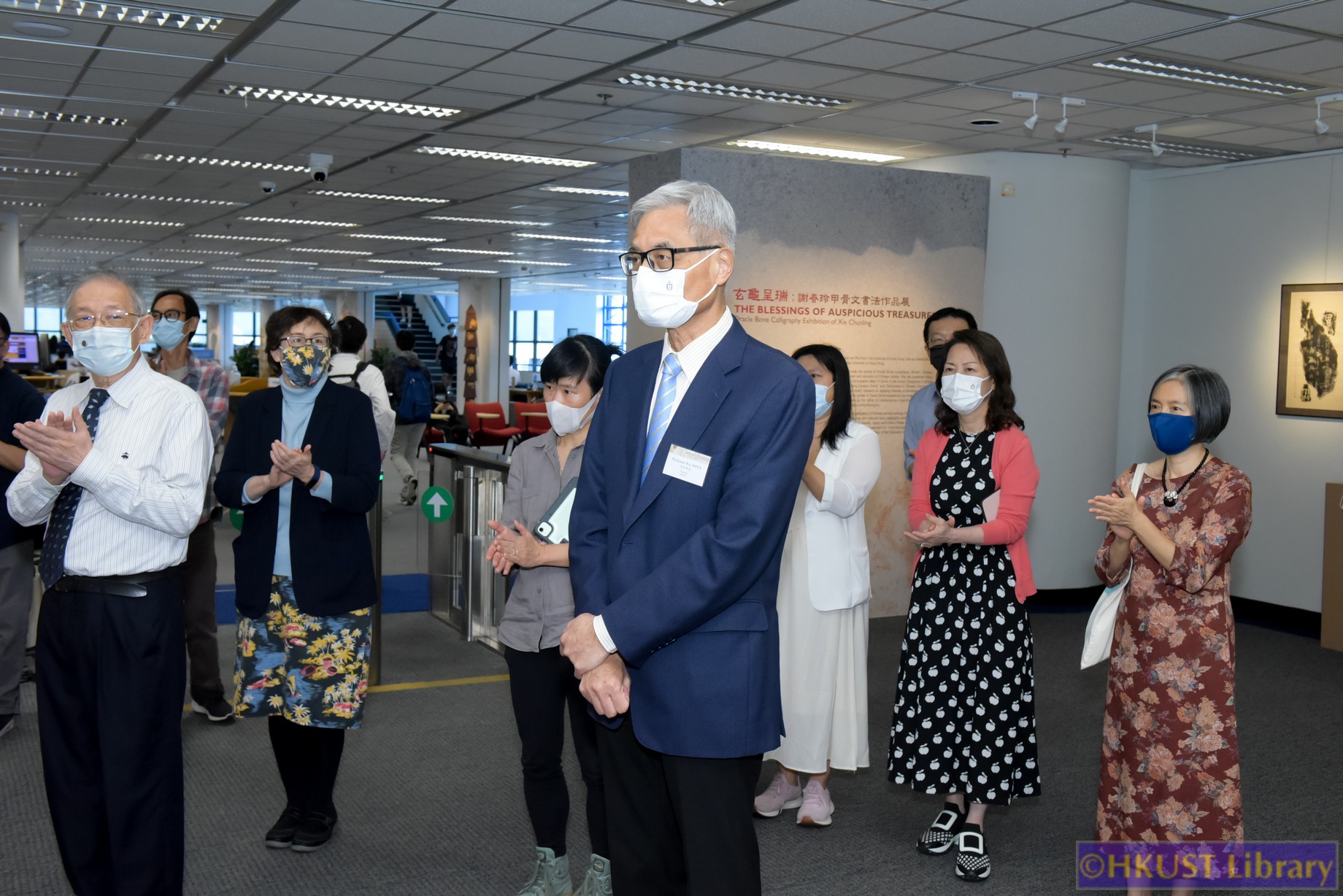
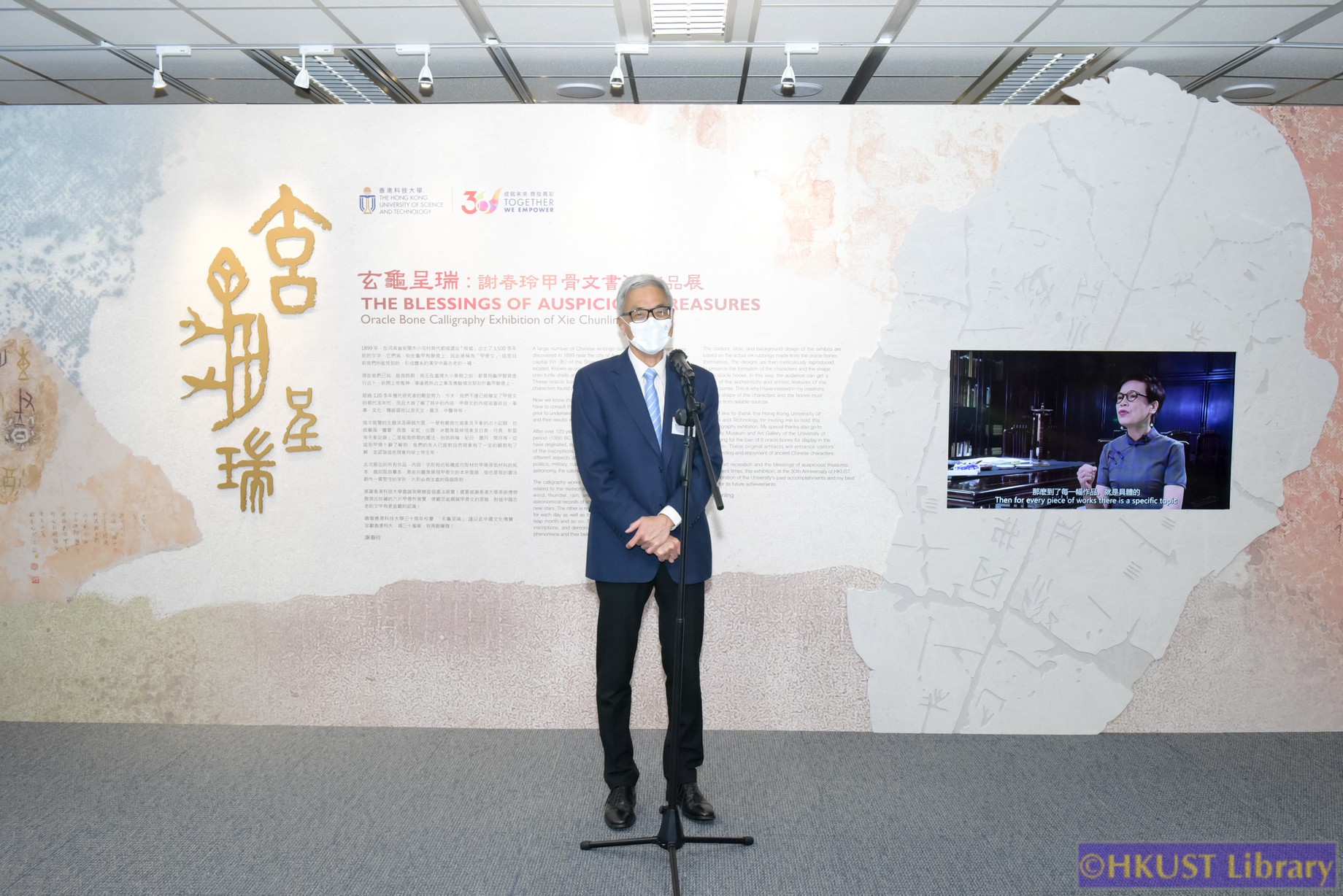
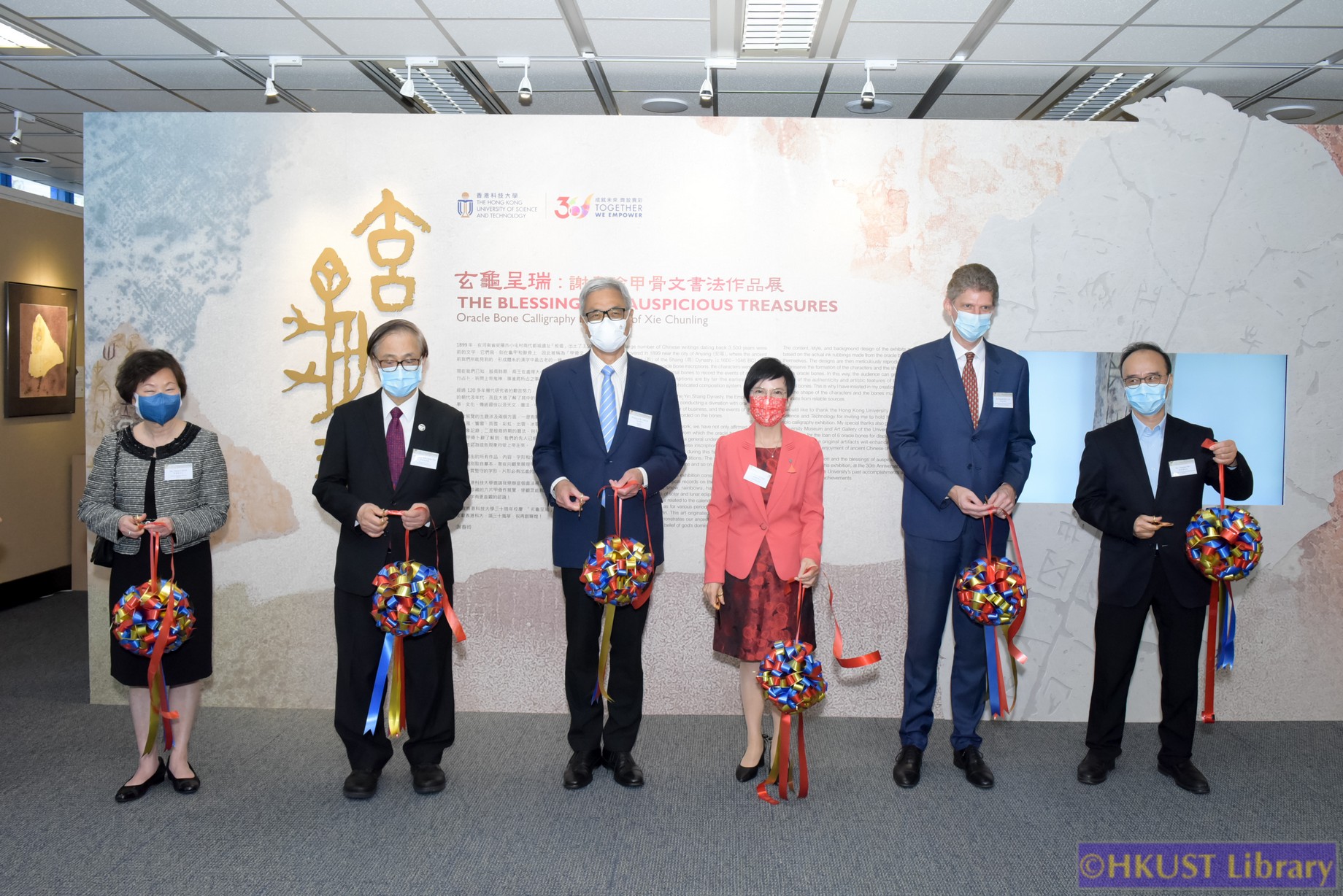
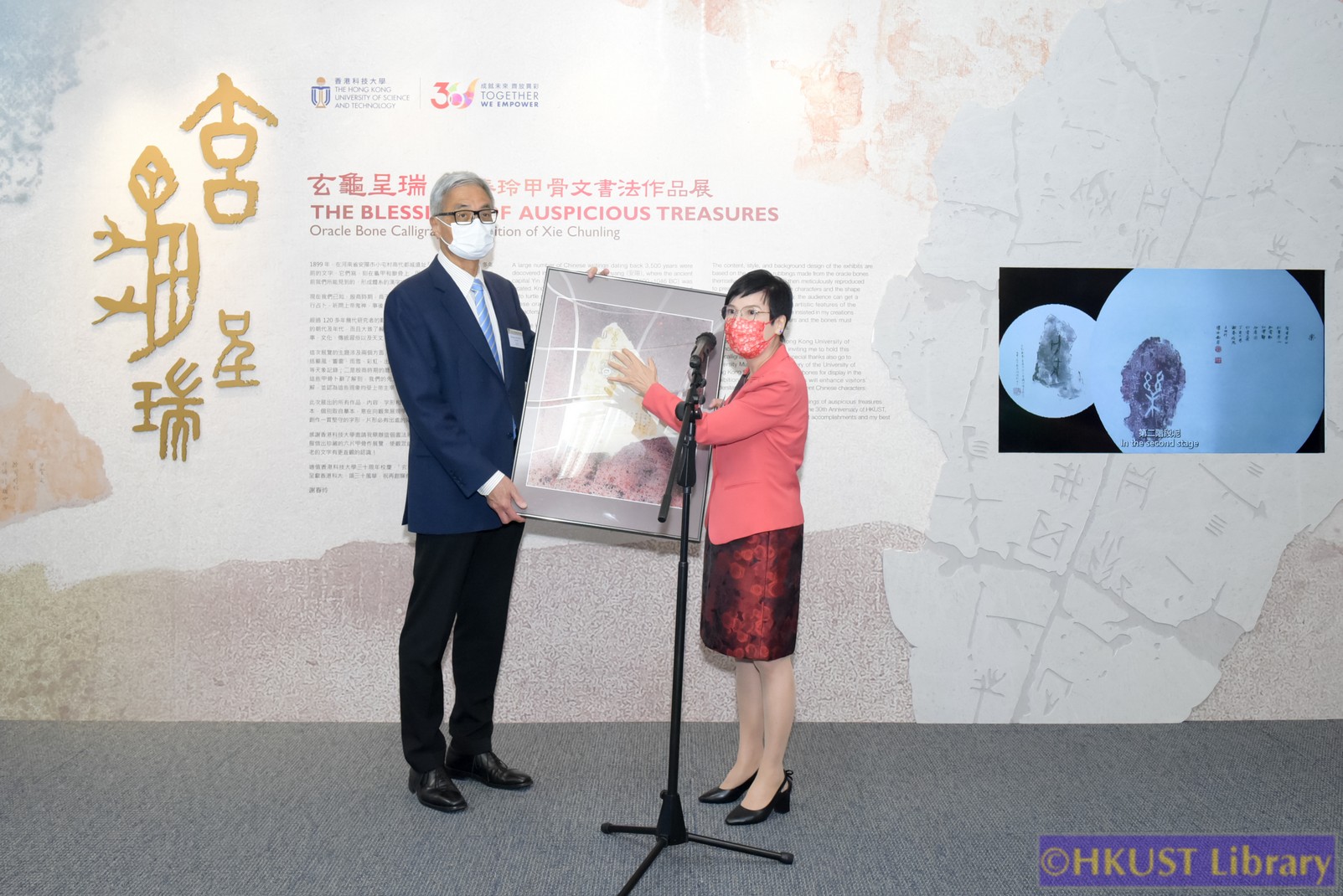
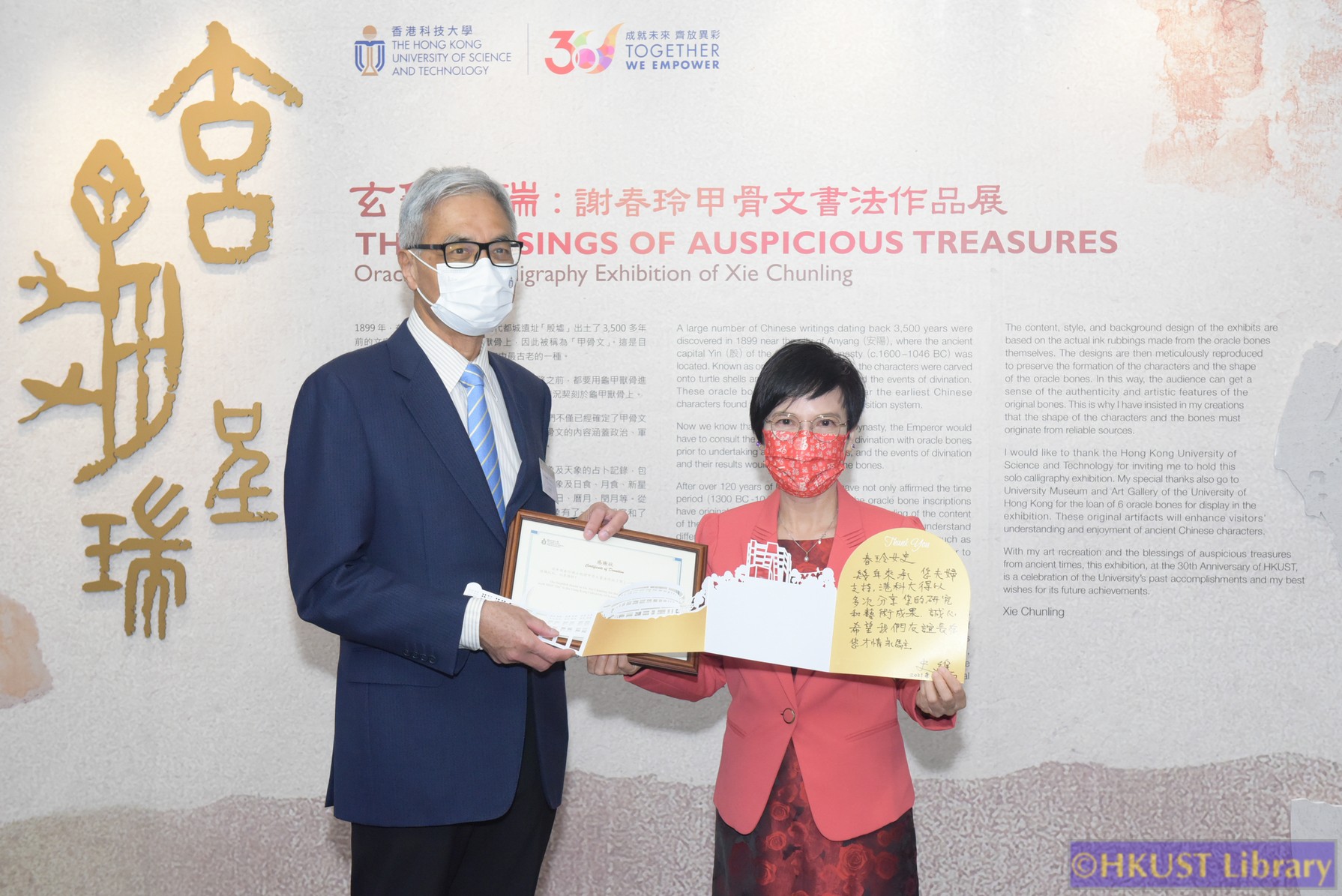
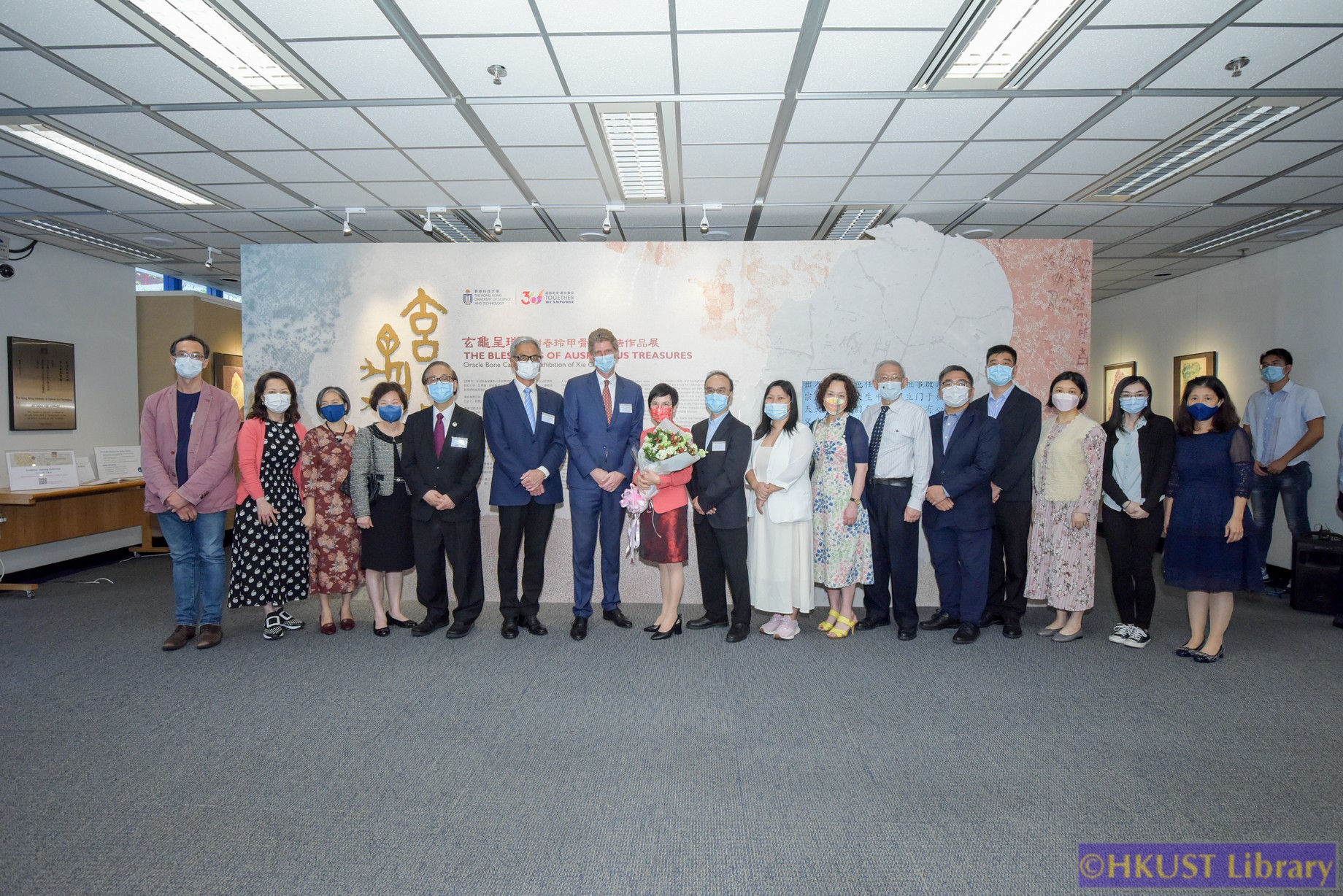
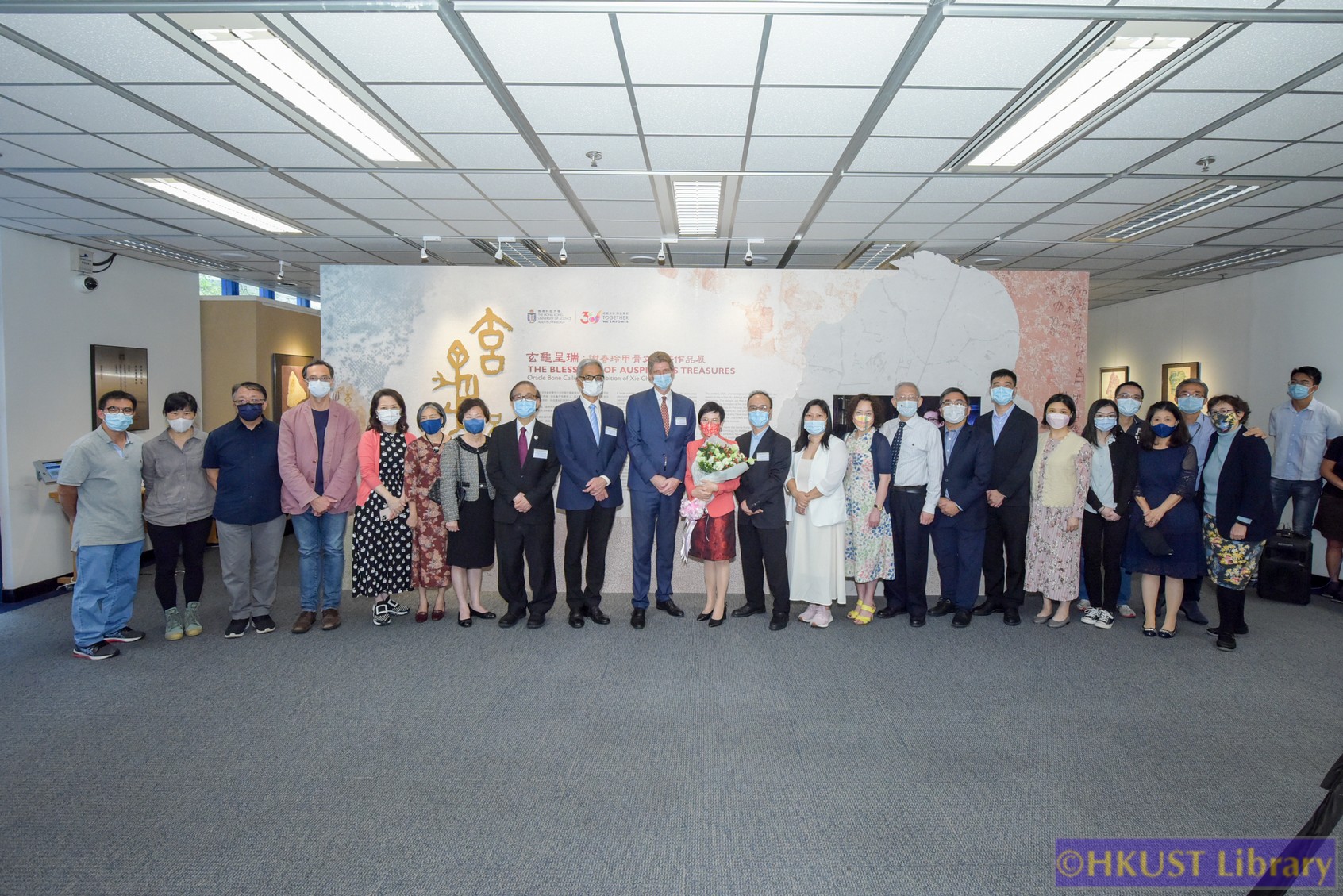
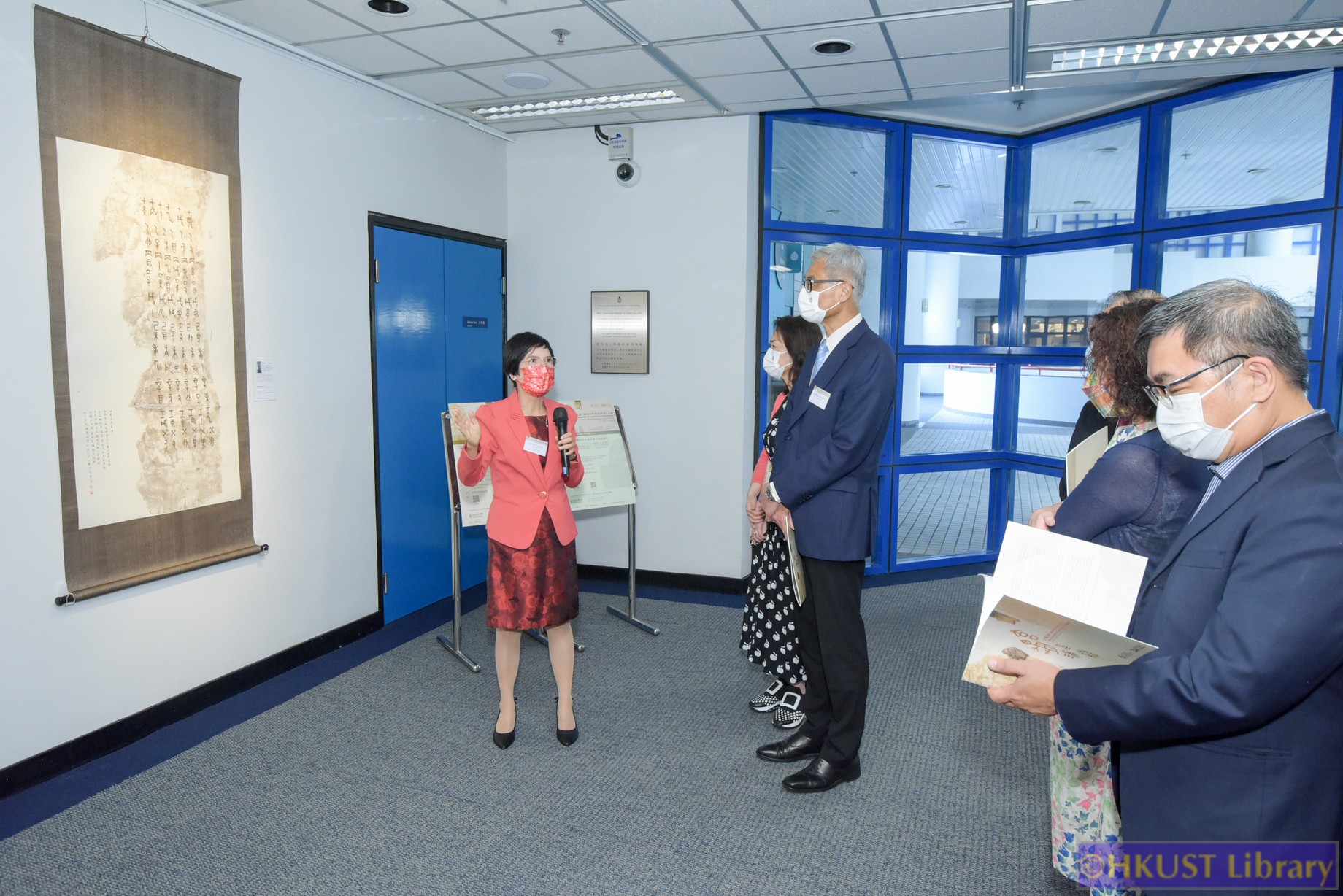
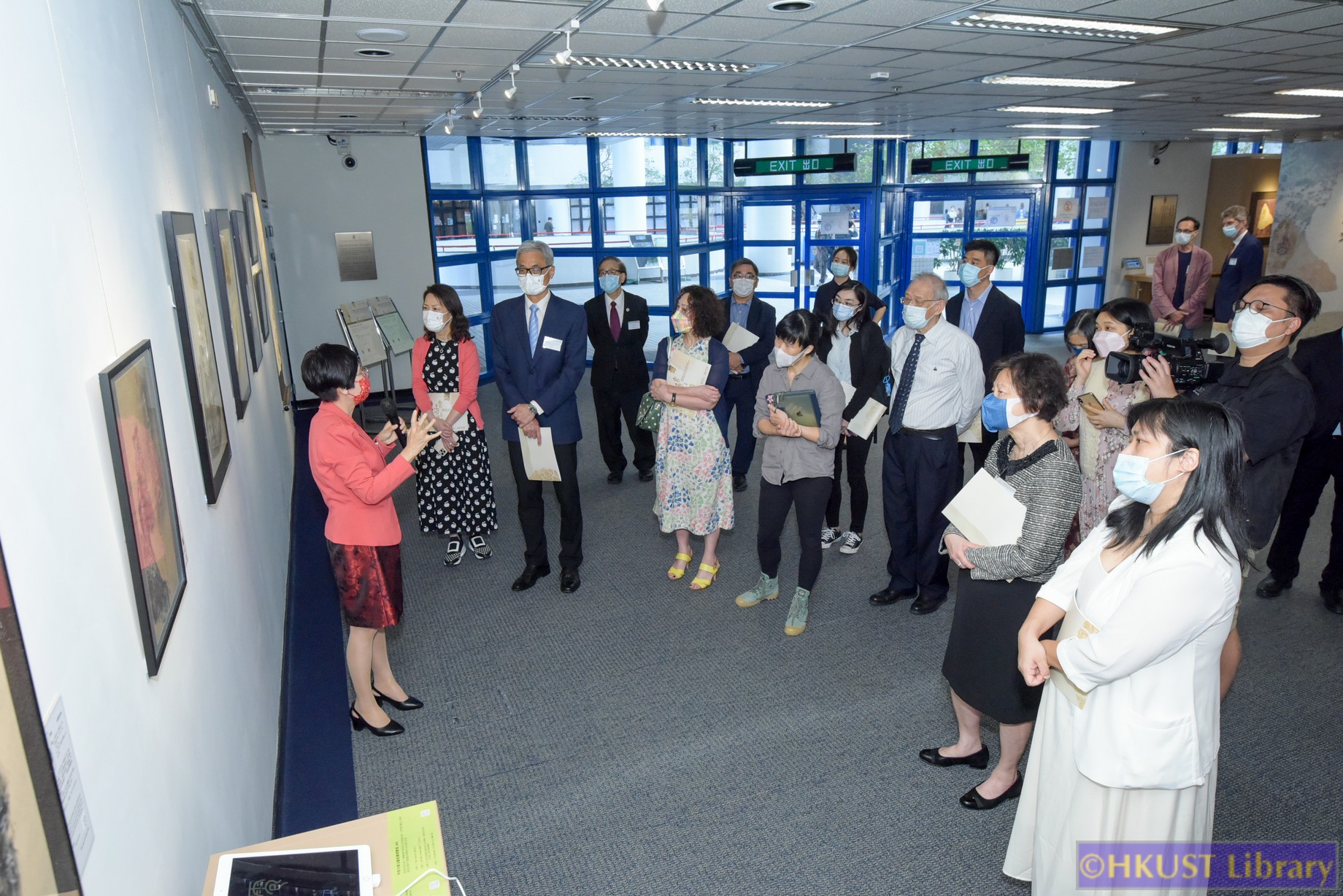
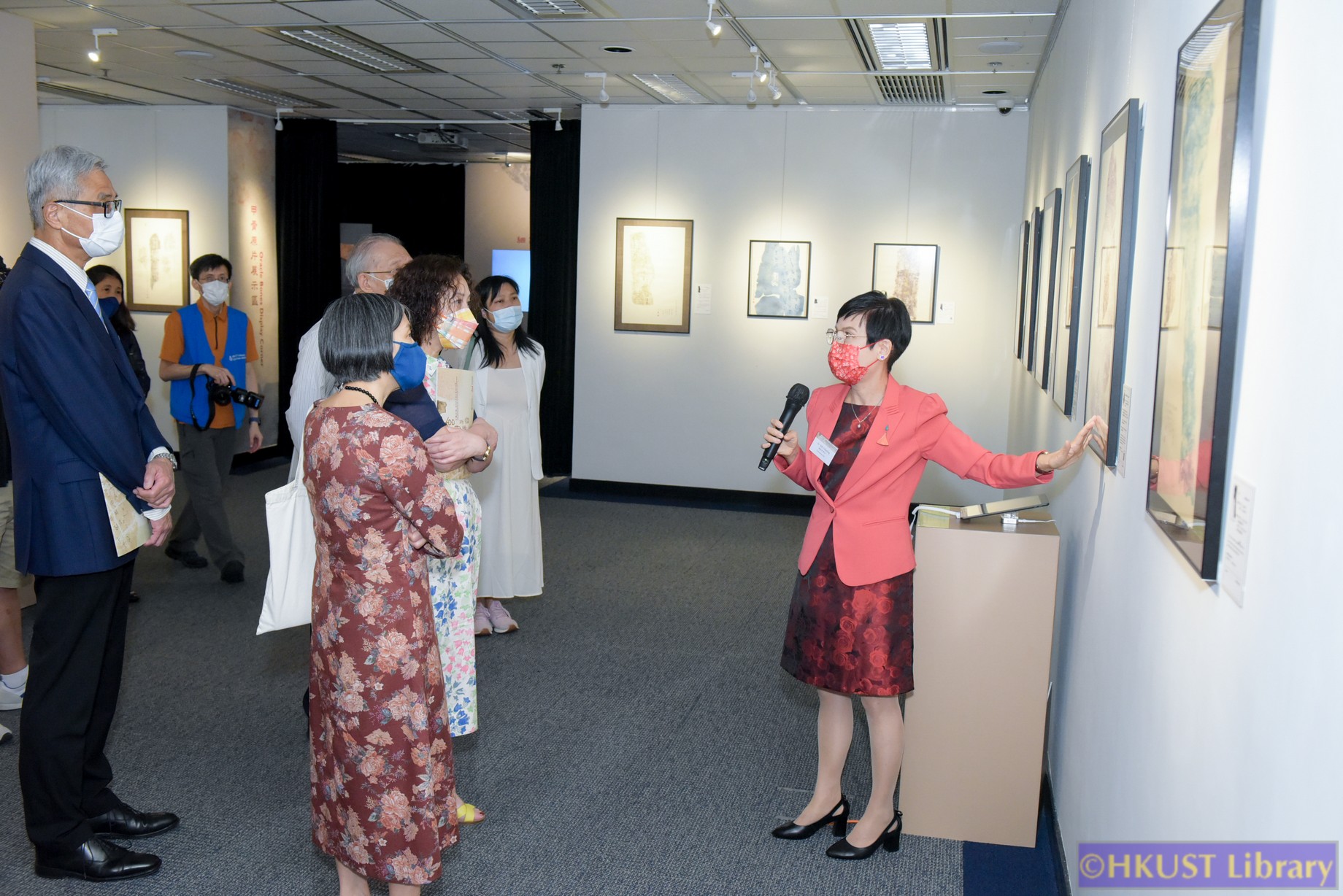
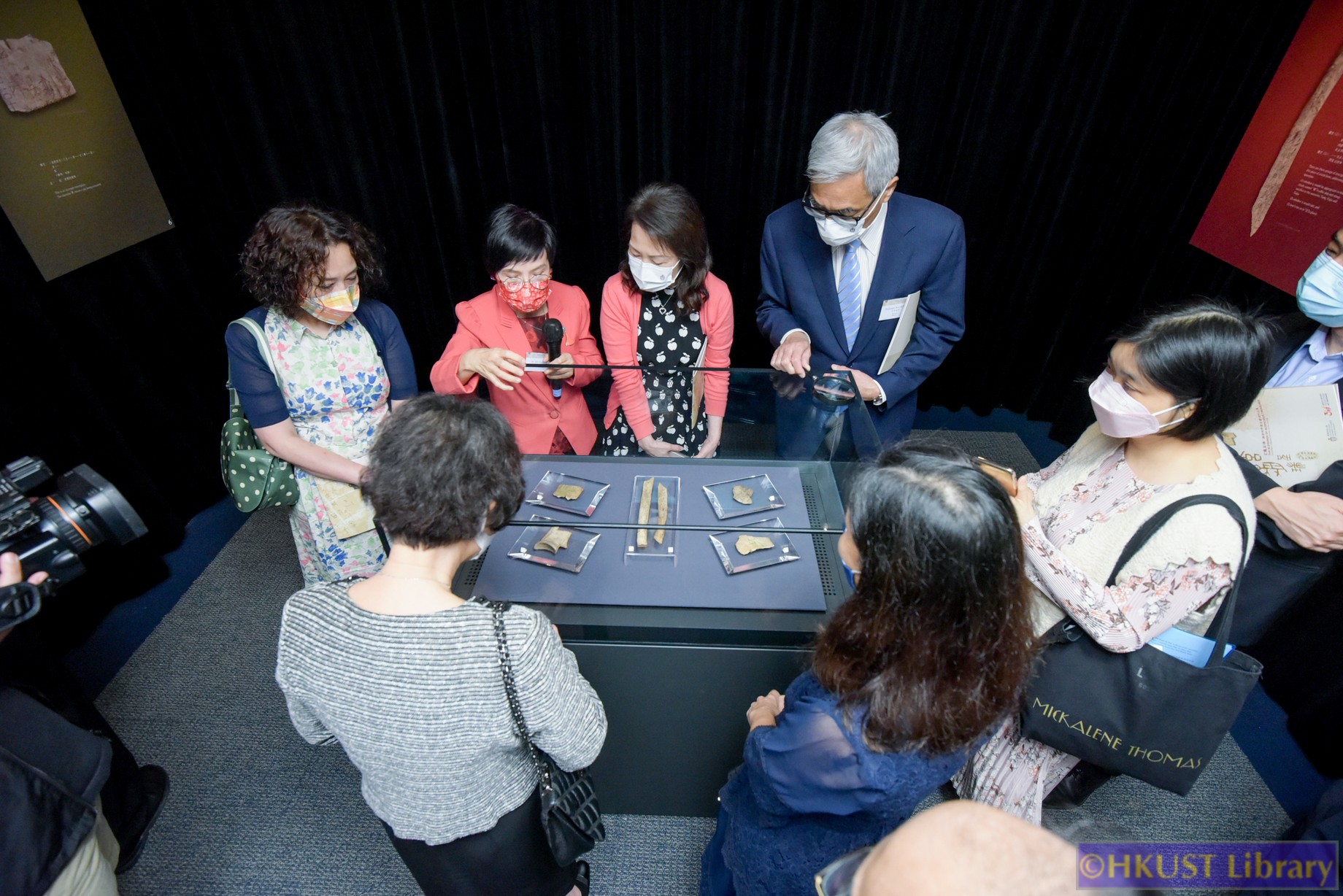
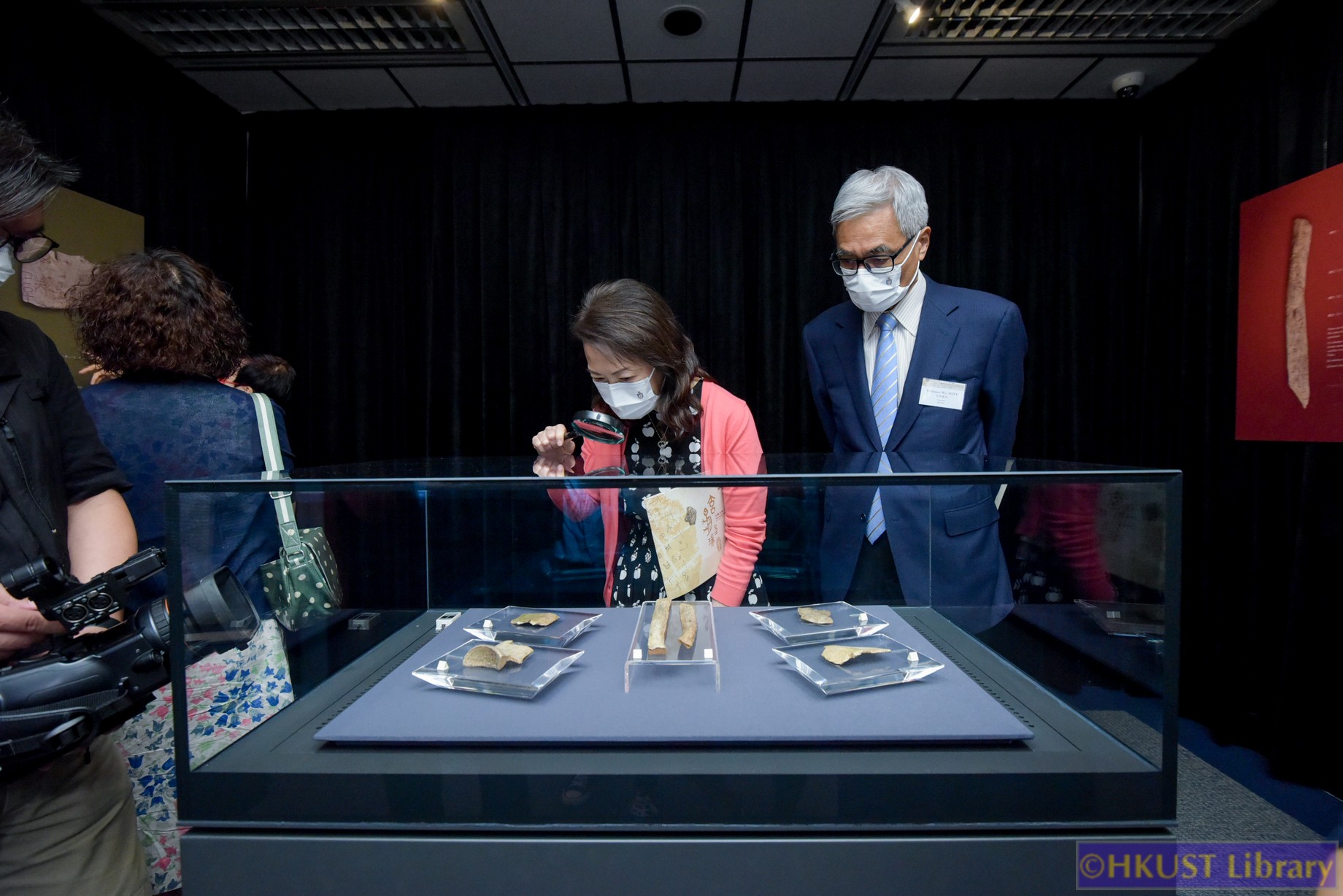
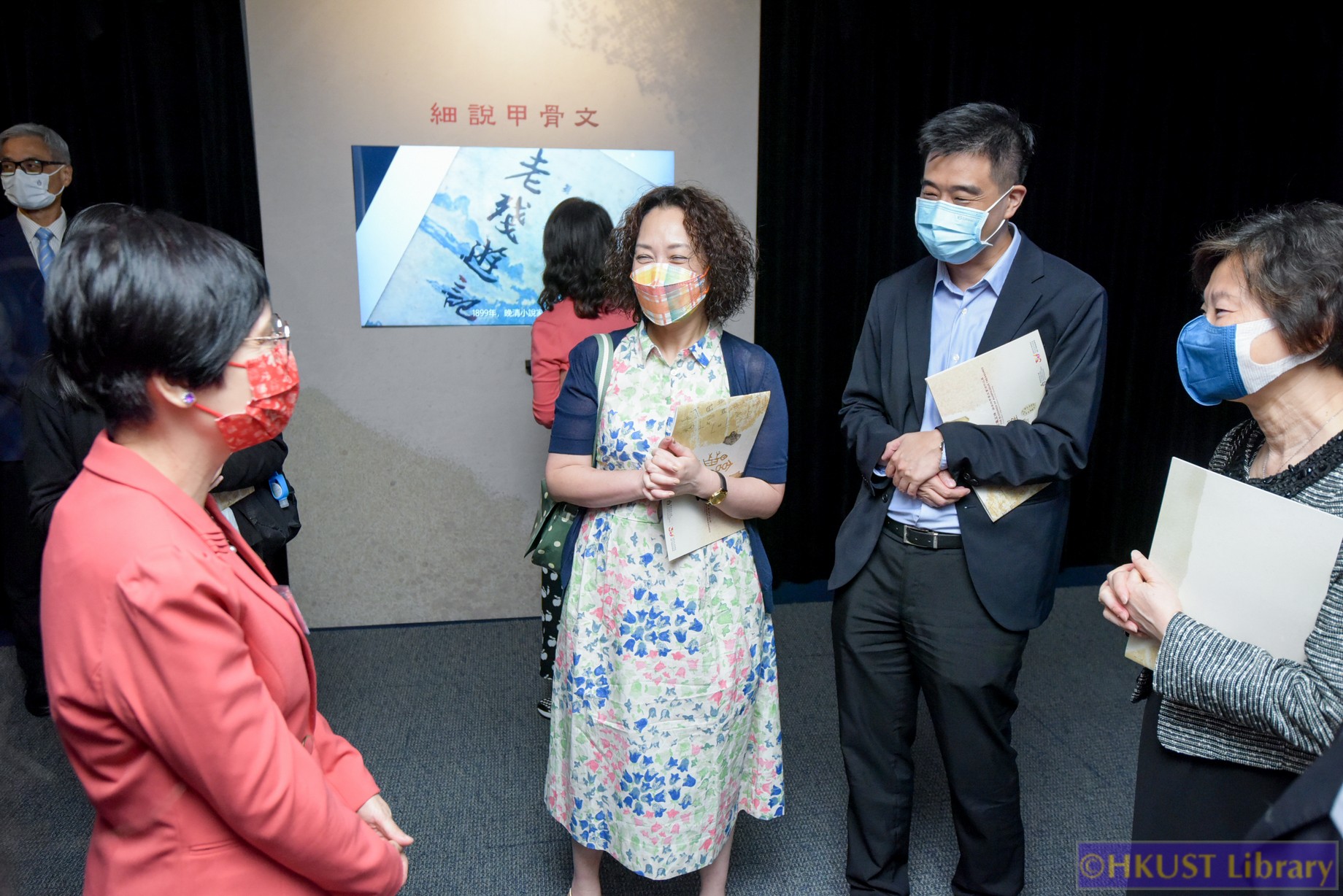
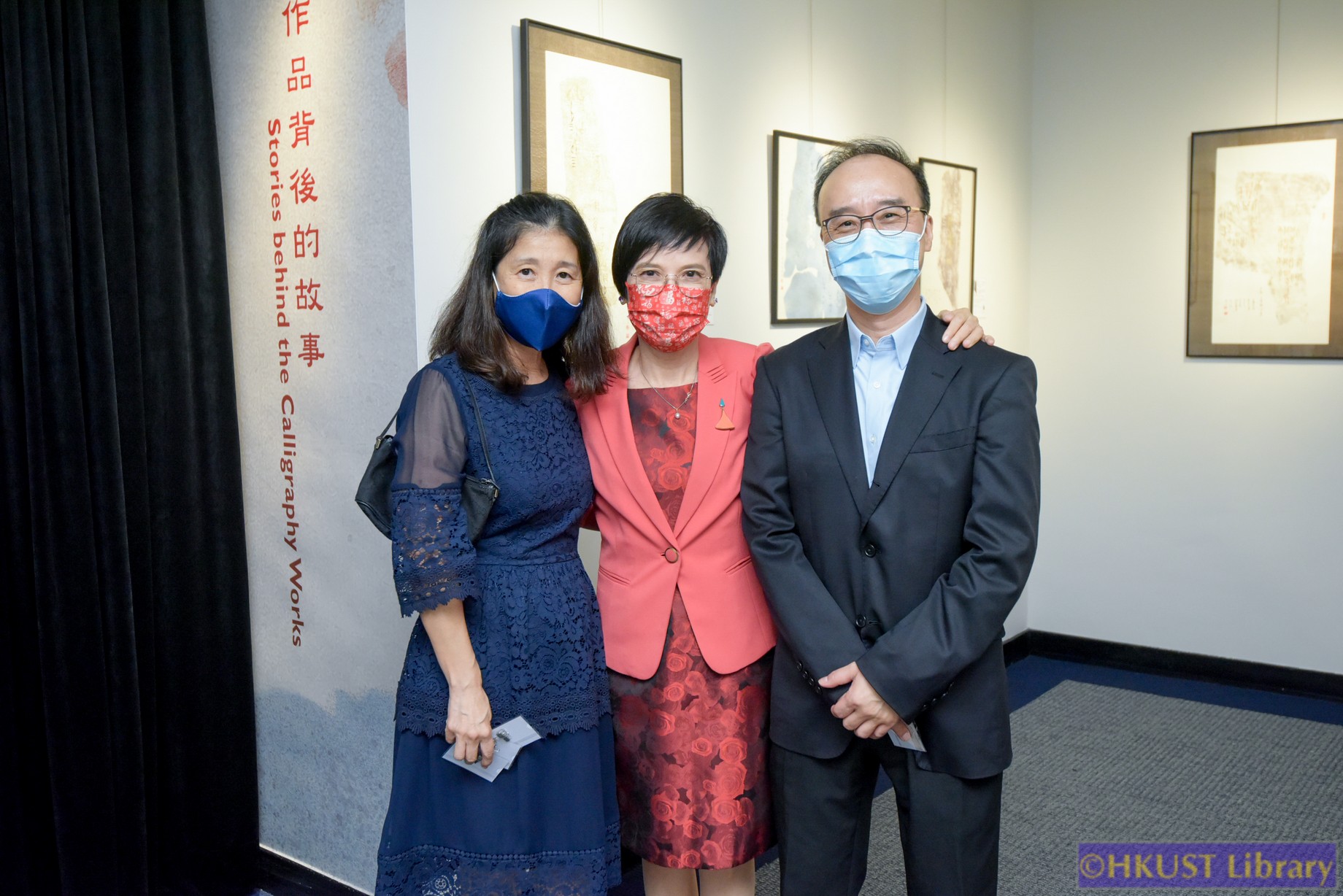
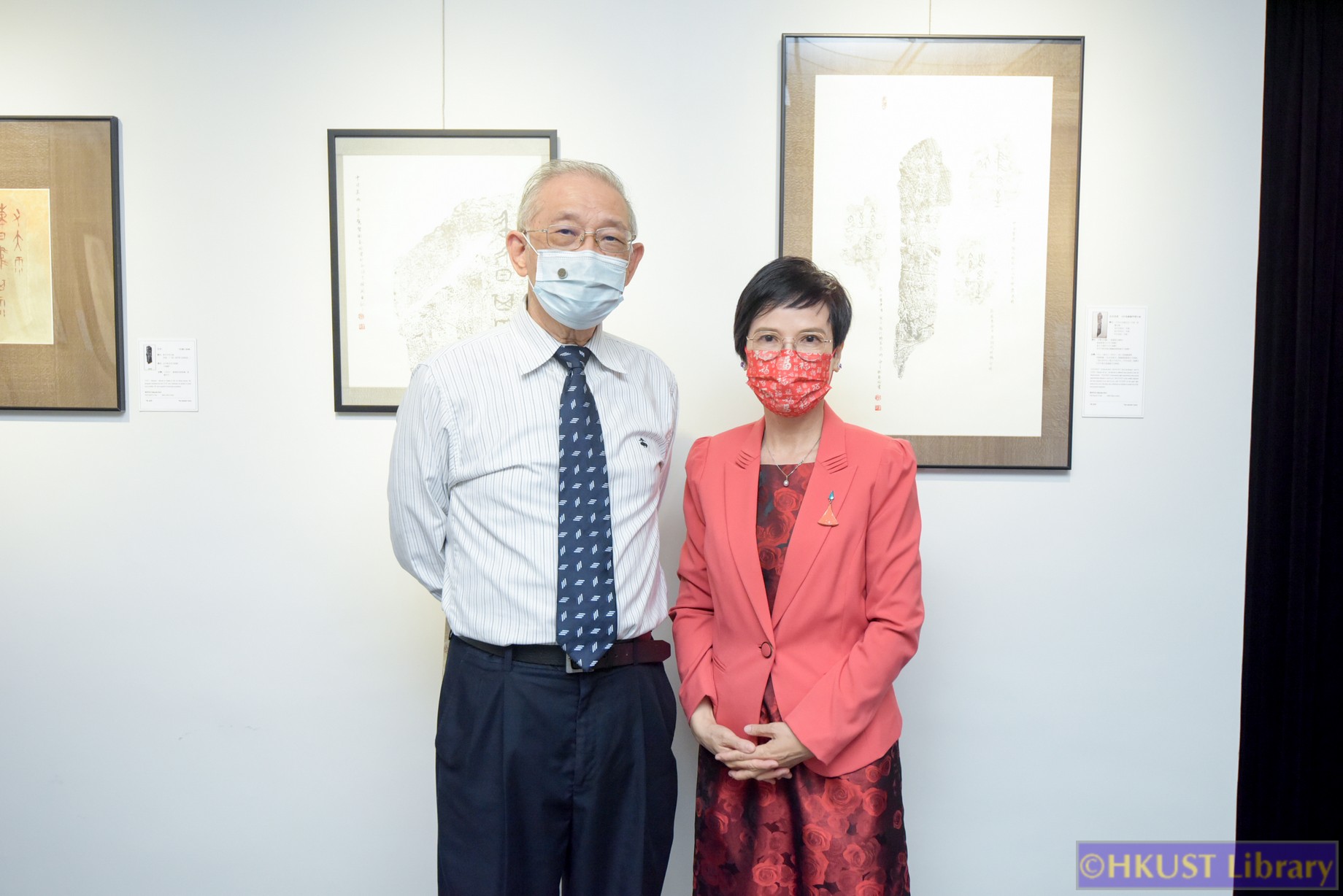
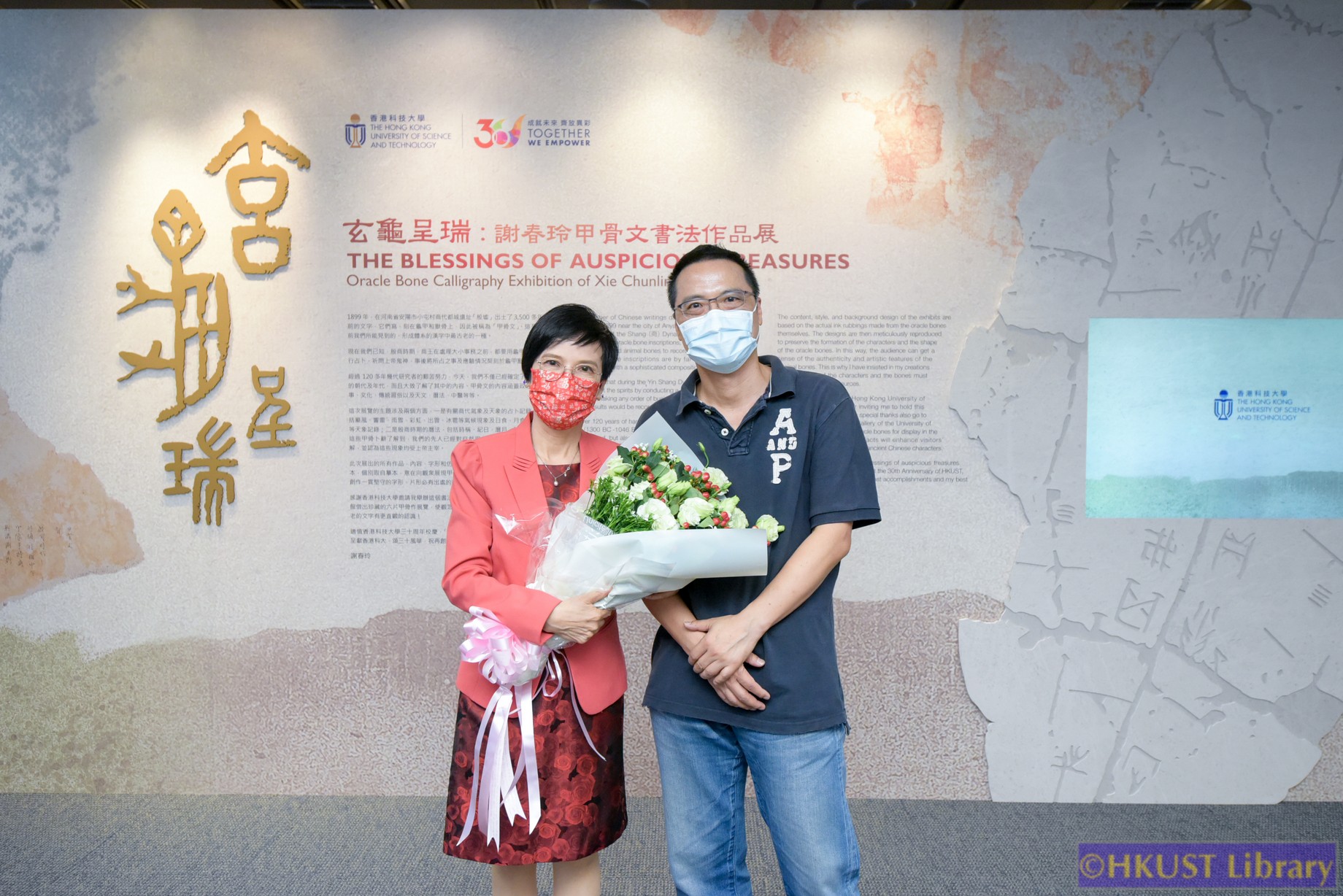
Co-organized by HKUST Lee Shau Kee Library and University Museum & Art Gallery, The University of Hong Kong
Date: November 4, 2021 (Thu)
Time: 12:30 – 2:00 pm
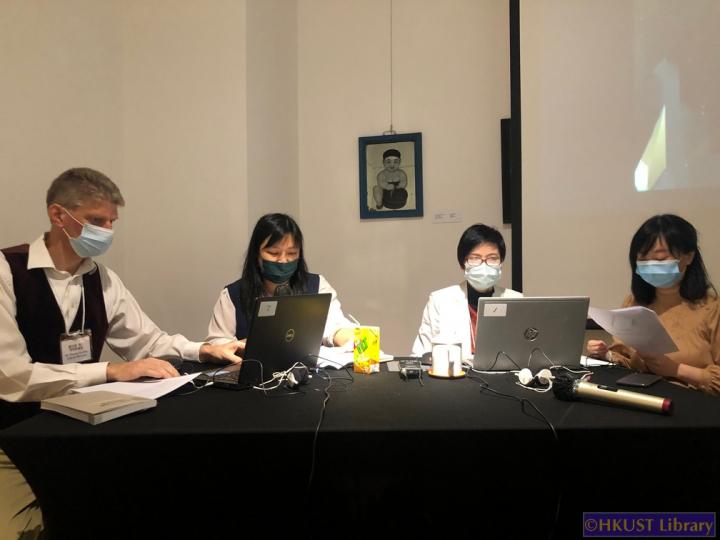
Venue: Library LG4 Multi-function Room and Online via Zoom
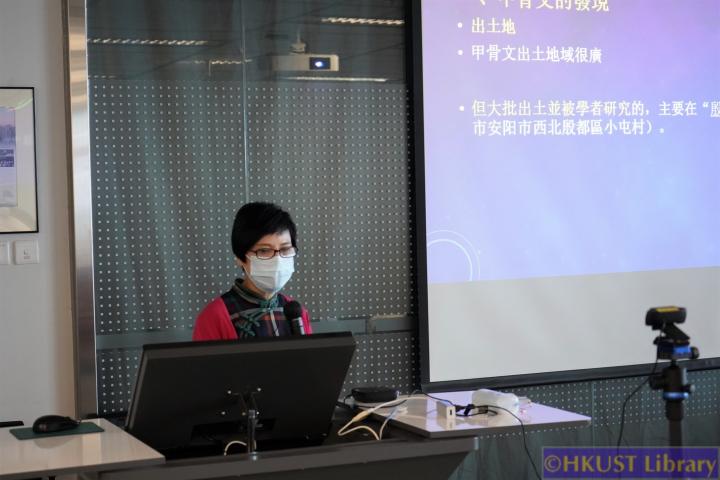
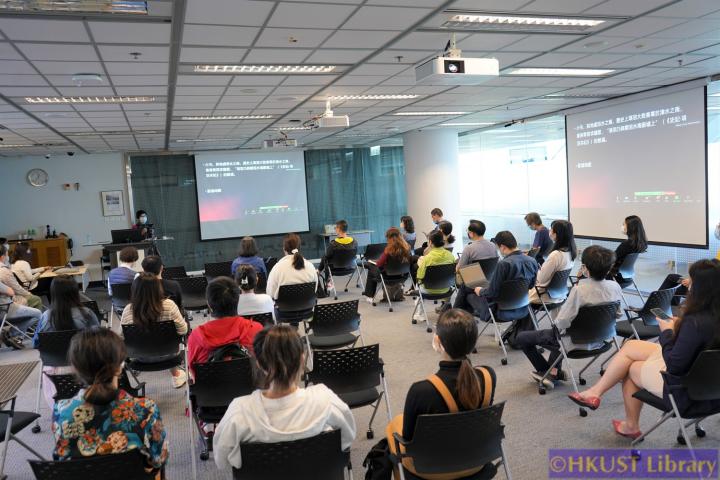
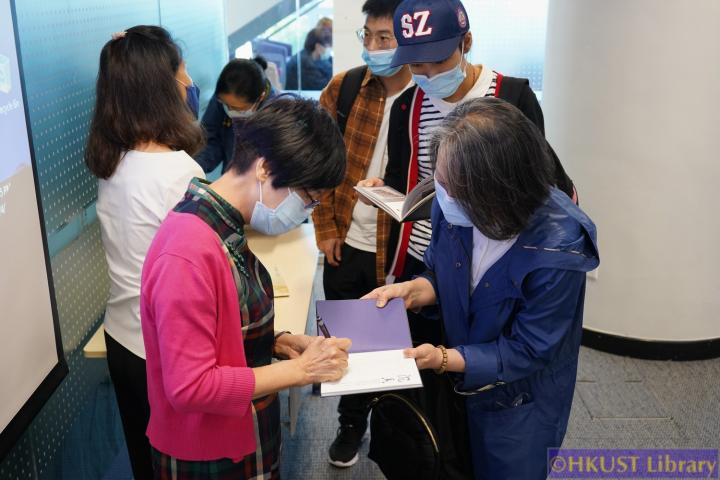
Speaker: Dr. XIE Chunling
Moderator: Dr. Sarah NG, Curator of the University Museum and Art Gallery, The University of Hong Kong
Language: Putonghua
Registration: Zoom (https://lbcube.ust.hk/ce/index.php/event/8299/)
In-venue (https://lbcube.ust.hk/ce/index.php/event/8307/)
Oracle bone inscriptions are one of the earliest known forms of systematic Chinese writing, dating back to the Shang dynasty (c. 1600–1046 BCE). Primarily engraved on the scapulae of oxen or the interior of tortoise shells, the inscriptions mark the beginning of Chinese civilization’s recorded history.
How were oracle bone inscriptions first discovered and how can they be deciphered today? How did ancient people use tortoise shells to practice divination?
Note: HKUST students may attain 1.5-hour credit for the HLTH1010 Healthy Lifestyle Course after attending the talk.
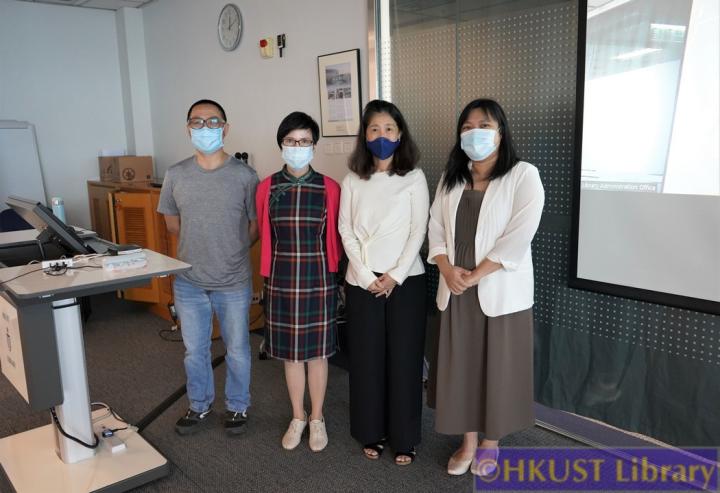
Date: November 10, 2021 (Wed)
Time: 12:30 – 2:00 pm
Venue: Library LG4 Multi-function Room and Online via Zoom
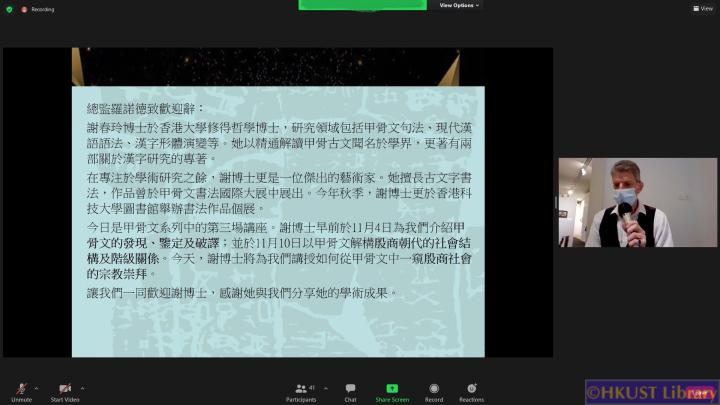
Speaker: Dr. XIE Chunling
Moderator: Dr. Sarah NG, Curator of the University Museum and Art Gallery, The University of Hong Kong
Language: Putonghua
Registration: Zoom (https://lbcube.ust.hk/ce/index.php/event/8310/)
In-venue (https://lbcube.ust.hk/ce/index.php/event/8297/)
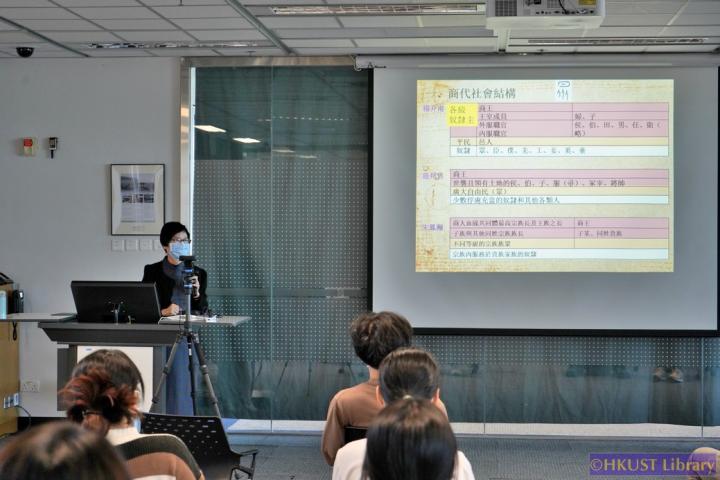
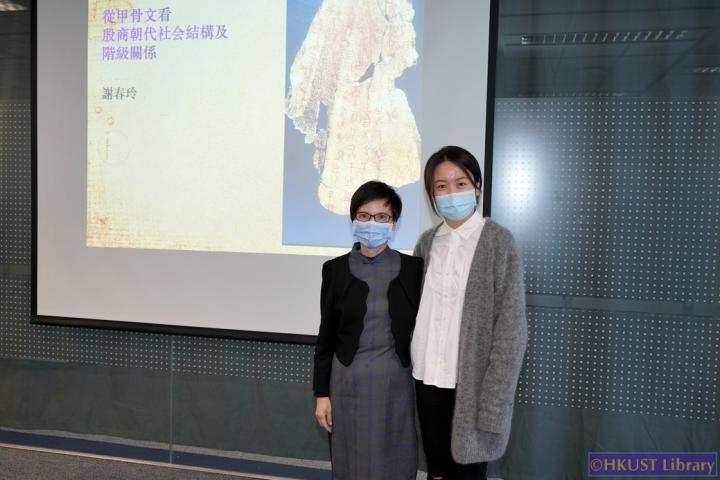
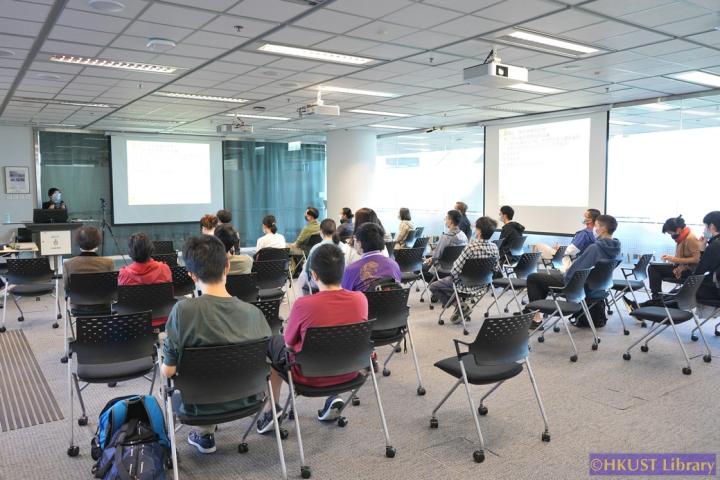
What was society like during the Shang dynasty and did China have a slave class? Did Chinese society practice “human sacrifice”? This seminar will present findings about the status of “slaves” in Chinese society and their relationship to the ruling class.
Note: HKUST students may attain 1.5-hour credit for the HLTH1010 Healthy Lifestyle Course after attending the talk.
Date: November 12, 2021 (Fri)
Time: 12:30 – 2:00 pm
Venue: University Museum and Art Gallery, The University of Hong Kong and Online via Zoom
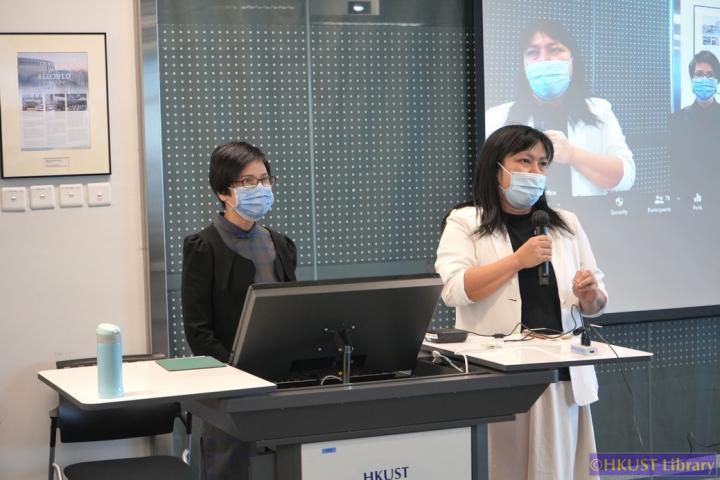
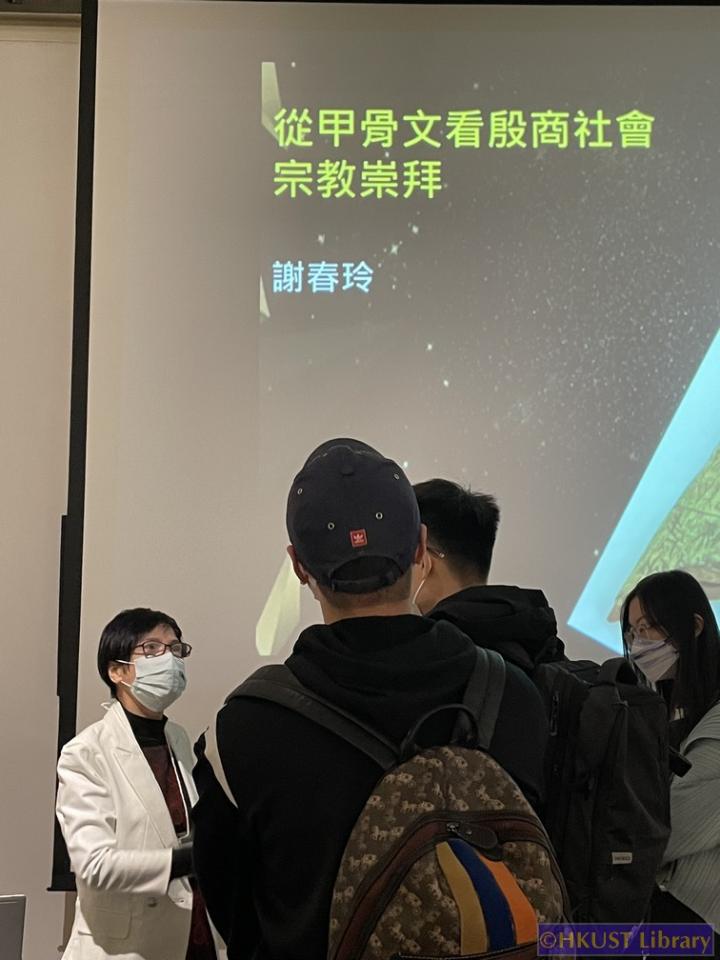
Speaker: Dr. XIE Chunling
Moderator: Dr. Florian KNOTHE, Director of the University Museum and Art Gallery, and Dr. Sarah NG, Curator of the University Museum and Art Gallery, The University of Hong Kong
Language: Putonghua
Registration: Zoom (https://lbcube.ust.hk/ce/index.php/event/8332/)
In-venue (https://hkuems1.hku.hk/hkuems/ec_hdetail.aspx?guest=Y&ueid=78691)
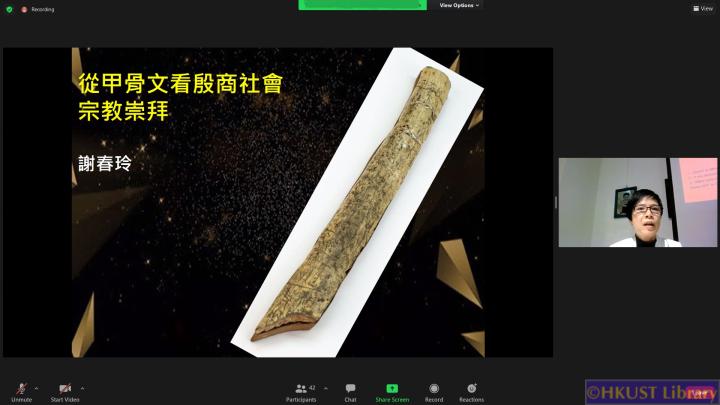
What was the concept of religion during the Shang dynasty (c.1600–1046 BE)? In oracle bone inscriptions, we can see traces of various totems, including a bird totem from the Shang tribe. Apart from these symbols, did people have an understanding of “di” (a form of god or lord), and did they worship one or multiple gods? We can find answers to these questions concerning religious rituals and worship by studying Shang dynasty oracle bones.
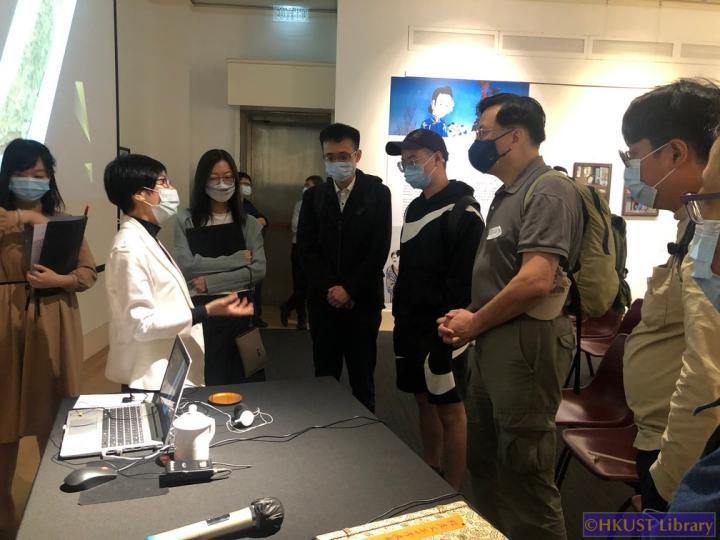
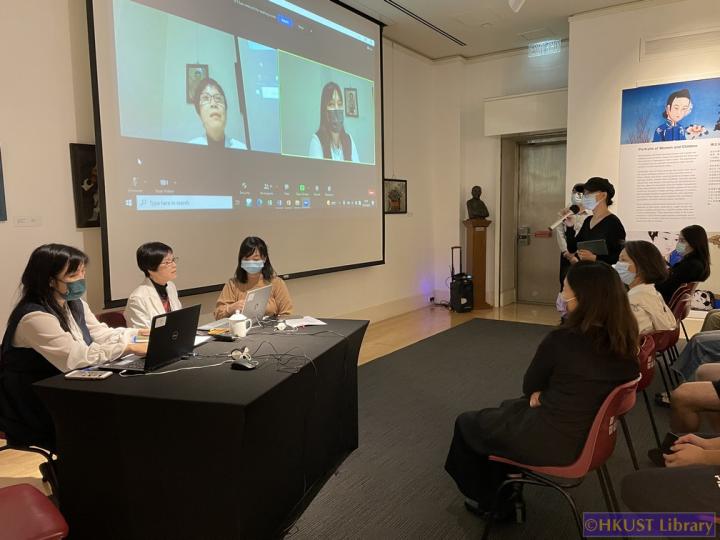
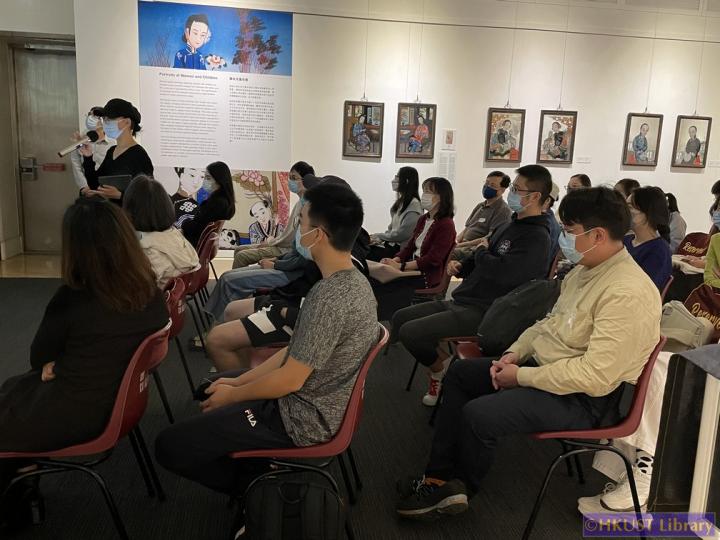
燦若星辰
——致敬港科大
疫情當前,出門在外都須戴口罩,於是人們慨歎,不熟識的人相遇,唯見雙眼,難得廬山真面目。而我卻享受獨賞星眸微轉間的波光瀲灩,比起口罩蒙蔽下,僅凴高飾的美聲或學舌鸚鵡的音色,去分辨頌與責更富奧義,可以讀心。
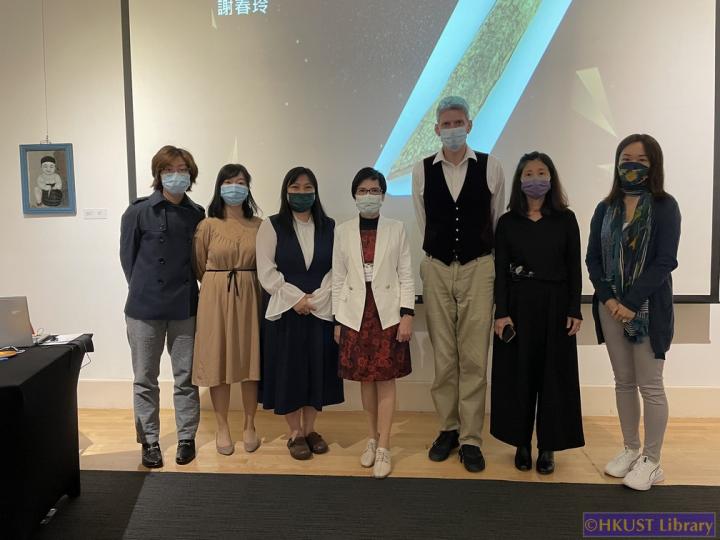
在香港科技大學籌辦甲骨文書法個人展覽的一個多月,我以海鏡對臨照物的忠誠攝下科大人娥眉剑峰下的浩渺煙波——史維校長真摯明睿,校長太太恭謹矜持,圖書館陳麗霞館長求知殷殷,策展人何慧蘭主任刻毅堅韌,媒體科技及出版中心吳宏權主任敏智幽默,藝術中心節目總監鄺綺顏沉潛靈熠,還有參與展覽設計一眾創作人員質樸平實、謙遜專注。
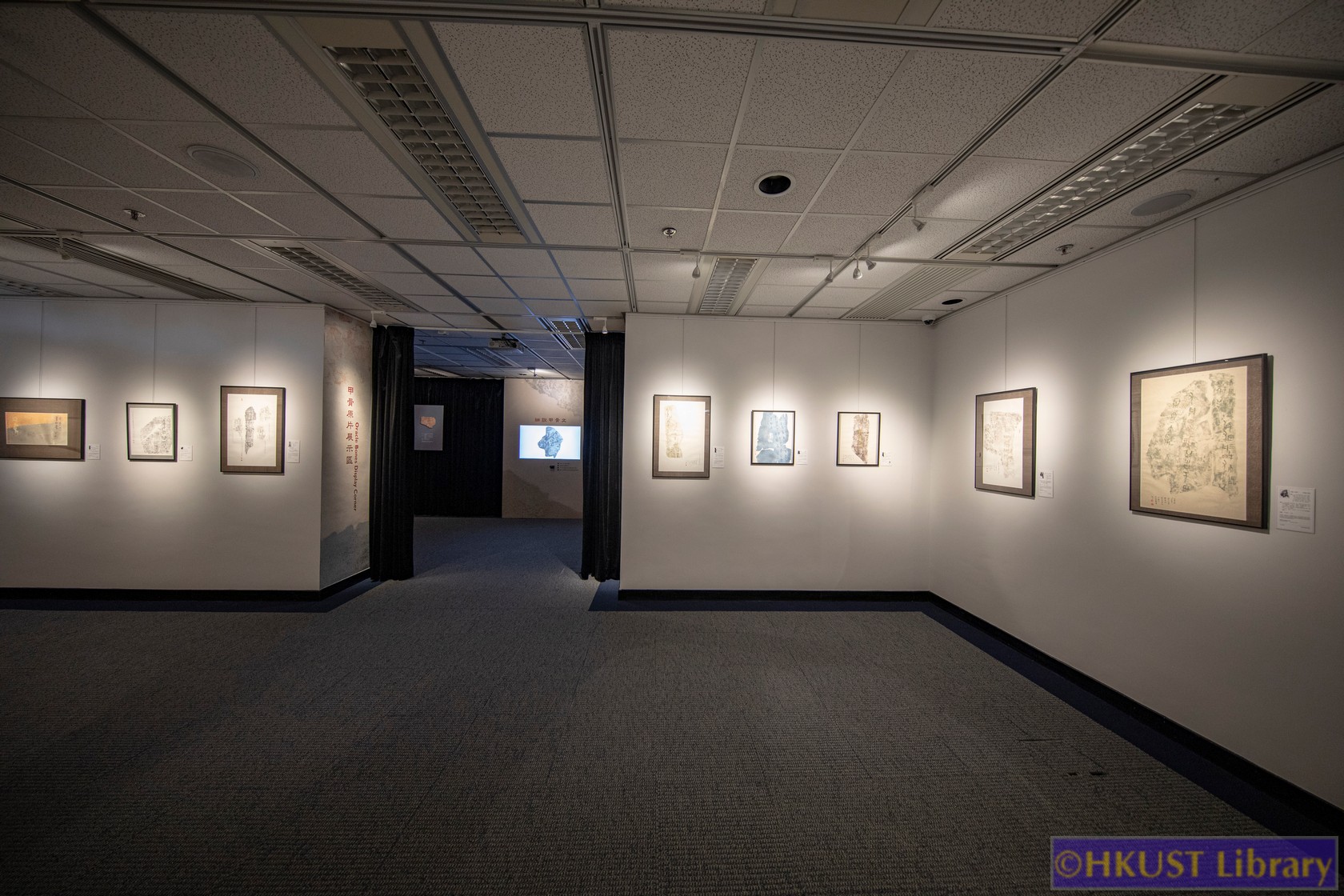
為了更好地展示詰屈聱牙的甲骨文,為了讓觀者從燒灼龜版胛骨坼裂的“卜”字中解讀甲骨所占所讖,成功舉辦過多個頗具影響展覽的科大圖書館、媒體科技及出版中心又一次結盟,永不易幟的誓言是:要做,就做到最好!
為了這“最好”,已完成書法作品收拾行囊解“甲”歸田的我,不斷收到歸隊指令——
我們已向香港大學請借甲骨珍藏,請趕寫釋文、譯文、注解、英譯;
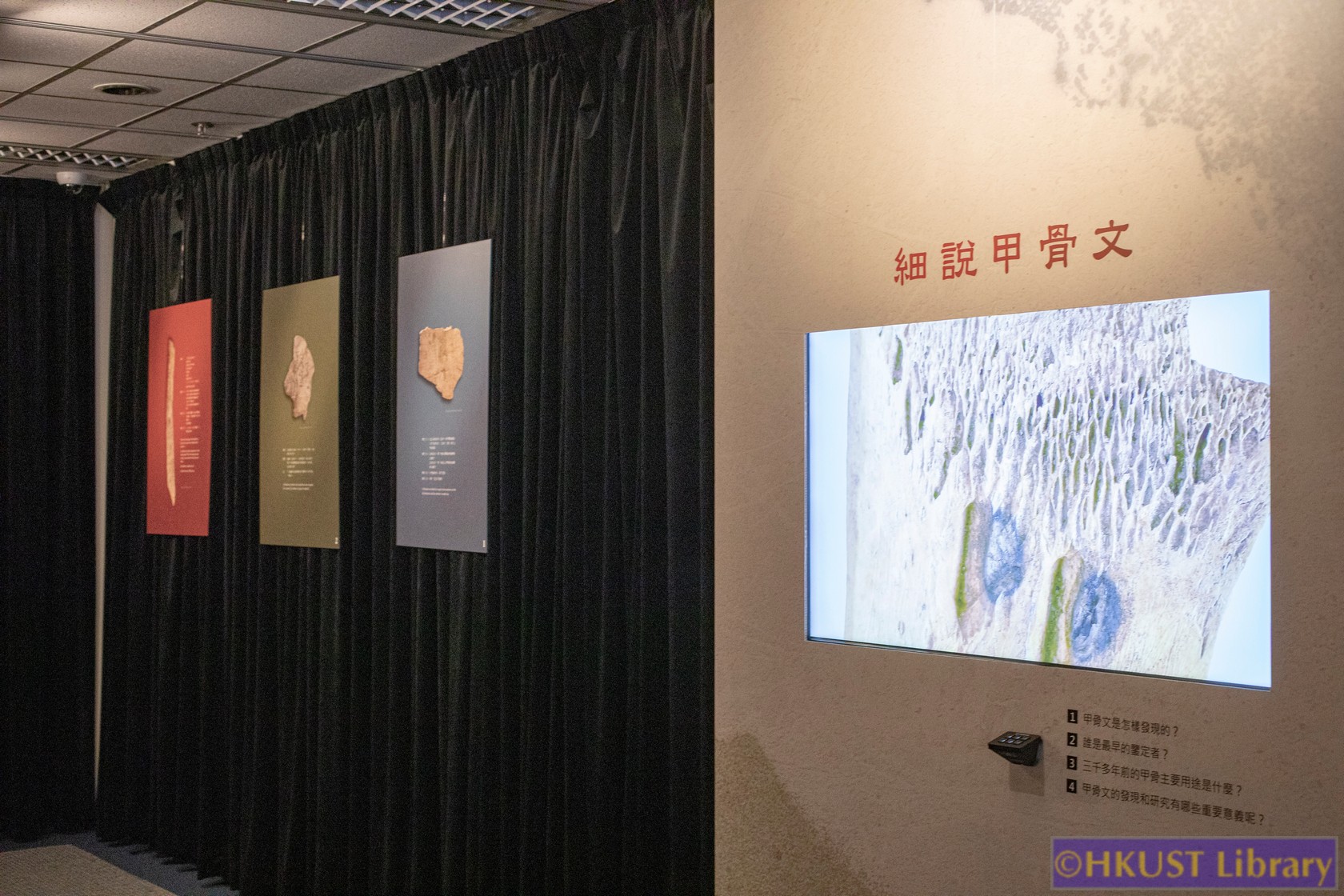
擬寫一組介紹甲骨文發現、鑒定、破譯、意義等等的文稿,我們將拍攝專題片;
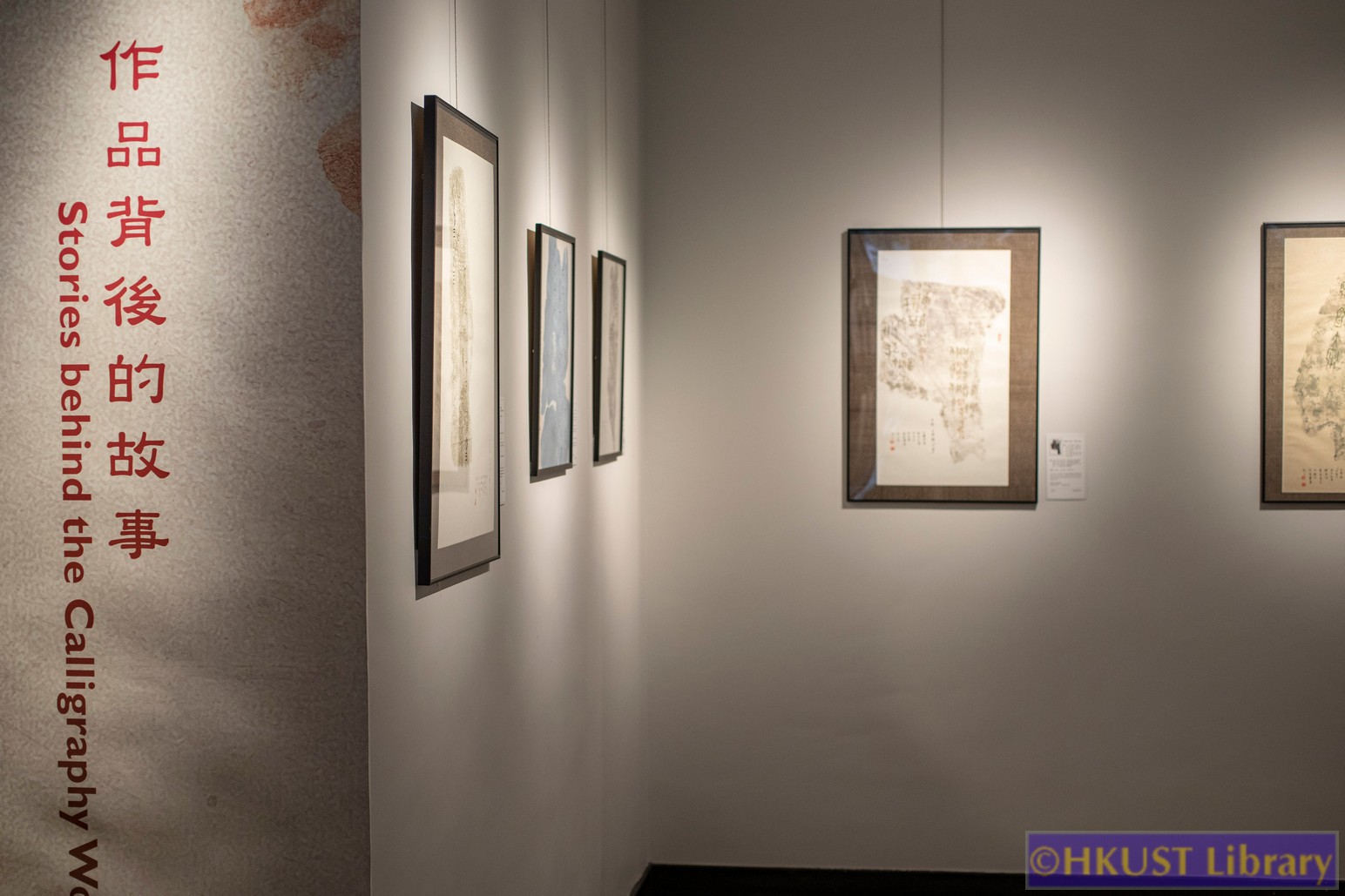
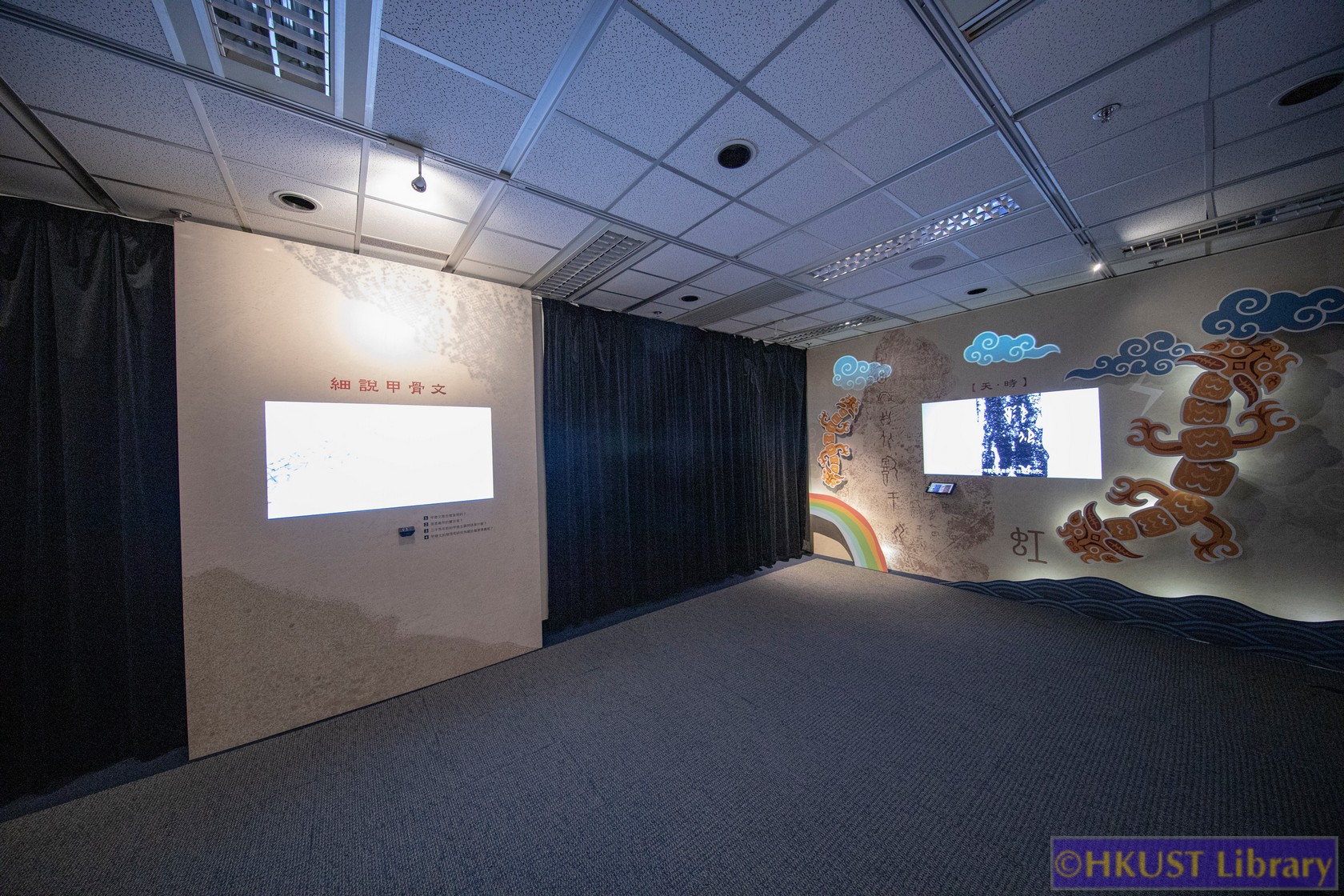
再撰寫作品背後的故事,我們圍繞展覽主題“天·時”加拍講述商代氣象、氣候、時稱的短片;
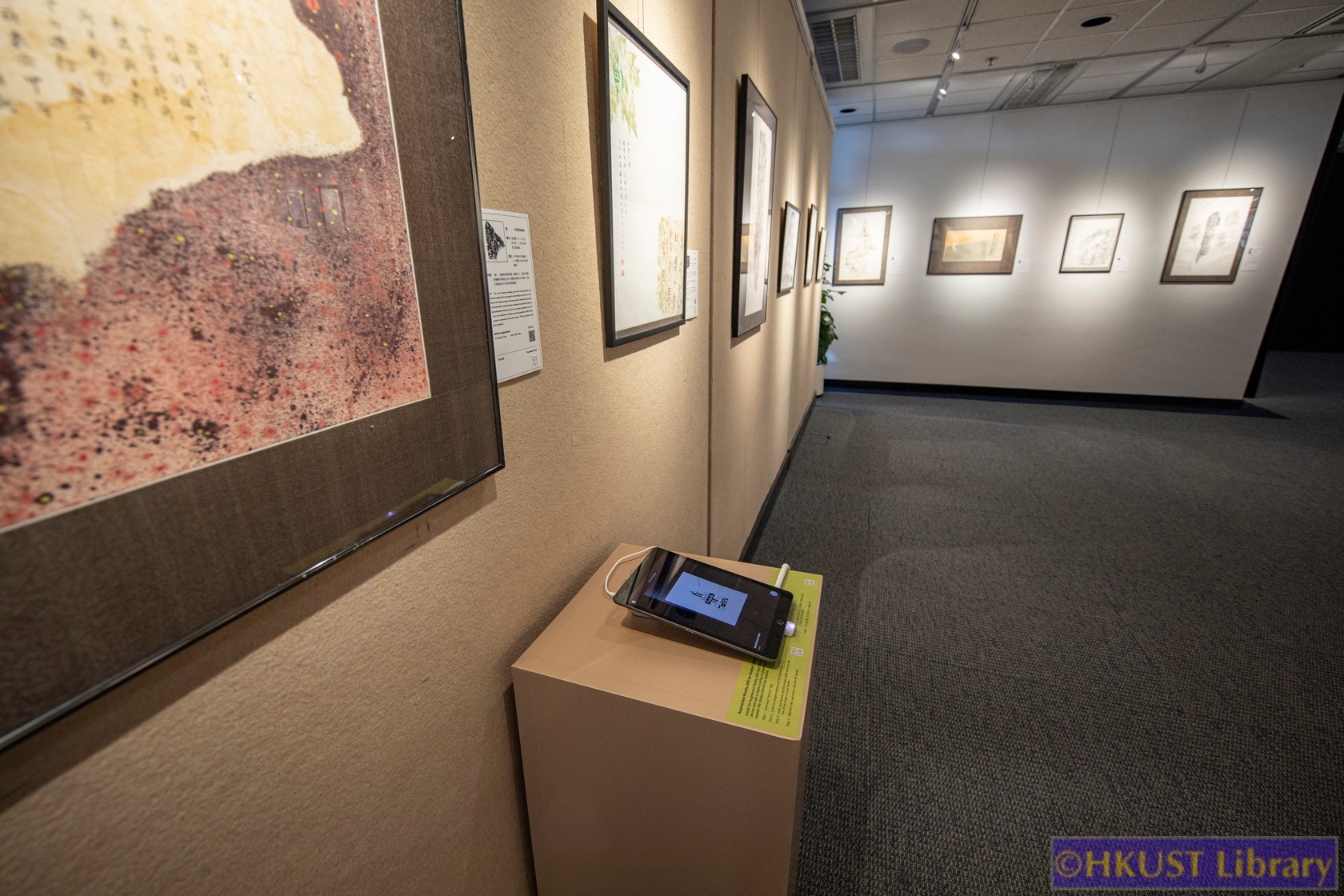
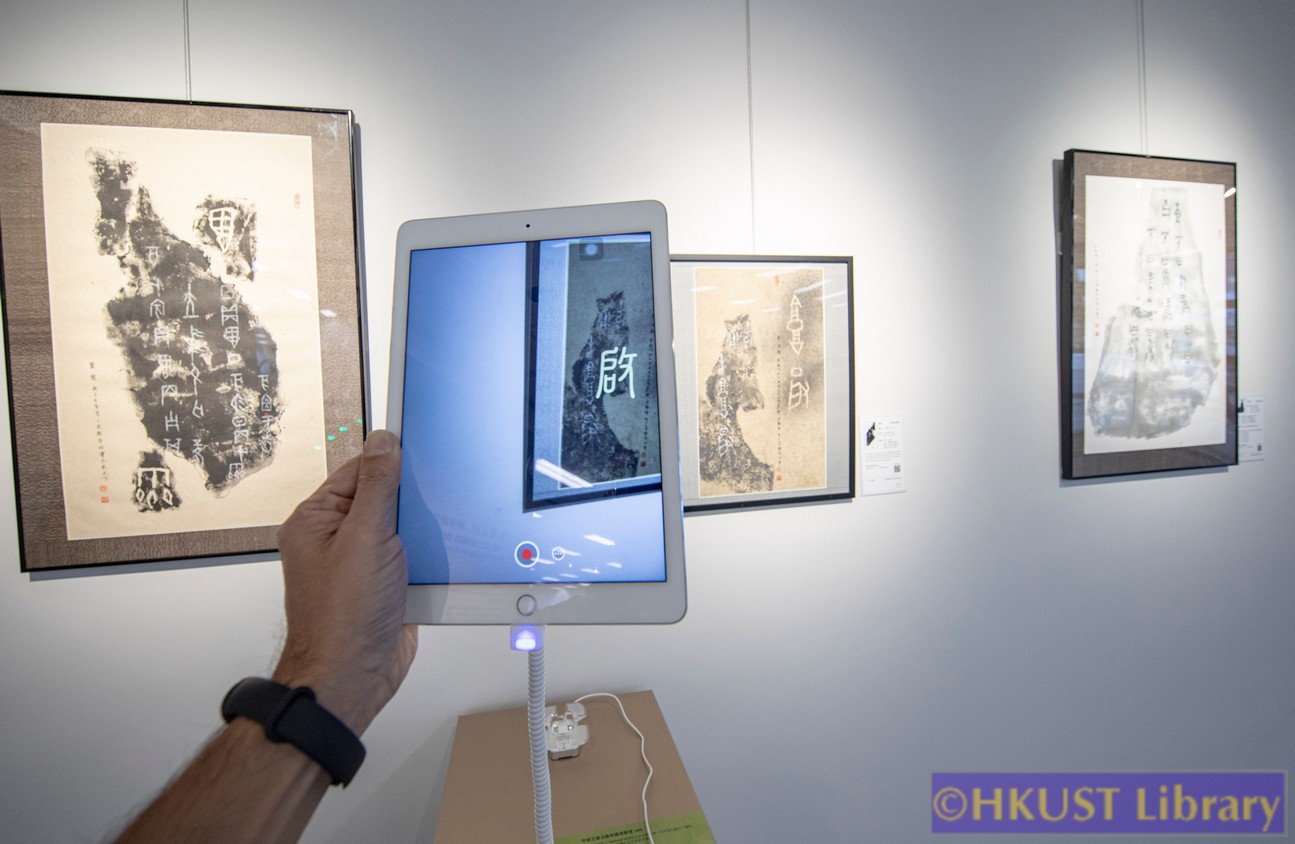
選出一組畫面性強的作品,我們要製作AR動畫;
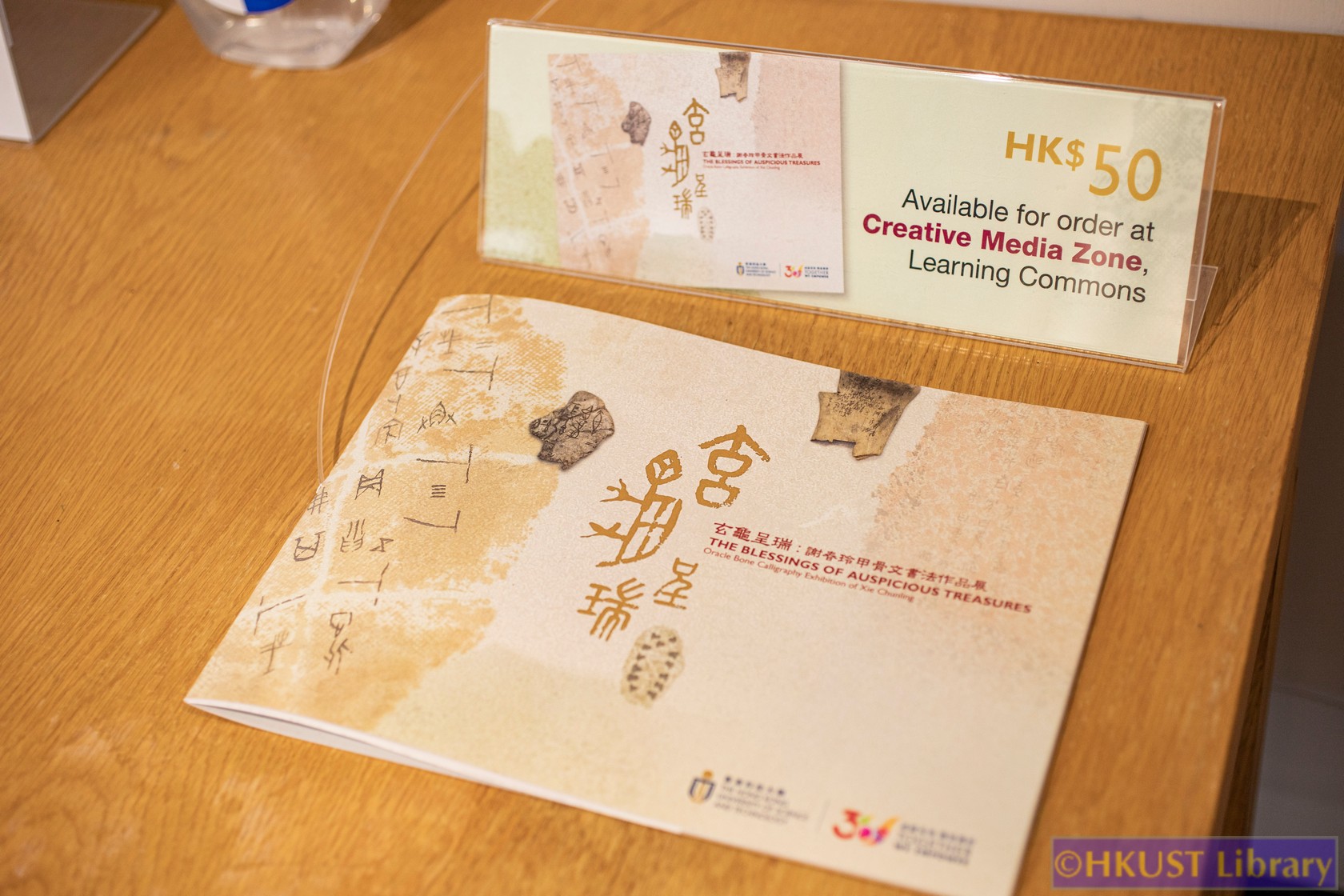
再精選部份作品,我們趕製出版展覽圖錄畫冊;
增加公開講座,我們將全網直播;
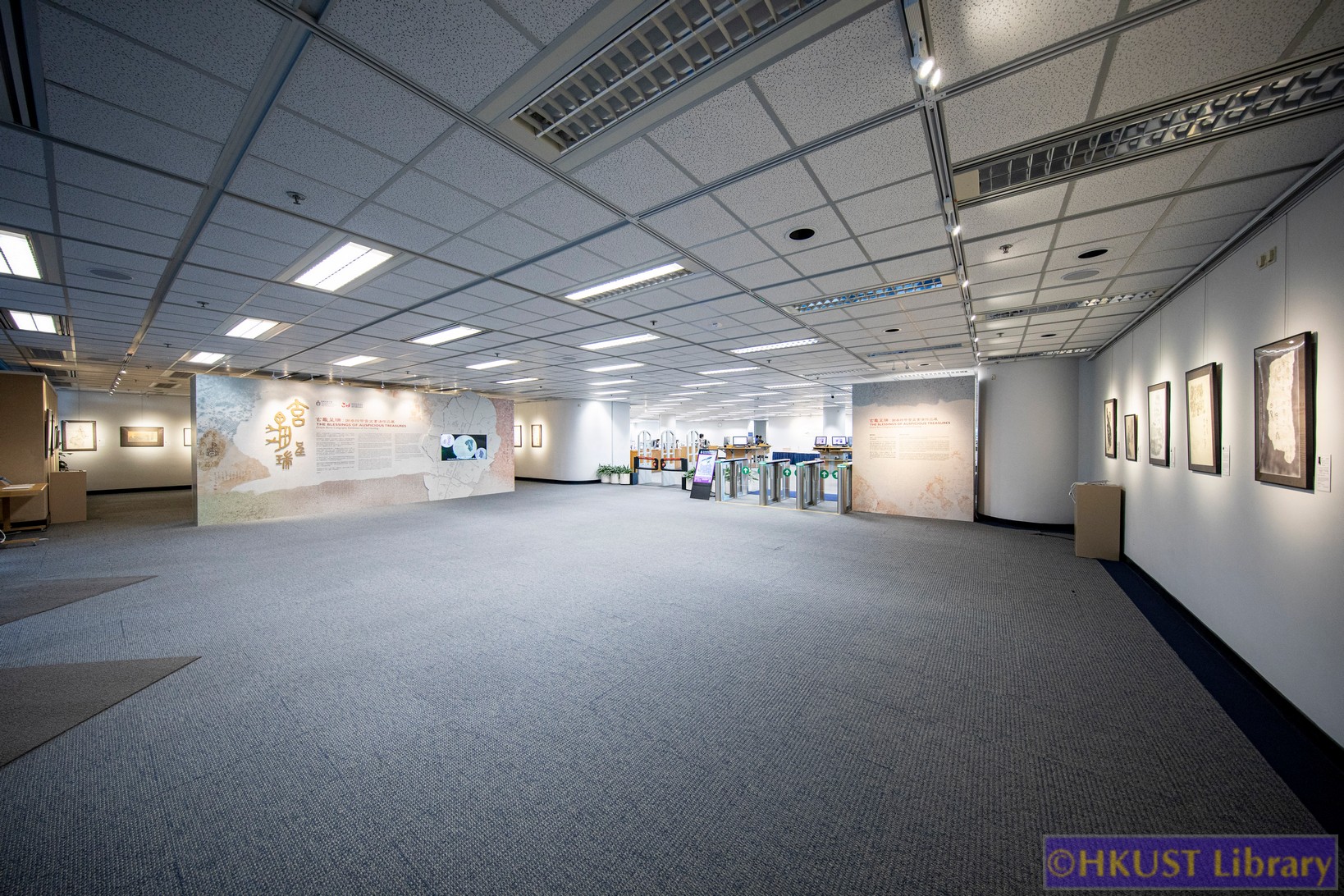
而此時,離預定開幕時間僅剩一個月。任務不斷加碼,隨之而來的是各部門參與人員日漸忙碌的身影和愈加頻密的腳步:何慧蘭主任馬不解鞍製作展覽網頁,審閲所有中英文文字、統籌設計、安排開幕式;吳宏權主任親自督戰創意設計;邵廣發頻繁穿梭於書法作品及其文宣廣告所在之處;黃漢釗、劉建光遞上數易其稿的整體設計方案,周建偉傳來數不清剪輯修改了多少次的錄像片;陳志偉電腦的甲骨文在他不斷推敲下活泛起來;展覽畫冊在郭豐華高清攝影,黃海燕、方偉強的設計、督印下完美呈現……拍攝完畢後期製作一個多月,何主任、吳主任辦公室、錄影間、設計室,一台台電腦被甲骨文“霸屏”,千年玄龜在一束束紅網交織的視線百千回掃描中靈光閃動舞之蹈之。直到離開幕式僅剩十多個小時了,媒體科技中心仍在為展廳最佳聲畫效果苦心孤詣。策展人一年多的心血,攝製、設計人員最後一個月的共同努力,一場本來只需將書法作品掛上墻便可告成的展覽,辦成了多方位廣視角呈現三千年沉香國之瑰寶的多媒體展廳。
開幕典禮帷幕已經落下,但主辦者穿雲破霧之聲“數千年古文明的傳承,我們大學不擔責誰來擔”仍迴響鏗然,更加入了香港大學美術博物館總監羅諾德博士、吳秀華館長及中文大學藝術行政主任辦公室鍾小梅主任的應和,共鳴聲中我們在心裏互相擊掌,彼此的眼神色散出相同色系的光譜,匯聚成炯炯清輝,耀動星河,光照負重前行的路;共鳴聲中,溫憨少言的攝影師郭豐華肩扛手提攝影器材又出現在展廳,何慧蘭凱風調雨說,我們還要製作網絡虛擬展廳……
如果你曾與我一同經歷與科大人一個多月的眼神交融,你一定能找到當初詫異“為什麼科技大學會舉辦甲骨文書法展覽”的答案;而我卻得以洞徹玉壺中史維校長親筆贈語的一片冰心,更明曉何慧蘭向我轉述展廳留言時那燦然笑靨的意蘊——“是次展覽令我大開眼見,獲益良多”、“很充實而有創意的展覽,十分欣賞”。
離別之際,眼前莫名浮現在馬鞍山朋友家小住時曾為之心動的一窗海面幾行白鷺,但此刻心中卻已不再妒羨夕陽裏大白小白羽霑波光翩翩弄影恣意俯吻的隨性,因為清醒,若無千斛珠光為幕,扶搖嬌態也只是蒼白圖紙上拙稚的畫痕。我在心裏對科大人說,我還記下這些名字——盧莉莉、蘇健恩、鍾展雄、梁惟基,還有科大學生吳旻禧、孟子菲,告訴你們,日後即使在無月的夜晚,只要星天綴滿你們翳水秋瞳,我便秉燭喚醒與你們短暫相處的美好回憶,素面高仰,與你們真誠相擁。
謝春玲
2021年11月28日寫於深圳隔離酒店
• 超级赞
• 我觉得学到很多
• 甲骨文很有诗意
• 很美。好像“朝”这个字,简单这个方块字,就展现了一副很美的画面。月亮还未完全消失,阳光刚刚升到青草間,这就是“朝”字,多美。
• 汉字的横竖撇捺,刚劲中透着秀美、内敛,包含着智慧。觉得很美妙。
• 既可以研究历史文化,又可以艺术创作。我真是很理解,谢老师为什么那么着迷
• 还有,这次这个主题,关于“时称”,也是科学天文的范畴。所以甲骨文还包涵了很多东西。
• 我今天到科大看红鸟的logo,原来名称就叫 “circle of time” 表示的就是观察日光的影子记录的时间。这和谢老师发现的这个“督”字,实在太太太吻合,又在同一片甲骨上有“三十”这个字。简直是绝了。好比上帝赐给科大的礼物般。太有趣了。
• 有料有趣有收获
• 講得好好啊,深入淺出
• 謝春玲博士甲骨文書法:
• 玄龜呈瑞港科大
• 妙手淵才賴謝君
• 傳韻摹形入微筆
• 安陽遺寶發清芬
• Impressive multimedia illustration
• It’s pretty nice to see old things here. Hope to see more soon.
• Good show! Thanks!
• 甲骨文很有趣!
• This is a very beautiful exhibition! I loved it very much! Thank you for making it happen @ HKUST!
• 甲骨文很好看!
• 受益良多
• Interesting! Like it!
• 雖然看不太懂甲骨文,但是覺得這种書法作品的呈現很好看(布局, 背景配色之類的)。AR 的展示也很酷;覺得是很好的展!
• 喜歡這次的展!求多出書畫教育展
• 推陳出新,革故鼎新,建設文化强國
• 中國文化源遠長,上下經歷五千年,花開花落月睛陰,照耀華廈万代延
• 中國文化博大精深,源遠流長
• Beautiful exhibition! Really appreciate HKUST for holding this, and further more, Dr. Xie Chunling for the wonderful works!
• Once again, an amazing exhibition about ancient cultures!
• 是次展覽讓我大開眼界,獲益良多!
• 藝術与學術,構思精巧,深入淺出
• 真不錯
• 仿古而不泥古,紛繽色彩增添浪漫情調,真是一次很充實而有創意的展覽,十分欣賞。
• 展品可以多一些解說。部分字的辨認十分困難。希望以后看到更多類似展出。謝謝!
• 漢字乃中華民族之魂 ; 甲骨文乃我國文化之源 ; 吾等皆應繼承吾祖留下之文化瑰寶。
• 雖然不懂甲骨文,但可感受中華厚重悠遠歷史魅力,文化的力量是可以傳承的,先人正穿越時間與我對話。
• 今天是我第一次參觀科技大學,印象非常深刻!
• 每一幅字畫都很有藝術感!不單是甲骨文展,也是一种藝術的呈現。
• Impressive!
• 厚重的土地,滋養著深沉的文化与溫良的國人,每一刻,想及此處,不免熱淚盈眶。
• We loved the exhibition. Thank you.

