





For the past two months, I have had the opportunity to work as a student helper in the Library’s Archives and Special Collections, helping set up an exhibition titled “Travelling in Maps: Exploring Tourist Asia (1890-1950)”. This showcases a selection of travel maps created during a transformative period in Asian travel history, with improving transportation networks turning perilous journeys into more accessible explorations, allowing more people to have access to tourism.
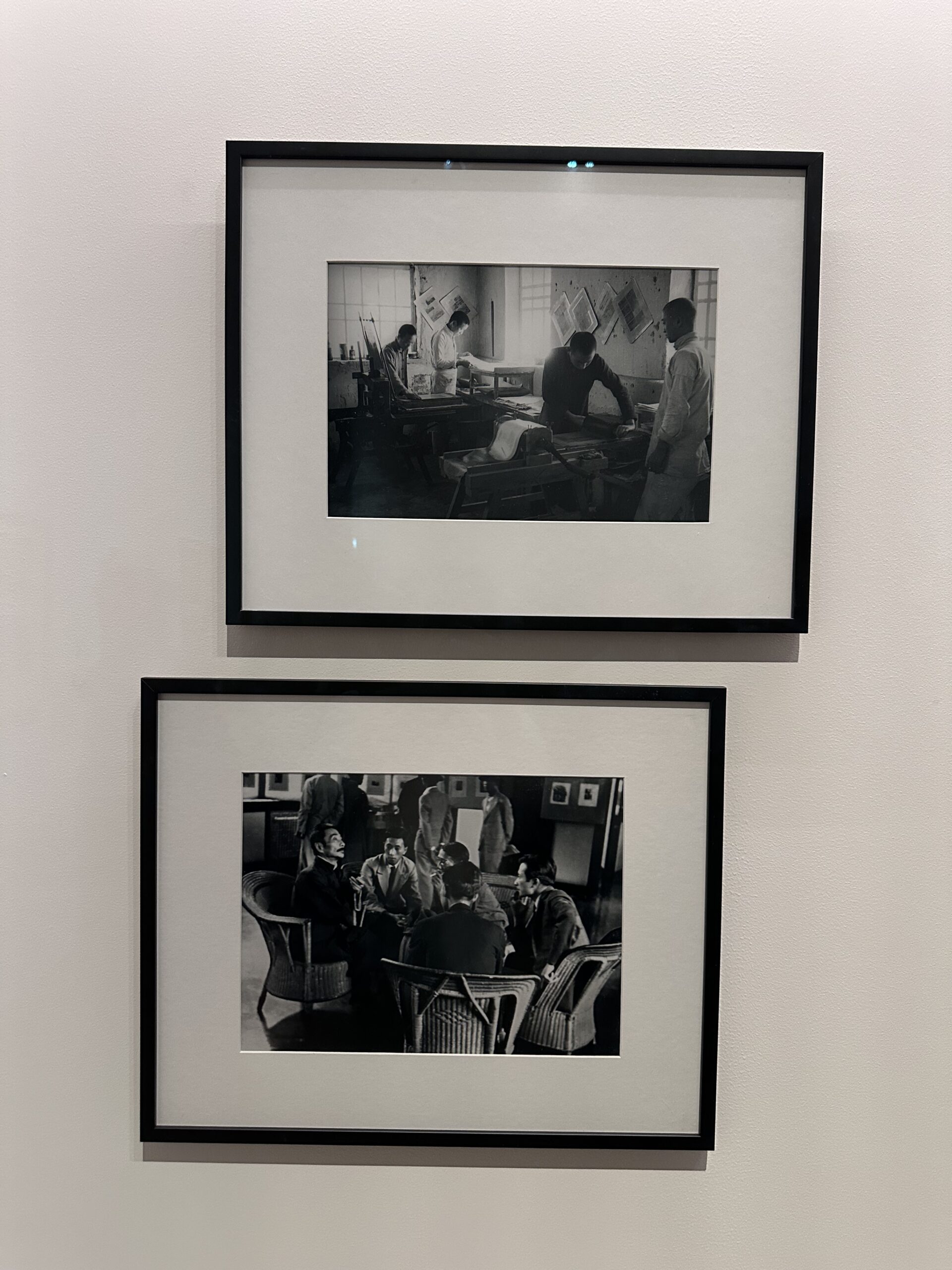
Did you know that Canton (Guangzhou) and Hong Kong, twin cities where Cantonese is the lingua franca, have much more in common beyond language? Modern art and visual culture born in the two cities share a legacy deeply rooted in the history of Modern China. M Museum’s recent exhibition “Canton Modern: Art and Visual Culture 1900s-1970s” showcases over 200 artworks – many on public display for the first time – from this lesser-known history. Sha Fei, a featured artist in this exhibition whose works are on loan from our Library’s Special Collections, is regarded as one of the most influential Chinese photographers of the 20th century. Born and educated in Guangzhou, Sha Fei, originally named Situ Chuan, came from an extended family that was well known for its artistically talented members, including a film director and two painters. Initially aspired to be a fine art photographer, Sha Fei turned his lens towards the working class and later, scenes of war during the 1930s-40s. This transformation was driven by a shared artistic vision among Cantonese artists highlighted in the M exhibition: the belief that art could influence people and transform society. Two of Sha Fei’s works on display at M , photos taken by the author. As a photojournalist, Sha Fei produced more than a thousand photo records of the Sino-Japanese War. Thanks to a generous donation from Sha Fei’s daughter, Ms Wang Yan, who reached us through Professor David Cheng Chang at the Division of Humanities, our Library now holds a collection of Sha Fei’s wartime photographs: Sha Fei Photographic Collection.
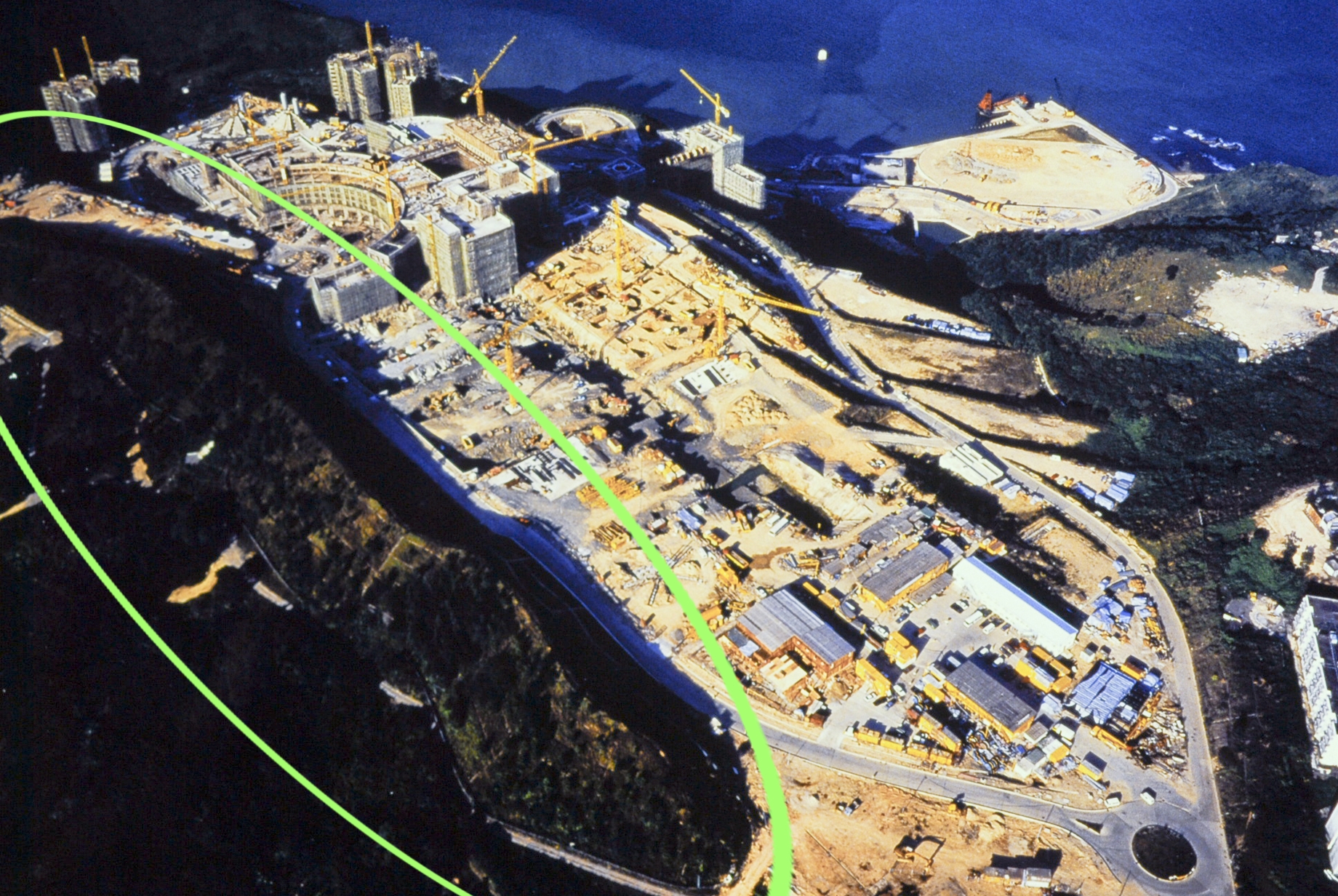
Did you know that the little hill beside the North Gate bus stop has a name? It is called the Fung Shui Ridge! Do you know what its name, "Fung Shui", means? Fung Shui (風水) is the traditional Chinese practice of arranging buildings and spaces. Even thousands of years ago, people understood the importance of the environment on their lives, and sought to improve their living spaces. On a small scale, moving some furniture away from the door or not putting your dining table directly across the toilet is easily doable. But constructing whole mountains to block out cold winds is impossible outside fables. The solution, then, is to simply build around and according to nature. And from these beliefs and actions came Fung Shui, as both a field of study and a way of life. A stranger to Fung Shui may dismiss it as mystical and unscientific.
