



News
Research Bridge
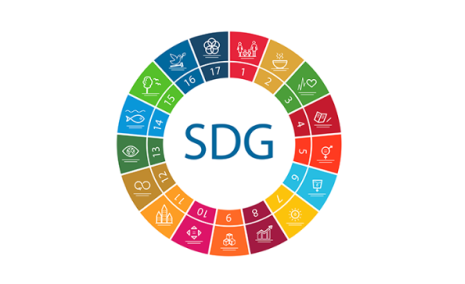
In our last post, we explored the connection between the SDGs, subjects, and keywords. Looking to connect your research with the SDGs? Our in-house developed tool, the SDG Keywords & Classifier, helps you do exactly that.
Research ImpactHKUST ResearchResearch Tools
Research Bridge
Research Bridge
The recent THE Impact Rankings, which evaluate universities’ contributions to UN’s Sustainable Development Goals (SDGs), ranked HKUST among the world’s top 20 and HK’s No. 1 for the second consecutive year.
Research ImpactHKUST Research
Research Bridge
Research Bridge
Embargo periods? Green or Gold OA? Data archiving rules? With publications piling up, navigating publisher and funder policies to enable open access can feel like a maze.
Academic Publishing
Research Bridge
Research Bridge
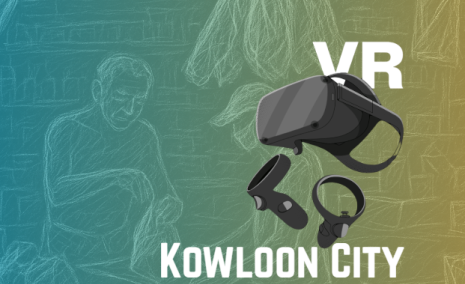
Kowloon City’s vibrant streets, lined with timeworn shops scented with dried seafood and aged tea, are woven into the heart of Hong Kong.
Digital Humanities
Research Bridge

Research Bridge
In today's data-driven research landscape, effective data management and sharing are essential for advancing knowledge.
Research Data Management Tips
