



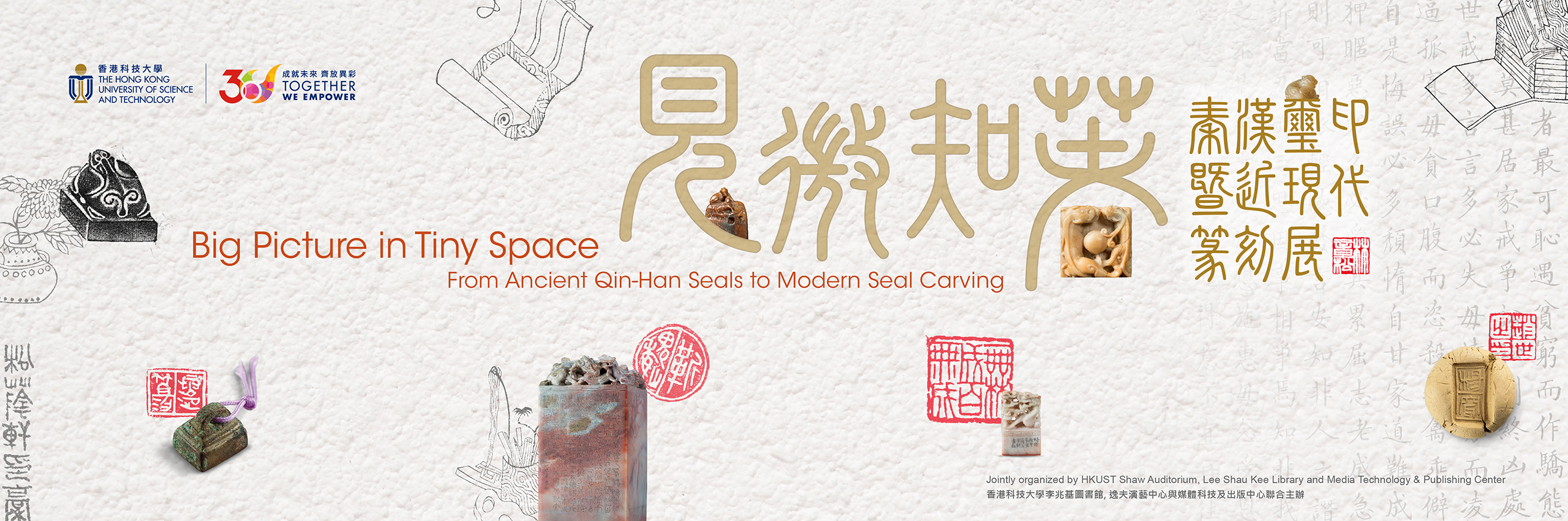
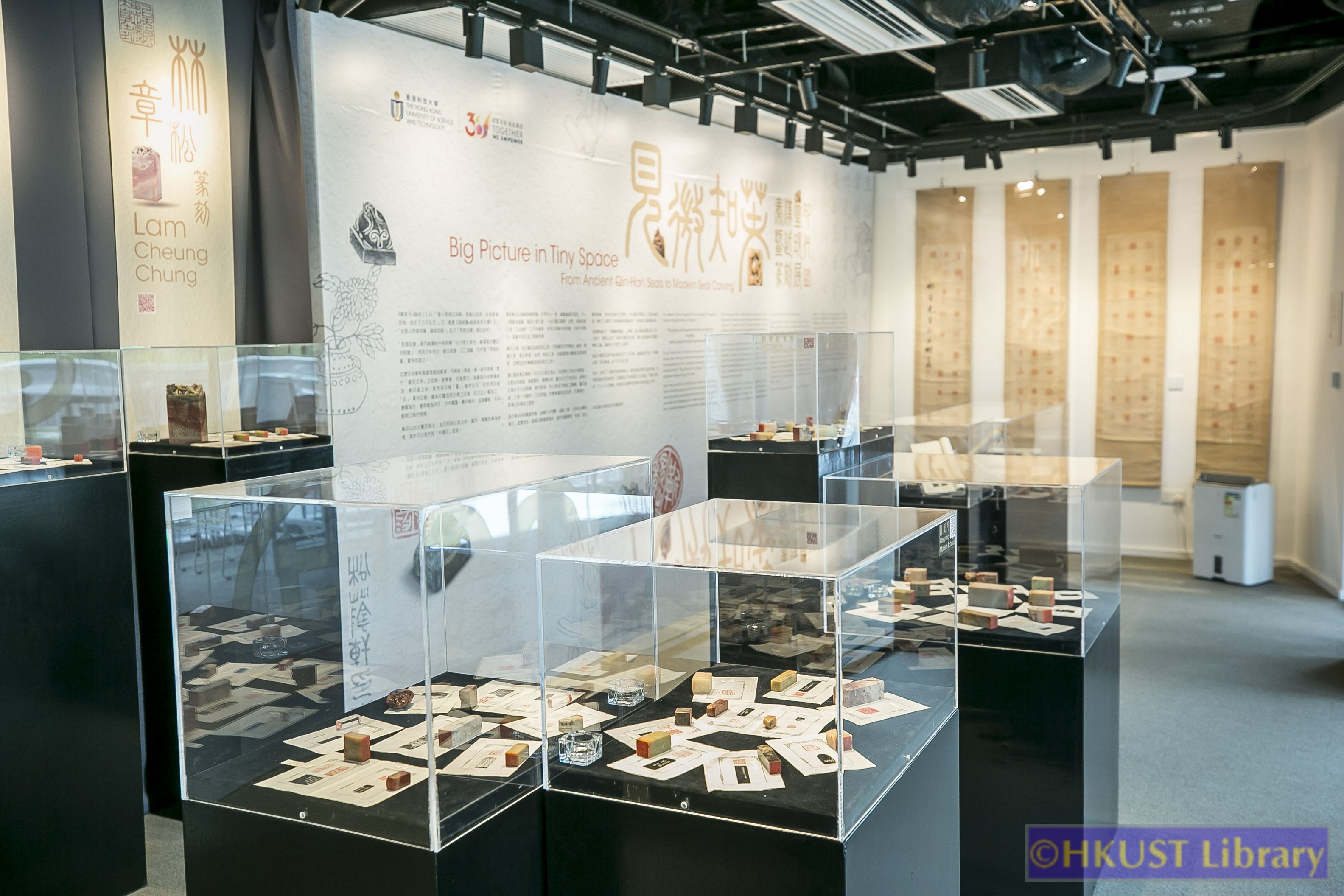
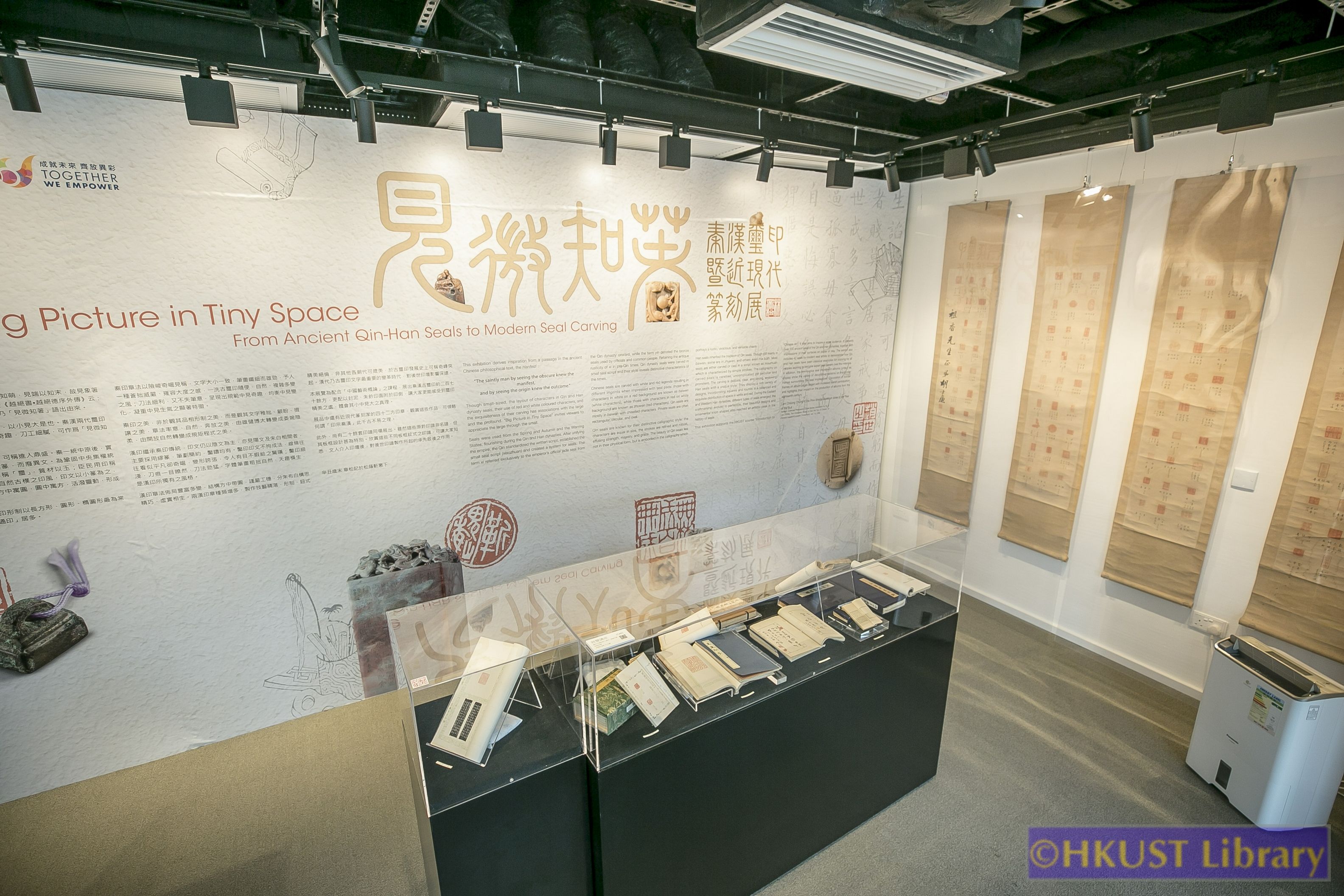
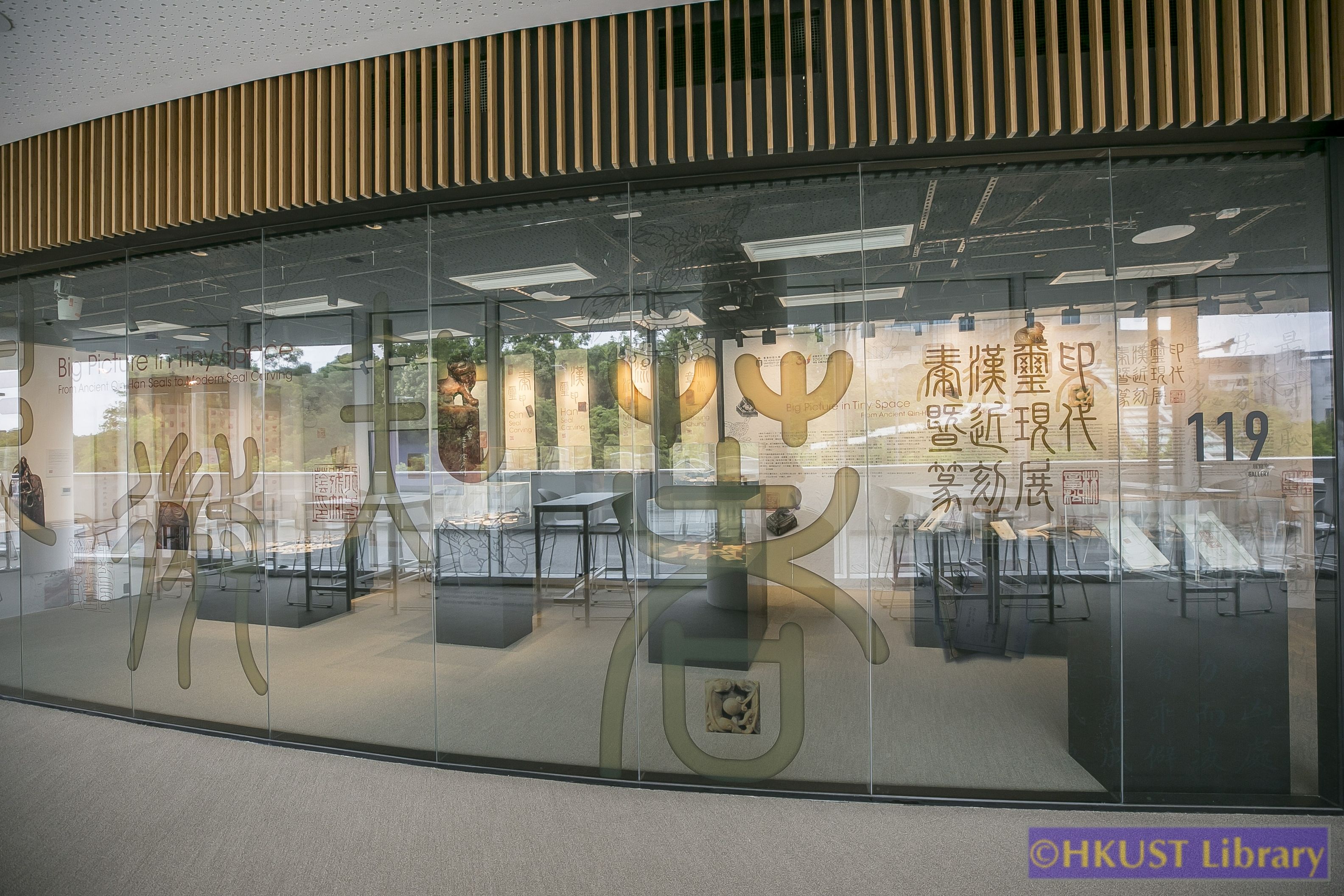
Big Picture in Tiny Space: From Ancient Qin-Han Seals to Modern Seal Carving 見微知著 — 秦漢璽印暨近現代篆刻展
Introduction
Mr. Lam Cheung Chung, Collector
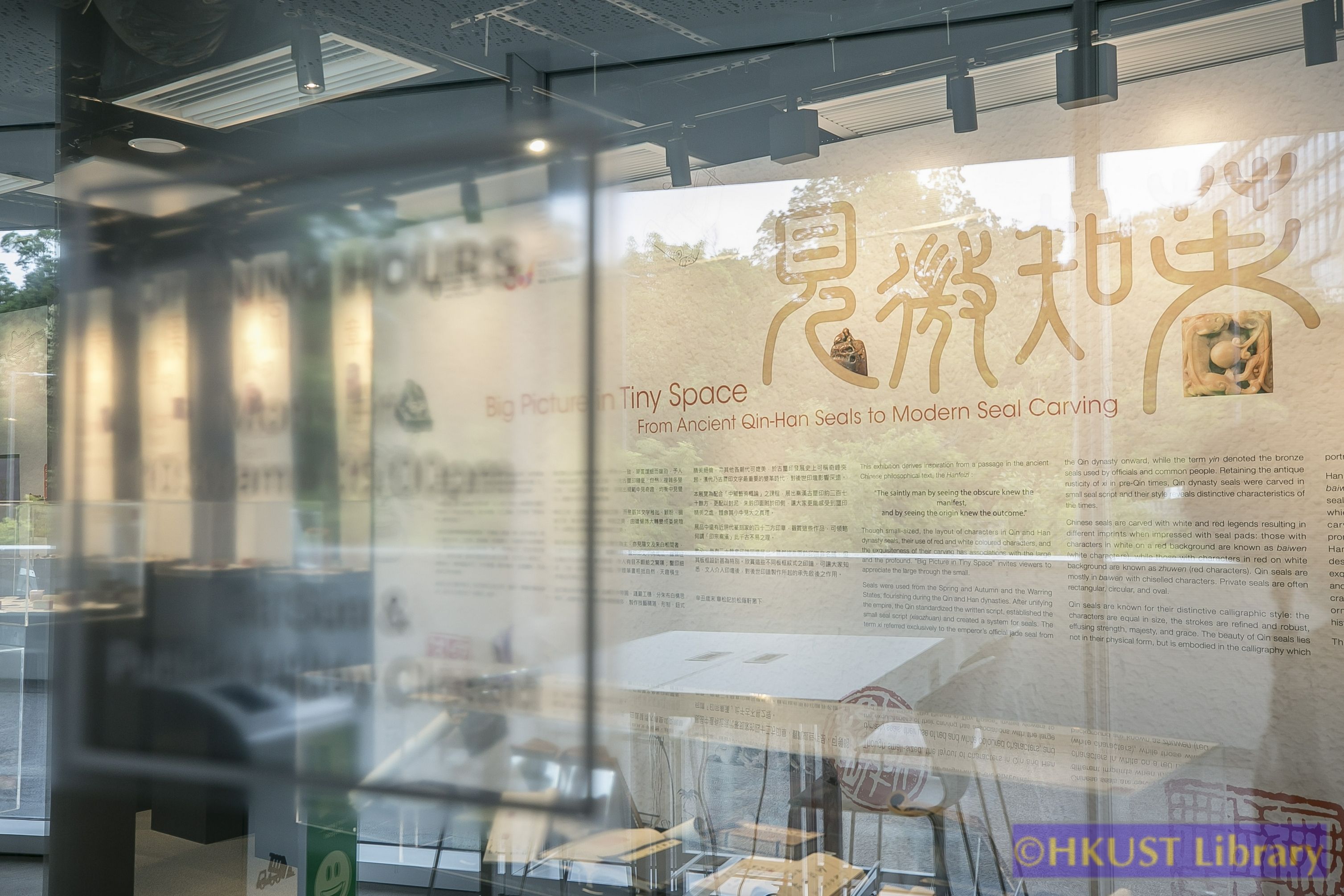
This exhibition derives inspiration from a passage in the ancient Chinese philosophical text, the Hanfeizi:
“The saintly man by seeing the obscure knew the manifest, and by seeing the origin knew the outcome.”
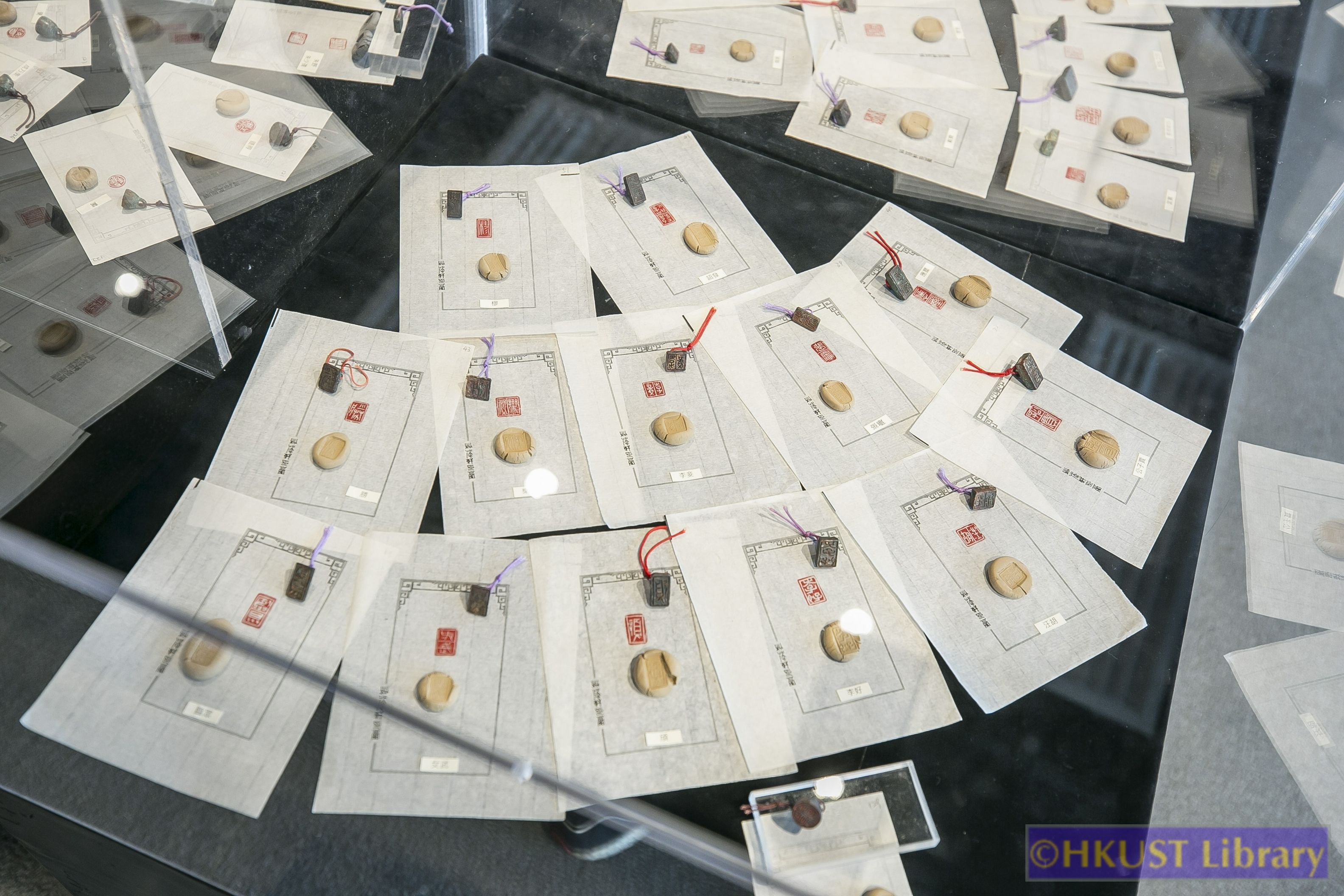
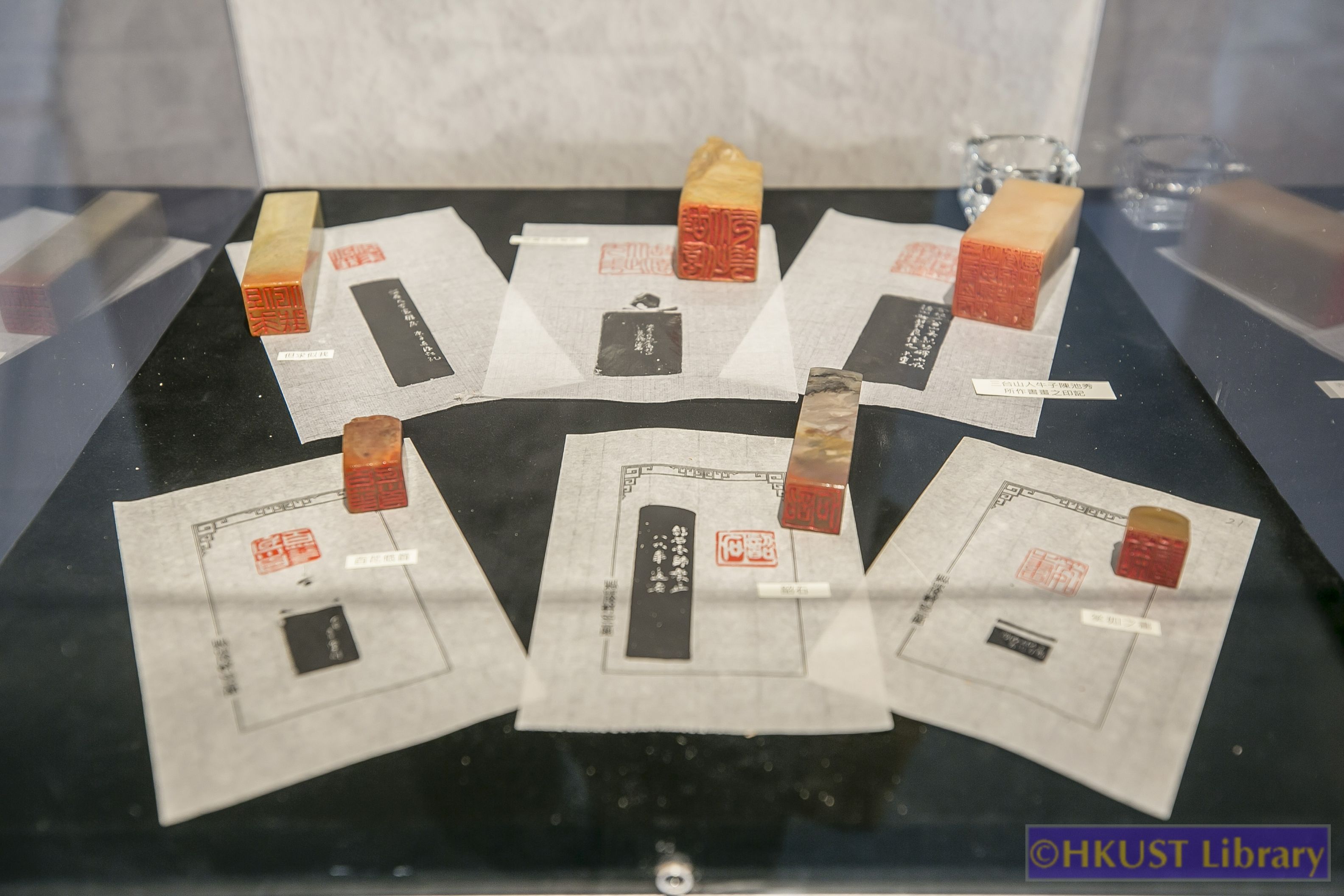
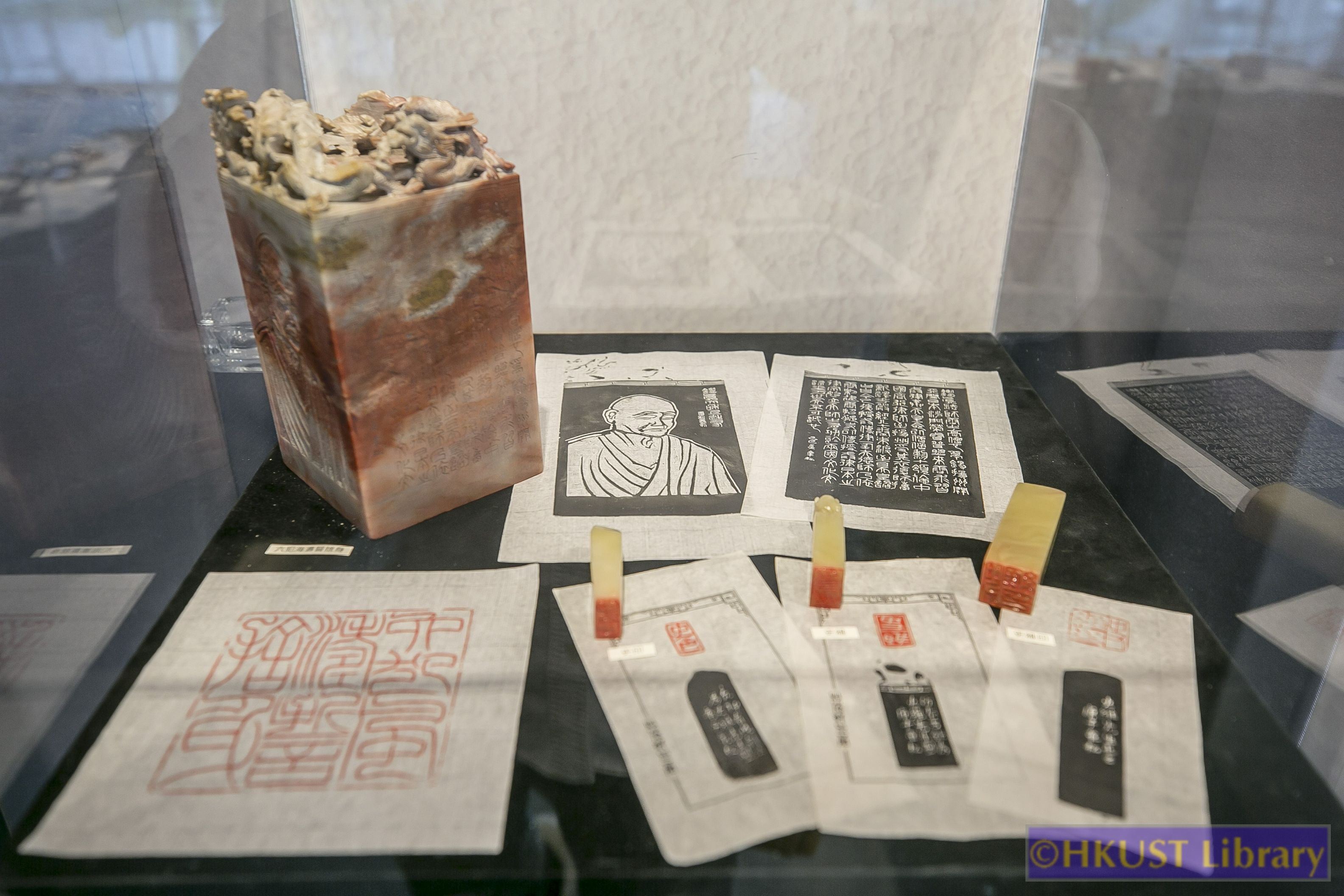
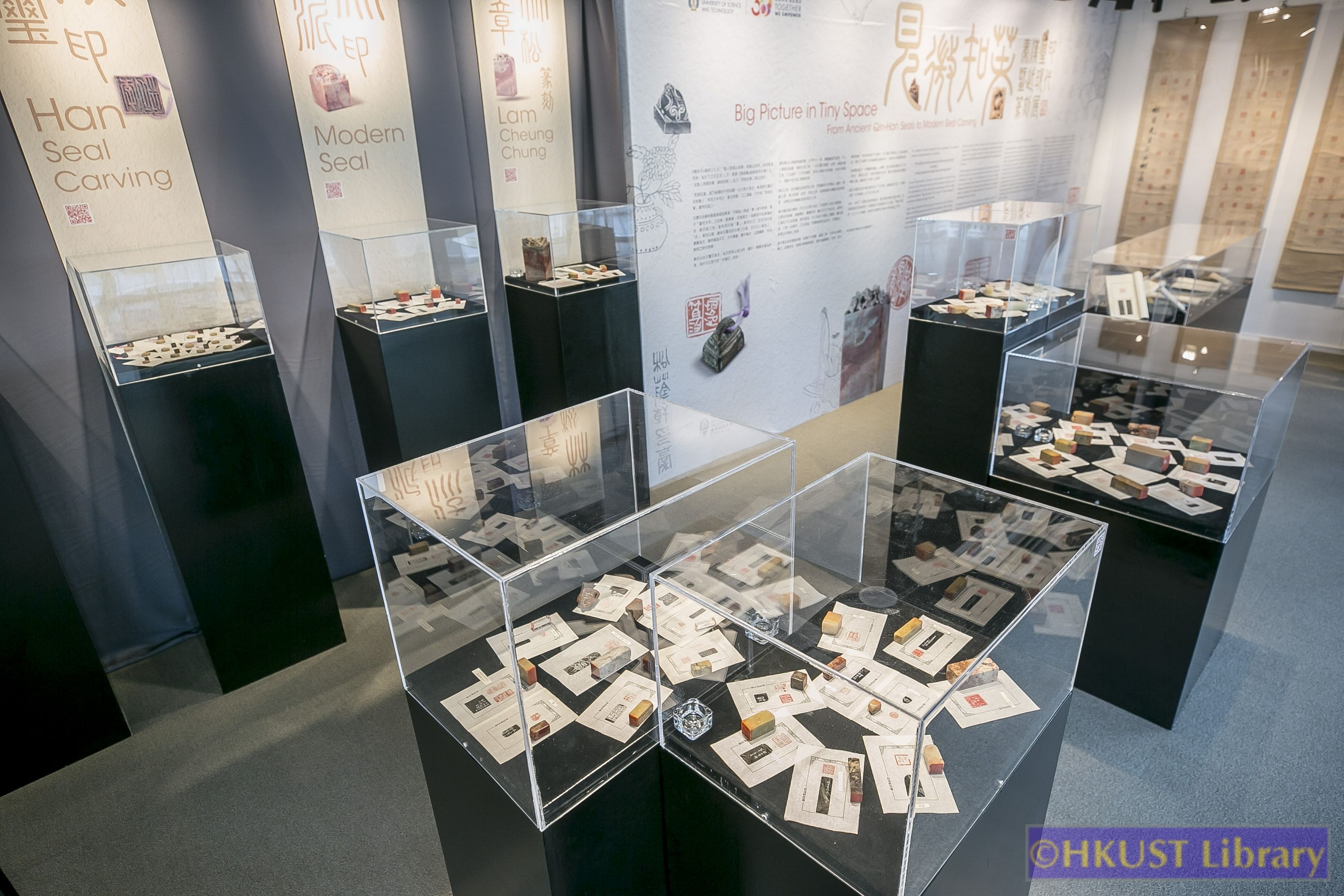
Though small-sized, the layout of characters in Qin and Han dynasty seals, their use of red and white coloured characters, and the exquisiteness of their carving has associations with the large and the profound. “Big Picture in Tiny Space” invites viewers to appreciate the large through the small.
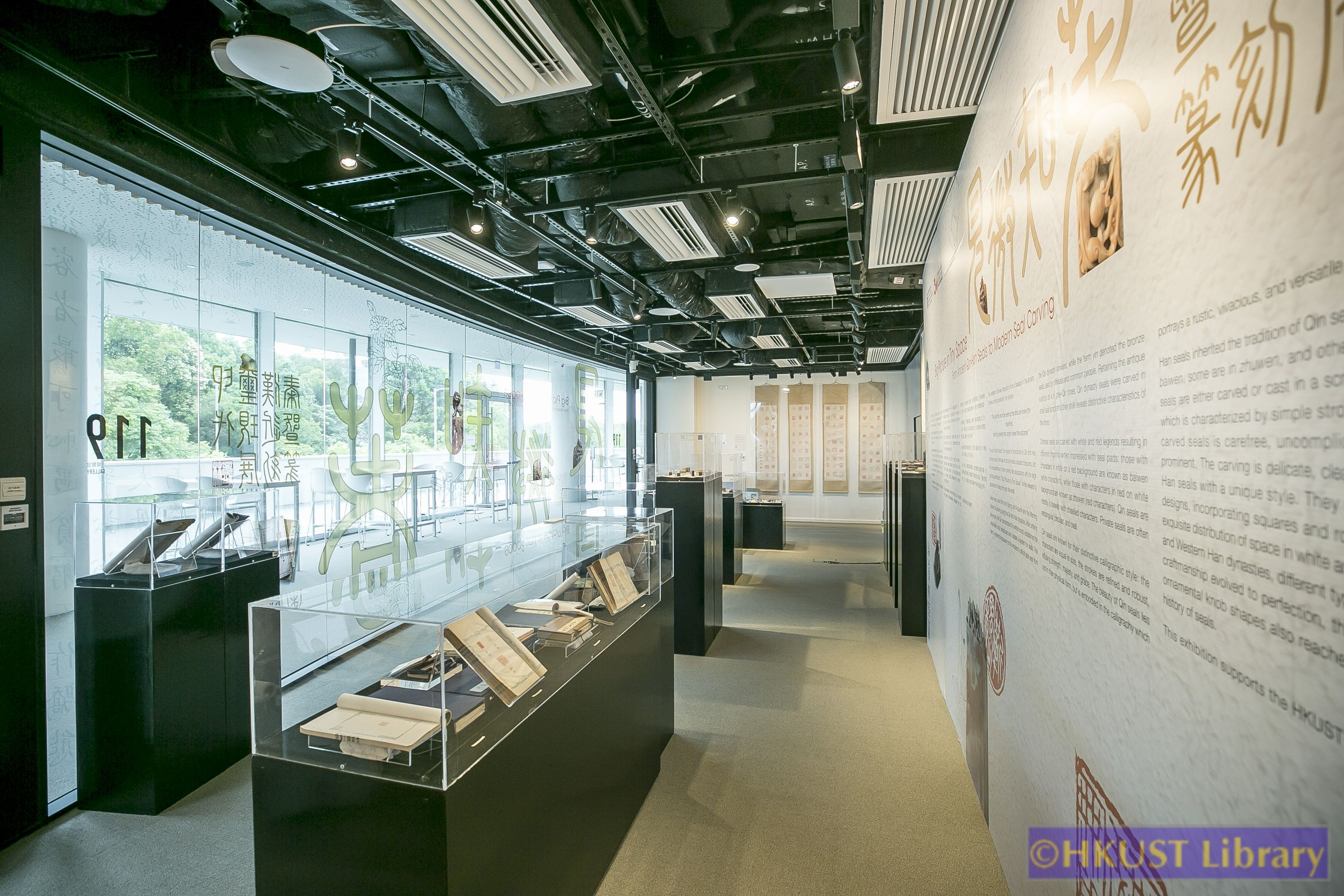
Seals were used from the Spring and Autumn and the Warring States, flourishing during the Qin and Han dynasties. After unifying the empire, the Qin standardized the written script, established the small seal script (xiaozhuan) and created a system for seals. The term xi referred exclusively to the emperor’s official jade seal from the Qin dynasty onward, while the term yin denoted the bronze seals used by officials and common people. Retaining the antique rusticity of xi in pre-Qin times, Qin dynasty seals were carved in small seal script and their style reveals distinctive characteristics of the times.
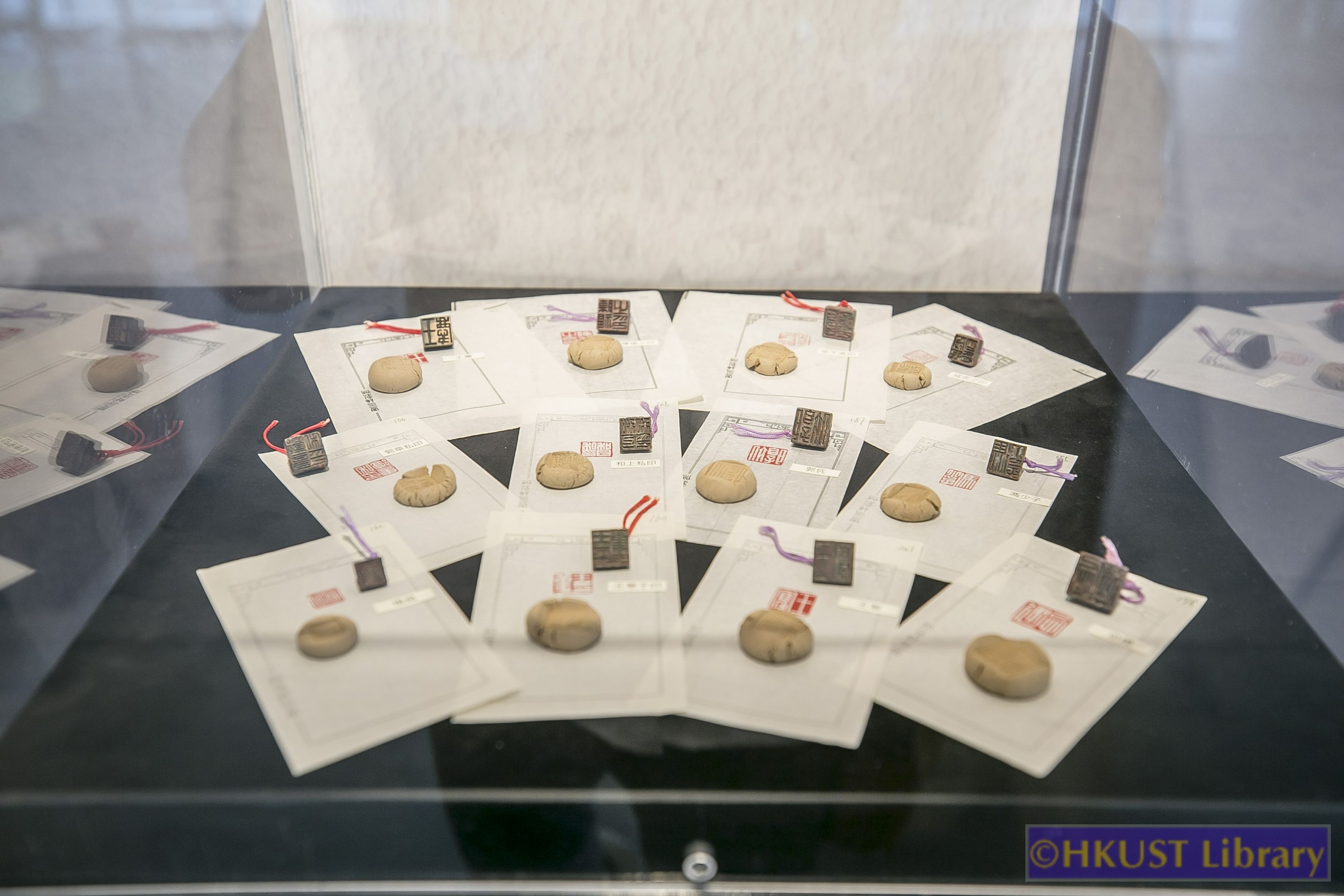
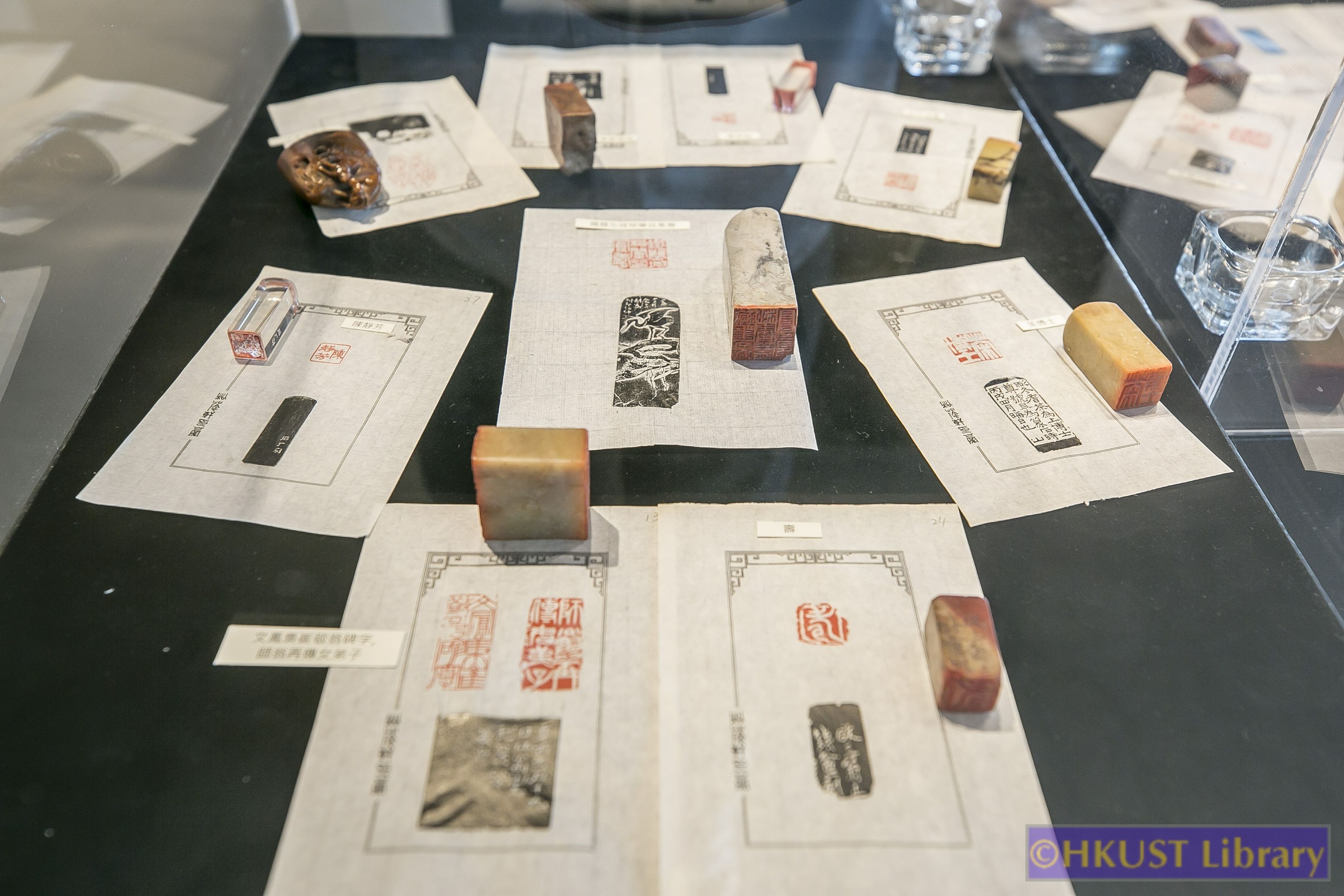
Chinese seals are carved with white and red legends resulting in different imprints when impressed with seal pads: those with characters in white on a red background are known as baiwen (white characters), while those with characters in red on white background are known as zhuwen (red characters). Qin seals are mostly in baiwen with chiselled characters. Private seals are often rectangular, circular, and oval.
Qin seals are known for their distinctive calligraphic style: the characters are equal in size, the strokes are refined and robust, effusing strength, majesty, and grace. The beauty of Qin seals lies not in their physical form, but is embodied in the calligraphy which portrays a rustic, vivacious, and versatile charm.
Han seals inherited the tradition of Qin seals. Though still mainly in baiwen, some are in zhuwen, and others even mix both. Most seals are either carved or cast in a script known as mouzhuan which is characterized by simple strokes. The calligraphy on carved seals is carefree, uncomplicated yet peculiar and prominent. The carving is delicate, clear, and strong, endowing Han seals with a unique style. They display a rich variety of designs, incorporating squares and rounds in a balanced and exquisite distribution of space in white and red. During the Eastern and Western Han dynasties, different types of seals emerged; the craftmanship evolved to perfection, their beautiful designs and ornamental knob shapes also reached an artistic peak in the history of seals.
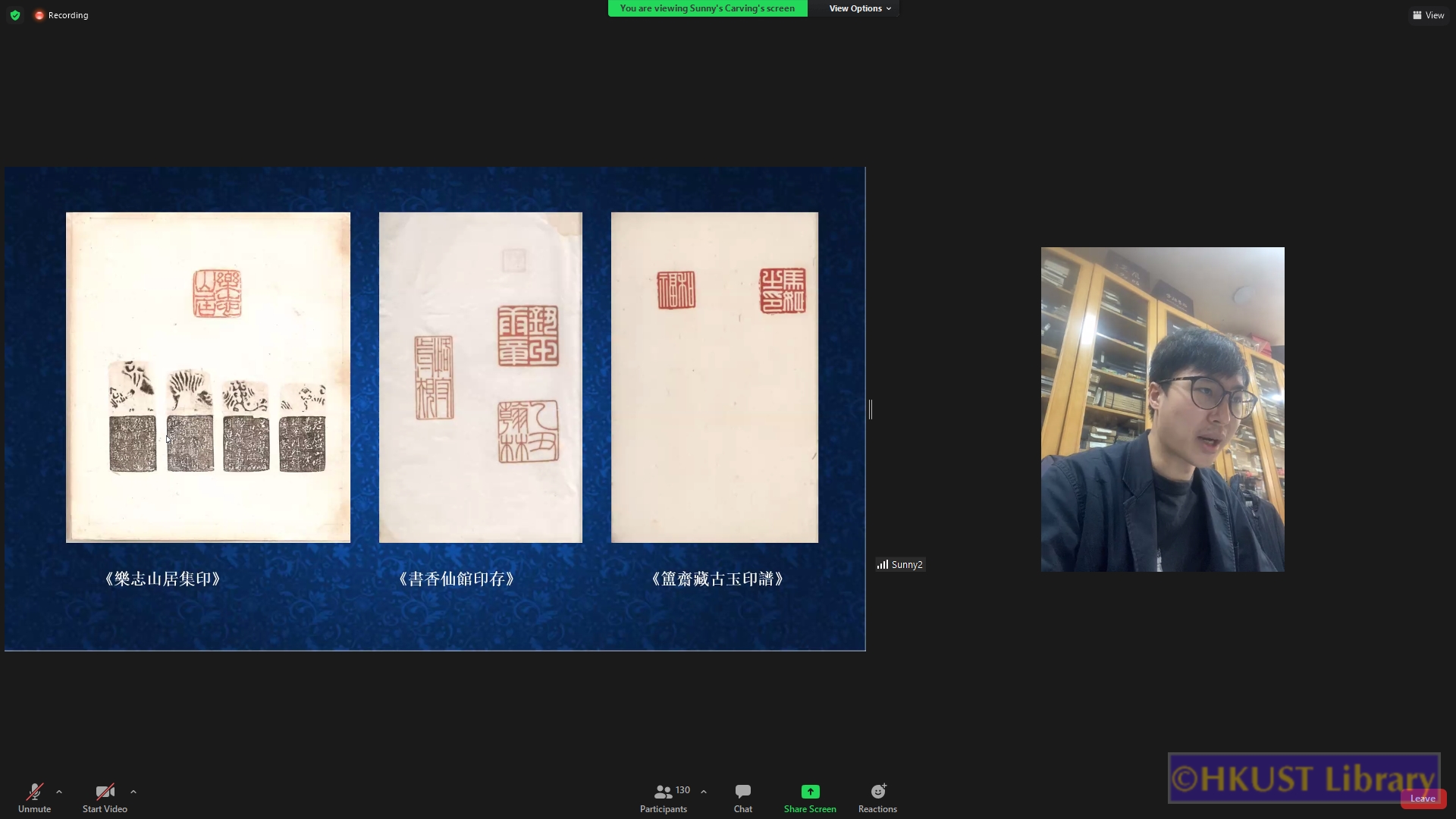
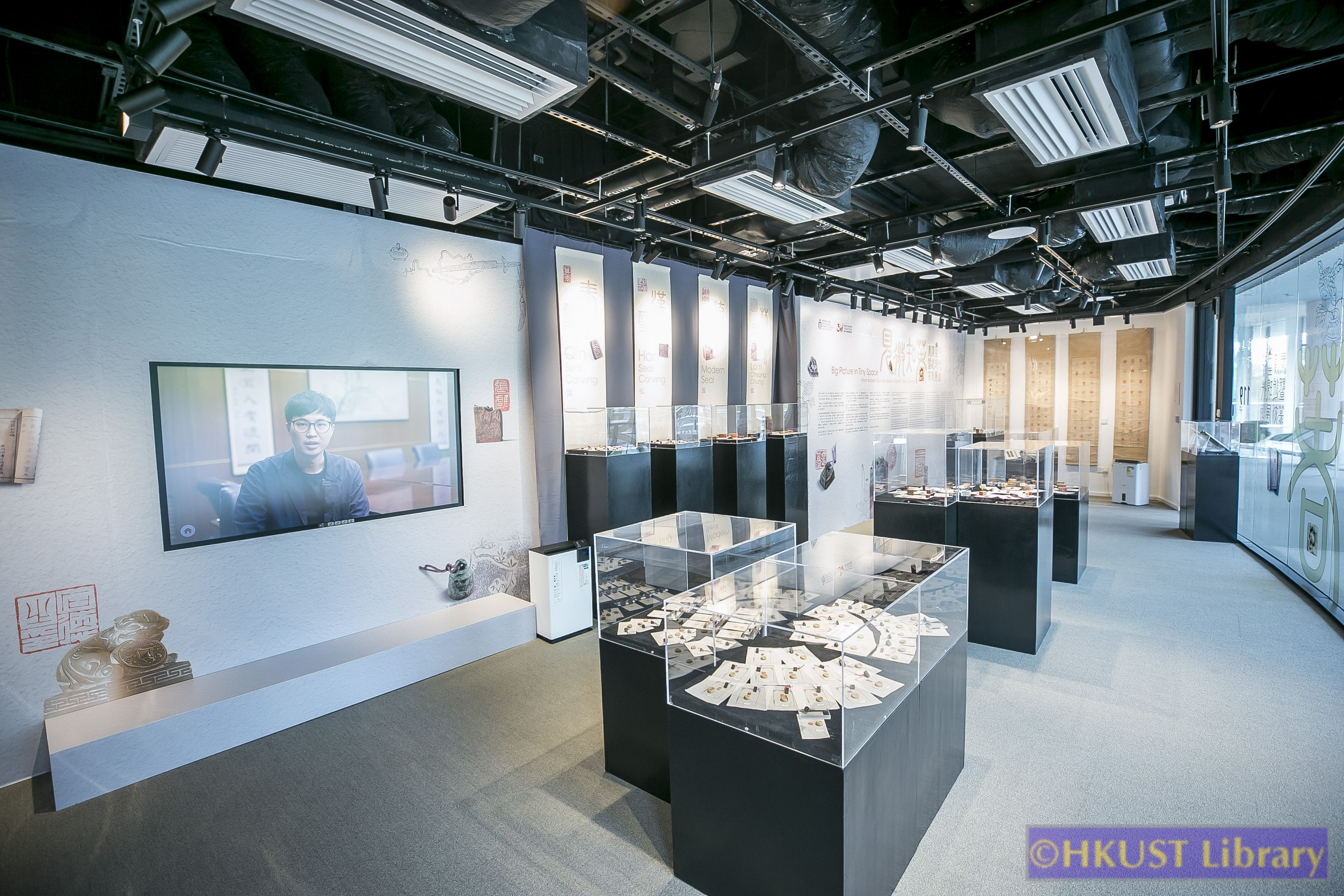
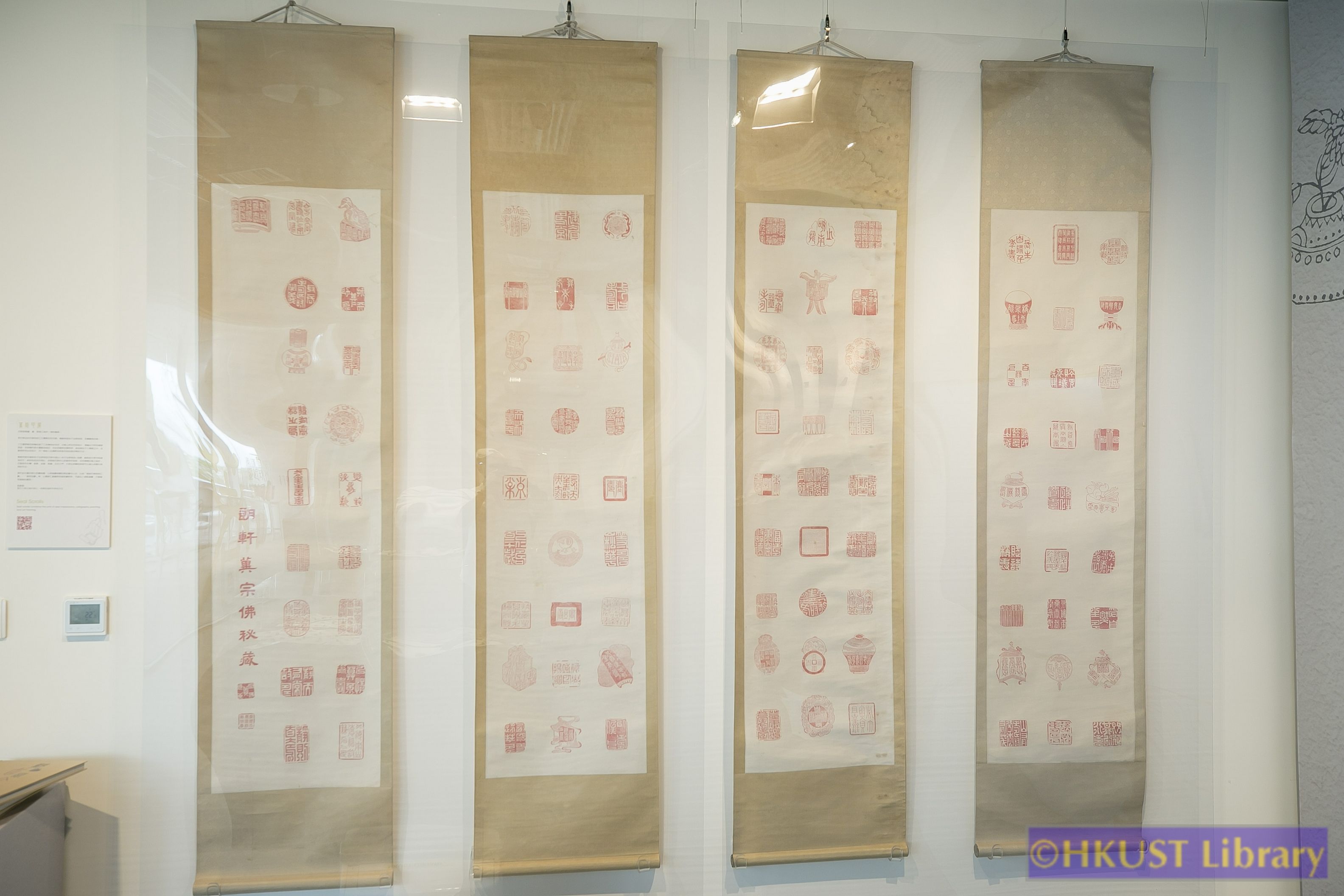
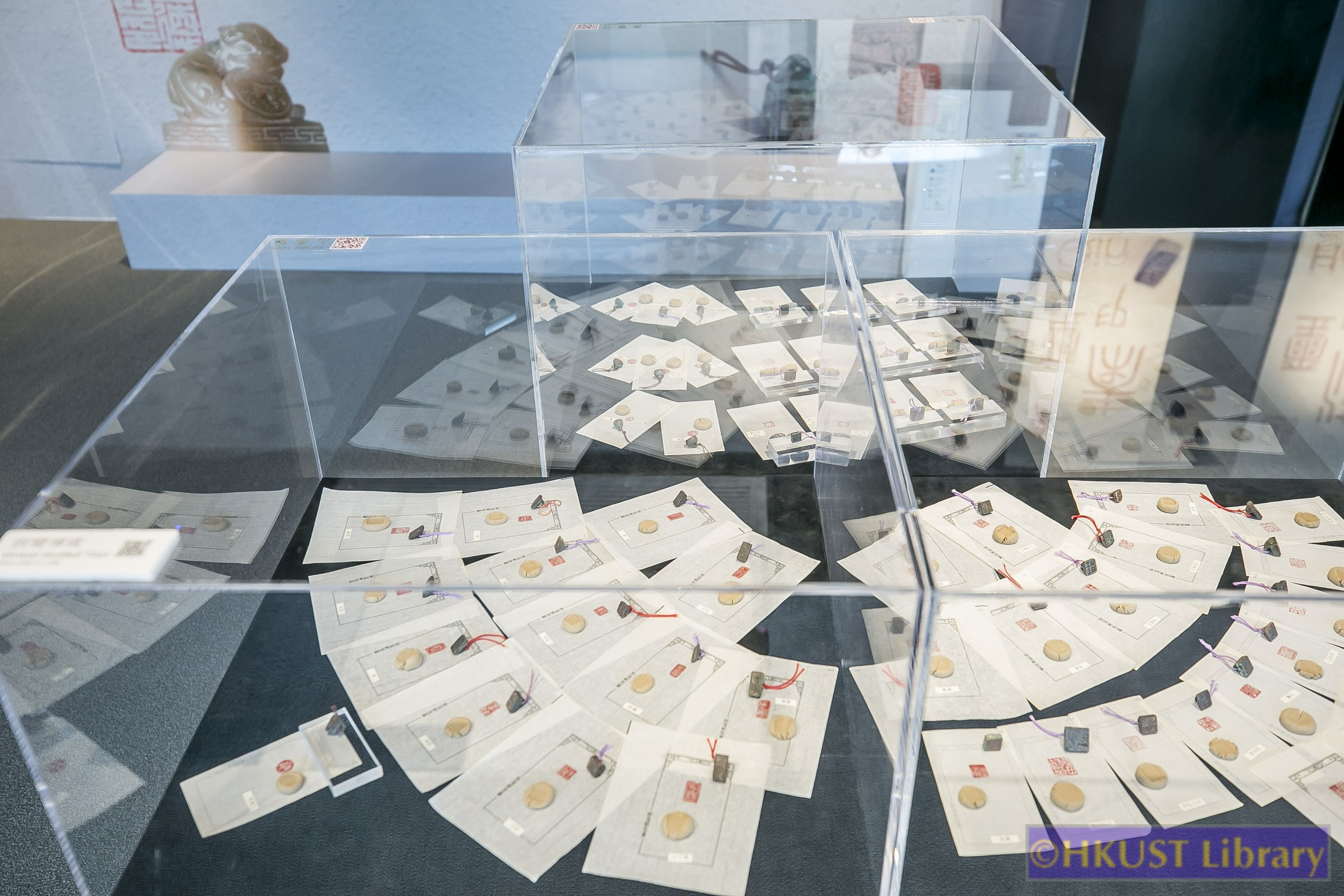
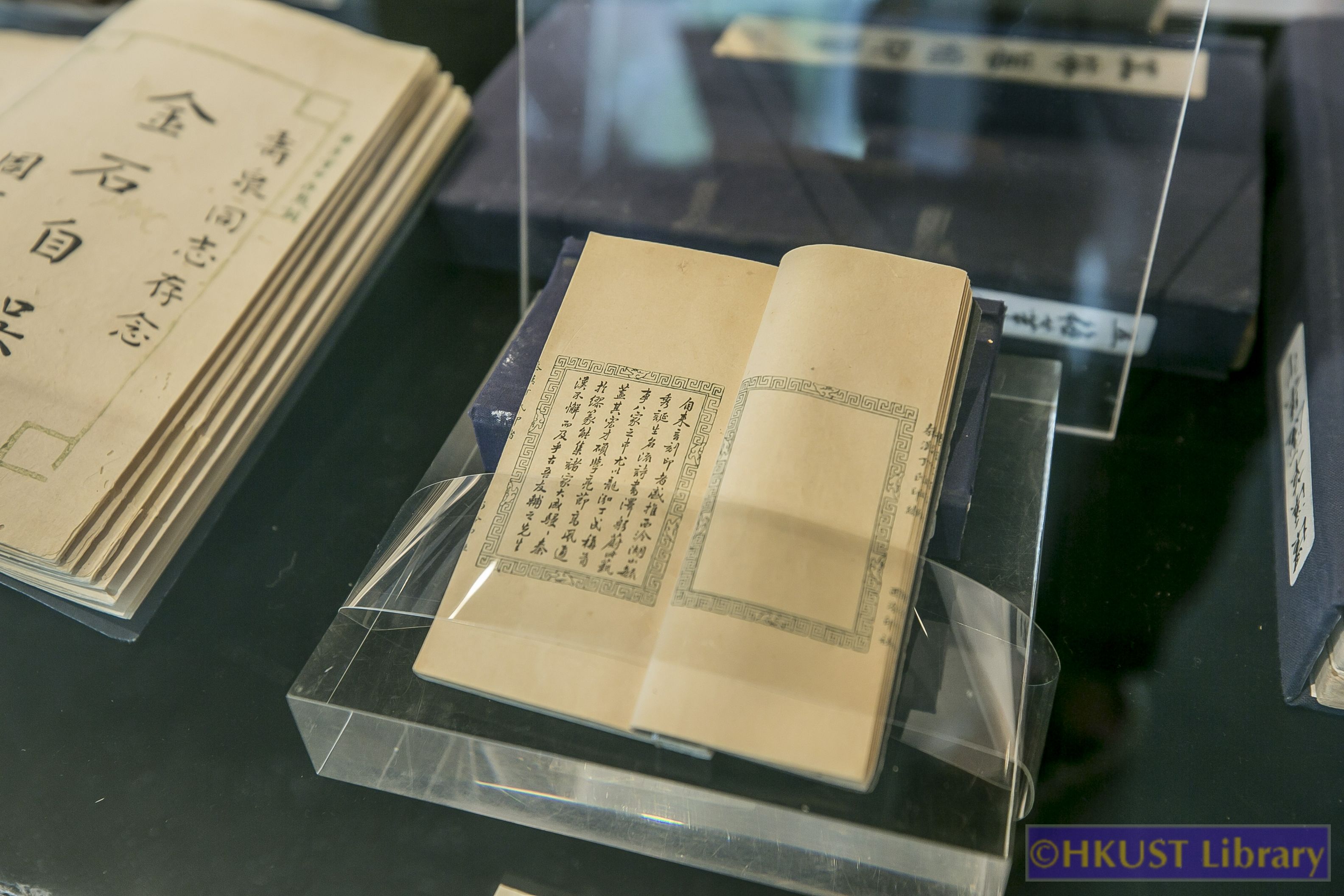
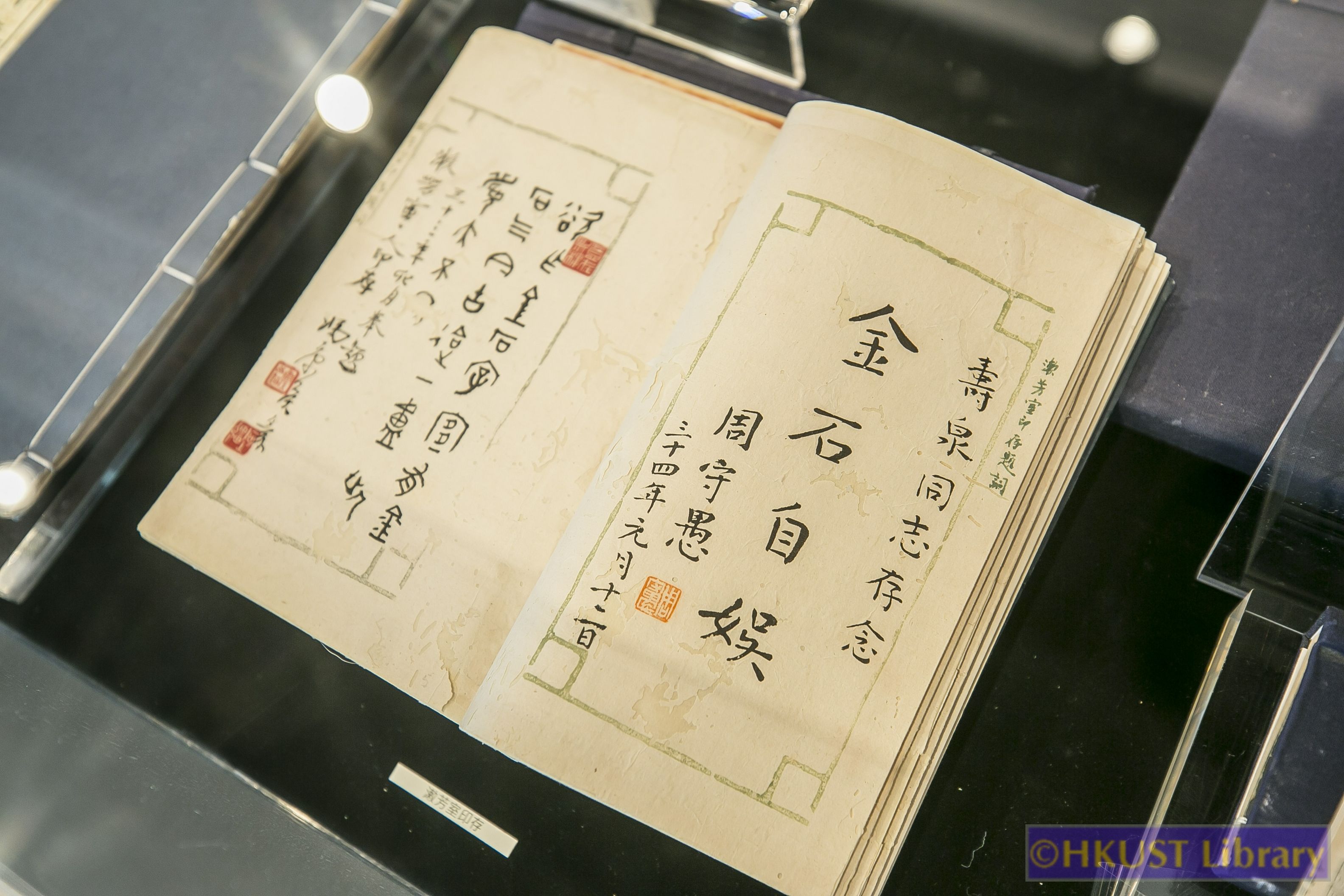
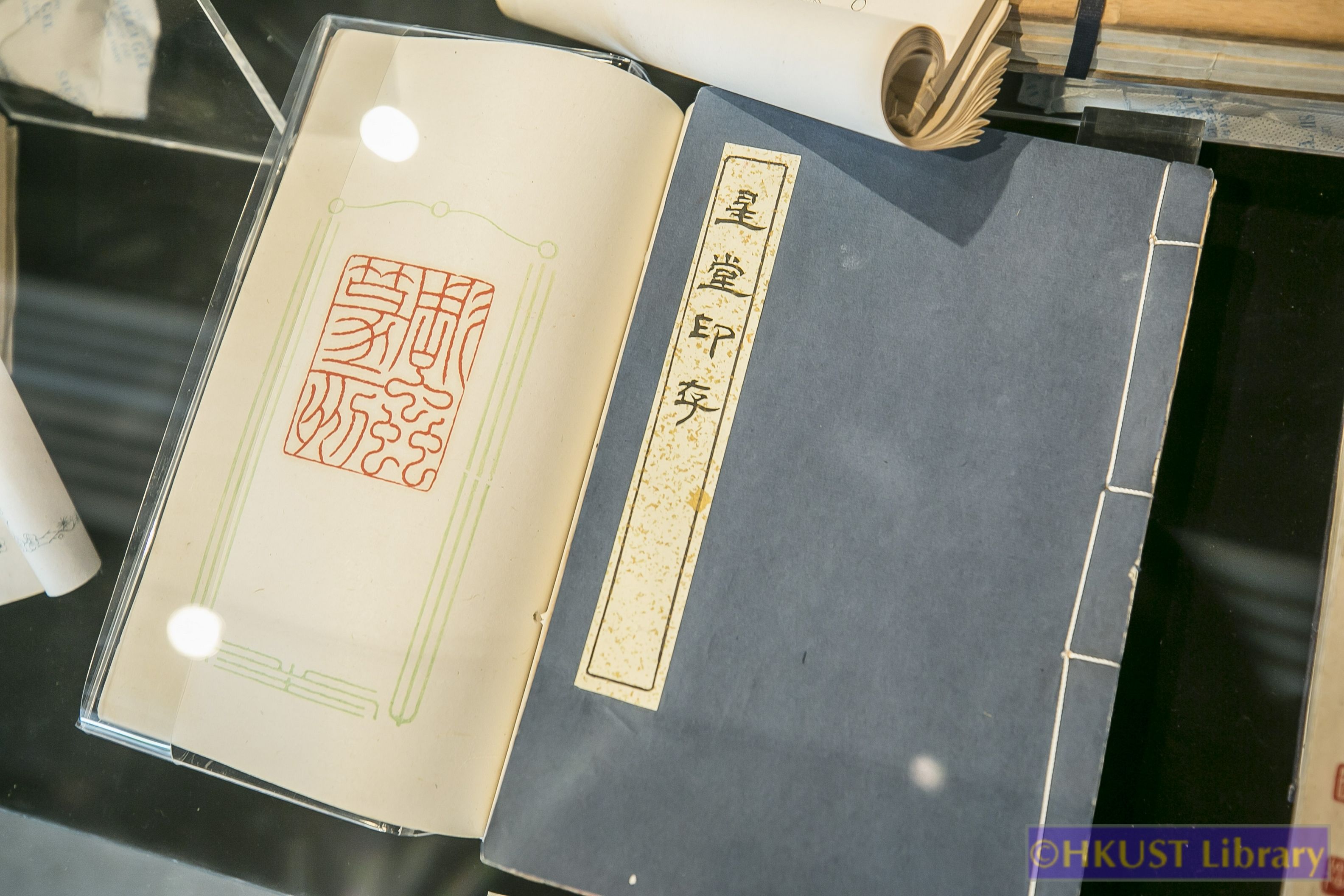
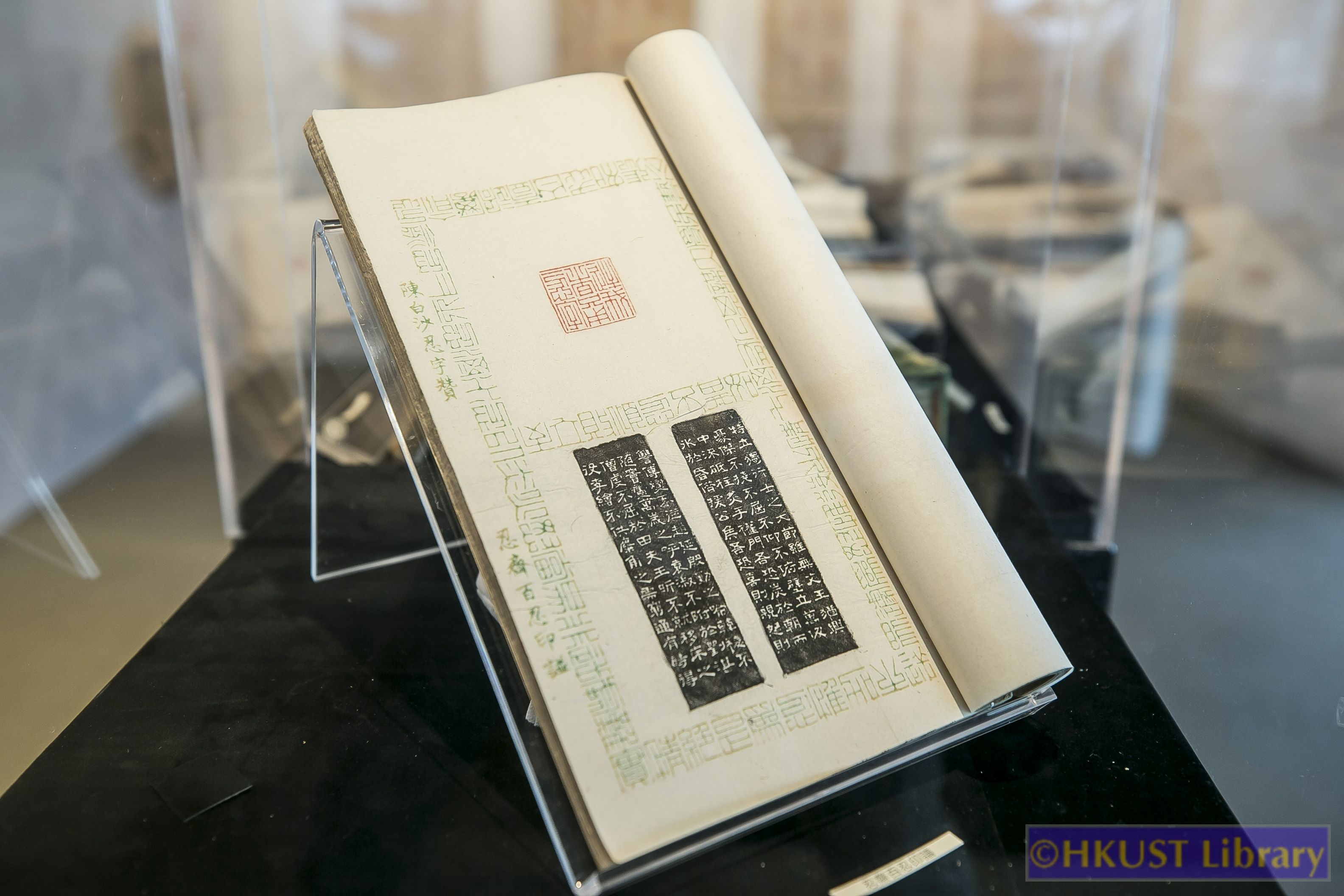
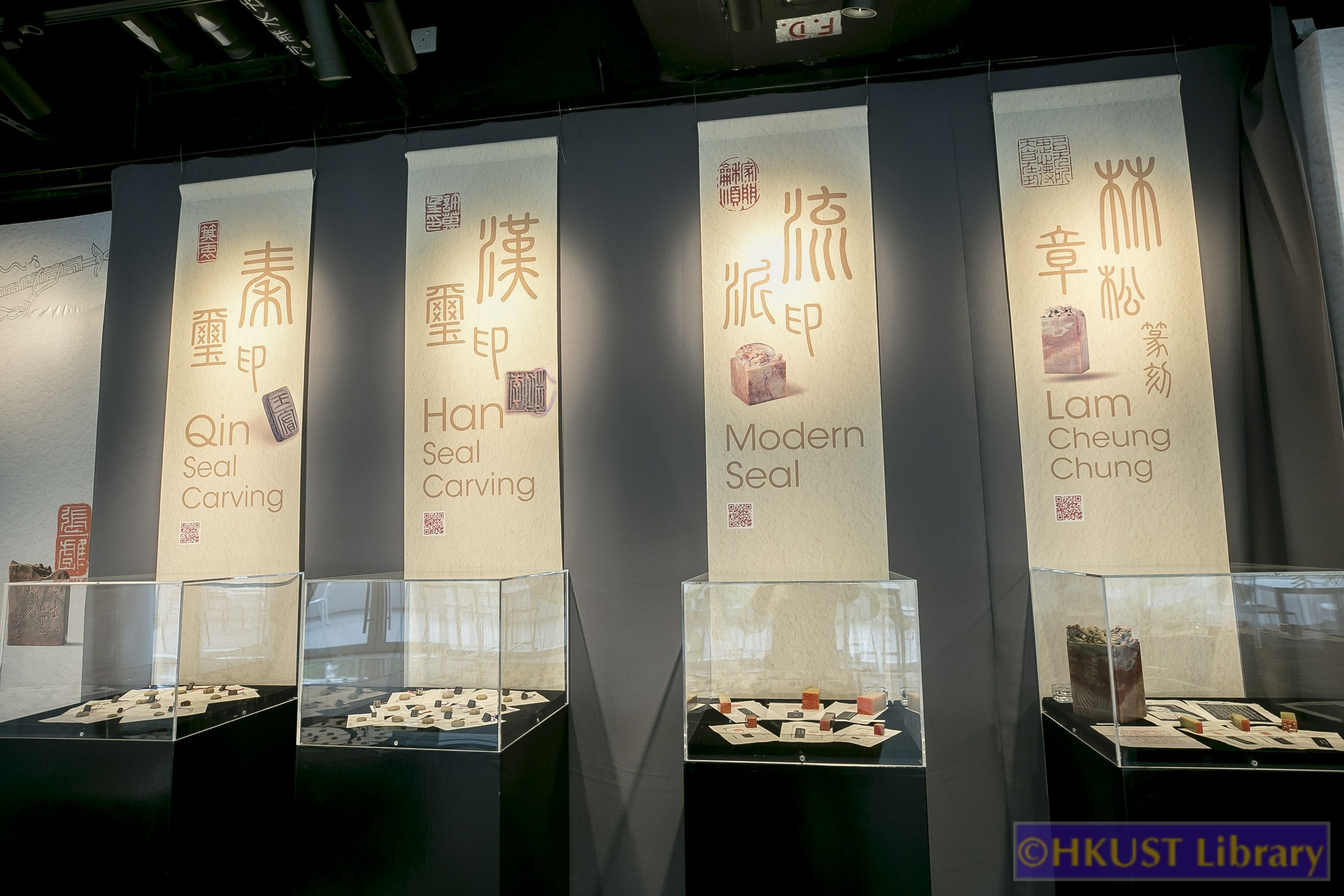
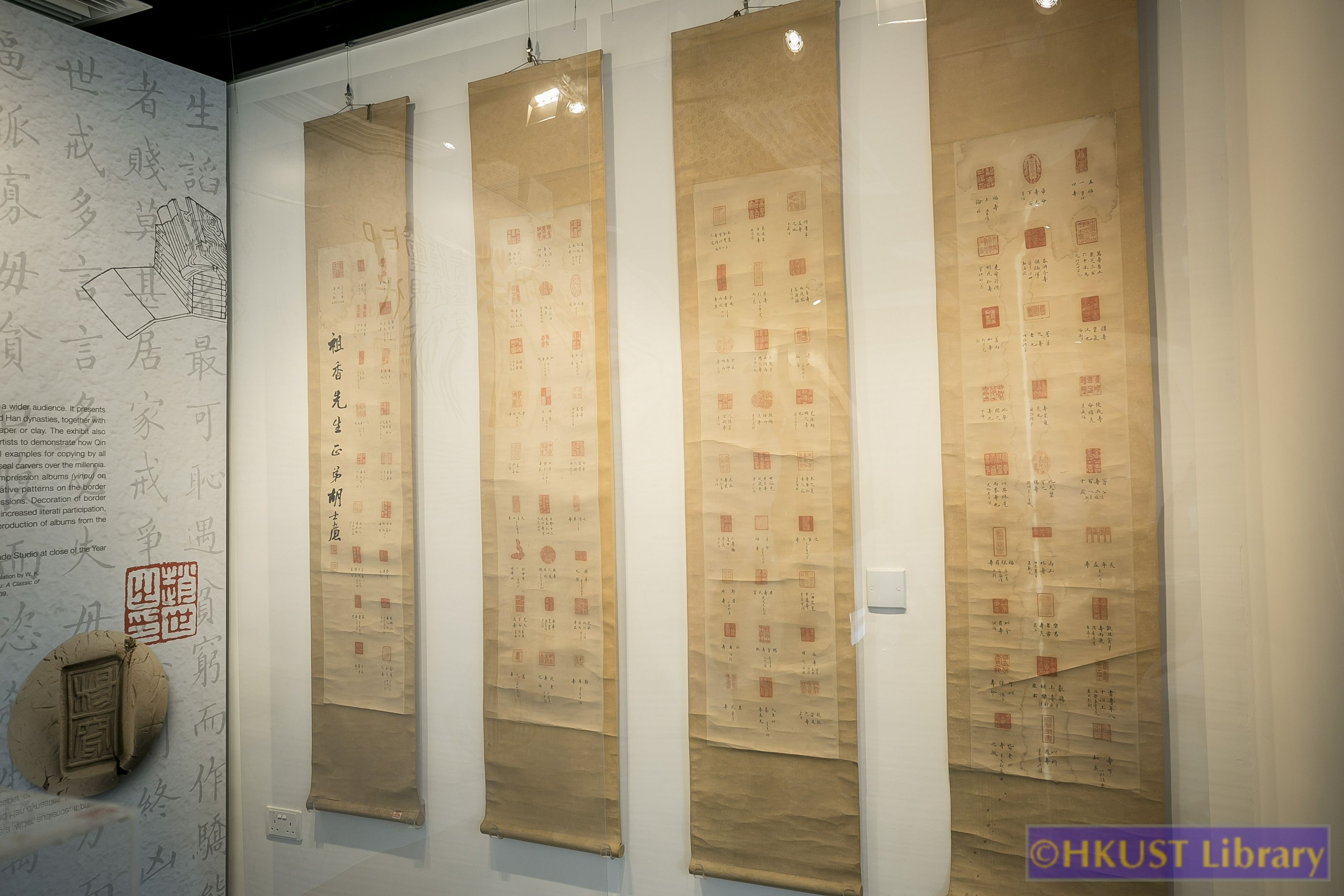
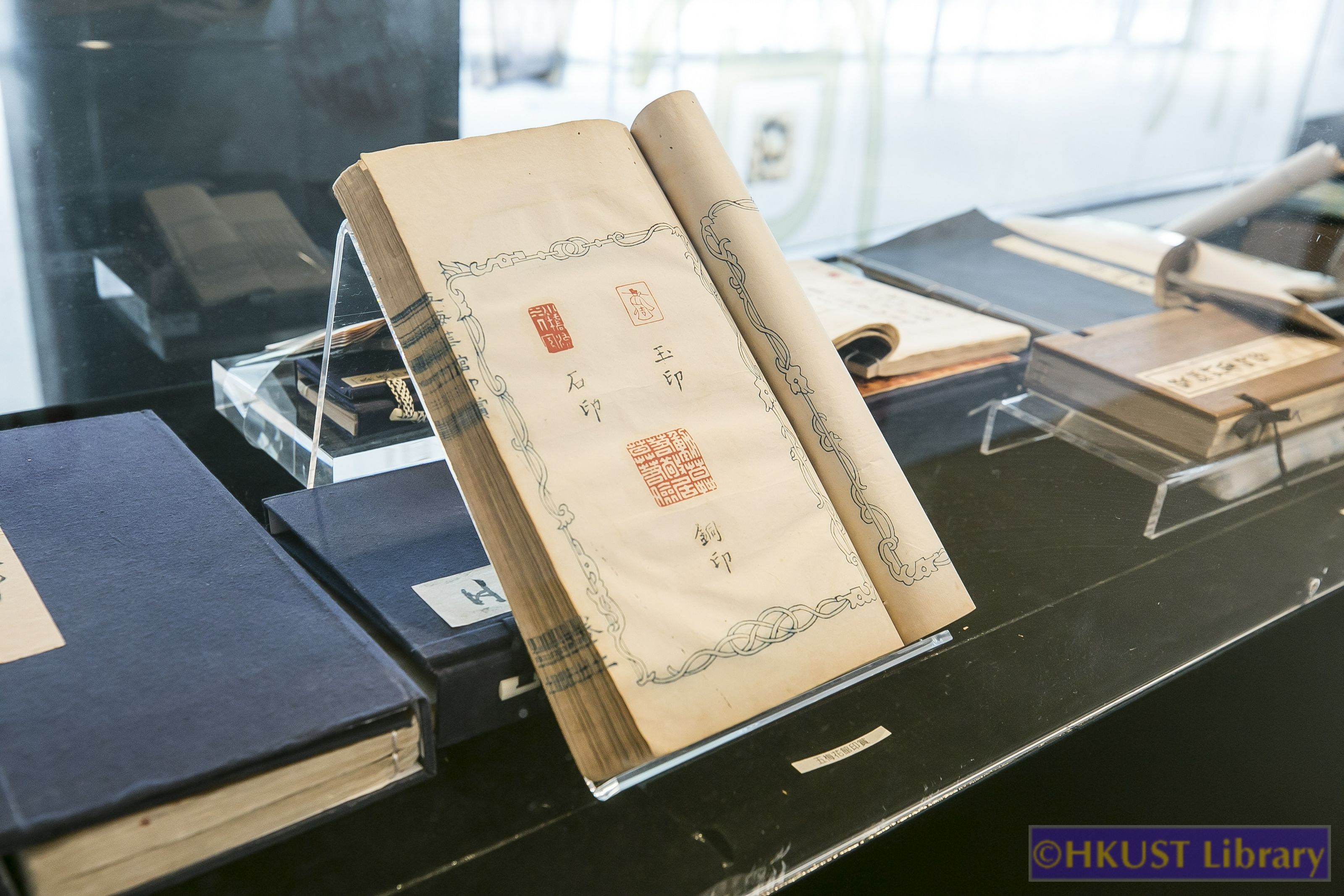
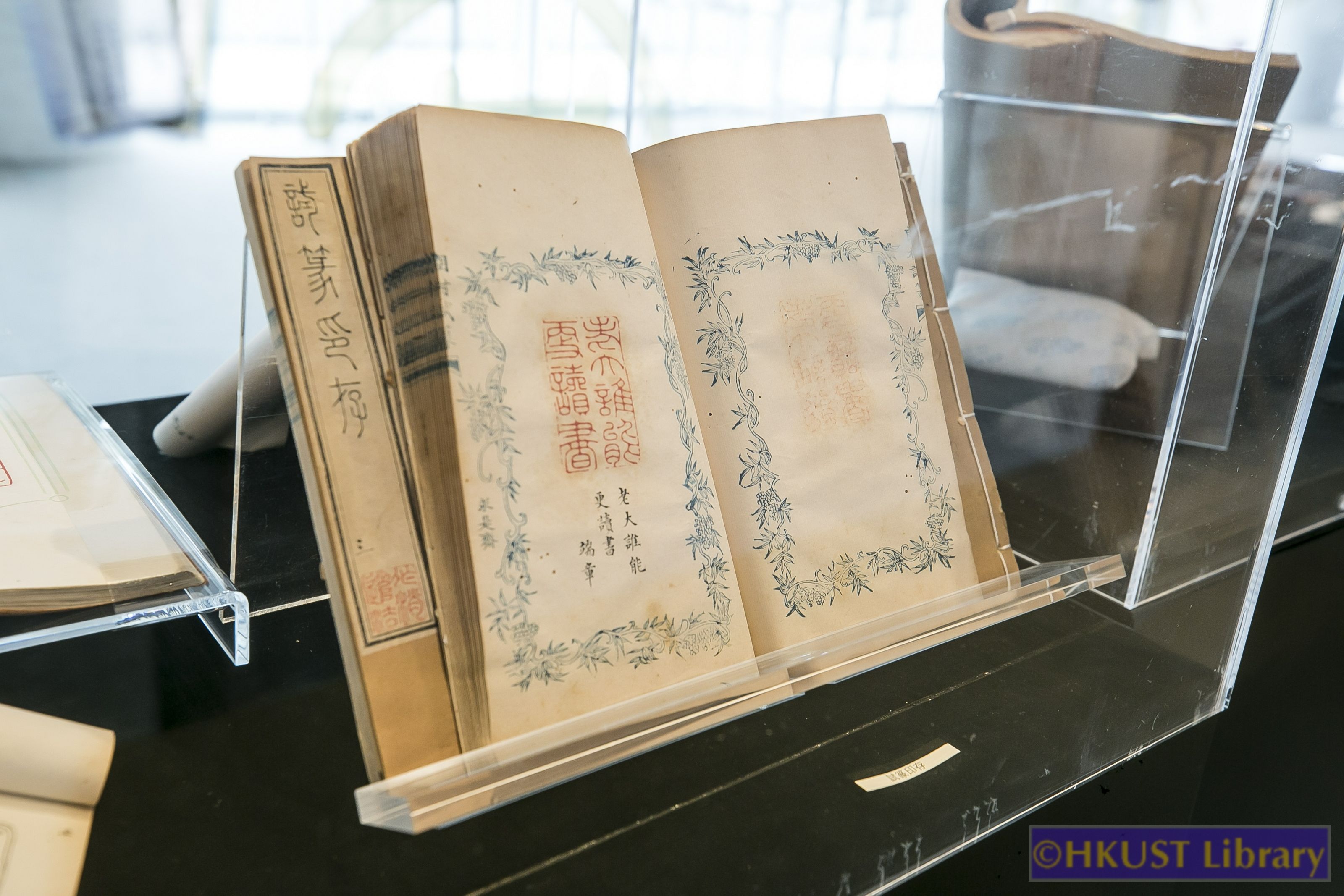
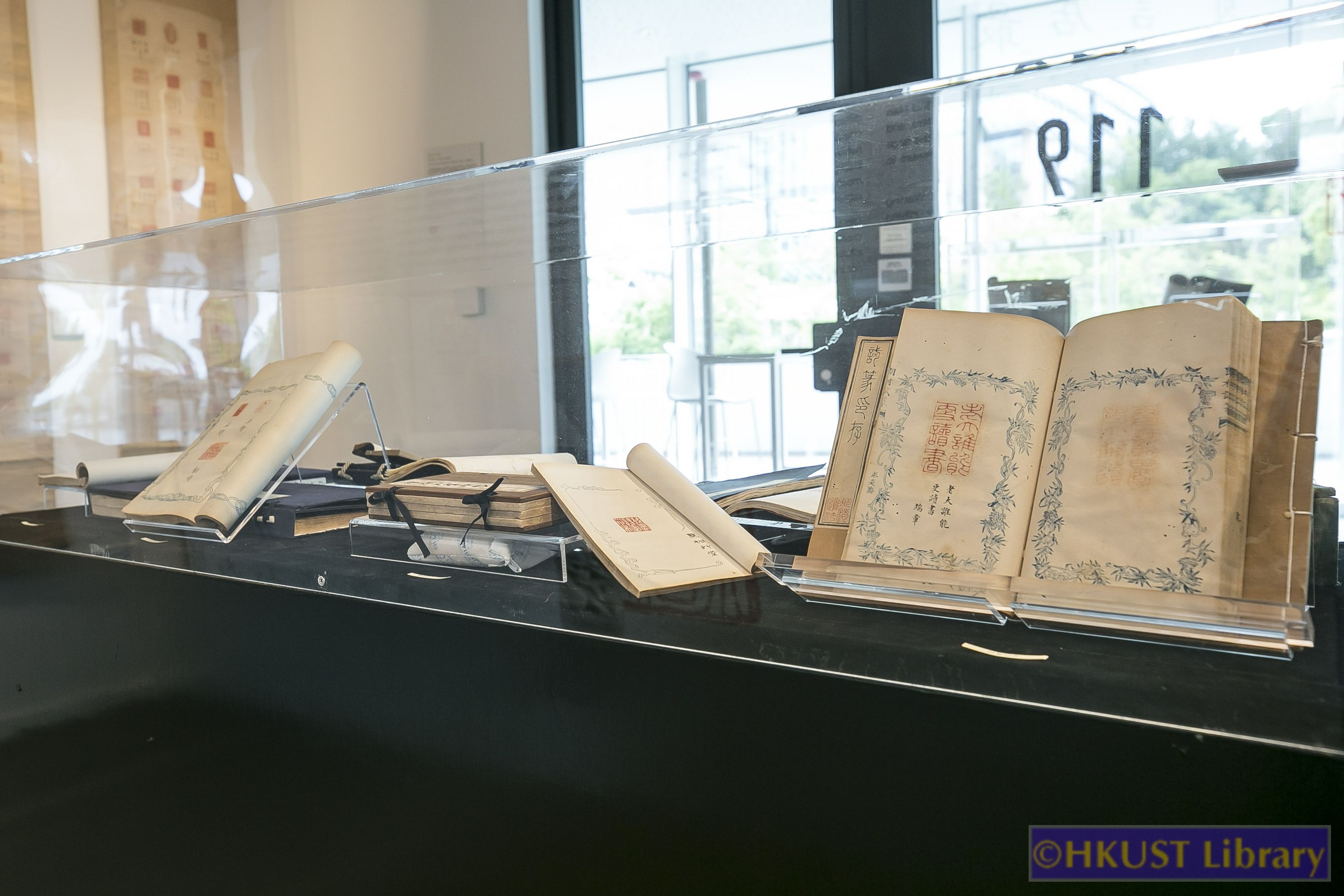
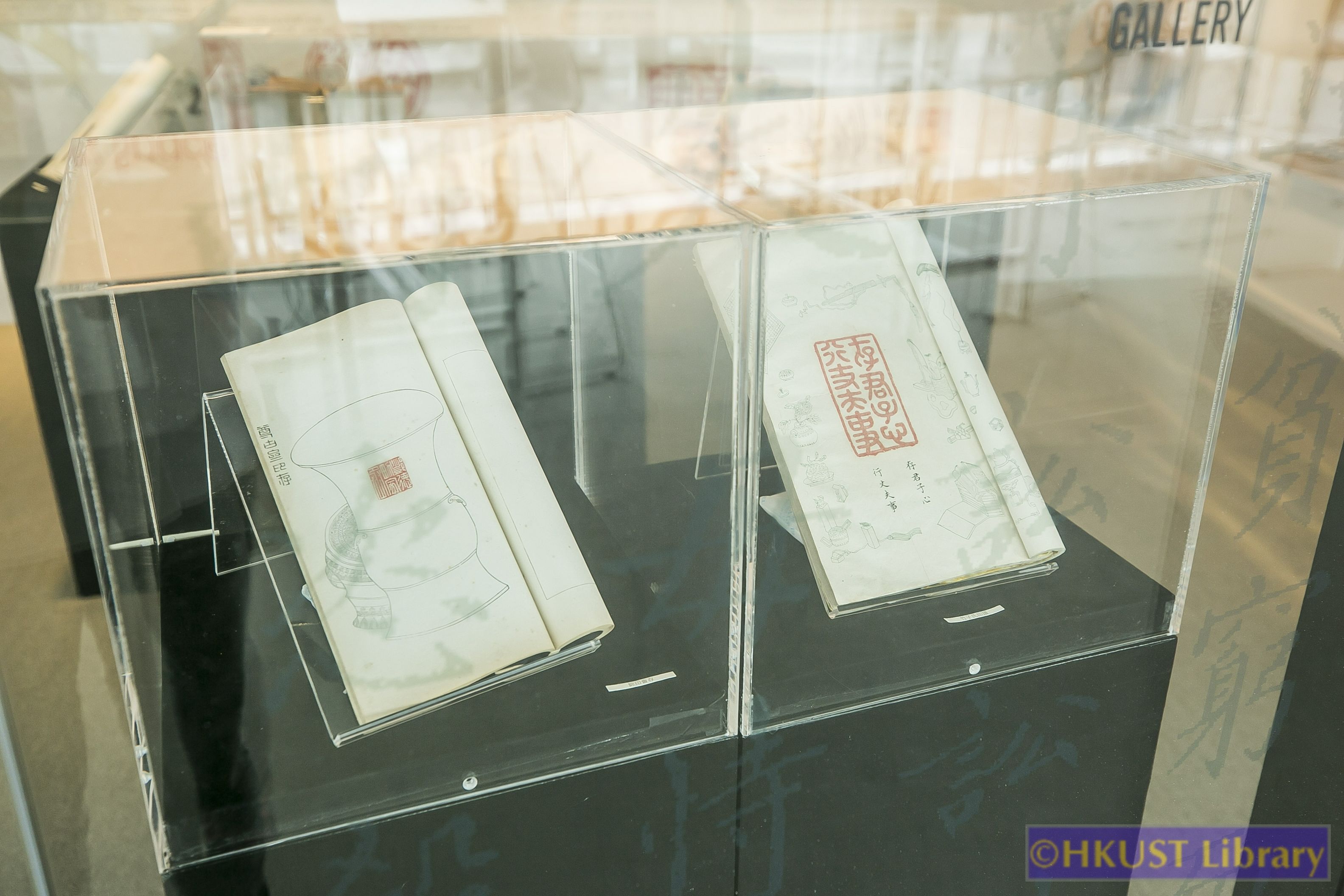
This exhibition supports the HKUST course “Introduction to Chinese Art”; it also aims to inspire a wider audience. It presents over 200 ancient seals of the Qin and Han dynasties, together with impressions of their surfaces on paper or clay. The exhibit also includes 42 seals by modern seal artists to demonstrate how Qin and Han seals have been classical examples for copying by all peoples aspiring to become expert seal carvers over the millennia. In addition, the twenty-plus seal impression albums (yinpu) on display show the variety of decorative patterns on the border frames surrounding the seal impressions. Decoration of border frames on album pages began with increased literati participation, and highlights their impact on the production of albums from the eighteenth century.
Lam Cheung Chung in the Pine Shade Studio at close of the Year of the Bull
| 印譜提要 | |
|---|---|
| 1. | 環溪艸廬集印 | 提要 | 一冊 | 二冊 | 三冊 |
| 2. | 星堂印存 | 提要 | 一冊 |
| 3. | 竹子氏印譜 | 提要 | 一冊 |
| 4. | 斐然齋印存 | 提要 | 一冊 | 二冊 | 三冊 | 四冊 | 五冊 | 六冊 | 七冊 | 八冊 | 九冊 | 十冊 |
| 5. | 忍齋百忍印譜 | 提要 | 卷一 | 卷二 | 卷三 | 卷四 |
| 6. | 綠雲山館印譜 | 提要 | 一冊 |
| 7. | 雙蓮館藏石 | 提要 | 一冊 | 二冊 | 三冊 | 四冊 |
| 8. | 仿古印集 (菊園印譜) | 提要 | 一冊 | 二冊 | 三冊 | 四冊 |
| 9. | 文三橋先生印譜 | 提要 | 一冊 |
| 10. | 玉蘭花館印存 | 提要 | 一冊 | 二冊 |
| 11. | 漢銅印叢 | 提要 | 卷一 | 卷二 | 卷三 | 卷四 | 卷五 | 卷六 | 卷七 | 卷八 |
| 12. | 觀月聽琴室印存 | 提要 | 元 | 亨 | 利 | 貞 |
| 13. | 潄芳書屋格言印譜 | 提要 | 一冊 |
| 14. | 訒盦集古印存 | 提要 | 一冊 | 二冊 | 三冊 | 四冊 |
| 15. | 張一川印譜 | 提要 | 一冊 |
| 16. | 錦囊印林 | 提要 | 卷一至二 | 卷三至四 |
| 17. | 雙桐草堂印存 | 提要 | 一冊 | 二冊 | 三冊 | 四冊 |
| 18. | 秦漢丁氏印緒 | 提要 | 一冊 | 二冊 |
| 19. | 對竹軒印存 | 提要 | 第一集己未本 | 第二集己未本 | 第三集原拓本 | 第四集原拓本 |
| 20. | 試篆印存 | 提要 | 一 | 二 | 三 | 四 | 五 | 六 | 七 | 八 |
| 21. | 紉佩齋集印譜 | 提要 | 一冊 |
| 22. | 鉨印會存 | 提要 | 第一冊 | 第二冊 | 第三冊 | 第四冊 | 第五冊 | 第六冊 |
| 23. | 潄芳室印存 | 提要 | 上一 | 上二 | 下 |
| 24. | 五梅花館印賞 | 提要 |
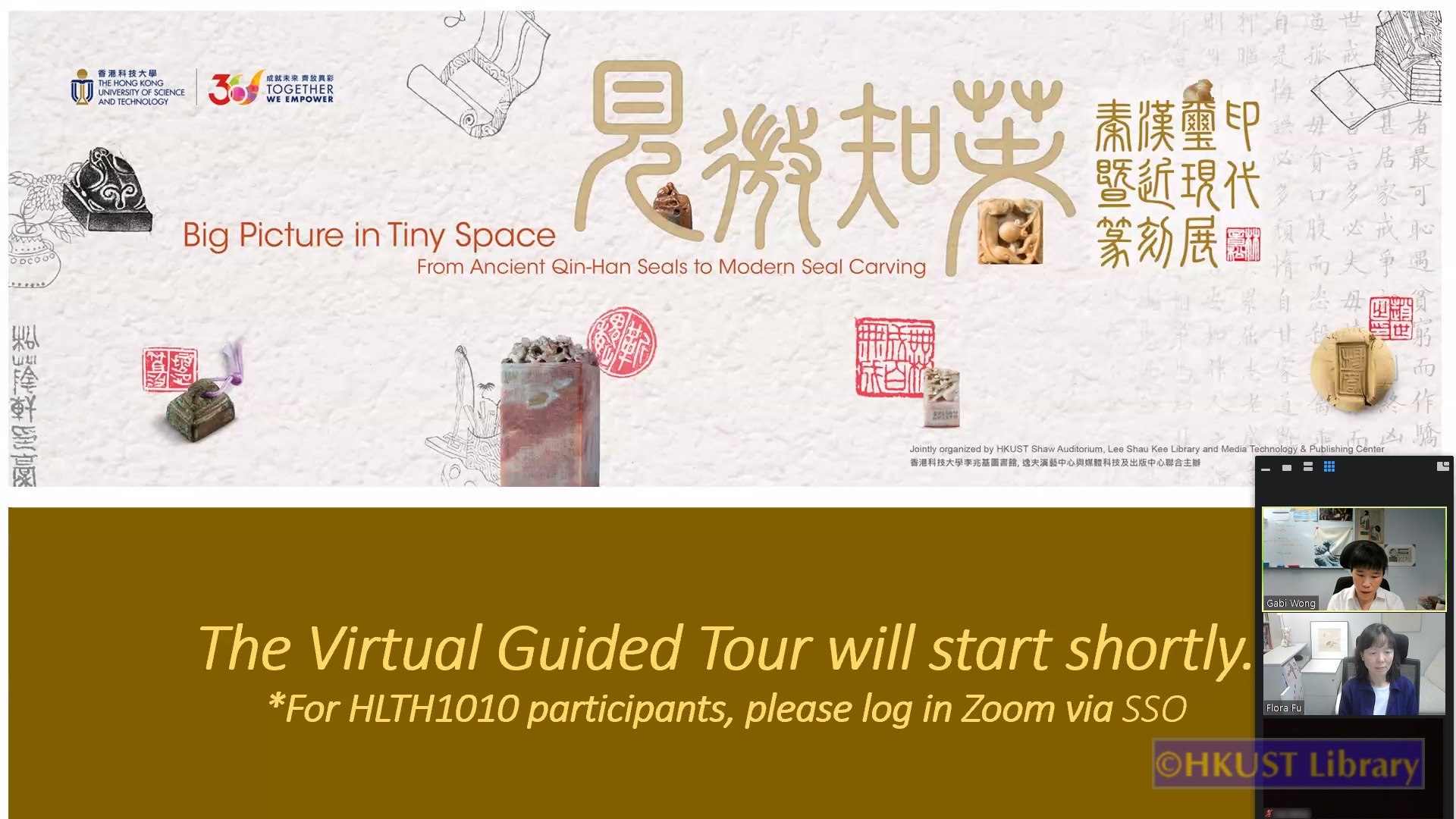
Virtual Guided Tour
From Ancient Qin-Han Seals to Modern Seal Carving Exhibition
| Date: | April 11, 2022 (Mon) |
| Time: | 9:00 – 10:30 am |
| Venue: | Online via Zoom |
| Speakers: | Professor Flora Li-Tsui Fu, Mr. Zhang Jinfa and Mr. Pang Kun |
| Language: | Putonghua |
| Registration: | https://lbcube.ust.hk/ce/index.php/event/8670/ (Registrants will receive the Zoom link by e-mail one day before the Talk) |
Students may attain 1.5-hour credit for the HLTH1010 Healthy Lifestyle Course after attending the tour.
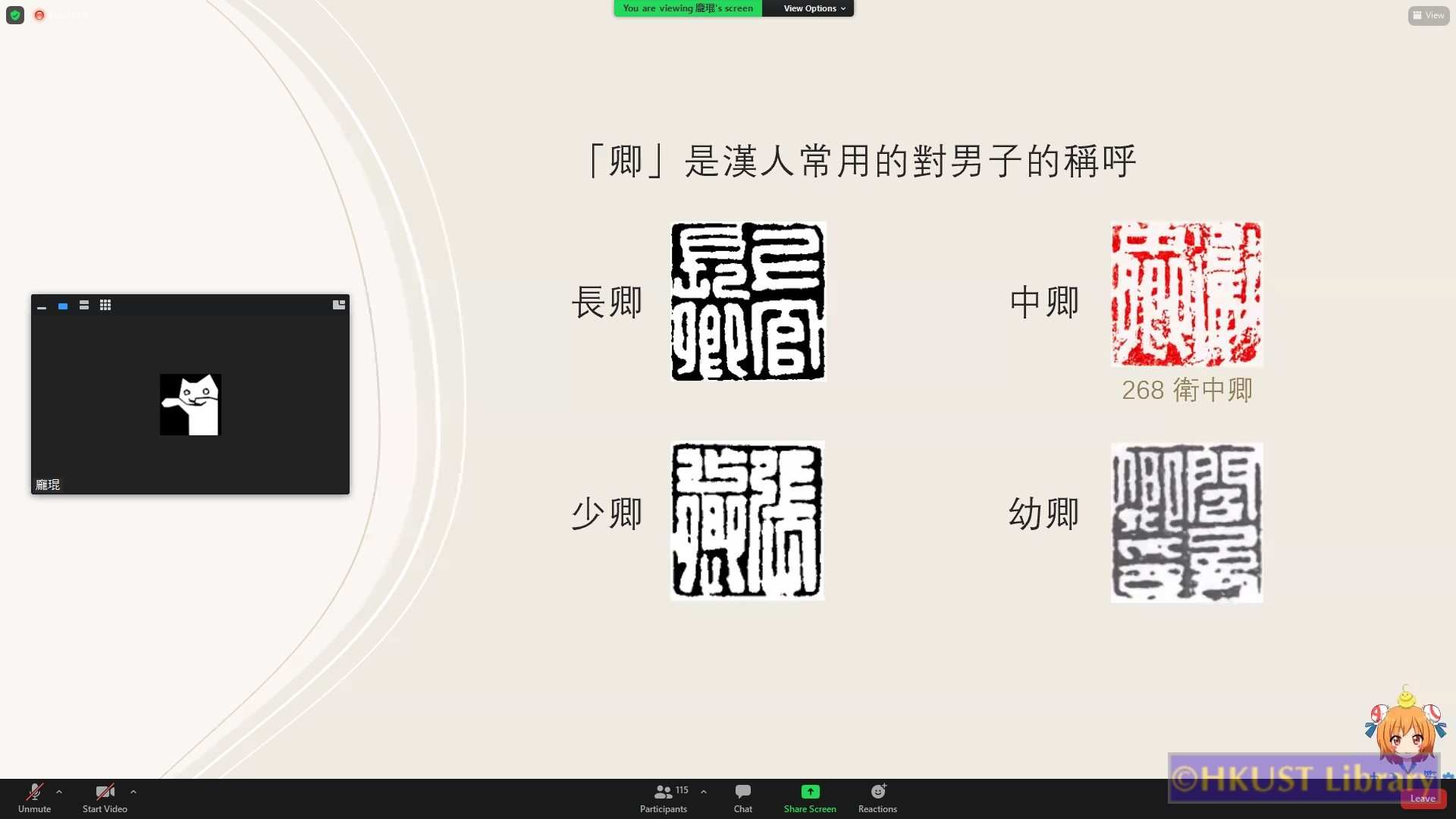
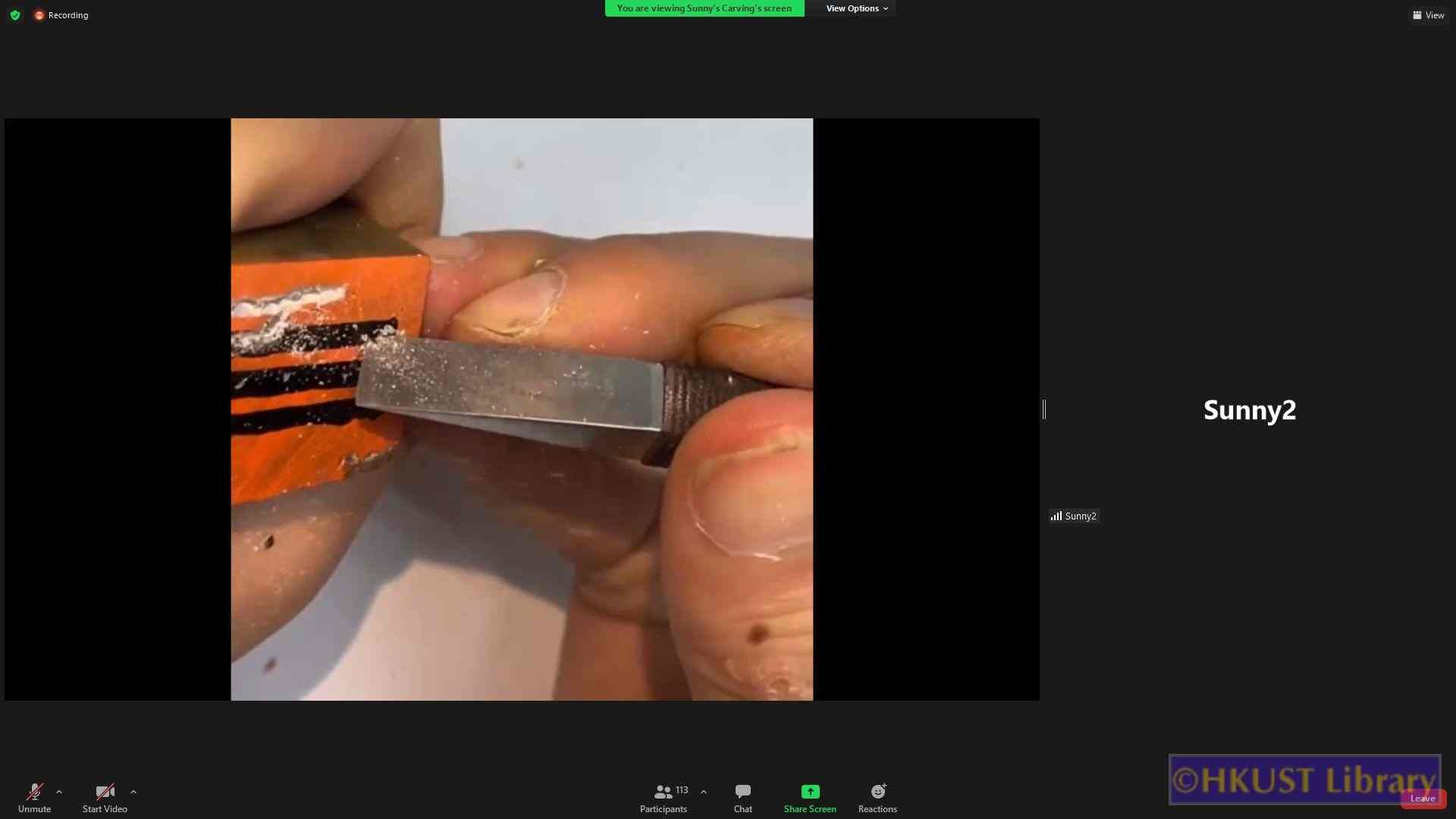
This virtual guided tour supports the HKUST course “Introduction to Chinese Art;” it also aims to inspire a wider audience. In the talk, Prof. Fu will guide audience to walk through a good number of ancient seals of the Qin and Han dynasties, together with impressions of their surfaces on paper or clay. The online exhibits also include 42 seals by modern seal artists to demonstrate how Qin and Han seals have been classical examples for copying by all peoples aspiring to become expert seal carvers over the millennia.
About the Speakers
Professor Fu graduated from National Taiwan University and received her MA and PhD in Art History from University of California at Berkeley. Her dissertation was on the sixteenth and seventeenth century Chinese paintings representing famous mountains and beautiful sights. She taught nineteenth and twentieth-century Chinese painting at the Institute of Art Studies, National Central University, Taiwan, before she came to join HKUST in 1998. She is interested in research about landscape representations of religious sacred sites; twentieth-century Chinese painting; Ming and Qing painting; topographical painting; figure painting. In this event she has invited Mr. Zhang Jinfa and Mr. Pang Kun, who are experts in Chinese seals, to join the virtual guided tour.
Talk
Big Picture in Tiny Space: From Ancient Qin-Han Seals to Modern Seal Carving Exhibition
| Date: | April 20, 2022 (Wed) |
| Time: | 12:30 – 2:00 pm |
| Venue: | Online via Zoom |
| Speakers: | Mr. Pang Kun and Mr. Zhang Jinfa |
| Language: | Putonghua |
| Registration: | https://lbcube.ust.hk/ce/index.php/event/8682/ (Registrants will receive the Zoom link by e-mail one day before the Talk) |
Students may attain 1.5-hour credit for the HLTH1010 Healthy Lifestyle Course after attending the talk.
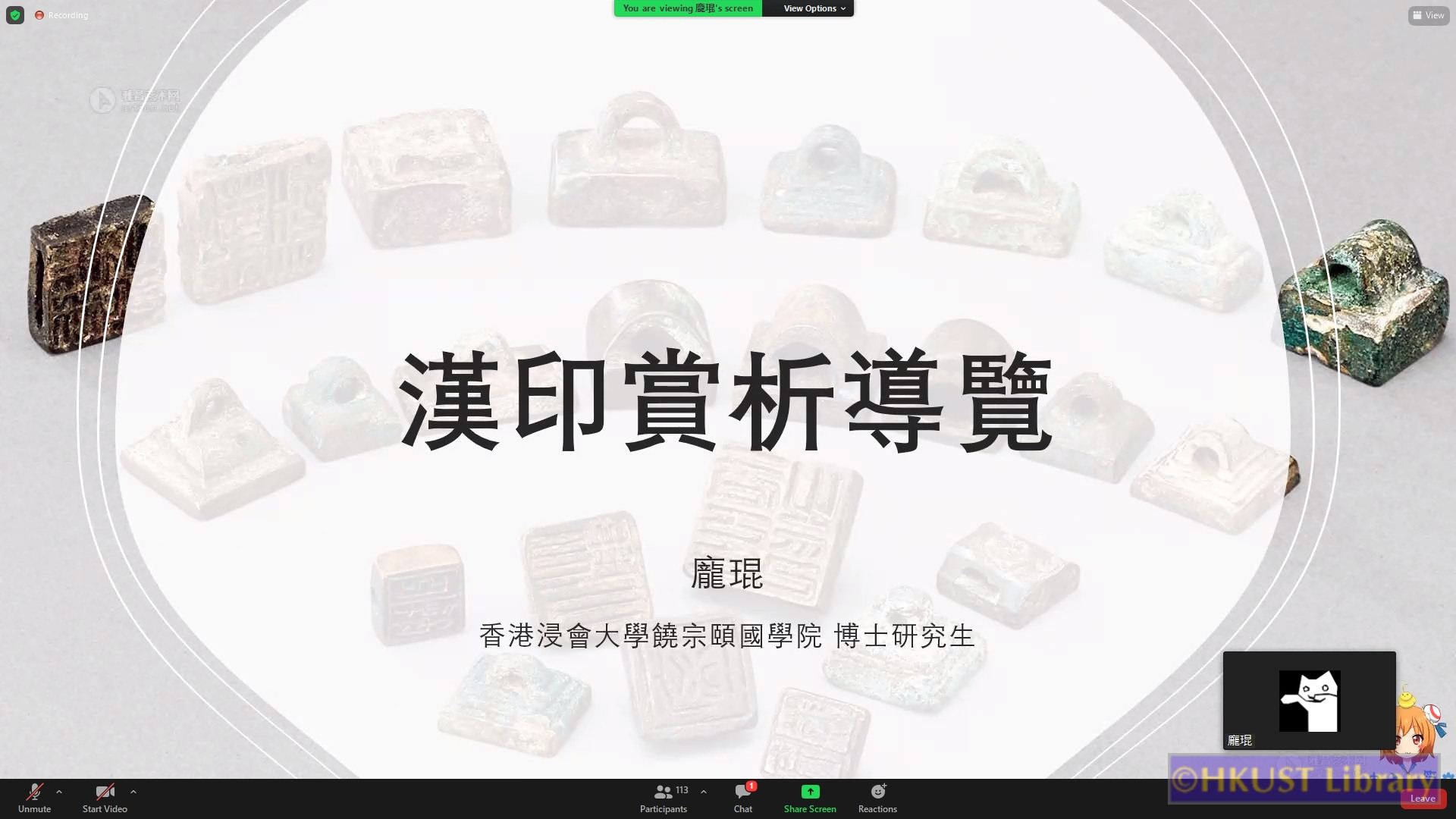
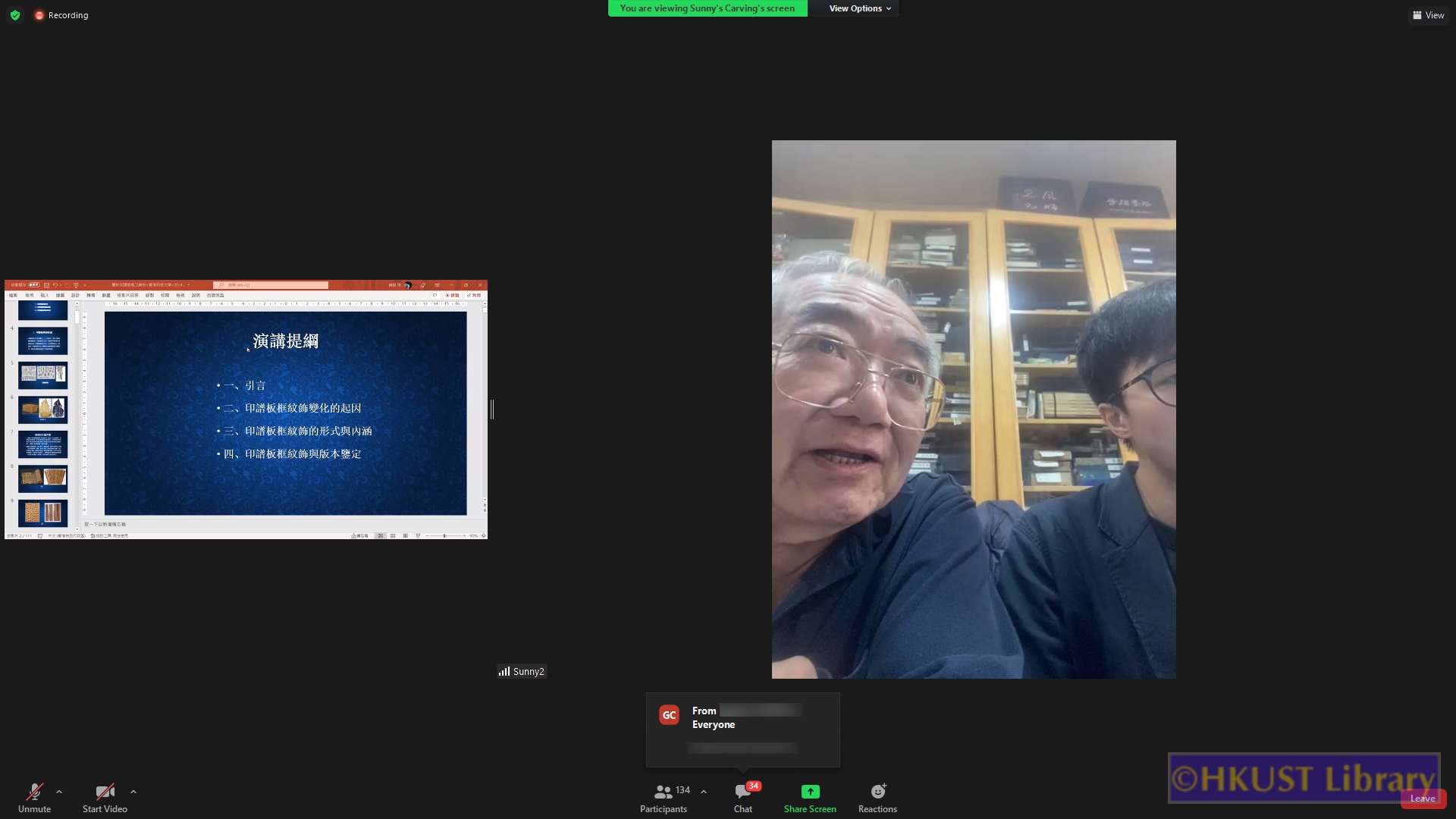
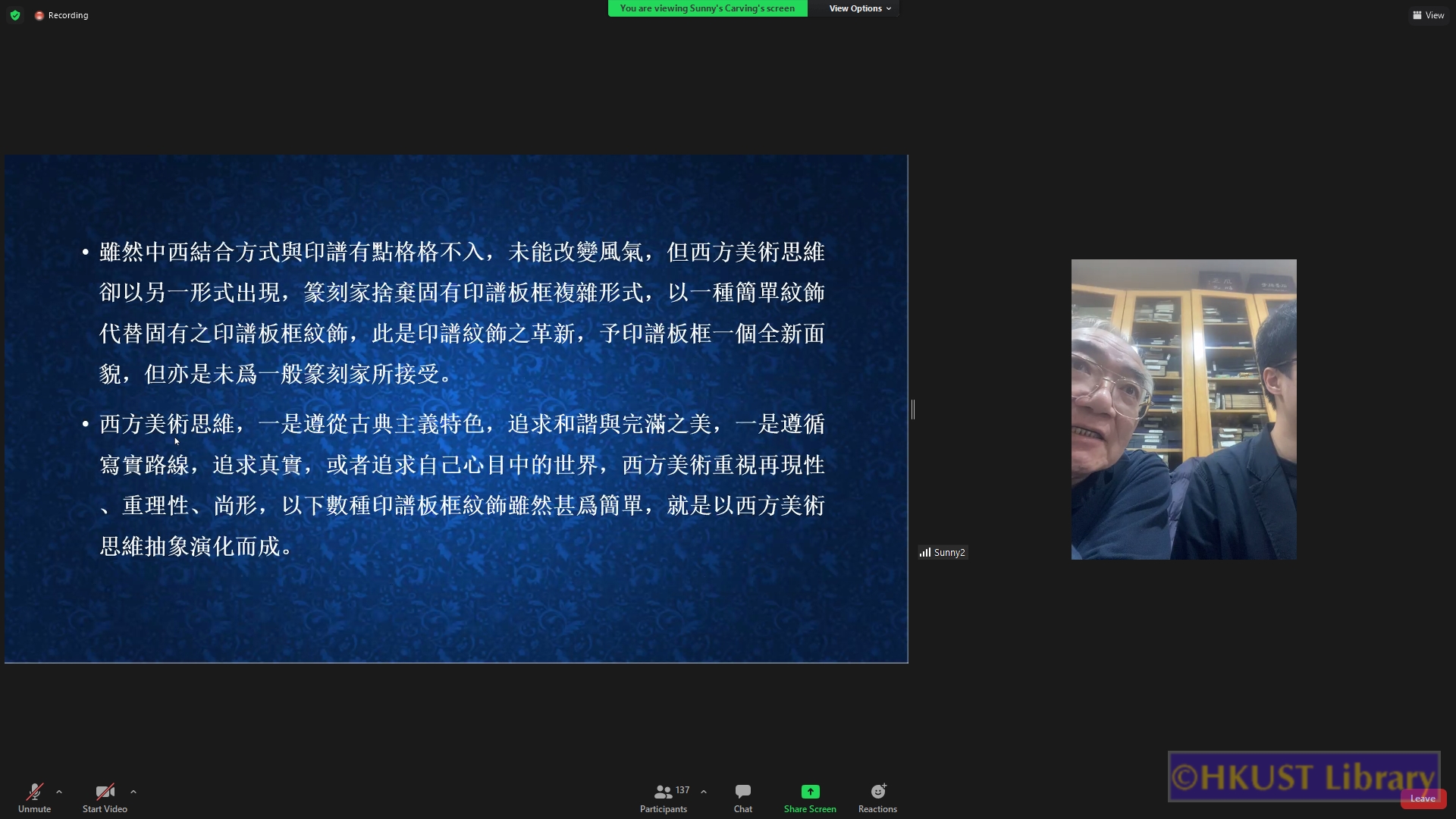
In this talk, Mr. Pang Kun and Mr. Zhang Jinfa will share how to appreciate the printing plate frame. The following issues will be addressed so that participants can gain a basic but comprehensive understanding of the printing plate frame, including:
- The origin of the printing plate frame;
- The decoration of the printing plate frame, and the difference between the decoration and the non-decoration;
- The reason for the later change of the printing plate frame;
- Examples of the appreciation of the printing plate frame;
About the Speakers
Mr. Pang Kun is currently a PhD student in Jao Tsung-I Academy of Sinology at Baptist University of Hong Kong. Apart from his research, he also studies seal carving and seal album with Mr. Lam Cheung Chung.
Mr. Zhang Jinfa obtained a Master’s degree from Chinese Classics Research Institute at Fudan University. He is also a student of Mr. Lam Cheung Chung.
| Visitor Comments (a selection from Guest Book) |
|---|
| 江淮高氏天潤題於香港科技大學壬寅六月廿一 |
| 名芳百垚 教書育人 |
| 美不勝收 |
| 心响往之 |
