




Discovering Primary Sources on JSTOR’s Open Collections

Where can educators, students, and researchers find free, trustworthy, and properly licensed primary sources for teaching, class presentations, or research papers? As librarians, we strongly recommend starting with quality institutional databases, for example, special collections held by academic and national libraries, museums, and archives, rather than relying solely on general search engines or AI chatbots.
However, navigating each institution’s individual database can be time-consuming and overwhelming. With collections spread across siloed platforms, is there a more streamlined one-stop approach?
Fortunately, several options exist. Among them, JSTOR’s open primary source collections offer a particularly effective solution. It provides a centralized gateway to highquality cultural heritage resources from renowned institutions such as the Museum of Modern Art (MoMA) in the US, the Wellcome Collection in the UK, and major academic libraries like Cornell (and also HKUST!). These collections include a wide range of formats, including images, books, manuscripts, audios, videos, and more. Designed to support teaching, research, and learning, JSTOR’s open collections make it easier for educators, researchers, and students to discover and use credible primary sources without the burden of searching across multiple platforms.
Exploring the Collections: A Sample Search
To illustrate how these collections work in practice, consider a simple example. Suppose you are preparing materials on equestrian art, artwork featuring horses across different cultures. Beginning with a basic keyword search for “horse”, you can progressively refine your results using the platform’s robust filtering tools.
First, narrow your results by selecting “Images” under the “Content Type” filter.
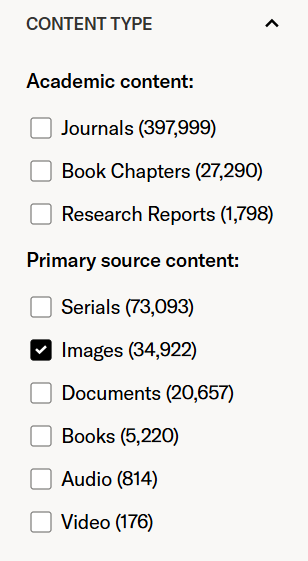
Next, refine by “Date” range, for instance, 1500 to 1800, to focus on a specific historical period. From there, explore the Classification facet to examine how the theme appears across different artistic formats. You might also limit results by geography, selecting regions such as Europe and East Asia to facilitate cross-cultural comparison.

Selecting classification “Decorative Arts, Utilitarian Objects and Interior Design”, for example, reveals how the horse as a motif has appeared across a wide variety of objects in both European and East Asian artistic traditions. This kind of cross-collection, cross-cultural discovery is precisely what makes the platform so valuable for teaching and interdisciplinary research.
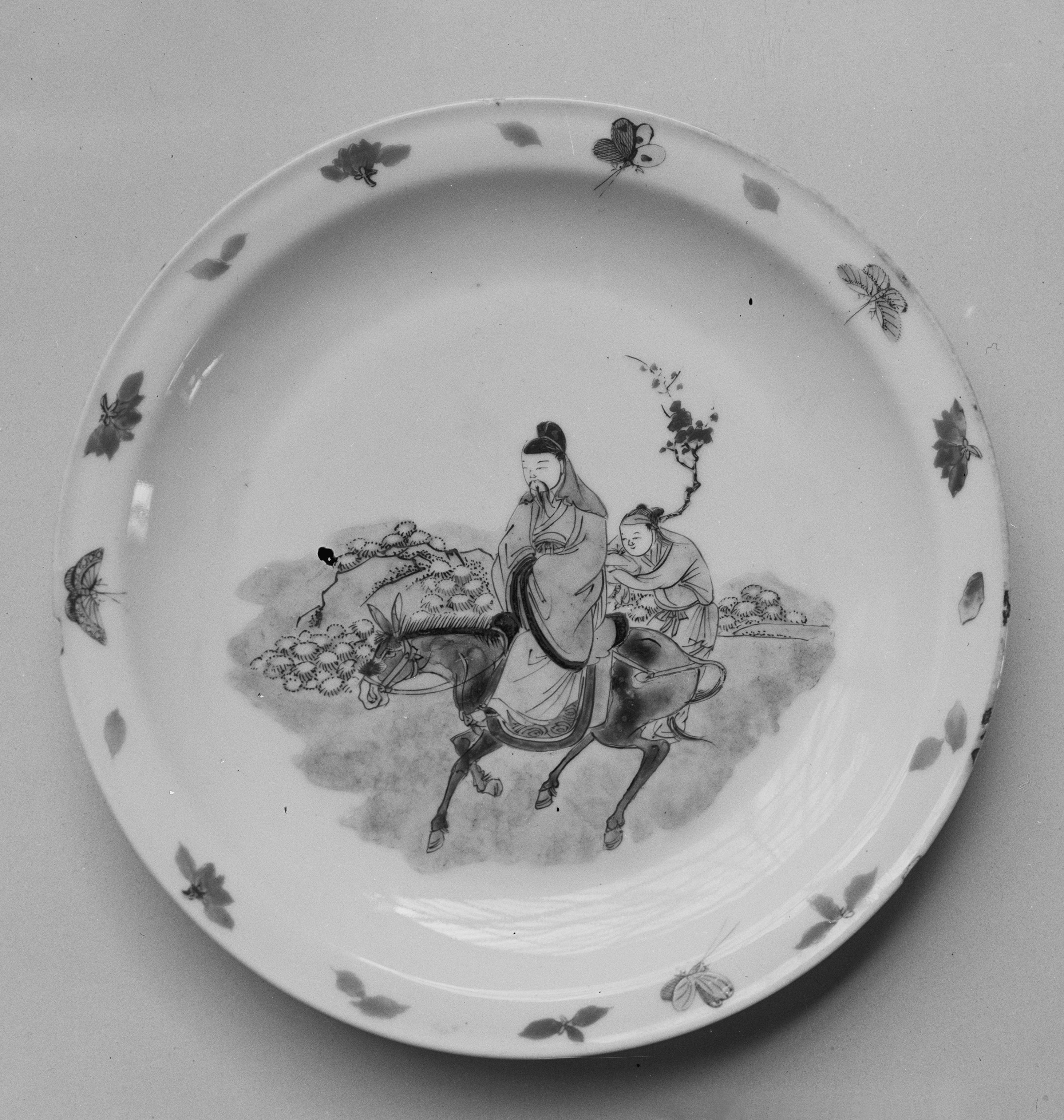 Plate with scholar and plum branches, Qing dynasty (1644–1911), Kangxi period (1662–1722), early 18th century. Porcelain painted with overglaze enamels and gold (Jingdezhen ware). Central scene features a mounted figure (horse motif). The Metropolitan Museum of Art. Link | 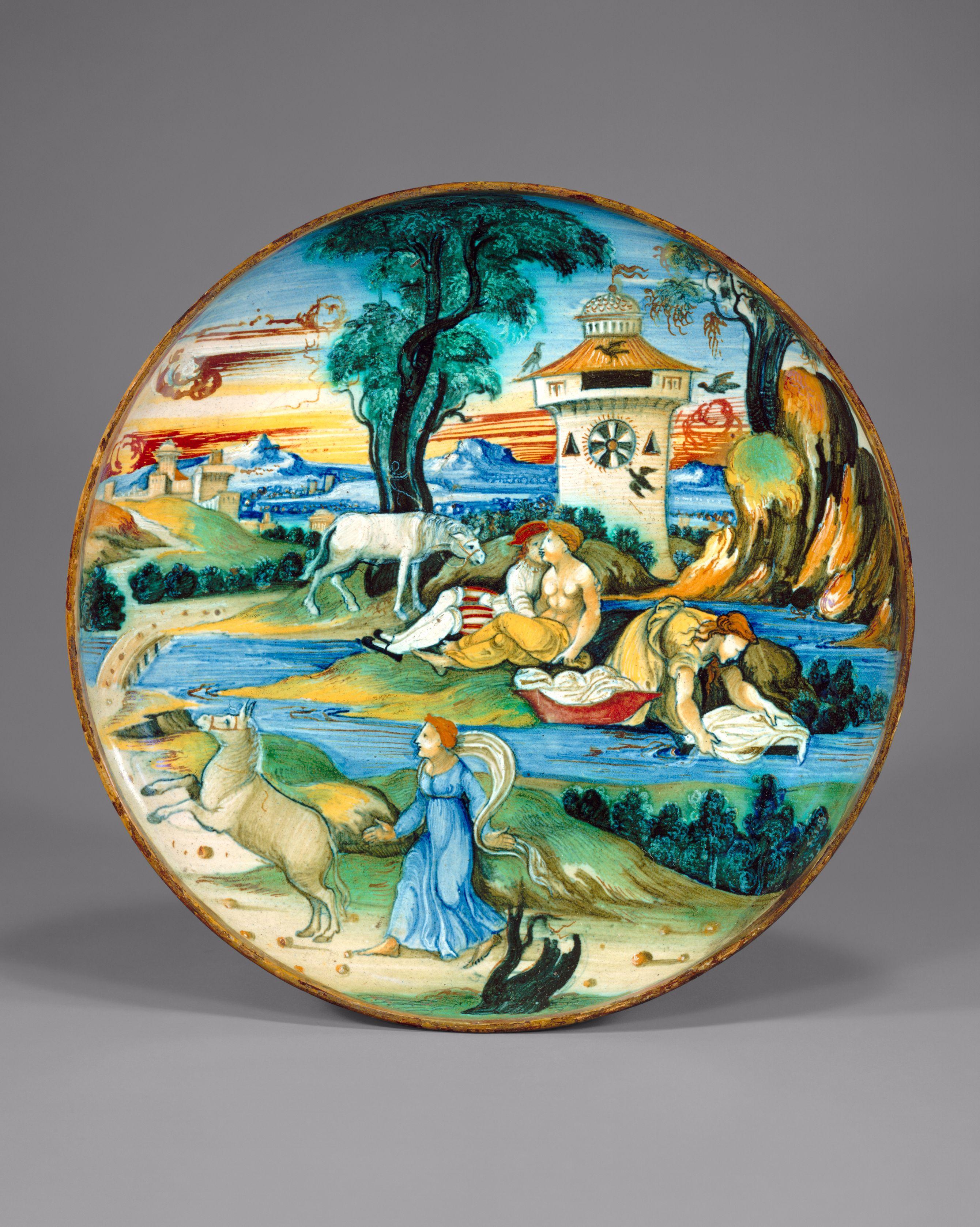 Dish (coppa) (maiolica, tin-glazed earthenware), workshop of Guido Durantino (Italian, Urbino; active 1516–ca. 1576), ca. 1525. The Metropolitan Museum of Art. Horse motif in a painted narrative scene. Link |
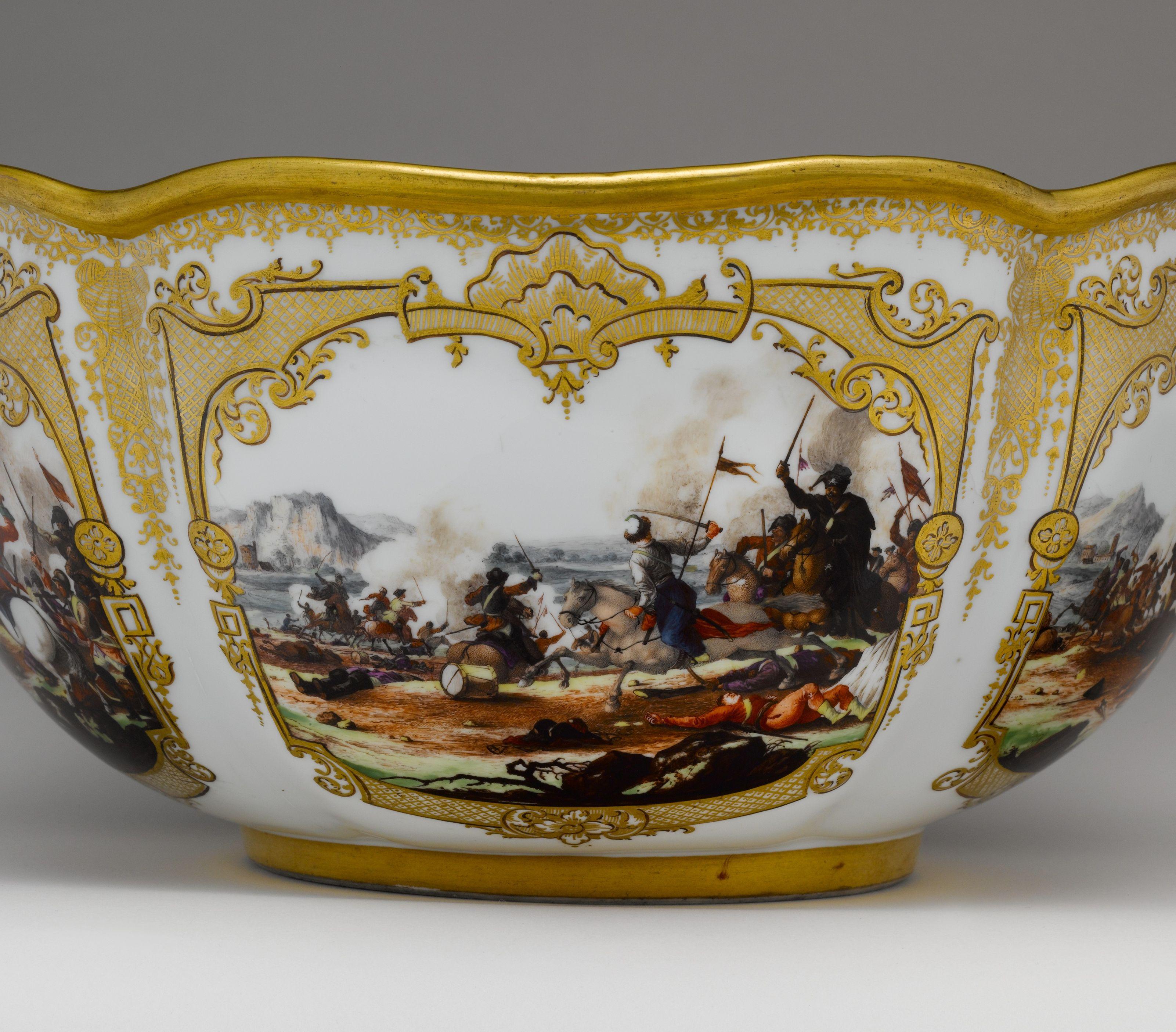 Bowl, Meissen Manufactory (German, 1710–present), ca. 1740. Hard-paste porcelain with gilded ornament; painted battle scene with riders on horseback (horse motif). The Metropolitan Museum of Art. Link | 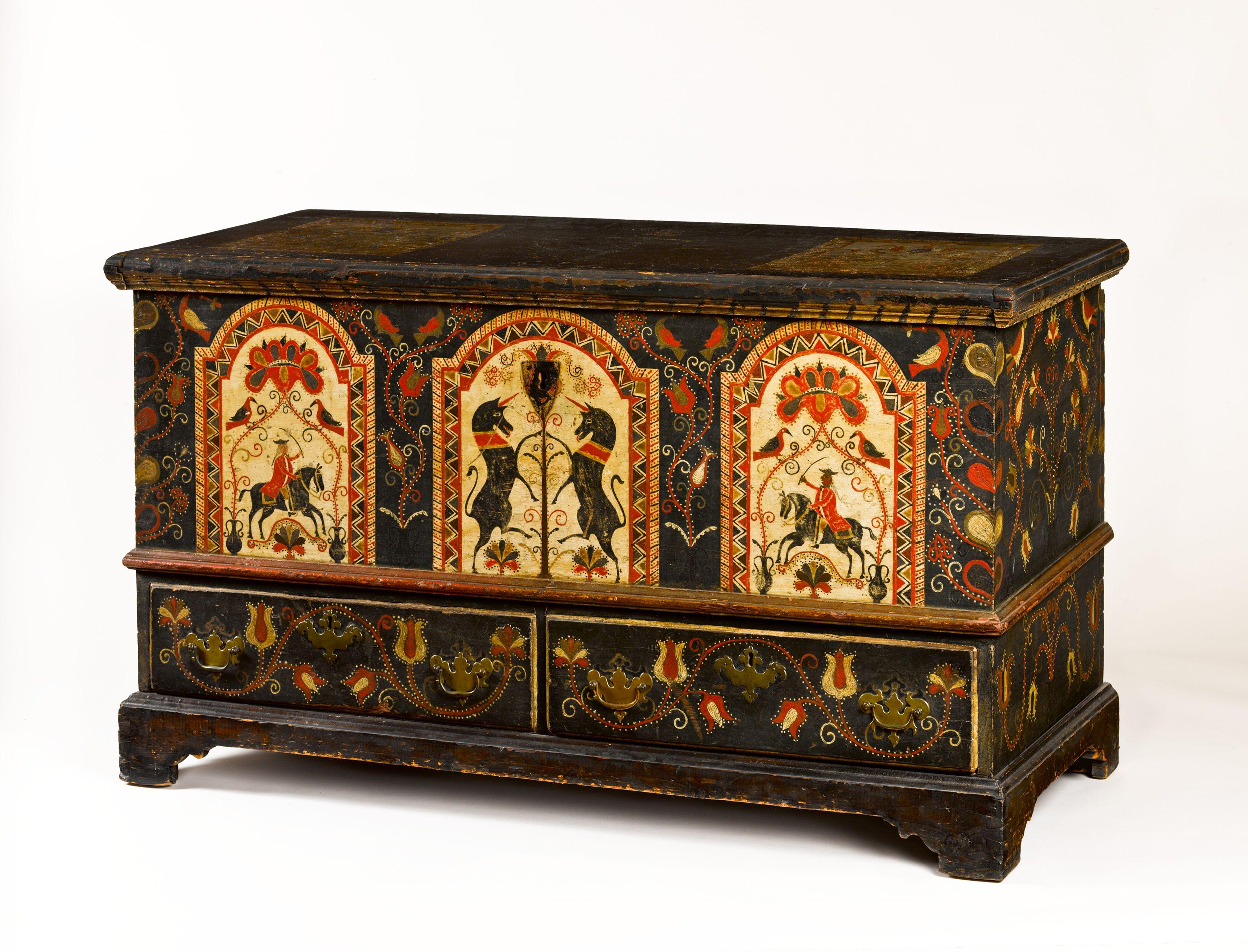 American, ca. 1780 (made in the United States, Mid-Atlantic, Pennsylvania, Berks County). Yellow pine and tulip poplar; painted decoration including horse imagery. The Metropolitan Museum of Art. Link |
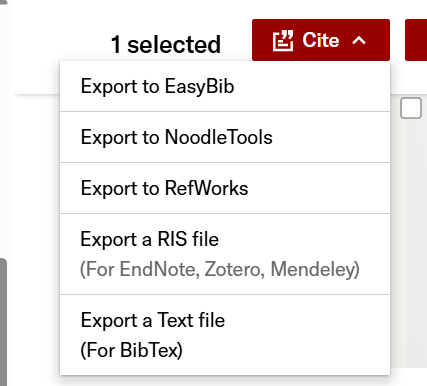
At the individual object level, JSTOR provides a direct link to the holding institution’s website, where users can often access additional contextual information and, when available, download higher resolution images from the institution’s own database. In cases where an institution does not maintain its own public database, this is part of the reason they partner with JSTOR. The platform also supports citation generation, making it easy to incorporate materials into scholarly work and classroom presentations.
A Teaching Perspective
The pedagogical value of JSTOR open collections extends well beyond art history. Dr. Whitney Barlow Robles, a historian of science and natural history at Dartmouth College, demonstrates their potential in her course Reading Artifacts: The Material Culture of Science.
Designed for students across the humanities, social sciences, sciences, and engineering, the course relies heavily on ARTSTOR (part of JSTOR) images to immerse students in the world of objects, particularly for STEM students. For example, a student may use a modern telescope every day in the lab, yet the historical “telescope” they encounter on ARTSTOR looks entirely different from what they are familiar with. This contrast prompts them to slow down, look more closely, and ask deeper questions.
As Dr. Robles observes, “Images really get STEM students invested in humanistic questions”. While having physical artefacts in the classroom is ideal, this is not feasible for many smaller institutions. JSTOR therefore provides a powerful digital alternative.
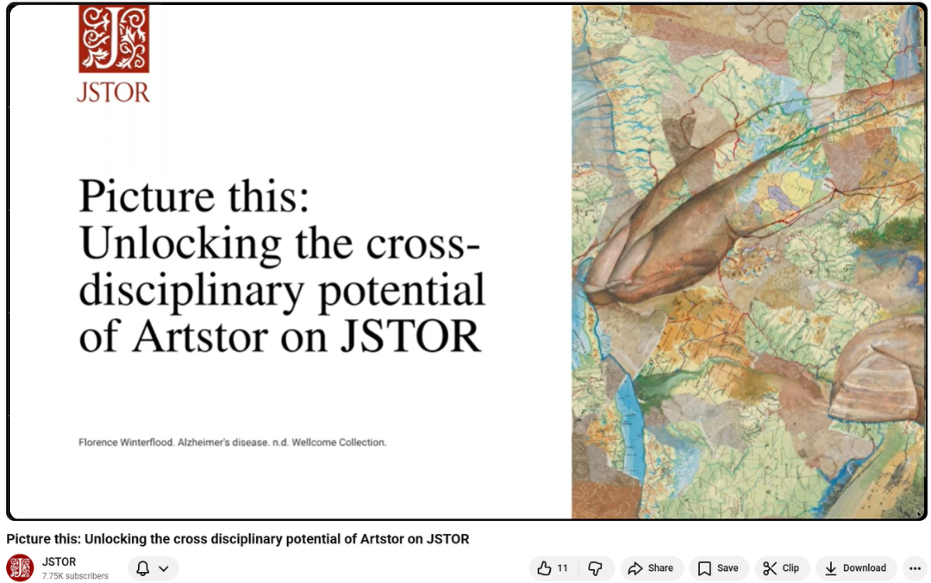
A video of Dr. Robles discussing her approach is available on YouTube at https://www.youtube.com/watch?v=UT9esa7nwOs.
Additional Resources for Teaching and Learning
For those seeking further support in integrating primary sources into the classroom, JSTOR Daily offers a curated set of Teaching and Learning Resources, including reading lists, pedagogical essays, syllabi, and scholarly annotations.
If you are looking to strengthen your visual literacy, the ability to read and interpret visual materials, you may find librarian Virginia Seymour’s visual literacy column especially helpful. The series walks users through the fundamentals of visual analysis, from understanding search filters and metadata to guidance such as “How to Find and Choose the Best Images for Your Project,” equipping them with essential skills for working with visual sources.
Beyond Artworks
The scope of JSTOR’s open collections extends well beyond the visual and decorative arts. Researchers can explore historical scientific instruments, like “quadrant” or “telescope”, or investigate material culture through searches on topics such as “tea”. Beyond images of museum holdings, the platform also provides access to audio and video archives, photographs, pamphlets, books, and more. Part of our Library’s own special collections is available on the platform as well: https://www.jstor.org/site/hkust/.
Whether you are an instructor designing a course, a student beginning a research project, or a researcher exploring new avenues of inquiry, JSTOR open collections offer a trove of cultural and historical materials. We invite you to explore the platform, experiment with its tools, and discover resources that will enrich your teaching, research, and learning in unexpected and rewarding ways.
Note: Claude-Opus-4.6 and Copilot assisted in the writing of this article.

