



The Long Way Home: The American who helped build HKUST’s Library, 36 years on
If you reach the HKUST Library before sunrise, you might spot him.
Wide-brimmed hat, leather saddle bag, pressed shirt.
From a distance he looks like he’s on an adventure. Up close you see rimless glasses, a salt-and-pepper beard, and a friendly face used to the question: “So what does a librarian actually do?”
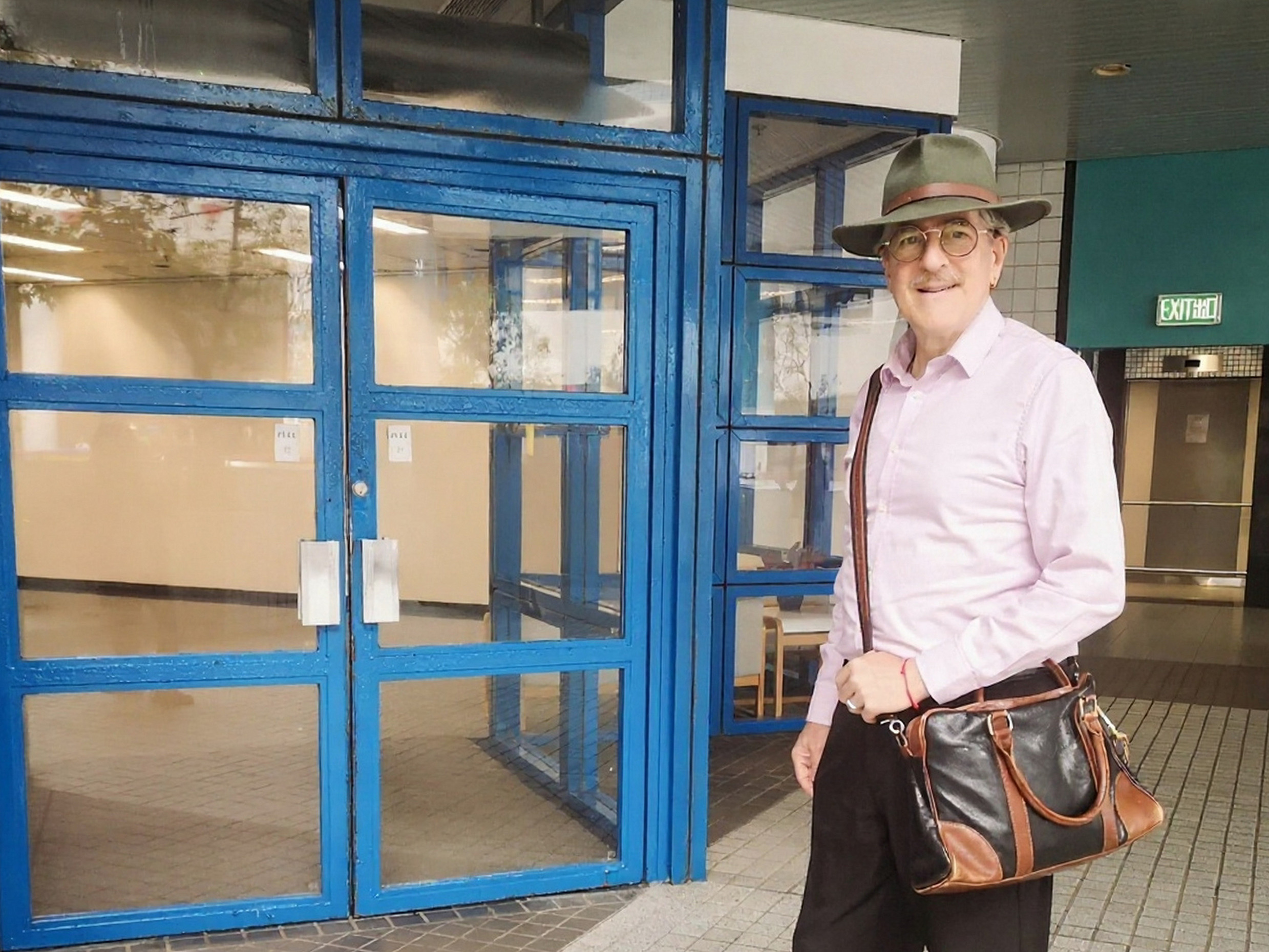
A few weeks before retirement, I met Edward Spodick, the Associate University Librarian, in his half-packed office. Ed stood at his iMac. “I’m waiting for my leave application to be approved,” he said.
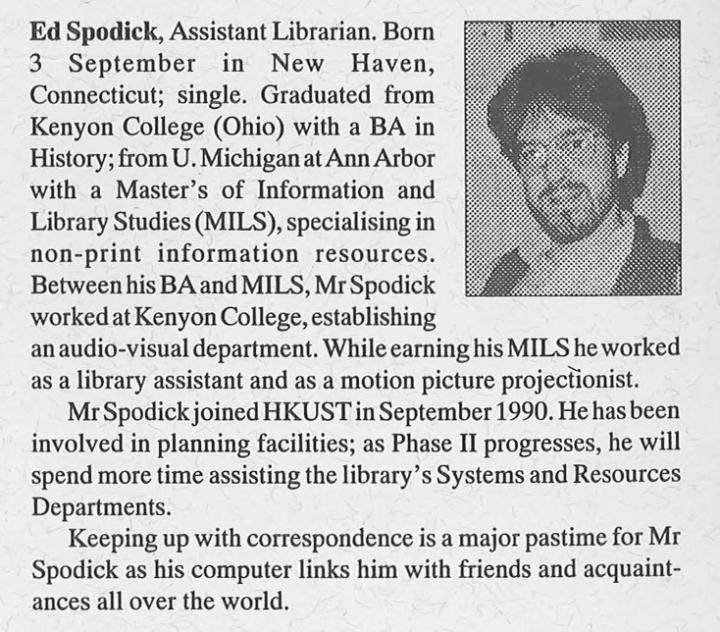
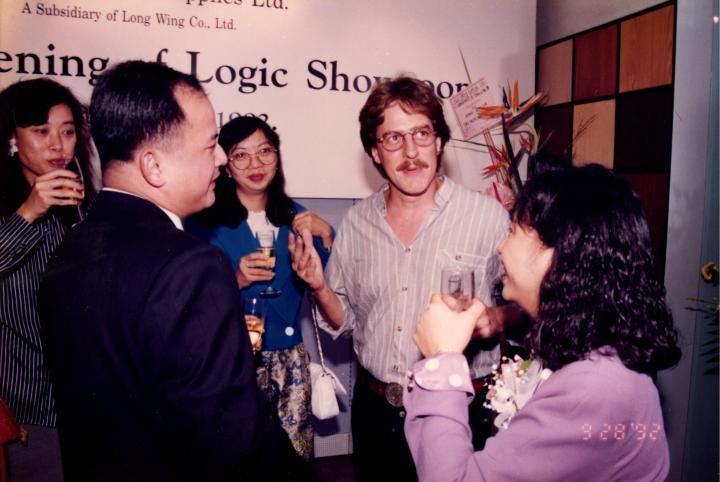
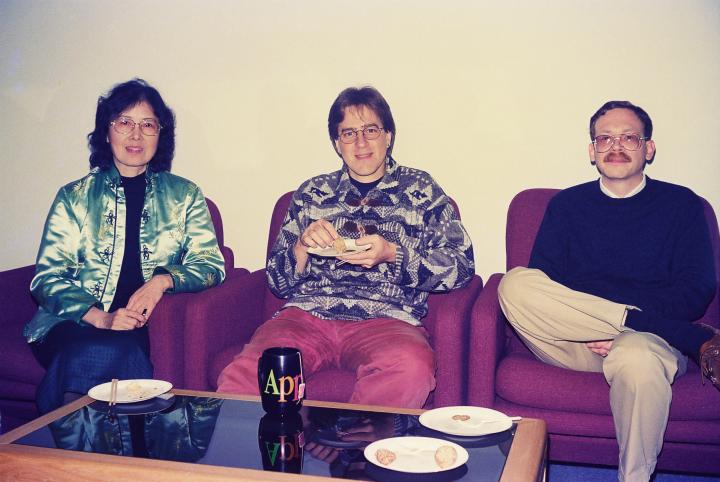
He arrived in September 1990 on a three-year contract. Fresh from a master’s in librarianship at the University of Michigan, he was recruited by Min-min Chang, HKUST’s founding University Librarian. The goal was to help open a library that existed mostly on paper. Three years became almost thirty-six. Ed helped build the Library we have today.
Before the library, there were cinemas
Ed grew up around his family’s cinemas in Connecticut. Birthday parties meant private screenings and unlimited popcorn.
At Kenyon College he built the audiovisual service from a converted closet. On hot days he worked on the lawn with a long phone cord out the window. Summers he designed theater lighting, including for French mime artist Marcel Marceau, and volunteered as a paramedic and firefighter. When the service moved into the library, he first considered librarianship as a career.
“There are all these possible directions,” he said. “I just followed. A lot of it comes down to luck and staying open to change.”
A university that did not yet exist
Ed found the HKUST job in the classifieds while studying at Michigan. HKUST and its library were built from nothing, 8,000 miles away. He had never been to Asia, so he researched the opportunity.
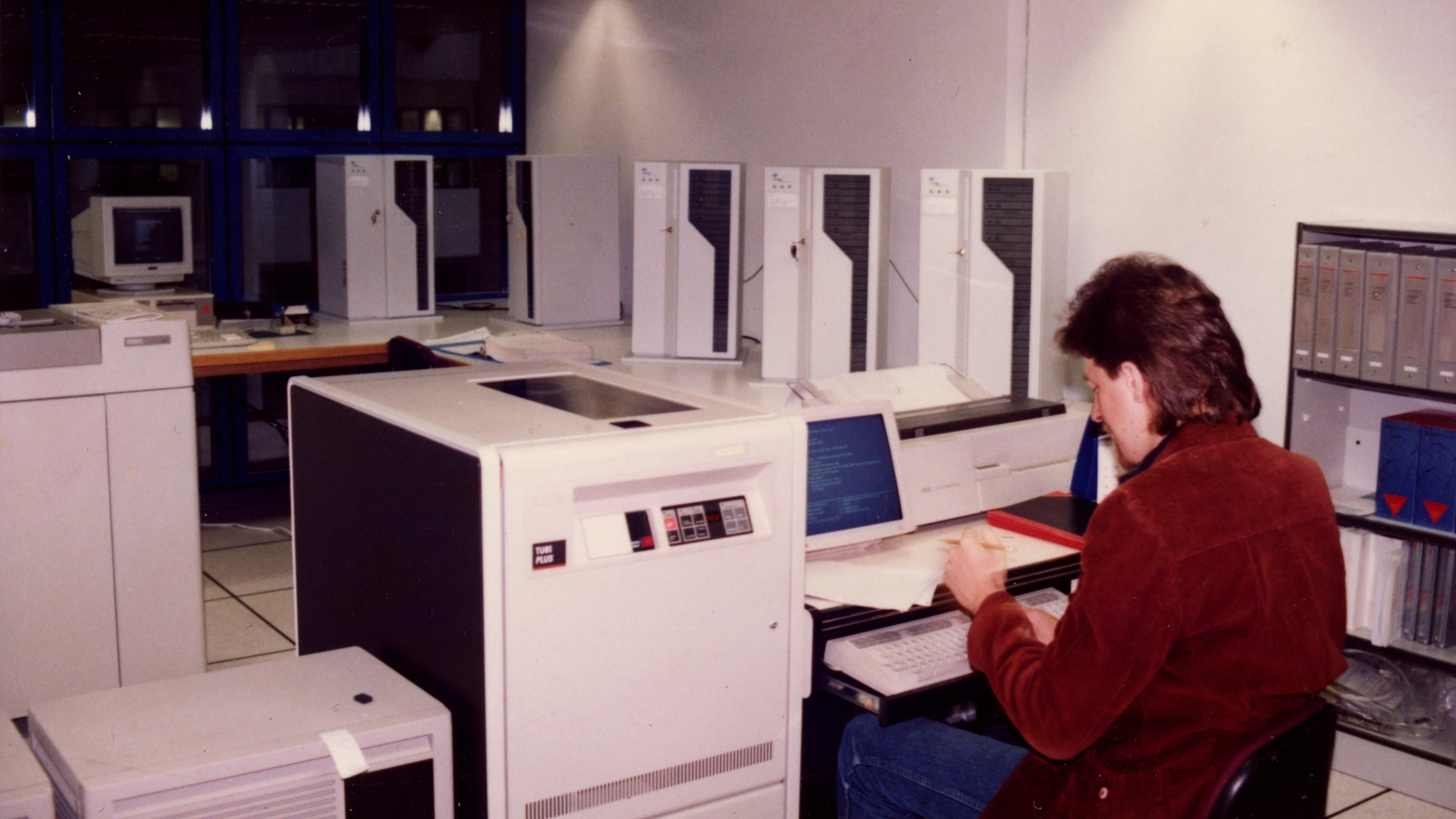
When he arrived, HKUST used three floors in Tsim Sha Tsui. His first job was planning space for 100,000 books. Staff processed up to 5,000 volumes a week. They cataloged, labeled, boxed, and sent them to a Kwun Tong warehouse.
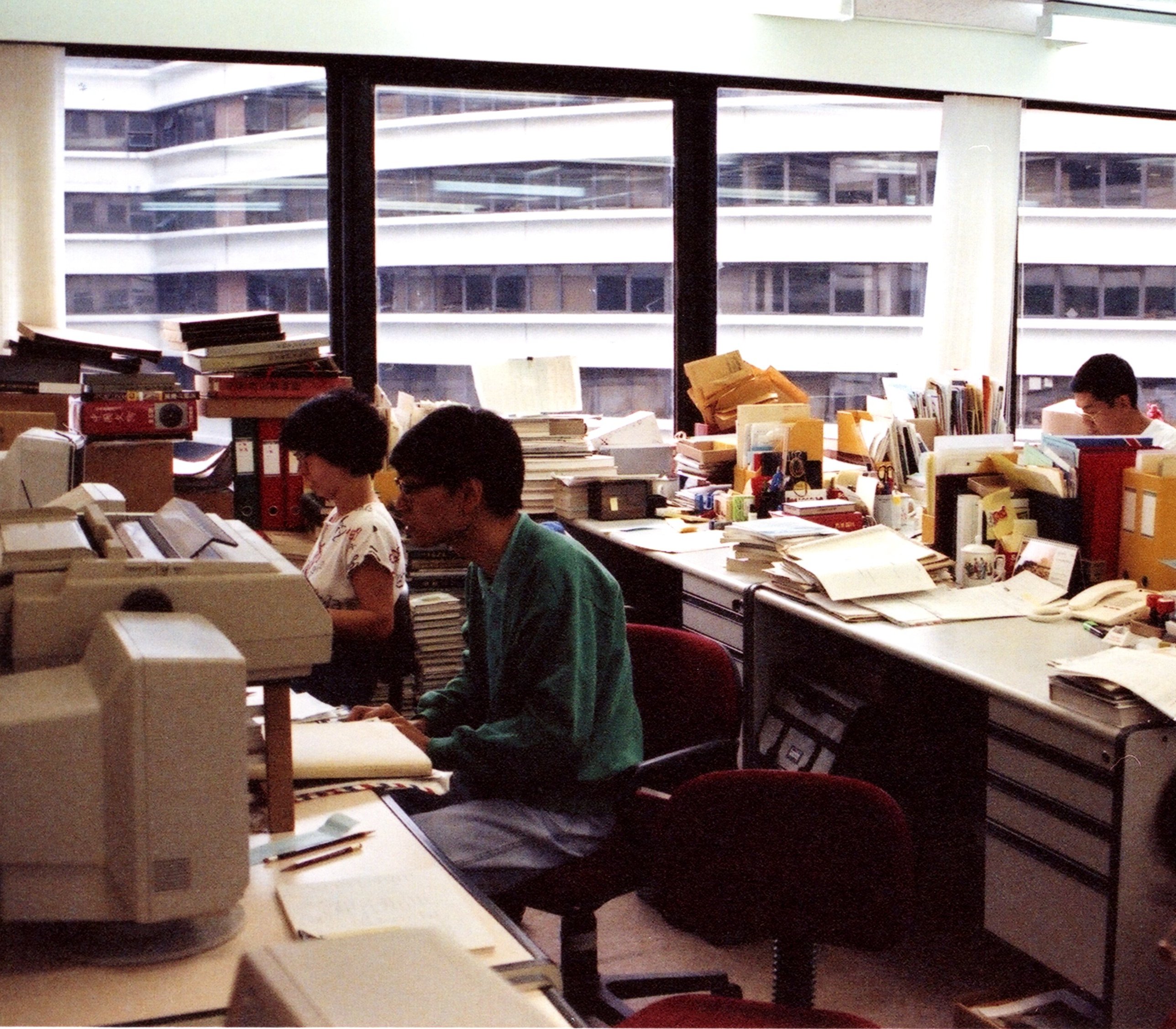
Timing was the biggest challenge. Faculty needed day-one info. The team cataloged books as they arrived and loaded records onto a colleague’s server. Faculty could search remotely. When the building was ready, books were shelved in under two weeks. The Library opened on schedule.
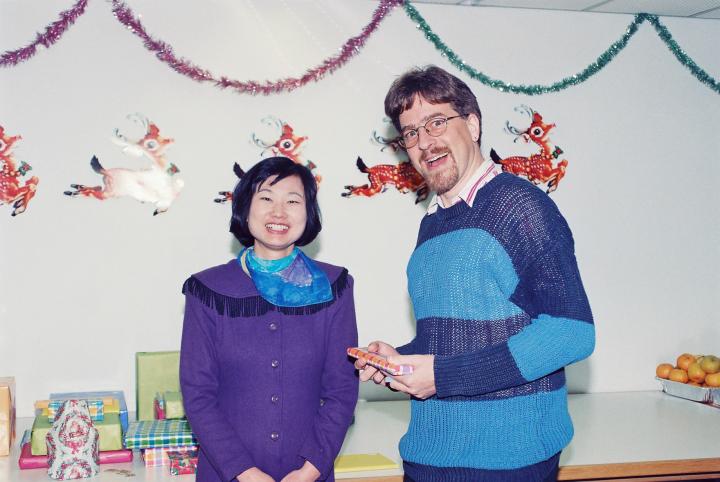
The first Library newsletter called him “J.O.A.T. Librarian” — Jack of All Trades.
Stay on systems
Min-min guided him toward systems work. “The future of the library is going to look like a network,” she said.
He stayed on systems for thirty-one years as Head of IT before senior roles.
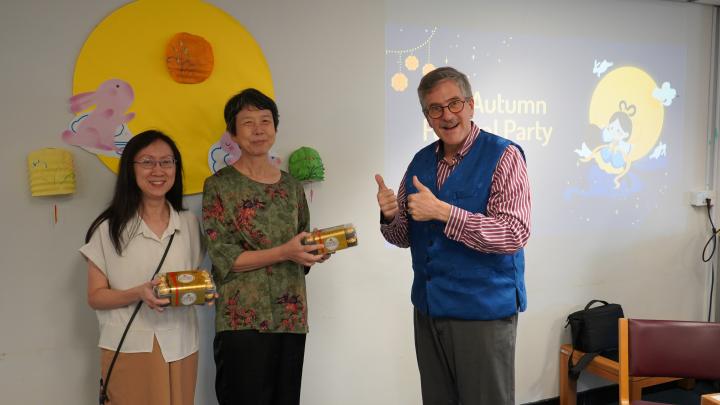

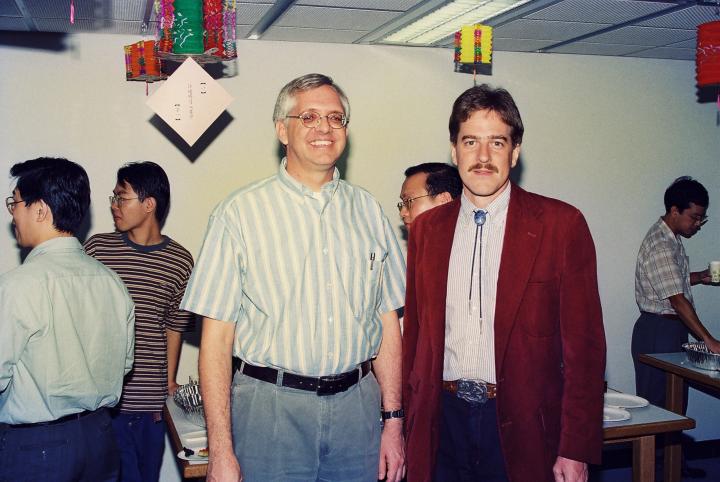
“I fell in love with the place,” Ed said — the job, the people, the institution, and Hong Kong.
He enjoyed quick trips from busy MTR to quiet trails.
The work changed constantly. “When automation takes over a task, it frees you up to do something new.” He sees it like the old monks after the printing press. Librarians adapt.
Ed likes the fast pace. “The internet and automation — I think it’s awesome.”
An end date
None of this was planned. “It just developed,” he said.
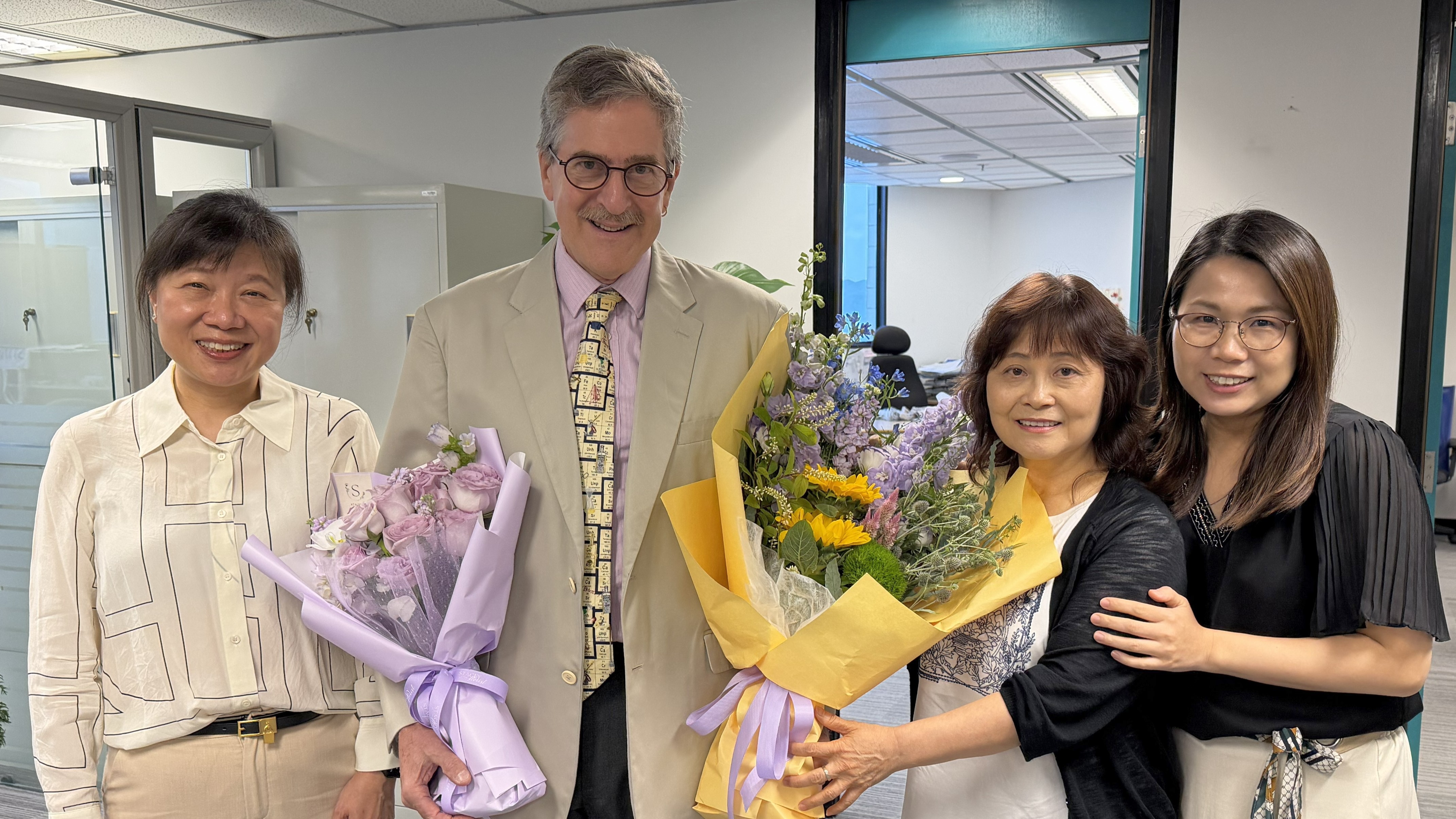
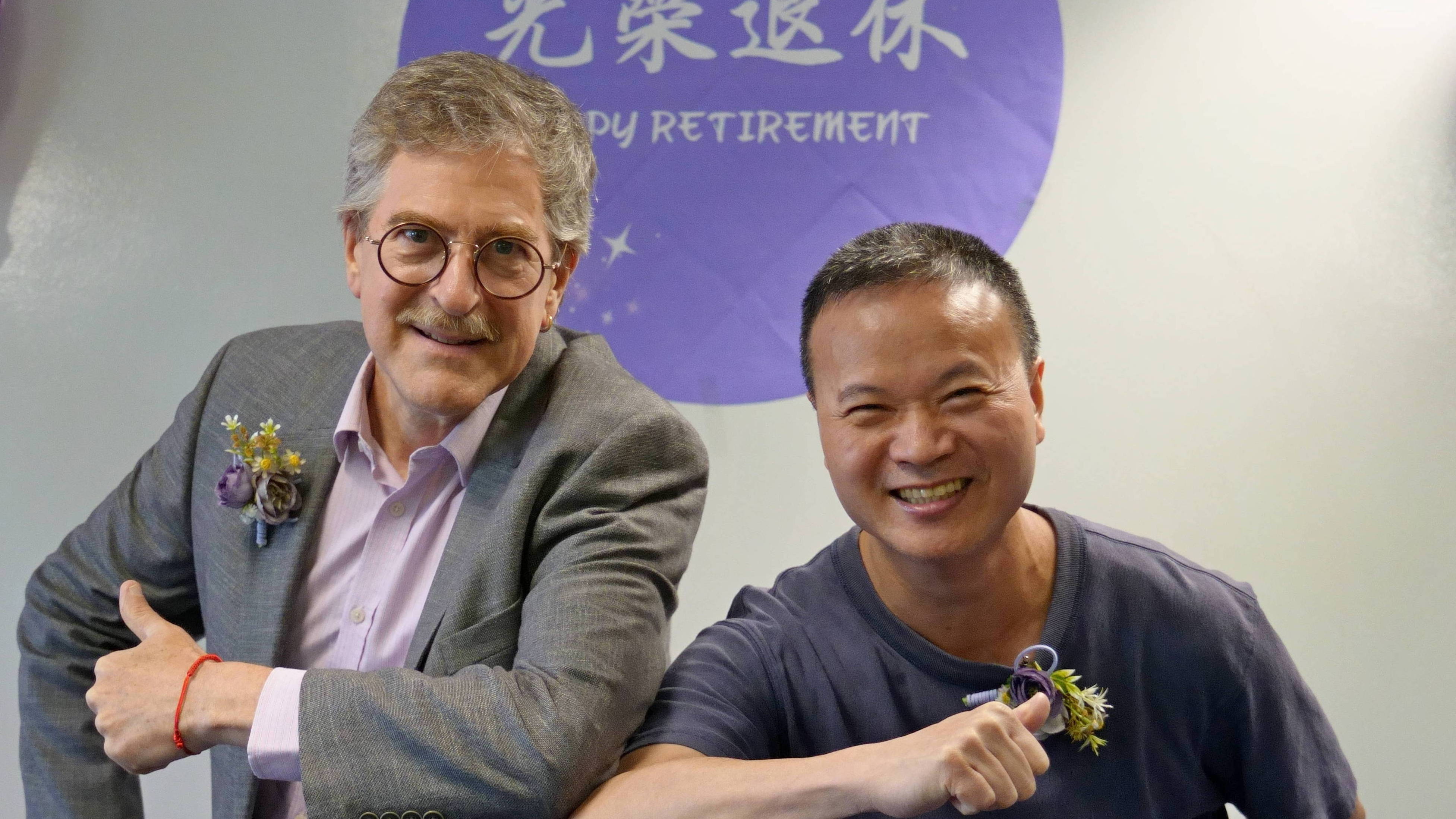
He is retiring - partly mandatory, partly for family. On his corkboard is a photo of his 99-year-old mother, who still lives in Connecticut. His siblings help with her care. "It's my turn," he said."
Back home he will manage condos. That means learning to fix washing machines, wire circuits, and repair pipes. “I want to be less dependent on others.”
It’s the same practical spirit he brought to HKUST: see what needs doing, figure out how, and get started. That spirit helped build a Library that removes barriers and connects people to information every day.
Erin Chan
Assistant Officer (Research Support)
lberin@ust.hk
