




An Antiquarian's Landscape Painting of Digital Scholarship

"DScape 1.0 Beta" (August 11 - September 24, 2026) is an experimental node-grid installation for digital scholarship, applying new methods to old machines. (More about → Digital Scholarship)
Imagine you are an antiquarian, sitting in your study before a wooden codex, searching for clues among old artifacts.
You collected them almost by chance, from field trips, archaeological sites, and dust-covered, deserted relics and ruins. An intense curiosity seized you, "What is it?", "What was it for?" You had never seen them before, or perhaps merely had faint impressions gleaned from blurred hearsay and faded memories.
You don't know how to use them, nor do you know their original context, but you possess a desire to know. Driven by curiosity, you want to observe, study, and connect with these objects, and allow your personal memories to become embedded in, deciphered through, and intricately entangled with them.
Congratulations. You have just stepped into what I experienced when I unearthed a trove of outdated computer devices from the Library’s storage room.
As a classicist and art historian, I wish to guide you through the inspiration and formation of "DScape". Playing as a digital antiquarian and digital ethnographer, you may indulge in a moment of wonder, when faced with the unknown.
I. A Material History of Digital Scholarship
From the 18th to 19th centuries, antiquarians wandered through physical ruins to unearth the human-made remains of the past. They collected inscriptions, monuments, manuscripts, statues, and coins. They meticulously cataloged these tangible objects into collections, much like the scholarly role and empirical practices defined by Pliny the Elder for subsequent naturalists.
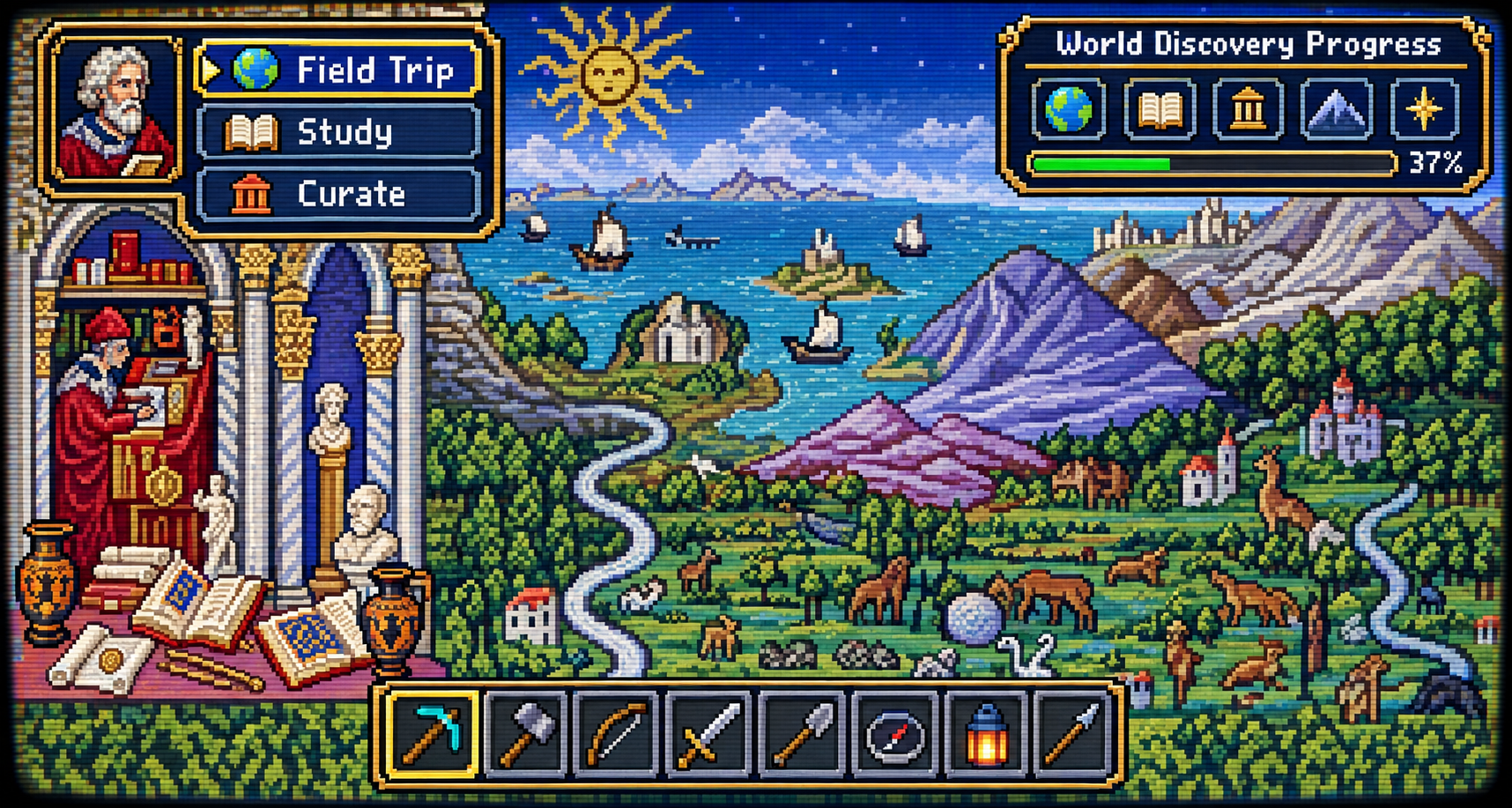
Fig. 1.1 Role-playing as Pliny the Elder. Rendered by Nano Banana Pro, based on manuscript Harley MS 2677 in the British Library (public domain). Prompt assisted by DeepSeek, final output generated by GPT-Image 2.5.
This practice represents a self-conscious engagement with the past, forming a systematic collection grounded in critical interpretation. The epistemological method manifested is that by approaching and interpreting the past, the contemporary makes sense.
Today, our ruins and artifacts are increasingly digital, yet the impulse remains identical.
For the past 35 years, our library has happened to store, witness, and actively participate in the technical progress of storage and transmission of scholarly data. It presents not only an evolving history of computer science and computer engineering, encompassing the hardware, devices, infrastructures, and systems, but also illustrates how humans engage with digital artifacts.
Moreover, they imply how the conception of the "digital", together with a tangible and tactile medium of "digital" when sculpted by physical devices, continually emerges and transforms.
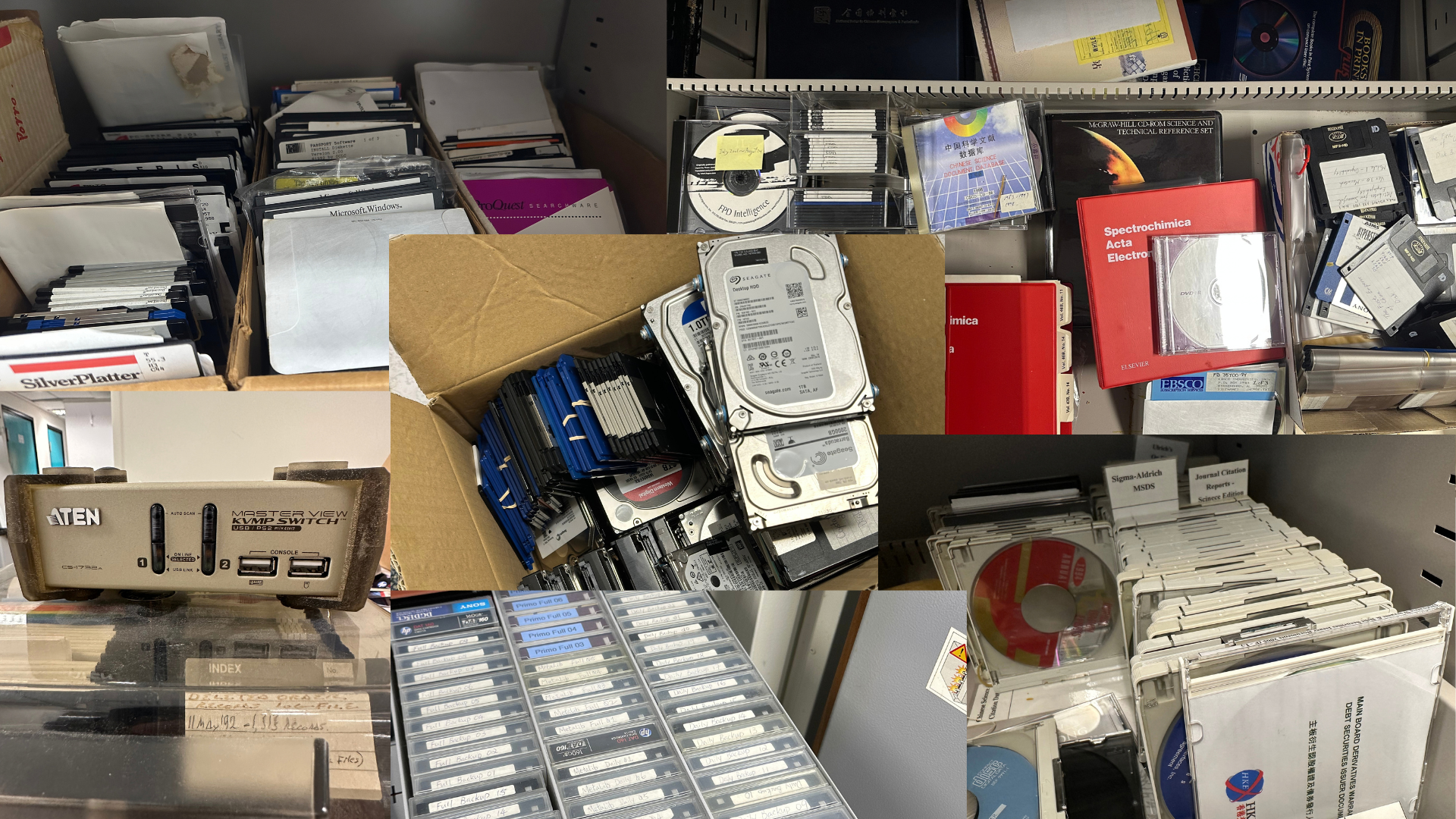
Fig. 1.2 Relics dug out of the storage room right before it gets dismantled. I happened to record some digital ruins before they headed off to e-waste.
My questions, when confronted by those old monitors, obsolete devices, floppy disks, and cartridges, revolve around (a)synchronization. The non-contemporaneity among contemporaries, a mingling of multiple temporalities, and the ways we swing in a rhythm of asynchronization, are intriguing.
What happens to the compatibility across or between legacy machines and rapidly shifting technologies? How will digital sustainability endure? The definition, scope, and grade of the obsolete, marked by low-resolution, glitches, and malfunction, are constantly expanding. How will we reconcile ourselves to what is old and what is new? And ultimately, what constitutes a human-made artifact in this hyper-accelerated era?
II. Pour New Wine into Old Bottles
Just as an antiquarian contemplates weathered, aged, dusty objects, we gaze upon discarded computational devices. They may not be digital trash but rather living repositories of memory and intellectual labor, in humanists' eyes.
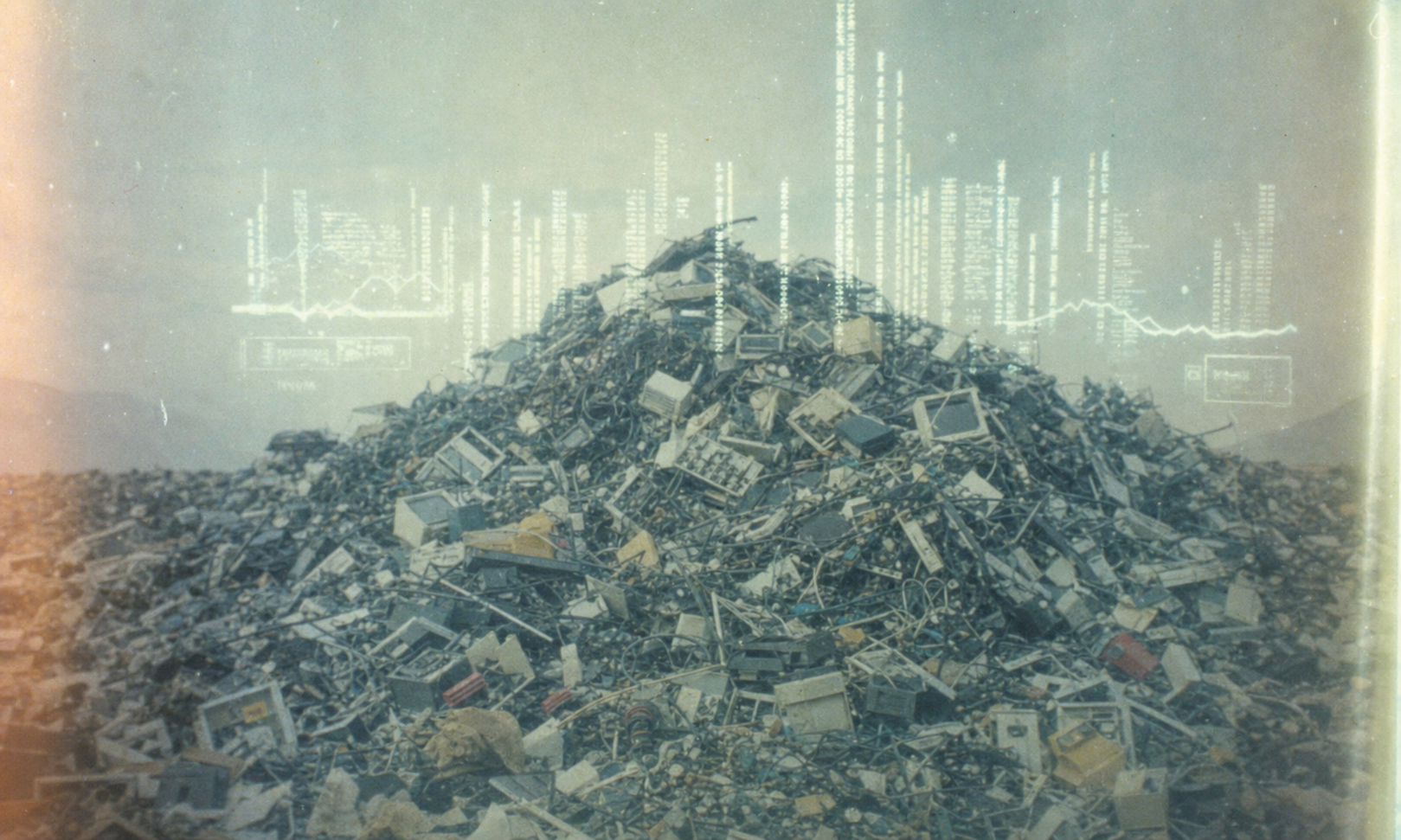
Fig. 2.1 Digital trash. Prompt assisted by DeepSeek, generated by GPT-Image 2.
They are the human-made remains of recent human-computer interaction, tangible inscriptions of how knowledge was once stored, circulated, and displayed.
The goal is never nostalgia for its own sake, but a practical, experimental methodology. It is to curate, interconnect, and contextualize these remains into a living collection that prompts visitors to rethink how the “digital” is shaped, and how we might co-create alongside technology rather than simply layering atop it.
Thus, DScape—short for the "Landscape of Digital Scholarship"—was born.
We collect, arrange, and study these digital artifacts, so that the micro-sensory experience (a click, tap, touch, grab, drag, or scroll) and the macro-sensibility (the shifting landscape of digital scholarship, its ecologies, and its underlying mechanisms) can be captured in the same frame.
I wish to challenge you about the "digital": the "digital" in the humanities, in scholarship, in preservation, in heritage, in epistemology, in methodology, in ontological existence, in objectivity, and in human agency...
To truly grasp the "digital", we need a mirror, a wall, a reflection, or a container. Because such a physical-digital interface is capable of grounding abstract "digital" scholarship back into tactile reality. A dedicated space is to be created, where we can investigate, preserve, and exhibit the ways human memory co-evolves with digital tools.
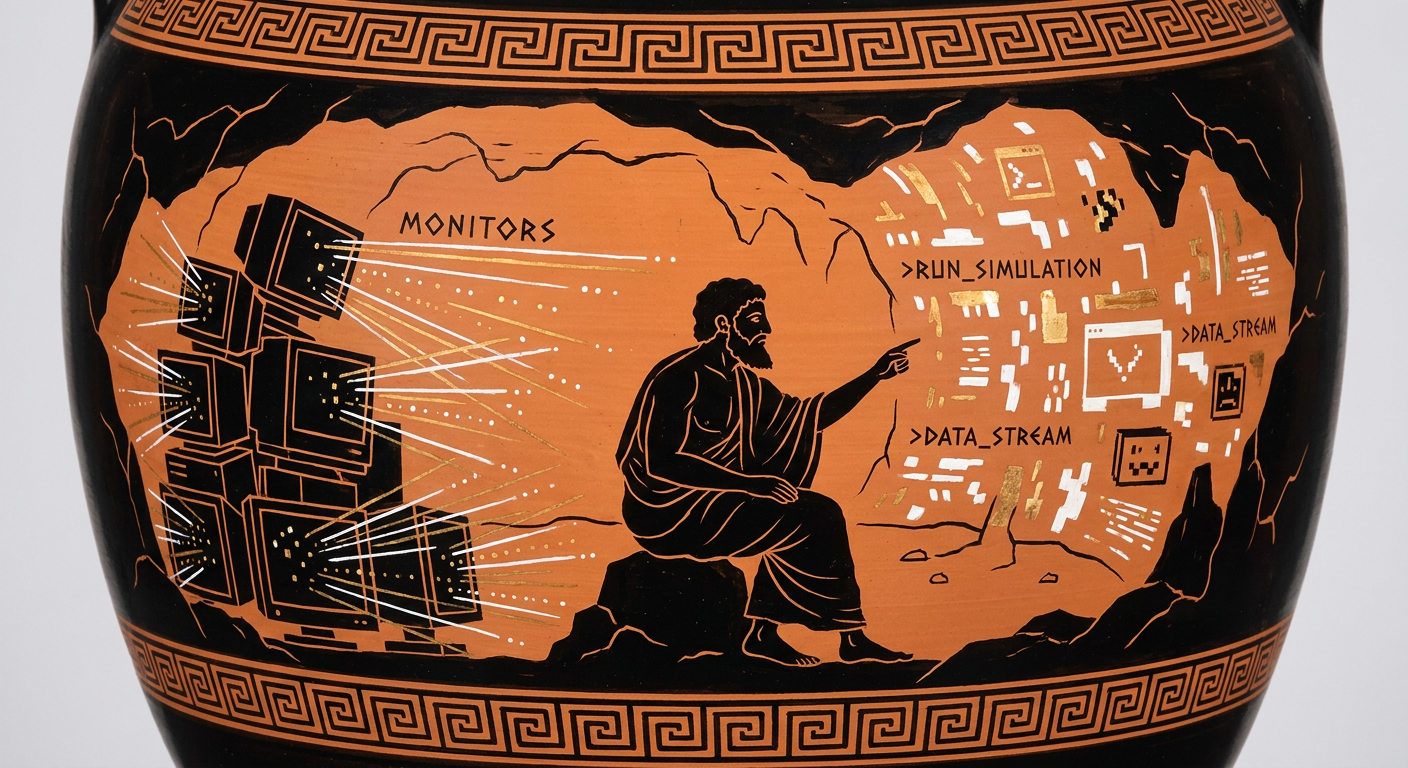
Fig. 2.2 A retro-futuristic Platonic CAVE. Prompt assisted by DeepSeek, final output by Nano Banana Pro.
We have achieved this with Version 1.0 Beta. It started with a pillar.
It is a node-grid installation, an interstitial, interconnected, in-between topological space, an experimental practice curated and woven into the library’s architecture.
Legacy monitors sit beside 3D-printed floppy disks, vinyl records, a television set, and cinema signboards, some triggered via NFC.
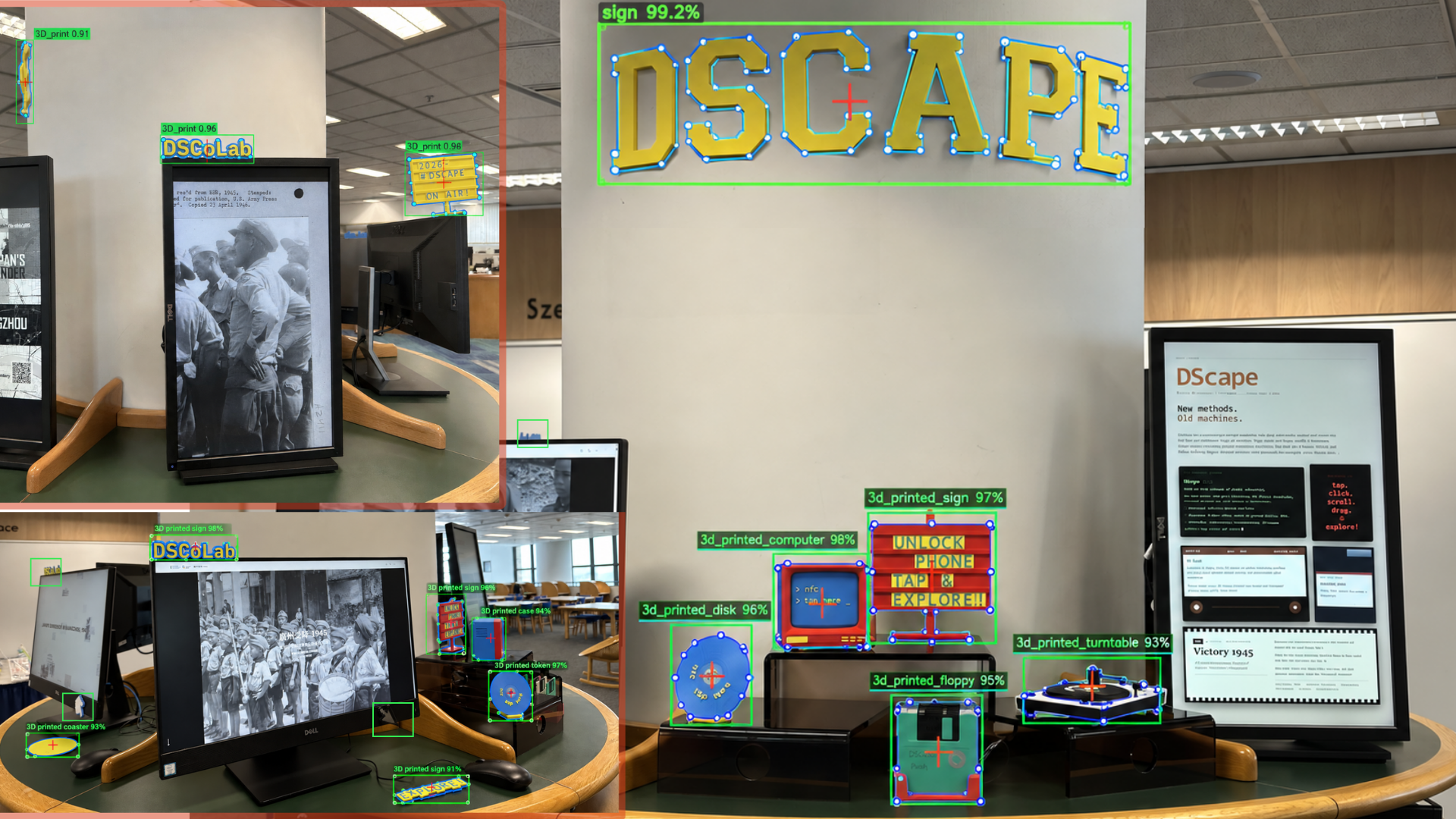
Fig. 2.3 I was the operator, assembler, quality control inspector, engineer, and manager for this mini-3D printing line. GPT-Image 2.5 assisted with object detection and labeling on photos of the Pillar, followed by a manual photo collage.
Projects appear on the very hardware that once defined them. The physical form and digital content remain inseparable. The space invites pause, touch, and play. Visitors are invited to experience digital scholarship as a dialoguing process with materials and interconnections.
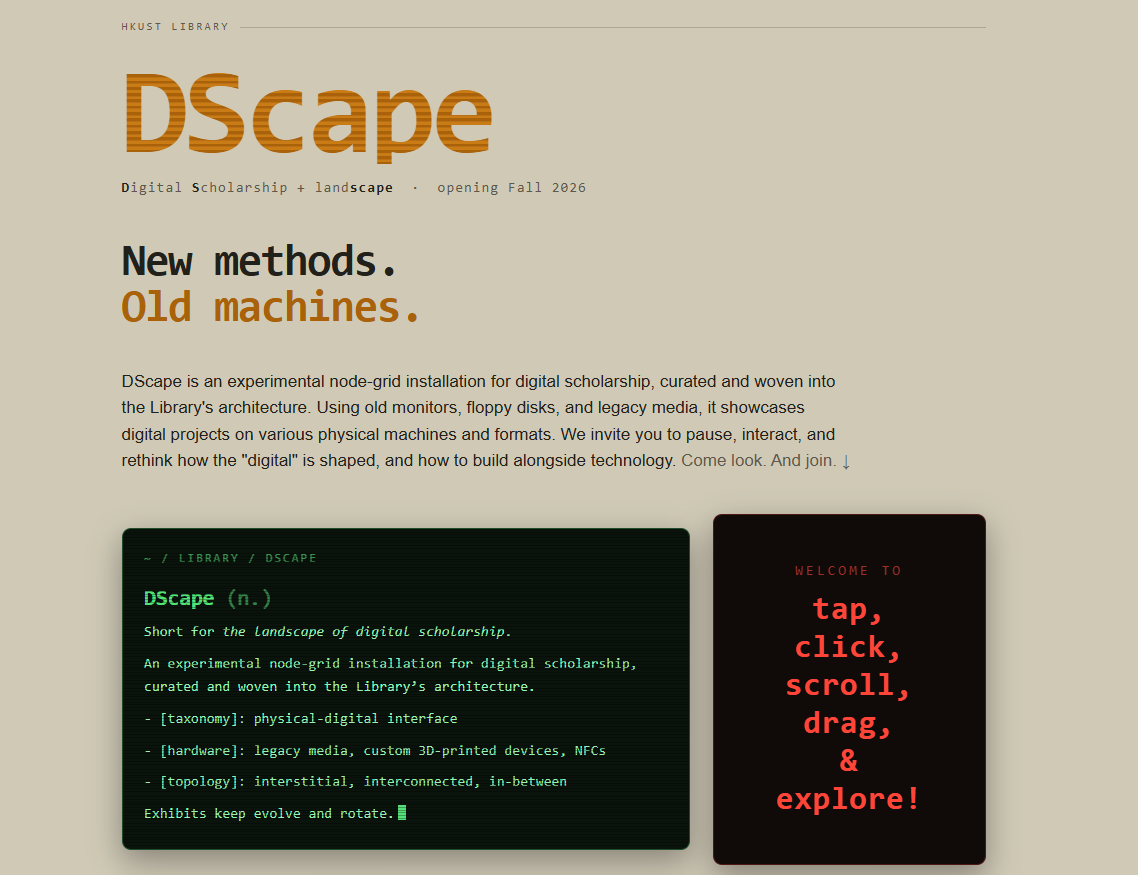
Fig. 2.4 Jennifer prompted the initial webpage frame on Cursor, and I came in with the finer brushstrokes. (→)
III. To a Digital Landscape
DScape is different from DSColab, the collaborative sandbox initiated by the Library to work with faculty and students since Spring 2024.
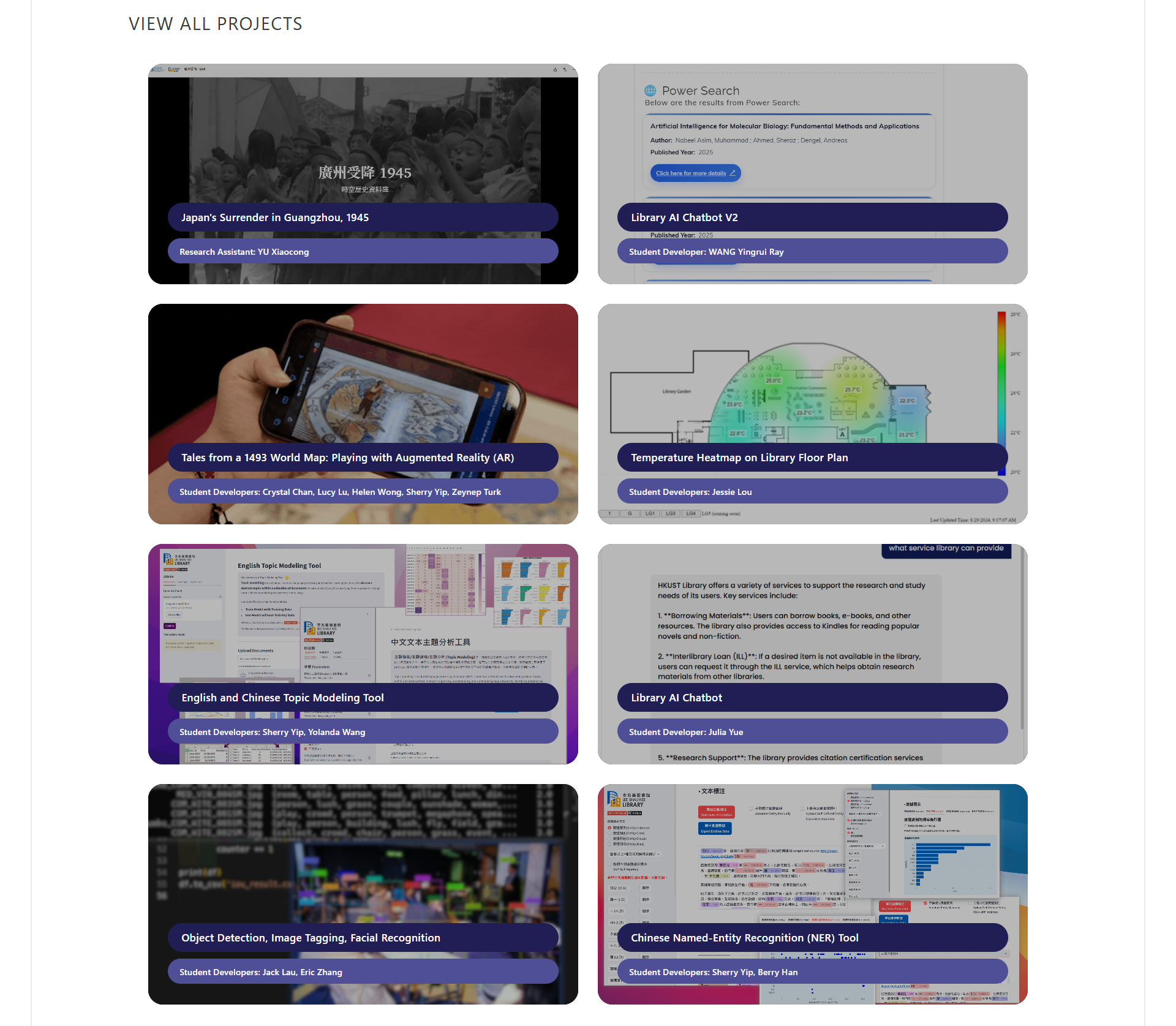
Fig. 3.1 Screenshot of DSCoLab Projects.
I believe such a landscape is essential to orient and attune you to what digital content truly entails, like how the digital is contained by physicality and materiality, where the boundary lies and moves, and how we might critically interrogate it.
Then we need a "wall", against which our thoughts may be projected.
One might recall the “Wallfacers” (面壁者) from Liu Cixin's The Three-Body Problem. There is a "wall" erected between consciousness and behavior, between inner contemplation and outer expression, between intention and outcome, between the encrypted and the decipherable, between the sensible and the imperceptible.
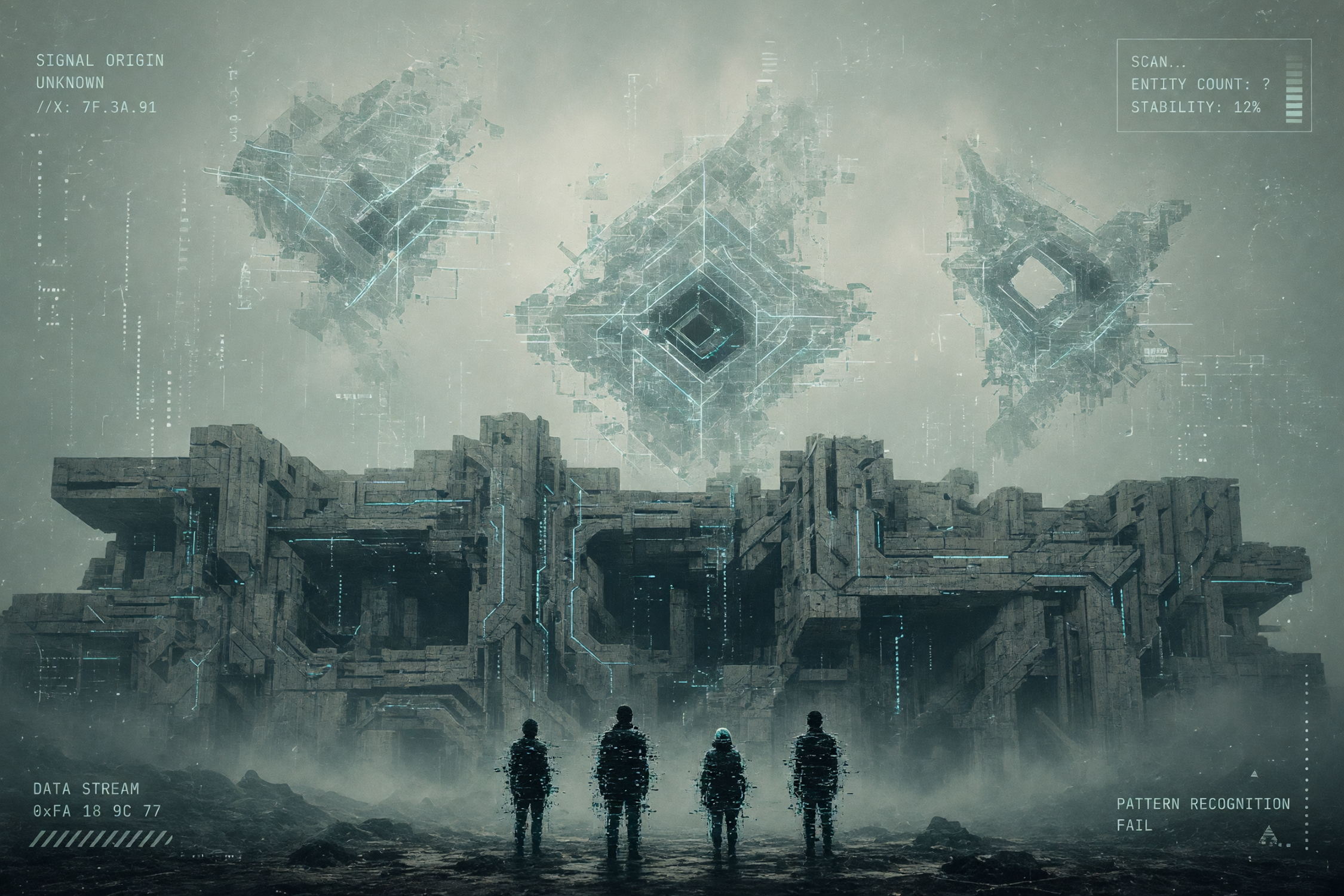
Fig. 3.2 A conceptual sketch of Wallfacers. Prompt assisted by DeepSeek, final output generated by Grok-Image 2.
In a resonant yet distinct sense, we need to create such a "wall", metaphorically, to anchor our meditations, constructing a retreat area to reflect upon the digital, through the digital, and from within the digital, yet ironically forged by the digital.
I want this wall, like a canvas for landscape painting, to be the transparent barrier that separates you, the observer, from the staged, window-showcased contents, unfolding the time and space for any critical thoughts to take form.
Such a wall cannot be achieved only by me. It relies and thrives on our colleagues, everyday maintenance, and above all, you—our audience. It is a collective work that turned my ideas and visions into a tangible, dynamic, and experimental space.
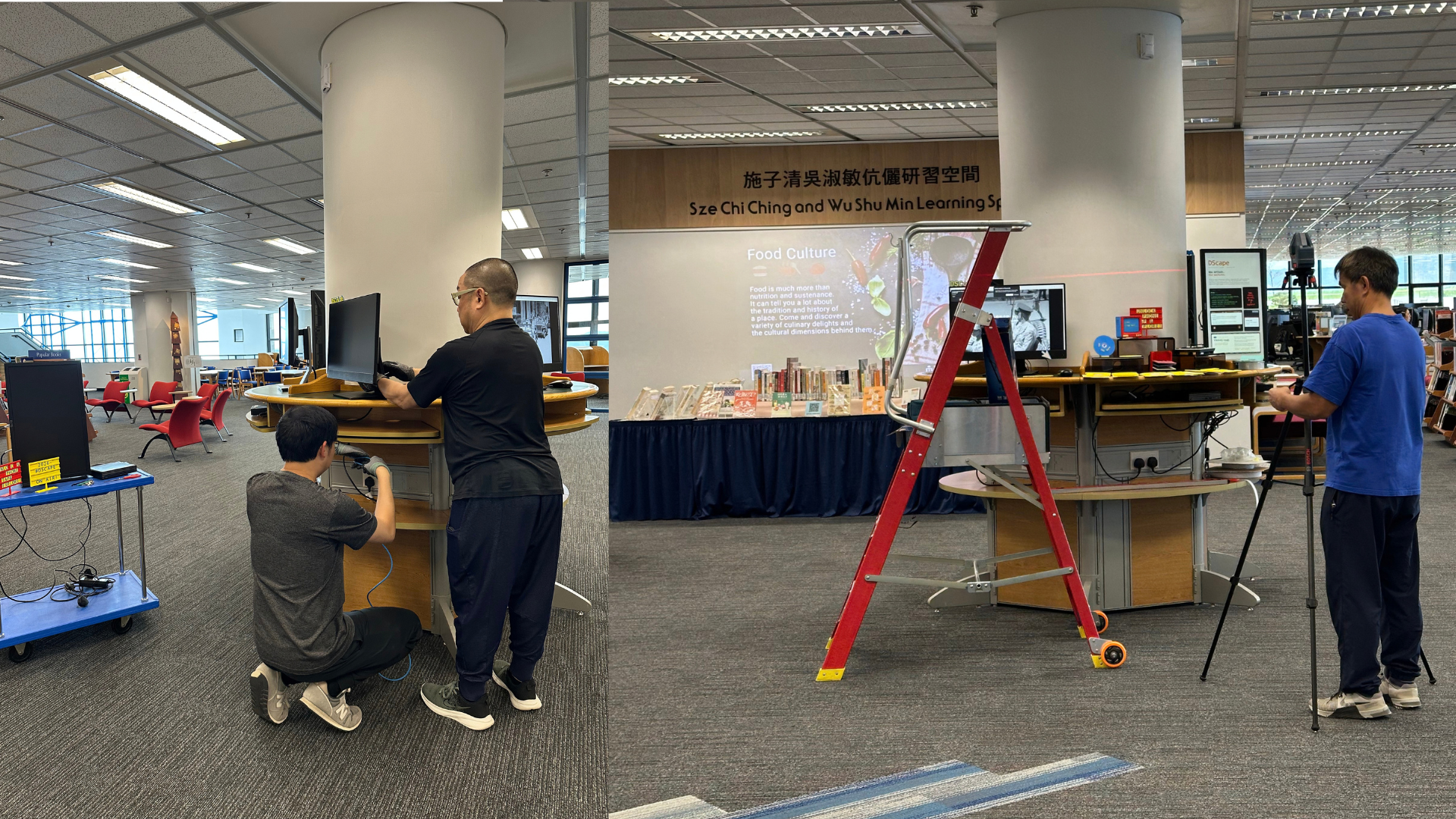
Fig. 3.3 Joey and Sam wired and configured the device setup, Faat helped level everything, and Andrew and Hongyi dropped by and helped with placement. Gary Wong and Marcus helped peel the Pillar. Thanks to the Access Team for daily maintenance, Venia and Irene for granting me such a pilot space, and everyone passing by who offered a helping hand, an NFC tap, a webpage scroll, or a curious glance!
The next phase is already taking shape.
It will be a more expansive and densely configured “screen of screens”, a curated wall of monitors that will expand the node-grid into a continuous interface for pioneering experiments at the intersection of digital methodologies, media and science art.
Let us act as digital antiquarians who keep collecting and curating the material traces of digital practice, and continually invite every one of us to dwell within, reflect upon, and add our own brushstrokes to this unfolding landscape.
We know what happened after the era of antiquarianism, the Grand Tour, the flourishing and booming of arts and thoughts throughout centuries.
And now, we just need to re-collect this not-yet distantly aged, while intensely tech-entangled, recent past.
A mini-archive is under construction for digital ruins from the storage room. Stay tuned!
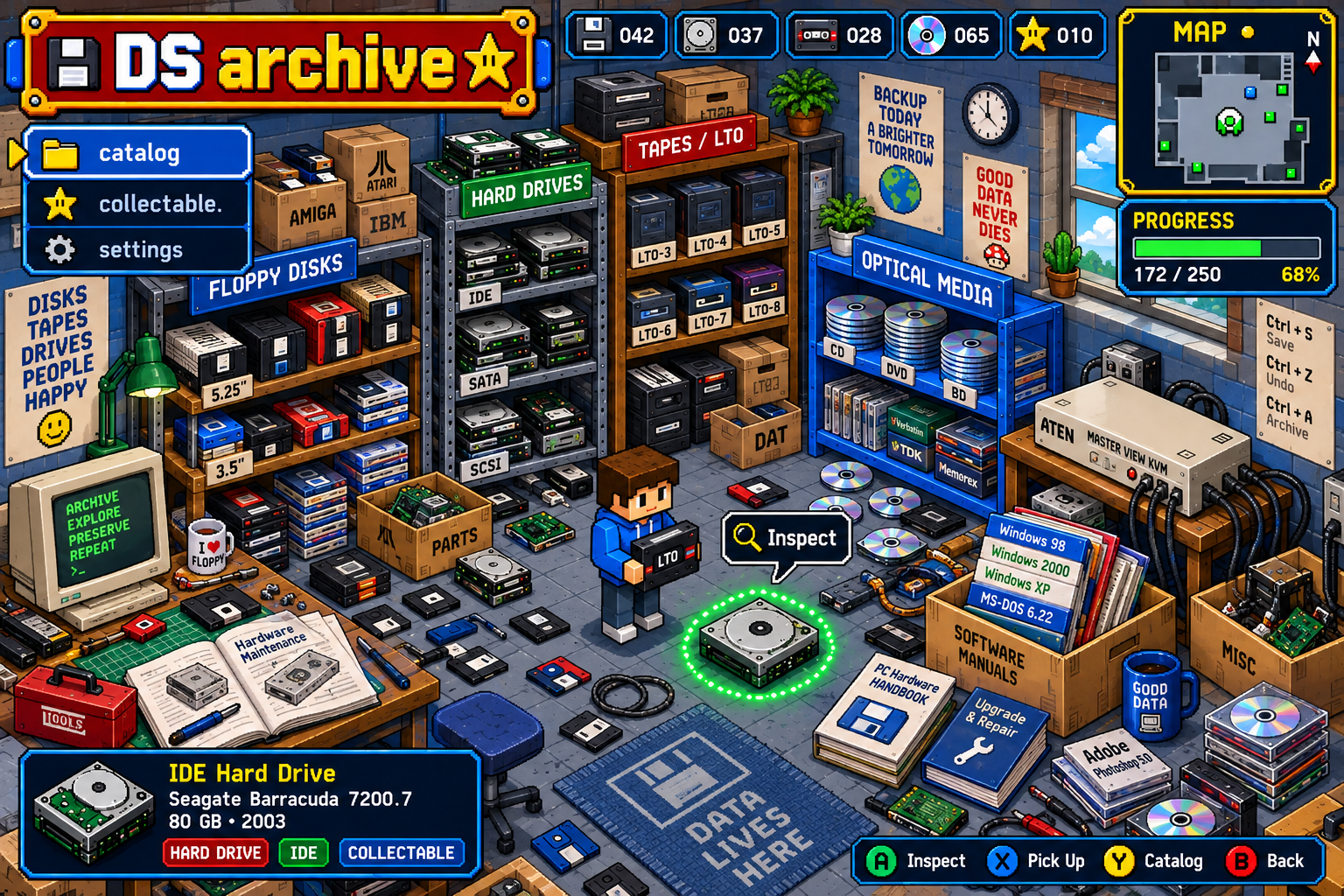
The conceptual preview is generated by GPT-Image 2.5, prompt assisted by DeepSeek.
Yifan WANG
Assistant Librarian (Digital Humanities)
lbyifan@ust.hk
